
- Design Ideas
- Cities
- Trends
- Guides
- Price Calculators
- Interior DesignersNEW
- Our Portfolio
- More


- Home
- Interior Design Ideas
- False Ceiling Design Ideas
- Striped False Ceiling Design Ideas
Striped False Ceiling Design Ideas
A striped ceiling design runs repeated parallel bands of colour or finish contrast across a flat surface, building rhythm through paint rather than raised borders or a stepped structure. Nearly everything else in this category is paid for in height. A drop, a level, a cove all take three or four inches out of the room. A striped ceiling takes none, and changes something else entirely: not how tall the room feels, but how long and how wide it feels. At Interior Company, striped false ceiling design work suits households wanting the linear, directional look of a parallel beam ceiling without the framing, the height loss, or the cost real beams bring. Direction is the decision that matters most. Bands running with the room's long axis stretch it. The same bands turned across it shorten it. Width and spacing follow from there. Narrow stripes set close together pull a ceiling down, while wider bands with more space between them open a room out. Striped ceiling ideas run from two shades of one colour to a full black and white striped ceiling for a room that wants something genuinely graphic. Explore Interior Company's striped false ceiling designs and find a colour, width, and spacing that suits the room's proportions....Read More
Filter




Vastu Insights by Our Experts
Watch our designers decode the balance between design, energy, and harmony for your home.







False Ceiling Design Ideas for You
- Theme
- Type
- Material
- Shape
- Room
- Painted Type False Ceiling
- Central Drop Type False Ceiling
- Parallel Type False Ceiling
- Peripheral Type False Ceiling
- Plus Minus Type False Ceiling
- Single Layered Type False Ceiling
- Stucco Type False Ceiling
- Multi Level Type False Ceiling
- Multi Layered Type False Ceiling
- Eclectic Type False Ceiling
- Double Layered Type False Ceiling
- Coffered Type False Ceiling
Rejuvenate Your Space with a Variety of Options
- Type + Theme
- Type + Material
- Type + Shape

Bedrooms are meant to feel easy and comfortable after a tiring day, which is why the ceiling ends up affecting the room more than most people expect. A design that looks nice at
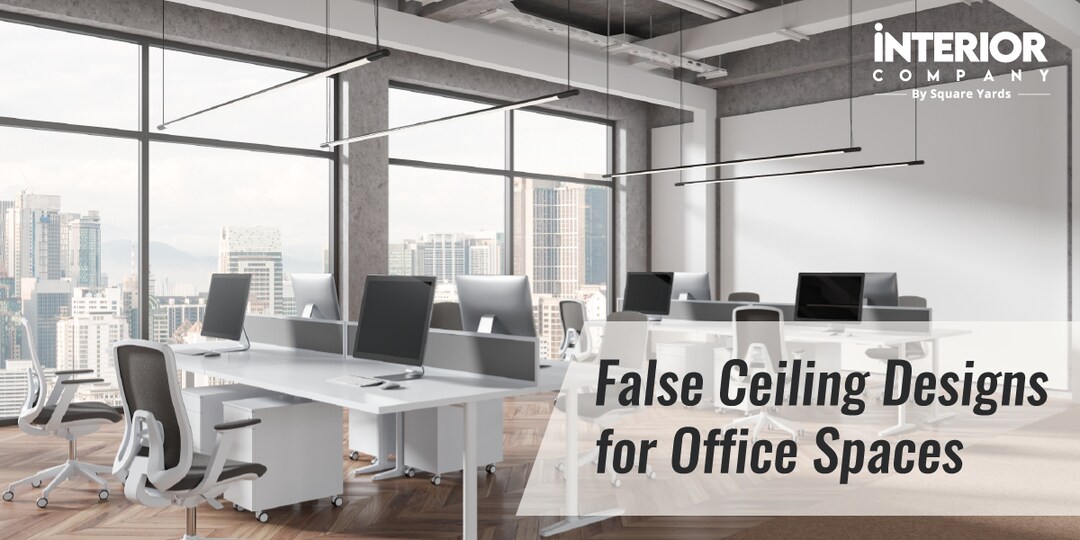
It is often said that we spend about one-third of our lives at work. This makes our workspace our second home, where we invest much time and energy. Given this significant porti
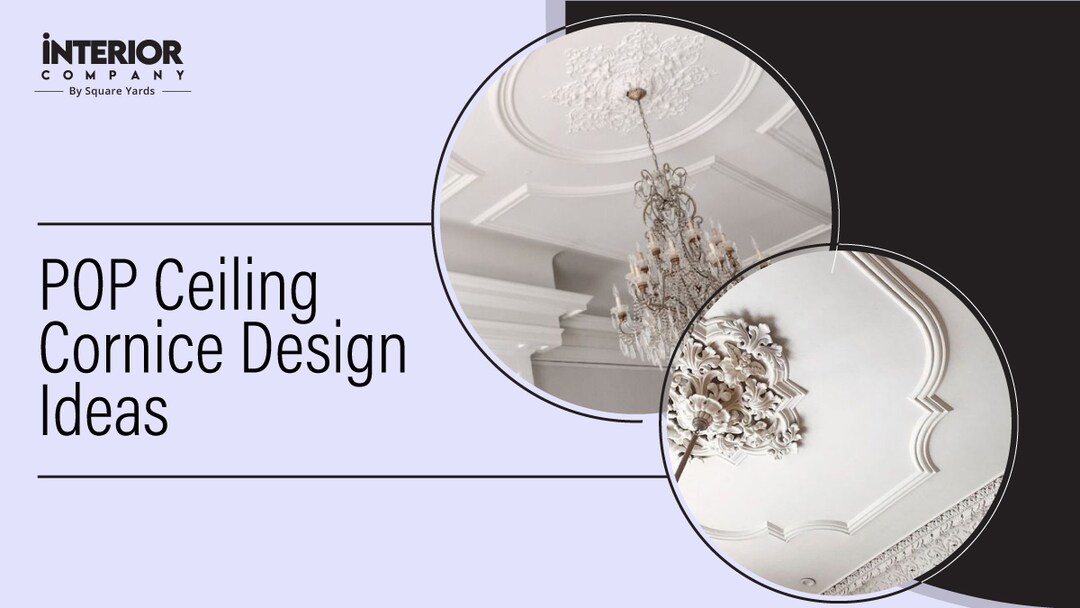
A simple POP ceiling cornice design neatly covers imperfections between the false ceiling and the wall.

The coffered ceiling design, rooted in Renaissance-era noble mansions, gives rooms depth, character, and a unique appearance. Whether planning a renovation or new construction,

False ceilings are a way to add structure and they can be utilised in any part of the house- be it a bedroom, bathroom, living room, or even the balcony. While the ceiling often
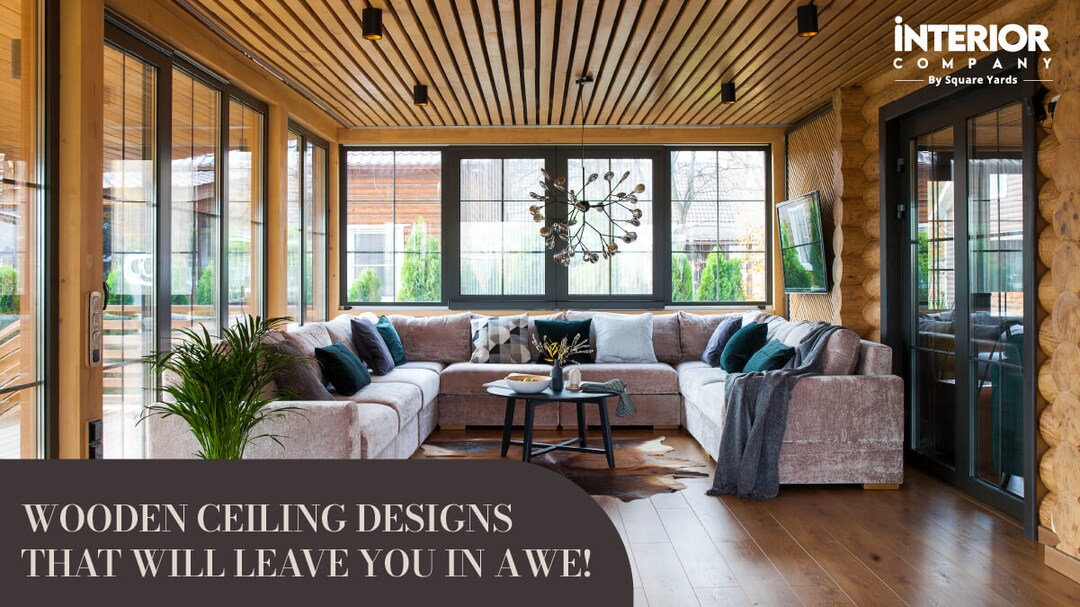
We will explore the best wood ceiling ideas options, from rustic beams in log cabin dreams to sleek slats in modern havens. So, whether you are giving a makeover to your ceiling

Striped False Ceiling Design Ideas for Indian Homes
A striped ceiling design uses repeated parallel bands of colour or finish contrast to create visual rhythm across an otherwise flat surface, instead of raised borders or a stepped structure. It is one of the few treatments in this category built almost entirely through surface work rather than structural depth.
That makes it unusual in a specific way. Every other option on this site is paid for in height, three or four inches at a time. This one costs nothing overhead and spends its effect somewhere else, on the room's proportions. A striped ceiling does not make a room feel taller or shorter. It makes it feel longer or wider, depending entirely on which way the bands run.
What Is a Striped Ceiling Design?
A striped ceiling design creates a repeating linear pattern through paint or finish contrast on a flat surface, with no additional structural drop needed to hold the pattern.
Four things decide whether it works, and only one of them is colour.
- It is not a parallel false ceiling. A parallel layout gets its linear look from raised physical beams, with the framing and the lost height that implies. A striped false ceiling design reaches the same rhythm through contrast alone, which is why it costs considerably less than the equivalent beam construction. false ceiling design price sets out where the money goes on a structural build, and the gap is wide.
- Direction comes before colour. Bands running along the longer axis of a room extend it. Turned ninety degrees, the same bands make a long room read as a series of segments rather than one length. Deciding this on the plan takes a minute and cannot be undone once the ceiling is painted.
- Width and spacing set the mood. Narrow stripes packed close together bring a ceiling down and make a small room busier. Wider bands with generous gaps do the opposite. When in doubt, fewer and wider.
- The pattern does not have to be paint. Most striped ceilings are, but the same rhythm can come from shallow grooves or slats, which is the version that reads as texture rather than colour. false ceiling colour combinations are worth reviewing before a pairing is fixed, whichever route the stripe takes.
There is one problem worth knowing about before any tape goes up. A stripe is a straight line, and very few flats have walls that run truly parallel to each other. Run a stripe pattern hard into the walls and it will publish the taper, since a band that measures nine inches at one end and eleven at the other is obvious the moment there is a straight edge beside it to compare against. A plain border band around the perimeter solves it. The stripes die into the border instead of into the wall, and the room's geometry stays its own business.
Black and White Striped Ceiling
A black and white striped ceiling uses high-contrast alternating bands for a bold, graphic effect, a long way from the quiet tonal variation most striped ceilings settle for.
The contrast is doing so much work that everything around it has to accommodate it.
- It needs a room whose design language is already contemporary or graphic. In a room of soft furnishings and warm wood, a hard monochrome ceiling does not read as bold, it reads as borrowed from somewhere else.
- Wider spacing is close to essential at this contrast level. Narrow black and white bands cross the line from graphic into restless, and a ceiling is the one surface nobody can look away from while lying down or leaning back.
- It should be a decision, not a default. This is the version of the style with the narrowest range of rooms it genuinely suits. wall and ceiling colour combinations cover how a strong ceiling pairing needs to sit against the wall tones it meets.
A ceiling fan is worth checking against this one specifically. Blades turning over a high-contrast band pattern set up a visible flicker as they cross light and dark in sequence, which is mild at low speed and genuinely distracting at high. Softer contrast removes the effect entirely, and so does keeping the fan over a plain section.
Striped POP Design
A striped pop design uses plaster finished with alternating paint bands, or occasionally a very shallow raised line, to carry the pattern across the surface.
The base matters less here than on most pages in this category, because the pattern sits on top of whatever is underneath.
- Paint on a flat POP or gypsum surface covers most builds. Introducing genuinely raised lines adds framing cost for very little the eye picks up beyond what a well-cut painted band already delivers. striped gypsum false ceiling designs show the board version, which is the flattest and most forgiving base for a crisp line.
- The masking is the job, and it is priced accordingly. A ceiling with twelve stripes has twenty-four edges to tape, paint, and pull, so labor tracks the number of lines rather than the area covered. Doubling the stripe count roughly doubles the work while the paint quantity barely moves, which is a second argument for wider bands.
- Tape has to come off at the right moment, while the paint is set but not fully hard. Pulled too late it takes a ragged edge of the finish coat with it, and a repair on a ceiling line is more visible than the original error would have been.
- Not every stripe is painted. striped wood false ceiling designs carry the rhythm in timber slats or grooves, where the shadow between them makes the line rather than a change of colour, and striped concrete false ceiling designs leave the pattern in a raw cement finish for rooms after something more industrial. pop ceiling cornice design ideas cover the molded edge that often frames the perimeter these bands run into.
Simple Striped Ceiling Design
A simple striped ceiling design uses two alternating tones at a consistent spacing, rather than several colours or varying band widths.
It is the fastest and cheapest version of the style, and also the one that survives longest.
- Two closely related tones, two shades from one colour family, read as considered where a stark pairing reads as a statement. For most households wanting rhythm rather than drama, this is the version to build.
- Even spacing does more work than people expect. The eye finds an irregular rhythm quickly and reads it as a mistake rather than a design, so a consistent band and gap is worth more than an interesting one.
- Varying stripe widths is the most common way this style goes wrong. It looks deliberate on a drawing and looks unplanned on a ceiling, because there is nothing overhead to explain why the pattern changed.
Modern and New Striped Ceiling Design
A modern striped ceiling design uses wider spacing, a restrained two-tone palette, and often runs linear LED lighting parallel to the bands so the pattern holds after dark.
- Modern striped false ceiling designs avoid the busy, closely spaced patterns that dated quickly, in favor of fewer bands with more room to breathe between them.
- A new striped ceiling design increasingly builds the lighting into the pattern rather than lighting the pattern from elsewhere, with a profile sitting in or alongside a band so the line survives once daylight has gone. Without it, a subtle tonal stripe more or less disappears in the evening, which is when most people are actually in the room. modern false ceiling designs cover the wider contemporary direction.
Striped Ceiling Design by Room
Orientation and contrast level should shift by room, since a pattern that reads as confident in one space feels relentless in another.
Living Room
A striped ceiling design for living room spaces can carry a bolder contrast, because the floor area and the furniture below give the pattern something to balance against. Running the bands toward the main window generally works better than running them across, since the eye follows the line to the light. living room interior ideas cover how the ceiling sits with the rest of the scheme.
Bedroom
A striped ceiling design for bedroom use wants closely related tones rather than contrast, for a reason specific to the room. A bedroom ceiling is the one surface in the house looked at from flat on the back, for long stretches, with nothing else in view. A pattern that is pleasant in passing becomes something else at that distance and duration. Keep the bands wide, the tones near each other, and the rhythm quiet. bedroom ceiling design ideas cover the wider range for the room and bedroom interior design how the ceiling sits with everything else.
Hall
A striped ceiling design for hall spaces supports the widest spacing and the strongest contrast available, since the hall has both the floor area to carry it and the visitors to justify it. It is also the room where direction pays off most, because a hall is usually the longest space in the flat and bands run along its length make that length count. false ceiling designs for hall cover the wider set of options for the space.
Pooja Room
A pooja ceiling is the one place this style has little to offer. Stripes have a direction and a rhythm, and neither centers on anything, while a pooja ceiling wants symmetry that settles on the mandir below it. A pattern that keeps moving past the focal point works against the room. pooja room false ceiling designs cover treatments built around a center instead of across one.
Striped Roof Ceiling Design
A striped roof ceiling design applies the same banded pattern to the underside of a roof slab, which suits top-floor rooms and covered terraces with nothing above them.
A roof slab often comes with the direction already decided. Formwork lines, slab joints, and the run of an existing beam all give the surface a grain, and stripes set to follow it absorb those marks into the pattern instead of competing with them. Fighting the slab's own lines is the version that looks unresolved, and it is easy to avoid by looking up before drawing anything.
Striped Ceiling Design Ideas Worth Considering
For anyone working through striped ceiling ideas, striped false ceiling design ideas, striped ceiling design ideas or striped false ceiling ideas, the same handful of decisions come up every time.
- Set the direction on the plan first. Along the longer axis for most rooms, and toward the window where there is a clear one.
- Choose wider spacing unless a denser pattern is genuinely wanted, since narrow bands lower a ceiling and raise the labor at the same time.
- Use two related tones by default and save high contrast for a room that has asked for it.
- Finish the perimeter with a plain border so the bands terminate against a line you control rather than against a wall that may not be square.
- Insist on proper masking and on tape being pulled at the right time, because the quality of the lines is the whole style. ceiling paint ideas cover the wider range of finishes and techniques worth knowing about.
At Interior Company, a striped ceiling gets its width, spacing, and direction settled before any paint is ordered, since this is a style where execution decides whether the finished ceiling looks composed or simply uneven. Explore Interior Company's striped false ceiling designs and find a colour, width, and spacing that fits the room's proportions.
Frequently Asked Question (FAQs)
What is a striped ceiling design?
It is a ceiling carrying repeated parallel bands of colour or finish contrast across a flat surface, so the rhythm comes from paint rather than raised borders or a stepped structure. The same effect can also be built from shallow grooves or timber slats, where the shadow between them draws the line instead of a change of colour.
How is a striped ceiling different from a parallel false ceiling?
A parallel false ceiling makes its lines from raised physical beams, which means framing, labor, and a few inches of lost height. A striped ceiling reaches the same linear rhythm through contrast on a flat surface, with no structural depth involved. One is a construction decision. The other is a finishing one.
What's the difference between subtle stripes and a black and white striped ceiling?
Subtle stripes pair two shades from one colour family for rhythm without drama, which suits most rooms and almost every bedroom. A black and white treatment is a statement and behaves like one, dominating whatever sits below it. It belongs in a living room or hall with an already graphic scheme, chosen deliberately rather than picked as a default.
Does stripe width and spacing matter?
More than the colour does. Narrow bands set close together lower a ceiling and add labor, since the cost tracks the number of lines to tape rather than the area painted. Wider bands with generous gaps open the room out and cost less to execute. Direction matters as much: running the bands along the longer axis of the room gives the most balanced result.
Is a striped ceiling cheaper than a parallel false ceiling with raised beams?
Considerably, since there is no framing, no beam construction, and no additional drop to build. The cost that does exist sits in the masking rather than the materials, so the price moves with how many stripes there are. A six-band ceiling and a sixteen-band ceiling use nearly the same paint and very different amounts of labor.
What's important to get right when painting stripes on a ceiling?
Masking and the timing of pulling the tape. An uneven line overhead has nothing near it to distract the eye, unlike a wall where furniture and eye-level detail break the view. Tape pulled once the paint has fully hardened lifts a ragged edge with it, and repairing a stripe line is more visible than the original fault. A plain perimeter border also helps, giving the bands a straight edge to end against.
Which room suits a bold striped ceiling design best?
Halls first, then living rooms, since both have the floor area to let a strong pattern be read from a distance rather than felt overhead. Bedrooms want the opposite treatment, because the ceiling there is looked at from flat on the back for long stretches, and a contrast that works in passing does not hold up under that kind of attention.