
- Design Ideas
- Cities
- Trends
- Guides
- Price Calculators
- Interior DesignersNEW
- Our Portfolio
- More



- Home
- Interior Design Ideas
- Staircase Design Ideas
Staircase Designs
In homes with more than one floor, the staircase design often decides how open or closed the space feels. A small staircase quietly sits in the corner, almost out of sight, while a wider one with glass railings feels open and connects naturally with the living area. Homeowners today explore many staircase designs for homes. Some prefer sleek glass balustrades to industrial steel handrails; others stay with stone or wood for a warmer look. What works best usually comes down to the home’s architecture and the mood they want indoors. When planning stairs design inside the house, don’t just think about looks. Rise, tread, landing size, all these shape comfort. A family with children or elders may need a gentler step design. A loft or attic might survive on a slimmer, space-saving set by the floor edge. The right choice of modern staircase design blends function and form. That is why people keep searching for new staircase design ideas to find one that feels both practical and personal....Read More
Filter




Vastu Insights by Our Experts
Watch our designers decode the balance between design, energy, and harmony for your home.












Staircase Design Ideas for You
- Theme
- Shape
- Material


Explore Functional Staircase Designs for Your Home and Elevate Your Interior Space
Every multi-storey home needs a staircase. It’s something people use constantly to move up and down, carry things, or simply connect between levels. When a staircase is designed well, it blends into daily life almost unnoticed. But when it isn’t, you feel every step. The treads should feel comfortable and natural underfoot, allowing for easy, unhindered movement. A well-designed staircase complements the home’s layout and character, rather than forcing the house to adapt around it.
Shape and Movement
- Best For: Homes with daily movement between rooms.
- Key Features: Straight stairs are simple and save space. L-shaped ones turn the corner easily. A short layover between flights provides a break and enhances safety.
- Why It Works: The walk feels steady. Your legs remember the rhythm, and you never have to think about balance.
Space Awareness
- Best For: Houses that need to feel open even when space is small.
- Key Features: Open risers or floating stairs allow air and light to flow through. In big houses, wider stairs with a landing can make a quiet spot in between.
- Why It Works: The design keeps the home breathing. It connects both floors instead of cutting them apart.
Material and Mood
- Best For: Homes that want strength with comfort.
- Key Features: Wood feels warm, metal looks light, and stone lasts long. Each one changes the sound and feel when you walk.
- Why It Works: The right material fits the life inside the home, not just the design on paper.
Quiet Safety
- Best For: Families with kids, pets, or elders.
- Key Features: Steps of the same height, firm railings, soft corners, and light that reaches every tread.
- Why It Works: When it’s safe, no one talks about it. The stairs just do their job every single day.
How many types of stairs are there based on the material?
Stairs can be built using many different materials, each with its own character and feel. Some stay naturally cool, others bring a sense of warmth, and a few are known to last for generations. The best choice depends on your home’s structure and the needs of the people who use it every day.
Steel Staircase Design
- Best For: Homes that need strong but slim stairs.
- Key Features: Handles heavy weight without bulk. Easy to shape into straight or spiral forms. Powder coating keeps rust away.
- Why It Works: Good for city houses and duplexes where space is tight but style still matters.
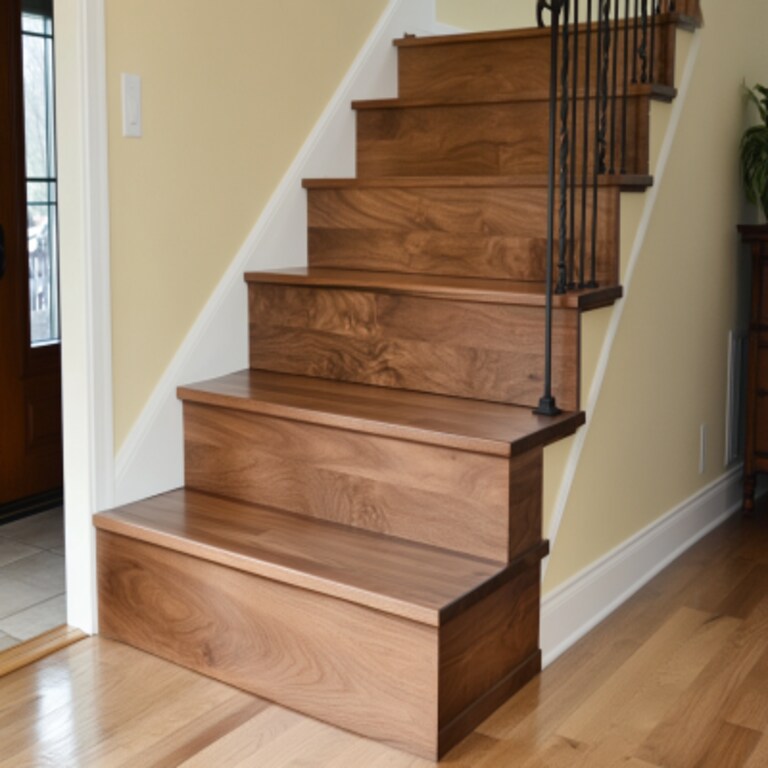
Wood Staircase Design
- Best For: Homes that want a soft and homely touch.
- Key Features: Hardwood like teak or oak feels warm. A dull polish hides scratches. Works well with metal frames.
- Why It Works: It brings comfort and a quiet look that suits both old and new homes.
Concrete Staircase Design
- Best For: Homes that want something fixed and strong.
- Key Features: Made on-site with steel bars inside. Can be tiled or painted later. Feels solid and safe.
- Why It Works: Once done, it doesn’t move, creak, or bend. Needs almost no care.
Glass Staircase Design
- Best For: Small homes or dark corners.
- Key Features: Tough glass for railings or sides lets light move freely. Must be thick and treated for safety.
- Why It Works: Keeps the house open and bright. Adds a light, modern look.
Marble Staircase Design
- Best For: Houses that want a rich, clean feel.
- Key Features: Stays cool and smooth. Needs regular cleaning to keep its shine. Looks better in wide, open halls.
- Why It Works: It feels grand without needing much decoration.
Granite Staircase Design
- Best For: Homes with heavy daily use.
- Key Features: Very hard surface that resists chips. Natural colour patterns hide dust and marks.
- Why It Works: Lasts long and looks good even with little upkeep.
Tile Staircase Design
- Best For: Family homes that need grip and easy care.
- Key Features: Anti-skid tiles make climbing safe. Simple to clean and replace. Comes in many looks.
- Why It Works: A safe and practical pick when kids or elders use the stairs often.
Metal Staircase Design
- Best For: Homes that want strength in less space.
- Key Features: Iron or steel frame carries load well. It can mix with wood or glass for a more cohesive look.
- Why It Works: Works both inside and outside, stays strong in all weather.
Stone Staircase Design
- Best For: Ideal for homes that seek durability with minimal maintenance.
- Key Features: Kota stone or granite slabs stay firm. Natural grip keeps it safe.
- Why It Works: Strong, local, and perfect for Indian weather.
Stainless Steel Staircase Design
- Best For: Homes that need clean, simple lines.
- Key Features: Does not rust. Easy to wipe and polish. Works well with glass sides.
- Why It Works: Looks new for years and fits most home interiors.
Cast Iron Staircase Design
- Best For: Classic or old-style homes.
- Key Features: Heavy metal frame with carved details. Needs coating to stop rust.
- Why It Works: Adds old-world charm that lasts if cared for.
Aluminium Staircase Design
- Best For: Utility areas or outdoor stairs.
- Key Features: Light, rust-free, and simple to move. Handles weather well.
- Why It Works: Good for short flights or service staircases.
Cement Staircase Design
- Best For: Everyday Indian homes.
- Key Features: Built on-site, firm, and long-lasting. Forms the base for tile or stone finish.
- Why It Works: A reliable option that fits every type of house.
Fabricated Staircase Design
- Best For: Homes that need custom builds.
- Key Features: Mix of materials joined on-site. Strong, precise, and flexible for tight spaces.
- Why It Works: Gives a clean fit where standard stairs don’t work.
Different Types of Staircase Design Based on Shape
The way stairs turn or move changes how a house feels. Some go straight up, some turn halfway, and some just wind around to fit small corners. Each type serves a purpose, and most homes already tell you which one they need.
Straight Staircase Design
- Best For: Small homes with tight spaces.
- Key Features: One stretch from bottom to top. Easy to walk, easy to make.
- Why It Works: It fits against a wall and stays out of the way.
L-Shaped Staircase Design
- Best For: Houses that turn a corner between rooms.
- Key Features: Goes up, stops midway, then turns. Gives a short rest while climbing.
- Why It Works: It looks neat and feels simple to use every day.
U-Shaped Staircase Design
- Best For: Bigger houses or duplex homes.
- Key Features: Two sets of stairs meeting at a landing. Feels wide and steady.
- Why It Works: The design feels safe, and the landing helps people slow down.
Spiral Staircase Design
- Best For: Tight corners, balconies, or lofts.
- Key Features: Twists around one centre pole. Doesn’t take much space.
- Why It Works: Saves floor area and adds a nice shape to the corner.
Curved Staircase Design
- Best For: Open halls or front entrances.
- Key Features: Bends gently, no sharp turns. Needs solid support under each step.
- Why It Works: Looks elegant but is still easy to climb.
Floating Staircase Design
- Best For: Modern homes with open plans.
- Key Features: Steps fixed into a wall without a frame. Space stays open below.
- Why It Works: Keeps the area bright and uncluttered.
Zigzag Stairs Design
- Best For: Homes that like bold and modern lines.
- Key Features: Each step makes a clear edge on the side.
- Why It Works: Simple idea, but it stands out in any room.
Chain Staircase Design
- Best For: Creative or artistic interiors.
- Key Features: Steps held by metal chains or rods. Must be fitted carefully.
- Why It Works: Turns the staircase into a showpiece.
Half-Round Staircase Design
- Best For: Villas or wide entrances.
- Key Features: Moves in a soft half-circle with a gentle rise.
- Why It Works: Easy to walk and looks balanced from both sides.
Don't Miss to Read: Ideal Home Staircase Direction as per Vastu
Types of Staircase Design Based on Its Style
Every home looks different. Some people want plain stairs, some want detail. The way the stairs look has to match how the house is used. That’s all this is about.
Modern Staircase Design
- Best For: Homes that like plain work, no extra design.
- Key Features: Metal frame, maybe glass on the side. Straight lines, nothing heavy.
- Why It Works: Easy to keep clean, looks fine with modern furniture.
Contemporary Staircase Design
- Best For: Houses that mix old and new things.
- Key Features: Can use wood, metal, or stone together. Design keeps changing.
- Why It Works: It fits in when the rest of the house changes later.
Traditional Staircase Design
- Best For: Houses that like wooden details.
- Key Features: Big steps, wide railing, heavy posts.
- Why It Works: It feels safe and looks solid.
Minimalist Staircase Design
- Best For: Small homes that need free space.
- Key Features: Few parts, thin frames, hidden joints.
- Why It Works: Keeps the area open and bright.
Colonial Staircase Design
- Best For: Large homes.
- Key Features: White or pale rails, darker steps. Design is neat and balanced.
- Why It Works: Keeps the house calm, steady, and old-style in a good way.
Luxury Staircase Design
- Best For: Houses with big halls.
- Key Features: Stone steps, maybe gold or bronze rails, chandelier light nearby.
- Why It Works: Makes the stairs the house's main feature.
Different Kinds of Modern Staircase Design Based on Space
Every house keeps its stairs in a different place. Some near the main door, some in the middle, some at the back. The spot decides the look and how people use it every day.
Entrance Staircase Design
- Best For: Houses where stairs start near the door.
- Key Features: Broad first steps, railing that feels solid, and light at the bottom. Often straight or curved.
- Why It Works: You see it first when you walk in, so it should feel open and easy to climb.
Outdoor Staircase Design
- Best For: Houses that need to reach the terrace or garden.
- Key Features: Built strong, with stone or metal. Needs grip for rain and easy wash.
- Why It Works: It stays firm in the sun or rain and doesn’t take much care.
Living Room Staircase Design
- Best For: Homes with two floors and open rooms.
- Key Features: Becomes part of the furniture. It can have drawers or racks below. Wood or glass looks better here.
- Why It Works: It joins the floors but still feels like part of the room.
Basement Staircase Design
- Best For: Homes with rooms below the ground.
- Key Features: Tight but safe. Steps with a grip, proper light, and railing on both sides.
- Why It Works: Keeps the way down safe for everyone in the family.
Loft or Attic Staircase Design
- Best For: Homes that want a small climb to storage or study space.
- Key Features: Narrow, light, sometimes folding. Wood or steel frames fit well.
- Why It Works: Provides access at the top without taking up space below.
How to decorate your staircase?
People see the stairs every day, so it helps when they look pleasant. You don’t have to spend much. Small changes are enough to make them part of the home.
Add Wall Frames or Art
- Best For: Empty walls that look plain.
- Key Features: Hang pictures or small art pieces in any line that fits. Use frames that don’t stand out too much.
- Why It Works: It keeps the space warm. You see familiar faces or colours every time you climb.
Use Plants for Corners
- Best For: Corners near sunlight.
- Key Features: A few pots on the landing or one tall plant at the bottom. Choose ones that don’t need much care.
- Why It Works: The green colour breaks the dull look of the stairs.
Add Lighting Along Steps
- Best For: Dark staircases or closed spaces.
- Key Features: Small lights near the wall or under each step. Keep them soft, not harsh.
- Why It Works: Lights make each step clear and the space safer to walk.
Decorate the Railing
- Best For: Festivals, parties, or just to change the mood.
- Key Features: A few strings of lights or cloth bands tied along the rail.
- Why It Works: It gives colour and looks cheerful without effort.
Try Rugs or Runners
- Best For: Homes with stone or wooden steps.
- Key Features: Narrow strips of cloth fixed in the centre. Helps avoid slipping.
- Why It Works: Makes walking quiet and soft underfoot.
What are the different ways to decorate your staircase wall?
Most stair walls stay empty. You can make them look better with tiny things. Nothing fancy. Just what fits the space.
Photo Wall
- Best For: When you’ve got family pictures lying around.
- Key Features: Hang them up. Different frames are fine. Doesn’t have to match.
- Why It Works: Feels homely. Makes people stop and smile.
Mirror Wall
- Best For: Stair corners that feel dark.
- Key Features: One big mirror or a few small ones. Try placing it near sunlight.
- Why It Works: Light spreads more. Makes the stairs look open.
Accent Paint or Wallpaper
- Best For: Plain walls with nothing going on.
- Key Features: One coat of bold colour or wallpaper that has a bit of pattern.
- Why It Works: Adds life. Cheap fix, too.
Wall Shelves or Niches
- Best For: Spare wall beside the steps.
- Key Features: A few shelves for books, candles, and maybe small decor.
- Why It Works: Handy for display and keeps things tidy.
Lighting Fixtures
- Best For: Stairs that stay dark most of the time.
- Key Features: Small wall lamps or hidden lights under the railing.
- Why It Works: Safer at night, soft light makes it cosy.
What are the lighting options for a Staircase?
Good light makes stairs safe. It also changes how the house looks at night. You don’t need big fittings. Small, clear light is enough.
Step Lights
- Best For: Modern stairs with wide treads.
- Key Features: Small LEDs fixed on each riser or side wall. Don’t take much power.
- Why It Works: Marks every step. Easy to walk even in low light.
Wall Sconces
- Best For: Long stair walls.
- Key Features: Simple lamps fixed at shoulder height. Light spreads up and down softly.
- Why It Works: Keeps the wall bright without glare.
Recessed Ceiling Lights
- Best For: Closed staircases with low roofs.
- Key Features: Small ceiling lights spaced evenly. Can use warm white for comfort.
- Why It Works: Feels clean and safe without clutter.
Pendant Lights
- Best For: Tall stairwells or open foyers.
- Key Features: Hanging lamps at mid-height. Use one large piece or a cluster.
- Why It Works: Adds style and fills empty air above.
Natural Light
- Best For: Stairs near windows or open corners.
- Key Features: Skylights or wall-mounted glass panels.
- Why It Works: Saves energy and keeps the place cheerful throughout the day.
How to design your stairs for a small space?
Small homes don’t have extra room, so the stairs must fit smartly. It’s not about looks first. It’s about saving space and keeping it safe.
Use Compact Shapes
- Best For: Tiny houses or flats.
- Key Features: Straight stairs or small spirals work best. Avoid turns that eat space.
- Why It Works: Leaves more area open to walk or place furniture.
Open Risers
- Best For: Closed rooms that feel heavy.
- Key Features: Gaps between steps. Let's light move through.
- Why It Works: Makes the place look open and easy to clean.
Built-In Storage
- Best For: Homes with no spare storage.
- Key Features: Drawers, shelves, or a small cabinet under the steps.
- Why It Works: Saves space. Keeps things out of sight.
Floating Design
- Best For: Tight rooms that need more walking area.
- Key Features: Steps fixed to one wall. Open below.
- Why It Works: Light passes freely. The room looks bigger.
Light Colours
- Best For: Spaces with little sunlight.
- Key Features: Use pale paint or soft wood. Avoid dark railings.
- Why It Works: Keeps the stair bright and calm.
Also Read: Stylish Staircase Colour Combination for Your Home
What are the under-staircase design ideas?
The space under the stairs often stays empty. You can turn it into something useful. It depends on how much height and width you get there.
Storage Drawers or Cupboards
- Best For: Families with limited storage space.
- Key Features: Pull-out drawers or cabinets under each step. Can hold shoes, toys, or bags.
- Why It Works: Hides clutter and keeps things close to hand.
Study or Work Corner
- Best For: Small homes or kids’ study space.
- Key Features: A small table with a chair and wall shelves. Needs one plug point and a lamp.
- Why It Works: A quiet spot that doesn’t take up extra room.
Mini Library
- Best For: Book lovers.
- Key Features: Open shelves fitted into the slope. Use simple wood or metal.
- Why It Works: Turns an odd space into something warm and personal.
Pet House or Play Zone
- Best For: Homes with pets or children.
- Key Features: Small enclosed area with soft flooring.
- Why It Works: Safe and fun corner without building anything new.
Display or Garden Nook
- Best For: Open living rooms.
- Key Features: Keep plants, vases, or art on small shelves. Add one soft light.
- Why It Works: Keeps the area lively and green.
Beautiful Staircase Window Designs You Must Check Out for Your Space
Windows near the stairs help bring in air and light. They also make the climb less dull. You can pick a design that suits the wall's size and the amount of light you want.
A Stylish Staircase Glass Window Design
- Best For: Homes that want light and open views.
- Key Features: Large, clear glass panels, fixed or sliding. Keeps dust out, lets light in.
- Why It Works: Makes the stairs bright through the day and looks clean.
A Simple Window Design for Staircase
- Best For: Small houses or narrow walls.
- Key Features: One square or rectangular window. Basic frame, easy to clean.
- Why It Works: Brings in daylight without changing the wall much.
A Window Design for a Mediterranean Staircase
- Best For: Homes that like arches or curved walls.
- Key Features: Semi-circular top, thick border, clear or tinted glass.
- Why It Works: Adds warmth and soft light like old-style homes.
A Metal Jali Staircase Window Design
- Best For: Homes needing privacy and air together.
- Key Features: Iron or steel grill outside the glass. Simple floral or geometric cuts.
- Why It Works: Keeps air moving while still safe from outside view.
A Coloured Window Design for the Staircase
- Best For: Homes that like bold or artistic looks.
- Key Features: Glass in green, blue, or amber shades. Works best where sunlight hits directly.
- Why It Works: The colour changes the light, making the space cheerful.
Functional and Stylish Stair Railing Design Ideas That Uplift Your Entrance
Railings are mainly for safety. Still, stair railing design changes the look and feel of your space. You can pick wood, glass, or metal. Each one gives a different feel.
Wood and Black Stair Railing
- Best For: Homes that like a mix of warm and modern.
- Key Features: Wooden top rail, black rods below. Strong and simple.
- Why It Works: Fits any room and doesn’t go out of style.
Sleek Black Stair Railing
- Best For: Modern flats or duplexes.
- Key Features: Slim black bars, straight lines.
- Why It Works: Looks neat, easy to keep clean.
Decorative Stair Railing
- Best For: Houses that like detail.
- Key Features: Curves or small metal shapes. Often painted dark.
- Why It Works: Adds design without too much cost.
Farmhouse-Inspired Stair Railing
- Best For: Homes with wooden floors or rustic walls.
- Key Features: Thick handrail, white or soft colour base.
- Why It Works: Feels natural and homely.
Glass Stair Railing
- Best For: Small rooms or narrow stairs.
- Key Features: Clear glass between posts. Needs cleaning often.
- Why It Works: Keeps light moving and space open.
Rustic Stair Railing
- Best For: Old houses or cottages.
- Key Features: Raw wood or iron, uneven finish.
- Why It Works: Feels earthy and fits brick or stone walls.
Cutout Railing Design
- Best For: Modern homes.
- Key Features: Metal sheets with cut shapes.
- Why It Works: Gives a pattern without heavy work.
Two-Toned Stair Railing
- Best For: Homes wanting a small contrast.
- Key Features: Dark frame, light rail, or the other way round.
- Why It Works: Small colour play without changing the structure.
Wood Stair Railing Design
- Best For: Houses mainly using wood.
- Key Features: Same tone wood on both rail and baluster.
- Why It Works: Warm look, soft to touch.
Painted Stair Railing
- Best For: When you don’t want new rails.
- Key Features: Paint over the old one. Pick one shade that suits the walls.
- Why It Works: Cheap, fast, and makes an apparent change.
Simple Stair Railing
- Best For: Flats or small homes.
- Key Features: Straight lines, no curve, no carving.
- Why It Works: Keeps the place clean and plain.
Curving Stair Railing
- Best For: Stairs with round edges.
- Key Features: Rail bends along the stairs, no breaks.
- Why It Works: Matches shape, keeps climb smooth.
Painted Staircase Railing
- Best For: Homes that want some colour.
- Key Features: Bright shade on the bars, plain top.
- Why It Works: Adds a small charm without a heavy change.
Traditional Stairway Railing Design
- Best For: Old-style or Indian homes.
- Key Features: Heavy wood or metal. Maybe a bit of carving.
- Why It Works: Looks solid and lasts for years.
Victorian-Style Railing Design
- Best For: Large halls or old bungalows.
- Key Features: Curved iron, small scrolls, detailed work.
- Why It Works: Adds drama and classic charm.
How many types of skirting you should know before designing your staircase?
Skirting runs along the wall next to the steps. It covers the joint and stops dirt from sticking. Not many people plan it early, but it makes cleaning easier later.
Wooden Skirting
- Best For: Houses with wood floors.
- Key Features: Same shade of wood as the step. You can sand and polish it again.
- Why It Works: It hides rough ends and matches well with the stairs.
Tile Skirting
- Best For: Tiled steps.
- Key Features: Same tile moves up a few inches on the wall. Keeps the edge straight.
- Why It Works: It’s cheap, simple, and easy to wipe clean.
Marble Skirting
- Best For: Homes using marble stairs.
- Key Features: Thin marble strip fitted on the wall edge. Needs tight joints.
- Why It Works: Keeps the design uniform and rich.
Metal Skirting
- Best For: Modern interiors or offices.
- Key Features: Small steel strip fixed at the base. No polish needed.
- Why It Works: Strong, light, and easy to handle.
PVC or Vinyl Skirting
- Best For: Temporary setups or rental spaces.
- Key Features: Flexible strip glued or clipped to the wall.
- Why It Works: Hides gaps and costs very little.
Stone Skirting
- Best For: Outdoor or rough-use stairs.
- Key Features: Granite or kota stone at the base. Thick and solid.
- Why It Works: Doesn’t crack, stands up to rain and footmarks.
What are the types of tile designs for stairs?
Tiles design gives stairs a clean, finished look and protect the steps from damage. Choose a style that fits the space, whether it’s indoors or outdoors, and is suitable for dry or wet areas.
Ceramic Tiles for Stairs
- Best For: Simple houses.
- Key Features: Cheap, easy to clean, easy to replace.
- Why It Works: It works fine for everyday use.
Vitrified Tiles for Stairs
- Best For: Busy homes.
- Key Features: Smooth and dense. Doesn’t catch stains fast.
- Why It Works: Lasts longer than normal tiles.
Anti-Skid Tiles for Stairs
- Best For: Wet places or open areas.
- Key Features: Rough feel, matte finish. Keeps grip.
- Why It Works: Stops slips when the floor gets wet.
Granite Finish Tiles for Stairs
- Best For: When you like stone but not the cost.
- Key Features: Print looks like granite. Lighter and easier to fit.
- Why It Works: Gives the same look without heavy work.
Wood Finish Tiles for Stairs
- Best For: Warm-looking homes.
- Key Features: Tile that copies wood grain. No polish needed.
- Why It Works: Looks like wood, cleans like tile.
Marble Finish Tiles for Stairs
- Best For: Bright homes.
- Key Features: Shiny tile, soft lines like marble.
- Why It Works: Adds shine and requires low maintenance.
Outdoor Stair Tiles
- Best For: Garden or terrace stairs.
- Key Features: Thick, rough, water-resistant.
- Why It Works: It handles rain and dust well.
Frequently Asked Question (FAQs)
Which staircase design is best for Indian homes, straight, L-shaped, or spiral?
Depends on the space. Small homes usually go for straight stairs. L-shaped gives a break and looks neat. Spiral fits when you have very little room.
How do I choose the right material for my staircase: wood, granite, marble, or steel?
See how much use it gets. Wood feels warm but needs care. Granite and marble last longer. Steel works when space is tight.
What are the ideal dimensions for staircase steps in an Indian house?
Keep the height near 6 to 7 inches. Depth around 10 to 12 inches. That’s what feels natural for most people.
Is Vastu Shastra important while designing a staircase?
Many follow it. Clockwise climb is said to bring luck. Avoid placing stairs right next to the main door.
How can I design a staircase in a small Indian house without wasting space?
Use the space below. Shelves, drawers, or even a study corner work well there. Floating steps also save room.
What railing design is safe and stylish for homes with kids and elders?
Strong handrails, no sharp edges, and steps of the same height. Glass or metal rails with a firm grip are good choices.
How much does it cost to build a staircase in India?
It varies. Cement ones are cheaper. Stone or wood costs more. Around ₹40,000 to ₹2 lakh, depending on material and size.
Can I make use of the space under the staircase?
Yes, always. You can build a cupboard, a shoe rack, or a small sitting area.
Which staircase design is trending in modern Indian homes?
Floating stairs and glass rails are popular. They look light and modern.
What are the best lighting options for staircases?
Small step lights or wall lights work best. They make it safe at night without glare.
How do I ensure my staircase is safe for senior citizens and children?
Even rise, firm handrail, and anti-skid finish. Avoid sharp corners or open gaps.
Can I change or remodel an existing staircase in my house?
Yes. You can change railings, add tiles, or rebuild part of it if needed.
What should I avoid while designing a staircase at home?
Don’t mix step heights. Avoid slippery tiles. Keep lighting clear.
How do I maintain and clean my staircase, depending on the material?
Wipe wooden stairs with a dry cloth. Use a mild cleaner on stone or tile. Keep glass rails smudge-free.
What is the minimum distance between stairs?
A minimum clearance of 900mm between staircases ensures comfortable movement.
What is the best placement for stairs?
Staircases should be near the entrance but not directly facing the main door. Avoid placing them in the centre of the house.
What is the best pile height for stairs?
A pile height of ¼ to ½ inch for carpeted stairs provides comfort while preventing tripping hazards.
How do you design a staircase step by step?
To design a staircase:
- Measure the floor-to-floor height for the total rise and divide it by the riser height to find the number of steps.
- Choose comfortable tread depth and riser height, and select a style and materials that complement the space.
- Ensure safety features are included while achieving the desired aesthetic.
What is the standard rise and run of stairs in a house?
The standard riser height is 150-200mm, and the tread depth is 250-300mm for safe and comfortable steps.