
- Design Ideas
- Cities
- Trends
- Guides
- Price Calculators
- Interior DesignersNEW
- Our Portfolio
- More


- Home
- Interior Design Ideas
- False Ceiling Design Ideas
- Coffered False Ceiling Design Ideas
Coffered False Ceiling Design Ideas
A coffered ceiling divides a ceiling into recessed square or rectangular panels, with raised beams forming a visible grid between them. Unlike a regular false ceiling, the pattern itself becomes an integral part of the room's design, adding depth without relying on decorative borders. The layout can be changed to suit the space. A few large recessed panels give a cleaner look, while smaller, repeated sections create a similar waffle ceiling pattern. Boxed ceiling designs use the same recessed-panel idea and can be limited to a central part of the room rather than extending across the entire ceiling. The proportions matter as much as the pattern in a coffered ceiling. Coffering generally needs more ceiling height than a flat false ceiling because both the beams and recessed panels take up vertical space. At Interior Company, you can explore different coffered ceiling designs and choose a panel layout, material and lighting arrangement suited to your room....Read More
Filter



Vastu Insights by Our Experts
Watch our designers decode the balance between design, energy, and harmony for your home.







False Ceiling Design Ideas for You
- Theme
- Type
- Material
- Shape
- Room
- Painted Type False Ceiling
- Central Drop Type False Ceiling
- Parallel Type False Ceiling
- Peripheral Type False Ceiling
- Plus Minus Type False Ceiling
- Single Layered Type False Ceiling
- Striped Type False Ceiling
- Stucco Type False Ceiling
- Multi Level Type False Ceiling
- Multi Layered Type False Ceiling
- Eclectic Type False Ceiling
- Double Layered Type False Ceiling
Rejuvenate Your Space with a Variety of Options
- Type + Theme
- Type + Material
- Type + Shape
- Type + Room

Bedrooms are meant to feel easy and comfortable after a tiring day, which is why the ceiling ends up affecting the room more than most people expect. A design that looks nice at
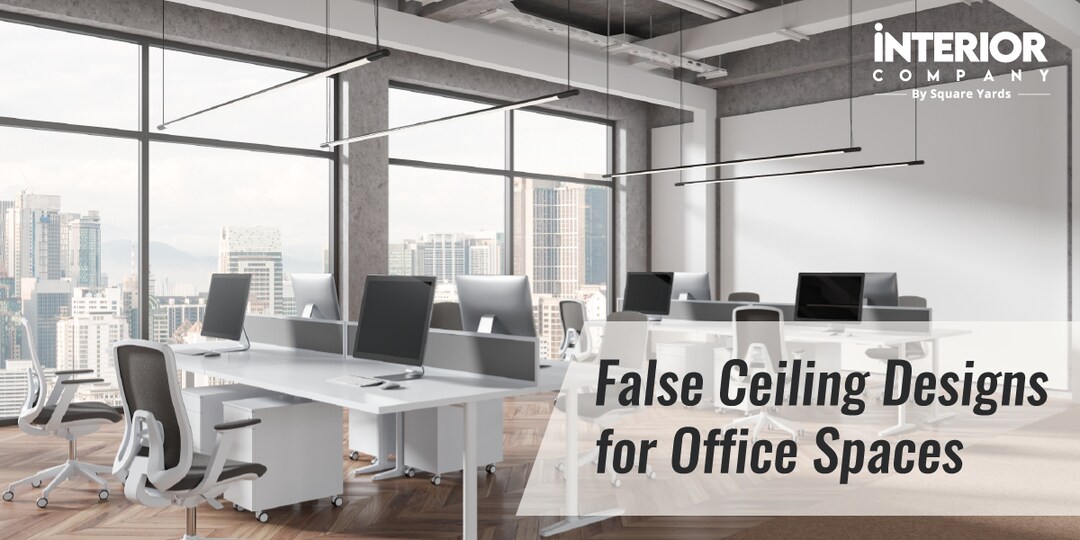
It is often said that we spend about one-third of our lives at work. This makes our workspace our second home, where we invest much time and energy. Given this significant porti
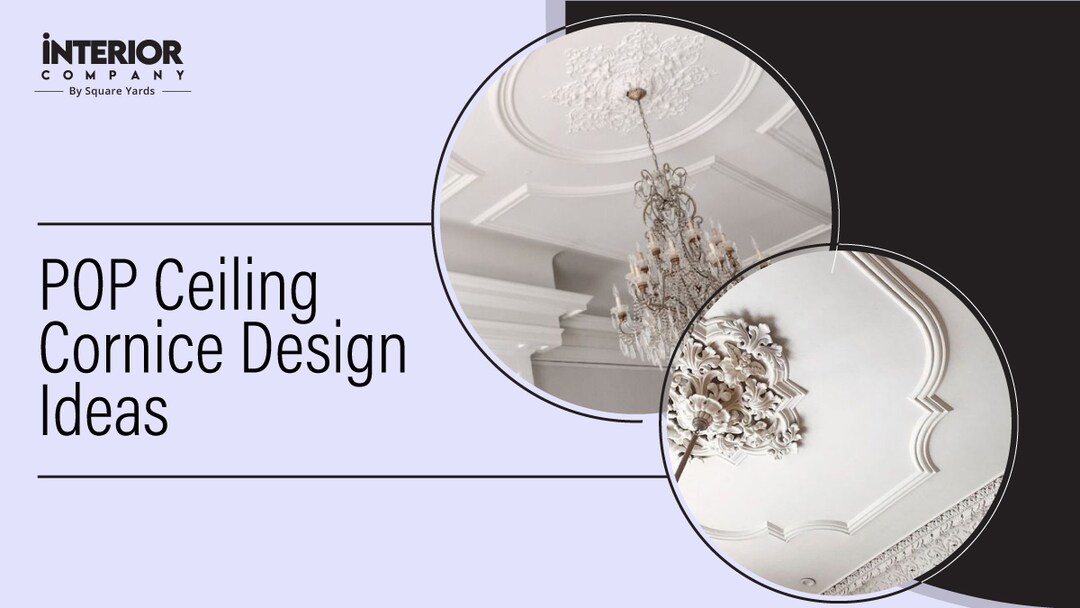
A simple POP ceiling cornice design neatly covers imperfections between the false ceiling and the wall.

The coffered ceiling design, rooted in Renaissance-era noble mansions, gives rooms depth, character, and a unique appearance. Whether planning a renovation or new construction,

False ceilings are a way to add structure and they can be utilised in any part of the house- be it a bedroom, bathroom, living room, or even the balcony. While the ceiling often
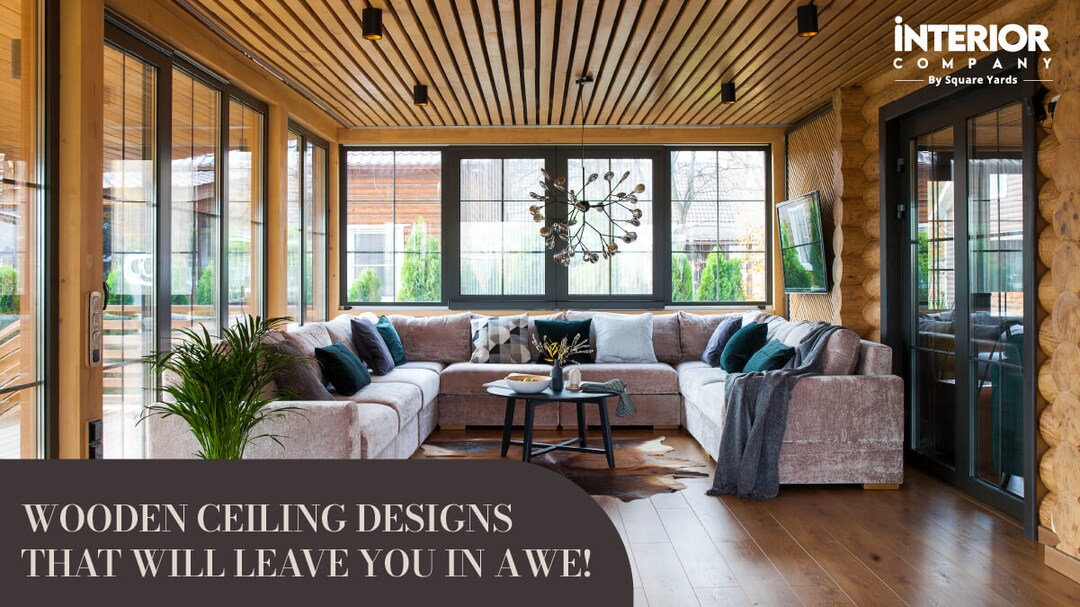
We will explore the best wood ceiling ideas options, from rustic beams in log cabin dreams to sleek slats in modern havens. So, whether you are giving a makeover to your ceiling
Coffered Ceiling Design Ideas for Indian Homes
Coffering gives a ceiling a more structured look by dividing it into recessed panels with raised beams. The pattern can be used across the whole ceiling or limited to a particular area, such as above a dining table or seating arrangement. This makes it possible to bring the look into both larger rooms and more focused spaces.
The design also has quite a bit of flexibility. Larger panels and slimmer beams give a quieter, more contemporary appearance, while a tighter grid creates a waffle-ceiling effect. The available ceiling height should be considered early, since a coffered structure takes up more vertical space than a straightforward flat false ceiling.
You can explore different coffered ceiling designs at Interior Company and compare panel layouts, materials and lighting options before picking a design that fits the room.
What is a Coffered Ceiling?
A coffered ceiling is a false ceiling made with a repeating grid of recessed panels and raised beams. The panels sit slightly higher within the framework, creating the boxed or sunken sections that give the ceiling its characteristic depth.
The pattern does not have to cover the entire room. A single coffered ceiling section can be placed above a dining table, seating area or another focal point. For rooms with less available height, a flat coffered ceiling uses shallower recesses and a less pronounced beam structure.
The size of the panels and width of the beams also change the character of the design. Wider beams with fewer panels give a stronger, more structured appearance, while a finer grid creates a busier waffle-like pattern.
Coffered Ceiling vs Coved Ceiling: What’s the Difference?
These two ceiling styles are often confused because both can add depth to the ceiling. The actual construction, however, is quite different.
A coffered ceiling uses a repeated grid of recessed panels framed by raised beams. A coved ceiling, on the other hand, has a smooth curved transition where the wall meets the ceiling. There are no recessed boxes or beam grids in a coved design.
Coffering creates depth through a repeating box pattern across the ceiling's surface, whereas a coved ceiling design simply softens the hard right angle where the wall meets the ceiling into a smooth curve, with no grid or beam structure involved at all.
The difference also affects the work involved. A cove can be created with plaster or ready-made molding along the room's edges, making it a simpler option. Coffering requires a proper framework across the ceiling, so the layout, depth and proportions need more planning before installation.
Coffered Ceiling Materials: Gypsum, Wood and Plaster
The material changes both the appearance and the weight of the coffered grid. There are three main material choices for a coffered ceiling design: gypsum board, wood and plaster, with each suited to a different finish.
Gypsum
Gypsum is a practical choice for a cleaner, contemporary grid. It can form both the recessed panels and raised beams without making the ceiling as heavy as solid wood. Gypsum false ceiling design ideas can also be paired with recessed or linear lighting.
Wood
A wood coffered ceiling gives the grid a warmer and more formal appearance. Timber or wood-finish panels can be used for the beams and panel surrounds, making this option particularly suited to larger halls and dining areas.
Plaster
A coffered plaster ceiling uses molded POP work to create the grid. It allows more decorative beam profiles than standard gypsum construction, making it a better fit for a richer or more ornate ceiling.
Modern and Contemporary Coffered Ceiling Designs
The modern take on coffering is less about creating a dense grid and more about giving the ceiling a clear, structured pattern. Fewer, larger panels with slimmer beams make the design feel lighter, while integrated linear lighting keeps the ceiling from looking overly decorative.
A contemporary coffered ceiling also moves away from a perfectly uniform grid. Different panel sizes or a slightly asymmetric arrangement can give the ceiling a more architectural feel without adding extra layers or ornamentation.
For a simpler modern false ceiling design, keep the beam profiles flush and let the recessed panels provide most of the visual interest. This approach works particularly well when the rest of the room already has clean, modern furniture and finishes.
Coffered Ceiling Design Ideas for Different Rooms
The grid can be adjusted from room to room. Larger spaces have more scope for wider coffers, while bedrooms and compact areas usually need a lighter treatment.
Living Room
A few large recessed panels can give the living room enough ceiling detail without making the space feel crowded. The grid can also be aligned with the main seating arrangement so it feels connected to the rest of the living room interior design.
Hall
A larger hall can accommodate a more extensive coffered pattern. If the room has two fans, the beam layout must leave sufficient clearance around both fixtures. Ceiling designs for halls with two fans can therefore benefit from a grid planned around the fan positions rather than added independently.
Bedroom
A bedroom usually calls for a quieter version of the coffered pattern. A smaller grid with wider, simpler sections keeps the ceiling from becoming too dominant, especially in rooms with limited floor area.
Warm, dimmable lights can be placed within the recessed panels to bring out the depth without making the room feel overly bright. This approach can also work with different bedroom ceiling designs without adding too much visual detail.
For a more decorative bedroom, square coffered false ceiling designs can be paired with wood finishes or a muted paint treatment. In a room with a fan, leave enough clear space around the fixture instead of forcing the grid into every part of the ceiling.
Pooja Room
A small central coffer can frame the ceiling above the shrine without extending the grid across the entire room. This keeps pooja room false ceiling designs proportionate to the smaller space.
Rooms with Lower Ceilings
A low-profile coffered ceiling with shallow recesses is a better fit when height is limited. Deep beams and large drops can make an already low room feel compressed, so the grid needs to be kept relatively shallow.
Simple Coffered Ceiling Designs for Different Spaces
A coffered ceiling does not have to cover the entire room with a dense grid. Using fewer panels and simpler beams can give you the same recessed effect without making the ceiling too busy. A layout of around four to six panels can be a more practical approach for smaller rooms.
For a bedroom or compact living area, a single coffered ceiling section or a small central grid can work better than a full-room treatment. Larger halls and dining spaces have more room for a broader pattern, while a low-profile arrangement can help in rooms with limited ceiling height.
The finish can stay simple too. Plain recessed panels, narrow beams and minimal detailing let the grid provide the visual structure without competing with furniture or other elements in the room.
Lighting Ideas for a Coffered Ceiling
The recessed panels give you several places to work with light. Small downlights can be placed inside the coffers, while LED strips can be tucked along the beams to bring out the grid after dark.
Lighting in Living Rooms
For a living room or dining area, spreading the lights across the ceiling can make the illumination feel more even than relying on one fixture in the center. A pendant can still be added over a dining table or seating area if the room needs a stronger focal point.
Lighting in Bedroom
In a bedroom, keep the lighting warmer and softer. A few dimmable lights inside the panels or concealed LEDs along the beams can highlight the coffered pattern without making the ceiling too bright.
Coffered Ceiling Construction and Ceiling Height
Coffering needs more planning than a flat false ceiling because the beams and recessed panels take up additional height. The final depth depends on the beam width, panel recess and the way the framework is built, so these dimensions should be decided before installation starts.
The coffered ceiling panels form the recessed sections, while the coffered ceiling beams create the grid between them. Their spacing and depth determine how prominent the pattern looks. In a room with less height available, a shallower grid can keep the ceiling from feeling too low.
A proper coffered ceiling installation also needs the grid to line up with existing fans, lights and the proportions of the room. This is why the ceiling layout is best finalized before the framework goes up.
What to Consider Before Installing a Coffered Ceiling
The grid is the defining feature of a coffered ceiling, so the design usually comes down to getting its scale, depth and spacing right. A pattern that looks impressive in a large room can feel too busy when reduced to a smaller space.
Keep the Grid Proportionate
Use fewer, larger panels when the room has generous dimensions. Smaller coffers can work in compact rooms, but packing too many into the ceiling can make the pattern look crowded.
Choose the Right Material
Gypsum keeps the design relatively clean and practical, while wood gives the coffers a warmer, more substantial appearance. Plaster is worth considering when you want more decorative beam profiles.
Use Lighting to Define the Coffers
Recessed lights within the panels or LEDs along the beams can bring out the grid's depth after dark. Keep the lighting layout tied to the panel arrangement rather than treating it as a separate element.
Consider a Partial Grid
A full-room coffered ceiling is not the only option. A central section above a dining table, seating area or bed can give you the same architectural effect while using less material and taking up less ceiling height.
Check the Ceiling Height First
This is particularly important for coffered designs. If the available height is limited, a shallow or low-profile coffered ceiling is a safer choice than a deep grid. Confirm the room's height before finalizing the coffer depth and beam structure.
Plan Your Coffered Ceiling Design with Interior Company
A coffered ceiling needs more planning than a standard false ceiling because the grid, panel depth, lighting and room proportions all have to work together. Interior Company helps integrate these elements into a single design rather than treating the ceiling as a separate addition.
The design can range from a few shallow panels to a fuller grid, with gypsum, wood or plaster selected based on the desired finish and budget. Explore Interior Company’s coffered ceiling designs to find a layout that suits your room’s size, height and overall interior style.
Frequently Asked Question (FAQs)
What is a coffered ceiling?
A coffered ceiling is a ceiling made with a repeating grid of recessed square or rectangular panels framed by raised beams. The recessed sections create depth and give the ceiling its characteristic boxed appearance.
What's the difference between a coffered ceiling and a coved ceiling?
A coffered ceiling uses a grid of recessed panels and beams. A coved ceiling has a curved transition between the wall and ceiling, without the recessed grid. A cove is also simpler to install and usually requires less structural work.
How much ceiling height does a coffered ceiling need?
There is no single height requirement because the depth of the beams and panels can vary. However, coffering generally needs more clearance and vertical height than a flat false ceiling. A shallow grid is better suited to rooms with limited height.
What material is best for a coffered ceiling?
Gypsum is a practical choice for a clean, contemporary finish. Wood gives the ceiling a warmer and more formal appearance, while plaster allows more decorative detailing. The right option depends on the desired look, ceiling structure and budget.
Can I install a coffered ceiling myself?
A full coffered ceiling is not usually a suitable DIY project. The framework needs accurate measurements and the beams must align correctly with the room, fans and lighting. Simpler cove molding is considerably easier to install.
Is a coffered ceiling suitable for a bedroom?
Yes. A bedroom can use a smaller grid with shallower coffers and warm, dimmable lighting. Keeping the pattern restrained helps bring out the design’s depth without making the ceiling feel too heavy.
Does a coffered ceiling cost more than a standard false ceiling?
Usually, yes. The additional framing, beam construction and more precise installation increase the cost compared with a flat false ceiling. Material choice and the amount of lighting integrated into the grid also affect the final cost of the coffered ceiling.