
- Design Ideas
- Cities
- Trends
- Guides
- Price Calculators
- Interior DesignersNEW
- Our Portfolio
- More


- Home
- Interior Design Ideas
- False Ceiling Design Ideas
- Peripheral False Ceiling Design Ideas
Peripheral False Ceiling Design Ideas
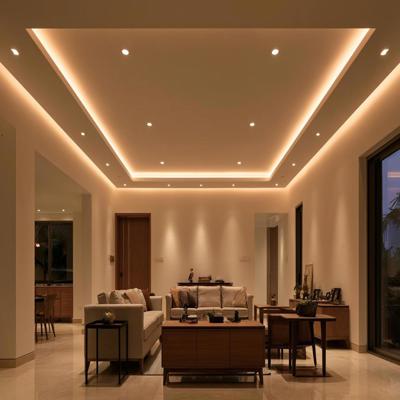
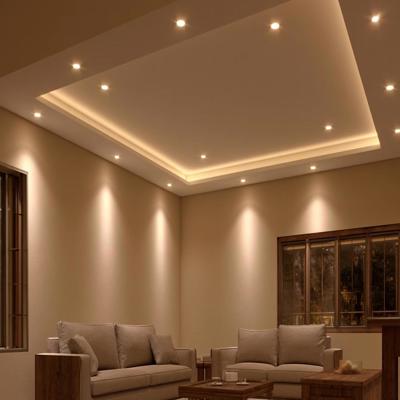
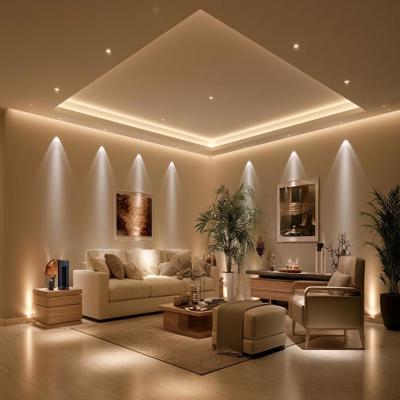
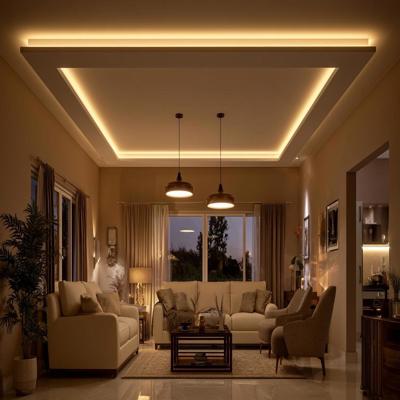
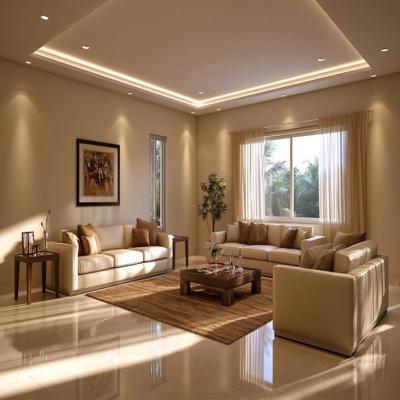
A peripheral false ceiling is designed only around the edges of a room, leaving the center completely flat. The border usually runs along all four walls and is used to hide wiring and add concealed lighting. It gives the room a more finished look without reducing much ceiling height. It is one of the few false ceiling designs that works well in apartments and homes where every inch of height matters. The border can be created from gypsum, POP or a combination of materials, depending on the look you want and the condition of the existing ceiling. A peripheral false ceiling design is commonly used in living rooms and bedrooms because it keeps the fan area open while still creating a clear architectural frame around the room. Many homeowners choose a simple peripheral ceiling design as it adds structure and lighting without making the ceiling feel heavy or complicated. At Interior Company, we design peripheral ceiling designs that are planned around the actual dimensions of the room, the fan clearance and the lighting layout, so the ceiling looks proportionate once the space is furnished....Read More
Filter








Vastu Insights by Our Experts
Watch our designers decode the balance between design, energy, and harmony for your home.







False Ceiling Design Ideas for You
- Theme
- Type
- Material
- Shape
- Room
- Painted Type False Ceiling
- Central Drop Type False Ceiling
- Parallel Type False Ceiling
- Plus Minus Type False Ceiling
- Single Layered Type False Ceiling
- Striped Type False Ceiling
- Stucco Type False Ceiling
- Multi Level Type False Ceiling
- Multi Layered Type False Ceiling
- Eclectic Type False Ceiling
- Double Layered Type False Ceiling
- Coffered Type False Ceiling
Rejuvenate Your Space with a Variety of Options
- Type + Theme
- Type + Material
- Type + Shape
- Type + Room




Bedrooms are meant to feel easy and comfortable after a tiring day, which is why the ceiling ends up affecting the room more than most people expect. A design that looks nice at

It is often said that we spend about one-third of our lives at work. This makes our workspace our second home, where we invest much time and energy. Given this significant porti
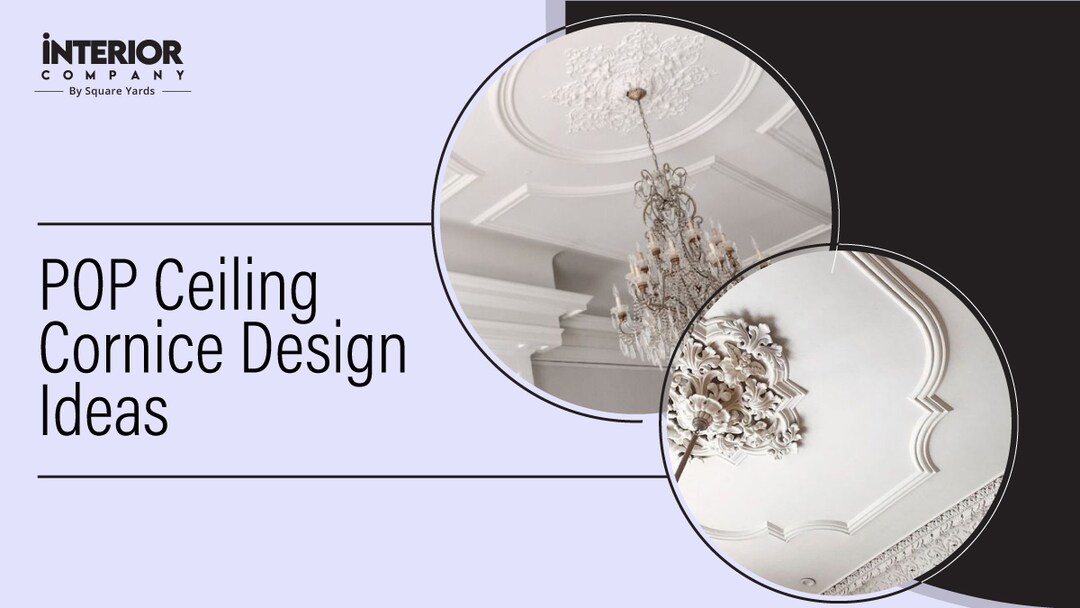
A simple POP ceiling cornice design neatly covers imperfections between the false ceiling and the wall.

The coffered ceiling design, rooted in Renaissance-era noble mansions, gives rooms depth, character, and a unique appearance. Whether planning a renovation or new construction,

False ceilings are a way to add structure and they can be utilised in any part of the house- be it a bedroom, bathroom, living room, or even the balcony. While the ceiling often

We will explore the best wood ceiling ideas options, from rustic beams in log cabin dreams to sleek slats in modern havens. So, whether you are giving a makeover to your ceiling

- 1
- 2
Why Peripheral False Ceilings Work Well in Indian Homes?
Peripheral false ceiling design has become widely popular in Indian apartments, where ceiling height is already limited. The design adds a narrow border only around the edges of the room, which feels much lighter than a full false ceiling.
Another reason peripheral ceiling designs work well is that they leave the center of the ceiling untouched. That makes it easier to change lighting, repaint the room or update the furniture later without having to redesign the entire ceiling.
The Border Becomes the Design
Unlike a layered ceiling that draws attention to the middle of the room, a peripheral ceiling design frames the space instead. The eye is naturally pulled toward the edges, making the room feel more defined without adding unnecessary complexity. A narrow border can be enough in a small bedroom, while a wider frame often works better in larger living rooms and halls.
A Practical Alternative to a Full False Ceiling
A peripheral roof ceiling design usually requires less material and a smaller ceiling drop than many multi-tier designs. It also keeps the area directly under the fan open, which is why homeowners often choose it over a full false ceiling design in rooms with lower ceiling heights.
Lighting Is Usually Built Into the Border
Most peripheral false ceiling design ideas rely on concealed lighting rather than decorative ceiling patterns. LED strips or cove lighting are hidden inside the border, creating an indirect glow across the ceiling and walls. This lighting arrangement can make a room feel warmer in the evening and is one of the main reasons homeowners explore peripheral false ceiling ideas in the first place.
POP or Gypsum: Which Material Works Better for a Peripheral Ceiling?
The border of a peripheral ceiling can be built using either POP or gypsum, and the choice usually depends on the kind of finish you want and how much maintenance you are willing to deal with later. Both materials can create a clean peripheral false ceiling design, but they behave differently during installation and over time.
POP for Decorative Borders
A peripheral POP design is made on site using plaster, which allows for curves, stepped edges and more ornamental detailing. This is useful when the ceiling border is meant to become a decorative feature, especially in traditional interiors or larger halls. You can explore POP ceiling cornice design ideas for a more sculpted border.
Gypsum for Cleaner & Faster Installation
Peripheral gypsum false ceiling designs use factory-made gypsum boards fixed onto a metal framework. The installation is usually faster and the finish is more uniform, which is one reason gypsum has become common in newer apartments and contemporary homes. It is also less prone to minor cracking caused by building movement or seasonal humidity changes.
Which One Suits Modern Homes Better?
For most compact homes and apartments, gypsum is often the simpler choice because the border profile remains clean and understated. POP becomes more useful when the ceiling design includes decorative moldings, curved edges or traditional detailing.
Cost and Long-Term Maintenance
A gypsum border generally requires less time to install, while POP can involve more finishing work on site. Along with false ceiling design price, homeowners should also compare durability, repair work and future maintenance. The better option is usually the one that suits the room height, lighting plan and overall interior style rather than simply choosing the cheaper material.
Simple Peripheral Ceiling Designs That Actually Look Good
A simple peripheral ceiling is usually the easiest way to make a room feel finished without adding a heavy false ceiling across the entire space. It works especially well in apartments and rooms with standard ceiling heights.
Single-Line Border Design
This is the most common simple peripheral ceiling design. A narrow border runs around all four sides of the room with concealed LED lighting tucked inside the edge. The center remains completely plain, so the room feels brighter and taller than it would with a full false ceiling. Rectangle peripheral false ceiling designs and square peripheral false ceiling designs are the easiest and most balanced designs to execute accurately during installation.
Double-Border Peripheral Design
A slightly wider version uses two parallel borders around the perimeter, creating a subtle layered effect. It adds more depth than a single border but still feels much lighter than a multi-tier ceiling. This works well in living rooms and dining areas where the ceiling needs a little more presence.
Minimal Border with Colour Contrast
A plain border can also be paired with subtle ceiling paint ideas to create contrast without adding extra layers. These designs add definition while preserving as much ceiling height as possible.
Peripheral Ceiling Designs for Different Rooms
A peripheral ceiling can be adapted to almost any room because the design is created only around the edges of the ceiling. The width of the border, the lighting and the detailing change depending on the size of the room and how the space is used.
Living Room and Hall
A peripheral ceiling design for the living room or a hall is planned similarly because they are usually part of the same shared space. A clean border with concealed lighting gives the room a finished look while keeping the center of the ceiling completely open. This works particularly well in homes with ceiling fans, pendant lights or chandeliers, where the main fixture remains in the middle of the room.
In larger homes, the border in the main hall fall ceiling design can be made slightly wider and combined with recessed spotlights or layered lighting.
Bedroom
Peripheral ceiling designs for bedrooms are usually more restrained than hall designs. A narrow border with dimmable cove lighting is usually enough to create a softer atmosphere for everyday use.
It is also a practical option for ceiling designs for small bedrooms, where preserving ceiling height makes the room feel more comfortable. Many homeowners planning a new bedroom design choose a peripheral layout because it adds lighting and definition without making the bedroom feel visually busy.
Open Living and Dining Areas
When the living room and dining space are connected, a peripheral ceiling can help define both areas without adding walls or partitions. The same border can continue across the entire space, while the lighting changes above each zone. A slightly wider section above the dining table and a narrower border above the seating area is a common way to separate functions while keeping the ceiling visually consistent.
Trending Modern Peripheral Ceiling Designs
A modern peripheral ceiling design is usually built around proportion rather than decoration. The border is usually kept between 6 and 12 inches wide, the lighting is hidden inside the edge, and the center of the ceiling remains completely flat.
Peripheral ceilings have become much simpler over the last few years. The heavier stepped borders and decorative moldings that were once common are gradually being replaced by cleaner lines, narrower edges and concealed lighting.
Straight-Line Modern Designs
The most common modern peripheral false ceiling designs use a single uninterrupted border with warm LED lighting. The simplicity is what makes them effective, especially in living rooms, bedrooms and open-plan spaces where the ceiling needs to connect with the rest of the interior rather than dominate it.
Double-Step Border
A double-step border creates a little more depth than a single peripheral frame without becoming as heavy as a multi-tier ceiling. It works particularly well in larger living rooms and halls where a narrow border can look too understated. The second step also creates a better shadow line when cove lighting is used.
Rectangle and Square Layouts
Rectangle peripheral false ceiling designs are the most practical option for rooms with rectangular furniture arrangements, while square peripheral false ceiling designs create a more symmetrical look in compact rooms. Both layouts are easier to execute accurately during installation and work well with ceiling fans and lighting.
L-Shaped Peripheral Ceilings
L-shaped false ceiling designs are useful in rooms where the seating area and dining area are connected, or where the room itself has an irregular layout. The border can follow only the occupied portion of the room, which helps define different zones without adding partitions.
Wood and Decorative Ceiling Combinations
Wood is increasingly being used in small sections of peripheral ceilings, particularly around TV units, dining areas and entrance passages. Peripheral wood false ceiling designs add warmth without requiring a fully wooden ceiling, and they pair well with neutral walls, stone finishes and minimalist furniture.
In larger homes, some designers also adapt elements of coffered ceiling designs within the peripheral frame, using shallow square or rectangular sections around the edges while keeping the center ceiling flat.
Lighting and Colour Details
Warm cove lighting, a slightly contrasting border colour and subtle false ceiling colour combinations can make the edge of the ceiling more visible without adding extra structural layers. These designs usually age better than heavily decorated borders because they rely on proportion and lighting rather than ornamentation.
Contemporary Peripheral Ceiling Ideas
Contemporary peripheral false ceiling designs combine gypsum borders with subtle changes in paint colour or texture instead of adding extra structural layers. A slightly darker border, a matte finish or a recessed lighting channel can create enough depth without making the ceiling feel heavy.
Design Your False Ceiling with Interior Company!
A peripheral ceiling works best when the border width, lighting and room proportions are planned together from the beginning. At Interior Company, we design peripheral false ceiling designs that suit the actual ceiling height, fan clearance and room layout instead of relying on standard templates.
The design process at Interior Company is customized to the space people already have. From material selection and lighting placement to 3D visualization and complete execution, every stage is handled as part of a single interior project, making the final result feel cohesive with the rest of the home.
Frequently Asked Question (FAQs)
What is a peripheral false ceiling?
A peripheral false ceiling is a ceiling design where the false ceiling is built only around the edges of the room, while the center remains flat and untouched. The border is usually used to hide wiring and integrate cove lighting.
How much ceiling height does a peripheral design save compared to a full false ceiling?
A peripheral ceiling usually takes up much less height than a full false ceiling because only the border is dropped. In most homes, the center of the room remains at its original height, which is especially useful in apartments and rooms with ceiling fans.
Is peripheral POP or peripheral gypsum better?
Peripheral POP design is useful when you want curved edges or decorative moldings. Peripheral gypsum false ceiling designs are usually faster to install and tend to require less maintenance over time, which is why they are more common in homes.
What's a good simple peripheral ceiling design?
A single straight border with concealed LED lighting is one of the easiest and most practical options. It gives the room a finished look without making the ceiling feel heavy or overly decorative.
Does a peripheral ceiling design work in a bedroom?
Yes. Peripheral ceiling designs for bedrooms are usually kept narrower and simpler than hall designs, and they work particularly well with dimmable cove lighting and ceiling fans.
Can I add lighting to a peripheral ceiling border?
Yes. Most peripheral ceilings are designed specifically to accommodate LED strips, cove lighting or recessed spotlights within the border.
How wide should a peripheral ceiling border be?
In most homes, a border between 6 and 12 inches works well. Smaller rooms usually look better with a narrower border, while larger halls can accommodate a wider frame.