
- Design Ideas
- Cities
- Trends
- Guides
- Price Calculators
- Interior DesignersNEW
- Our Portfolio
- More


- Home
- Interior Design Ideas
- False Ceiling Design Ideas
- Minimalist False Ceiling Design Ideas
Minimalist False Ceiling Design Ideas
A minimalist false ceiling design is not about leaving the ceiling empty. It is about deciding what deserves to be there and removing everything else. Instead of layered drops, decorative moldings, or complex patterns, the ceiling is reduced to one clean surface, a slim border, a recessed lighting line or a subtle change in depth. The simplicity is deliberate, and that is what gives the ceiling its finished look. This approach has become especially popular in Indian apartments and contemporary homes where ceiling height is limited and visual clutter builds up quickly. A minimalist ceiling design keeps the room feeling open, allows furniture and wall finishes to take the lead and is usually easier to maintain than heavily detailed ceilings. At Interior Company, we design minimalist false ceilings that are planned around the proportions of the room, the lighting requirements and the way the space is used every day. From a minimal false ceiling design for bedroom and living room to larger contemporary homes, the emphasis is always on simplicity that feels intentional, balanced and timeless....Read More
Filter





Vastu Insights by Our Experts
Watch our designers decode the balance between design, energy, and harmony for your home.







False Ceiling Design Ideas for You
- Theme
- Type
- Material
- Shape
- Room
- Painted Type False Ceiling
- Central Drop Type False Ceiling
- Parallel Type False Ceiling
- Peripheral Type False Ceiling
- Plus Minus Type False Ceiling
- Single Layered Type False Ceiling
- Striped Type False Ceiling
- Stucco Type False Ceiling
- Multi Level Type False Ceiling
- Multi Layered Type False Ceiling
- Eclectic Type False Ceiling
- Double Layered Type False Ceiling
- Coffered Type False Ceiling
Rejuvenate Your Space with a Variety of Options
- Theme + Type
- Theme + Material
- Theme + Shape
- Theme + Room

Bedrooms are meant to feel easy and comfortable after a tiring day, which is why the ceiling ends up affecting the room more than most people expect. A design that looks nice at
It is often said that we spend about one-third of our lives at work. This makes our workspace our second home, where we invest much time and energy. Given this significant porti
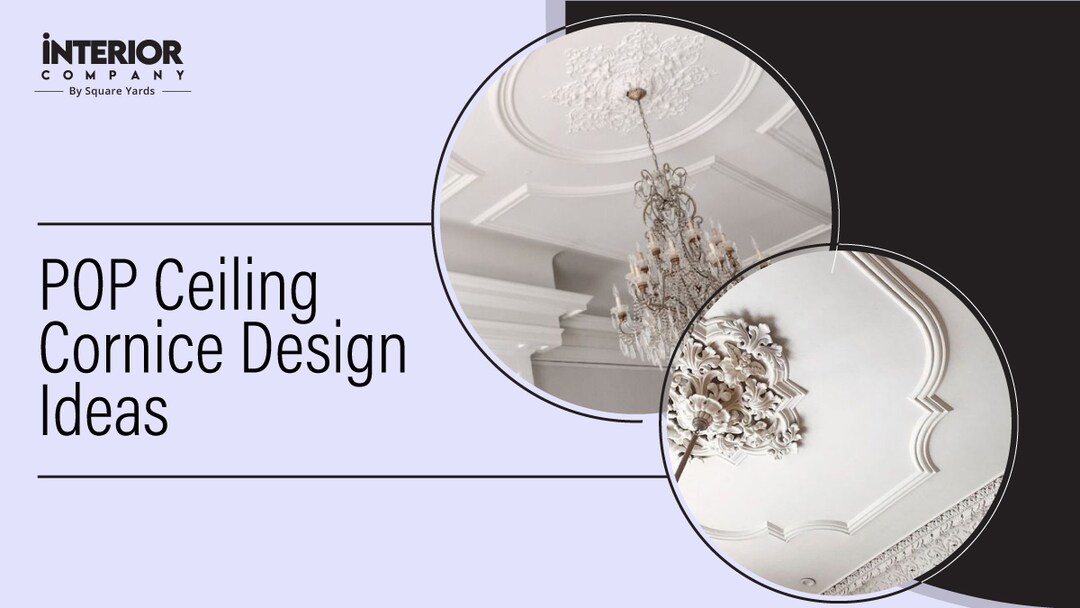
A simple POP ceiling cornice design neatly covers imperfections between the false ceiling and the wall.

The coffered ceiling design, rooted in Renaissance-era noble mansions, gives rooms depth, character, and a unique appearance. Whether planning a renovation or new construction,

False ceilings are a way to add structure and they can be utilised in any part of the house- be it a bedroom, bathroom, living room, or even the balcony. While the ceiling often
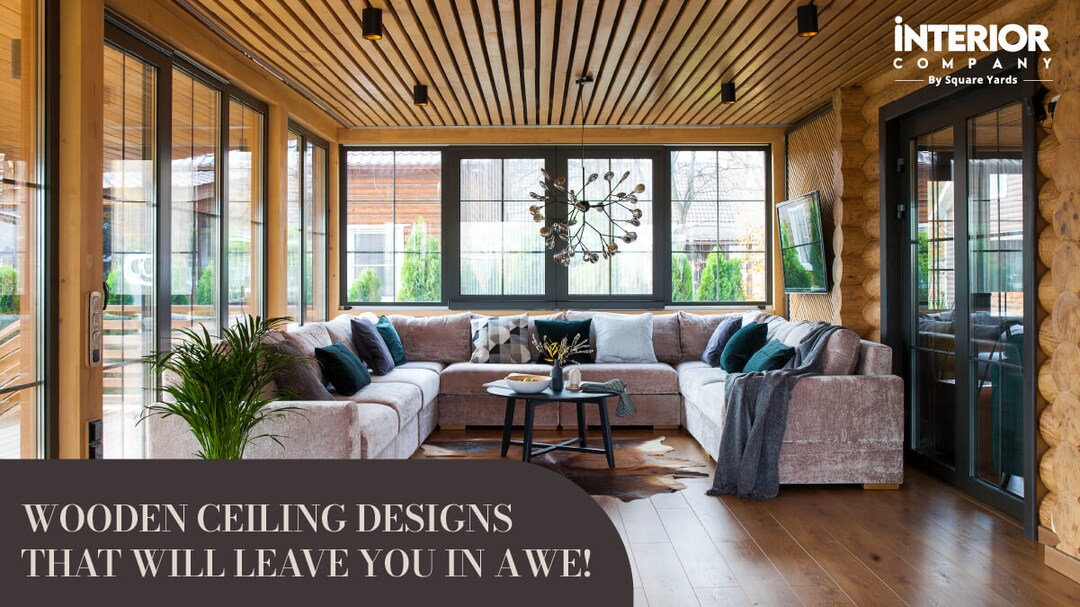
We will explore the best wood ceiling ideas options, from rustic beams in log cabin dreams to sleek slats in modern havens. So, whether you are giving a makeover to your ceiling

Minimalist False Ceiling Design Ideas for Indian Homes
Minimalism is often misunderstood as doing less. In ceiling design, it is more accurate to think of it as keeping only the details that improve the room. A minimalist false ceiling design usually avoids layered drops, decorative moldings and heavy ceiling patterns. Instead, it relies on a flat surface, a slim border or a single recessed lighting line to give the ceiling definition.
The appeal is practical as much as aesthetic. A minimalist false ceiling generally uses less material, requires fewer joints and is quicker to install than heavily layered ceiling systems. It is also easier to repaint, repair and maintain over time, which makes it a sensible choice for homes that are used every day rather than designed only for display.
A modern minimalist ceiling design can work in a living room, bedroom or dining area with only small adjustments in lighting and proportion, making it easier to create a home that feels visually connected from one room to the next.
What is a Minimalist False Ceiling?
A minimalist false ceiling is usually a single-level ceiling with clean edges and very little decorative detailing. Instead of combining multiple layers, moldings and lighting effects, the design focuses on one element done well, which can be a flat panel, a slim border or a recessed lighting line.
A minimal ceiling design feels finished because the proportions are carefully planned, not because more details have been added. That is what separates it from a plain ceiling. The restraint is intentional and every visible element has a purpose.
Most false ceiling minimal design layouts also aim for a seamless appearance with minimal visible joints and interruptions. The ceiling blends quietly into the room while making the space feel more organized and visually open.
What Does a Modern Minimalist Ceiling Look Like?
A modern minimalist ceiling design is usually defined by clean edges, a single ceiling level and lighting that feels built into the architecture rather than added as decoration. Instead of visible cove lighting or layered drops, the design uses recessed downlights or slim linear fixtures that blend into the ceiling surface.
Most modern false ceiling designs in this style are created using gypsum because it gives a flatter and more uniform finish. Minimalist gypsum false ceiling designs are especially popular in contemporary homes where the goal is to keep the ceiling visually quiet and easy to maintain.
A minimalist plaster ceiling design can achieve a similar look, particularly when a completely seamless surface is required. The difference is subtle. The overall effect still depends more on proportion, lighting and restraint than on decorative detailing.
Design Principles Behind a Minimalist Ceiling
A minimalist ceiling usually works best when it is built around one clear idea rather than several decorative elements competing for attention. The most successful designs rely on proportion, lighting and a restrained use of detail, which is why they tend to age better than heavily layered ceilings.
One Detail is Usually Enough
A minimalist ceiling design becomes stronger when it focuses on a single element, such as a recessed lighting line, a slim border or a subtle change in depth. Combining multiple minimalist touches makes the ceiling feel uncertain rather than intentionally simple. This is the same principle behind many false ceiling simple designs, where restraint is what gives the ceiling its finished look.
Seamless Surfaces Matter
Minimalist ceilings depend heavily on clean execution. Flush joints, straight edges and a uniform finish usually have a bigger impact than decorative moldings or elaborate patterns.
Use Colour Carefully
A minimalist ceiling does not have to be pure white. Soft off-whites, warm greys and muted neutrals can add depth without making the ceiling feel busy. Subtle false ceiling colour combinations work better than strong contrast, especially in bedrooms and living rooms where the ceiling should remain visually quiet.
Keep the Geometry Simple
Simple rectangular layouts tend to work best in minimalist interiors. Minimalist rectangular false ceiling designs are especially effective because they create clear structure without introducing unnecessary curves or layers.
Let the Room Lead the Design
A minimalist ceiling should support the architecture of the room rather than become its main feature. In larger living areas, the ceiling can remain almost invisible while the furniture, lighting and materials create the character of the space. In bedrooms, a restrained ceiling feels more comfortable than heavily detailed designs, particularly when the goal is a calm and uncluttered atmosphere.
Minimalist Ceiling Design for Bedroom and Living Room
A minimal false ceiling design for bedroom and living room works well because both rooms benefit from a ceiling that stays visually quiet. The design is usually kept to a single level, with one subtle detail such as a recessed lighting line or a slim border, so the ceiling supports the room instead of becoming its main feature.
Bedroom
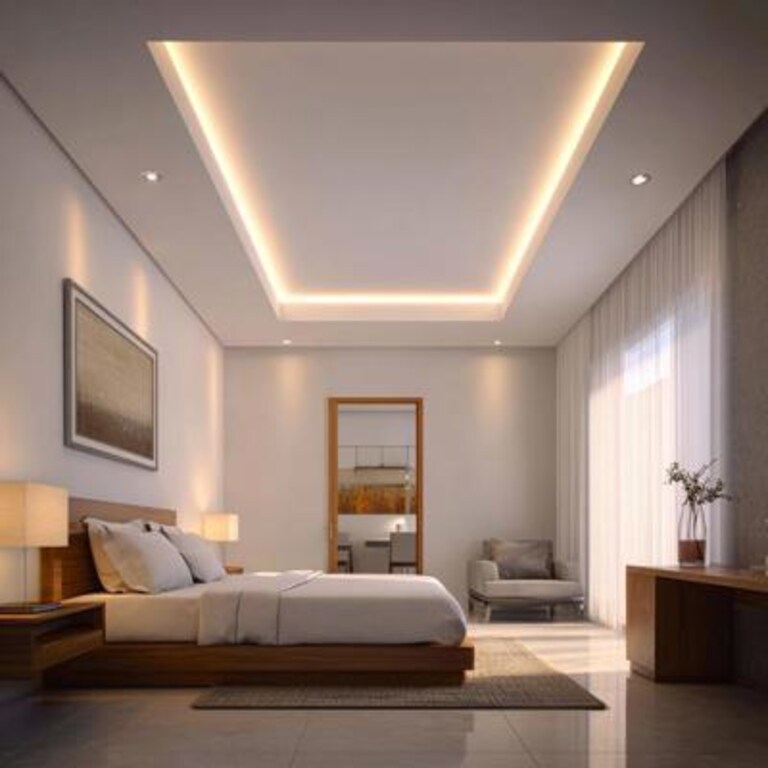
A minimalist bedroom ceiling design is usually centered on comfort. A flat ceiling with warm recessed lighting and minimal detailing helps create a calmer atmosphere, especially in bedroom interior design where softer lighting and simpler surfaces make the room feel more restful. This approach also works well in ceiling designs for small bedrooms because it preserves more ceiling height.
Living Room
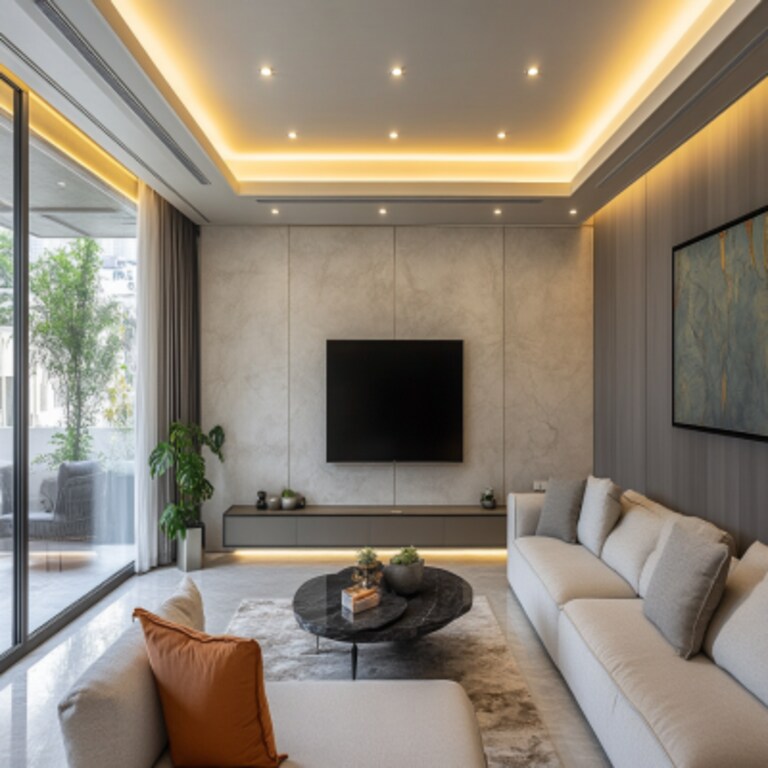
A minimalist ceiling design for living room spaces often includes one additional element. It can be a narrow recessed strip, a subtle border or integrated false ceiling light designs to give the room definition without adding visual weight.
The ceiling remains understated, allowing the furniture, artwork and overall living room interior design to become the focus.
Minimalist Design for High-Ceiling Living Rooms
A minimalist high-ceiling living room design takes advantage of height without filling it with multiple ceiling layers. Instead of a complex false ceiling, the design usually introduces one well-proportioned recessed section or a single dropped panel that gives the room definition while keeping the overall look uncluttered.
In a minimalist modern high-ceiling living room, the extra height already provides enough visual interest. A simple ceiling layout with integrated lighting often looks more refined than a heavily detailed ceiling that competes with the room's architecture. This approach is especially effective in duplex homes, double-height living areas and larger open-plan spaces where restraint creates a stronger impact.
Lighting Ideas for Minimalist Ceiling Designs
A minimalist ceiling works best when the lighting feels integrated into the room's architecture rather than added as decoration. The goal is usually even, comfortable illumination without drawing attention to the fixtures themselves. Recessed lights, slim linear LEDs and concealed lighting are the most common choices because they keep the ceiling visually clean.
Recessed Downlights
Recessed downlights are one of the simplest ways to light a minimalist ceiling. The fixtures sit almost flush with the ceiling surface, which makes the room feel uncluttered while providing consistent lighting for everyday use. This is why they are widely used in false ceiling light designs for living rooms, bedrooms and hallways.
Linear LED Profiles
Slim linear LED profiles create a more contemporary look without adding visual weight. A single recessed light line can define a seating area, dining space or circulation path while maintaining the restraint that a minimalist ceiling depends on. These fixtures are especially effective in modern false ceiling designs where clean geometry is a key part of the overall interior.
Bedroom Lighting
A minimalist bedroom ceiling light is usually warm-toned and dimmable so the room can shift easily from bright task lighting to a softer evening setting. Many bedroom ceiling light ideas follow this approach because indirect, warm lighting helps create a calmer and more comfortable atmosphere.
Keeping the Lighting Balanced
The best minimalist lighting ideas usually combine a few recessed fixtures with one subtle design element, such as a linear LED profile or a concealed perimeter light. This provides enough illumination for daily activities while keeping the ceiling understated and visually quiet, which is the quality that defines a minimalist interior.
Minimalist Ceiling Design Ideas Worth Considering
A minimalist ceiling does not have to be completely plain. The strongest designs usually introduce one carefully chosen detail that adds structure to the room without making the ceiling feel decorative or heavy. These ideas work particularly well in apartments and contemporary homes where simplicity is part of the overall interior style.
Single Recessed Border
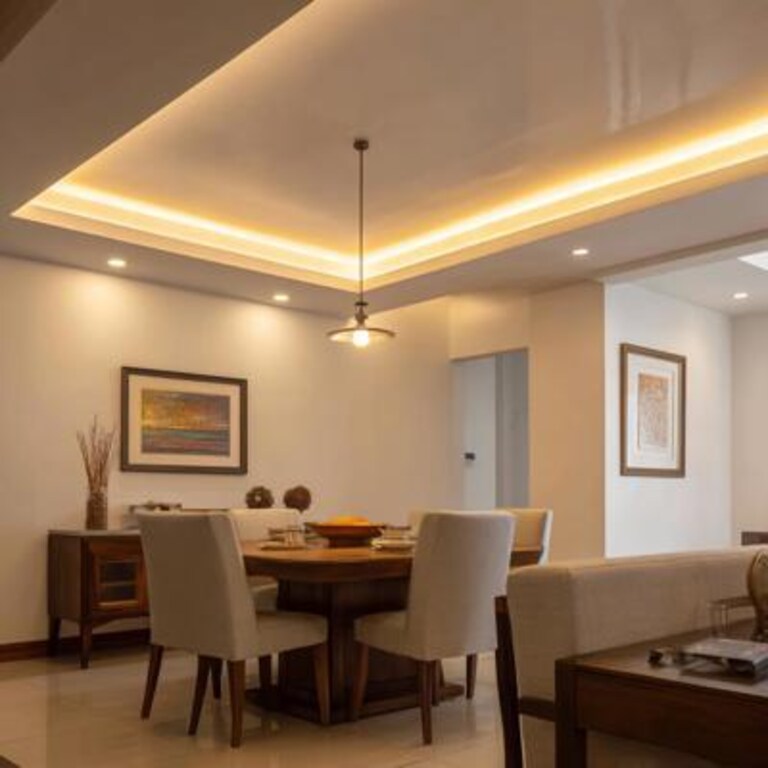
One of the easiest ways to create a minimalist false ceiling design is with a narrow recessed border around the edge of the room. The center of the ceiling remains flat, while the border hides concealed lighting or creates a subtle shadow line that gives the room definition.
Linear Light Strip Ceiling
A single recessed LED strip running across the ceiling can create a strong architectural effect without adding multiple layers. This is a popular choice in modern false ceiling designs because it provides both lighting and visual structure in one element.
Flat Gypsum Ceiling with Flush Edges
A flat ceiling with flush joints and no visible moldings is one of the purest minimalist approaches. Minimalist gypsum false ceiling designs are used for this look because gypsum provides a smooth, consistent surface that works well with neutral interiors.
Rectangular Panel Ceiling
A shallow rectangular recessed panel can add depth while keeping the ceiling understated. Minimalist rectangle false ceiling designs are especially effective in living rooms and dining areas where the furniture already follows a rectangular arrangement.
Subtle Colour Contrast
A minimalist ceiling can be defined through colour rather than structure. Soft off-whites, warm greys and muted neutrals create depth without making the ceiling feel busy. Restrained false ceiling colour combinations often work better than strong contrast in contemporary homes.
Plan Your False Ceiling Design with Interior Company
Minimalist ceilings leave very little room for unnecessary detailing, which is why the planning stage matters so much. The ceiling height, lighting layout and room proportions all need to be considered together before the design is finalized.
Interior Company designs minimalist false ceilings for apartments, villas and renovation projects across different budgets and room sizes. From single-level gypsum ceilings and recessed lighting layouts to complete interior execution, every ceiling is developed as part of the overall design of the space instead of being treated as a standalone feature.
Frequently Asked Question (FAQs)
What is a minimalist false ceiling design?
A minimalist false ceiling design uses clean lines, minimal layers and restrained detailing instead of decorative moldings or complex ceiling patterns. It usually consists of a single-level ceiling with subtle lighting and simple edges.
How is a minimalist ceiling different from a plain or unfinished one?
A plain ceiling may have no design at all, while a minimalist ceiling design is intentionally planned. The proportions, lighting, edges and finish are carefully considered so the ceiling looks complete without appearing decorative.
Is gypsum or plaster better for a minimalist ceiling?
Gypsum is generally preferred because it provides a smoother and more consistent finish, which is important in minimalist interiors. A minimalist plaster ceiling design can also work well, especially when a seamless surface is required.
Does a minimalist ceiling design work for both bedrooms and living rooms?
Yes. A minimal false ceiling design for bedroom and living room works well because the same restrained approach suits both rooms. The lighting and proportions can be adjusted while keeping the overall design language consistent.
What's the best approach for a minimalist ceiling in a high-ceiling living room?
In a minimalist high-ceiling living room design, it is usually better to introduce one well-proportioned recessed panel or lighting feature rather than filling the height with multiple ceiling layers.
What kind of lighting suits a minimalist ceiling design?
Recessed downlights, slim linear LEDs and concealed lighting are usually the best options because they keep the ceiling visually clean. Minimalist ceiling lights are meant to blend into the ceiling rather than become decorative fixtures.
Does a minimalist false ceiling save on cost and installation time?
In many cases, yes. Because minimalist false ceiling designs usually use fewer layers and less decorative detailing, they require less material and can be installed faster than heavily layered false ceiling designs.