
- Design Ideas
- Cities
- Trends
- Guides
- Price Calculators
- Interior DesignersNEW
- Our Portfolio
- More



- Home
- Interior Design Ideas
- Crockery Unit Design Ideas
Crockery Unit Design Ideas
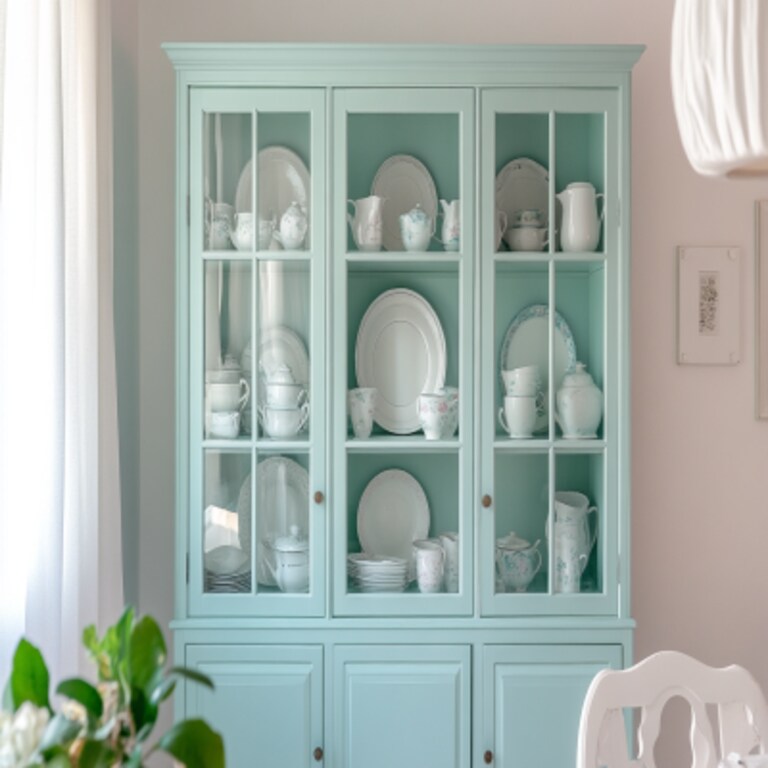
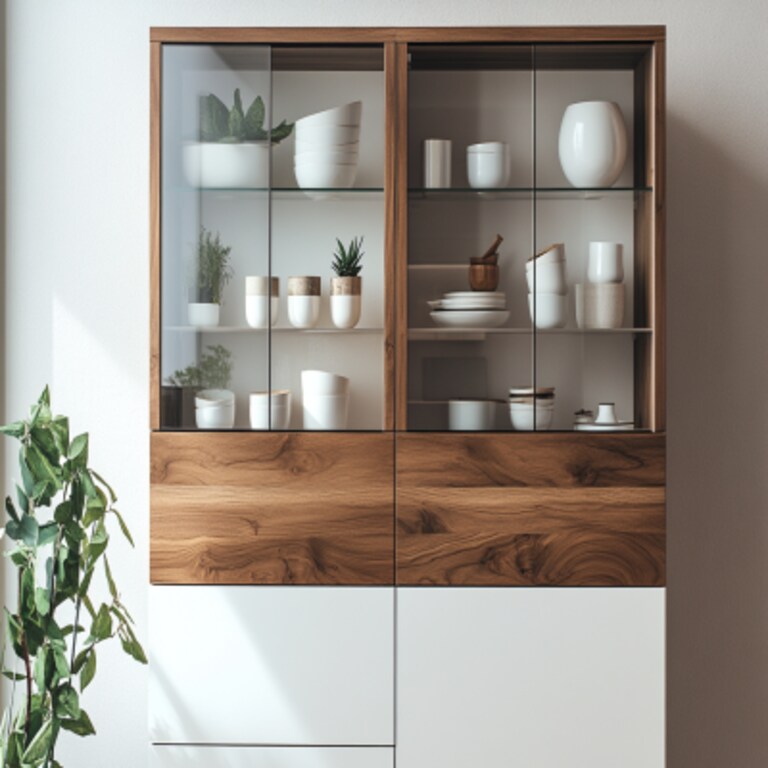
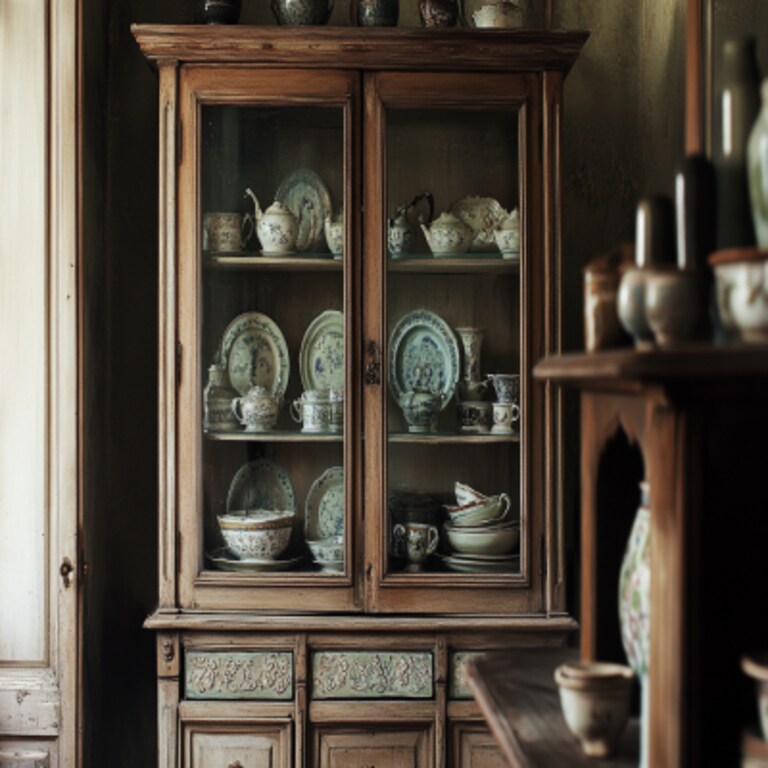
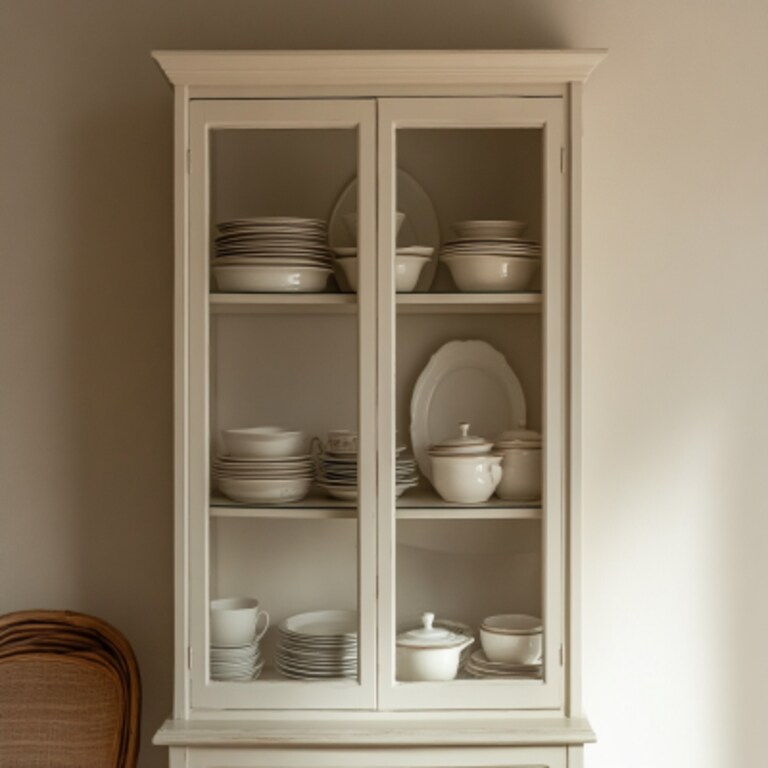
Crockery unit designs have evolved from basic storage to stylish, functional design statements. Whether displaying fine china or keeping dinnerware organised, the right cabinet does both with ease. There’s no one-size-fits-all-think sleek wall-mounted shelves for small kitchens or bold glass-fronted units for the dining room. With endless materials, finishes, layouts, and lighting options, choosing the perfect one can feel overwhelming. This guide breaks down modern crockery unit design ideas with practical tips to help you integrate them seamlessly into your space. Whether upgrading or adding new, consider this your go-to cheat sheet for a smart, stylish choice....Read More
Filter

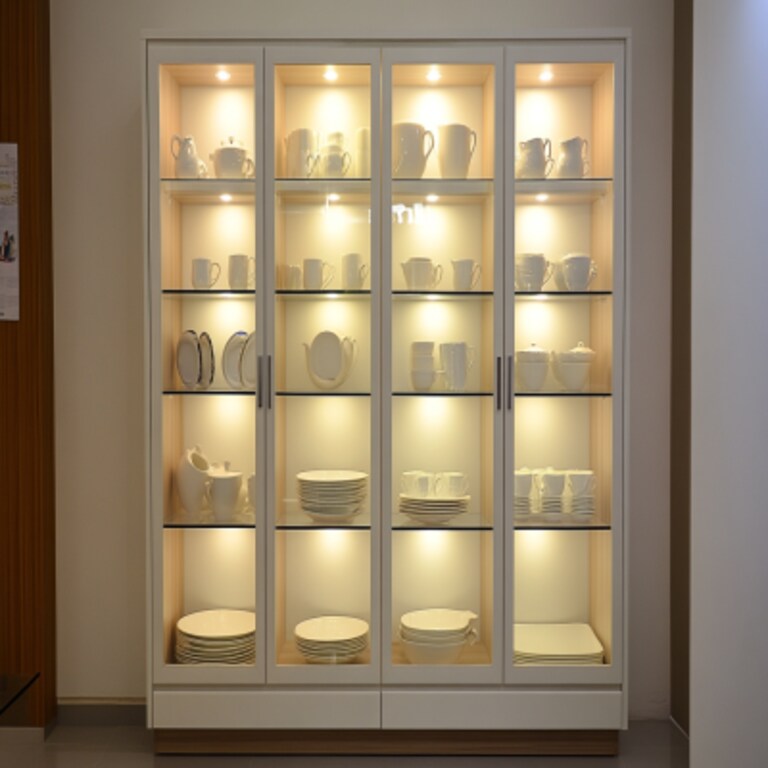
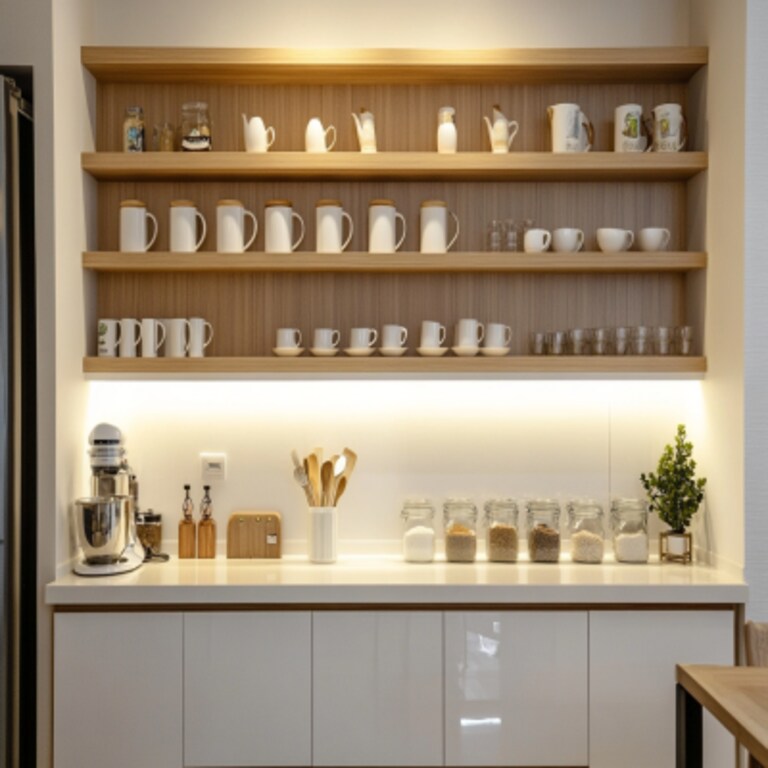
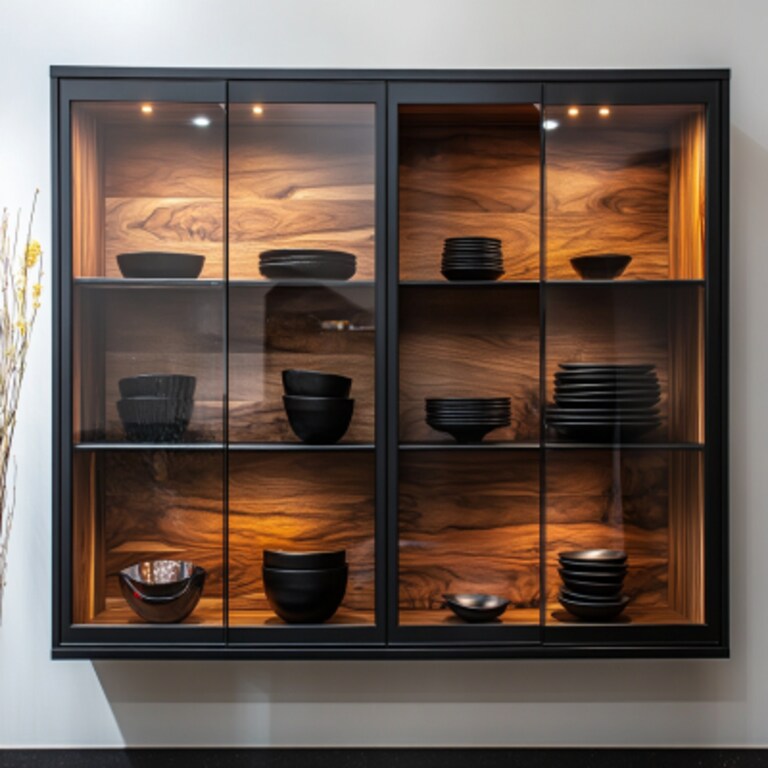
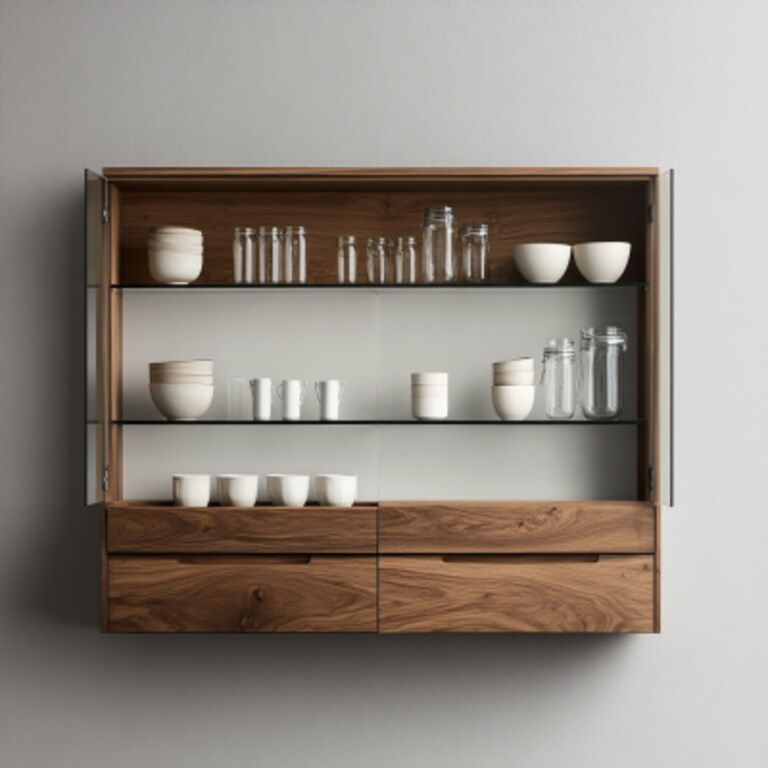



Vastu Insights by Our Experts
Watch our designers decode the balance between design, energy, and harmony for your home.








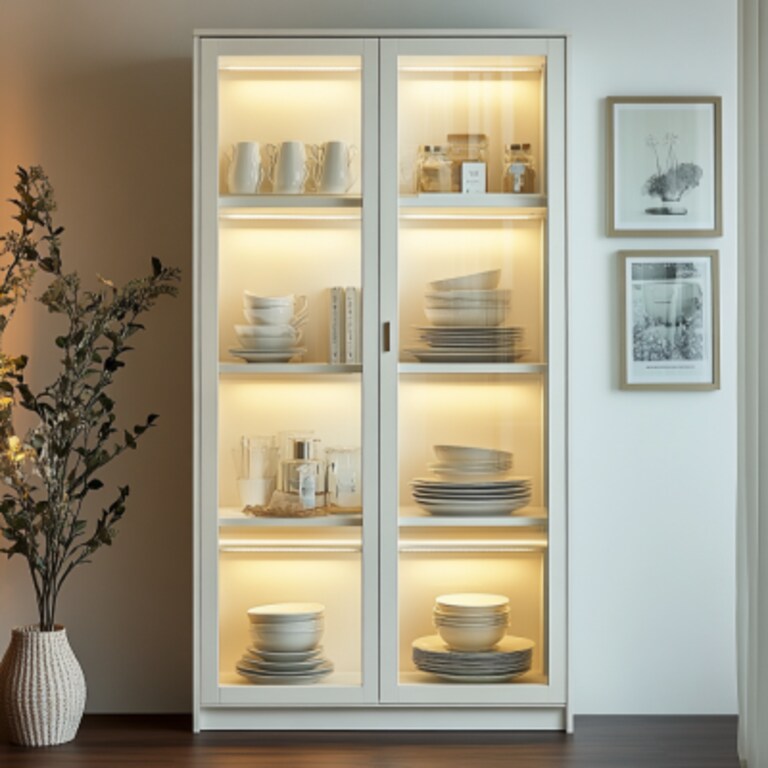
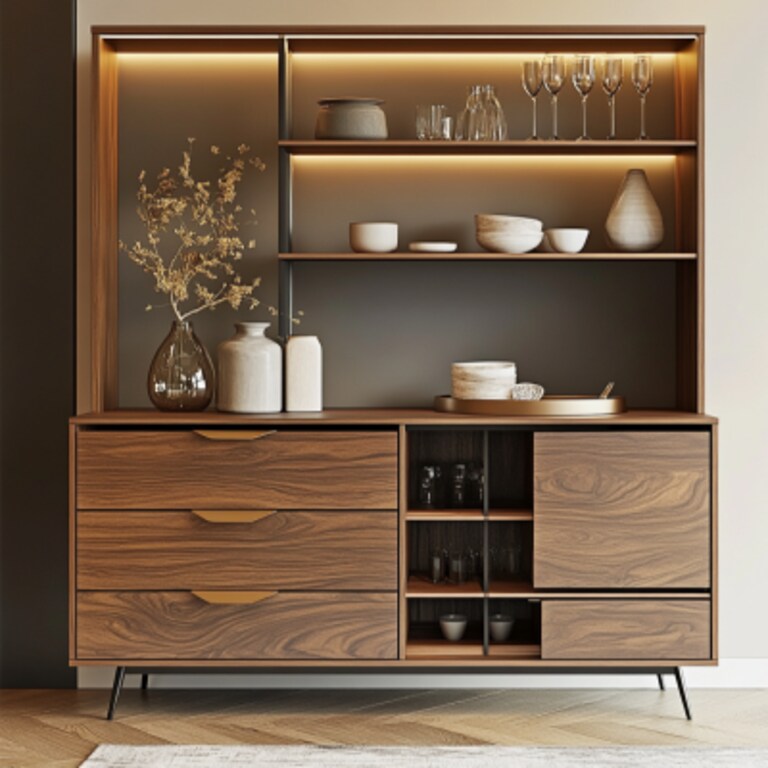
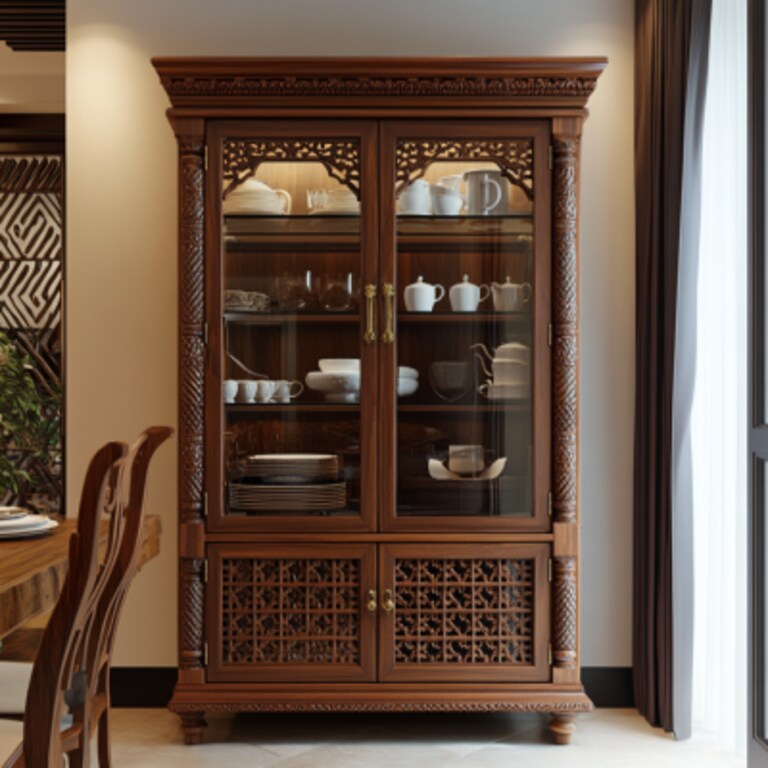
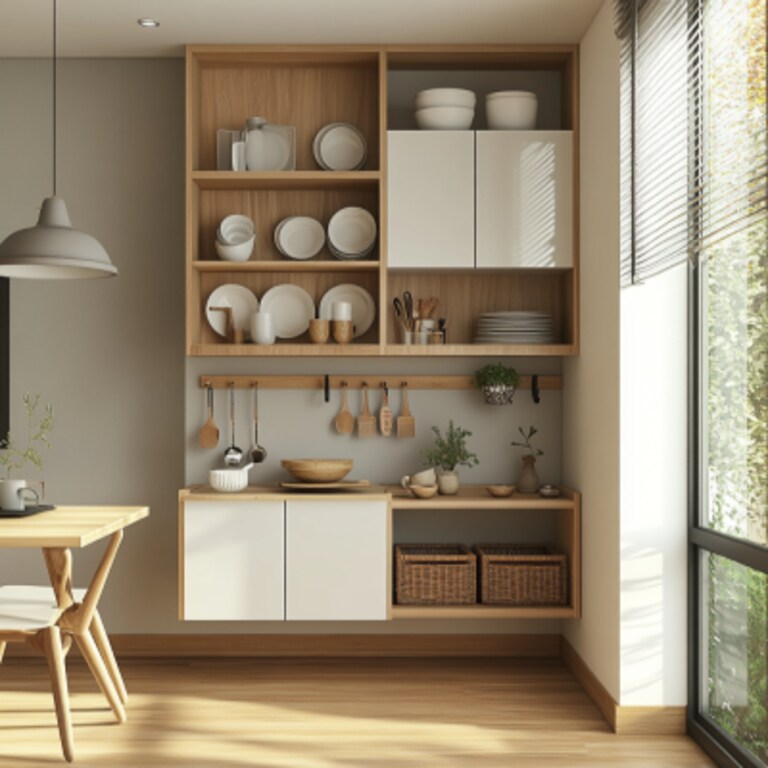
Crockery Unit Design Ideas for You
- Theme
- Colour
- Storage Type
- Finish
- 1
- 2
Design Between the Dishes: Crockery Unit Design Ideas
A well-designed crockery unit is both stylish and practical. It organises your dinnerware while elevating your dining room’s look. From sleek modern styles to classic wooden cabinets and space-saving wall units, the right design adds elegance and function to any space.
Choosing a crockery unit that enhances your space without overwhelming it can be challenging. Every home is unique, so we are here to help. From dining room units that blend with your decor to statement showcases for the main hall, we have curated the best trends, materials, and styles. Discover how the right crockery cabinet can effortlessly elevate your interiors.
Why Does Your Dining Room Need a Crockery Cabinet?
More than just storage, the crockery unit is now a statement piece that adds structure, style, and purpose to your dining space. In today’s open layouts, where kitchen and dining zones blend seamlessly, a thoughtfully placed cabinet becomes the anchor that brings it all together.
Here’s why choosing the right crockery unit is both smart and stylish.
1. Effortless Organisation
With a good crockery almirah design, you can showcase your festive dinnerware while storing your everyday dishes cleanly to reduce clutter. Smart storage solutions and dedicated compartments for plates, bowls, cups, and cutlery make everything find a place. This way, you can make post-meal cleanups smoother and pre-meal setups quicker.
2. Visual Appeal
A well-designed crockery unit interior design adds instant polish to your dining room. From glass-fronted doors that showcase curated collections to closed cabinets for a clean, minimalist look, your crockery unit can double as décor. Add backlighting, open shelving, or textured finishes, and it transforms into a stunning visual statement.
3. Space Optimisation
Modern homes need smart storage solutions. From wall-mounted units that save space to corner designs that maximise unused nooks, there’s a layout for every home. A well-designed, small crockery cabinet can make a big impact in compact apartments.
4. Customisation for Lifestyle
Are you someone who hosts often? A dedicated cutlery unit design or pull-out tray for serving essentials can be a game changer. Prefer a clean, clutter-free vibe? Go for seamless push-to-open cabinets. The beauty of today’s modern crockery unit design ideas is that they adapt to you and not vice versa.
5. Adds a Layer of Sophistication
Whether a matte-finished crockery unit in a modular kitchen or a carved wooden crockery design furniture piece in the dining room, these units add a refined touch. They tell your guests you have thought through what you serve and how you store and present it.
Best Materials for Crockery Units: Which One Should You Choose?
The material of your crockery unit does more than ensure durability. It sets the tone for your space. Sleek glass adds a modern, airy feel, while solid wood brings warmth and character. Based on your style, lifestyle, and storage needs, here are the most popular crockery cabinet materials to consider:
1. Wooden Crockery Cabinet Designs
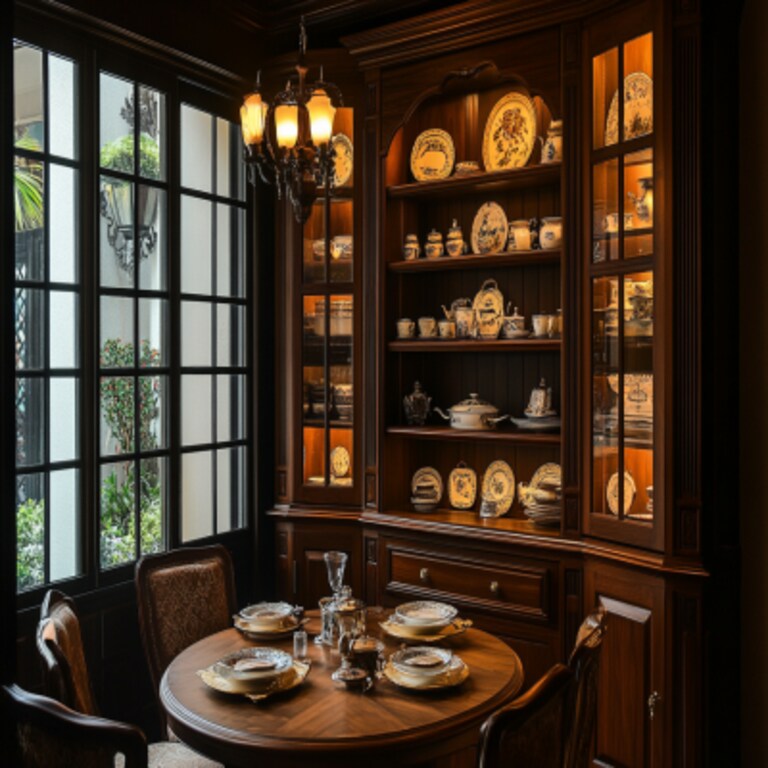
Wood remains a timeless favourite for crockery units, sturdy, versatile, and full of character. Whether rich teak, minimal pine, or classic walnut, each adds a warm, earthy charm. Carved wooden almirahs suit traditional homes, while sleek engineered wood designs fit modern, budget-friendly spaces. Pair wood with fluted glass or metal accents for a stylish, modern-meets-vintage vibe.
- Best for: Traditional, rustic, or vintage-themed interiors
- Key Features:
- Timeless elegance with natural wood grains
- Sturdy construction for heavy dinnerware
- Can be carved or painted for custom designs
- Popular Finishes: Teak, walnut, oak, and rosewood
- Example Use: A wooden crockery almirah design in rich mahogany adds warmth to a formal dining room.
2. Glass Crockery Unit Design
For elegance with a sense of openness, glass-fronted crockery units are a perfect pick. They let you showcase fine china or quirky serve ware while adding depth without bulk—ideal for compact or open-plan spaces. Choose from frosted, tinted, or clear glass to suit minimalist and bold styles.
- Best for: Contemporary, minimalist, or luxury spaces
- Key Features:
- Creates an airy, spacious feel with transparent or frosted panels
- The crockery unit glass design showcases dishes as decorative pieces
- Reflective surfaces enhance lighting
- Variations: Tempered glass, back-painted glass, or glass-metal combos
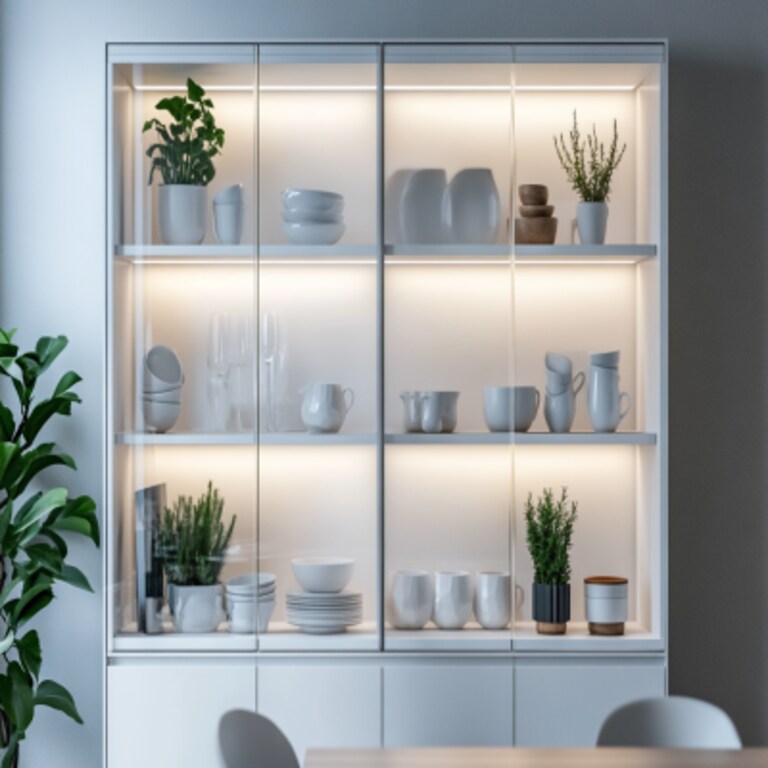
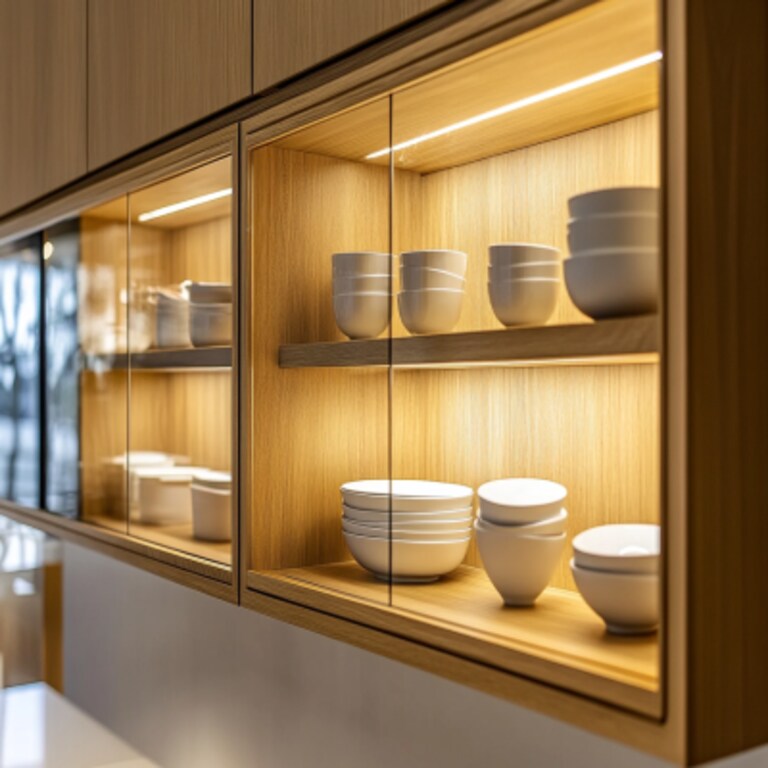
- Example Use: A wall-mounted crockery unit design with LED-lit glass shelves elevates a modern apartment.
3. Metal & Mixed Material Units
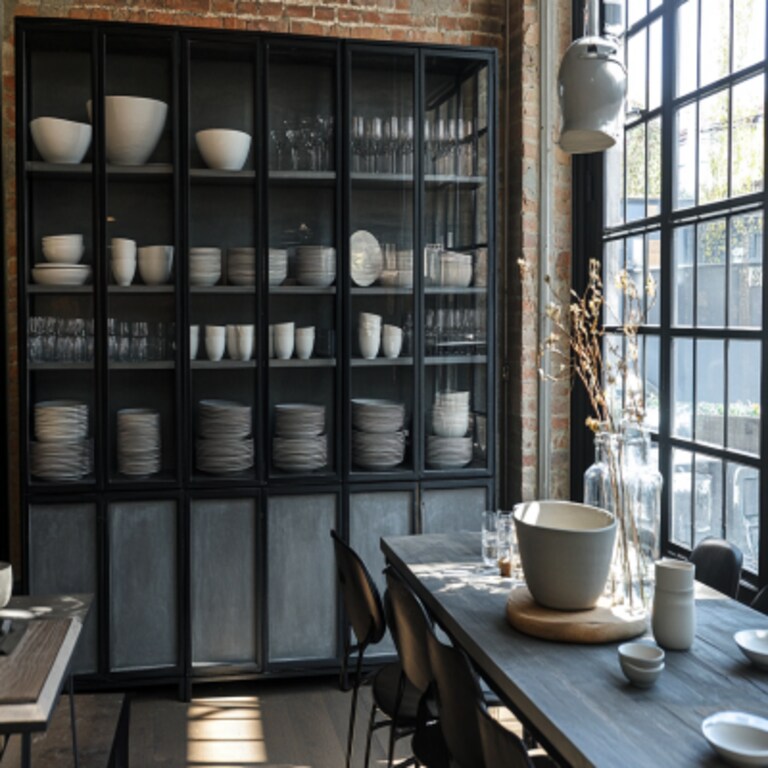
Metal frames paired with wood or glass are trending for industrial or eclectic interiors. These modern crockery cabinet designs for dining rooms often feature black powder-coated steel frames, open shelving, and sleek hardware, ideal for those who love a contemporary edge.
- Best for: Loft-style, industrial, or eclectic decors
- Key Features:
- Stainless steel or brass frames for a bold statement
- Often paired with glass or wood for contrast
- Lightweight yet durable
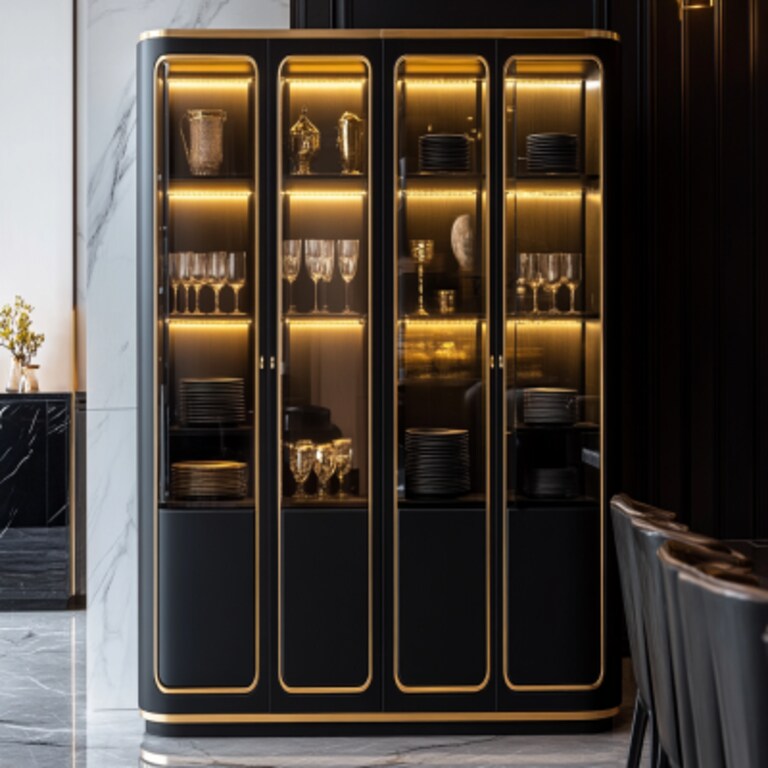
- Trendy Pick: Gold-finished frames for a luxe touch
- Example Use: A trendy, modern crockery cabinet design with black metal and glass suits an urban dining space.
4. Laminate & Acrylic Finishes
If easy maintenance is your priority, crockery unit designs with laminate or acrylic finishes offer durability with style. Available in various colours and textures, they fit seamlessly into modular kitchens or modern dining areas. Plus, they’re fingerprint- and stain-resistant, perfect for daily use.
- Best for: High-gloss, colorful, or Scandinavian interiors
- Key Features:
- Affordable alternative to wood with a polished finish
- Wide range of colours (white, pastels, or bold hues)
- Scratch-resistant surfaces
- Popular in: Crockery cabinet designs India for modern homes
- Example Use: A simple crockery unit design in glossy white brightens a compact dining nook.
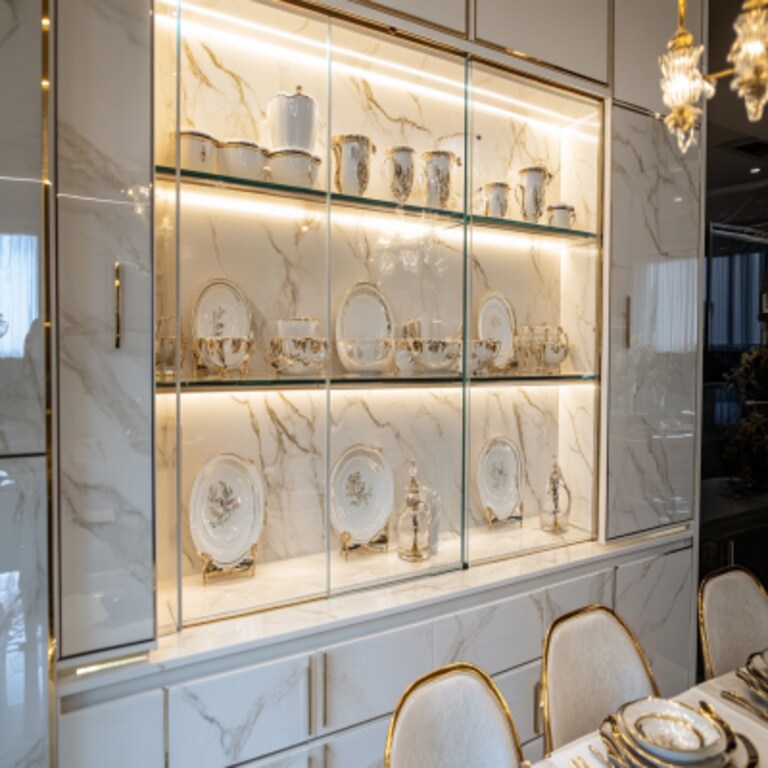
5. Stone-Top or Marble Counter Cabinets
If you want to combine luxury and utility, some kitchen crockery unit designs include marble or quartz countertops. These add a visual break and serve as a prep or serving area, ideal for entertaining.
- Best for: High-end, classic, or opulent interiors
- Key Features:
- Marble or granite countertops add a premium, luxurious touch
- Naturally stain-resistant and easy to clean
- Ideal for crockery units that double as serving stations
- Pairs beautifully with wooden or glass cabinet bases
- Popular Choices: Carrara marble, black granite, or quartz
- Example Use: A main hall crockery unit design with a white marble top and gold accents exudes sophistication in a luxury villa.
Crockery Unit Design Ideas Based on Your Home’s Interior Style Theme
The right crockery unit design should complement your home’s personality, not clash with it. Whether you lean toward minimal, boho, or luxe interiors, a theme-ready crockery cupboard design seamlessly fits in while standing out.
Here’s how to choose based on the vibe you want your space to reflect:
Modern Minimalist
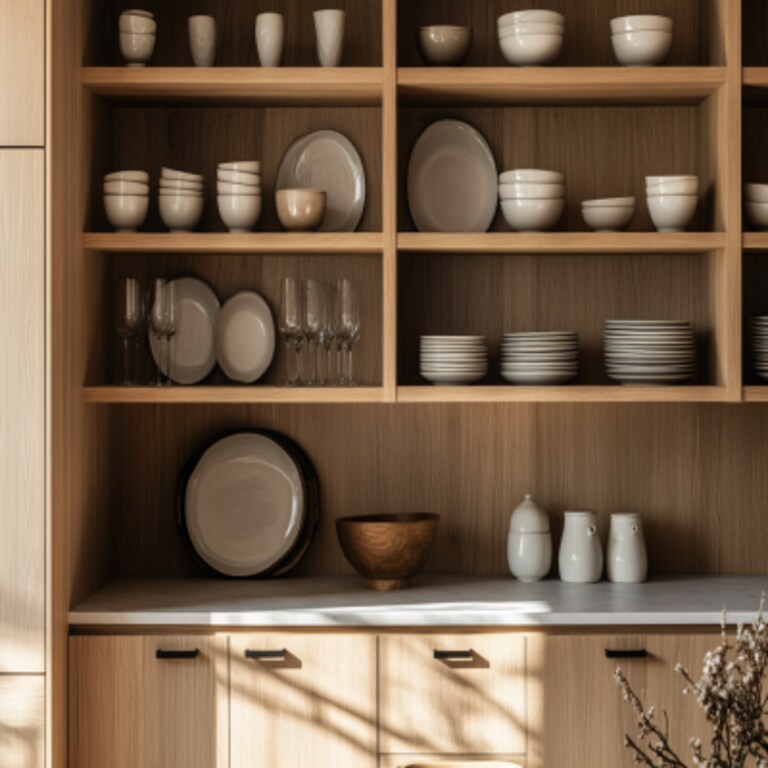
Perfect for urban apartments and sleek dining areas, modern minimalist crockery units feature handle-less shutters, LED-lit glass shelves, and clean monochromatic finishes. Materials such as high-gloss laminates and tempered glass add to the streamlined look. A wall-mounted unit in matte black or white integrates effortlessly into contemporary interiors.
Rustic & Vintage
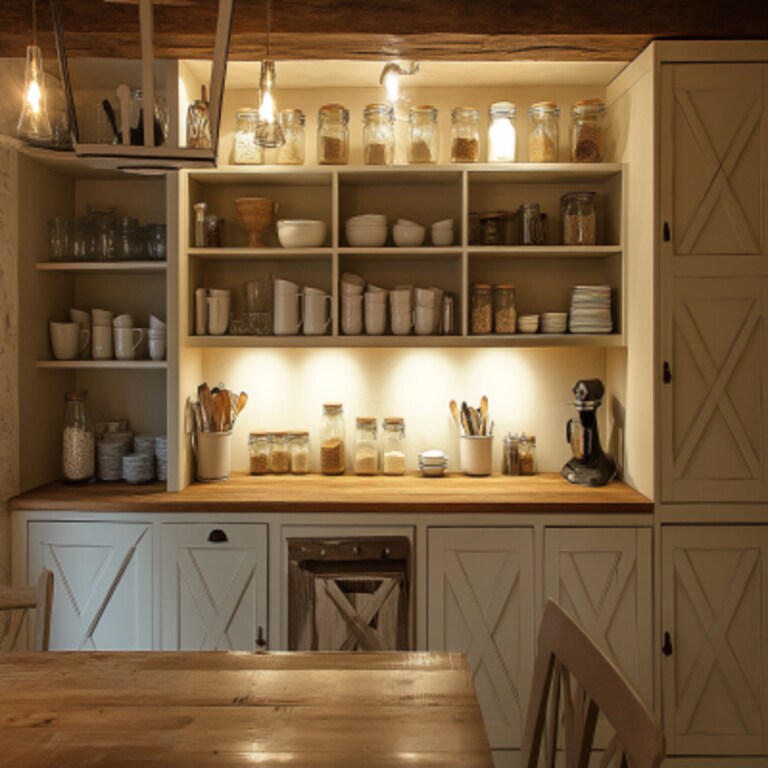
For those who prefer a warm, nostalgic charm, rustic designs bring timeless appeal. Distressed wood finishes, ornate carvings, and wrought iron detailing pair beautifully with farmhouse or heritage-style homes. Reclaimed wood and metal brackets are commonly used, offering both durability and character.
Industrial-Chic
Industrial crockery units suit loft-style apartments or modern urban homes. These units often feature exposed metal frames, pipe-style handles, and a blend of raw materials like blackened steel and reclaimed wood. They are ideal for corner installations or statement open shelving.
Luxury & Glamorous
In luxurious settings, a crockery unit becomes a focal point. Think mirrored backsplashes, gold hardware, and soft LED lighting that highlights fine dinnerware. Crystal glass, brass inlays, and rich textures contribute to a premium, high-end finish, perfect for upscale residences.
Scandinavian Meets Boho
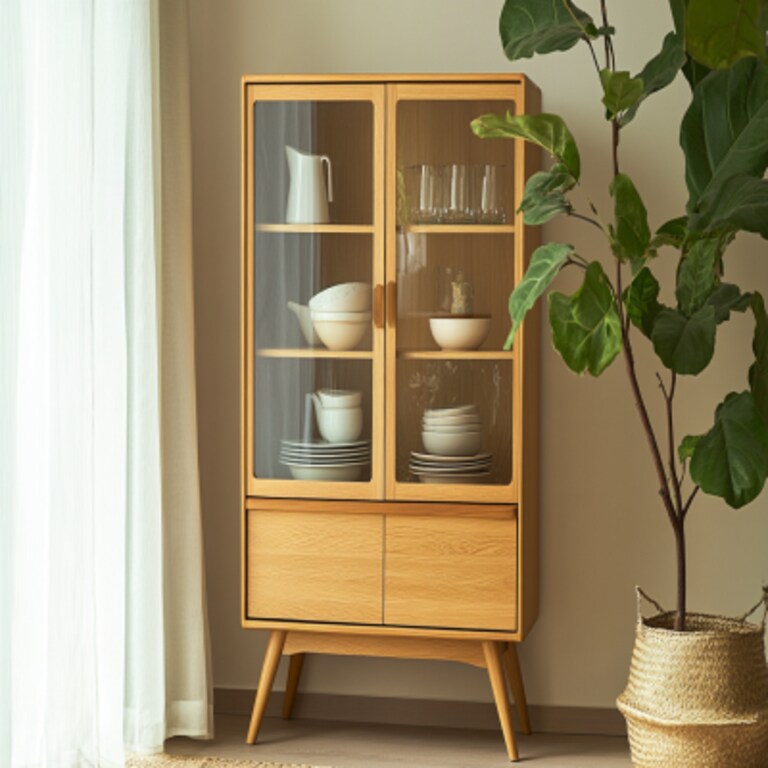
Light, natural finishes define the Scandinavian-Boho aesthetic. Units in oak wood, combined with rattan or cane elements, bring a soft, earthy vibe to compact or nature-inspired homes. Open shelving, neutral tones, and clean silhouettes make the design light and inviting.
Traditional Indian Elegance
Crockery cabinets with traditional detailing are ideal for homes rooted in Indian design sensibilities. Sheesham wood, intricate jali work, stained glass, and temple-inspired carvings reflect cultural richness. These units often feature bold colours and motifs, making them a perfect fit for ethnic or classically styled interiors.
Modern Crockery Unit Shapes That Maximise Style and Space
The shape of your crockery unit determines both its functionality and visual impact. The market has various innovative designs to suit every space and storage need. Here are the most popular configurations:
1. L-Shaped Crockery Units
Ideal for maximising corner spaces in dining rooms or modular kitchens, L-shaped crocker units wrap seamlessly around walls to offer continuous storage. It often features a smart mix of closed cabinets at the bottom and glass displays on top, blending function with style while naturally dividing kitchen and dining zones.
2. Wall-Mounted (Floating) Designs
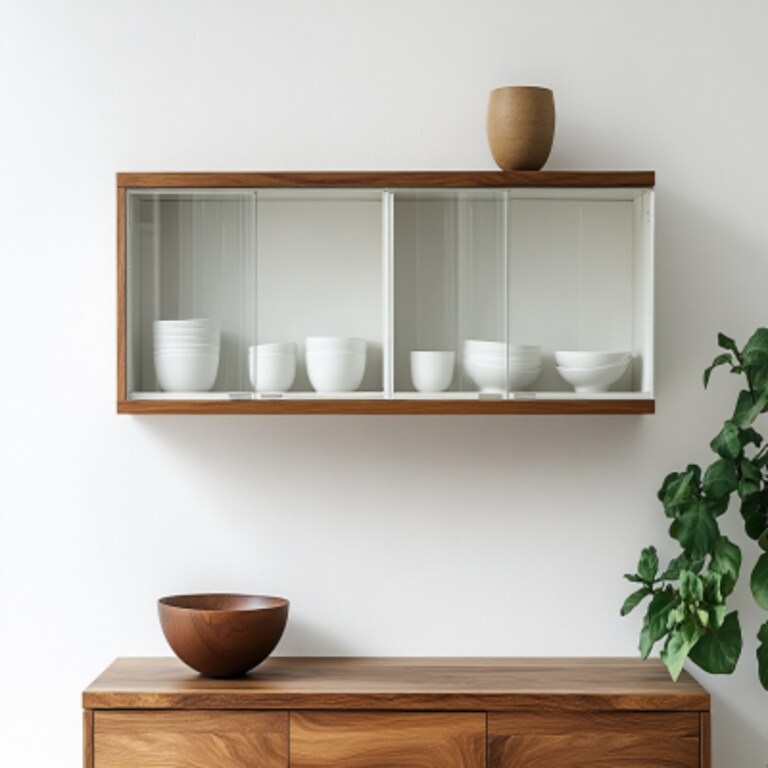
Ideal for small dining rooms or modern minimalist interiors, glass-fronted crockery units create the illusion of more floor space while adding an airy, sophisticated touch. They are easy to install at eye level for better accessibility and work beautifully with LED strip lighting for a sleek, gallery-like display.
3. Corner Crockery Units
Corner crockery units are perfect for compact homes where every inch matters. They make smart use of wasted corner spaces and can feature rotating carousel shelves for easy 360° access. Designed as triangular cabinets or curved-front units, these space-savers are ideal for small dining room setups, combining functionality with clever design.
4. Cabinet Towers (Vertical Units)
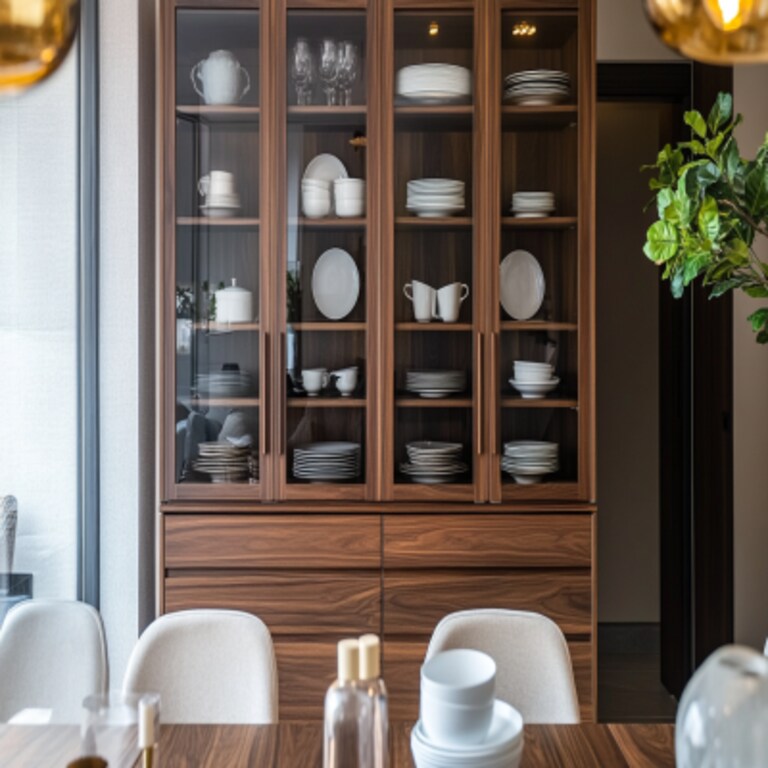
Cabinet towers, or vertical units, are ideal for homes with large crockery collections. These floor-to-ceiling designs offer ample storage through multiple compartments and often combine materials—like a sturdy wood base with elegant glass upper sections. Many also feature built-in lighting to highlight heirloom pieces.
5. Display Hutches (Traditional Style)
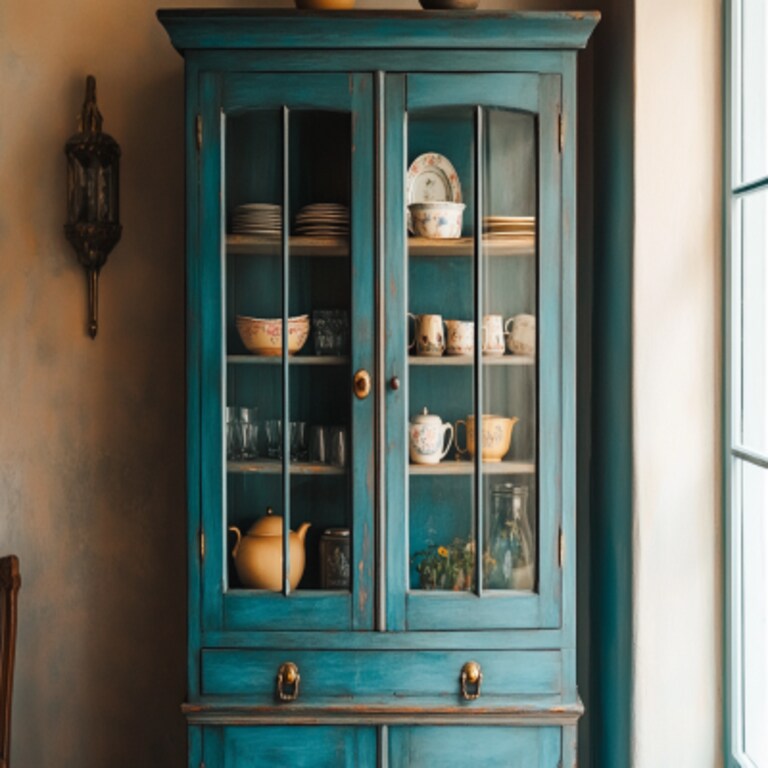
Display hutches are timeless pieces, ideal for classic or vintage-themed homes. With a solid base and glass-fronted top, they showcase crockery while neatly storing essentials. Decorative mouldings or carved details add a touch of elegance and old-world charm.
6. Island/Free-Standing Units
Island or free-standing crockery units are perfect for open-concept kitchens or spacious dining areas. When placed centrally, they offer 360° accessibility, making them ideal for multitasking as a serving station or breakfast bar. These versatile units can also combine crockery and cutlery storage, blending style with smart functionality.
Crockery Unit Finishes That Add the Perfect Touch to Your Dining Area
The finish of your crockery unit can make or break its overall vibe. It catches the eye first and defines the tone (elegant, warm, modern, playful, or timeless).
Let’s explore some of the most popular and on-trend finishes for modern crockery unit design ideas:
|
Finish Type |
Look & Feel |
Best For |
|
Matte Finish |
Smooth, modern, and non-reflective. Understated elegance. |
Minimalist interiors, modern apartments, simple crockery unit designs. |
|
Glossy / High-Shine Finish |
Reflective, polished, and luxe. Creates a spacious look. |
Compact dining rooms, trendy modern crockery cabinet designs for dining room. |
|
Wood Grain / Textured Finish |
Natural, warm, and tactile. Visible wood patterns. |
Rustic, traditional, or boho-style homes. Wooden crockery cabinet designs. |
|
Glass / Mirror Accents |
Transparent, open, and display-friendly. Reflects light beautifully. |
Crockery showcase design, main hall crockery unit designs, or crockery almirah glass design. |
|
Dual-Tone / Mixed Finishes |
Bold, modern, and personalised. A combination of materials and tones. |
Youthful interiors, custom spaces, and unique crockery unit designs. |
Real-life problems. Smart, Space-saving Solutions
Designing a crockery unit for your modular kitchen doesn’t have to be complicated, just smart. Here are some quick tips to answer your common challenges related to space and style with ease:
- Too little space?
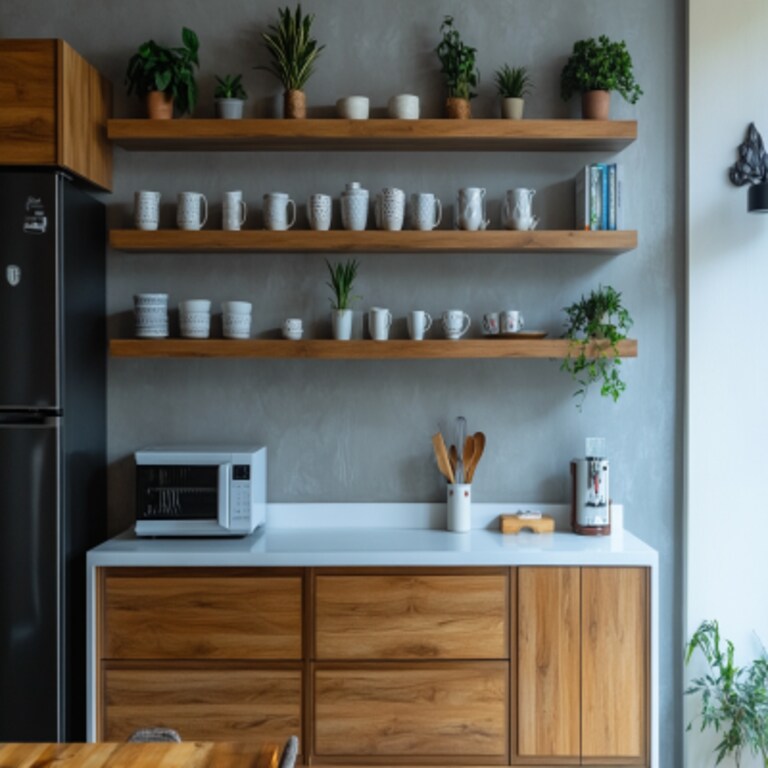
Install a wall-mounted crockery unit above your existing countertop. It will keep your floor clear, use vertical space smartly, and complement your backsplash.
- Worried it won’t match your kitchen?
Match the finishes, colours, and handles with your modular kitchen cabinets. They blend in beautifully, especially in open kitchens.
- Want to display crockery, but not everything?
Use a mix of open shelves and fluted or frosted glass shutters. This combination perfectly balances display and concealment without creating a visual mess.
- Always losing your cutlery in random drawers?
Add a built-in cutlery organiser to the drawers below your crockery unit. It keeps everything sorted, accessible, and exactly where you need it
- Have you got an awkward corner?
Turn it into a corner crockery unit with rotating trays or L-shaped shelves. Utilises dead space while adding bonus storage.
- Does your crockery unit feel dull and heavy?
Install warm cabinet lighting or LED strips inside or behind glass shutters. This will add depth and elegance and make your unit glow like a statement piece.
Modern Crockery Cabinet Designs for Dining Rooms & Main Halls
Let’s explore modern crockery unit design ideas tailored for Indian homes:
1. Use a Crockery Unit as a Partition in Open Layouts
In modern Indian homes with open layouts, a tall crockery unit is a smart way to subtly divide the dining and living areas subtly. Opt for a mix of open and closed shelves; display decor on one side and hide clutter on the other for a stylish, functional partition.
2. Add a Built-In Unit Beneath a TV or Display Wall
Got an underused feature wall in your main hall? Turn the space below your TV or artwork into a sleek built-in crockery unit. It offers easy access, saves space, and blends with your interiors, especially when finished in matching wood or laminate.
3. Opt for Wall-Mounted Crockery Units in Compact Homes
Wall-mounted crockery units are a smart, space-saving solution for small dining rooms or apartments. Floating above the floor, they create an open feel while offering stylish storage. Opt for vertical shelves with glass shutters or open compartments to display dinnerware without adding clutter.
4. Create a Multi-Functional Crockery Zone
Why just store crockery when your cabinet can do more? Opt for a multi-functional unit with cutlery drawers, closed storage, and a durable countertop that doubles as a serving station, perfect for families who host often or need extra kitchen support.
5. Light It Up: Literally!
Lighting can significantly enhance the look and functionality of your crockery unit. Soft LED strips under each shelf create a warm, inviting glow while making it easier to find what you need. Spotlights inside glass cabinets beautifully highlight your fine crockery, and motion-sensor lights in drawers add a modern, practical touch.
6. Mix Materials for a Designer Touch
Mixing materials can make your crockery unit pop while matching your home’s style. Try light wood with frosted glass for a minimal look, teak with black metal for an industrial edge, or pastel laminates with cane for earthy-modern charm.
7. Customise Based on Your Lifestyle
Your crockery unit should match your lifestyle. For families with kids, go for closed cabinets and soft-close drawers for safety. Love hosting? Try a bar-style corner with a wine rack and serving space. Use the top shelves for glasses, the middle for plates, and the bottom drawers for cutlery and napkins, keeping everything organised and accessible.
8. Use Corners & Unused Walls Smartly
Often overlooked, corners can become stylish, functional spots with the right crockery unit. From floating shelves above a closed cabinet to L-shaped or tall vertical designs, these units are perfect for small dining areas or main hall displays.
Final Touch: Make Your Crockery Unit the Heart of Your Home
Your crockery cabinet should do more than store dishes; it should tell your style story. The above design idea inspirations isn’t just a catalogue of ideas; it’s your go-to guide to style a unit that doesn’t follow a trend but starts one. It brightens your eyes when you see light catching your favourite ceramics in a glass-front unit or the warm glow of a wooden hutch framing your grandmother's heirloom plates. The right design turns everyday storage into a living display that evolves with your gatherings and seasons.
Interior Company will help you choose finishes that age beautifully, lighting that flatters your collection, and smart features that make hosting effortless.
Frequently Asked Question (FAQs)
What is a crockery unit?
A crockery unit is a cabinet or storage area designed to hold and display dinnerware, glassware, and cutlery. It’s both functional and decorative and is often placed in the dining room, kitchen, or living space.
What is the purpose of a crockery unit?
Its main purpose is to organise your crockery neatly while keeping it accessible. It also protects delicate items from dust and adds a stylish touch to the space.
What materials are good for a crockery unit?
Wood, MDF with laminate, glass, and metal frames are popular. You can mix finishes like wood with glass shutters for a modern, balanced look.
Where to put crockery in the kitchen?
Crockery can be stored in overhead cabinets, wall-mounted units, or dedicated drawers. Ensure it’s close to your prep or dining area for easy access.
Which glass is best for a crockery unit?
Toughened or tempered glass is ideal. It’s stronger than regular glass and safer, especially if your cabinet is used often or if you have kids around.
What is the standard width of a modern crockery cabinet?
It typically ranges from 24 to 48 inches, depending on the space available and how much storage you need. Custom options can go wider or narrower.
Is selecting materials and finishes important for your crockery cabinet?
Absolutely! The right material ensures durability, while finishes add to the look and match the overall theme of your home.
What is the minimum depth of a crockery unit?
The depth usually starts at around 12 inches. For dinner plates and bigger items, go for 15–18 inches to avoid tight stacking.
How to arrange crockery in a showcase?
You can group similar items. For example, plates, bowls, and cups should be placed at eye level. Use stands or risers to create layers and avoid clutter.
What are some modern crockery unit styles?
Floating wall units, glass-front cabinets, minimal handleless designs, units with built-in lighting, and mixed-material styles (wood + metal or glass) are trending.
Can I customise a crockery unit?
Yes! You can customise everything from the size and shelves to materials, finishes, lighting, and hardware based on your space and needs.
Are glass crockery units safe for homes with children?
Yes, if you use toughened glass, opt for soft-close doors or higher-mounted designs that are out of reach. Safety glass reduces the risk of injury.
How does a crockery unit enhance a dining or kitchen space?
It adds structure and elegance while keeping things organised. A well-placed crockery unit can also be a focal point or a mini display zone.
What are some storage tips for a crockery unit?
Use drawer dividers for cutlery, stack plates vertically, store delicate items behind glass shutters, and label rarely used items. Keep everyday items in easy-to-reach spots.