- Design Ideas
- Cities
- Trends
- Guides
- Price Calculators
- Interior DesignersNEW
- Our Portfolio
- More


- Home
- Trends
- Furniture And Decor
- Indoor Plants
- Vastu Plants For Home
24 Vastu Plants for Home That Bring Luck and Positive Energy

Adding vastu plants to your home does more than just clean the air; it aligns your living space with specific energy zones that influence your daily life. Every vastu plant for home corresponds to an element, such as fire, water, or earth, which is why their placement is never random. Simply picking the best indoor plant as per vastu won’t help if it sits in a corner that conflicts with its natural energy. By positioning lucky plants for home vastu in the correct directions, you turn simple greenery into a tool for better health, financial stability, and mental clarity.
Table of Content
Importance of Plants in Vastu Shastra
Top 5 Vastu Plants for Maximum Positivity
Auspicious Plants for the Home
Directional Guide for Placing Plants
Master Vastu Plant Index
Vastu Remedies for Common Plant Defects
Functional Greenery by Room
Vastu Negative: Plants to Avoid Indoors
Vastu Tips for Plant Care
Conclusion
This guide outlines placement rules for over 24 species to ensure your plants support your home’s growth rather than just taking up space.
Importance of Plants in Vastu Shastra
Natural Energy Balance
Plants are more than decorative items in Vastu Shastra. They represent the wood element and are used to balance the Pancha Mahabhutas (five elements) within a building. Properly placed greenery helps in:
- Attracting positive energy: Living plants circulate ‘Prana’ (life force).
- Purifying air: Species like Areca Palm and Snake Plant remove household toxins.
- Enhancement of prosperity: Plants in the wealth corner are believed to boost financial luck.
- Mental clarity: Natural green hues reduce stress and improve focus in study areas or offices.
Top 5 Vastu Plants for Maximum Positivity
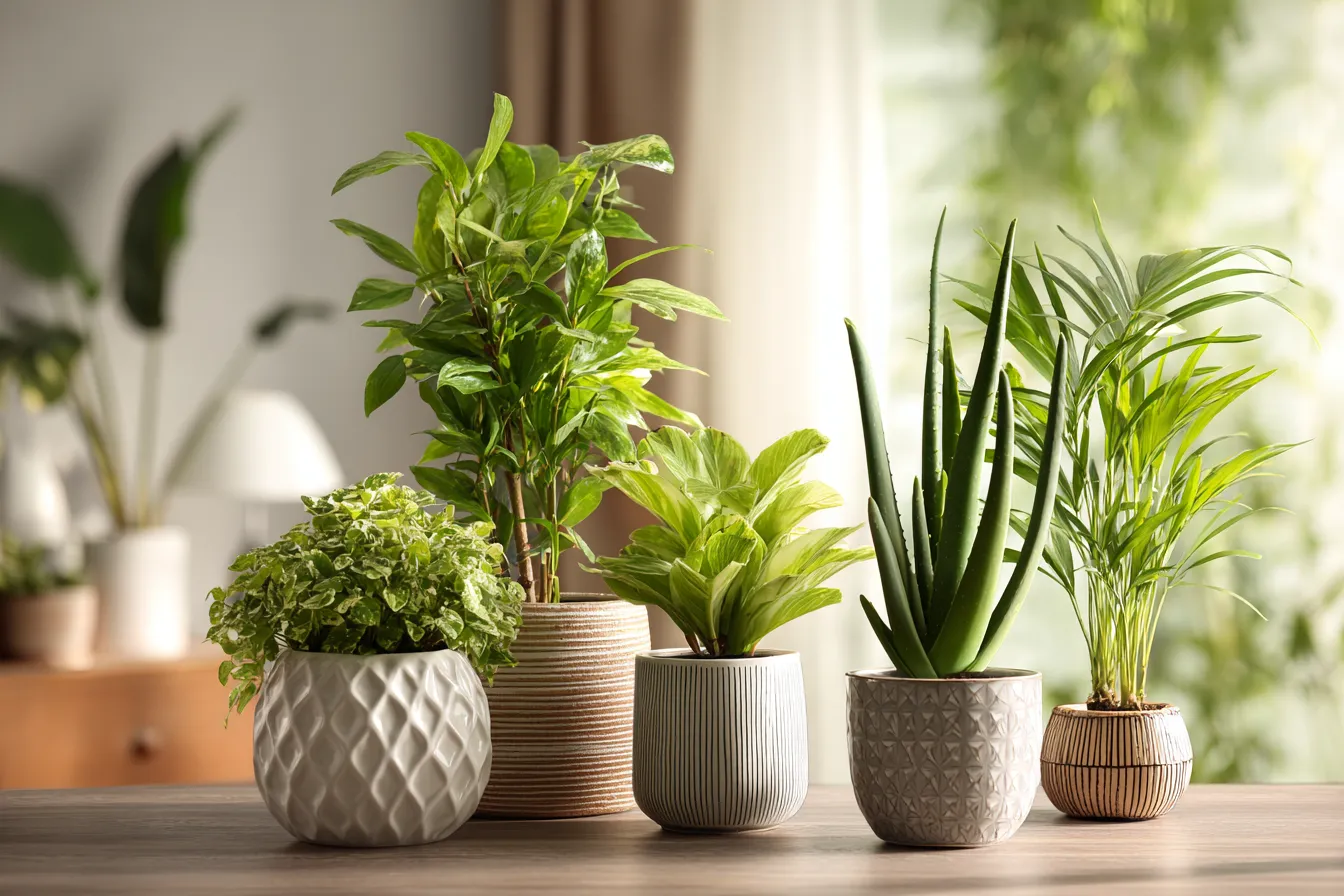
Popular Indoor Plants
These five plants are among the most commonly recommended for households due to their high energy and ease of care.
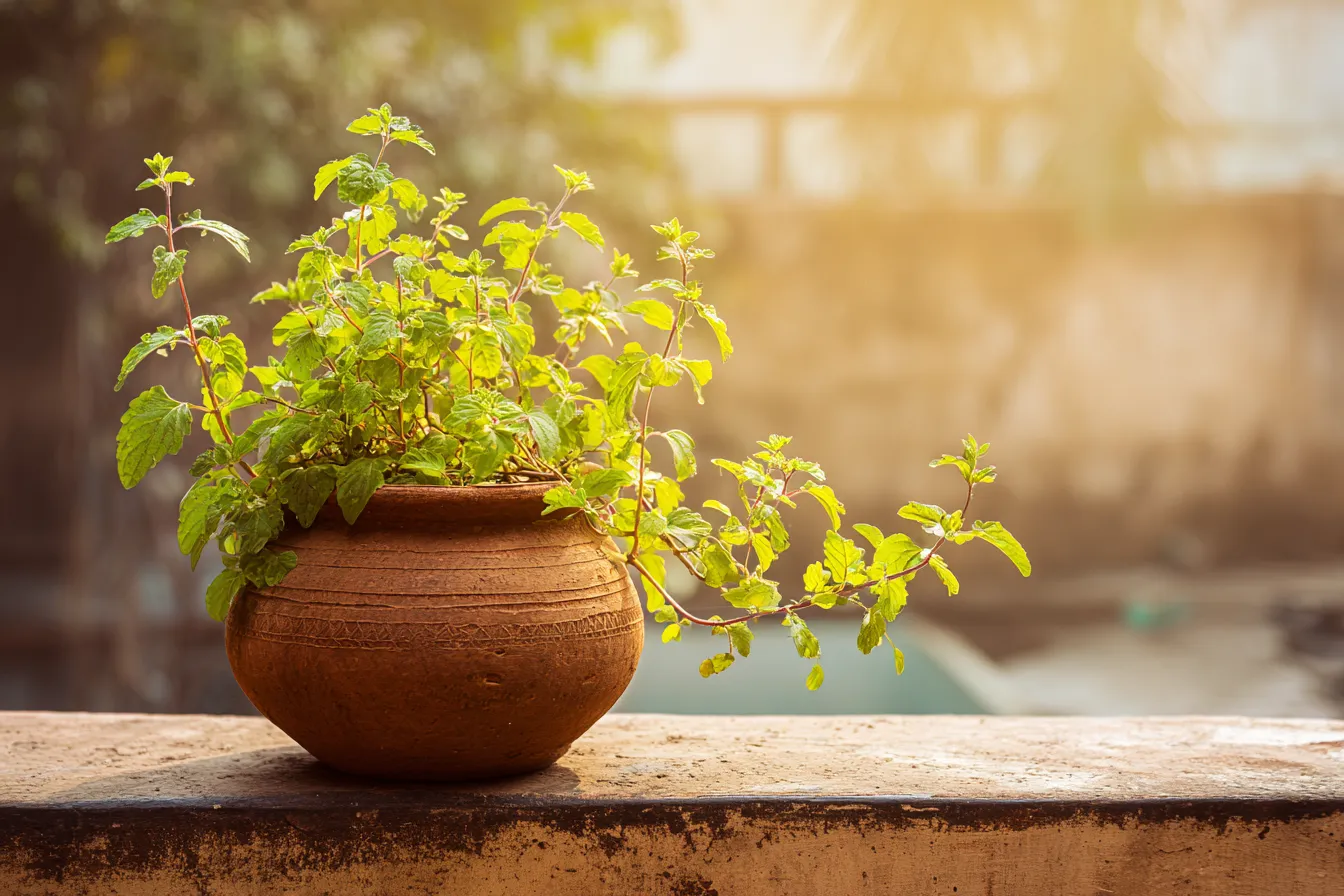
Tulsi At Home
Tulsi (Holy Basil): Known as the “Queen of Vastu plants,” it is the most sacred species. It is best placed in the North, East, or North-East. It is essential for spiritual purity and mental peace.
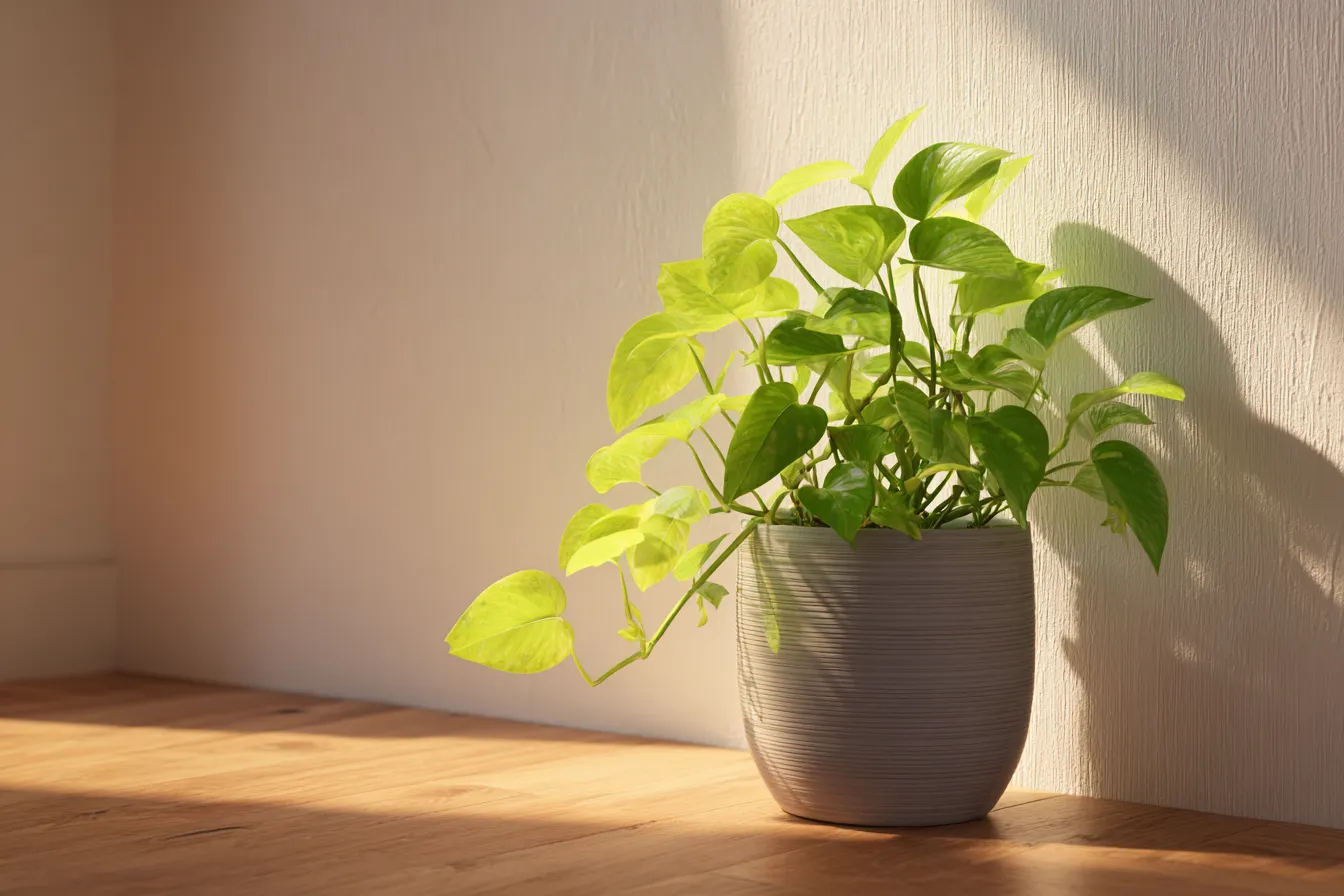
Money Plant Corner
Money Plant: This plant represents growth and wealth. It should be kept in the South-East, which is the direction of Lord Ganesha, the provider of prosperity.
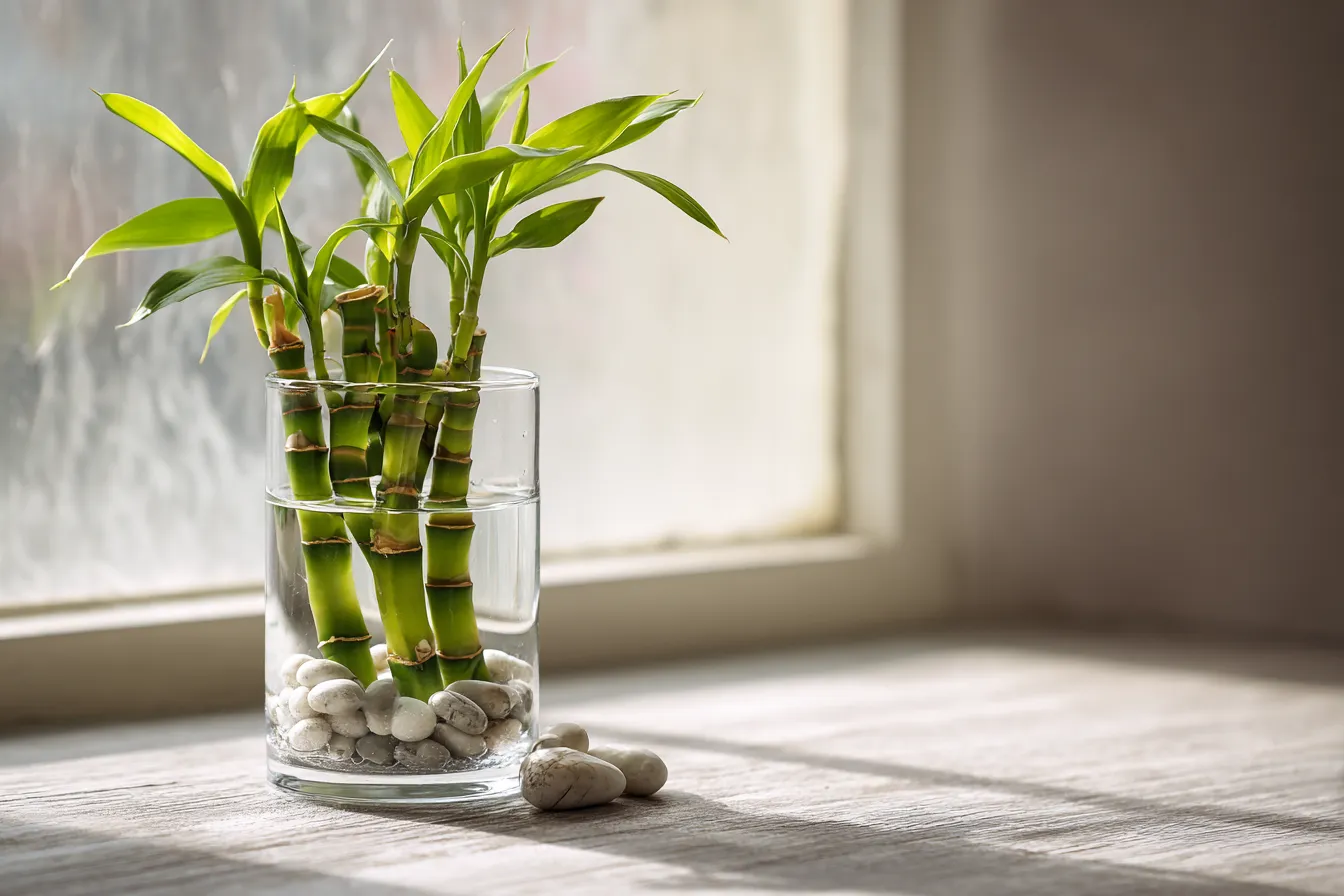
Lucky Bamboo Plant
Lucky Bamboo: A symbol of good luck and positive Chi. It works best when placed in the East or South-East of a room.
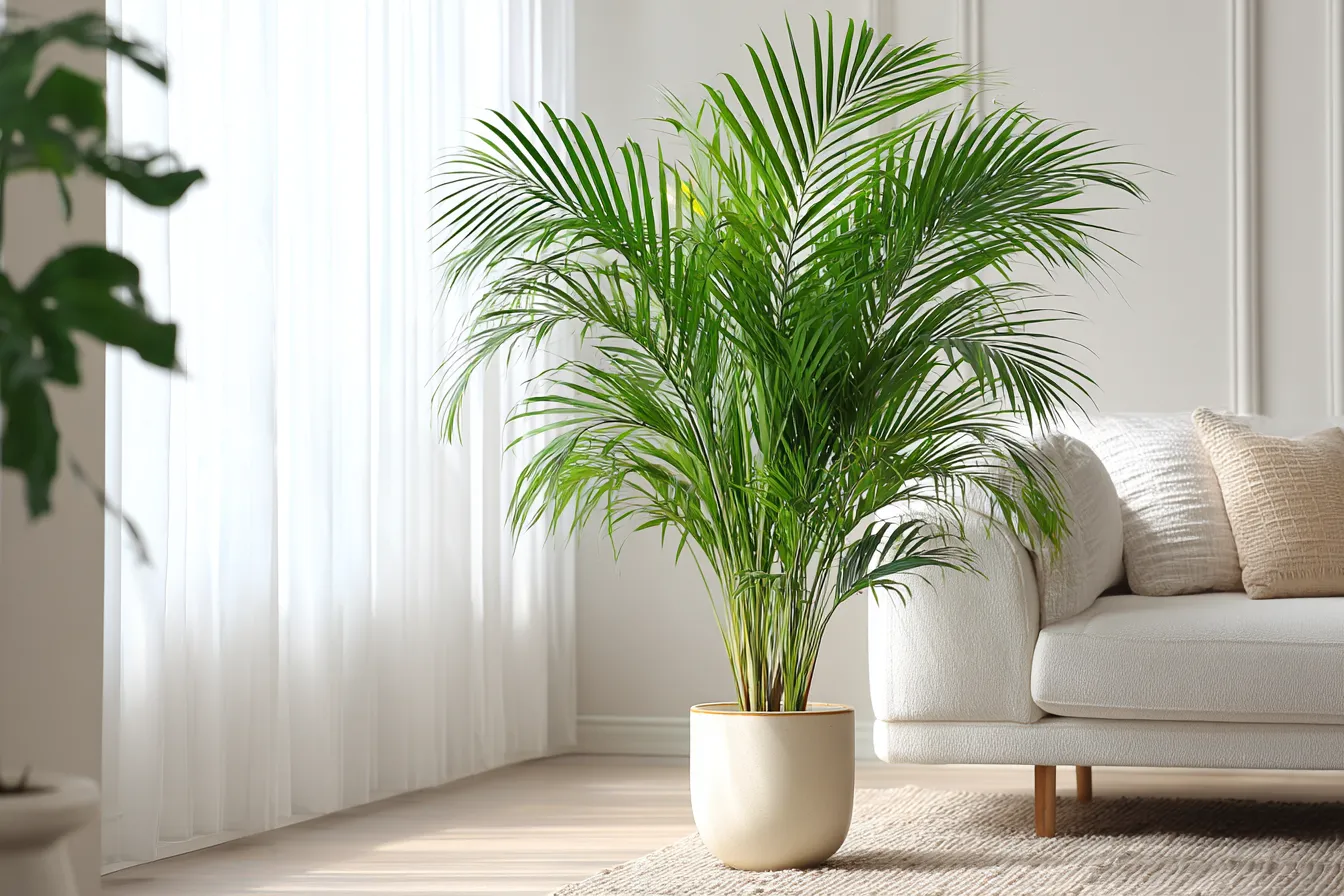
Living Room Palm
Areca Palm: This is an excellent air purifier. It is ideal for living rooms and workspaces to maintain a flow of fresh, harmonious energy.
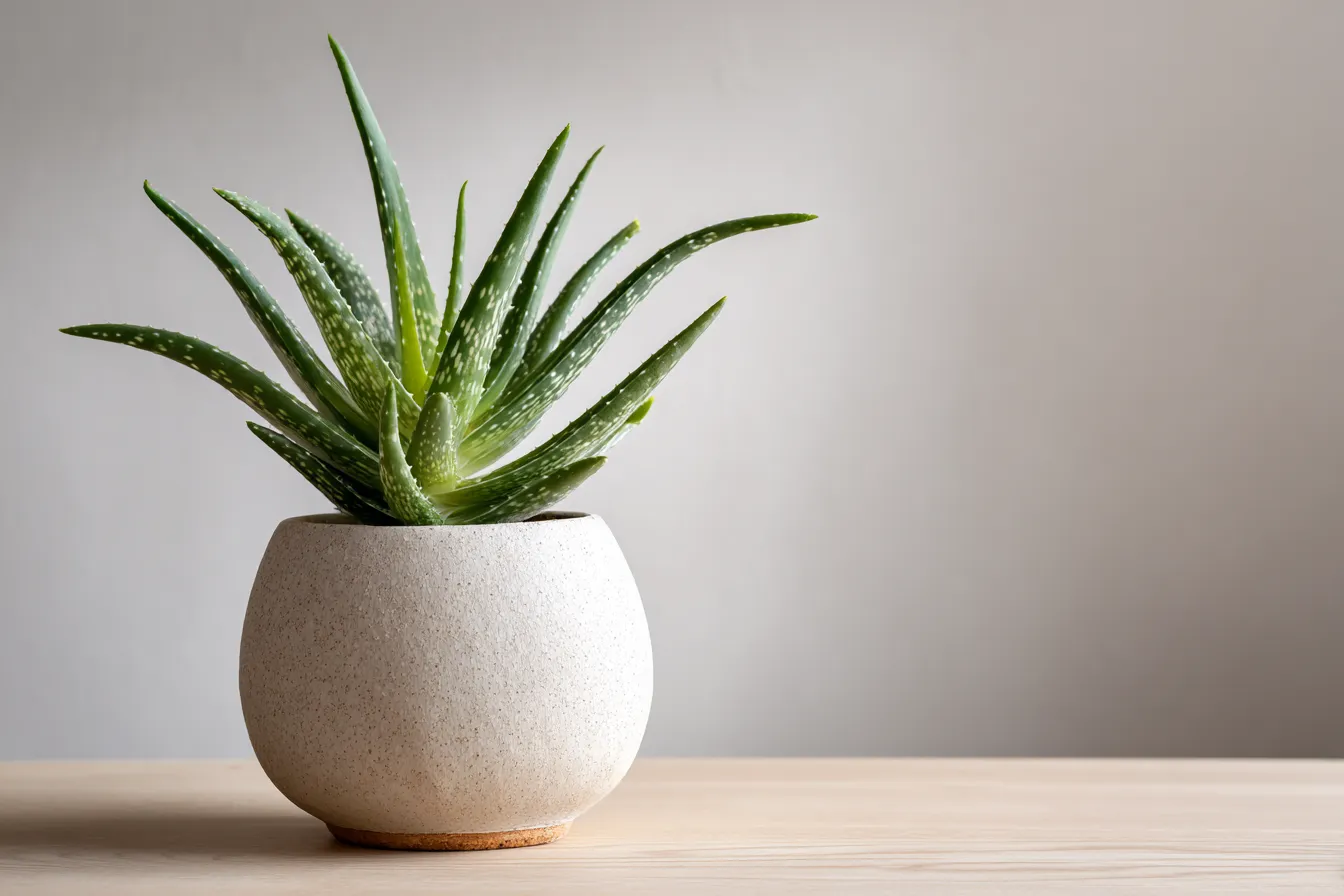
Aloe In Pot
Aloe Vera: A powerful plant for health and healing. Placing it in the North or East helps in absorbing toxins and negative vibrations from the environment.
Vastu Colour Guide for Plant Pots
This table helps you choose the right pot colours to match the elemental energy of each direction.
|
Direction |
Ruling Element |
Recommended Pot Colour |
Impact on Energy |
|
North |
Water |
Blue or Green |
Enhances career growth |
|
East |
Air/Wood |
Light Green or Brown |
Promotes family health |
|
South-East |
Fire |
Red, Orange, or Pink |
Boosts wealth and cash flow |
|
South |
Earth |
Yellow or Terracotta |
Provides stability and fame |
|
West |
Space |
White or Grey |
Encourages creativity |
Auspicious Plants for the Home
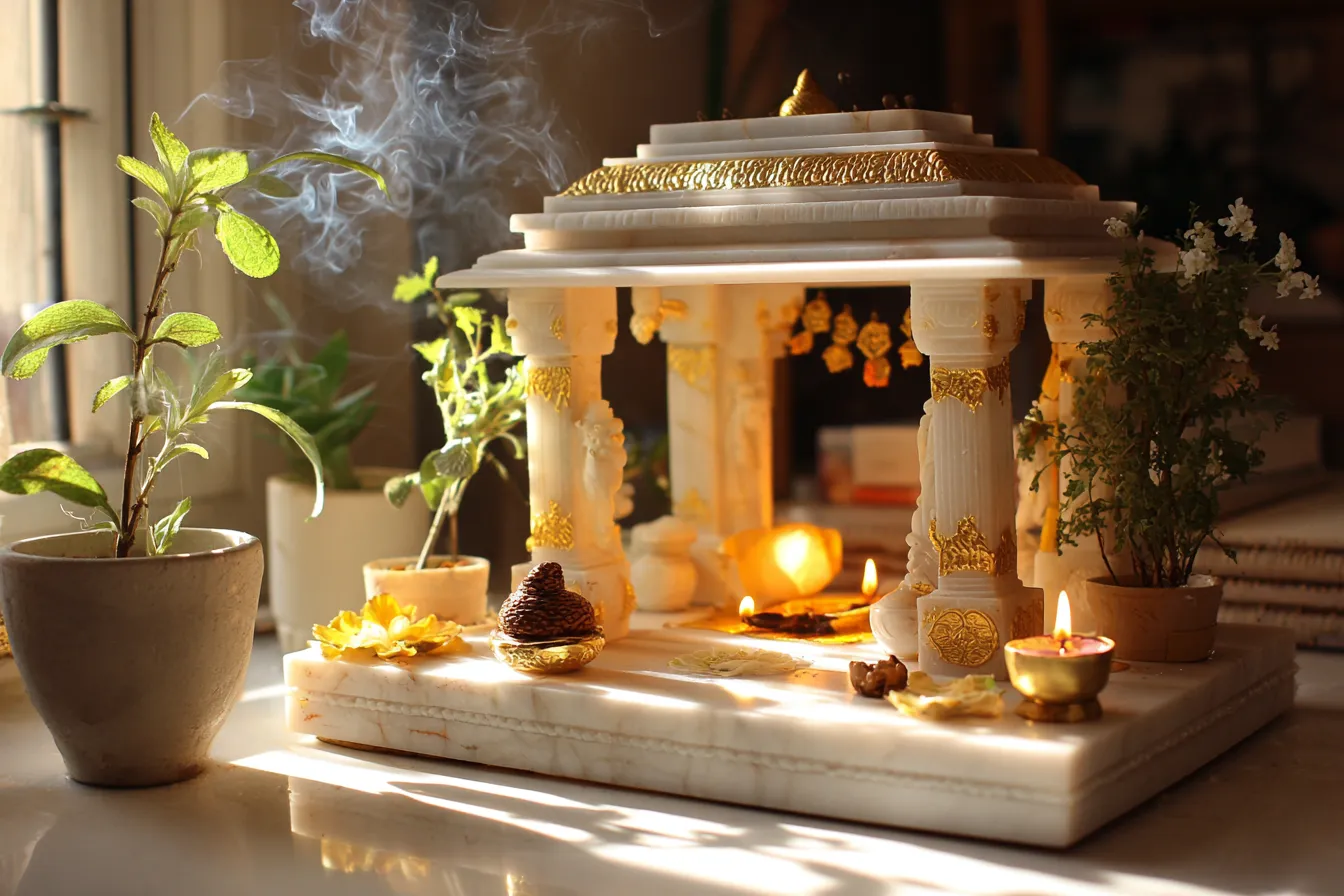
Mandir With Plants
The mandir or prayer room requires plants that have a “Sattvic” or pure nature.
Tulsi
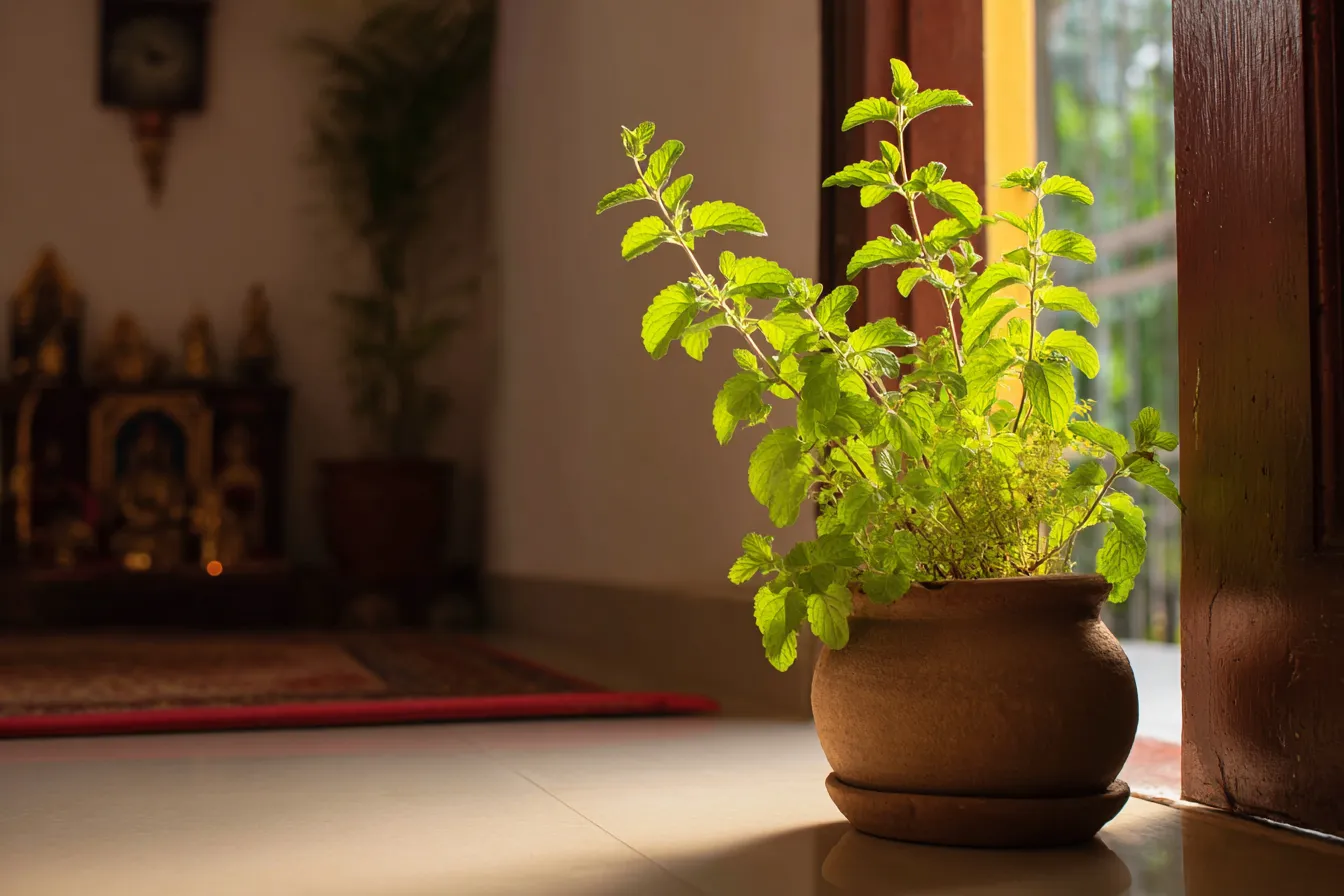
Holy Tulsi Space
It should be kept near the mandir entrance to maintain a sacred atmosphere.
Parijat and Nag Champa
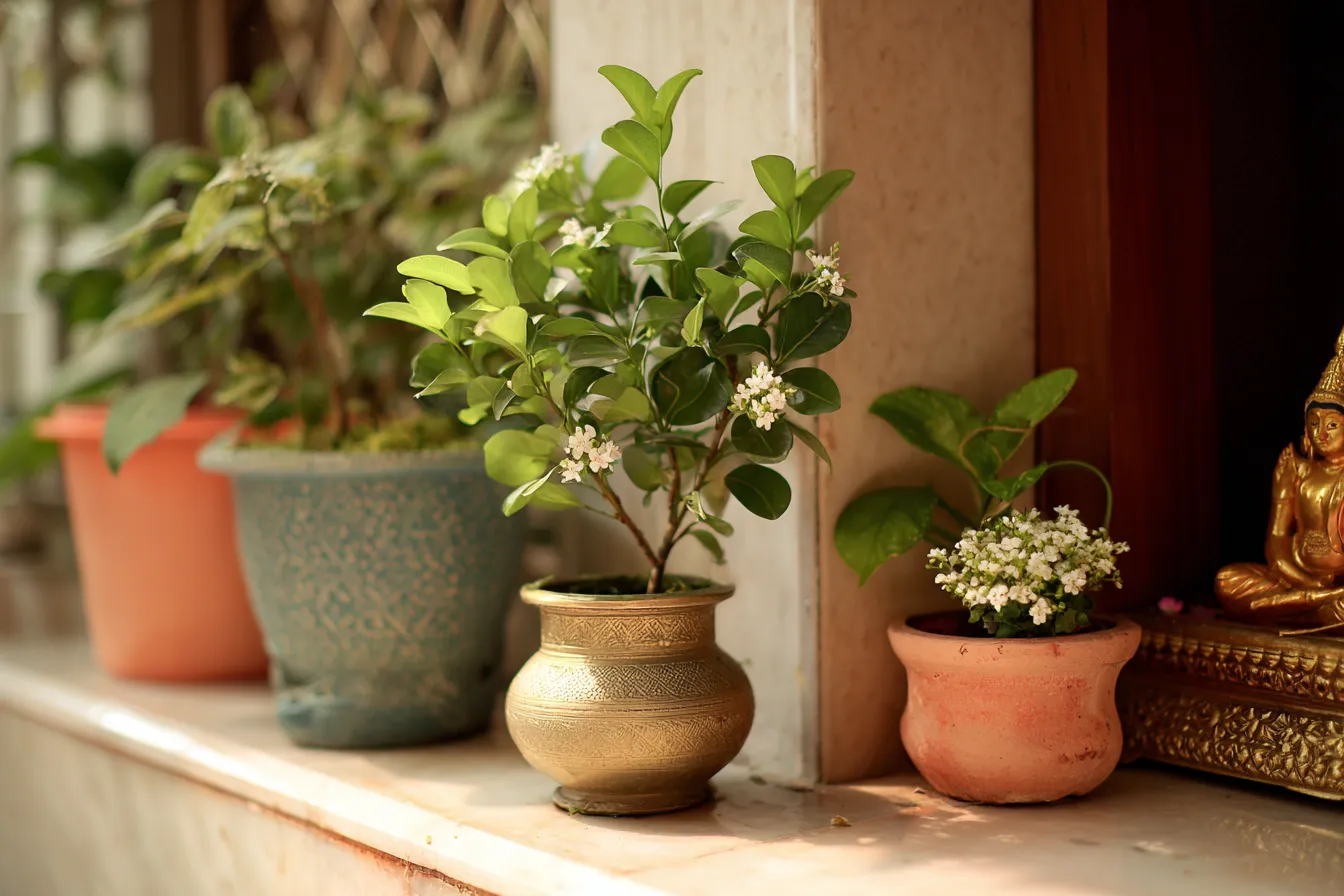
Sacred Fragrant Plants
These are highly spiritual plants. Their fragrance and energy promote calmness, making them ideal for meditation corners.
Rudraksha
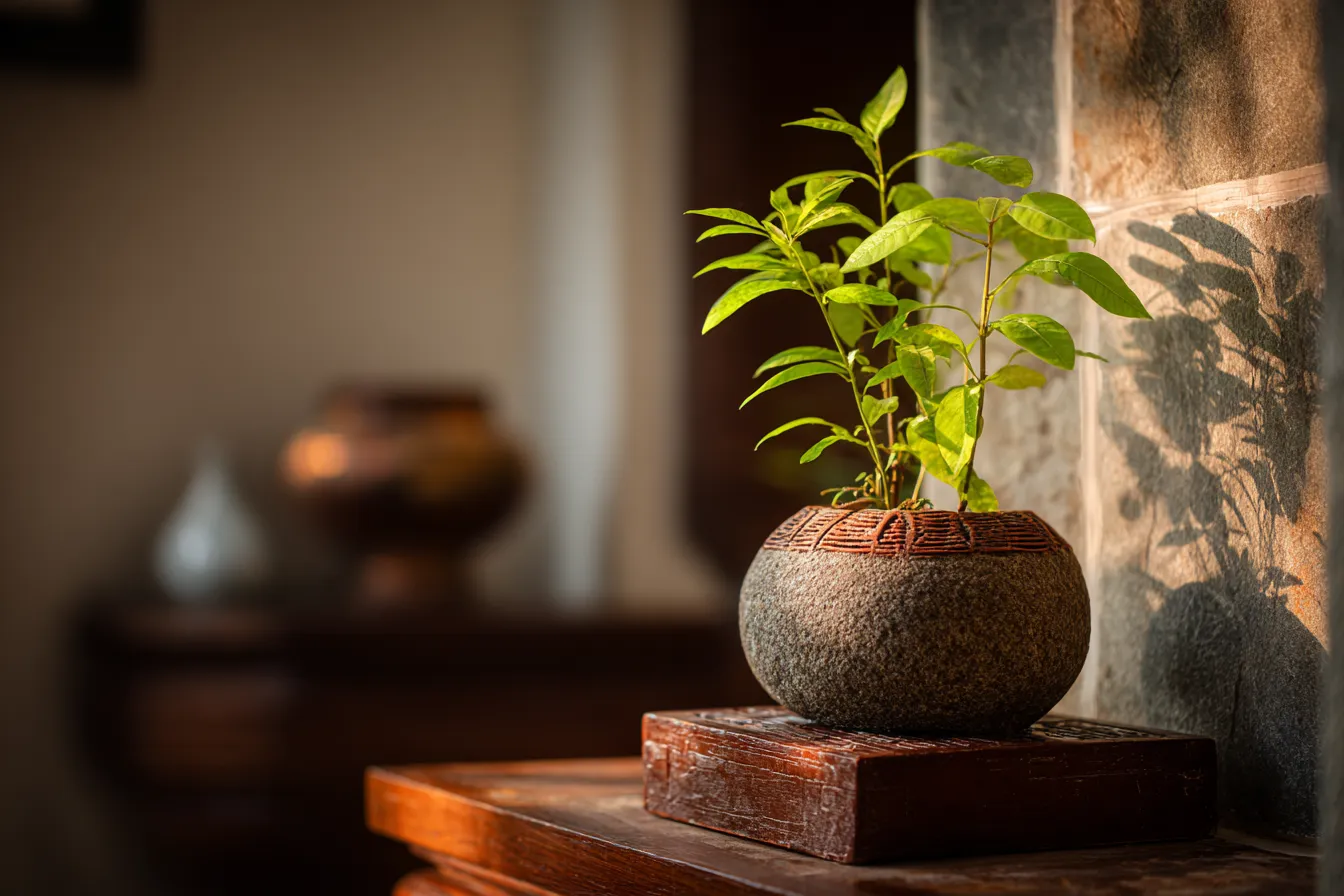
Positive Energy Source
This is one of the most powerful spiritual plants. Placing it in the North-East helps in removing negative karma and increasing spiritual focus.
Directional Guide for Placing Plants
Where you put a plant is just as important as the plant itself.
North & East
Use this zone for medicinal and air-purifying plants like Aloe Vera, Spider Plants, and Tulsi. This area receives the morning sun, which is vital for these species.
South-East
This is the wealth corner. Keep Money Plants, Jade Plants, and Golden Pothos here to boost financial energy.
South & West
Use these directions for heavier or hardier plants like the Snake Plant. This helps in grounding the energy of the home.
Master Vastu Plant Index
This table includes every plant from our list to ensure you have the exact direction and benefit for each.
|
Plant Name |
Best Direction |
Vastu Verdict |
Primary Benefit |
|
Tulsi |
North, East, NE |
Highly Auspicious |
Purity & Devotion |
|
Money Plant |
South-East |
Auspicious |
Wealth & Prosperity |
|
Lucky Bamboo |
East, SE |
Positive |
Good Fortune |
|
Areca Palm |
North or East |
Good |
Air Purification |
|
Snake Plant |
South or West |
Good |
Night-time Oxygen |
|
Peace Lily |
North-East |
Positive |
Neutralising Negativity |
|
Jasmine |
East or NE |
Spiritual |
Calmness & Harmony |
|
Neem Plant |
NE (Outdoors) |
Highly Auspicious |
Health & Protection |
|
Air Plants |
East or North |
Neutral/Positive |
Freshness & Creativity |
|
Succulents |
South or SE |
Mixed |
Resilience |
|
Jade Plant |
South-East |
Auspicious |
Financial Growth |
|
Dracaena |
East or North |
Good |
Energy Flow |
|
Rubber Plant |
East or SE |
Neutral |
Stability |
|
Spider Plant |
North or East |
Highly Positive |
Stress Reduction |
|
Fiddle Leaf Fig |
East or NE |
Good |
Vibrancy & Expansion |
|
Syngonium |
East |
Moderate |
Transformation |
|
Laxmi Kamal |
North, SE |
Auspicious |
Abundance |
|
Nag Champa |
NE or East |
Spiritual |
Spiritual Purity |
|
Parijat |
NE or East |
Highly Auspicious |
Peace & Meditation |
|
Sahadevi |
North or NE |
Spiritual |
Protection |
|
Table Kamini |
East, North |
Positive |
Aroma & Calm |
|
Banana Tree |
NE (Outdoors) |
Very Auspicious |
Spiritual Growth |
|
Monstera |
East or North |
Neutral |
Modern Aesthetic |
|
Betel Leaf |
East or NE |
Sacred |
Good Luck |
|
Rudraksha |
North-East |
Extremely Auspicious |
Spiritual Protection |
Vastu Remedies for Common Plant Defects
Use these simple fixes if your home structure limits your ability to place plants in their ideal corners.
|
Problem |
Vastu Remedy |
Result |
|
No North-East space |
Place a small Tulsi in a North-East window |
Restores spiritual flow |
|
Kitchen in South-West |
Keep an Aloe Vera plant on the windowsill |
Balances the fire element |
|
Dark Hallways |
Use a Snake Plant (thrives in low light) |
Removes stagnant energy |
|
Small Apartments |
Use vertical planters on the East wall |
Optimises space for health |
|
Heavy South energy |
Place tall, leafy plants in heavy clay pots |
Provides grounding and peace |
Functional Greenery by Room
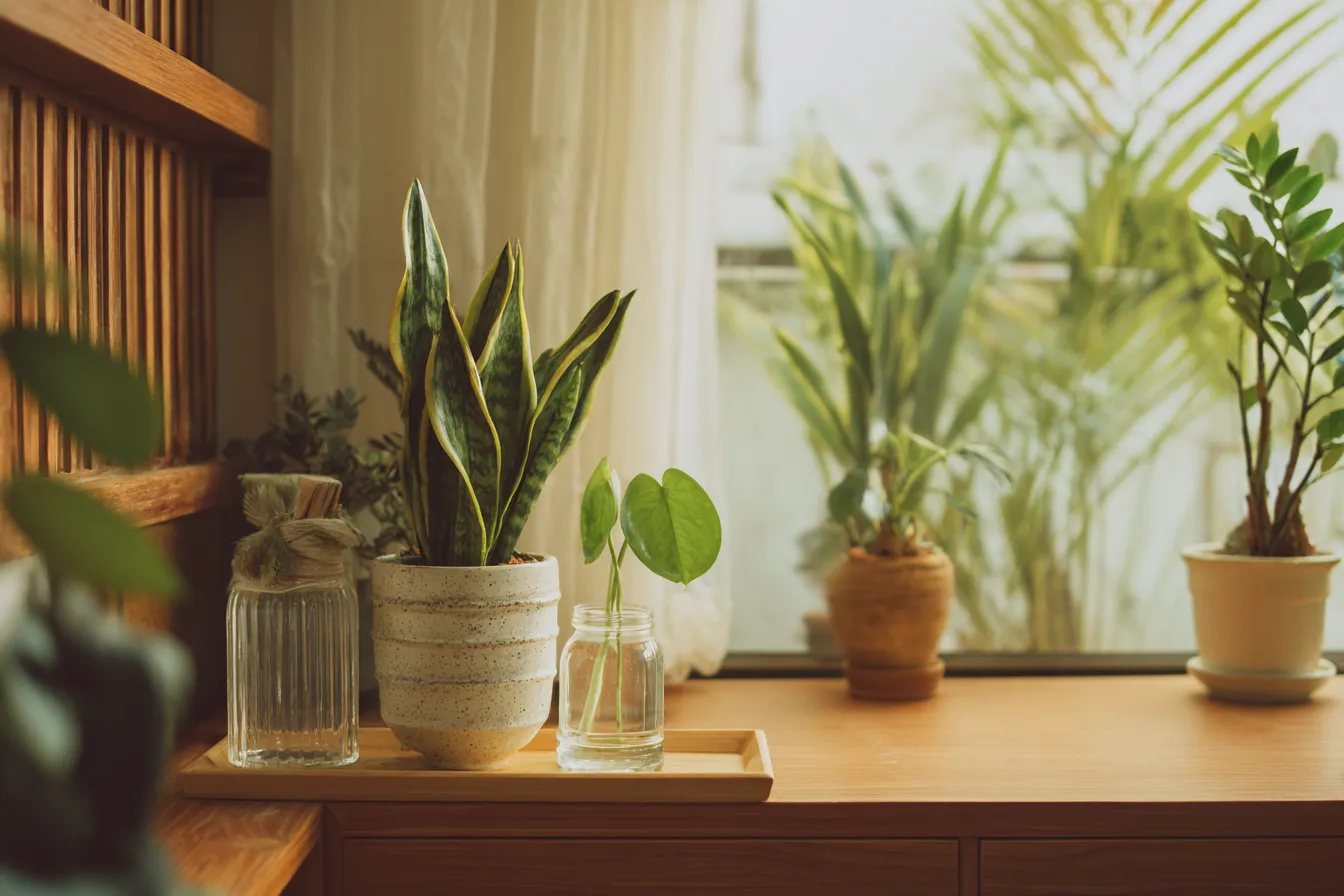
Plants For Rooms
The placement of greenery should be based on the specific activity and energy requirements of each room in your house.
Bedroom
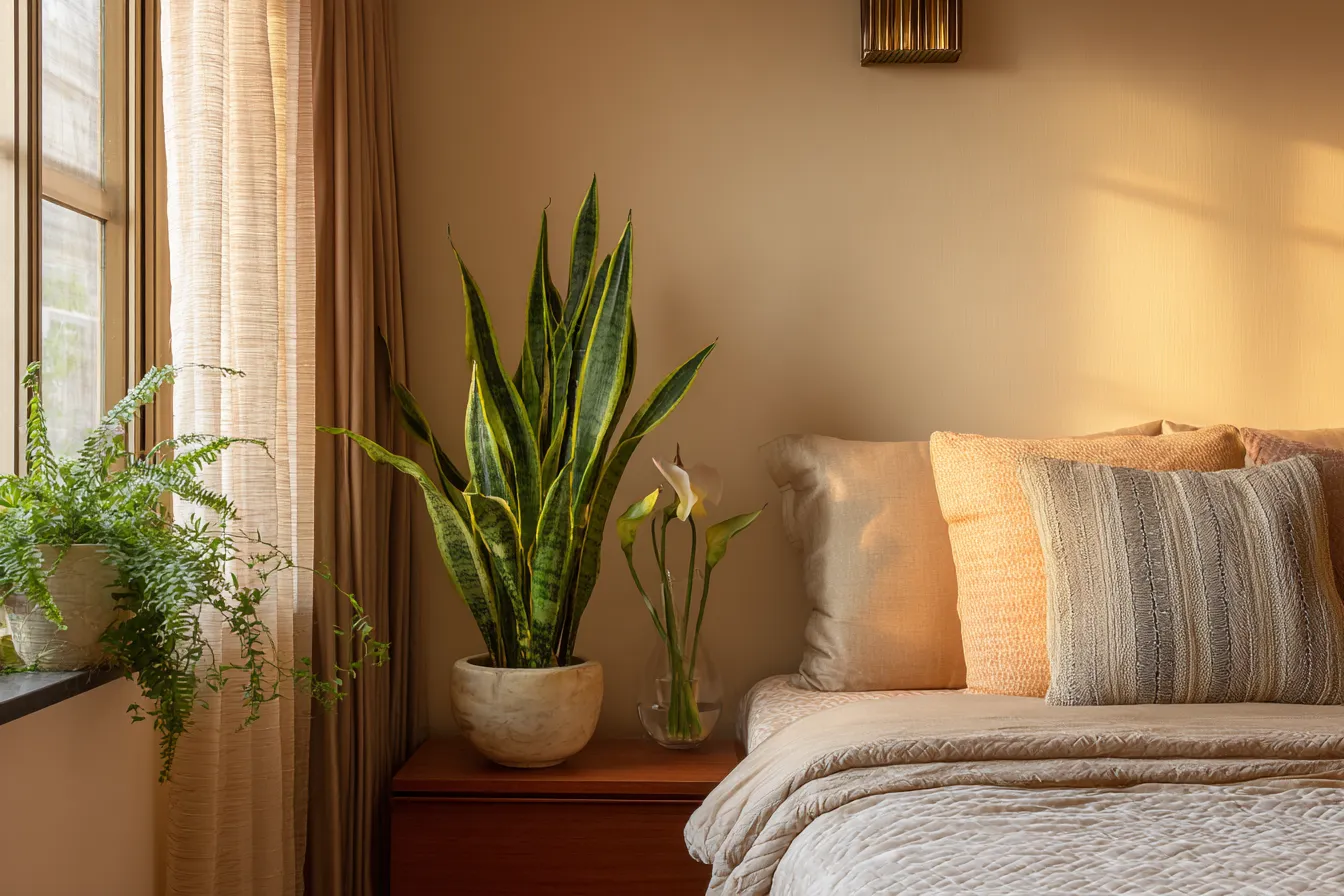
Night Oxygen Plants
Use a Snake Plant or Peace Lily. These are some of the best indoor plants for master bedroom as per vastu because they release oxygen at night and encourage restful sleep.
Living Room
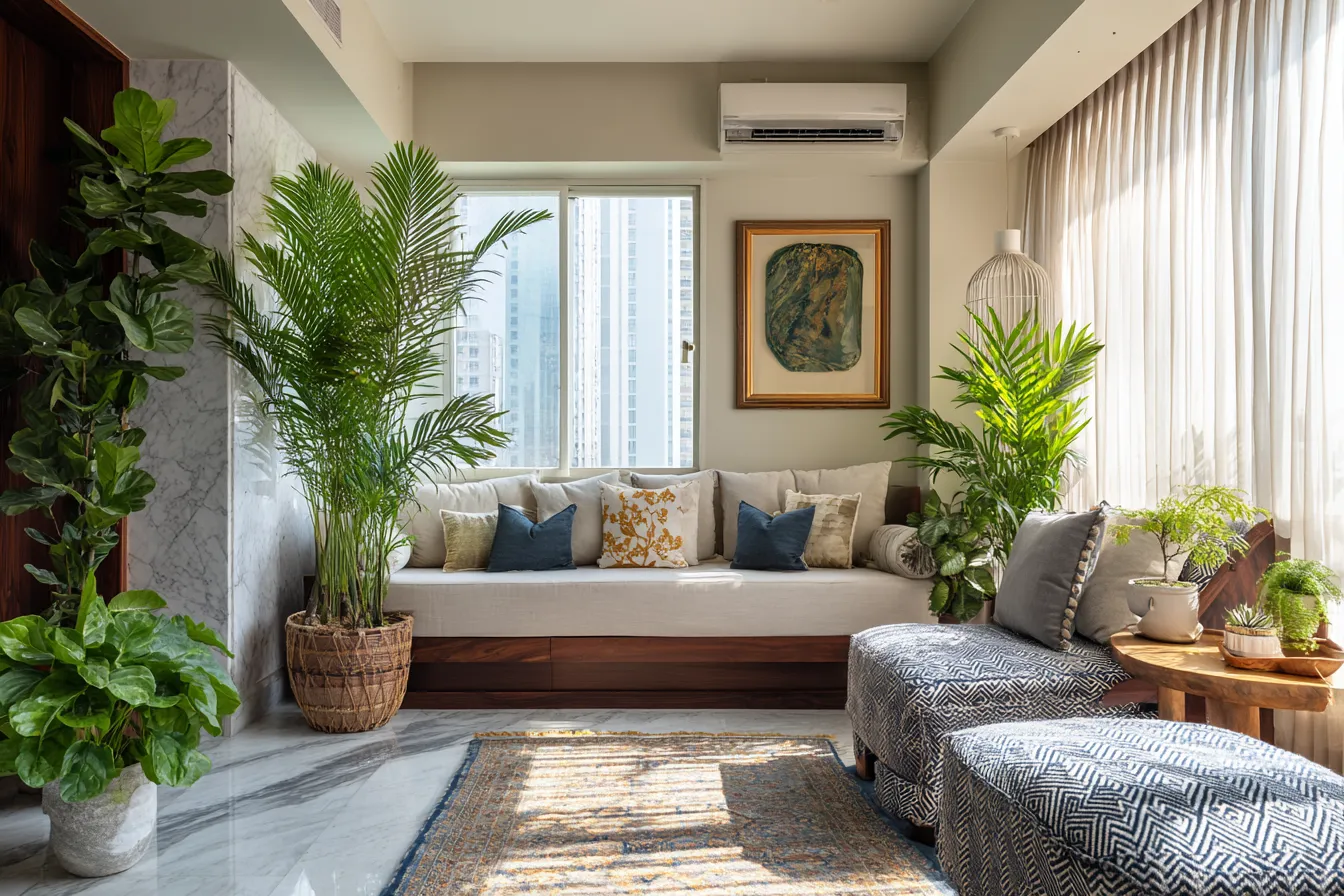
Healthy Living Space
The Fiddle Leaf Fig or Areca Palm are great for social areas to keep the energy vibrant and the atmosphere welcoming for guests.
Office Desk
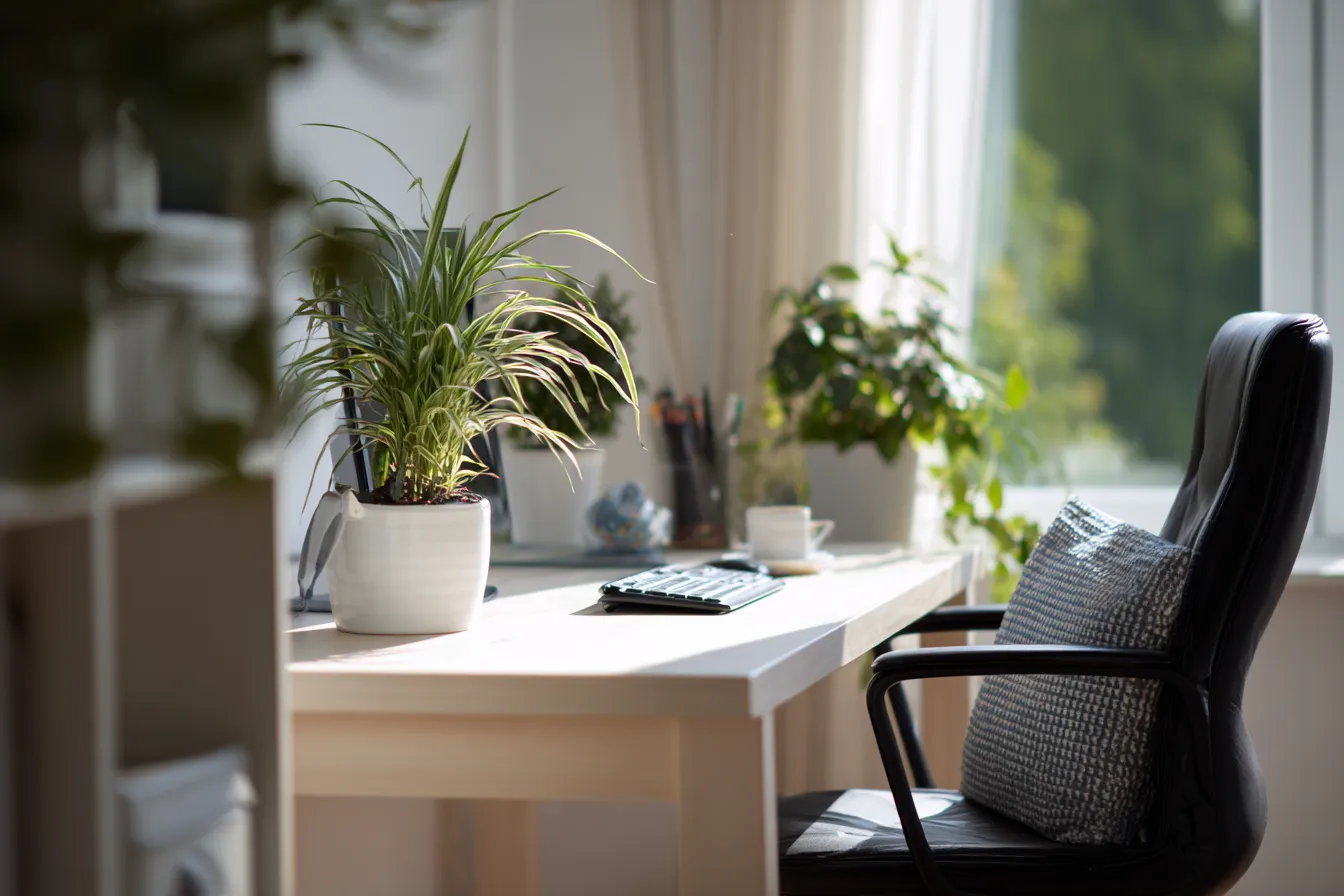
Positive Work Focus
A small Lucky Bamboo or Spider Plant on an office desk helps reduce work-related stress and improve productivity by clearing mental fog.
Bathroom
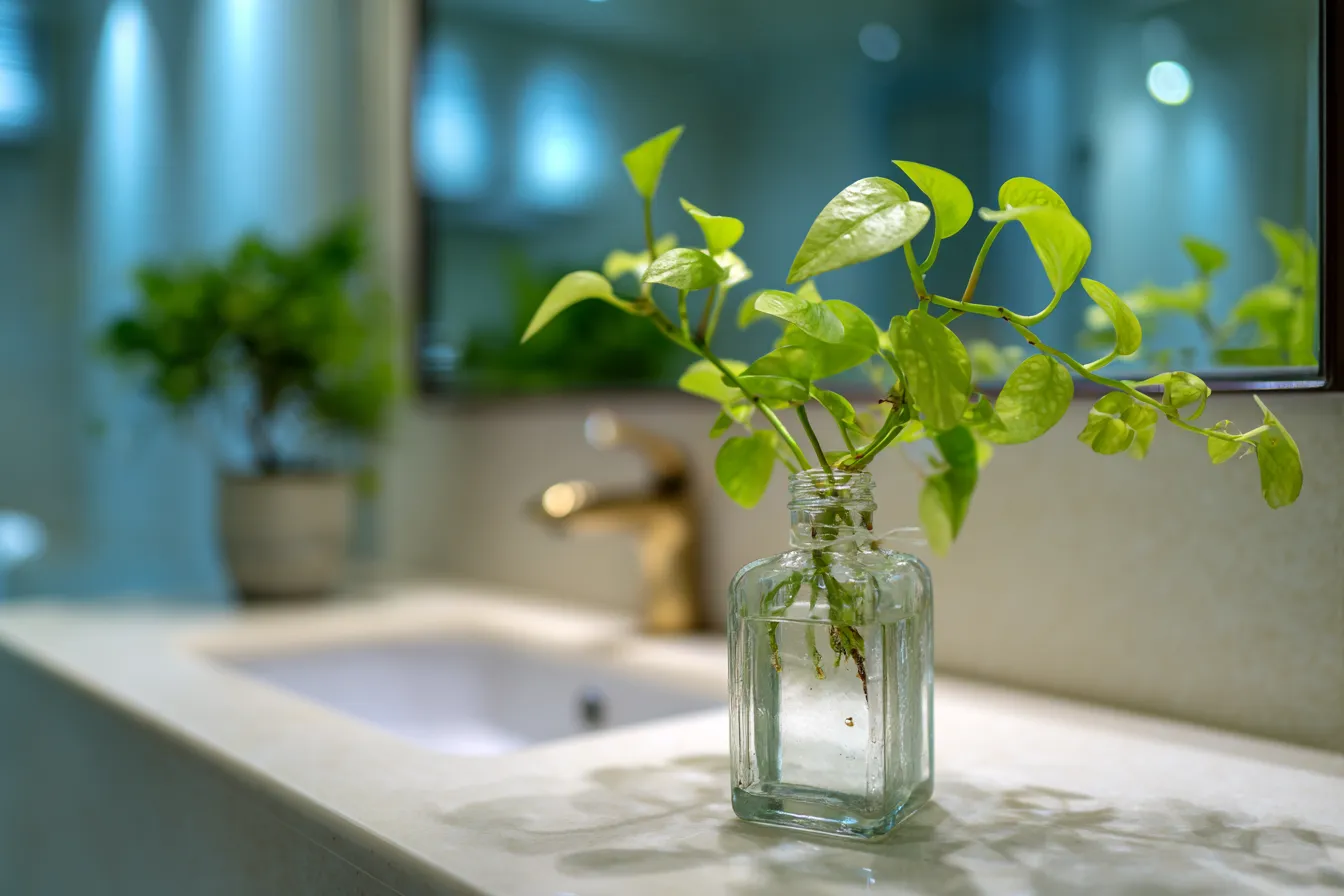
Fresh Energy Balance
Certain plants for bathroom vastu, such as a small Money Plant in a glass bottle, can help in absorbing dampness and neutralising negative energy.
Vastu Negative: Plants to Avoid Indoors
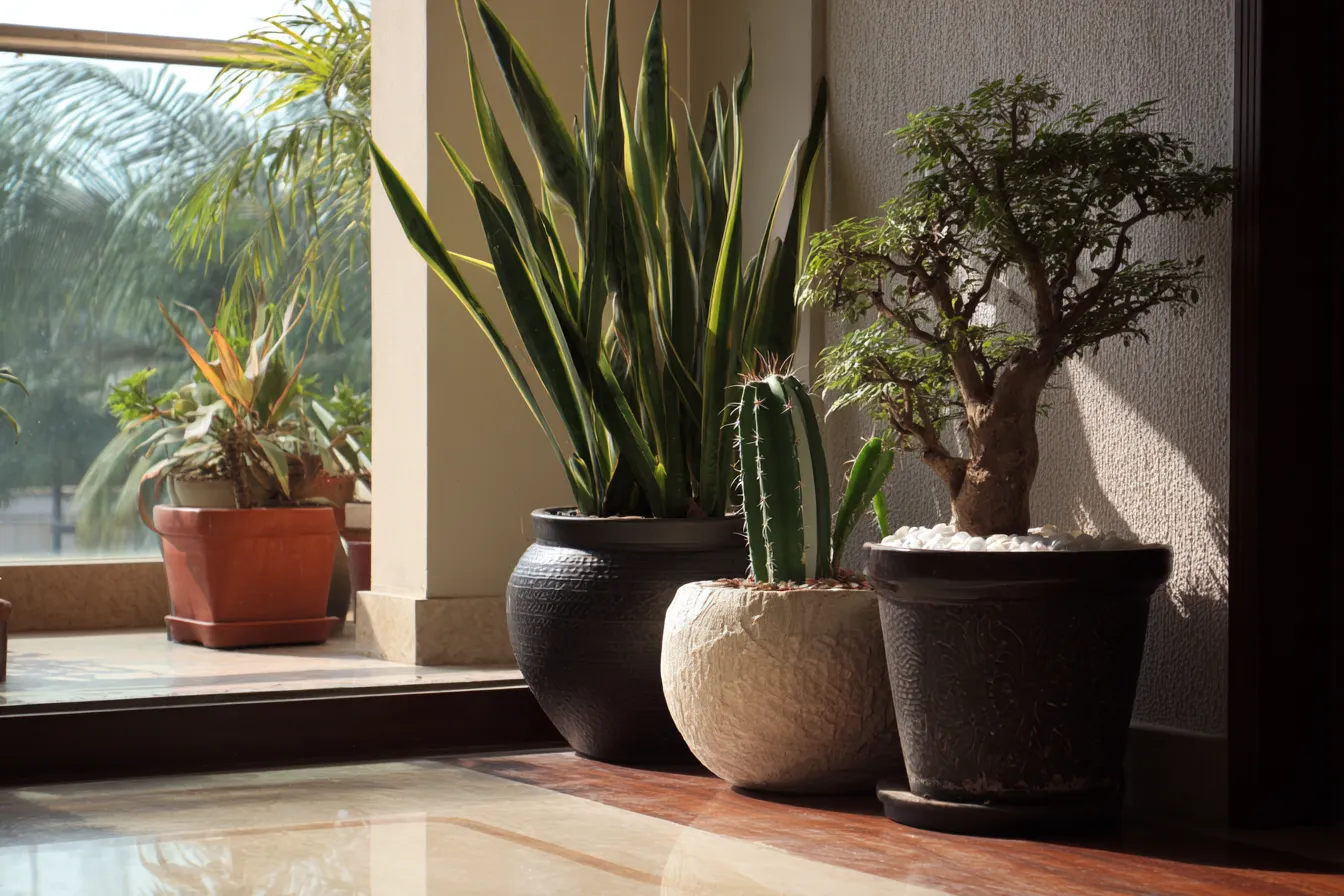
Plants To Avoid
Some plants carry energy that is too sharp or restricted for a home interior.
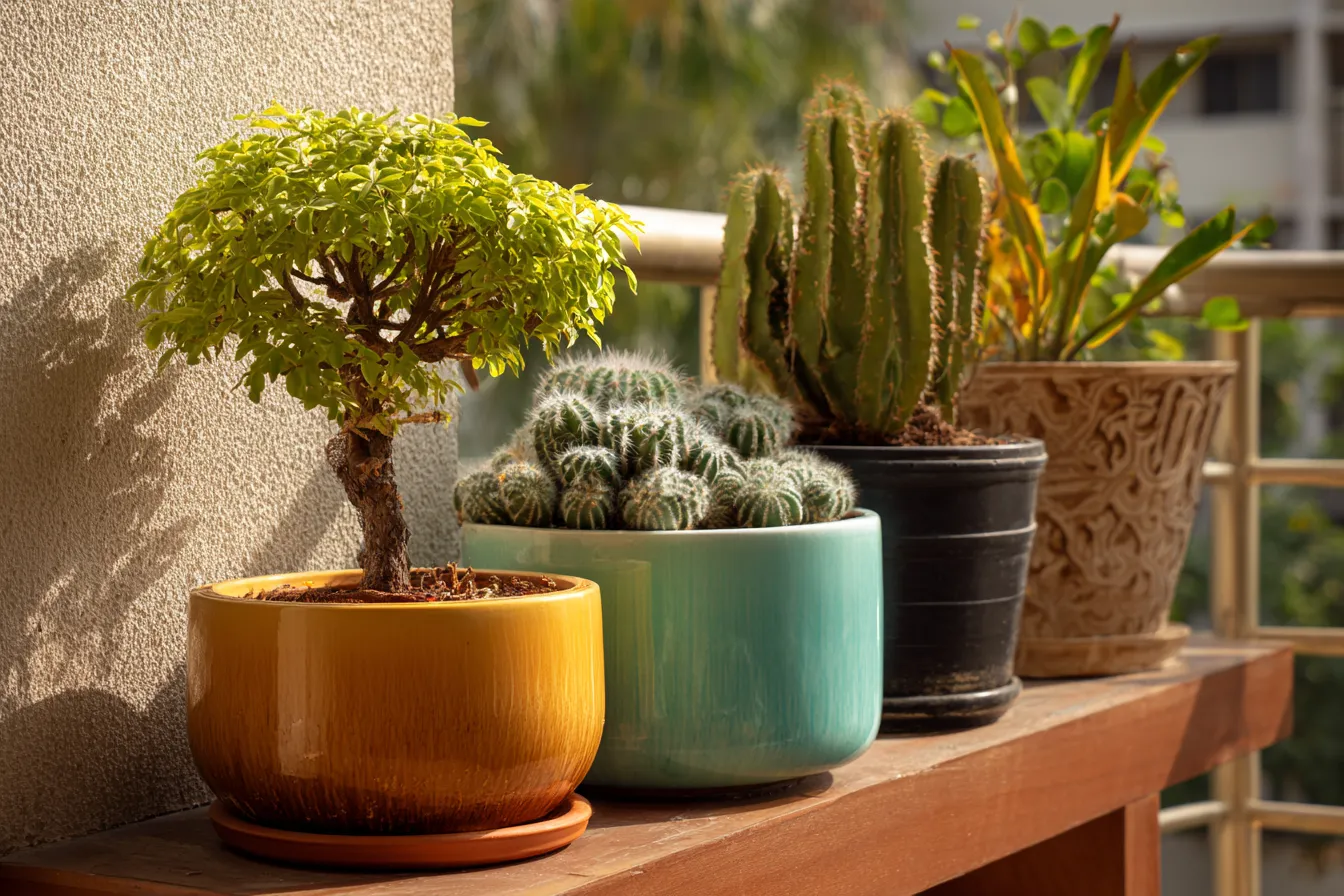
Cactus
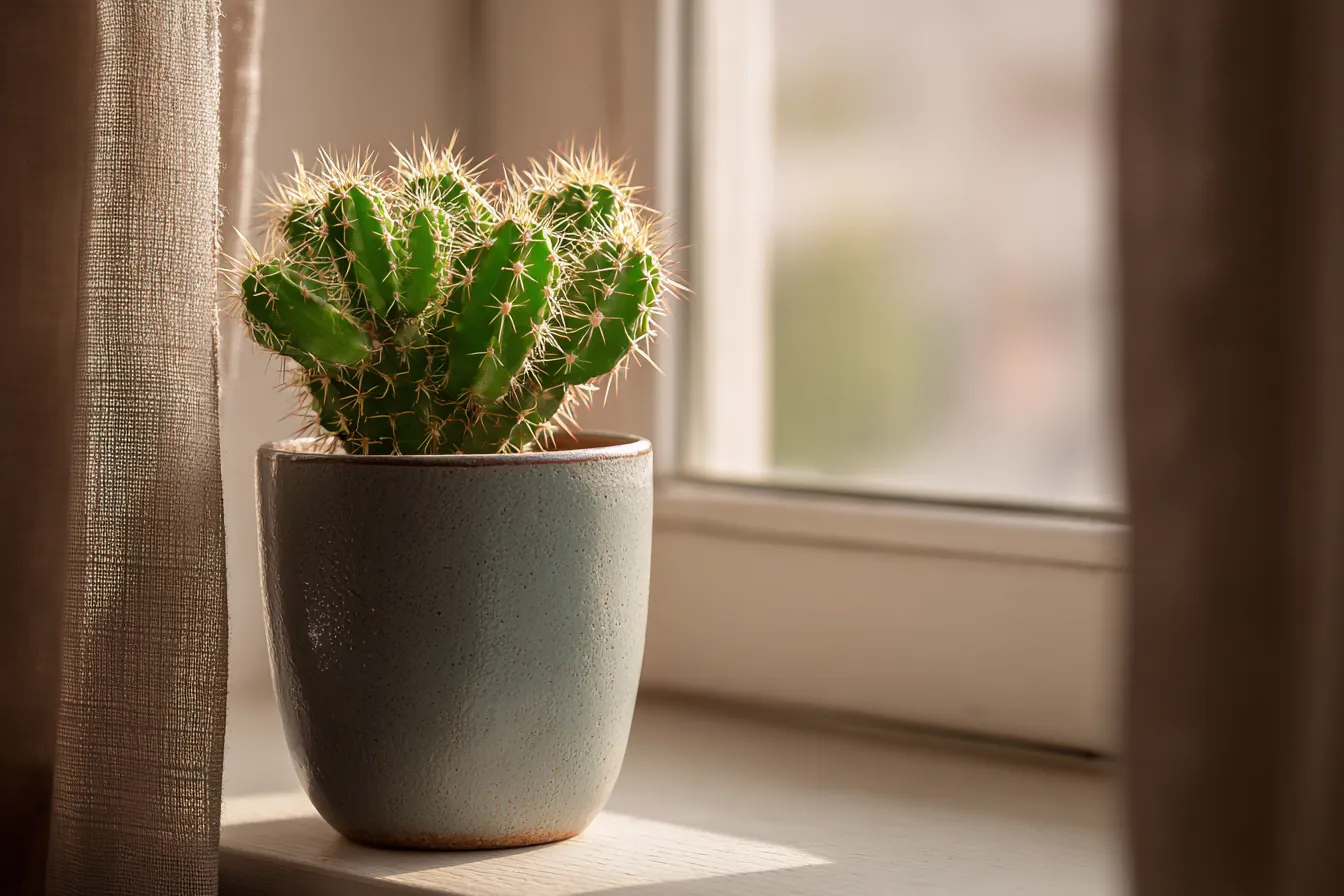
Protective, Not Peaceful
These emit stressful energy due to their thorns. If you must keep them, place them outdoors in the South for protection.
Bonsai
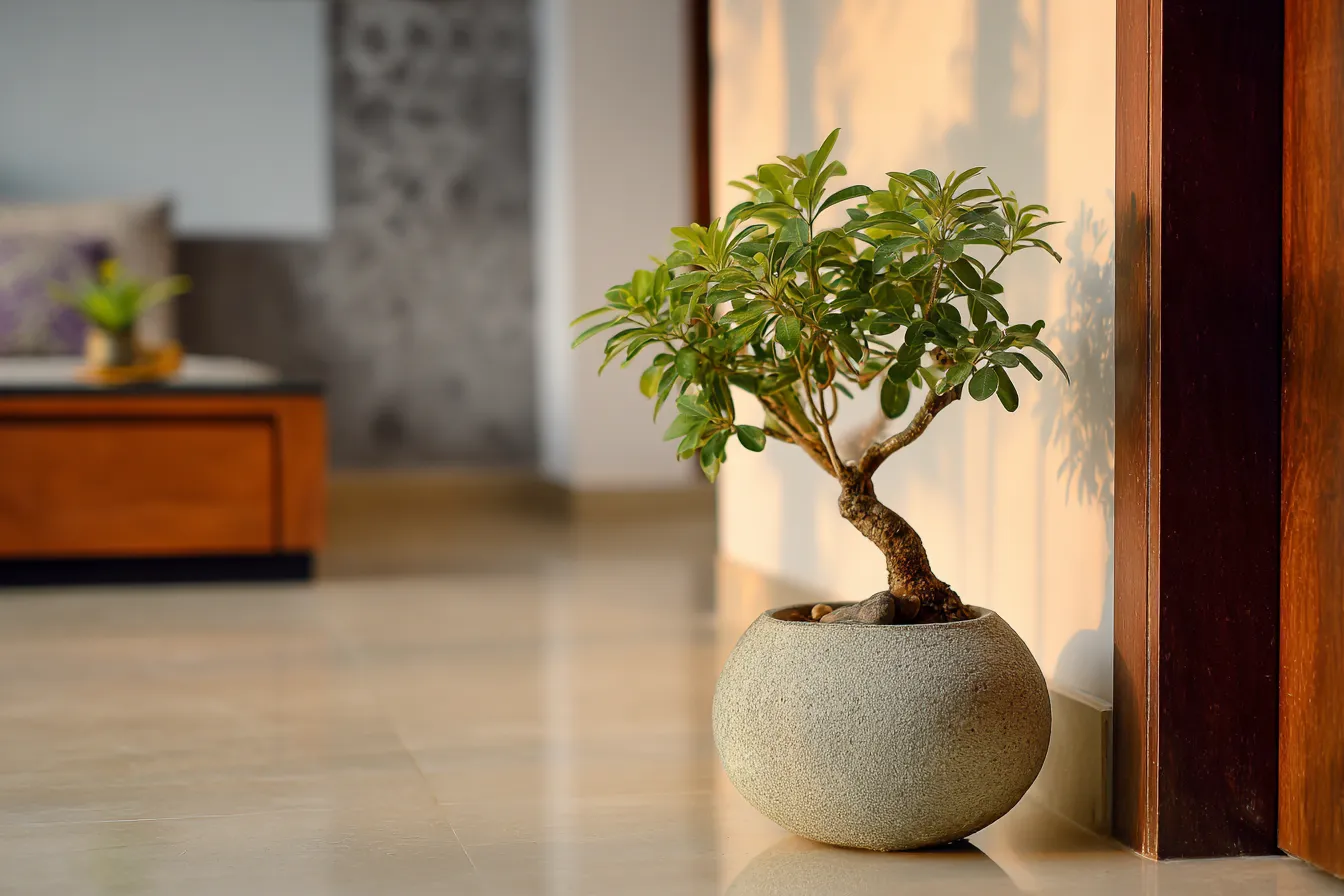
Restricted Growth Symbol
While beautiful, a bonsai represents restricted growth. Keeping it indoors can symbolically stunt the progress of the inhabitants.
Broken Heart Plant
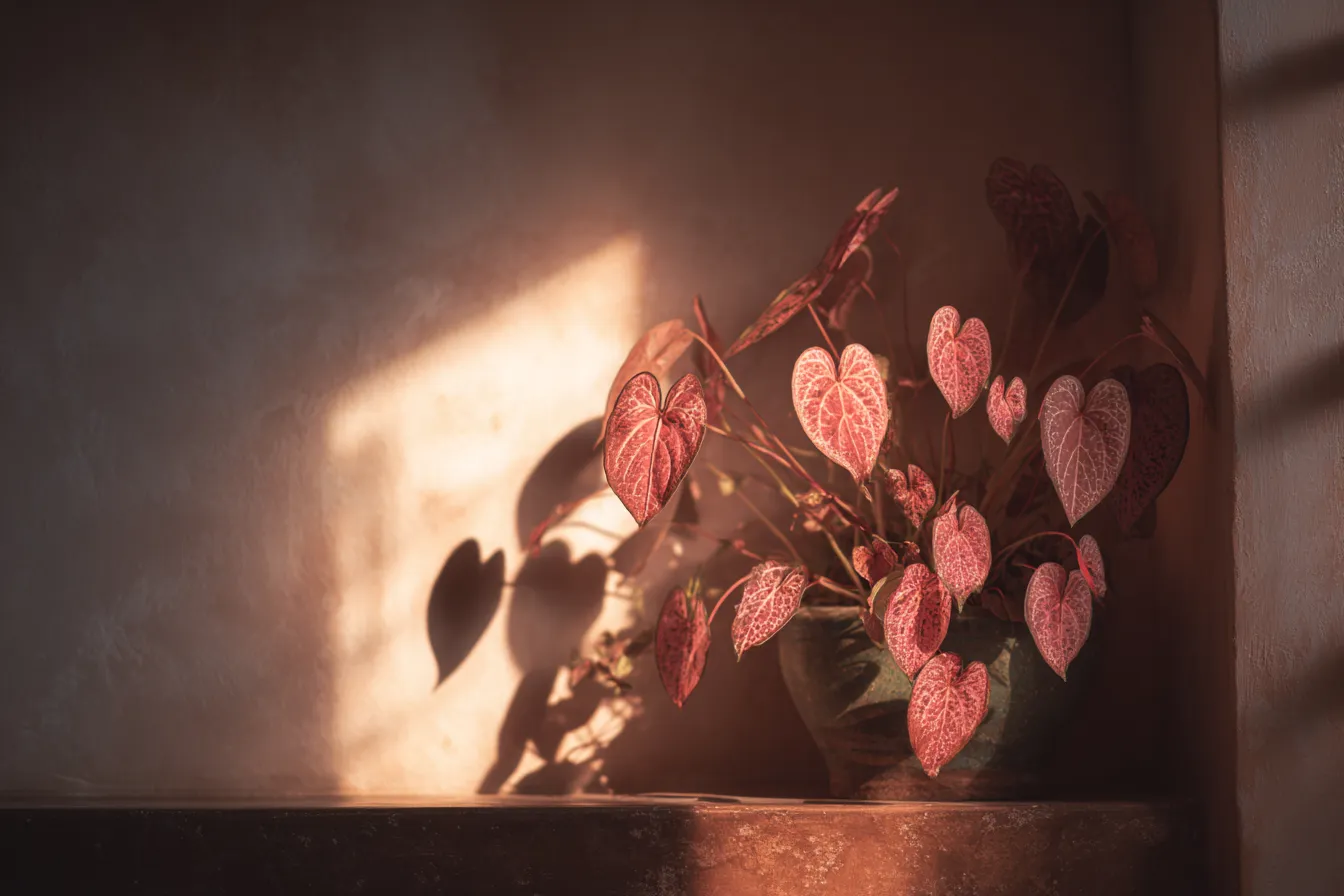
Symbol of Discord
This is often linked to emotional imbalance. It is best to avoid keeping it in bedrooms or mandirs.
Plants to Avoid in Home as per Vastu (Quick Summary)
A quick reference guide to plants that should remain outside the main living areas to prevent energy blockages.
|
Plant Type |
Why Avoid Indoors |
Recommended Placement |
|
Cactus |
Sharp thorns create conflict |
South (Outdoor balcony) |
|
Bonsai |
Symbolic of stunted growth |
West (Outdoor garden) |
|
Milky Sap Plants |
Associated with ill health |
Avoid entirely |
|
Dried Flowers |
Represents “dead” energy |
Discard immediately |
|
Broken Heart |
Symbolises emotional instability |
South-East balcony only |
Remedy
Energy Neutralising Placement
If you have these plants and cannot move them, ensure they are kept in a South-West balcony or outdoor garden area to minimise their impact.
Vastu Tips for Plant Care
The physical condition of your greenery directly affects the quality of energy it radiates throughout your home.
- Keep them healthy: A dying or dried plant attracts negative energy and represents stagnation. Replace unhealthy plants immediately to keep the vibrations high.
- Pot Selection: Use clay, ceramic, or copper pots to stay aligned with natural elements. Avoid plastic where possible, as it is a synthetic material that does not conduct energy well.
- Cleanliness: Dust the leaves regularly to ensure the plant can breathe. Dirty leaves block the plant’s ability to purify the air and the energy of the room.
Conclusion
Strategically placing the right plants can transform the atmosphere of your home. By following these Vastu guidelines, you ensure that your greenery provides more than just aesthetic value. Our experts at Interior Company can help you choose the right plant species and placement strategies to suit your specific home layout.
*Images used are for representational purposes only. Unless explicitly mentioned, the Interior Company does not hold any copyright to the images.*

Ready for a home transformation?
Let our designers assist you!
Recent Posts







Tulsi or a Jasmine plant near the entrance is considered very auspicious as they invite positive energy into the house.
Vastu suggests keeping Money Plants in the South-East of the living room. For the bedroom, a Snake Plant is a better choice.
Natural plants are always preferred because they emit life energy. Artificial plants are neutral and do not provide Vastu benefits.
You should avoid keeping cacti, bonsai, or any plants with thorns or milky sap near the mandir. These species are believed to disturb the calm and spiritual harmony of the prayer area.
It is generally not recommended. Money plants belong in the South-East wealth corner. Placing them inside or directly next to a mandir can conflict with the spiritual energy of the space.
Yes, Jasmine is excellent for mandirs. Its calming fragrance and sacred associations in Indian rituals help promote a sense of devotion and peace.
Tulsi is best kept in a ventilated balcony or a courtyard near the mandir. However, smaller spiritual plants like Jasmine or a Lotus in a bowl can be kept indoors if they receive enough natural light.
Ideally, no. Vastu principles focus on living energy. Artificial plants do not emit the “Prana” or life force required to enhance the vibrations of a sacred space.
It is best to use pots made of natural materials like clay, terracotta, brass, or copper. These materials align with the earth and metal elements of Vastu.
Keep it minimal. Two or three small, healthy plants are enough. Overcrowding the area with pots can make the space feel cluttered and block the flow of energy.
Related Category
- Balcony
- Bedroom
- Home Decor
- Living Room
- Outdoors