
- Design Ideas
- Cities
- Trends
- Guides
- Price Calculators
- Interior DesignersNEW
- Our Portfolio
- More


- Home
- Interior Design Ideas
- False Ceiling Design Ideas
- Traditional False Ceiling Design Ideas
Traditional False Ceiling Design Ideas
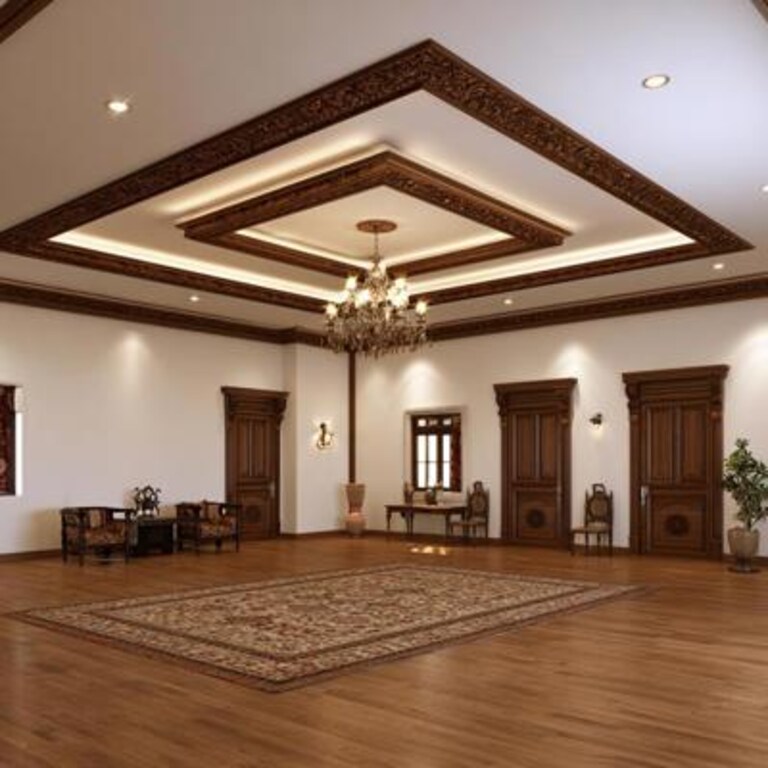
A traditional false ceiling design brings together elements that have been used in Indian homes for generations, including carved wooden panels, POP moldings, decorative borders and handcrafted ceiling details. The focus is usually on warmth, symmetry and craftsmanship rather than minimalism or bold contemporary shapes. A traditional ceiling design can be elaborate in a large hall or much simpler in a bedroom, using a cornice border, a wooden beam detail or a decorative central panel to create character without overwhelming the room. Traditional POP design remains one of the most common ways to achieve this look because it can create ornamental moldings and layered ceiling details with a seamless finish. Interior Company designs traditional false ceilings that work with wooden furniture, warm colour palettes, heritage-inspired interiors and modern homes that want a more rooted architectural feel. Explore traditional ceiling designs at Interior Company and find a ceiling style that suits your space, lighting and budget....Read More
Filter



Vastu Insights by Our Experts
Watch our designers decode the balance between design, energy, and harmony for your home.







False Ceiling Design Ideas for You
- Theme
- Type
- Material
- Shape
- Room
- Painted Type False Ceiling
- Central Drop Type False Ceiling
- Parallel Type False Ceiling
- Peripheral Type False Ceiling
- Plus Minus Type False Ceiling
- Single Layered Type False Ceiling
- Striped Type False Ceiling
- Stucco Type False Ceiling
- Multi Level Type False Ceiling
- Multi Layered Type False Ceiling
- Eclectic Type False Ceiling
- Double Layered Type False Ceiling
- Coffered Type False Ceiling
Rejuvenate Your Space with a Variety of Options
- Theme + Type
- Theme + Material
- Theme + Shape
- Theme + Room

Bedrooms are meant to feel easy and comfortable after a tiring day, which is why the ceiling ends up affecting the room more than most people expect. A design that looks nice at
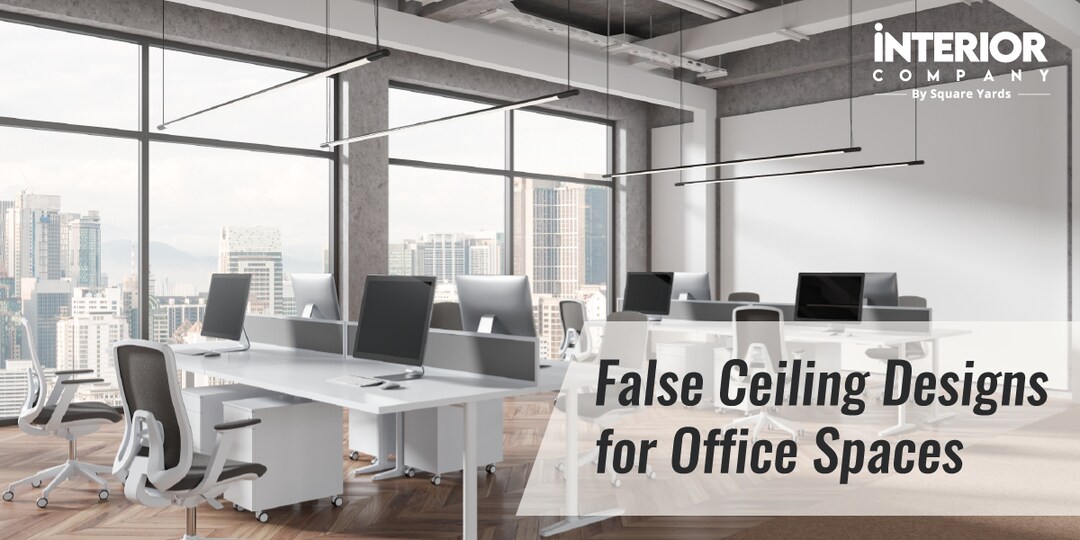
It is often said that we spend about one-third of our lives at work. This makes our workspace our second home, where we invest much time and energy. Given this significant porti
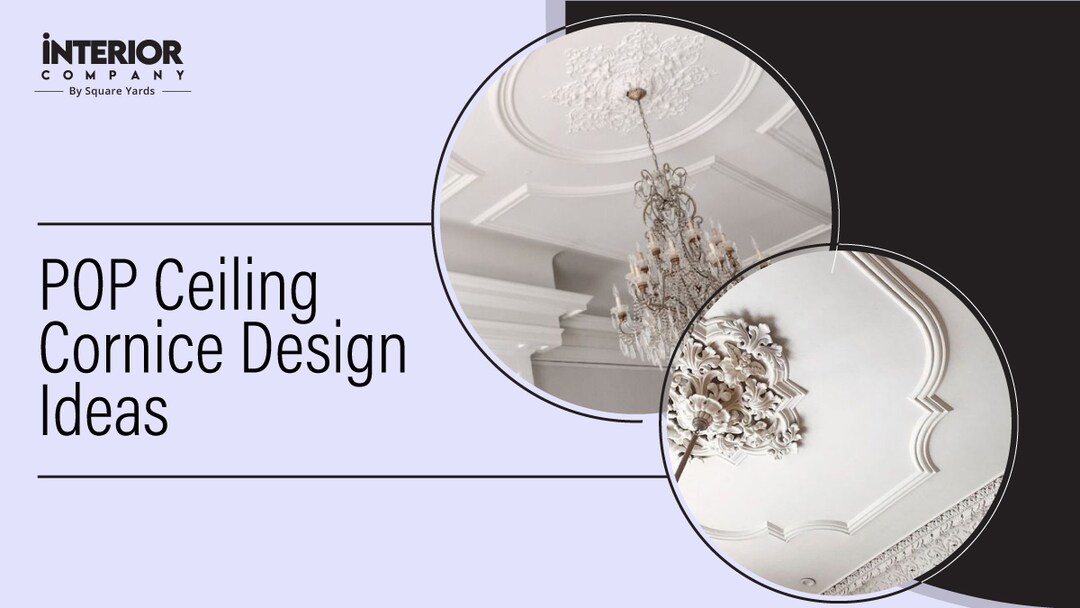
A simple POP ceiling cornice design neatly covers imperfections between the false ceiling and the wall.

The coffered ceiling design, rooted in Renaissance-era noble mansions, gives rooms depth, character, and a unique appearance. Whether planning a renovation or new construction,

False ceilings are a way to add structure and they can be utilised in any part of the house- be it a bedroom, bathroom, living room, or even the balcony. While the ceiling often
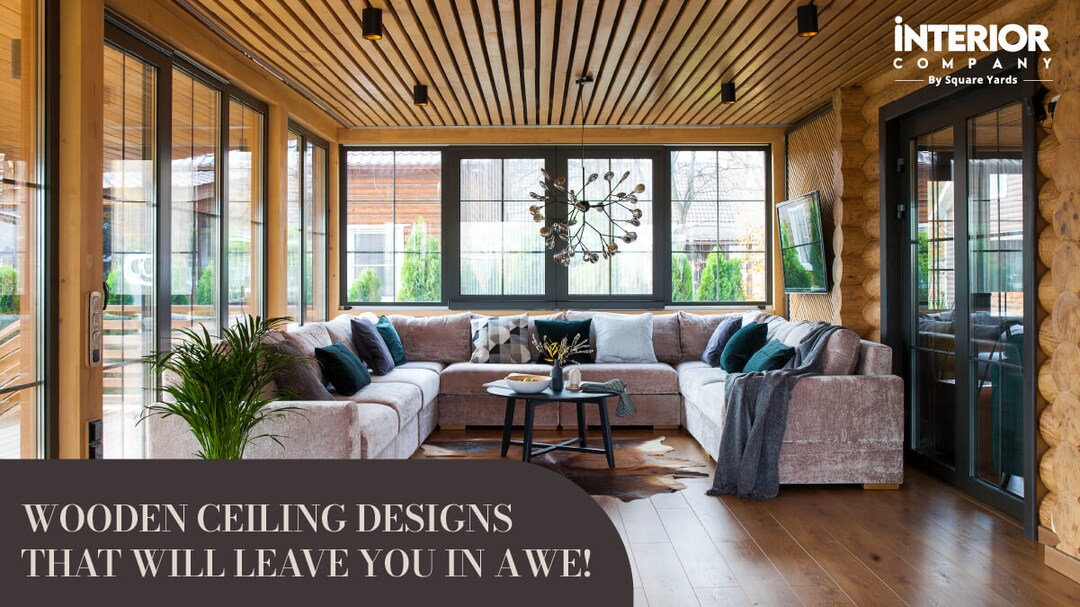
We will explore the best wood ceiling ideas options, from rustic beams in log cabin dreams to sleek slats in modern havens. So, whether you are giving a makeover to your ceiling

Traditional False Ceiling Design for Indian Homes
A traditional ceiling adds more detail to the room without looking dated. The right mix of molding, colour, material and lighting can make the ceiling work naturally with the furniture and architectural style. For Indian homes, the approach can range from a simple POP border to richer wood or decorative plasterwork, depending on the space.
What Makes a Traditional False Ceiling Design Different?
A traditional false ceiling design usually has more visible detailing than a minimalist or contemporary ceiling. Cornices, moldings, recessed borders and a central feature around the light are common elements. The idea is to give the ceiling some character rather than leaving it plain.
The detailing can be kept fairly restrained too. A single border with a central light can form a single-layered traditional false ceiling design, while larger rooms can take on deeper molding, decorative panels or POP ceiling cornice design ideas. The amount of ornamentation should depend on the room rather than being added simply to make the ceiling look elaborate.
Material also changes the finish. POP is useful for fine decorative work, while wood brings warmth and works naturally with traditional furniture. Gypsum can be used for simpler geometric forms and cleaner borders, making traditional gypsum false ceiling designs a practical option when you want the traditional character without extensive plaster detailing.
Traditional Ceiling Designs for Different Rooms
Traditional ceiling detailing can be adjusted from room to room rather than using the same treatment throughout the house. Larger spaces can carry stronger decorative elements, while bedrooms and smaller areas usually look better with a lighter touch.
Living Room and Hall
A traditional ceiling design for a living room can feature more detail than one for a bedroom. A decorative border, central panel or chandelier can become the main feature, while larger halls can accommodate richer molding. For a main hall, the ceiling should also leave enough room around fans, chandeliers and other fixtures.
Bedroom
Bedrooms usually need a quieter treatment. A traditional ceiling design for bedroom spaces can use a narrow cornice, a central panel or a modest wooden accent instead of several layers of decoration. Warm fixtures and bedroom ceiling light ideas can add to the traditional character without making the ceiling feel too elaborate.
Pooja Room
Traditional detailing has a natural place in a pooja room. A small recessed border, ornamental center or wood finish can complement the space without taking attention away from the shrine. Pooja room false ceiling designs often work best when the detailing is proportionate to the room's compact size.
Traditional and Modern Ceiling Styles Can Work Together
A traditional ceiling does not have to make the rest of the room feel old-fashioned. A modern traditional ceiling design can retain familiar elements such as cornices, framed panels or wooden details while using simpler profiles and a quieter colour palette.
This approach is useful when the furniture already has a contemporary feel. Instead of covering the ceiling with multiple layers, one decorative border or a central feature can bring in the traditional character without competing with the rest of the room. Modern traditional false ceiling designs can also use recessed LEDs or concealed lighting in place of purely decorative fixtures.
For a new ceiling design, the same idea can be taken further by pairing traditional forms with cleaner finishes. The result feels familiar without looking like an older ceiling style.
Traditional Ceiling Materials: POP, Wood and Gypsum
The material plays a big role in how traditional detailing comes across. Traditional POP design is suited to cornices, curved borders and other decorative work that needs a molded finish. It can be kept fairly simple around the room's perimeter or used more extensively in larger spaces.
Wood gives the ceiling a warmer, more substantial appearance. Traditional wooden false ceiling designs can use beams, panels or timber borders, particularly in homes with wooden furniture or other natural finishes.
For a cleaner look, traditional gypsum false ceiling designs can recreate straight borders and recessed sections without making the ceiling overly ornate.
The choice does not have to be limited to one material throughout the room. Wood can be used as an accent within a POP or gypsum ceiling, while a muted paint finish can keep decorative work from looking too heavy.
Traditional Ceiling Design Ideas Worth Considering
Traditional detailing can be used in several ways, depending on how much character you want overhead. A few options that fit naturally into Indian interiors include:
Cornice Border with a Central Feature
A narrow cornice around the perimeter, finished in white or a soft neutral shade, can frame the ceiling without making it too ornate. A central medallion or pendant can complete the look.
Wooden Beams or Panels
Traditional wood false ceiling designs bring warmth into rooms with timber furniture, flooring or doors. Wood can be used across the ceiling or limited to a few beams so the room does not feel visually heavy.
Framed Rectangle Panels
Traditional rectangle false ceiling designs work well in larger living rooms and halls. A recessed rectangle with a decorative border adds depth to the ceiling while leaving the center open for a fan or chandelier.
A Restrained POP Ceiling
For smaller rooms, a simple POP border may be enough. This approach keeps the traditional character without using multiple moldings, stepped levels or elaborate ornamentation.
Lighting Ideas for Traditional Ceiling
Lighting can be kept decorative or understated depending on how much detailing the ceiling already has. Some combinations that work well include:
- Central chandelier: A chandelier placed within a central panel or medallion is well-suited to larger halls and formal living rooms.
- Traditional ceiling lights: Pendant fixtures or decorative flush-mount lights can reinforce the character of the ceiling without requiring elaborate molding around them.
- Recessed lighting: Small recessed lights around the perimeter provide general illumination while keeping the center fixture as the focal point.
- Bedroom lighting: In bedrooms, warm and dimmable fixtures are a better fit. Bedroom ceiling light ideas can include a small pendant, wall-wash lighting or recessed lights around a simple cornice.
- Concealed LEDs: LED strips tucked into a border can bring a softer, more current touch to a traditional ceiling without changing its overall character.
What to Keep in Mind When Choosing a Traditional Ceiling
The amount of detailing should follow the room, furniture and ceiling height. A few practical points can help keep the design from becoming too heavy:
- Match the scale: Larger halls can handle deeper moldings and more decorative work. Smaller bedrooms usually need a narrower border or a single-layered traditional false ceiling design.
- Coordinate with the furniture: Wood, upholstery and wall detailing should not compete with the ceiling. A heavily decorated room may need a simpler ceiling design.
- Plan around fans and lights: Leave enough clearance for the false ceiling and other fixtures, rather than placing decorative elements where they would interfere with them.
- Choose the finish carefully: POP is useful for detailed work, while wood and gypsum suit different levels of ornamentation.
- Keep the budget in check: More molding, layers and custom work will affect the false ceiling design price. A simple cornice can deliver the traditional look without covering the entire ceiling in decorative work.
Give Your Traditional Ceiling Design a Personal Touch with Interior Company
Interior Company brings together traditional detailing and the practical needs of present-day homes. The focus is on getting the proportions, finishes and overall look right for the space instead of adding decoration simply for the sake of it.
From a modest POP border to richer wood or molded ceiling treatments, the design can be customized to work comfortably with the rest of the interiors. Explore traditional ceiling designs at Interior Company for ideas that suit the character of your home, the room and the level of detailing you prefer.
Frequently Asked Question (FAQs)
What is a traditional false ceiling design?
A traditional false ceiling design usually features decorative borders, moldings, cornices or a central ceiling detail. The traditional style comes from the use of these ornamental elements rather than the plain, minimal treatment seen in newer ceiling designs. POP is commonly used when the design involves finer ornamental work.
What's the difference between traditional and classic ceiling design?
The two styles overlap, but traditional ceilings can draw from a wider range of regional and material influences, including wood, beams and simpler decorative treatments. Classic designs tend to lean more heavily on formal moldings, cornices and medallions.
Is wood or POP better for a traditional ceiling design?
It depends on the look you want. POP is better suited to molded borders and intricate detailing, while wood brings warmth and works particularly well with timber furniture, doors and other natural finishes.
What kind of ceiling fan suits a traditional ceiling design?
A fan with a relatively simple profile usually works best when the ceiling already has decorative detailing. In a larger hall, a traditional-style fan can also complement the surrounding molding without making the ceiling feel too busy.
What's a good simple traditional ceiling design?
A narrow cornice around the room with a central light or fan is an easy starting point. A restrained, traditional ceiling design like this can add decorative character without requiring multiple layers.
How much traditional detailing suits a bedroom versus a hall?
A hall can accommodate a wider border, central panel or more elaborate molding because it generally has more visual and floor space. For a bedroom, a smaller cornice, a central detail, or a wood accent is usually enough.
Does a traditional ceiling design work in a modern home?
Yes. Keeping the detailing simple and using neutral colours can make traditional elements work comfortably with contemporary furniture. Recessed LEDs can also give the ceiling a more current finish.