
- Design Ideas
- Cities
- Trends
- Guides
- Price Calculators
- Interior DesignersNEW
- Our Portfolio
- More


- Home
- Interior Design Ideas
- False Ceiling Design Ideas
- Painted False Ceiling Design Ideas
Painted False Ceiling Design Ideas
A false ceiling paint design makes colour and finish the main feature instead of stepped levels, borders, or shaped edges. False ceiling painting ideas usually land in one of three places: a single tone inside a contrast border, a two-tone split across a structural break, or one accent shade in an otherwise neutral room. What most people get wrong is treating the ceiling as a fifth wall. It is not lit like one. A wall takes light from the side and gets seen straight on, while a ceiling receives almost none directly and is read at a glancing angle, so the same paint lands a shade darker overhead and any sheen shows every trowel mark. At Interior Company, false ceiling painting colour carries more weight here than anywhere else in this category, since paint alone is doing work a heavier structure would otherwise do. Pop ceiling painting usually keeps the boldest tone inside a border or centre panel rather than across the whole plane. A ceiling pop paint design has practical checks to pass too. Matte hides small faults that gloss advertises, lighter tones hand back a little height, and a shade picked in daylight can shift under warm LED once the sun goes. Explore Interior Company's painted false ceiling designs and find a colour and finish that suits the room's light and its proportions....Read More
Filter
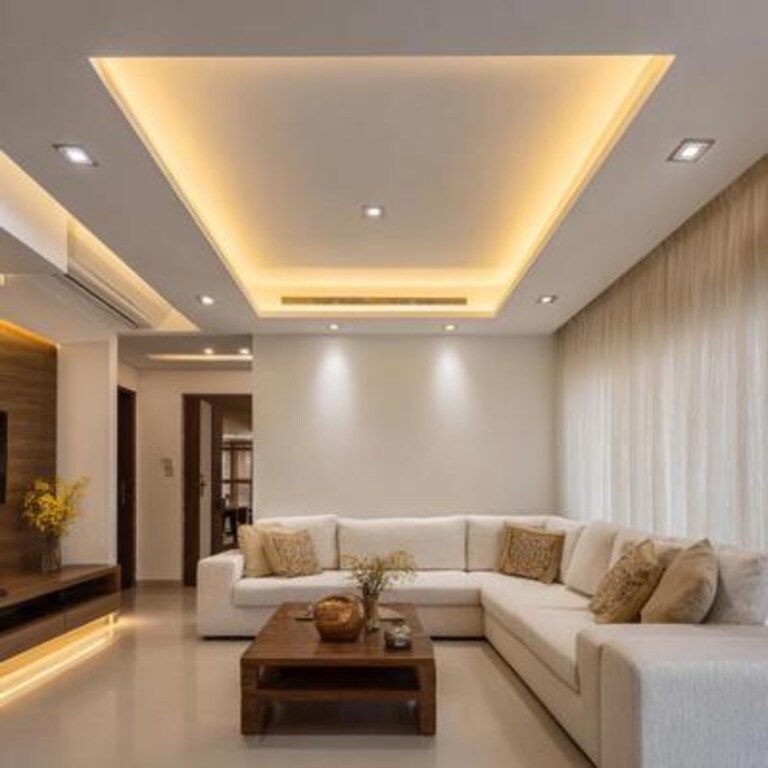



Vastu Insights by Our Experts
Watch our designers decode the balance between design, energy, and harmony for your home.







False Ceiling Design Ideas for You
- Theme
- Type
- Material
- Shape
- Room
- Central Drop Type False Ceiling
- Parallel Type False Ceiling
- Peripheral Type False Ceiling
- Plus Minus Type False Ceiling
- Single Layered Type False Ceiling
- Striped Type False Ceiling
- Stucco Type False Ceiling
- Multi Level Type False Ceiling
- Multi Layered Type False Ceiling
- Eclectic Type False Ceiling
- Double Layered Type False Ceiling
- Coffered Type False Ceiling
Rejuvenate Your Space with a Variety of Options
- Type + Theme
- Type + Material
- Type + Shape

Bedrooms are meant to feel easy and comfortable after a tiring day, which is why the ceiling ends up affecting the room more than most people expect. A design that looks nice at

It is often said that we spend about one-third of our lives at work. This makes our workspace our second home, where we invest much time and energy. Given this significant porti
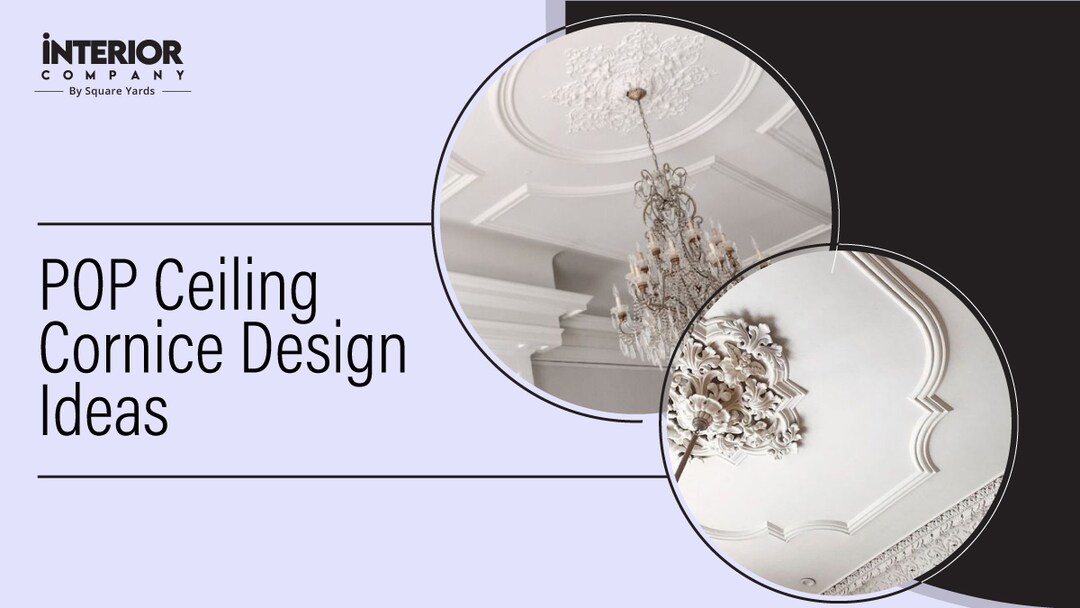
A simple POP ceiling cornice design neatly covers imperfections between the false ceiling and the wall.

The coffered ceiling design, rooted in Renaissance-era noble mansions, gives rooms depth, character, and a unique appearance. Whether planning a renovation or new construction,

False ceilings are a way to add structure and they can be utilised in any part of the house- be it a bedroom, bathroom, living room, or even the balcony. While the ceiling often
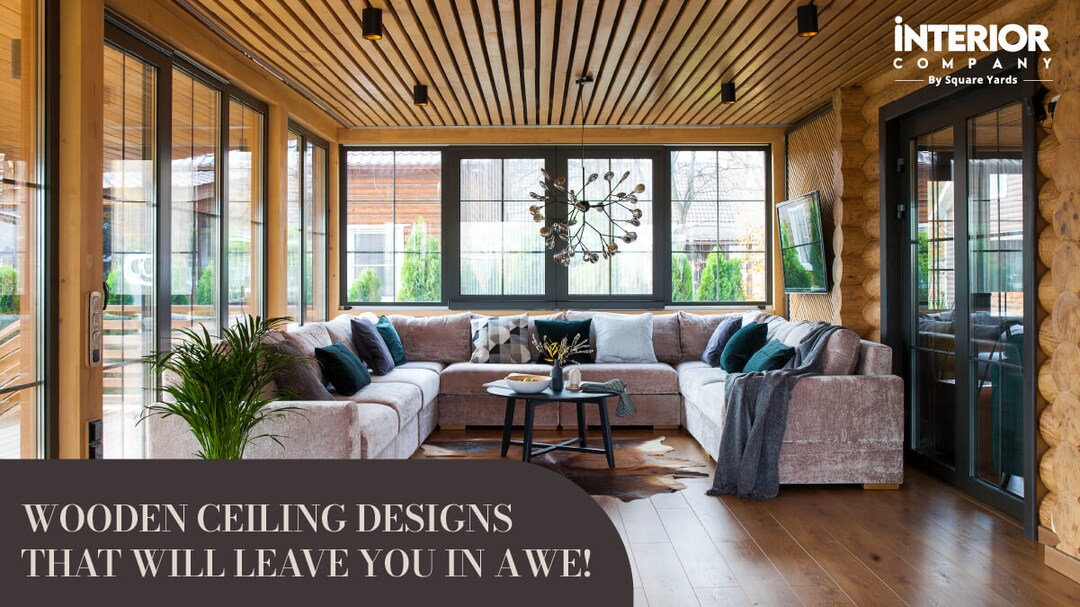
We will explore the best wood ceiling ideas options, from rustic beams in log cabin dreams to sleek slats in modern havens. So, whether you are giving a makeover to your ceiling

Painted False Ceiling Design Ideas for Indian Homes
A painted false ceiling makes colour, tone contrast, and finish the main event, instead of raised borders, stepped levels, or an elaborate shape. The structure underneath can be perfectly ordinary. The paint is what the room notices.
The one thing worth understanding before any shade gets chosen is that a ceiling is not a fifth wall and should not be painted as though it were. Walls are lit from the side and viewed head-on. A ceiling gets almost no direct light, bounces most of what it receives back down, and is always seen at a raking angle. Every rule on this page comes out of those three facts.
What is a Painted False Ceiling Design?
A false ceiling paint design uses colour, tone contrast, and finish choice to create the visual interest that a stepped level, a deep border, or a shaped edge would otherwise provide. The surface stays flat or close to it, and the paint does the work.
Because the structure is not carrying the design, the approach transfers across almost any base.
- It works over POP, gypsum board, and most other boarded surfaces, though each takes primer differently and the base decides how much preparation comes first rather than whether the idea is possible at all.
- Painting ideas for false ceiling projects tend to land in one of three places: a single tone with a contrast border, a two-tone split across a structural break, or one accent shade in a room that is otherwise neutral.
- Shape stays simple, since the colour is already doing the work. Painted rectangle false ceiling designs show the most common version, and painted square false ceiling designs the alternative where a room's proportions suit a centered square better than a border.
This is also the cheapest way to give a ceiling character, though the saving is not quite where it looks. Paint costs very little against a stepped edge or a cove. The money goes into access and sequencing, and the gap between painting a ceiling while the room is empty and coming back after the flooring is polished and the furniture has arrived is large. Done in the right order, it is genuinely inexpensive. Done last it stops being so. False ceiling design price sets out how the structural side compares.
Choosing a False Ceiling Painting Colour
False ceiling painting colour has to answer to room size, natural light, and what the tone will do under artificial light in the evening, rather than how it looks on a swatch held at eye level.
The swatch is the problem. Held vertically in the hand, it catches window light directly, which is the one condition a ceiling never experiences.
- Pick one step lighter than the shade wanted. Overhead, a colour reads roughly a shade darker than the same paint on a wall, because it is lit indirectly and mostly bouncing light rather than receiving it. This single adjustment prevents most of the disappointment that follows a bold ceiling choice.
- Lighter tones, whites, soft greys, pale pastels, give a room back a little apparent height, which matters in flats where the slab sits at nine feet or under.
- A pop ceiling paint colour chosen entirely in daylight can move noticeably under warm LED after dark, usually toward yellow, so a grey drifts beige and a cool white turns cream. Test a patch on the actual ceiling and look at it at night before committing. Bedroom ceiling light ideas cover how fitting choice changes what the colour does.
- Ceiling pop colour paint used as a single accent inside a border or a center panel reads as a decision. The same shade taken across the entire plane usually reads as a room that got away from someone. False ceiling colour combinations are worth reviewing before a shade is fixed, and wall and ceiling colour combinations cover how the ceiling tone should sit against the walls it meets.
One thing that gets missed: the ceiling is the largest unbroken surface in most rooms, so its colour tints everything below by reflection. A warm ceiling pushes the walls warmer than the wall swatch promised.
Wood-Tone Paint for False Ceilings
Wood-tone paint for false ceiling work recreates the warmth of a timber finish through paint technique rather than actual paneling, at a small fraction of the material cost.
It suits a ceiling that already has something to put it on.
- The effect needs a beam, a border, or a raised detail to sit on. Wood tone spread flat across a plain plane reads as a brown ceiling rather than a wooden one, because the grain effect depends on a shape the eye already expects wood to occupy.
- A convincing grain effect is hand work rather than roller work, and the gap between a good one and a poor one is wide. Ask to see a finished ceiling rather than a sample board, since the technique is far harder to hold consistent across a large area.
- It is a sensible route for a household that wants the look of a gypsum-and-wood ceiling without the weight, the cost, or the sub-frame a real wood accent needs. Wooden false ceiling design covers what genuine timber offers in return for that extra spend, which is worth weighing before deciding paint is the answer.
POP Ceiling Painting Technique
Pop ceiling painting starts with a plaster surface that has fully cured and been correctly primed, because colour applied over POP that is still drying will crack and absorb unevenly later, whatever the paint cost.
Any ceiling POP paint design worth having is decided in this order: surface first, then colour.
- Painting pop ceiling work needs a primer formulated for plaster, then two finish coats. Plaster is alkaline when fresh, and a wall primer that ignores this will let the finish coat lift or discolour in patches within a year.
- Ceiling pop paint should be a ceiling-specific formulation rather than standard wall paint, since ceiling paints resist dripping and hold a wet edge longer, both of which matter when the surface is being worked overhead. The right paint for pop ceiling work is a question of formulation, not brand.
- Paint on pop ceiling surfaces with any raised or stepped detail needs proper edge work. A crooked line along a border is far more visible overhead than the same line on a wall, since there is no furniture or eye-level distraction to break the view.
- Pop ceiling design painting that runs a contrasting colour along a border or a step should be taped out and checked before a brush touches it. Correcting a crooked line afterward means cutting back into a cured surface with your arms above your head. POP ceiling cornice design ideas cover the molded edge that often carries this contrast.
Two coats is where evenness actually comes from, and it is the most common false economy on the list. The material cost of the second coat is small against the labor already standing in the room.
Gypsum Ceiling Paint Design
A gypsum ceiling paint design usually needs less preparation than POP, since board arrives with a smooth factory face rather than a hand-finished one.
- Ceiling POP design painting principles carry over to board almost entirely, with one addition. Board joints need taping and filling properly first, or the seams will show as faint straight lines once the colour is on and the light rakes across them.
- A single flat colour suits gypsum particularly well, because the material is already flat and the paint does not have to compensate for the texture a hand-plastered surface carries. Painted gypsum false ceiling designs show the combination, and gypsum false ceiling design ideas cover the material on its own terms.
Painted False Ceiling Design by Room
Colour behaves differently depending on how large the plane is, how much daylight reaches it, and how long anyone spends underneath it.
Living Room
The living room ceiling is usually the largest painted surface in the house, which makes it the one most likely to tint everything under it. A restrained tone with a contrast border tends to work better here than an all-over shade, since the room already holds a lot of competing colour in the furniture and furnishings. living room interior ideas cover how the ceiling tone sits with the rest of the scheme.
Bedroom
Bedrooms suit warmer, softer tones than the rest of the house, partly because the room is mostly seen under lamp light rather than daylight and partly because the ceiling is the surface anyone lying in bed actually looks at. A shade that reads calm at nine in the evening matters more than one that photographs well at noon. Bedroom ceiling design ideas cover the wider range for the room and bedroom interior design how it sits with everything else.
A fan changes the maintenance picture, and this is the one place where the usual advice reverses. Fan blades push a slow circulation that leaves a dust ring around the mount, and matte holds that ring far harder than a low-sheen finish, which can be wiped. On a bedroom ceiling with a fan, a slight sheen earns its place despite showing more of the surface underneath. False ceiling designs for bedrooms with fan covers the structural side of planning around one.
Hall
A hall carries a bolder colour better than any other room, since the larger floor area gives a strong tone space to be read rather than felt pressing down. The trade is that a large plane is where preparation shows, because the view from a doorway along a long ceiling is exactly the raking angle that finds every ripple. Bolder colour here means spending more on the surface underneath it, not less. False ceiling designs for hall cover the wider set of options for the space.
Pooja Room
Pooja ceilings are one of the few places in an Indian home where colour convention is already settled, usually white, cream, or a soft off-white with a gold accent along a border or a molded edge. The restraint is the point, since the room's detail belongs at the mandir rather than overhead. Pooja room false ceiling designs cover approaches built for the space, and traditional painted false ceiling designs the warmer regional palettes that suit it.
False Ceiling Painting Ideas Worth Considering
Painted ceilings have been moving toward less colour and more finish quality over the last few years. Modern painted false ceiling designs keep to one restrained tone across the whole plane and put the effort into an even surface, while contemporary painted false ceiling designs allow a warmer shade and a defined border. Both directions have moved away from the bold all-over ceiling colour that was common a decade ago.
For anyone working through false ceiling painting ideas or narrower pop ceiling paint ideas, the same principles hold across every room.
- Test the shade on the ceiling itself, in daylight and again after dark, since the same tone can read as two different colours across those two conditions.
- Go one step lighter than the swatch suggests, because a ceiling always reads darker than a wall painted the same colour.
- Keep a bold tone inside a border or a panel rather than across the whole plane, where it tends to close a room down.
- Use a ceiling-specific paint rather than wall paint, for drip resistance and more even coverage overhead.
- Confirm the surface is cured, primed, and joint-filled before any colour goes on, since skipping it surfaces later as cracking or patchy absorption and cannot be fixed with another coat.
- Consider a wood-tone finish on a beam or border if the room wants warmth without the cost of real timber. Ceiling paint ideas cover the wider range of finishes and techniques available.
At Interior Company, a painted ceiling project settles the surface before it settles the shade, because the best-chosen colour still looks poor over plaster that was primed badly or board whose joints were never filled. Explore Interior Company's painted false ceiling designs and find a colour and finish that fits the room's light and its proportions.
Frequently Asked Question (FAQs)
What is a painted false ceiling design?
It is a ceiling where colour, tone contrast, and finish technique carry the design instead of raised borders, stepped levels, or an elaborate shape. The structure underneath is usually flat or lightly detailed, and the paintwork is what the room registers. It is the least structural option in this category and, done properly, not the least effective.
How do I choose the right colour for a false ceiling?
Start by going one step lighter than the shade you actually want, since a ceiling receives no direct light and reads darker than the same paint on a wall. Then account for room size, daylight, and what the tone does under warm LED in the evening. Lighter shades give back apparent height, which matters under a nine-foot slab.
Can I get a wood-look finish on a false ceiling without using real wood?
Yes, with one condition. A wood-tone paint effect on a gypsum or POP beam or border gets close to the warmth of timber for a fraction of the cost, but it needs a shape to sit on. Spread flat across a plain ceiling, it reads as brown paint rather than wood. It also needs a contractor with real experience of the technique, so ask to see a finished ceiling rather than a sample board.
What kind of paint should be used for a POP ceiling?
A ceiling-specific formulation over a plaster-specific primer, applied once the POP has fully cured. Fresh plaster is alkaline, and a primer that ignores this lets the finish coat lift or discolour in patches. Ceiling paints are also formulated to resist dripping and hold a wet edge, which matters when the whole surface is being worked overhead.
Does gypsum need different paint preparation than POP?
Less of it, generally. Board arrives with a smooth factory face, so there is no hand-finished texture to compensate for. The one thing board needs that plaster does not is proper taping and filling at the joints, because unfilled seams show as faint straight lines once light rakes across the finished colour.
Should I test the ceiling colour before committing to it?
Yes, and test it on the ceiling rather than on a swatch held at eye level. A swatch in the hand catches window light directly, which is the one lighting condition a ceiling never gets. Paint a patch overhead, look at it in daylight, then look again after dark under the fittings that will actually be used.
Is a painted false ceiling cheaper than an elaborately structured one?
Usually yes, though the saving depends on when it happens. The paint itself costs very little against a stepped edge or a cove. What costs money is access and masking, and a ceiling painted after the flooring is polished and the furniture has arrived is a much bigger job than the same ceiling painted while the room is empty. Sequencing decides how cheap it really is.