
- Design Ideas
- Cities
- Trends
- Guides
- Price Calculators
- Interior DesignersNEW
- Our Portfolio
- More


- Home
- Interior Design Ideas
- Pooja Mandir Design Ideas
Pooja Mandir Designs
In many Indian homes, the mandir becomes the quietest corner without trying too hard. A brass bell near the window. Fresh flowers in a steel bowl. Soft light against marble by evening. Today, a mandir design for home is no longer limited to a separate prayer room. Compact apartments now fold the mandir into living rooms, dining corners, and hallway niches. Some homeowners still prefer carved wood and traditional house temple design details, while others lean towards floating shelves, laser-cut jaali, brass touches, marble or stone backdrops, softer lighting, and cleaner layouts. Wall-mounted shrines, corner units, and compact wooden setups work particularly well in Indian apartments where floor space and circulation both need protecting. From compact units to full pooja room design setups, a stylish modern mandir design now adapts far more naturally to modern homes. Interior Company planners map the pooja unit to light, seating height, and access so the space stays beautiful and practical. Our mandir design price starts from Rs. 75,000*. *Costs can vary depending on the choice of finishes, materials, or accessories....Read More
Filter


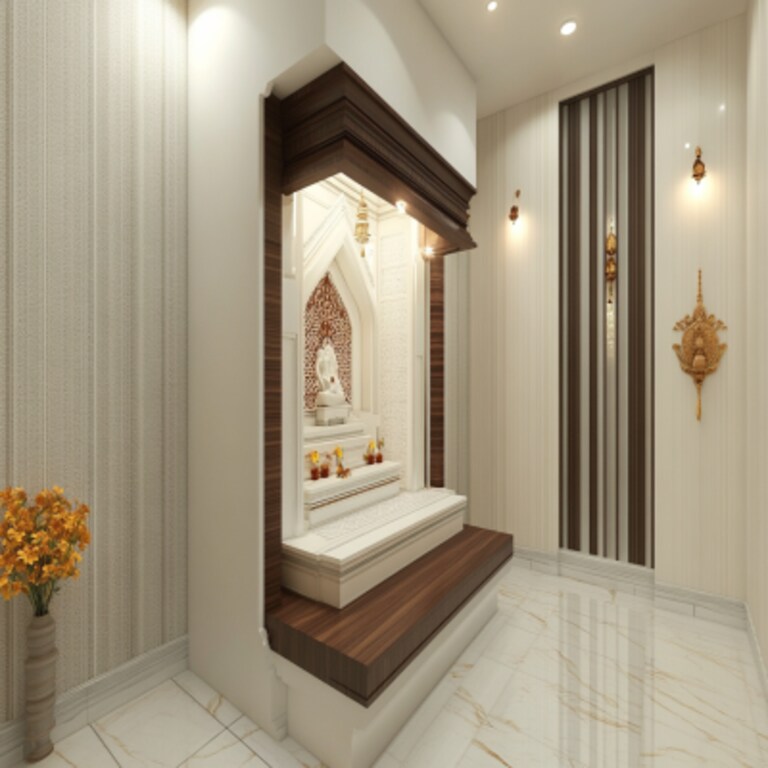



Vastu Insights by Our Experts
Watch our designers decode the balance between design, energy, and harmony for your home.







Pooja Mandir Design Ideas for You
- Color
- Theme


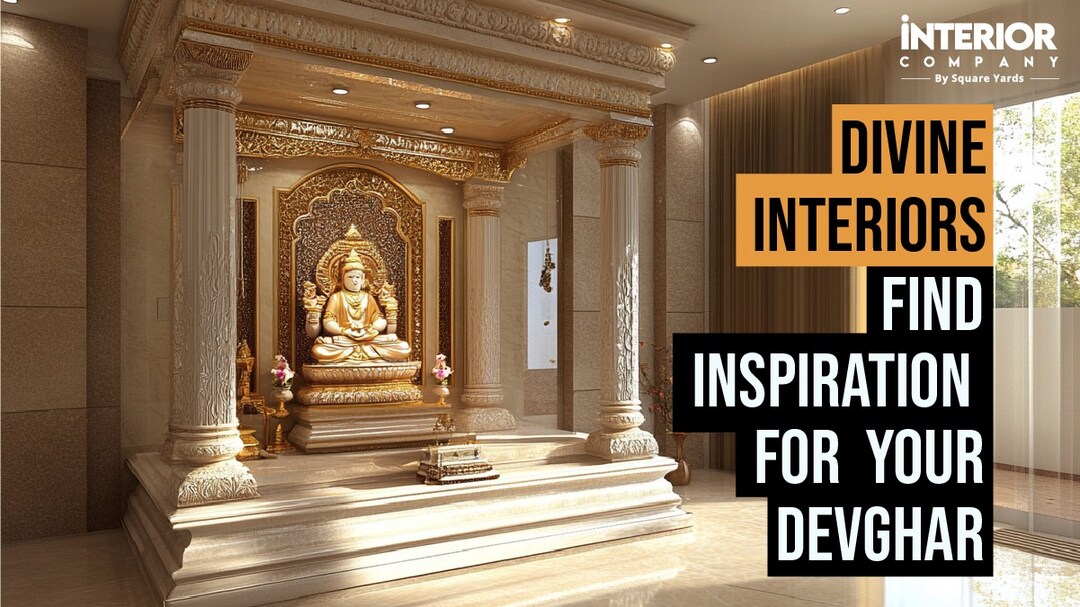
Only praying can bring peace when the world seems to be a little too much. For many, the pooja room is a safe space during challenging times, offering a space for reflection and
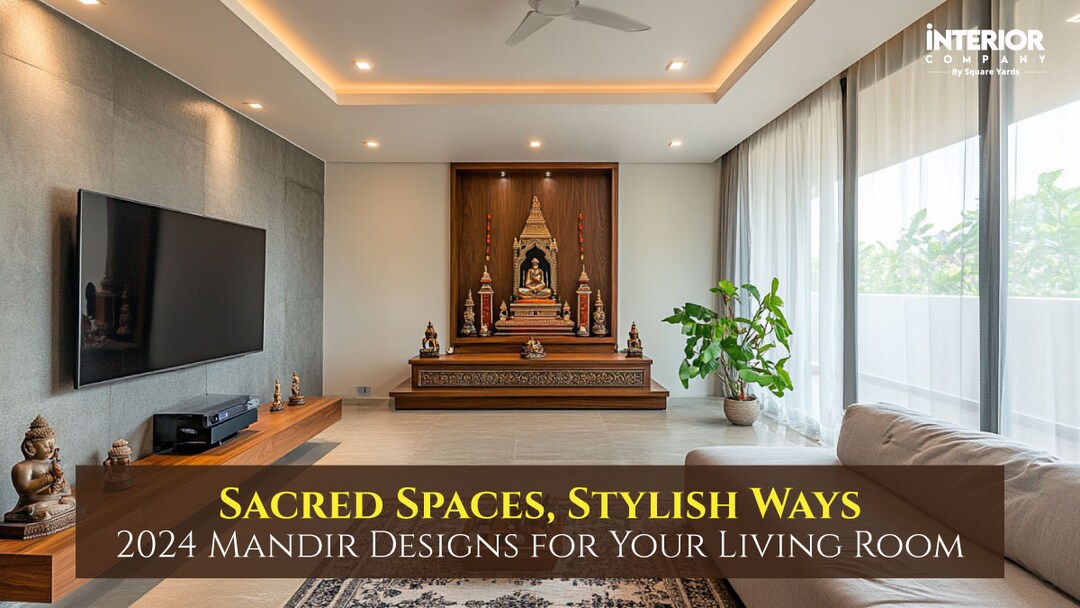
In an era where minimalism often reigns supreme and digital distractions are ubiquitous, the yearning for spiritual solace has never been more profound. Once solely dedicated to

The mandir is often one of the first spaces people decide on while planning a home. It has a clear purpose and is thus given a proper place and direction. In Indian homes, the m
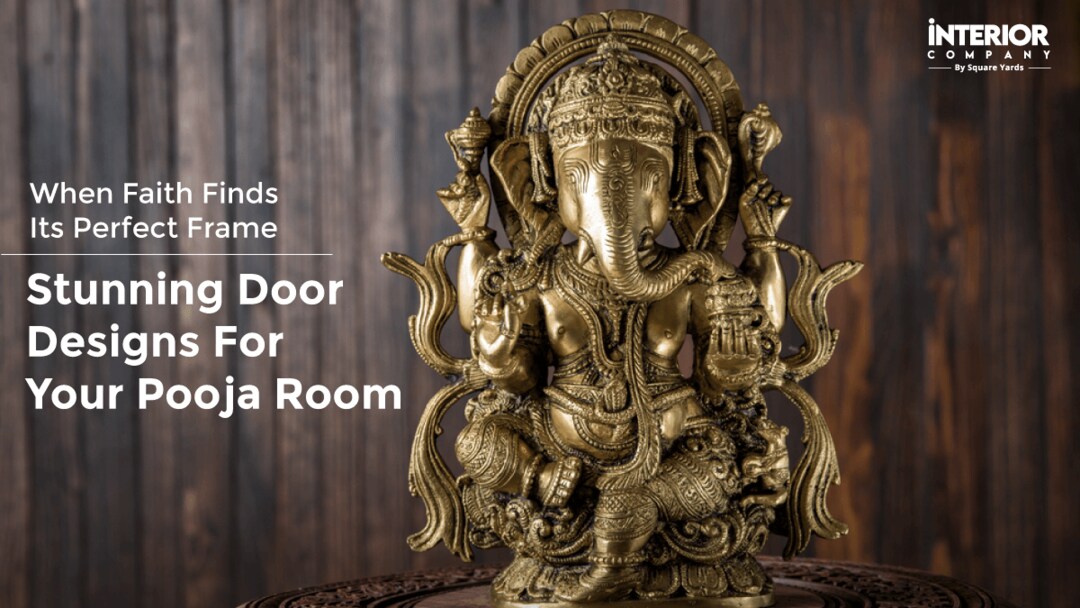
The best pooja room door designs include CNC mandir door designs, carved wooden doors, glass pooja room doors, and sliding pooja doors. Depending on your space and budget, you c
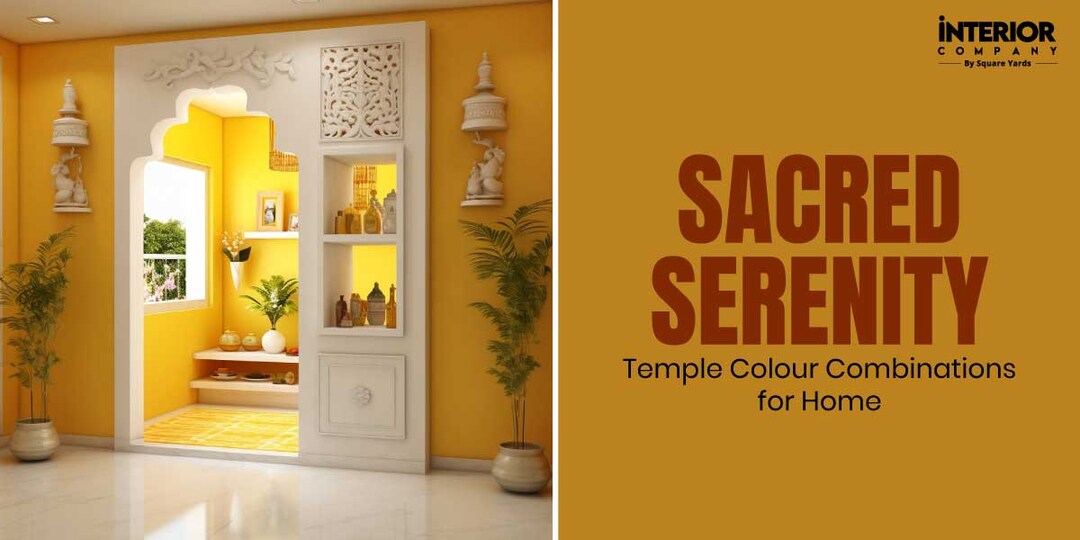
In our Indian culture, the Mandir holds a special place of significance, a centre of tranquillity and inner peace, adding a harmonious and divine vibe to the home. Therefore, ch
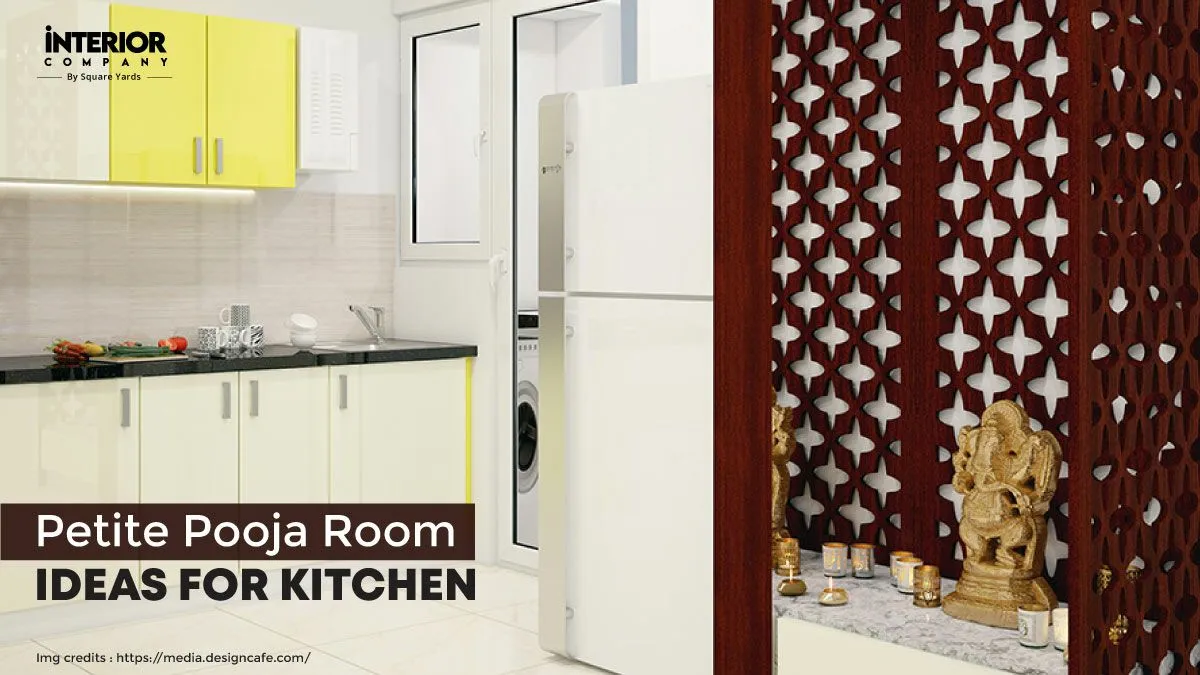
With the arrival of modern homes and limited spacing, time requires us to be creative about our space. As important as it is to have a mandir in your Indian home, having a
Explore Beautiful Mandir Designs That Add Serenity And Calmness To Your Home
Keep the home temple focused and serene so prayer stays at the centre. Start by setting a plinth near seat height, placing diyas safely, checking the door swing, tidying the wiring, and choosing a backdrop that allows idols and flowers to stand out. Contemporary rooms can borrow from modern home temple design with concealed brackets and soft LEDs, while heritage settings suit carved posts, bell rails, and warm teak. Plan colours with Temple Colour Combination, confirm placement with Vastu tips for Pooja room, refine openings using Pooja room door designs, and echo patterns from mandir jali design so every surface works together.
Types of Mandir Designs
Home Temple Design with Dome
A compact dome crowns the sanctum without overwhelming the ceiling. Veneer or carved teak with a slim cornice and a kalash finial keeps the silhouette sacred. A steady choice for pooja mandir designs that want a classic profile in apartments.
Home Temple Design with Storage
Daily use needs order. Add a shallow drawer for agarbatti and matches, a ventilated cabinet for oils, and a slide-out tray for books. This supports pooja room designs for the home that are used morning and evening.
Wall-Mounted Pooja Mandir Design
A floating unit frees the floor and looks light. Concealed brackets carry the load, a backlit panel frames the deities, and a slim canopy shapes the halo. A practical mandir design for a home when circulation is tight.
Floor Rested Pooja Mandir Design
A grounded base reads devotional and stable. Include a small step for diyas and lotas. Many pooja mandir models for the home choose this for festival rangoli and easy access.
Home Temple Design with Door
Jali or frosted glass shutters reduce dust and offer privacy. Soft-close hinges keep the sound gentle. A dependable choice for puja unit designs in multi-use rooms.
Open Wooden Pooja Mandir Design
Airy sightlines make daily darshan inviting. Slim posts, a neat canopy, and warm teak tones create presence without visual bulk. Fits pooja room designs for indian homes with frequent rituals.
Floor Rested Mandir Design with Doors
A plinth for stability and shutters for cleanliness. Perforated doors keep airflow. Helpful in the pooja mandir for home designs where family members pray at different times.
Open Floor Rested Mandir Design
If a corner is naturally hushed, go open. Keep the backdrop neutral, add a brass rail to rest lamps, and place a washable mat on the floor.
Floor Rested Mandir Design with Cabinets
Flanking cabinets hide bells, bhog bowls, and festival decor. Continuous skirting avoids dust pockets. A tidy solution within temple room design for a home without extra furniture.
Open Wall-Mounted Mandir Design
Slim floating shelves with a shallow canopy create a sacred ledge. Under-shelf lamps add glow. A renter-friendly path within home temple ideas.
Wall-Mounted Mandir Design with Doors
Compact and protected. Frosted acrylic sliders hide hardware and guard adjacent walls from soot. A crisp option under modular mandir design for apartments.
Modern Mandir Design Ideas For Contemporary Homes
A lot of newer mandir spaces are becoming quieter visually. Less carving. Fewer heavy borders. The focus has shifted more towards light, proportion, and how naturally the unit fits into the room around it.
Floating Wood Mandirs With Hidden Lighting
These usually work well in apartments where the living room already has a clean modern layout. A floating modern home temple design keeps the floor visible, which oddly makes even a smaller hall feel less crowded. Warm LEDs hidden below the shelf soften the whole setup by evening. White lights can feel too harsh here sometimes.
Marble Backdrop Mandir Designs
Some homeowners still want the mandir to stand out the moment you enter the room. Backlit marble panels do that beautifully, especially with brass accents or darker wood frames around them. Though in compact homes, very dramatic stone textures can start dominating the wall after a point.
Fluted Panel And Slatted Mandir Walls
This stylish modern mandir design trend is everywhere right now. Vertical wood battens, ribbed panels, even muted laminate textures. The cleaner lines work nicely in open layouts where the mandir shares space with the TV unit or dining area. Less visual noise. Easier to maintain too.
Glass and Metal Temple Units
Not as common as wood yet, but they suit contemporary interiors surprisingly well. Thin black frames, smoked glass shelves, softer lighting. Looks especially sharp in newer flats with neutral interiors. Though fingerprints on darker glass panels can become annoying very quickly.
Pooja Room Designs Based on Placement
Where the mandir is placed changes the feel of the house more than most people expect. The same unit can look calm and balanced in one corner, then strangely heavy in another. Usually, the surrounding space decides everything.
Hall Mandir Designs That Blend Into The Living Room
A hall mandir design often works best when it feels connected to the furniture nearby instead of looking like an isolated structure pushed against the wall. Some homes continue the same wood finish from the TV unit into the mandir area, which keeps the room visually quieter. This approach works especially well in mandir design for living room layouts and modern living room interiors, where too many contrasting finishes can make smaller spaces feel busy.
Corner Mandir Ideas For Compact Homes
Unused corners near windows or dining areas usually become the most practical spot for a small mandir. A floating shelf, soft back panel lighting, maybe one drawer underneath for incense and prayer books. That is enough in many apartments. Large floor-mounted units can block movement if the room is already tight.
Open Mandir Designs For Modern Layouts
An open mandir design for home suits newer apartments where the kitchen, dining, and living spaces flow together. Instead of building a fully enclosed pooja room, homeowners now prefer slatted dividers, lighter frames, and subtle pooja room partition designs. In tighter homes, simple wall partition designs usually feel less bulky than solid wood separators.
Dedicated Pooja Rooms In Larger Homes
Some families still prefer a separate god room in house layouts for daily prayers and festivals. These spaces usually carry more traditional detailing. Carved wood doors, marble flooring, brass accessories, storage for diyas and samagri. Feels different from compact living room mandirs immediately.
Living Room Temple Design
Create a quiet niche or floating ledge, hide wiring, and use jali doors so the space rests between gatherings.
Kitchen Temple Design
Choose a tiled backdrop and wipeable finishes. A slim cabinet end cap or window ledge shrine keeps routines easy.
Read also - Small Pooja Room in Kitchen Designs That are Curated for Indian Spaces
Office Temple Design
A small shelf with a matte stone panel and soft lighting that remains camera-friendly for calls.
Balcony Temple Design
A weather-protected cabinet with tempered glass, a marble or granite ledge, and LED-only lighting. Provide a small stool for sunrise aarti.
Bedroom Temple Design
If placed in the master bedroom, add doors and a soft curtain for privacy during sleep. Keep perfumes and cosmetics separate from mandir storage.
Simple And Compact Mandir Designs For Small Homes Or Apartments
Small mandirs usually feel better when the scale matches the house around them. In compact flats, oversized carving and deep cabinets can start crowding the room very quickly, especially when the mandir shares space with the living or dining area.
Wall-Mounted Temple Units
A floating simple mandir design for home keeps the floor visible and makes smaller rooms feel lighter. Many newer modern pooja unit design setups now use slim wooden shelves, soft backlighting, and narrow vertical panels instead of bulky frames. A compact pooja room shelf design also works well in small pooja room designs in apartments where deep cabinets can start crowding the wall very quickly.
Read also - Beautiful Wall Mandir Design Ideas for Every Taste and Budget
Mandirs With Storage Drawers
Storage changes how practical a mandir feels after a few months of actual use. A compact pooja cupboard designs setup or a small pooja almirah design helps organise incense boxes, cotton wicks, prayer books, and extra diyas without spilling things into nearby cabinets. Open shelves look clean initially, then slowly fill up during festivals.
Corner And Rack-Style Mandirs
Unused corners near windows, dining spaces, or hallway ends are often easier to work with than the main living room wall. A slim pooja rack design or compact prayer unit design fits naturally into these tighter layouts without interrupting movement around the room.
Foldable And Box-Style Temple Designs
Some homeowners now prefer compact pooja box design concepts that can close neatly after prayers. These modular units work well in studio apartments and multipurpose spaces where the mandir shares room with storage, work desks, or TV units. A small home temple setup like this also needs far less maintenance than heavily carved wooden temples.
A Checklist For Designing A Pooja Room In A Small Space
- Pick a quiet corner away from heavy circulation.
- Choose a wall-mounted unit with a drawer and canopy.
- Use a warm, reflective backdrop, such as light stone or back-painted glass.
- Add a fold-down diya shelf, limit the number of idols, and include a rug for kneeling.
- A compact plan like this fits pooja room designs in city apartments without clutter.
Read also - Beautiful Small Pooja Room Design in Apartments
Traditional Indian Style Pooja Room Designs
Traditional mandirs still feel most natural in homes with warmer materials and heavier detailing. Carved wood, brass bells, stone textures, patterned jaali panels. These elements age well when the rest of the house carries a similar warmth.
Carved Wooden Devghar Designs
A detailed devghar design for home usually becomes the visual centre of the room immediately. Teak finishes, pillar-style frames, and traditional arch patterns remain common in larger Indian homes. This style still appears often in a middle class Indian style pooja room because carved wood and warmer tones feel familiar without needing excessive detailing.
Marble Temple Designs
White marble remains one of the most used materials in Indian style pooja room designs because it reflects light softly and feels easier to maintain over time. Some families also combine marble backdrops with brass accessories and traditional floor seating.
Temple-Inspired Pooja Rooms
A full thakur ghar design or hindu temple designs for home setup often includes carved doors, storage drawers, hanging diyas, and decorative ceilings. Traditional pooja room door design patterns with brass handles and carved borders still work beautifully in larger homes. In compact apartments, though, excessive detailing can start feeling visually heavy.
Modular, Wooden And Furniture Mandir Designs
Furniture-style mandirs work well in homes where the pooja space needs to blend into the rest of the interiors instead of standing separately.
Modular Mandir Units
A compact modular temple design keeps the setup organised without taking over the room. Many newer apartments now use slim drawers, concealed storage, and cleaner shelves instead of deep carved cabinets. These layouts pair naturally with modern modular storage solutions where the mandir blends into surrounding cabinetry more comfortably.
Pooja Cupboards And Almirah Designs
A closed pooja almirah design helps hide incense boxes, prayer books, oil bottles, and extra samagri that otherwise start collecting around open shelves. In smaller flats, a tall pooja room cupboard designs setup often uses vertical space more efficiently than wider temple units.
Wooden Furniture Mandirs
A freestanding furniture mandir design suits larger living rooms where the unit can hold visual weight comfortably. Some homeowners still prefer solid wood temple units with drawers, side pillars, and carved doors because they feel closer to older pooja ghar design styles seen in traditional Indian homes.
Mandir Wall And Background Design Ideas
The wall behind the mandir changes the entire setup more than the unit itself in many homes. Even a simple shelf starts looking finished once the backdrop is handled properly.
Backlit Stone And Marble Panels
A soft-lit mandir background design with marble or textured stone creates depth without adding bulky detailing. Warmer lighting works better here than sharp white LEDs, especially at night.
Wood And Fluted Panel Walls
Vertical battens and ribbed wood textures are now common in pooja room wall design layouts for modern apartments. They keep the setup cleaner visually and work well with floating temple shelves.
CNC And Decorative Panels
Laser-cut jaali sheets, geometric patterns, and layered mandir panel design concepts add detail without making the wall feel too heavy. These textured backdrops often work alongside modern wall panel designs where the mandir blends more naturally into the surrounding interiors.
Best Materials For Designing A Pooja Room
Choose materials for mood, upkeep, and budget.
- Wood mandir design: Warm and timeless. Use seasoned teak or oak veneer, and polish periodically in humid cities.
- Marble mandir design: Luminous and cool, easy to clean, premium cost, very durable for the latest mandir design for home.
- Glass mandir design: Light and modern. Tempered shelves and hidden wiring, balanced with brass for warmth.
- Stone mandir design: Kota, sandstone, or granite ground the room. A textured slab adds depth behind idols.
- Corian mandir design: Seamless and easy to clean, routed niches with soft backlight suit modern puja room design.
- Granite mandir design: Hard-wearing and heat-tolerant. Darker stones hide soot.
- Cement mandir design: Microcement provides a calm, monolithic matte finish for a minimalist prayer room design.
- Paper mandir design: Festive and temporary. Use LED tealights only.
- Metal mandir design: Brass or copper frames feel ceremonial. Powder-coated steel gives slim lines for a unique modern home temple design.
- Acrylic mandir design: Translucent and budget-friendly. Frosted panels diffuse LEDs.
- PVC mandir design: Low maintenance and modular for rentals.
- Ply temple design: MR or BWR-grade cores with veneer or laminate, with a backbone for pooja unit interior design.
- Thermocol mandir design: Festival-friendly and temporary. Keep away from flames.
- MDF temple design: Smooth for CNC patterns. Seal edges and avoid direct high heat.
- Aluminium pooja room design: Slim profiles and durable sliders that pair well with jaali inserts.
Luxury And Large Pooja Room Ideas
Larger homes usually have enough space to treat the mandir as a separate architectural feature instead of fitting it into an existing corner.
Floor-to-ceiling stone backdrops, carved pillars, chandelier lighting, and oversized brass accessories are common in luxury mandir design layouts. Some families also prefer a dedicated prayer room with double doors and detailed ceiling work inspired by traditional temples.
A big mandir design for home needs enough empty space around it to breathe visually. In tighter rooms, oversized carving and darker materials can start overpowering everything nearby very quickly.
Best Colour Combinations For A Pooja Room
- Ivory with brass: Calm, pure, and bright. Ivory keeps the space light while brass adds a gentle glow.
- Cream with teak: Warm and grounded. Cream softens the room and teak brings natural depth.
- Sand beige with white: Soft balance that suits small or large corners. Clean, airy, and easy to maintain.
- Sage with stone: Fresh and soothing. Sage adds a hint of green while stone feels steady and timeless.
- Maroon with ivory: Use sparingly for a festive note. Maroon gives richness, and ivory keeps it refined.
Vastu Tips For Designing A Pooja Room
- Best direction – The ideal location is the northeast corner of the home, known as Ishanya. If that is not possible, east- or north-facing walls are also acceptable.
- Idol placement – Keep idols a few inches away from the wall so air can circulate behind them. Avoid placing them directly on the floor.
- Facing while praying – Face east. West is the next best option.
- Lighting – Natural light is ideal. Add a diya or lamp that burns steadily on the right side of the devotee.
- Colours and materials – Use light shades such as white, cream, or pale yellow. Wood and stone are better than plastic or metal finishes.
- Clean layout – Keep the pooja space clutter-free. Avoid storing household items in this area.
- Ceiling and doors – A low false ceiling or heavy door is not advised. The entry should feel open and peaceful.
Read also - 6 Pooja Room Vastu Tips Must Follow for Positive Energy and Prosperity
Top Mandir Lighting Ideas For Your Sacred Space
- Layer the light: Build a calm glow with multiple sources. Combine gentle ambient light with focused accents so metal feels rich and stone stays soft.
- Create a halo: Use a small canopy or cove to graze the idols from above. This brings depth without harsh shadows.
- Wash the backdrop: Add a ceiling spot to bathe the back wall. The deity remains the focus while the background feels serene.
- Mark the plinth: Install a low-step light to guide feet and softly outline the platform.
- Keep it warm: Choose a warm colour temperature for evening comfort. The light should feel peaceful and inviting.
- Plan clean wiring: In modern pooja unit design, hide drivers inside side cabinets. Place a master switch near the entry for easy control.
- Prioritise safety: Keep real flames away from panels. Provide ventilation slots to allow heat to escape and extend the life of fittings.
Read also - Ingenious Pooja Room Lighting Ideas for Your Sacred Space
Modern Pooja Room Door Designs
- Materials: Solid wood brings warmth and a calm presence. Glass inserts brighten the area. Metal trims add a clean, modern edge.
- Glass choices: Frosted glass offers privacy while allowing soft light to pass through. Fluted glass adds texture and a gentle glow.
- Patterns and motifs: CNC-cut panels in wood or metal create subtle lotus, leaf, or geometric grids. Keep patterns simple so the room feels serene.
- Door formats: Sliding doors save space in compact homes. Double doors suit larger rooms and feel ceremonial. Pivot or framed swing doors work well where there is clear space.
- Hardware accents: Brass or matte black handles add quiet character. Use the same finish on stops and hinges for a unified look.
- Colours and finishes: Light oak, ash, white, or soft beige keep the pooja area bright. Clear coats and low sheen finishes feel calm and refined.
- Lighting integration: A soft LED strip around the frame or behind a panel creates a gentle halo. Keep drivers hidden and controls near the entry.
- Practical and Vastu-friendly: Ensure smooth movement and tidy wiring. Place a real flame safely away from panels. Keep the door design open and welcoming to make the space feel peaceful.
Read also - Elegant Pooja Room Door Design for Indian Homes in 2026
12 Pooja Room False Ceiling Designs You Can Try
- Traditional embossed medallion with a small bell hook.
- Minimal tray ceiling with a warm perimeter strip.
- Compact chandelier above the aasan with safe lamp clearance
- Back-painted glass inserts in a timber grid for gentle sparkle.
- Clean the POP soffit with a recessed deity niche.
- Wood and jaali ribbon for small rooms where texture must work harder.
- Open plan ceiling ribbon to mark the prayer zone.
- Soft colour POP bands for festive contrast.
- Kerala-style rafters for a pitched roof character.
- Vintage panels repainted neutral to bridge old and new.
- Pinpoint spots that graze the backdrop instead of shining into eyes.
- Contrasting tray in the living areas to frame a wall shrine.
Read also - Inspiring Pooja Room False Ceiling Design Ideas That Beautify Your Divine Space
Latest Pooja Cupboard Design Trends
Compact pooja cupboards sit neatly on a living room wall or tuck into a kitchen niche. They keep the space calm, organised, and easy to clean. Here are some trending pooja unit designs that fit in well in kitchens and living walls:
- Slim pull-outs for incense sticks and small lamps. Setup stays quick, and shelves stay safe from heat.
- Modular trays for bhog bowls. Lift out to serve and slide back in after use.
- Soft-close drawers with spice-style dividers for kumkum, haldi, camphor, and cotton wicks.
- Hidden charging inside a closed cubby for rechargeable aarti lamps. No loose wires on show.
- Breathable jali fronts that allow gentle airflow so fragrance stays fresh while the cabinet looks discreet.
- Choose heat-resistant surfaces near diya points. Add wipe-clean liners under trays. Use warm lighting inside to make the nook feel serene without glare.
Planning Your Stylish Modern Mandir Design
- Fix the location and the devotee’s facing direction, and verify with Vastu tips for the Pooja room, if it is important to the family.
- Select a core material that matches the use and budget. Marble feels luxe, teak feels heirloom, and engineered wood keeps costs predictable.
- Decide whether to keep open or shuttered, and consider perforated doors for shared spaces.
- Plan lighting early, a canopy halo, a gentle ceiling wash, and an accessible switch by the approach path.
- Organise storage, shallow drawers for daily items and deeper cabinets for festival decor.
- Finalise the backdrop, jaali, stone, lime paint, or tile with a simple palette.
- Add accents, a bell rail, a brass urli, a diya platform, and a washable mat.
- Test ergonomics, seat height, reach, and flame clearance.
- Mock up colours in morning and evening light to confirm the modern pooja unit design remains calm.
Pooja Room Planning Tips And Mistakes To Avoid
A mandir may look beautiful in photos and still feel uncomfortable in daily use. Small planning decisions change that very quickly.
- Open shelves collect dust, flower residue, and incense ash faster than closed storage units.
- Deep carved wood looks rich but takes more cleaning effort than flatter panels.
- Very dark backdrops can make compact mandirs feel visually heavier.
- A small pooja room organisation setup with drawers keeps diyas, incense boxes, and prayer books from spreading into nearby cabinets.
- Warm lighting works better for most mandir decoration ideas at home than bright white LEDs.
- Floating shelves usually make smaller apartments feel less crowded than floor-mounted temple units.
- Electrical points should stay hidden behind the unit wherever possible.
- In enclosed spaces, poor ventilation can leave smoke marks on lighter walls surprisingly fast.
Choose A Trusted Brand, Interior Company For Designing Your Pooja Room
Interior Company balances mandir interior design with ergonomics, light, and storage so pooja room designs feel devotional and easy to use. From modern puja room design to heirloom-inspired sanctums, our team coordinates finishes with the living palette and joinery so the shrine integrates naturally. Explore marble pooja room design, Pooja room door designs, pop ceiling design for pooja room, and middle-class indian style pooja room design to plan details with confidence.
Frequently Asked Question (FAQs)
Does the pooja room direction matter in modern homes?
Many families still consider pooja room direction as per vastu while planning the mandir, especially in dedicated prayer rooms. In smaller apartments, though, ventilation, comfort, and practical placement usually become equally important.
Can a mandir be placed in the living room or bedroom?
Yes, add doors or a curtain for privacy and calm.
Are wall-mounted mandirs good for small apartments?
Yes. A floating mandir design for home keeps the floor visible and usually makes compact rooms feel less crowded than large floor-mounted units/ foldable units with concealed storage.
What size should my home mandir be?
Plinth near seat height with 30 to 38 cm shelf depth for safe diya placement.
Should I go for a closed-cabinet-style mandir or an open-shelf design?
Closed suits multi-use rooms, open feels airy for daily darshan.
Which material works best for a mandir design for home?
Wood and marble remain the most common choices. Wood creates a warmer traditional look, while marble reflects light well and feels easier to maintain in many Indian homes.
What lighting works best for pooja rooms?
Warm concealed lighting works better in most pooja room design layouts than bright white LEDs. Softer light feels calmer and reduces glare around marble or glossy surfaces.
What are some innovative mandir designs for modern homes?
Backlit jaalis, floating bases, foldable bays, marble and glass backdrops with concealed storage.
How do you maintain wooden mandirs?
Regular dusting matters more than polishing. Deep carvings collect ash and dust faster, especially near incense and diyas.
What should I avoid keeping inside the mandir area?
Electronics, cosmetics, and unrelated storage.
How much budget should I keep for a small to medium mandir?
Plan from modular engineered wood to premium marble, depending on scope.
How can I design a mandir in a rented house without permanent changes?
Choose floating or foldable units with minimal drilling.