
- Design Ideas
- Cities
- Trends
- Guides
- Price Calculators
- Interior DesignersNEW
- Our Portfolio
- More


- Home
- Interior Design Ideas
- Pooja Mandir Design Ideas
- Traditional Mandir Designs
Traditional Mandir Designs
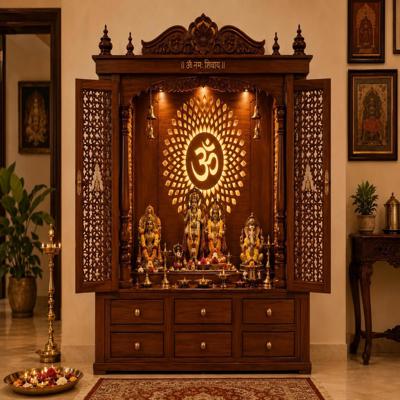
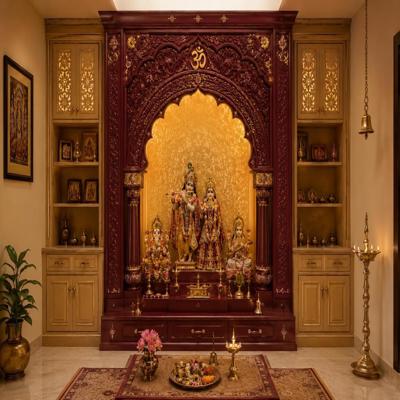
A mandir should feel peaceful before it looks beautiful. You notice the quiet first. Then the grain of the wood, the weight of the base, and the way the bell rests. In many homes, a small niche or a clean wall is enough. Light from one side, a low platform, space to sit for a minute. A mandir built this way settles into the room and stays there. Families still choose traditional wooden pooja mandir designs for the home because wood holds warmth. Carvings catch soft shadows. Brass lamps and small bells sit naturally against it. The work feels patient. It ages well. With stone at the plinth and a simple back panel, the area reads steady through the day. The plan is simple in traditional pooja room designs. Clear floor. Easy access. Storage that hides the clutter. No gloss where it is not needed. A traditional mandir design for the home comes together when the idol is placed at the right height and the light lands gently. Nothing loud. Nothing forced. A corner that holds prayer without asking for attention....Read More
Filter









Vastu Insights by Our Experts
Watch our designers decode the balance between design, energy, and harmony for your home.









Pooja Mandir Design Ideas for You
- Color
- Theme
Rejuvenate Your Space with a Variety of Options
- Theme + Color


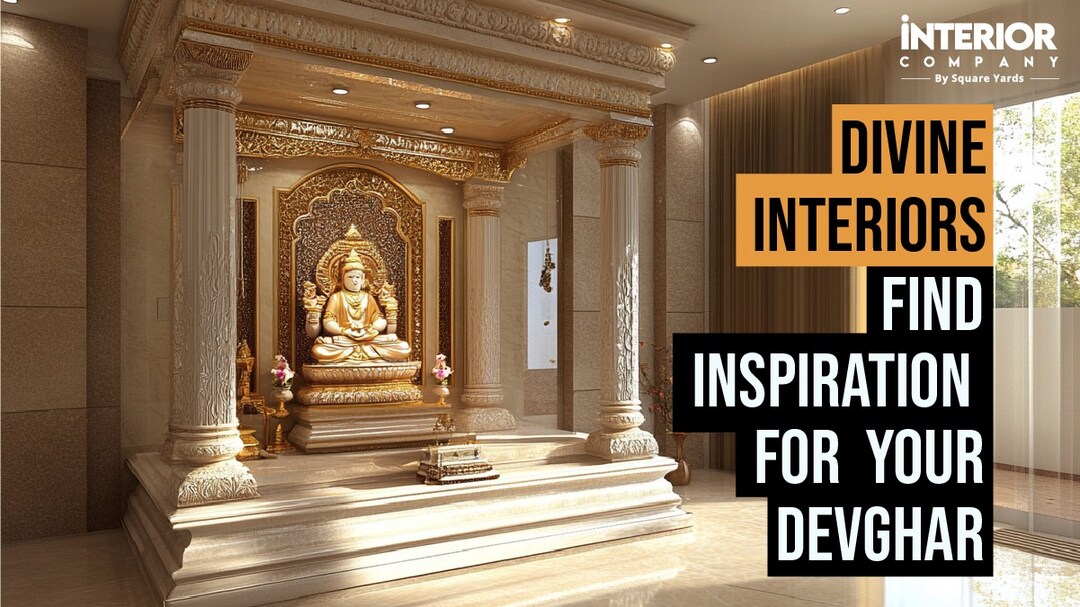
Only praying can bring peace when the world seems to be a little too much. For many, the pooja room is a safe space during challenging times, offering a space for reflection and
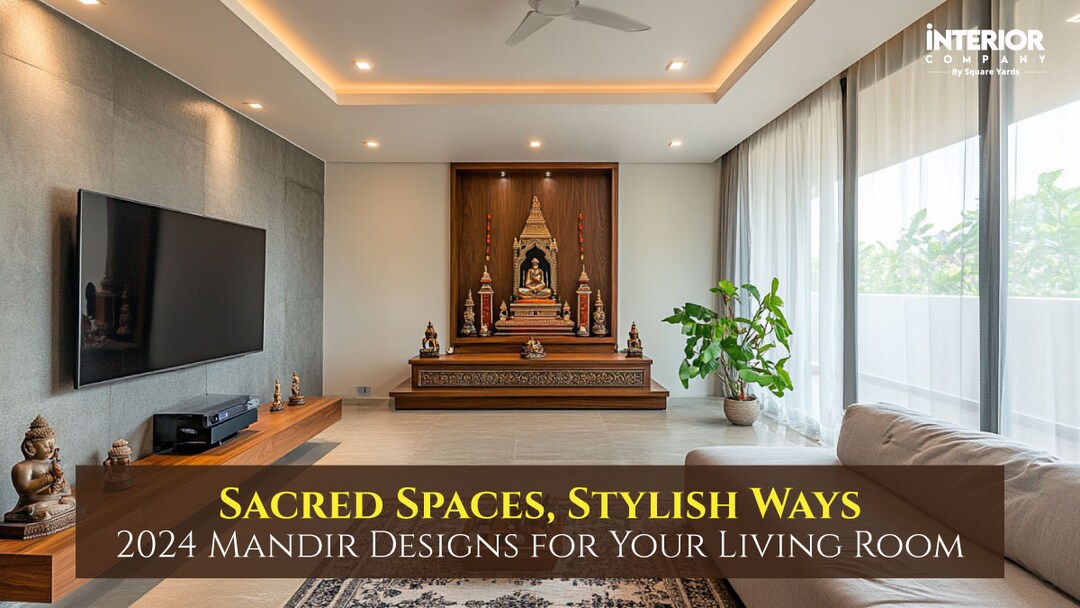
In an era where minimalism often reigns supreme and digital distractions are ubiquitous, the yearning for spiritual solace has never been more profound. Once solely dedicated to

The mandir is often one of the first spaces people decide on while planning a home. It has a clear purpose and is thus given a proper place and direction. In Indian homes, the m
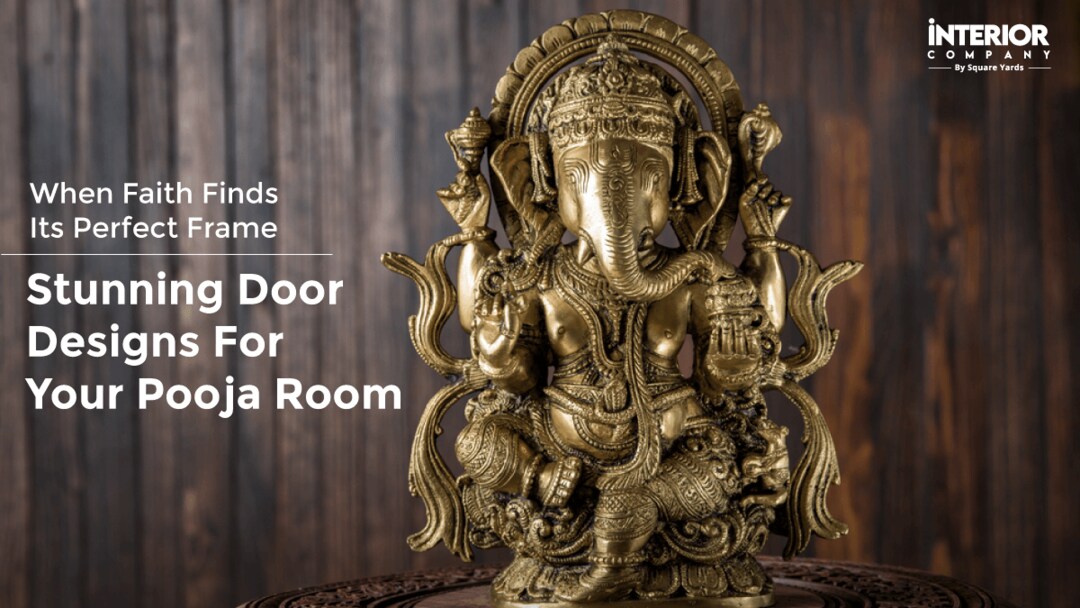
The best pooja room door designs include CNC mandir door designs, carved wooden doors, glass pooja room doors, and sliding pooja doors. Depending on your space and budget, you c
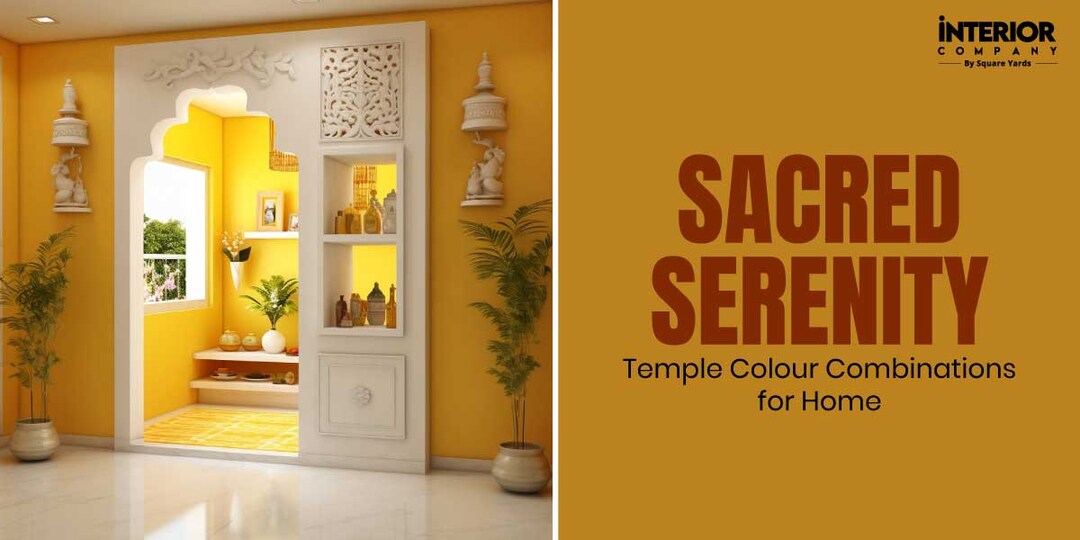
In our Indian culture, the Mandir holds a special place of significance, a centre of tranquillity and inner peace, adding a harmonious and divine vibe to the home. Therefore, ch
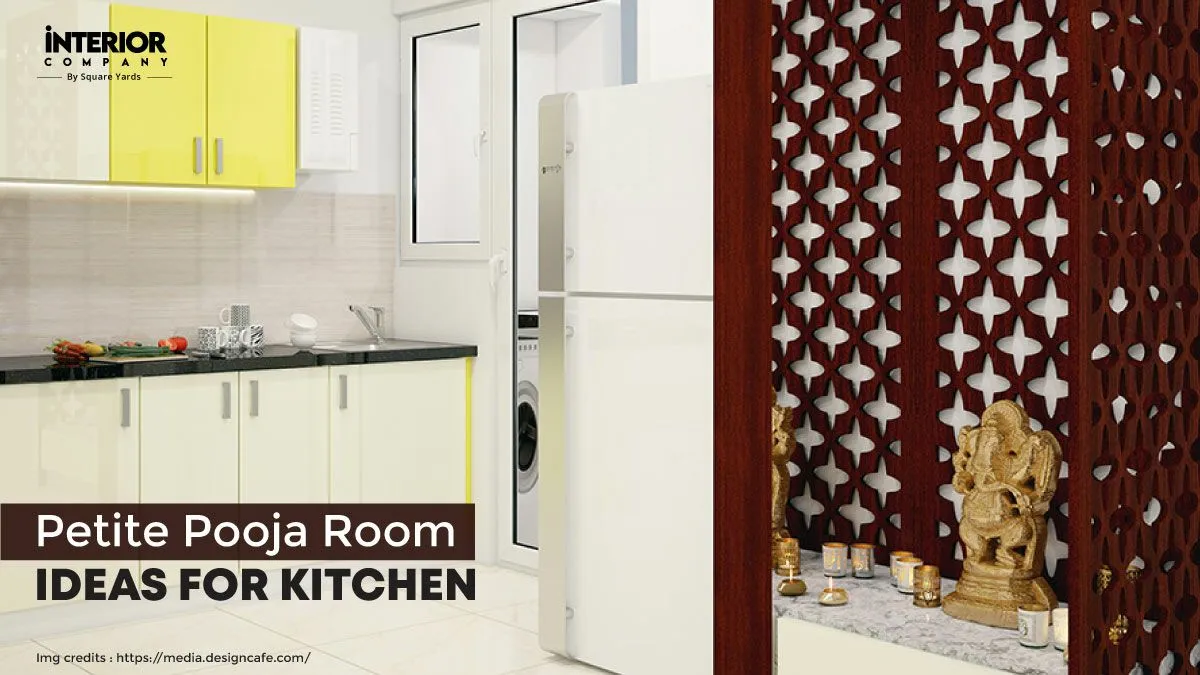
With the arrival of modern homes and limited spacing, time requires us to be creative about our space. As important as it is to have a mandir in your Indian home, having a

Classic Pooja Room Designs for Your Home
A pooja room feels right when it holds a quiet stillness. Every home shapes it differently, yet the heart stays the same. Keep a clear backdrop, gentle light, and honest natural materials. Let the idol sit at comfortable eye level and allow room to bow and move. Tuck storage out of sight so daily rituals feel unhurried. A touch of brass, a hint of sandalwood, and good ventilation complete the calm.
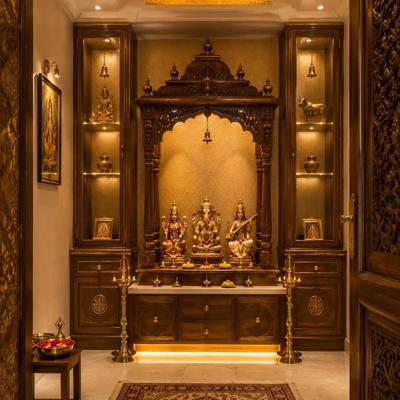
Wooden Mandir with Carved Pillars
Pillars and arches give a temple-like outline. Teak or sheesham keeps it warm and steady. A drawer base holds lamps and incense. The finish stays matte so carvings show their detail. This fits well with traditional pooja room designs that follow old crafts but live in modern flats.
Also Read: Wooden Mandir Design Ideas That are Popular in Indian Homes
Compact Wall-Mounted Devghar
For smaller homes, a wall-mounted unit keeps the floor free. A shallow box with a carved frame and soft backlight turns one corner sacred. It suits small pooja room layouts that rely on height rather than width.
Also Read: Ingenious Wall Mandir Design Ideas That Blend with Space Interiors
Free-Standing Wooden Mandap
A mandap that stands alone brings presence. A raised plinth, dome top, and carved railing define the shape. Use this in large rooms where many share in prayer. The design matches a traditional wooden pooja mandir design for a home where the mandir becomes a central piece.
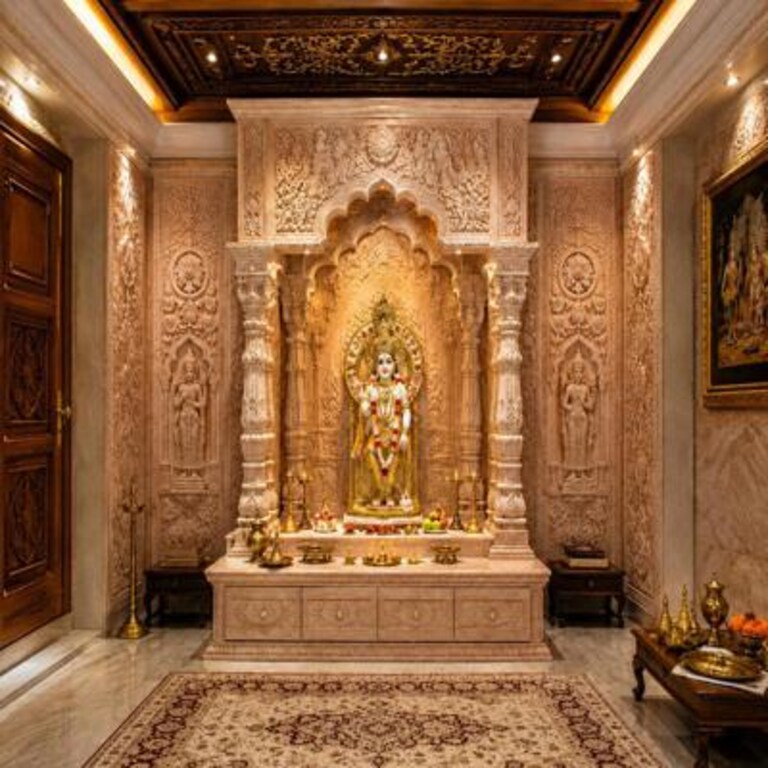
Marble Mandir with Brass Detail
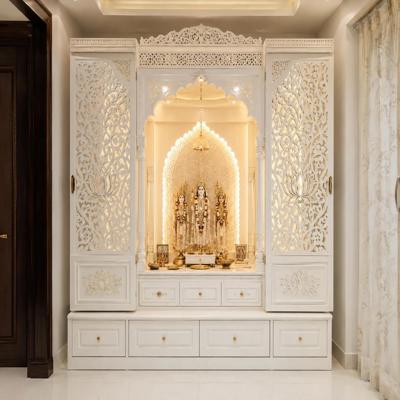
Marble adds calm, brass adds light. A white base with brass bells feels timeless. It blends smoothly with both mandir-inspired home designs and traditional interiors. The texture stays cool, the tone pure.
Also Read: Marble Pooja Room Design Ideas That Create an Attractive Sacred Space
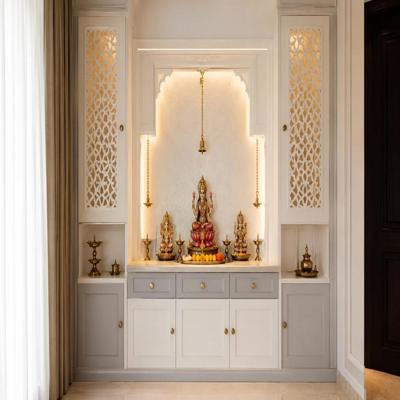
Simple Niche with Wooden Frame
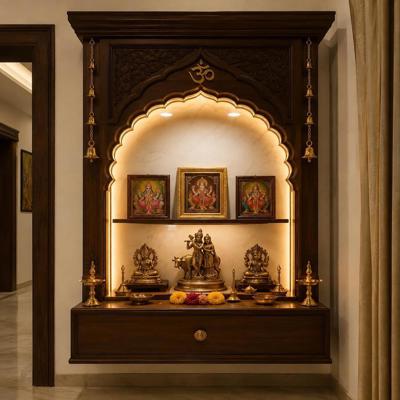
Sometimes a wall niche is enough. Add a wooden frame and a single ledge. Keep it open and easy to clean. This form suits compact homes that prefer minimal work but want a steady sacred space.
Pro Tips
- Pick soft warm light, never coloured LED.
- Use natural polish over lacquer to keep wood breathing.
- Keep the mandir slightly raised from the floor for easy cleaning.
- Blend small carved accents if you want a link to contemporary mandir design without losing tradition.
Which material is better for a traditional pooja room?
A pooja room lasts when the material feels natural. Every surface should carry warmth and hold light softly. The texture of wood, stone, or brass adds depth without noise.
Teak Wood
Teak is strong, rich, and holds polish for years. Its golden tone deepens with time. Carved teak doors and pillars remain steady and smell faintly sweet. Most traditional mandir designs for home plans still favour it for its age-old look and calming effect.
Sheesham Wood
Sheesham has darker veins that clearly show the grain. It suits homes that want warmth and detail. A sheesham base with a marble top balances the tone. It works well with traditional pooja room designs that call for visible craft and a solid frame.
Marble
Marble keeps the space bright. It stays cool, is easy to clean, and works with both old and new homes. White or light beige fits best. A brass bell or diya stands out clearly on this surface.
Granite or Stone Base
A heavy stone base grounds the mandir. It carries the weight of idols and adds permanence. Grey or black stone looks neat with brass fittings.
Brass and Metal Accents
Use brass lightly, handles, bells, and diya plates. It reflects warm light without overpowering the wood. This small detail completes the traditional pooja room interior design and adds the glow that old temples always had.
Pro Tips
- Avoid laminate on pooja walls; natural surfaces age better.
- Keep polish matte to let carvings show.
- Mix only two materials — too many break the calm.
- Match the metal tone of handles and bells for a balanced finish.
Also Know: Key Pooja Room Vastu Guidelines for Prosperity
5 Best False Ceiling Design Ideas for Traditional Mandir
A false ceiling design above the mandir alters how light and sound are distributed in the room. It shapes the corner without drawing attention away from the idols. The right false ceiling design helps the mandir glow softly and stay peaceful through the day.
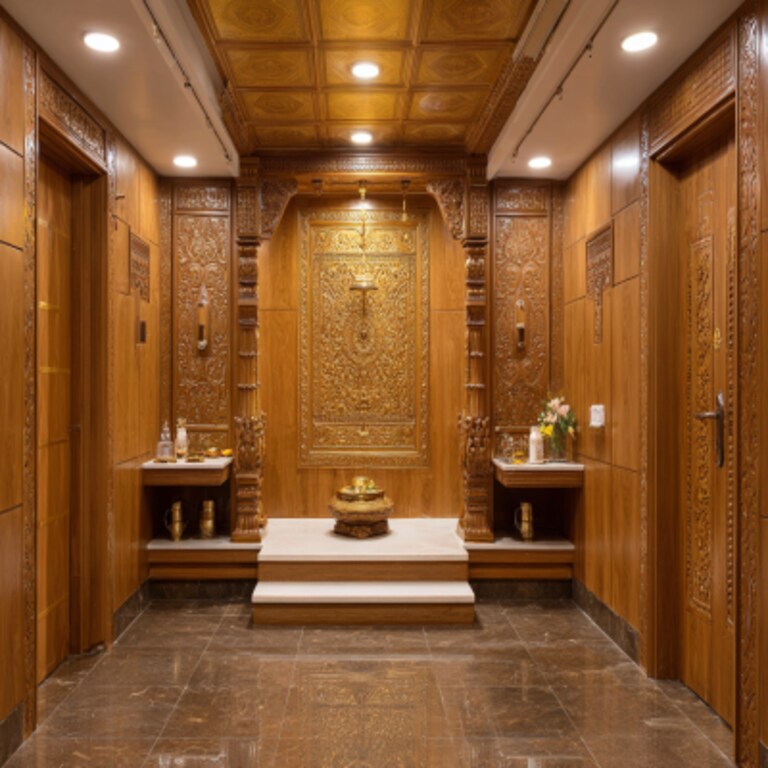
Wooden Panel Ceiling
A simple wooden ceiling with narrow beams keeps the tone warm. Use teak or a natural-polyurethane veneer. It pairs well with a traditional mandir design for a home that already has carved pillars or arches. The texture ties the elements together.
Tray Ceiling with Soft Cove Light
A shallow tray ceiling lets hidden light spread evenly. A soft yellow glow around the edge works best. It keeps the focus low, near the idols, while brightening the upper wall. This idea fits both traditional pooja room designs and modest spaces in city homes.
Carved Border Ceiling
A carved border with floral or geometric motifs gives detail without clutter. Painted in the same tone as the walls, it feels handworked and old. The design suits traditional pooja room interior design, where craftsmanship is part of the look.
Marble-Inspired Ceiling Tile
For homes with marble mandirs, continue the material overhead. Thin marble-effect tiles or stone panels create a quiet link between the top and bottom. Light reflections make the space feel larger and calmer.
Wood and Brass Combination Ceiling
Thin brass strips set between wood panels bring a soft shimmer. When light hits, the glow looks natural and warm. This ceiling detail blends well with carvings, bells, and diyas used in traditional wooden pooja mandir designs for the home.
Pro Tips
- Keep false ceilings low and simple; avoid layered frames.
- Use dimmable warm light, not bright white.
- Match the ceiling polish with the mandir wood to stay consistent.
- Clean recessed panels often to prevent dust near lighting fixtures.
Elegant Door Ideas for Traditional Pooja Rooms
A pooja room door design softens the noise of the house and protects the quiet inside. A traditional door does not need shine or heavy polish; it only needs good balance and honest craft. Choose solid wood with simple carving or a delicate lattice that filters light without blocking it. Keep proportions steady, let the handle sit comfortably in the hand, and allow the door to close with a calm sound. A small bell, a brass knocker, or a narrow glass panel can add grace without drawing attention away from the shrine.
Carved Wooden Door
Old homes often used carved doors for temples. The work stayed light but meaningful, lotus leaves, or small bells near the centre. Teak or sheesham shows these lines well. A traditional pooja room design looks complete when the door holds these marks of handwork.
Jaali Door with Brass Knobs
A jaali keeps air moving while softening what’s inside. Brass knobs or small strips along the frame add a gentle glow. Patterns can stay simple; even a plain square grid looks right against wood. This idea works best with traditional wooden pooja mandir designs for the home that use open, airy frames.
Double Door with Frosted Glass
Two narrow doors open slowly, letting in filtered light. Frosted glass hides the inside without blocking warmth. The texture catches light from diyas and makes the corner glow. This choice fits old apartments following mandir design for home ideas that mix quiet function with grace.
Also Read: Modern Pooja Room Glass Door Designs You Must Consider for Your Sacred Space
Panel Door with Bells
Small bells tied near the frame chime before the prayer starts. The tone feels natural, never sharp. A few are enough, one row near the middle, another at the top. This simple touch suits traditional mandir design for home interiors that value sound and memory together.
Wood and Metal Frame Door
A wooden door with fine brass strips or handles adds depth without clutter. Metal keeps edges neat, and the door stays firm for years. It looks grounded —never flashy —a detail most homes miss but notice once added.
Pro Tips
- Let the door open inward to keep the movement natural.
- Use soft hinges to avoid creaking sounds.
- Polish wood with oil or wax instead of paint.
- Keep the design low-shine so it ages well with the rest of the mandir.
Wall Painting Ideas for a Traditional Pooja Room
Wall colour should feel calm. It must hold a diya’s glow and stay gentle in daylight. Keep the finish soft, the tones warm, and the surface easy to clean. Lime wash or eggshell gives a quiet sheen that suits prayer time. Off white with a hint of sandalwood, muted saffron, or clay-based neutrals work well beside brass and wood. Test a small patch near the shrine, watch it through morning and evening, then commit once it feels peaceful.
Warm Earth Tones
Beige, clay, muted terracotta. These colours take light well and soften sharp edges. Wood and brass sit naturally against them. Old homes often used these shades for the same reason.
White and Cream Base
White feels pure. Cream adds warmth. Both make small rooms look open and let carvings stand out. A plain wall behind idols keeps focus steady in traditional pooja room designs.
Muted Gold Wash
Not metallic paint. A light hand-brushed gold wash only. It gives a faint glow behind the idol and reads calm with warm bulbs. Works best in a single panel, not a whole room.
Lime Wash or Subtle Texture
Lime wash leaves a soft, hand-done look. Gentle texture breaks flatness without drawing attention. Pair it with a simple temple colour combination so the room feels rooted.
Small Floral or Lotus Motif
One motif behind the idol is enough. Lotus, leaf, or vine in a lighter tone than the wall. The pattern should sit low and quiet, not fill the panel.
Pro Tips
- Two colours only; more breaks the calm.
- Use washable, low-sheen paint to handle smoke from lamps.
- Match the wall tone with the door frame and ceiling for a steady read.
- Test the colour at dusk; that is when the room is often used.
Conclusion
A traditional pooja room is never only about design; it is about feeling. The way light rests on the idol, the smell of oil and wood, the sound of a bell that fades slowly. These small details make the space feel alive. The best rooms do not try too hard. They rely on honest materials —wood, stone, and brass —and a layout that leaves room for silence.
You can build a pooja room in a large house or carve a small mandir into a city flat. The approach stays the same: balance light, keep the floor clear, and let the colour stay warm. Choose carvings that speak softly and polish that age well. It should feel familiar every morning, not new each time.
If you’re planning or refining your pooja room, Interior Company can help design one that fits your home, your tradition, and the way you pray.
FAQs on Traditional Mandir Design
What is a traditional pooja room design?
A traditional pooja room design is a space built with simple lines, warm materials, and quiet details. Wood, brass, and stone form the base. The room feels calm, not decorative.
How can I design a pooja room in traditional Indian style?
Use wood for the structure, brass for fittings, and soft light. Keep idols at eye level and store daily items neatly. This approach suits traditional pooja room designs in most Indian homes.
What colours are ideal for a traditional pooja room?
Soft tones work best: cream, beige, or muted gold. They hold the glow of diyas and keep the space balanced. These shades pair well with any temple colour combination inspired by old shrines.
How can I decorate a traditional pooja room?
Less is more. A brass lamp, a small bell, and one framed print are enough. Avoid plastic or bright decor. Choose pieces that feel lived in, not new.
What is the ideal direction for a traditional pooja room as per Vastu?
The northeast corner is considered the ideal direction for a traditional pooja room as per Vastu. It receives the first light of the day and stays cool. The idol should face west or east, depending on the layout.
How do I include a traditional pooja room in a modern home?
Keep the structure simple but use traditional materials. A small wooden mandir with carved panels, or a contemporary mandir design detail, can fit into any modern home interior.
Which type of lighting suits a traditional pooja room?
Warm white or soft yellow. A hidden light above the idol and a diya at the base give balance. Avoid bright LED strips.
What flooring is best for a traditional pooja room?
Marble, granite, or smooth wood. The surface should stay cool and easy to clean. Rugs or mats can add comfort, but must remain simple.
What are trending traditional pooja room ideas in 2026?
Smaller mandirs with built-in storage, hidden lights, and carved lattice doors are some of the trending traditional pooja room ideas for 2025. Homes now mix wood and marble for a clean, classic tone.
Can I use marble for the entire pooja room?
Yes, but mix textures. Polished marble for the floor, matte for the wall. Brass and wood accents keep it from feeling cold.
How can I keep my pooja room sacred and clutter-free?
Store items in drawers or baskets under the mandir. Clean lamps often. Keep only what you use daily. A quiet corner stays sacred when it stays simple.