- Design Ideas
- Cities
- Trends
- Guides
- Price Calculators
- Interior DesignersNEW
- Our Portfolio
- More


- Home
- Trends
- Room
- Living Room
- Drawing Room Interior Design Ideas
Inside The Most Beautiful Drawing Room Designs People Can’t Stop Admiring

People often assume a good space is about colours or sofas. It rarely is. What makes someone pause at the entrance of a home and quietly take it in usually comes down to intent. A well-planned drawing room design feels composed before you notice any single element. The seating looks like it belongs there. Light falls where it should. Nothing seems added just to fill space.
That’s why scrolling through random drawing room interior design ideas can feel oddly unsatisfying. Pretty pictures don’t explain why one beautiful drawing room feels inviting while another looks staged. The difference hides in choices most people don’t realise they’re making. Understanding those choices changes how you see the room, and once you see it, you can’t unsee it.
Table of Content
What Defines A Drawing Room Today?
Drawing Room vs Living Room: Why People Mix Them Up
How Professionals Plan Layout Before Styling Anything?
12 Expert Drawing Room Design Ideas That Actually Work
- 4.1 Inward-Facing Seating Arrangement
- 4.2 Panelled Accent Wall Behind Sofa
- 4.3 Layered Lighting With Multiple Sources
- 4.4 Marble-Top Centre Table With Metallic Accents
- 4.5 Floor-Length Curtains That Extend Visual Height
- 4.6 A Single Oversized Artwork Instead Of Many Small Frames
- 4.7 Low Seating With A Wide Rug Base
- 4.8 Glass or Open-Base Furniture For Visual Lightness
- 4.9 Built-In Wall Niches With Soft Backlighting
- 4.10 Symmetrical Twin Armchairs Flanking The Sofa
- 4.11 Neutral Base With One Deep Accent Tone
- 4.12 Floating Console With Sculptural Decor
Furniture Planning Rules Most People Get Wrong
Small Drawing Room Design Strategy
Closing The Curtain
What Defines A Drawing Room Today?
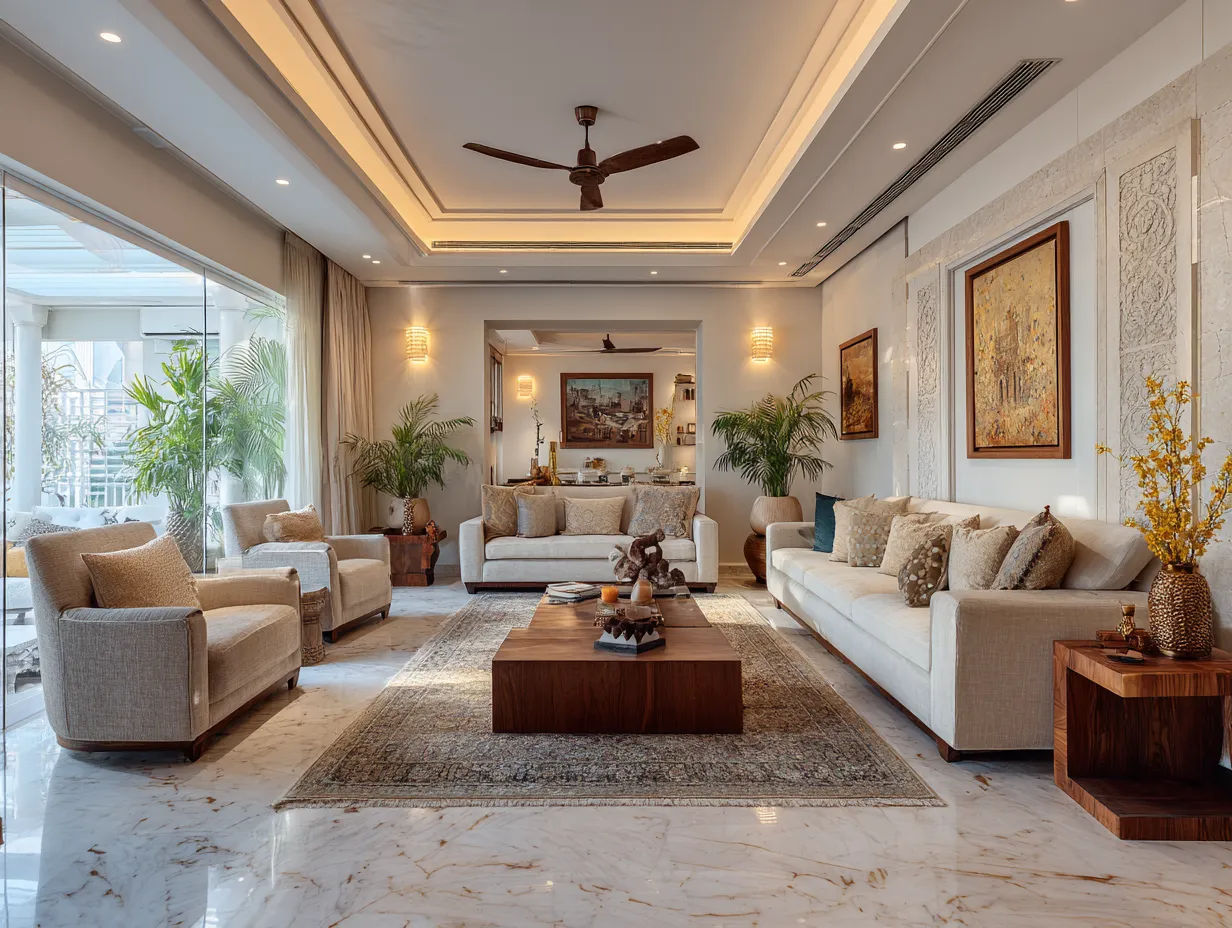
Ask someone what a drawing room is, and you'll usually hear something vague about a formal sitting area. That description isn't wrong, just incomplete. Traditionally, this room was meant for receiving guests, which is why older homes treated it almost like a presentation space. Today, the function has shifted, but the psychology hasn't disappeared. Even in modern homes, the drawing room interior design often signals the personality of the house before anything else does.
Unlike a casual lounge, a drawing room is intentional. Seating faces inward, not toward a screen. Movement paths stay clear. Decor choices feel deliberate rather than accumulated. That's the quiet distinction most people sense without being able to explain it. It's also why copying random drawing room design inspiration rarely works. The layout logic matters more than the objects inside it.
You'll notice this most clearly when comparing homes that follow strong drawing room interior design planning with those that rely only on decoration. One feels composed the moment you step in. The other might look nice in photos, yet slightly unsettled in person.
Drawing Room vs Living Room: Why People Mix Them Up
The difference between the drawing room and the living room becomes obvious once you think about how each space is used. A drawing room is usually planned for guests. Seating turns inward. The arrangement feels intentional. A living room grows around everyday life instead. Furniture shifts. People sprawl. Nothing stays perfectly aligned for long.
When those roles get mixed, the discomfort is subtle but real. A TV-centred setup inside a formal guest space can feel misplaced. So can rigid seating in a room meant for relaxing. You might not spot the issue instantly, yet something doesn't sit right. Clarify the room's purpose first, and decisions about proportion, placement, and even comfort start making more sense. These changes can easily set apart the drawing room and living room interior design.
How Professionals Plan Layout Before Styling Anything?
Before any fabric, colour, or decor enters the picture, designers solve the invisible structure of the room. They study how someone steps in, where the eye settles first, and how people naturally move through the space. This early planning stage is what separates a composed drawing room design from one that only looks good in photographs.
- Entry Viewline: The first thing visible when someone walks in becomes the visual anchor. Strong drawing room design always controls this sightline.
- Movement Path: Clear walking space is non-negotiable. If circulation feels tight, the room feels smaller, no matter its size.
- Seating Direction: Conversation beats symmetry. Chairs angled inward work better than furniture pushed flat against walls.
- Proportion Check: The best design for drawing room layouts matches furniture scale to room size, not showroom trends.
- Focal Priority: One element leads. Not three. It could be artwork, a panel wall, or a window. Multiple focal points create visual noise.
- Balance Test: Designers step back and mentally remove pieces. If the layout still looks stable, it's balanced. If it collapses visually, something is oversized or misplaced.
12 Expert Drawing Room Design Ideas That Actually Work
Most people start with sofas or colours. Designers usually don't. They look at how the room holds itself together first, then choose elements that strengthen that structure. The ideas below aren't trends pulled from catalogues. Each one changes how the room feels the moment it's applied. Some are subtle. Some are visible immediately. All of them are practical enough to work in real homes, not just styled photos.
Inward-Facing Seating Arrangement
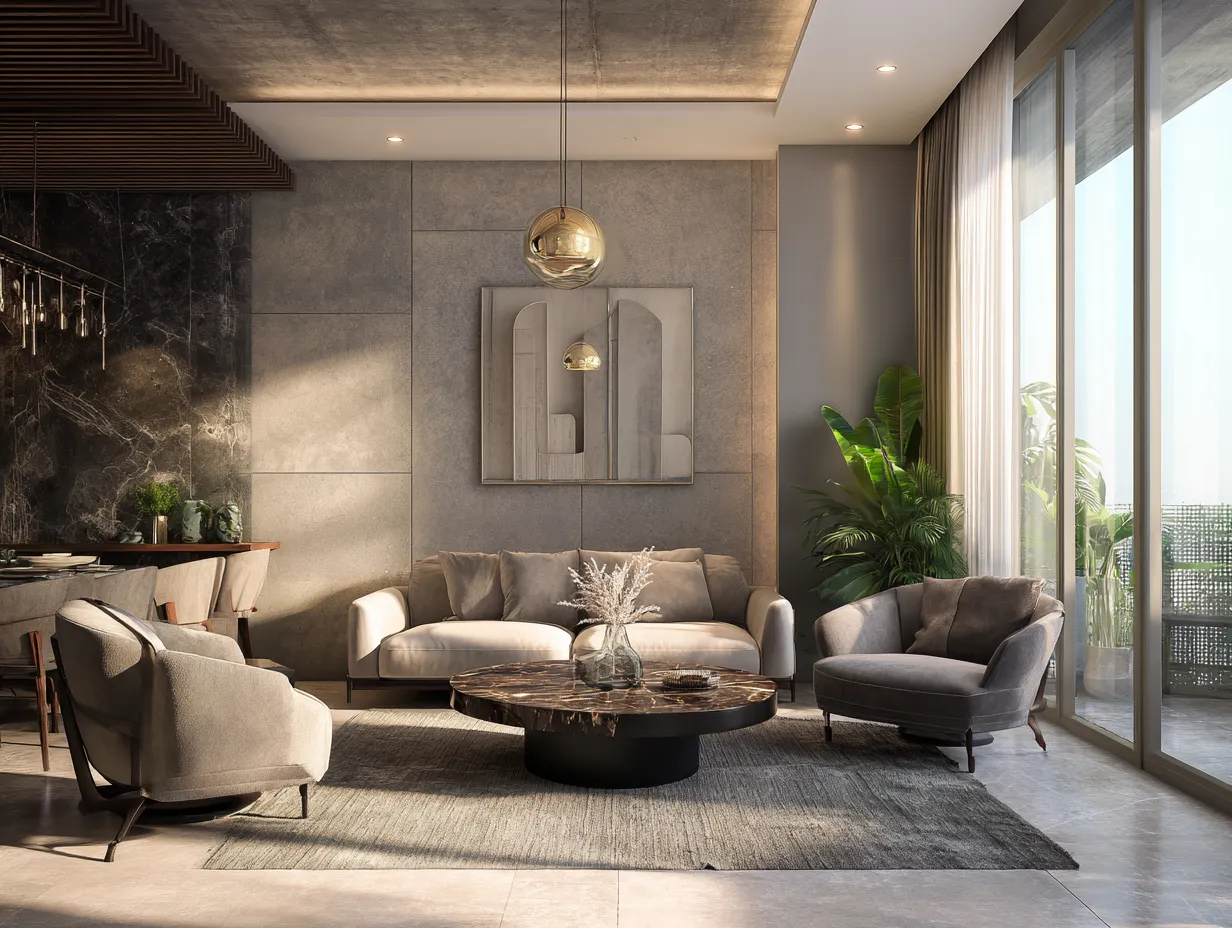
One of the most reliable drawing room design ideas is also one of the simplest. Turn the seating toward each other instead of lining everything along the walls. The shift looks minor on paper, yet the effect in person is immediate. The room feels purposeful. Guests don't have to lean forward or twist to talk. Interaction happens naturally.
This layout works especially well when you want a beautiful drawing room that feels composed rather than casual. Even in compact spaces, slightly angling two chairs toward a sofa can change the atmosphere. The mistake people make is assuming symmetry matters more than direction. In reality, orientation shapes comfort far more than matching pieces ever will.
Also Read: Small Living Room Interior Design Ideas That Amp Up Your Interiors
Panelled Accent Wall Behind Sofa
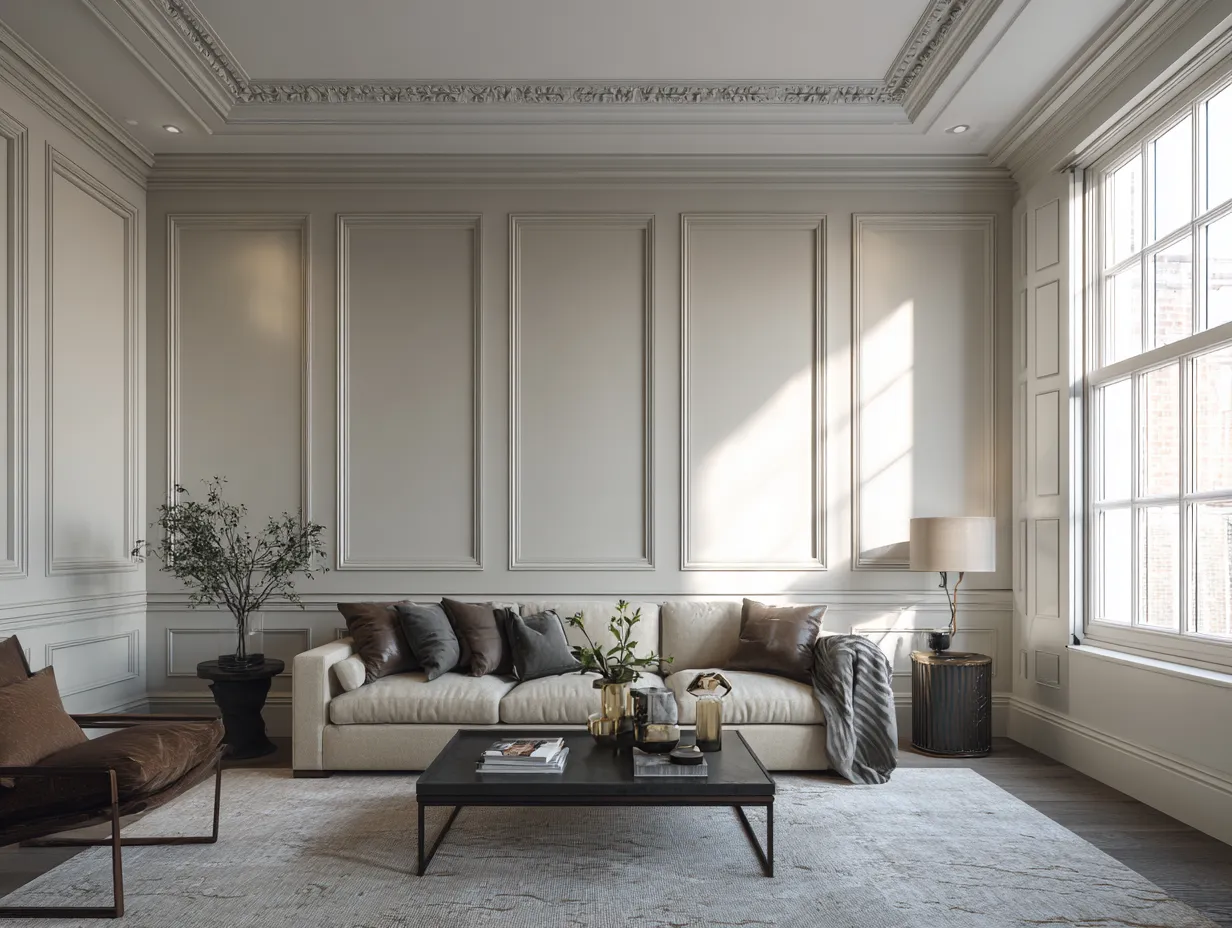
Walls often get treated as background when they can quietly anchor the entire room. A structured backdrop behind the main sofa instantly strengthens the drawing room interior design because it gives the eye a place to settle. Panels, mouldings, or framed sections create depth without crowding the space.
This approach suits both modern and classic settings, which is why it appears frequently in the latest drawing room design projects. The key is restraint. One defined wall works. Covering every surface weakens the effect. When done right, the wall supports the furniture instead of competing with it.
Check out: Handpicked Living Room Wall Design Ideas That are Stylish & Functional
Layered Lighting With Multiple Sources
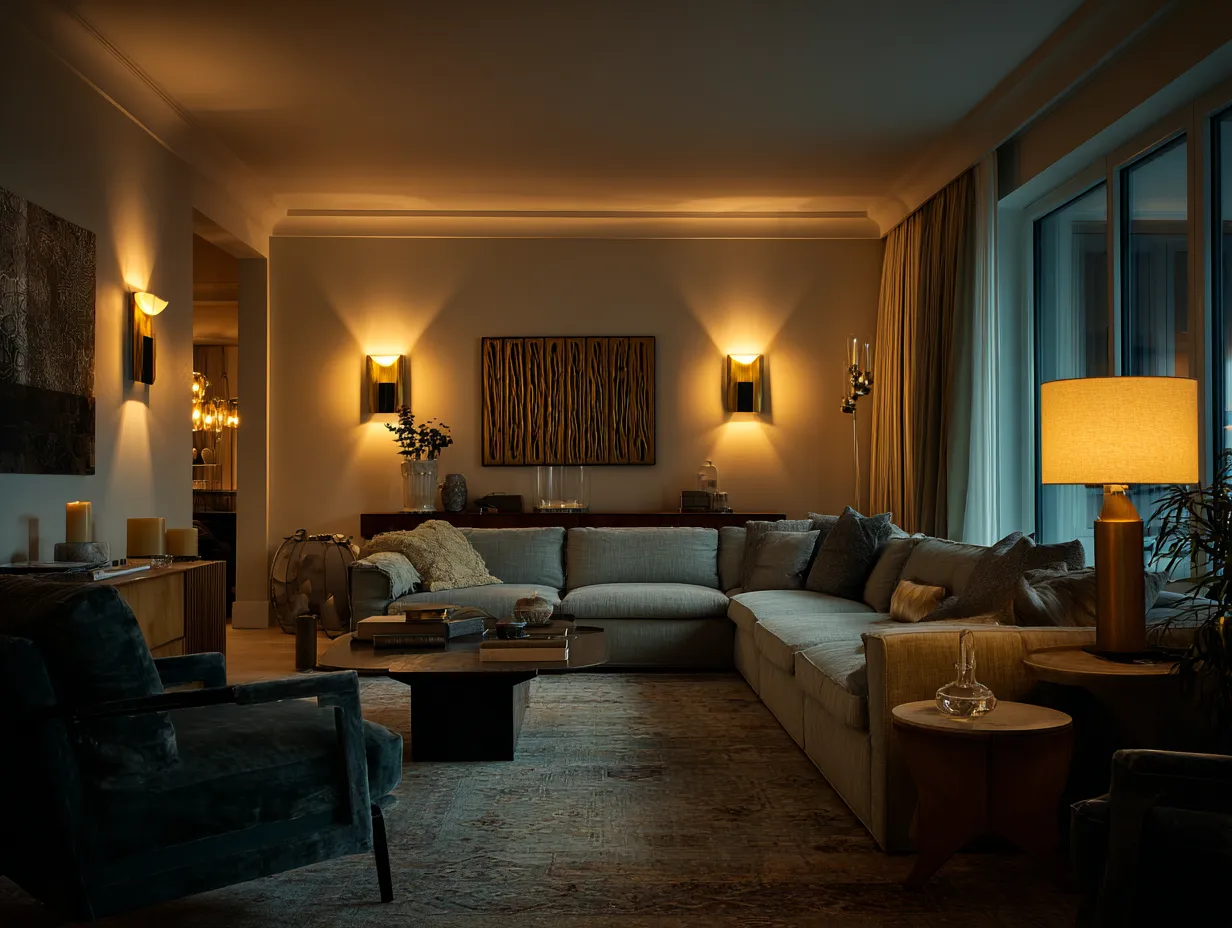
Rooms lit from a single ceiling fixture almost always feel flat. Designers rarely rely on just one source. They combine overhead light, side lighting, and low lamps so the space changes character throughout the evening. That layered approach is central to modern drawing room design because it lets you adjust the mood instead of locking the room into one brightness level.
A common oversight is placing beautiful furniture under harsh lighting that cancels its texture and colour. When lighting is distributed instead of concentrated, materials start showing their details. The room looks warmer and more considered, without anything new being added.
Also Read: Living Room Lighting Ideas That Change the Ambience of Your Space
Marble-Top Centre Table With Metallic Accents
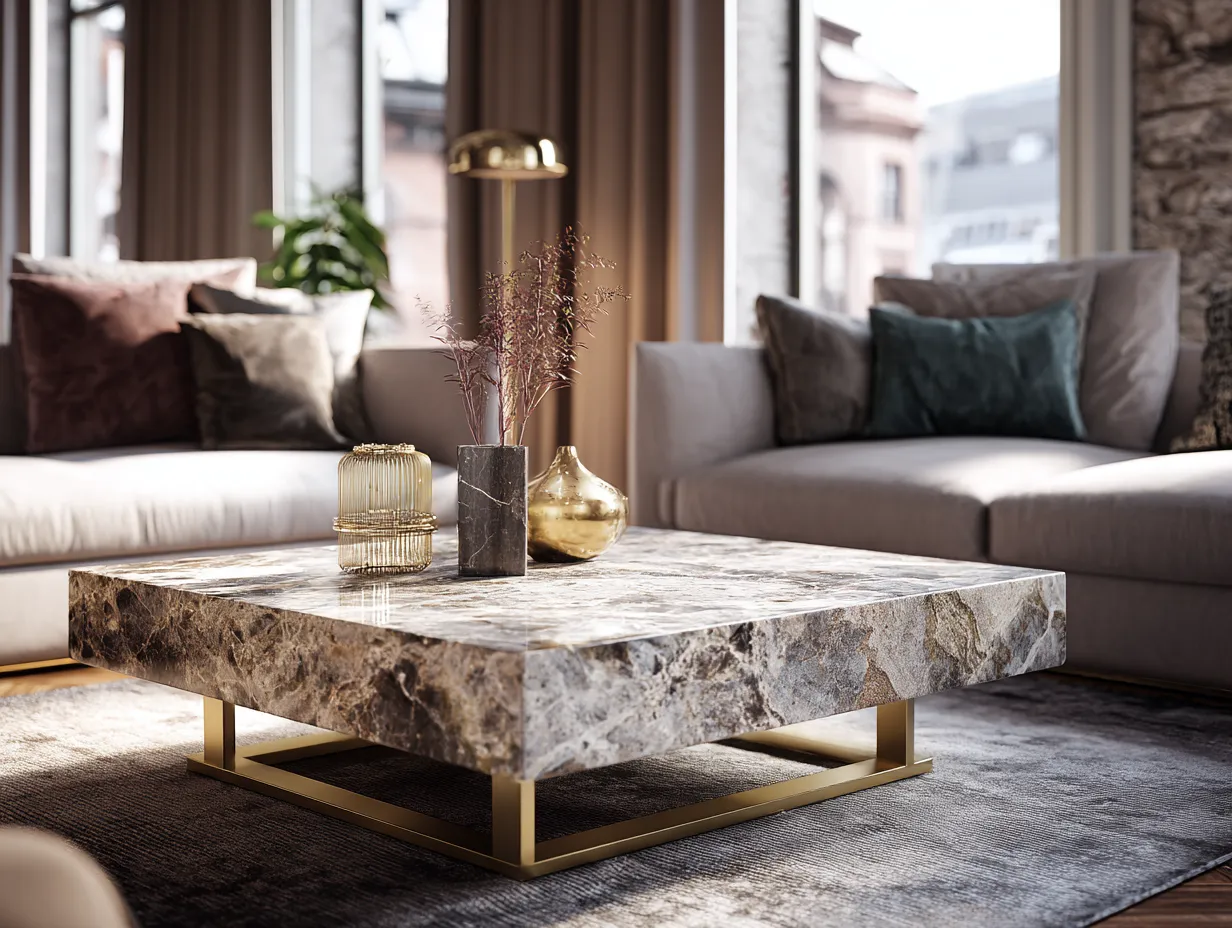
Not every focal point needs to be large. Sometimes a single refined surface can elevate the whole setting. A stone or marble-top table paired with subtle metal detailing adds weight to the centre of the arrangement, which is why it often appears in luxurious drawing room design concepts.
This works best when surrounding elements stay calm. If everything in the room tries to stand out, nothing actually does. One polished element placed at the visual centre gives structure to the layout and makes the rest of the decor feel intentional rather than assembled.
Also Read: Marble Dining Table Designs That Elevate Your Home Interiors
Floor-Length Curtains That Extend Visual Height
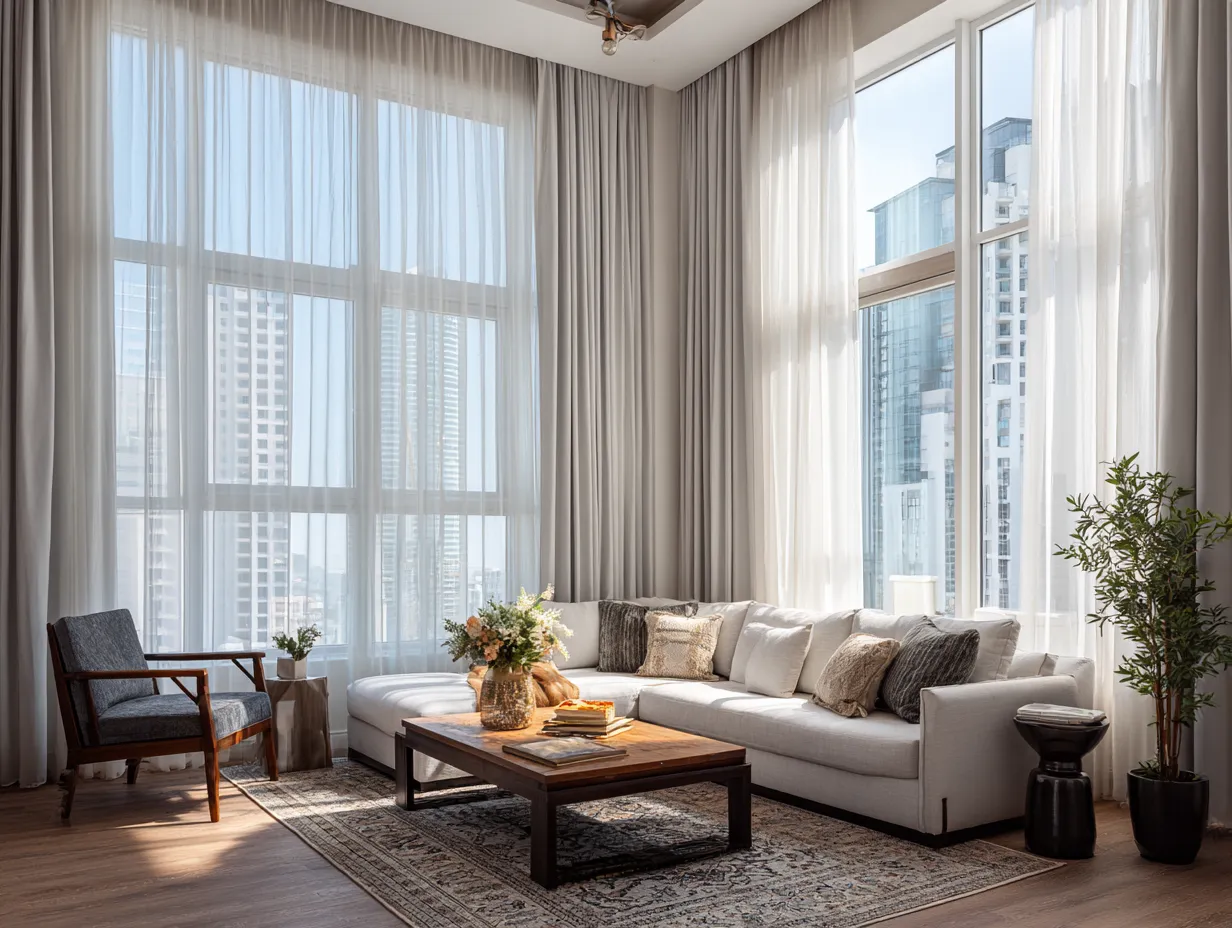
Short curtains quietly cut a room's height. Full-length ones do the opposite. Running fabric from near ceiling level down to the floor stretches the vertical line of sight, which is why designers often rely on this trick in drawing room interior ideas meant to make spaces feel taller than they actually are.
It works particularly well in apartments where ceiling height can't be changed structurally. Instead of modifying architecture, the visual proportion shifts. Many small drawing room interior design layouts use this method because it adds scale without adding objects. The only rule is continuity. Curtains should fall cleanly, not bunch midway, or the illusion disappears.
Also Read: Modern Living Room Curtain Ideas That Transform the Ambience of Space
A Single Oversized Artwork Instead Of Many Small Frames
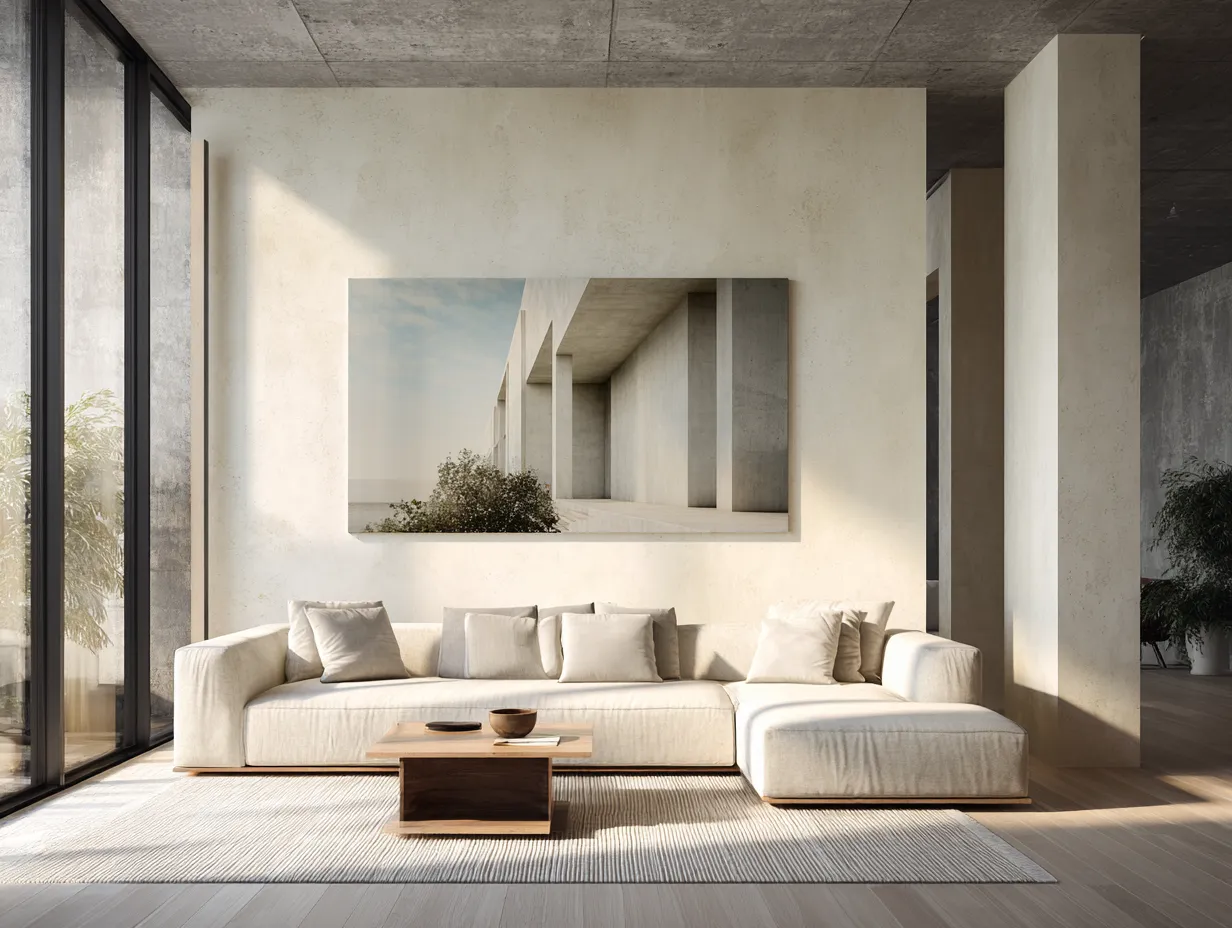
Gallery walls can work, but they demand precision. One large artwork is simpler and often stronger. It establishes a focal point instantly and reduces visual clutter, which is why professionals often recommend it when planning home interior design drawing room schemes.
Smaller frames scattered across a wall tend to fragment attention. A single statement piece gathers it. This approach is especially effective if you're aiming for a calm, modern drawing room decor direction where the room feels intentional rather than decorated piece by piece.
Low Seating With A Wide Rug Base
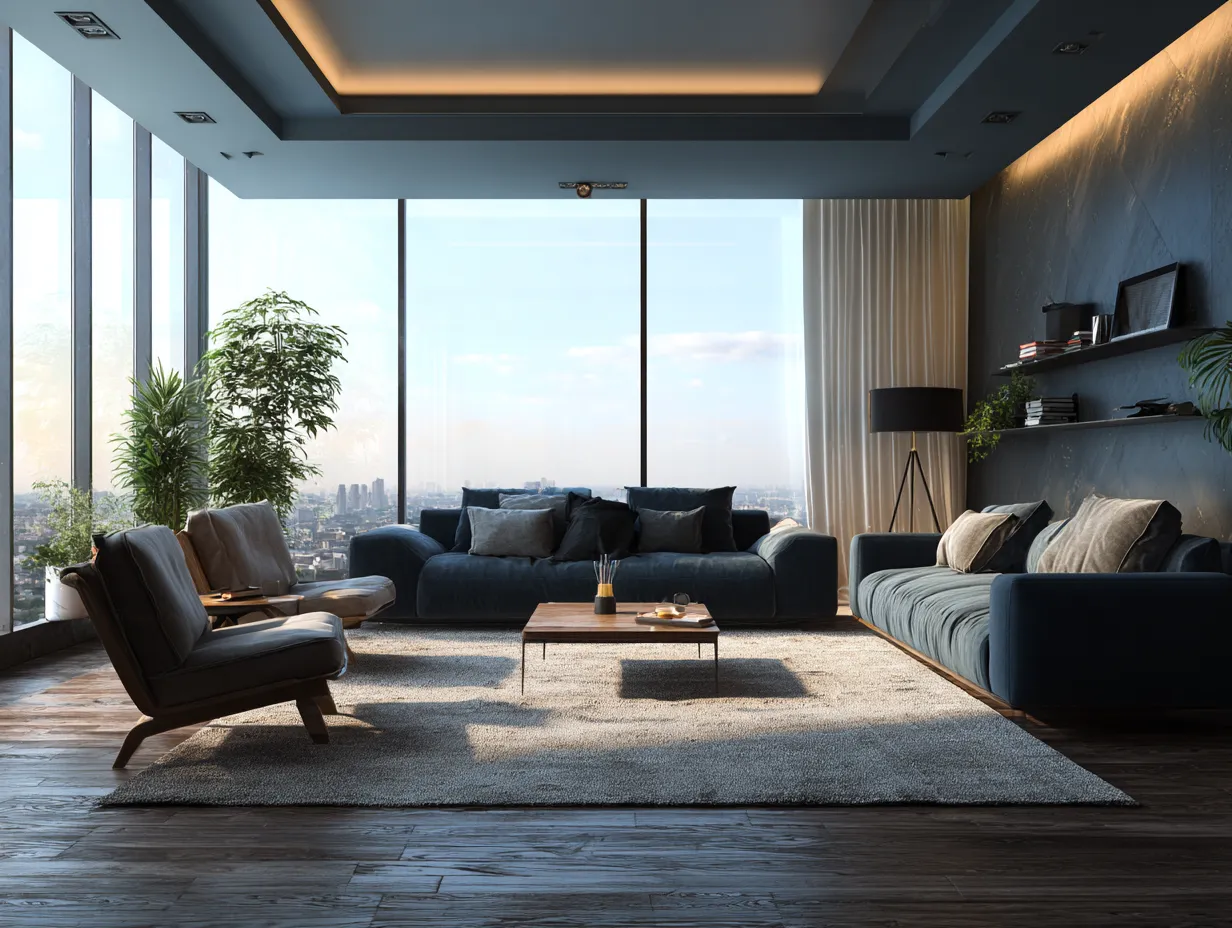
Lower furniture subtly changes spatial perception. When seating sits closer to the floor and rests on a generously sized rug, the room feels broader and more anchored. This technique appears often in drawing room ideas in India because it adapts well to both compact flats and larger homes.
The rug matters as much as the furniture. Too small, and everything looks disconnected. Wide enough, and the layout reads as one composition. Many simple drawing room interior design plans rely on this combination to create presence without crowding the room with extra elements.
Glass or Open-Base Furniture For Visual Lightness
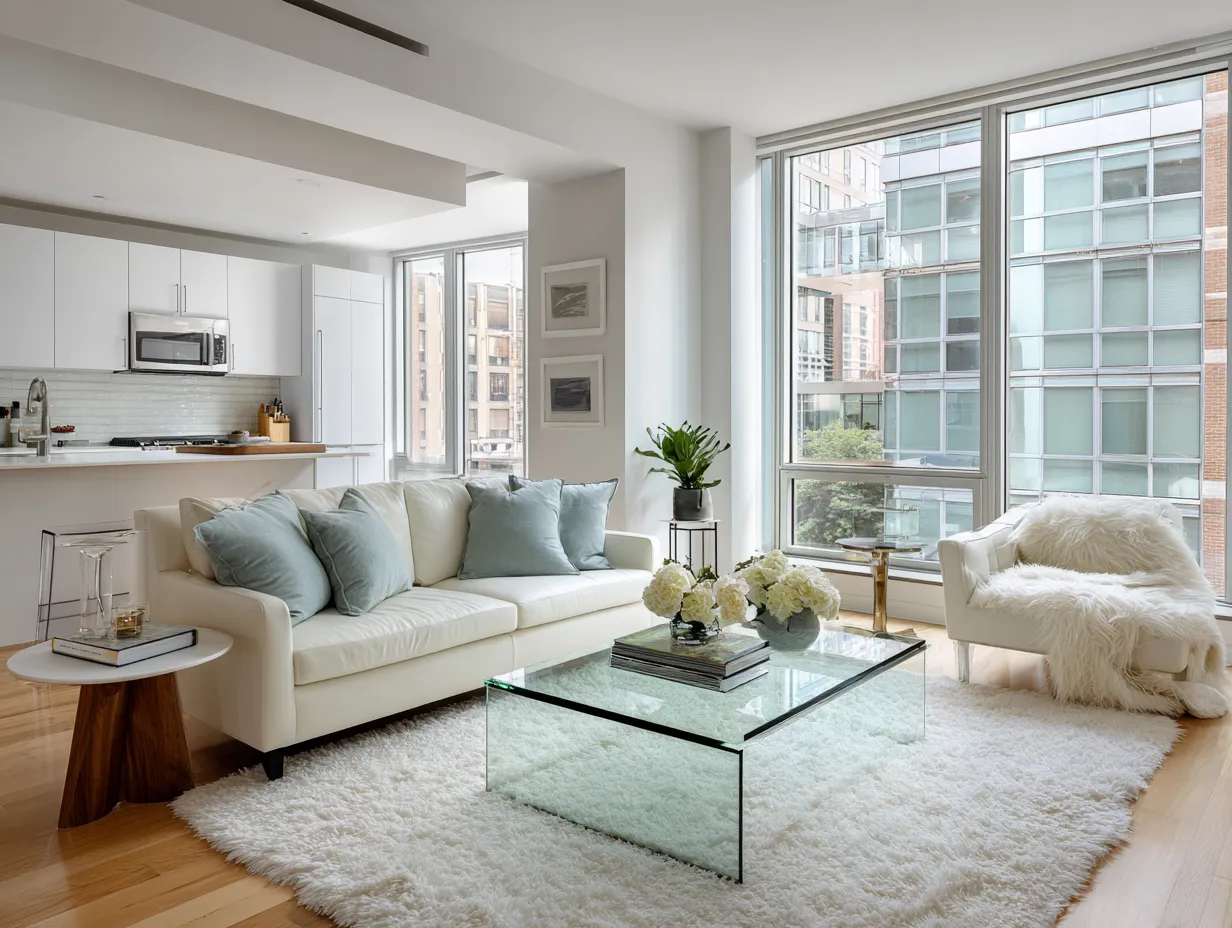
Heavy furniture can make a room feel tighter even when space is available. Pieces with open bases or glass surfaces reduce that visual weight. The eye moves through them instead of stopping, which helps the room feel more breathable. That's why designers frequently use this trick in simple drawing room decoration setups where openness matters more than ornament.
This works best when paired with structured seating so the space still feels grounded. Used thoughtfully, it supports both compact layouts and more refined drawing room furniture design schemes that aim for elegance without heaviness.
Built-In Wall Niches With Soft Backlighting
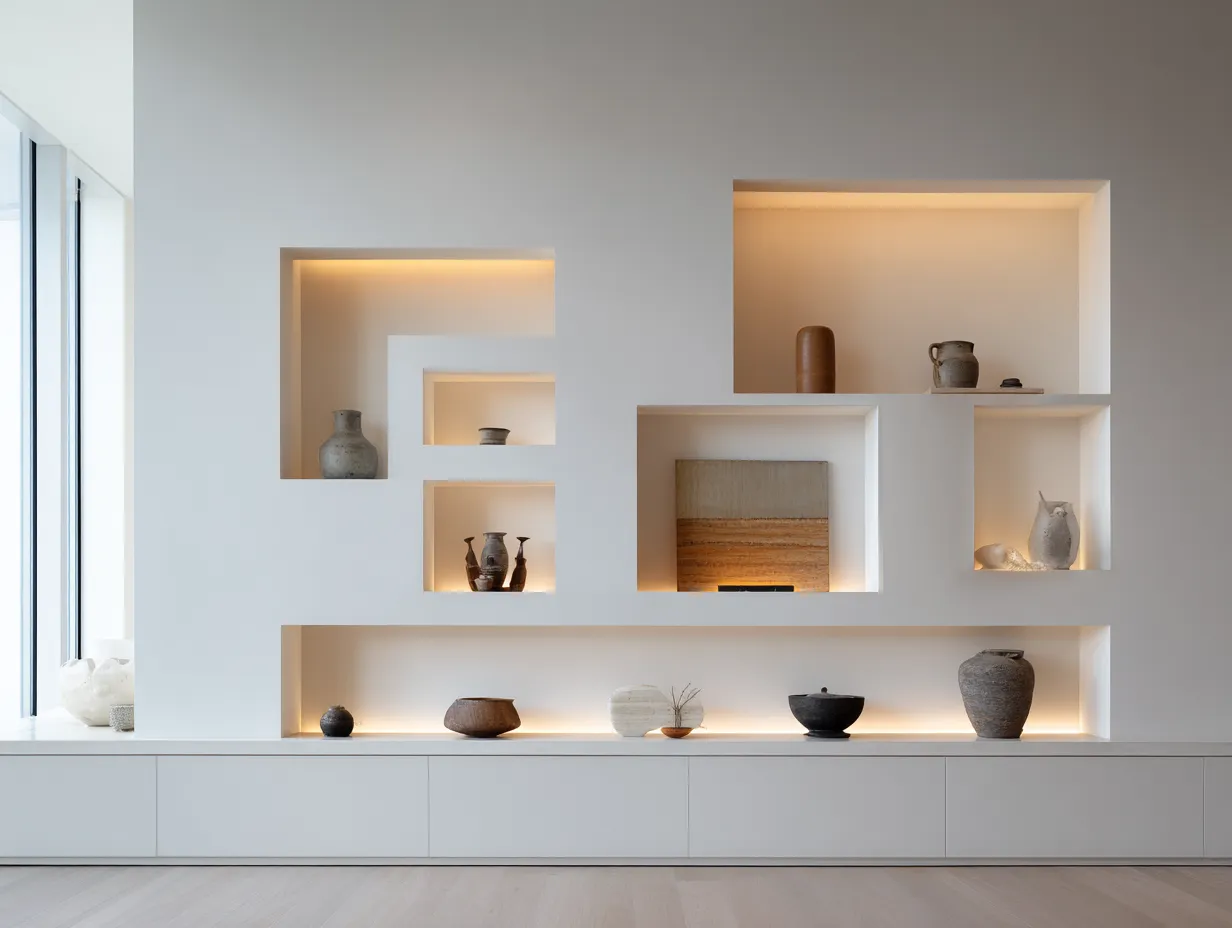
Instead of adding more standalone furniture, some rooms benefit from carving space into the wall itself. Recessed niches with subtle backlighting add depth without pushing into the floor area. This approach appears often in refined drawing hall design concepts where structure does most of the decorative work.
The lighting should feel indirect. Too bright and it turns theatrical. Soft illumination creates shadow and dimension, which strengthens the overall interior decoration of the drawing room without cluttering surfaces.
Symmetrical Twin Armchairs Flanking The Sofa
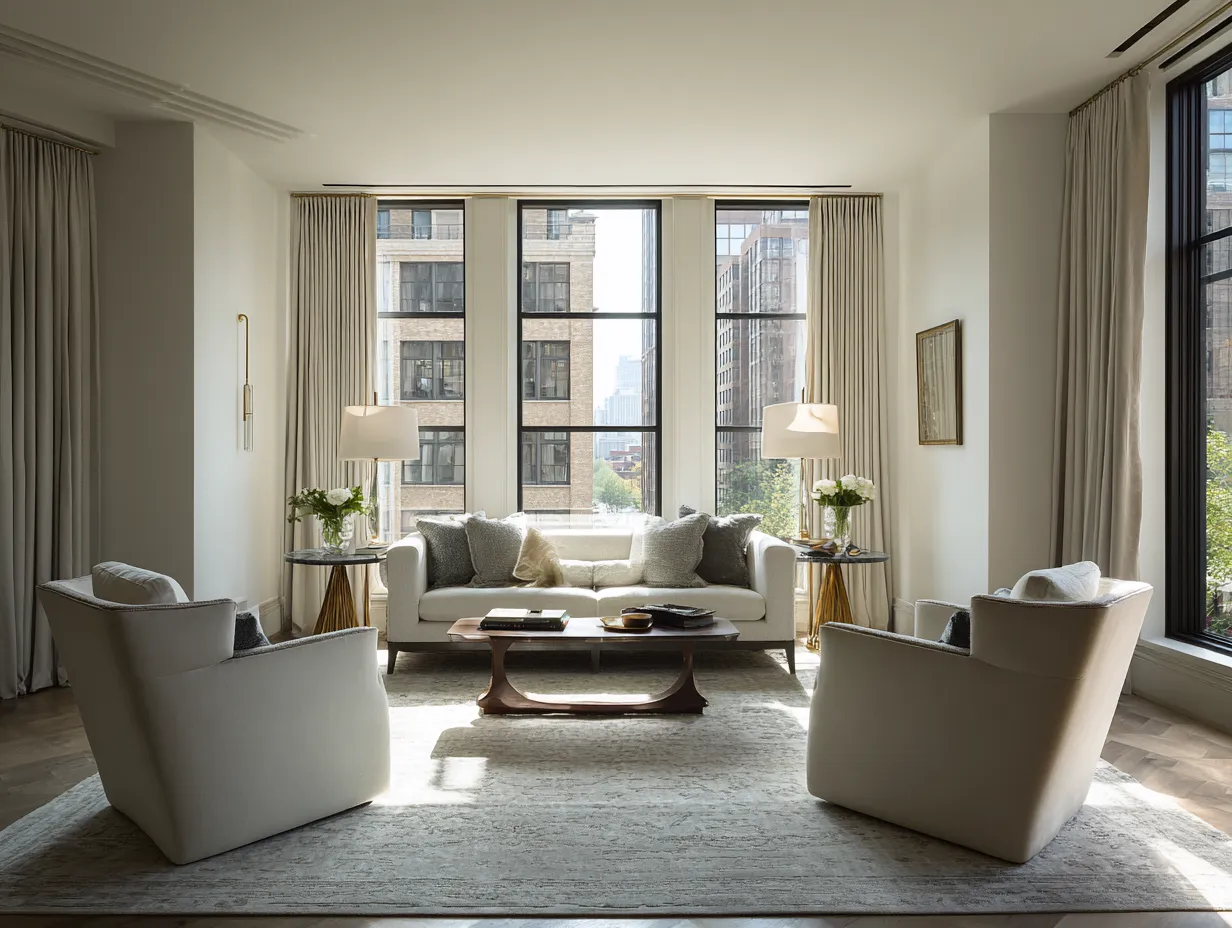
Symmetry, when used deliberately, still carries weight. Placing matching armchairs on either side of a central sofa creates visual stability. The arrangement feels balanced before any accessories are added. That's why this format remains common in the best drawing room interior design layouts aimed at formal settings.
The key is proportion. Chairs shouldn't overpower the sofa or shrink beside it. When scale aligns, the composition holds itself together. It's a straightforward solution that works well in both compact and larger drawing room furniture ideas schemes.
Neutral Base With One Deep Accent Tone
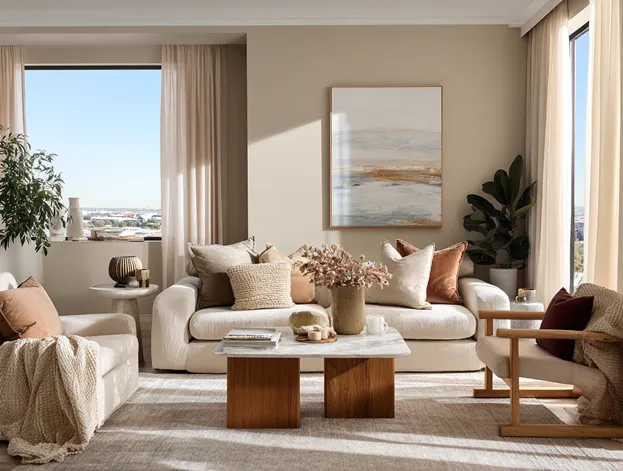
Rooms layered entirely in neutrals can feel unfinished. Adding one saturated tone, whether through cushions, an accent chair, or artwork, sharpens the space instantly. Many modern drawing room interior design projects rely on this balance because it avoids overwhelming the room while still adding character.
The mistake is scattering multiple strong colours. One deep tone anchors the composition. It works particularly well when exploring drawing room decoration ideas in India that lean toward subtle elegance rather than high contrast styling.
Check out: Inspiring Living Room Wall Paint Design Ideas for Your Space in 2026
Floating Console With Sculptural Decor
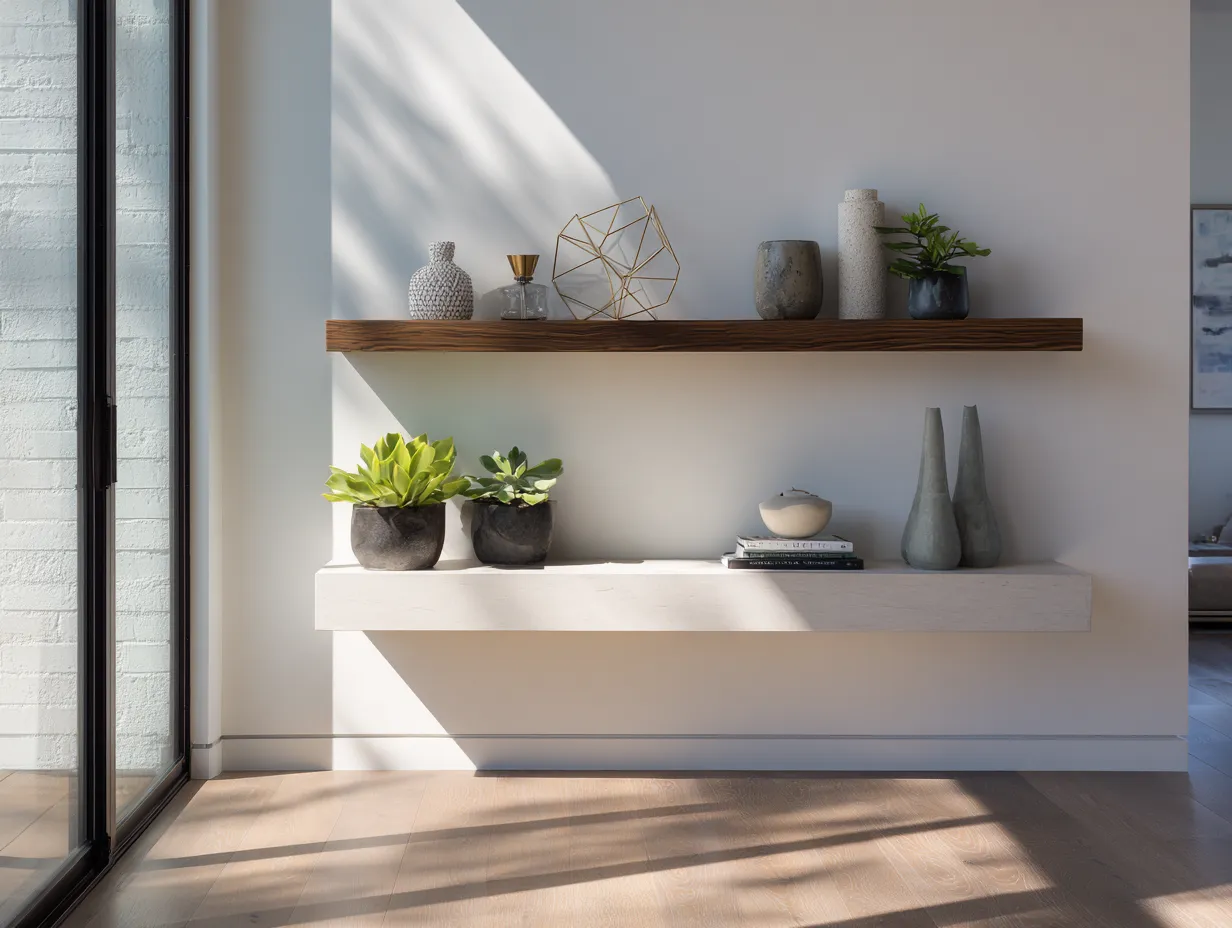
A wall-mounted console introduces storage or display without adding visual heaviness at floor level. It keeps circulation clear while offering a platform for a few intentional objects. This idea often appears in polished best drawing room design setups where restraint matters more than abundance.
Decor on the console should feel edited. Two or three sculptural pieces are enough. Overloading the surface weakens the effect. When done carefully, the floating console supports both how to decorate the drawing room and broader spatial balance.
Also Read: Stunning Wall Shelving Ideas for Your Living Room in 2026
Furniture Planning Rules Most People Get Wrong
Most problems in a room don't come from colour or decor. They start earlier, when furniture is chosen without thinking about proportion, spacing, or how people actually move through the space. The following are mistakes designers notice immediately, usually because they've seen how often they happen.
Oversized Sofa In A Compact Room
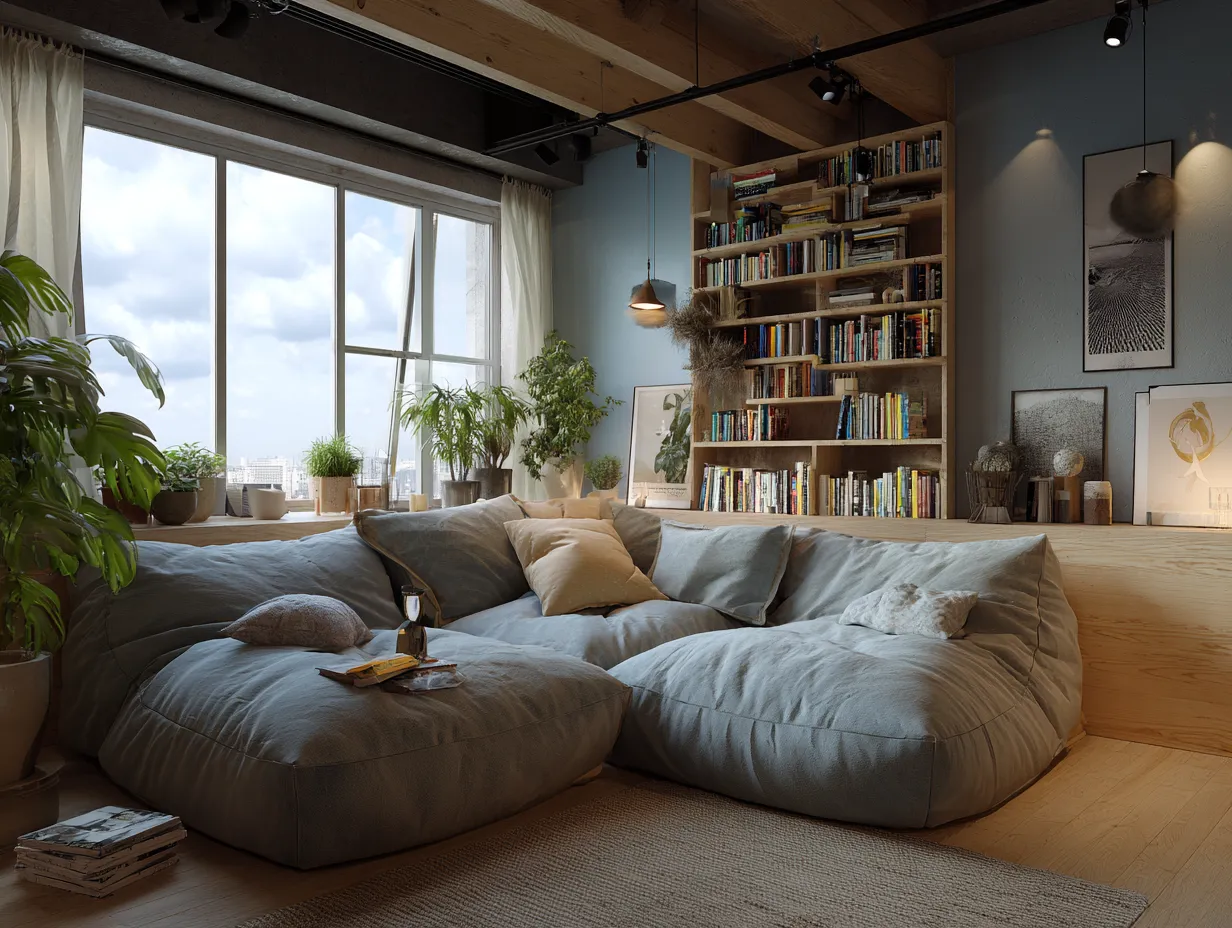
It feels luxurious in a showroom, then dominates the entire layout at home. Large seating shrinks the walking space and makes everything else look cramped. The better move is choosing a slightly slimmer profile. In most cases, a scaled piece creates a stronger drawing room furniture design than a bulky one ever could.
Rug That Floats Instead Of Anchors
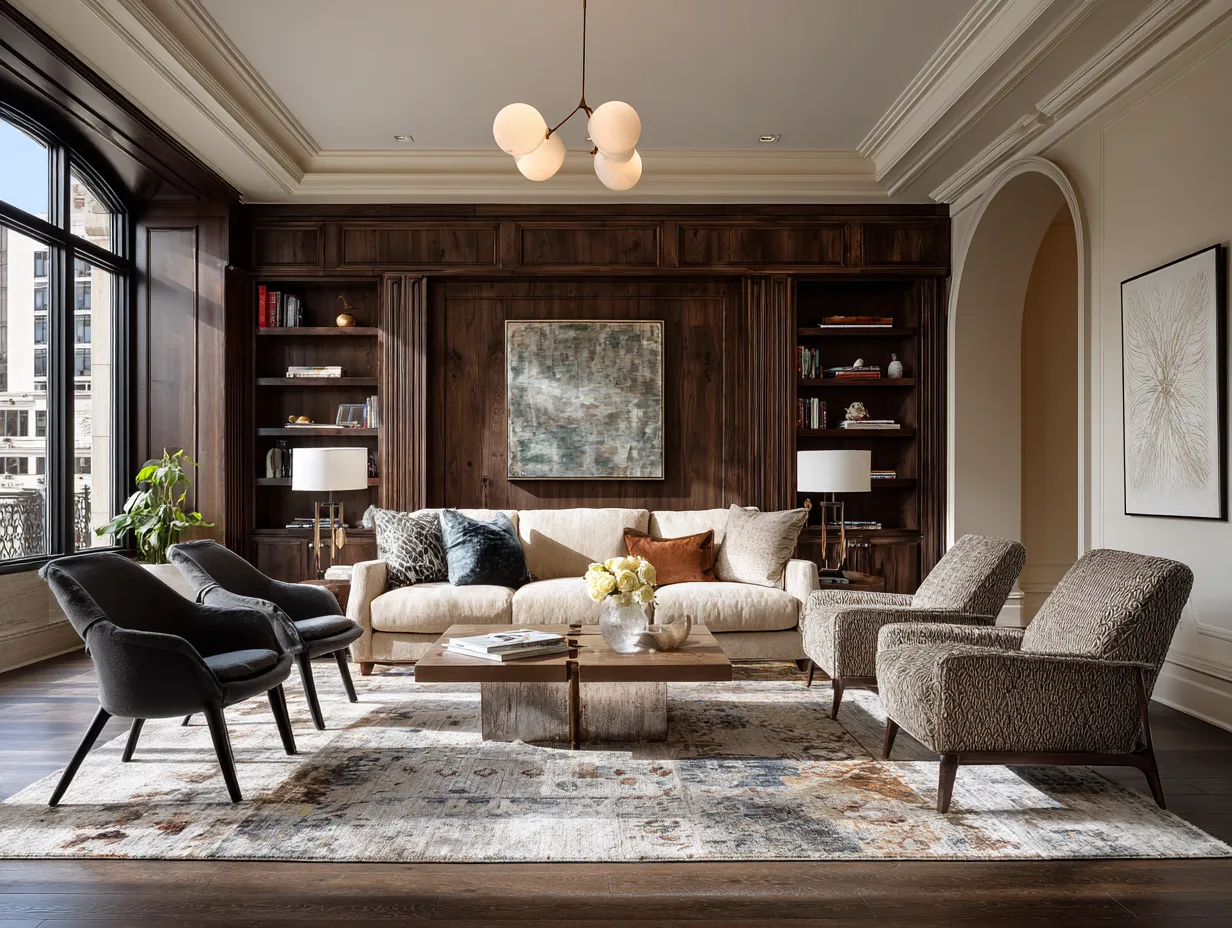
Small rugs break the composition. Furniture ends up half on, half off, which makes the arrangement look temporary. A rug should sit under at least the front legs of the main seating. That single adjustment often improves drawing room furniture ideas more than buying new pieces.
Matching Sets That Look Too Perfect
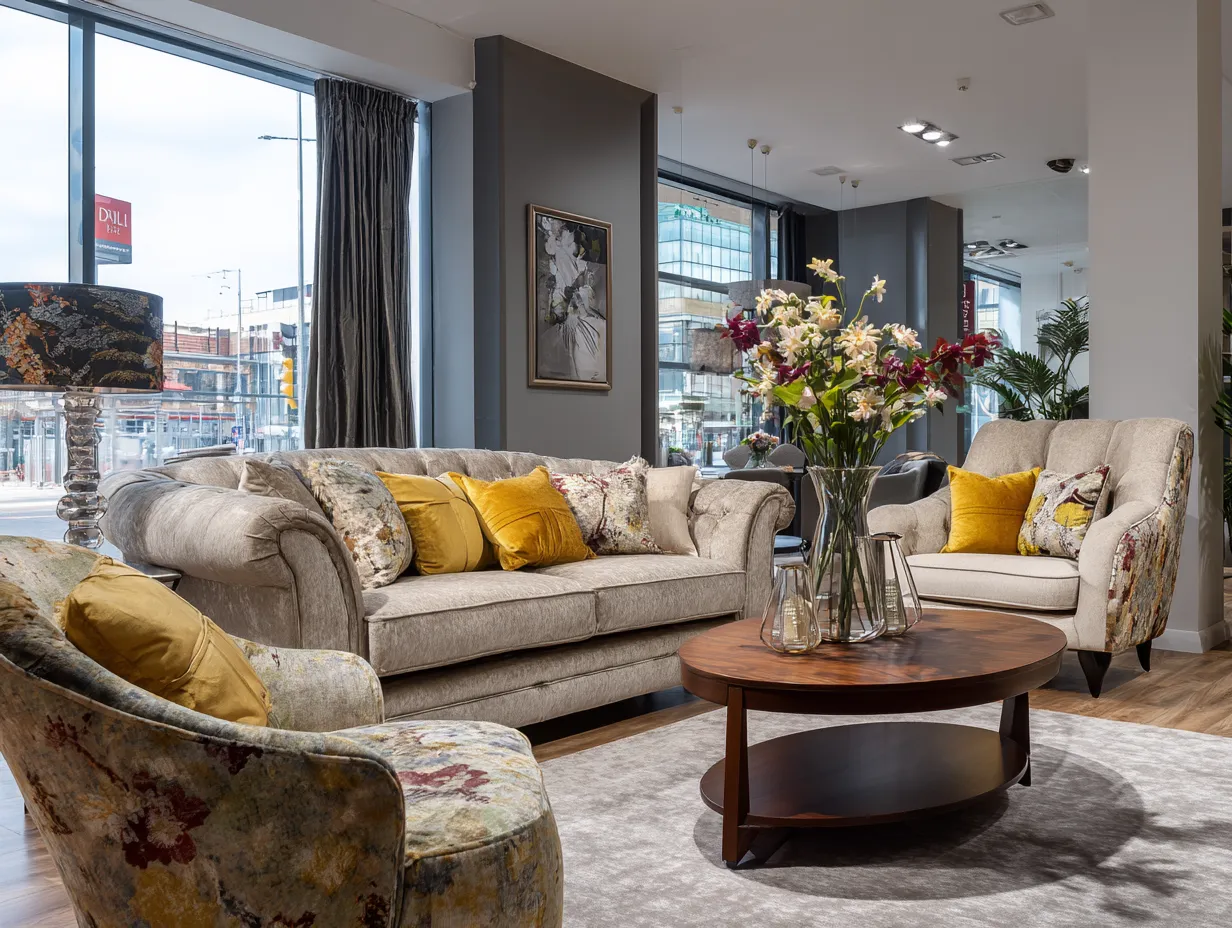
Buying a sofa, chairs and table from one collection sounds safe, but it removes character. It won't matter having a trending sofa design if the supporting stuff doesn't go well with the sofa. Rooms feel staged rather than lived in. Mixing shapes or finishes gives the space depth and usually leads to a more convincing best design for drawing room layouts.
Blocking Natural Movement Paths
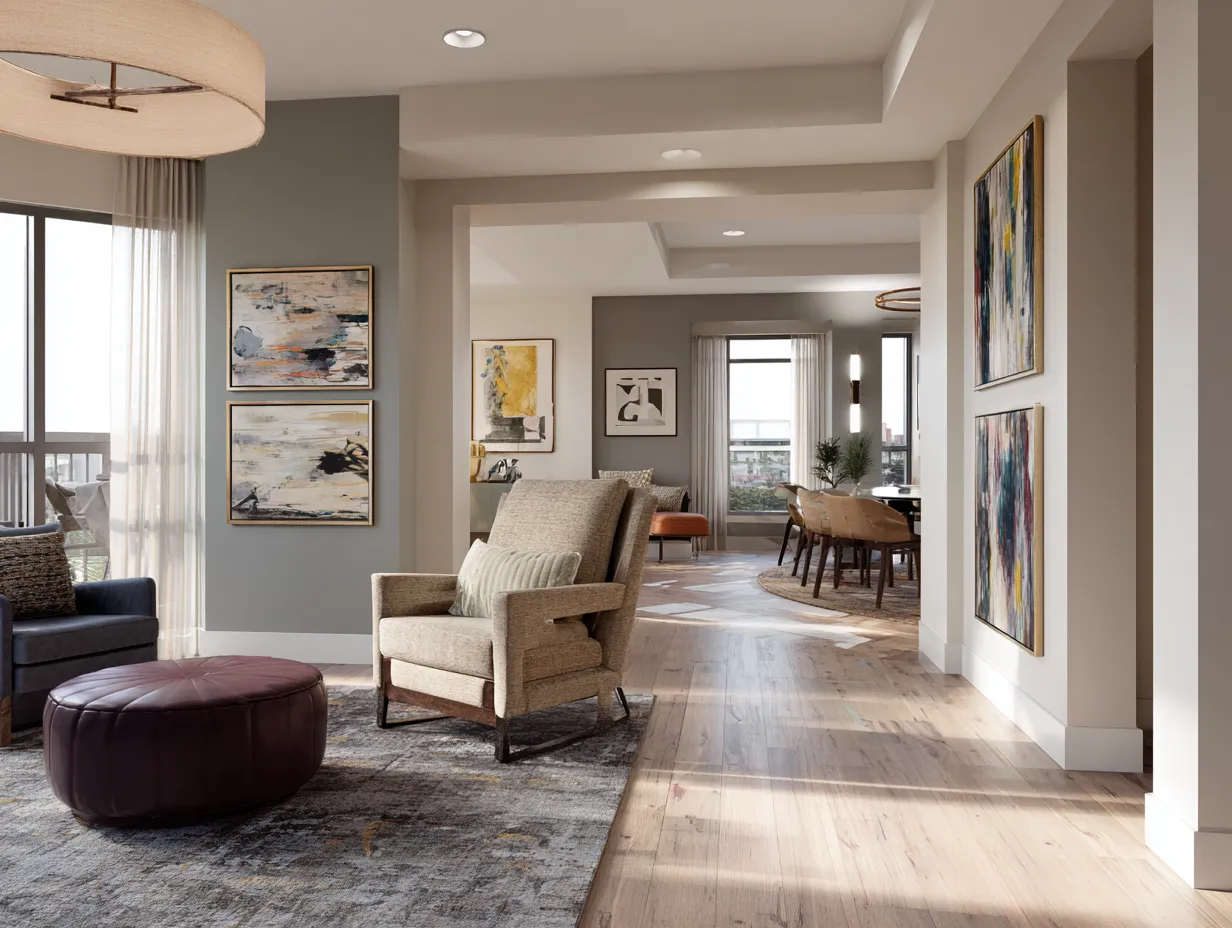
When someone has to step sideways to pass a chair or table, the layout is working against the room. Circulation space should feel obvious, not negotiated. Rearranging furniture by even a few inches can change how comfortable the room feels.
Coffee Table At The Wrong Distance
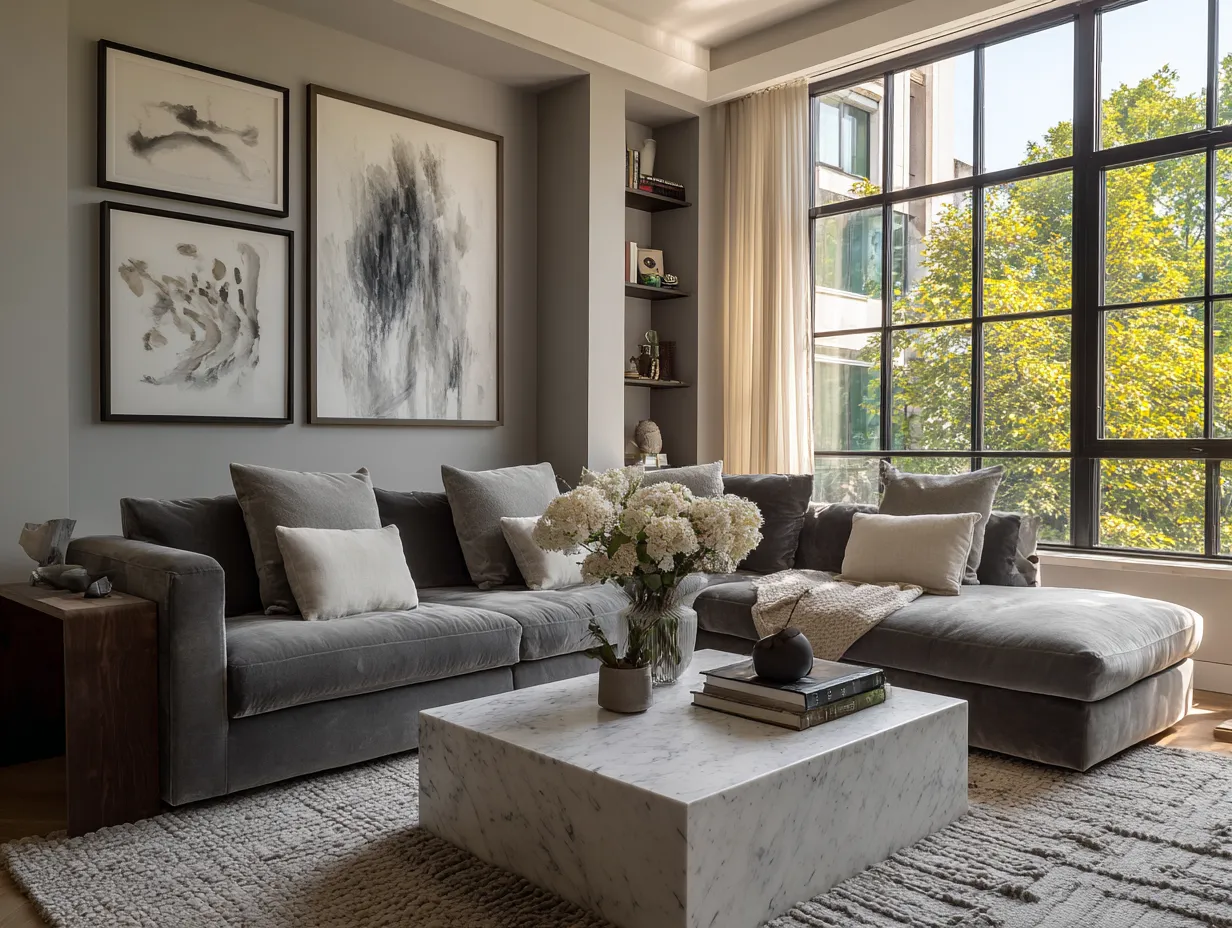
Too close and it feels cramped. Too far and it becomes useless. The comfortable range is usually around arm's reach from the seating. Designers rarely measure it formally, but they always test it by sitting down.
Ignoring Visual Weight
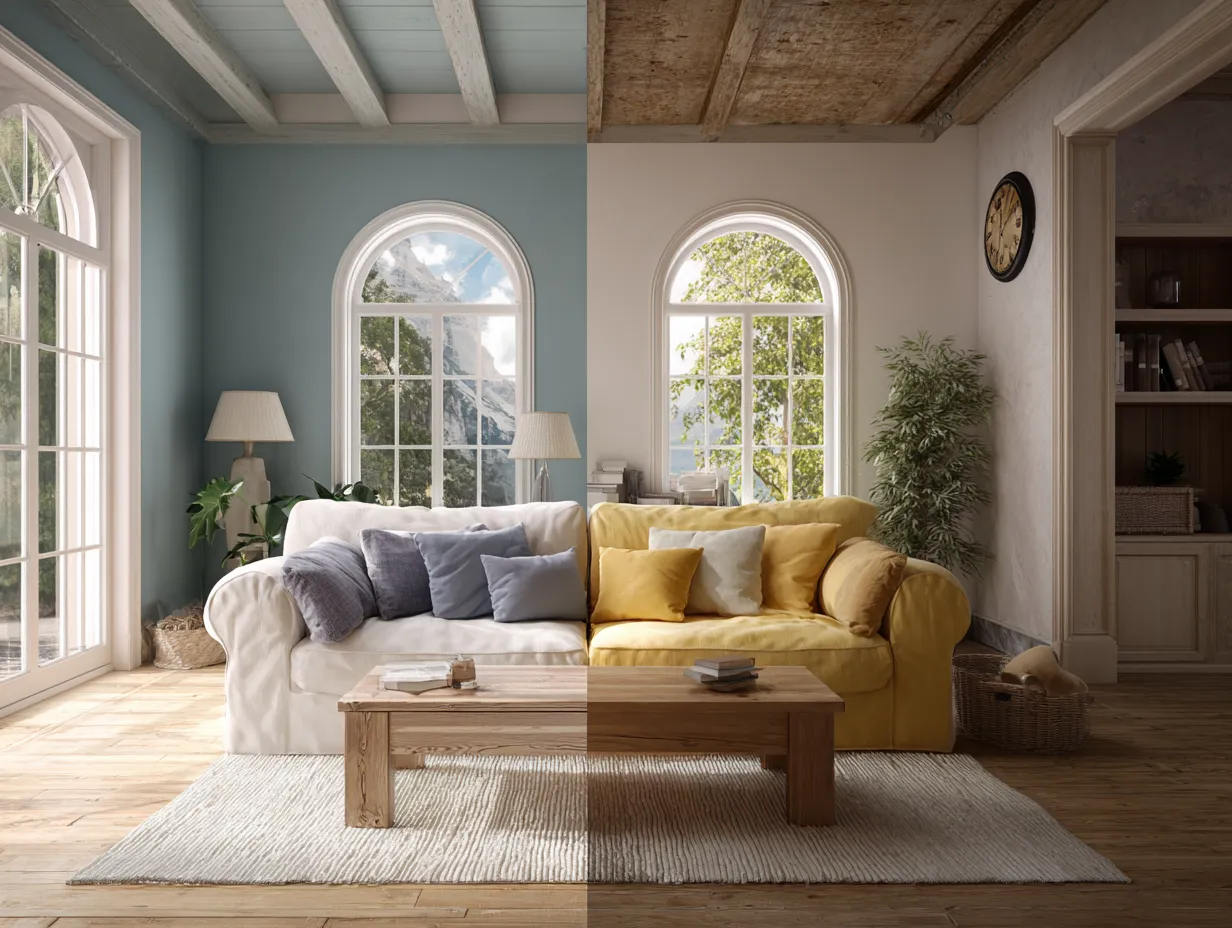
Two heavy pieces on one side and nothing on the other creates an imbalance, even if everything technically fits. Rooms feel stable when weight is distributed, not when furniture is simply arranged to fill space.
Placing Everything Against Walls
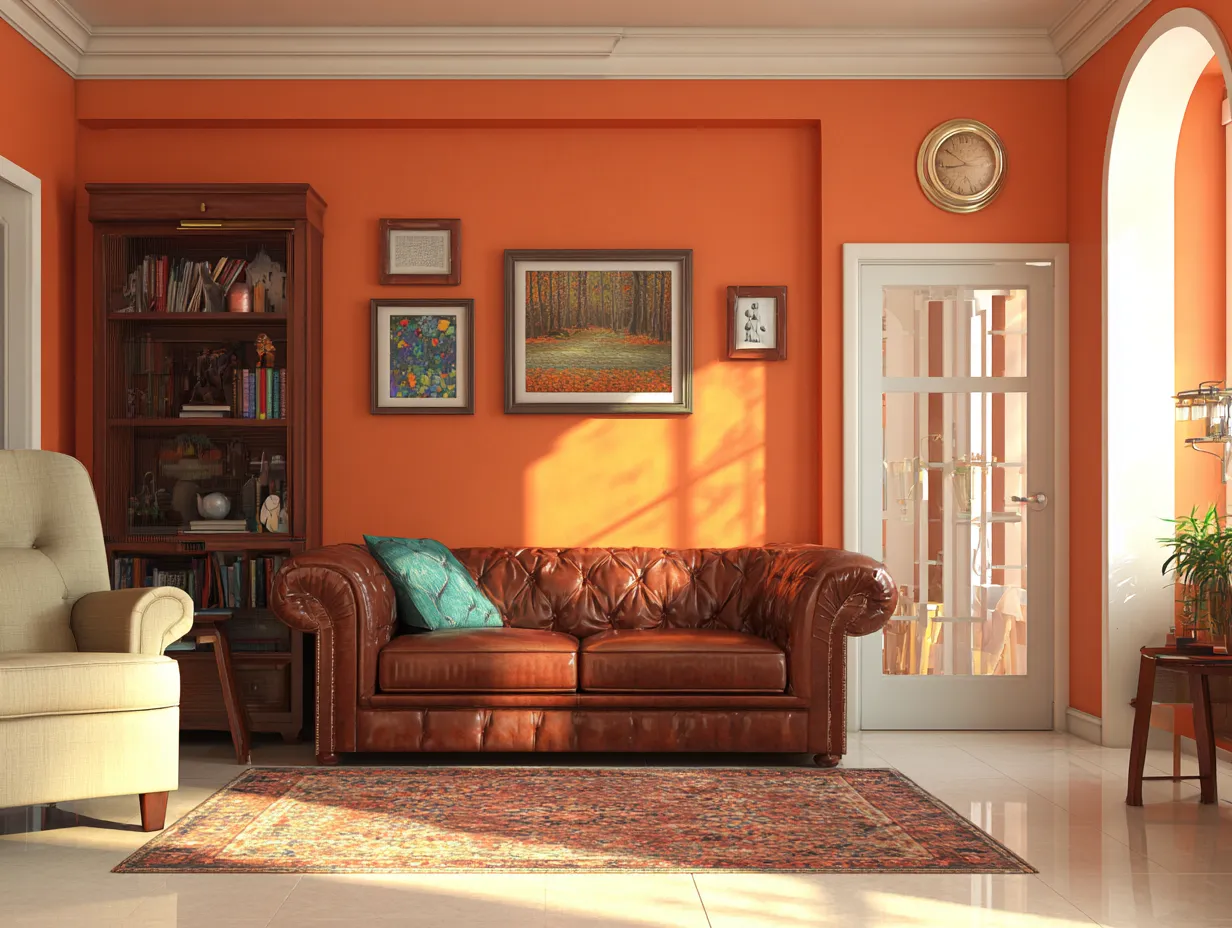
It seems practical, yet it weakens the room. Pulling even one chair slightly forward can make the layout feel intentional. Many strong arrangements come from letting furniture float rather than forcing it to line the perimeter.
Small Drawing Room Design Strategy
Compact rooms don't fail because of size. They fail because too many ideas are forced into too little space. A thoughtful small drawing room interior design focuses less on adding and more on editing. What stays matters more than what's introduced.
Use Fewer, Better Pieces
Crowding is the fastest way to shrink a room visually. Two well-proportioned seats and one defined table often work better than a full furniture set. Many simple drawing room interior design layouts feel stronger precisely because they resist overfurnishing.
Keep Sightlines Open
The moment the eye hits a tall, bulky object near the entrance, the space feels tighter. Low-profile seating and lighter finishes allow the room to breathe.
Choose Light Reflective Surfaces Carefully
Mirrors, polished finishes, or subtle gloss can expand perception when used strategically. Random placement, however, feels decorative rather than functional.
Also Read: Stunning Living Room Mirror Ideas That Add Instant Glamour to Your Space
Limit Strong Contrasts
Heavy colour contrast slices the room visually. Softer tonal shifts create continuity, which helps compact layouts feel cohesive. This is why several drawing room decoration simple approaches rely on controlled palettes.
Also Read: Perfect Wall Colour Combinations for Living Room You Should Go For
Float At Least One Element
Even in smaller rooms, pulling one chair slightly away from the wall introduces intention. It stops the room from looking like everything was pushed outward just to make space.
Closing The Curtain
A drawing room rarely stands out because of a single striking element. What people usually respond to is how everything sits together. The spacing feels comfortable. The seating invites conversation. Nothing looks forced into place. That sense of ease is what most successful drawing room interior design setups share, whether they lean minimal, modern, or slightly traditional.
It's easy to assume a room improves by adding more pieces, more colour, more detail. In reality, refinement often comes from adjustment, not addition. A shifted chair, a better-scaled table, softer lighting. Small decisions tend to have more impact than dramatic changes. Once the structure is right. Check out Interior Company if you are looking for some of the best drawing room interior designs.
*Images used are for representational purposes only. Unless explicitly mentioned, the Interior Company does not hold any copyright to the images.*
Living Room Design Ideas for You
- Color
- Theme
- Size
- Type
- Floor Material
- Wall Color
- Peach Color Living Room
- Ivory Color Living Room
- Light Beige Color Living Room
- Mint Green Color Living Room
- Multi-Colour Color Living Room
- Multicolour Color Living Room
- Mustard Color Living Room
- Natural Brown Color Living Room
- Navy Blue Color Living Room
- Neutral Color Living Room
- Off White Color Living Room
- Olive Green Color Living Room
- Orange Color Living Room
- Beige Color Living Room
- Pink Color Living Room
- Pista Green Color Living Room
- Purple Color Living Room
- Red Color Living Room
- Royal Blue Color Living Room
- Skin Color Living Room
- Teal Color Living Room
- Terracotta Color Living Room
- White Color Living Room
- Wooden Brown Color Living Room
- Yellow Color Living Room
- Blue Color Living Room
- Grey Color Living Room
- Brown Color Living Room
- Black Color Living Room
- Dark Blue Color Living Room
- Gold Color Living Room
- Green Color Living Room
- Traditional Theme Living Room
- Bohemian Theme Living Room
- Scandinavian Theme Living Room
- Rustic Theme Living Room
- Retro Theme Living Room
- Contemporary Theme Living Room
- Eclectic Theme Living Room
- Modern Theme Living Room
- Luxurious Theme Living Room
- Art Deco Theme Living Room
- Industrial Theme Living Room
- Minimalist Theme Living Room
- Vinyl Floor Material Living Room
- Light Hardwood Floor Material Living Room
- Laminate Floor Material Living Room
- Marble Floor Material Living Room
- Ceramic Tile Floor Material Living Room
- Carpet Floor Material Living Room
- Porcelain Tile Floor Material Living Room
- Plywood Floor Material Living Room
- Concrete Floor Material Living Room
- Painted Wood Floor Material Living Room
- Medium Hardwood Floor Material Living Room
- Dark Hardwood Floor Material Living Room

Ready for a home transformation?
Let our designers assist you!
Recent Posts







Traditionally, it was meant for receiving guests, and that role still influences how it’s designed. Even in modern homes, a drawing room usually feels more composed and structured than a casual family space.
The difference between the drawing room and the living room mostly comes down to function. A drawing room is arranged for hosting and conversation, while a living room supports daily activities like lounging, watching television, or spending long hours.
Proportion and restraint. Well-scaled furniture, balanced lighting, and one strong focal element often create a richer impression than filling the room with decorative pieces.
Start with size and spacing before style. Strong drawing room furniture ideas always match furniture scale to the room’s dimensions so movement stays comfortable and the layout feels intentional.
Yes. Many simple drawing room decoration setups look more refined because they rely on fewer elements placed carefully. Simplicity tends to highlight structure, which is what people notice first when entering a room.
There isn’t one universal answer, but controlled palettes usually work well. Neutral bases with one broader accent tone suit modern drawing room design because they keep the space calm while still giving it character.
Related Category
- False Ceilings
- Furniture
- Home Decor
- Indoor Plants
- Paint and Color