
- Design Ideas
- Cities
- Trends
- Guides
- Price Calculators
- Interior DesignersNEW
- Our Portfolio
- More


- Home
- Interior Design Ideas
- Wall Paint Design Ideas
- Multi Colour Wall Paint Design Ideas
Multi-Colour Wall Paint Design Ideas
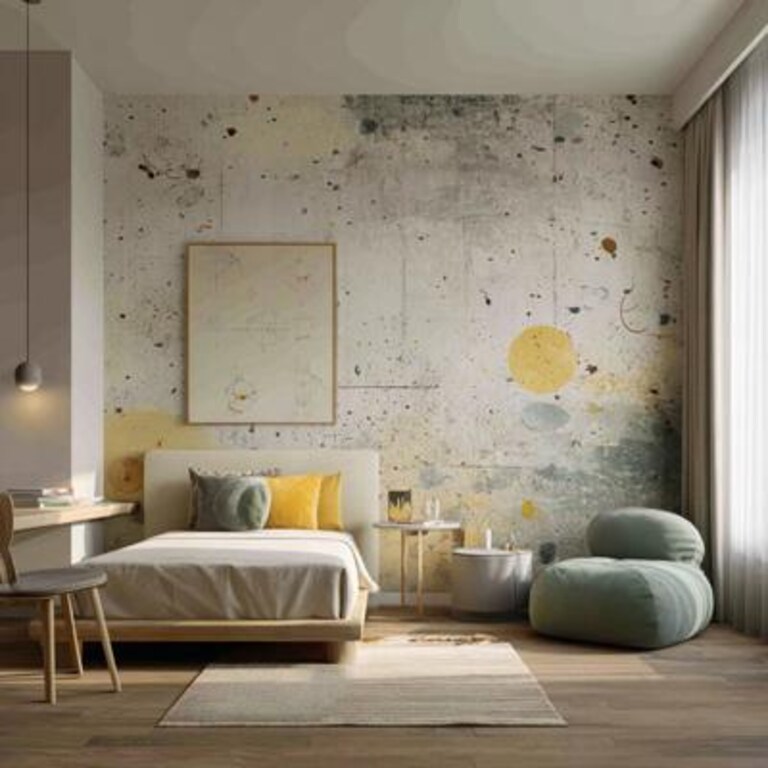
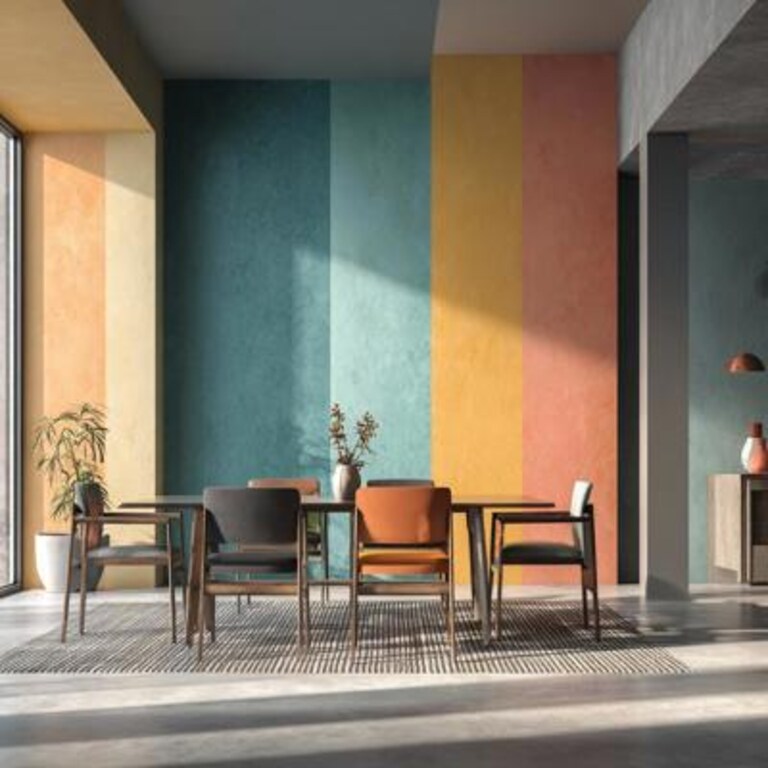
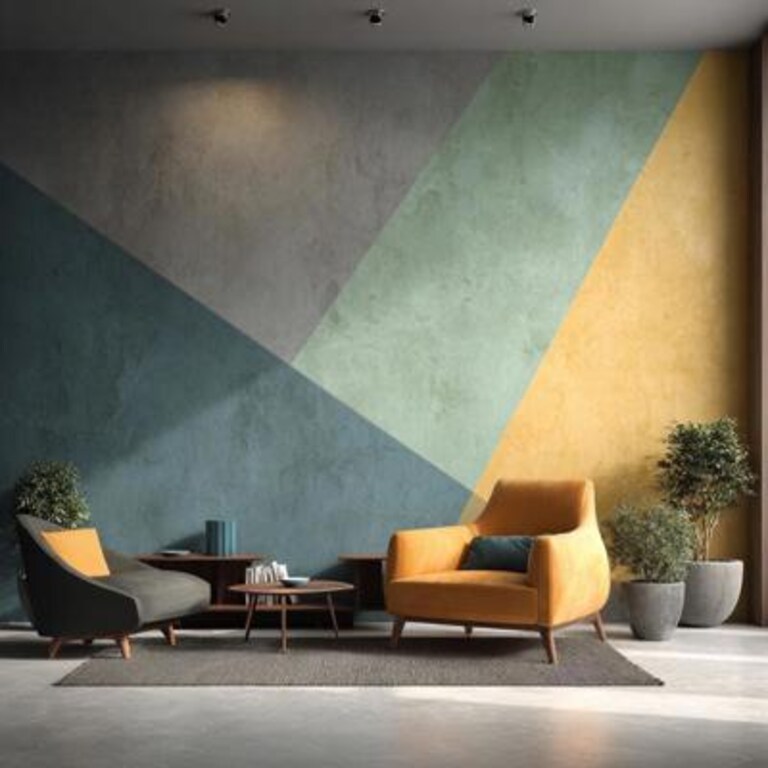
A single paint colour can make a room look neat. Two or three colours can completely change how it feels. That's why multicolour wall paint designs continue to appear in bedrooms, living rooms, kids' rooms, and even hallways. Some walls use simple colour blocks. Others combine stripes, arches, geometric shapes, or soft transitions between shades. The designs below showcase different multi-colour wall design ideas, room-specific palettes, and creative ways to use multicolour paint on wall surfaces....Read More
Filter




Vastu Insights by Our Experts
Watch our designers decode the balance between design, energy, and harmony for your home.







Wall Paint Design Ideas for You
- Theme
- Color
- Room Type
Rejuvenate Your Space with a Variety of Options
- Color + Theme
- Color + Room Type

If you are choosing a home interior wall colour combination, ensure you are not simply following the trends. You should think of the size of your room, themes and ambience that

Wall colours stick around longer than expected. A sofa can be replaced. Curtains can be changed. Even the furniture can be upgraded after a few years. But walls are different. O
People have different takes on orange. Some love the earthy side of it, like terracotta walls, rust fabrics, and clay finishes. Others immediately think of older, bright orange

Making your bedroom a great place to rest starts with the perfect bedroom wall colour combination. Using two-colour combinations for bedroom walls is the best and easiest way to
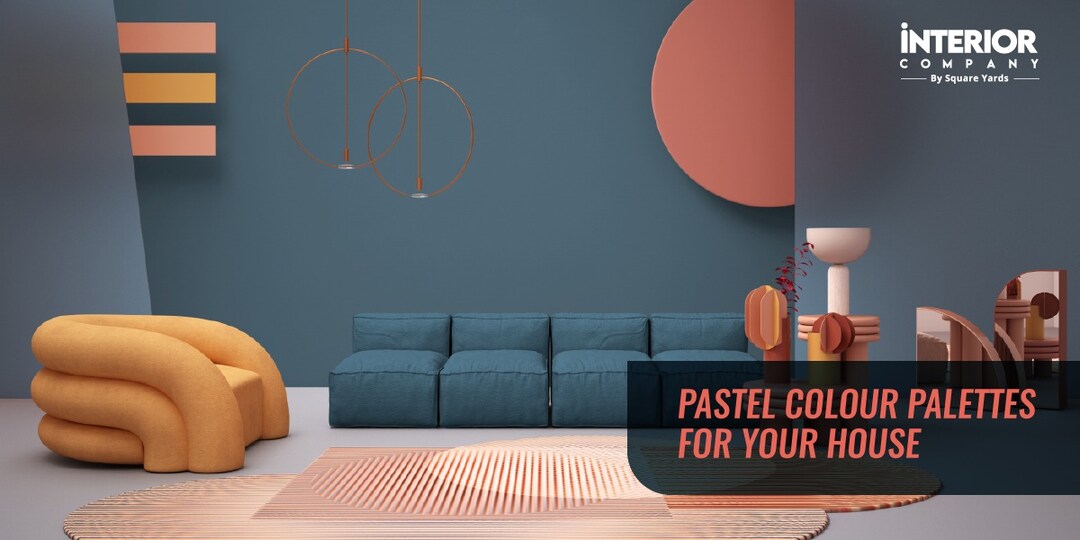
Pastel accents have their own voice tone and mood, they are not just mere aesthetics but they possess the power to transcend someone’s mind completely with their playful yet soo
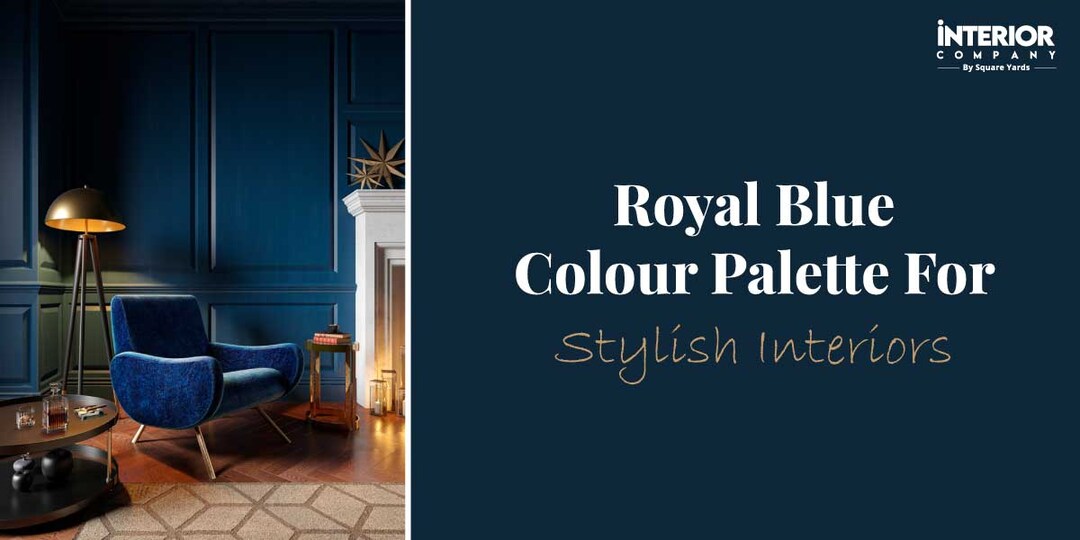
As the name implies, royal blue is more than a colour, it’s a statement! This regal, rich shade can be sometimes tricky to use in the home. However, this primary colour me
Bedrooms and Living Rooms Use Colour Differently
A paint combination that looks great behind a sofa may not feel right behind a bed. The way a room is used matters just as much as the colours themselves. That's why a multi-colour room design for a bedroom is planned differently from a living room.
The Same Colours Don't Work in Every Room
Bedrooms don't need colour on every wall. In many bedroom multi-colour wall designs, the strongest shade appears behind the bed while the remaining walls stay lighter. The room feels less crowded that way. Some of the most popular bedroom wall colour combinations follow this simple approach.
Living rooms can handle stronger contrasts because they are larger, busier spaces. A multi-colour paint for living room setup may include colour blocks, painted arches, or geometric shapes that draw attention to a seating area or TV wall. In open layouts, multi-colour living room walls can even help separate one zone from another without adding partitions.
You'll notice the difference when comparing multi-colour bedroom designs with living room colour combinations. One is designed for visual calm. The other has more room to make a statement.
What Makes Multicolour Walls Look Clean
A multicolour wall doesn't need dozens of shades to stand out. In most cases, the finish is what people notice first. Sharp borders, clean paint transitions, and well-planned layouts make a bigger difference than the colours themselves.
The Lines Need to Be Perfect
On a multi coloured painted wall, uneven edges are easy to spot. That's why painters spend time measuring and marking before they start. Straight lines help multicolour painted walls look intentional rather than rushed.
Most of the Work Happens Before Painting
A clean finish starts long before the first coat goes on. Surface preparation, masking tape, and careful measurements all play a role in professional multicolour wall painting techniques. Some decorative paint effects for walls also require tools that standard rollers cannot achieve on their own.
Not Every Multicolour Wall Looks the Same
Some homeowners prefer painting multi coloured stripes on walls. Others go for arches, geometric blocks, or soft colour fades. Whatever the style, a multi-colour paint wall looks more balanced when the shades work together. Before finalizing a larger room colour design, it's worth checking how doors, windows, and corners affect the layout. A consistent home colour combination approach also helps when using modern multicolour wall paint across connected spaces.
Read also - Modular Kitchen Cost In India 2026: How Kitchen Pricing Really Works?
Paint Colours Change Throughout the Day
A paint shade picked at noon can look different by evening. This becomes even more noticeable in a multi-colour wall design, where several colours interact with changing light throughout the day.
Rooms with limited natural light can make cool shades appear flatter than expected. In these spaces, a multi-colour wall paint design with slightly warmer tones can help the colours feel more balanced. On the other hand, strong sunlight tends to bring out warm undertones, which can make a bold multicolour paint on wall layout feel brighter than it did on the sample card.
That's why paint swatches are only the starting point. Before finalizing a multicolour wall paint design, test the colours on the actual wall and check them during the day and at night. It's also worth comparing them with your planned wall and ceiling colour combinations and shortlisted house painting designs and colours.
Using More Than One Wall Colour Without Overdoing It
Some multicolour rooms feel balanced from the moment you walk in. Others feel busy even when the colours look good individually. In most cases, the difference comes down to proportion rather than colour choice.
A common approach in multi-colour interior design is the 60-30-10 rule. Around 60% of the room uses the main shade, 30% is reserved for a secondary colour, and the remaining 10% is used as an accent. This helps a multiple wall colours in one room scheme feel organized instead of random. In a multi-coloured wall room, not every colour needs equal attention.
|
Style |
Multi-Colour Formula |
Supporting Shades |
|
Earthy & Natural |
Rich rust terracotta paired with muted ochre arches or blocks. Similar tones are frequently seen in beige wall paint designs. |
Soft linen, sand, and warm beige shades. |
|
Cool Maritime |
Deep navy paired with lighter sky blues in stripes, fades, or colour-block layouts. This approach appears in many blue wall paint designs. |
Crisp white and soft off-white borders. |
|
Botanical Layers |
Sage green and forest green are used in horizontal splits or feature sections. A common choice in green wall paint designs and grey wall paint designs. |
Misty gray, charcoal, and muted stone tones. |
|
Tactile Pop |
One bold colour combined with textured finishes to create contrast without adding another strong shade. Works well with modern texture paint designs and texture paint designs for bedroom walls. |
Ultra-matte neutrals and soft gray base coats. |
Frequently Asked Question (FAQs)
Will too many colours make a small room look crowded?
Not necessarily. A well-planned multi-colour room paint layout can make a room feel larger. Many multi-colour room paint ideas use a darker shade on the lower half of the wall and a lighter colour above to create a sense of height.
Can paint colours replace partitions in an open layout?
Yes. In many homes, multi-colour living room walls are used to separate dining and seating areas without adding physical dividers. A bold multi-colour paint for the living room feature can define a zone while keeping the layout open.
What's the difference between a multicolour wall and an accent wall?
A traditional accent wall uses one contrasting colour on a single surface. Contemporary multicolour wall paint goes further with arches, blocks, stripes, or layered shapes. Many multicolour wall paint ideas use multiple colours to frame furniture, doors, or architectural details.