- Design Ideas
- Cities
- Trends
- Guides
- Price Calculators
- Interior DesignersNEW
- Our Portfolio
- More


- Home
- Trends
- Room
- Living Room
- How To Decorate A Living Room
20+ Best Living Room Decoration Ideas That Welcomes You Home

The first impression of a home doesn’t come from the bedroom or the kitchen. It comes from the living room. It is the first space you experience in a home. It’s a place where you relax after long days, catch up with family, and welcome friends. A good living room has room to breathe, space to move, and details that feel personal. Getting these basics right makes all the difference.
Decorating a living room is not about perfection. It is about feeling at ease the moment you step inside. You don’t need expensive furniture or fancy decor to make it look good. The only thing needed is balance. A balance of the right colours, layout, and a few thoughtful details. This article breaks down practical ideas to help you decorate a living room that feels natural and welcoming.
Table of Content
How to decorate a living room the right way?
- 1.1 Start with a Clear Colour Plan
- 1.2 Plan The Furniture Layout Before Buying Anything
- 1.3 Create One Clear Focal Point
- 1.4 Choose The Right Sofa For The Space
- 1.5 Use Rugs To Define The Space
- 1.6 Layer The Lighting
- 1.7 Mix Textures For Visual Interest
- 1.8 Decorate Walls With Purpose
- 1.9 Bring In Natural Elements
- 1.10 Choose Curtains That Frame The Room
- 1.11 Add Depth With Soft Furnishings
- 1.12 A Comfortable Reading Or Relaxing Corner
- 1.13 Keep The TV Area Clean
- 1.14 Use Tables And Side Tables Smartly
- 1.15 Create Zones In Large Living Rooms
- 1.16 Mix Old And New Pieces
- 1.17 Turn Storage Into Decor
- 1.18 Add Personal Touches That Tell A Story
- 1.19 Use Statement Pieces Carefully
- 1.20 Keep Decor Minimal
- 1.21 Play With Height And Scale
- 1.22 Leave Some Space Empty
Decorate A Living Room: Do And Dont
Bringing Balance To The Living Room
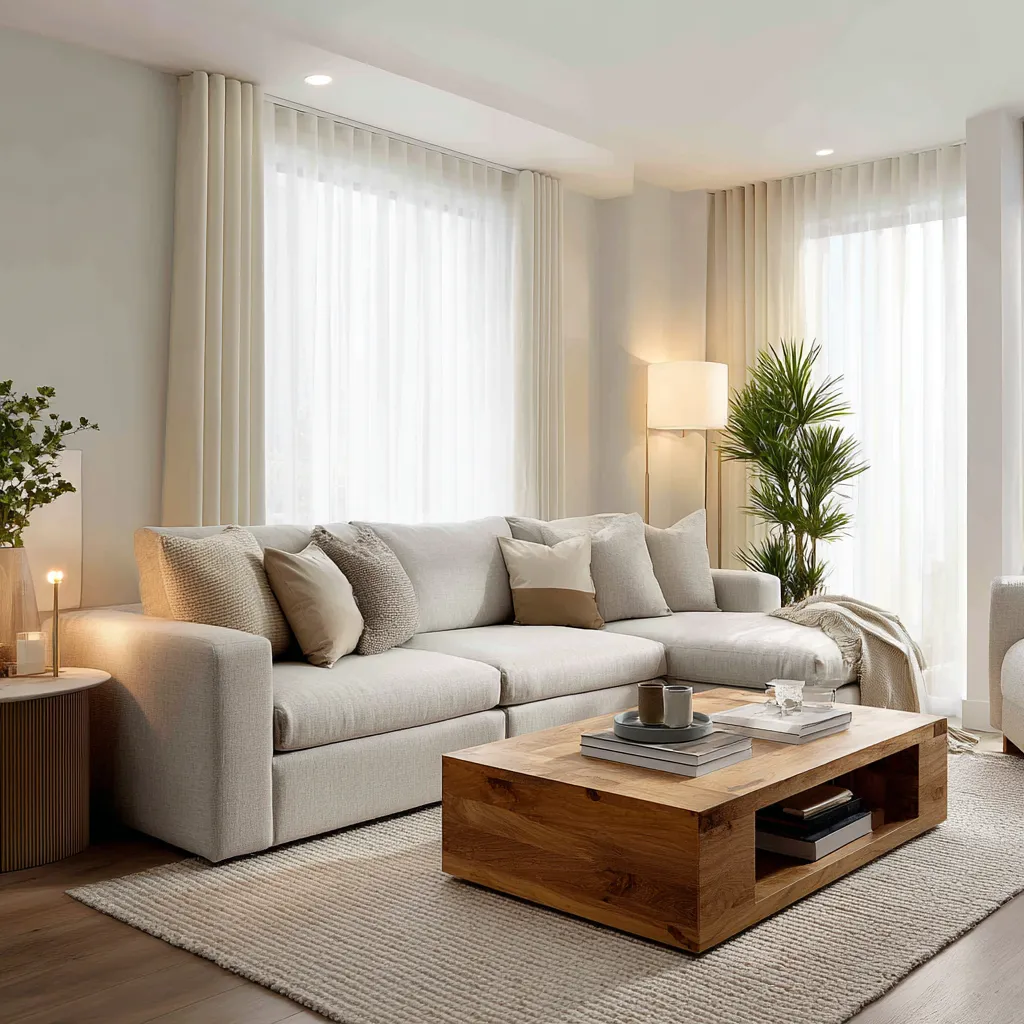
How to decorate a living room the right way?
The ideas below focus on simple, practical ways to decorate a living room that feels open, comfortable, and easy to live in.
Start with a Clear Colour Plan
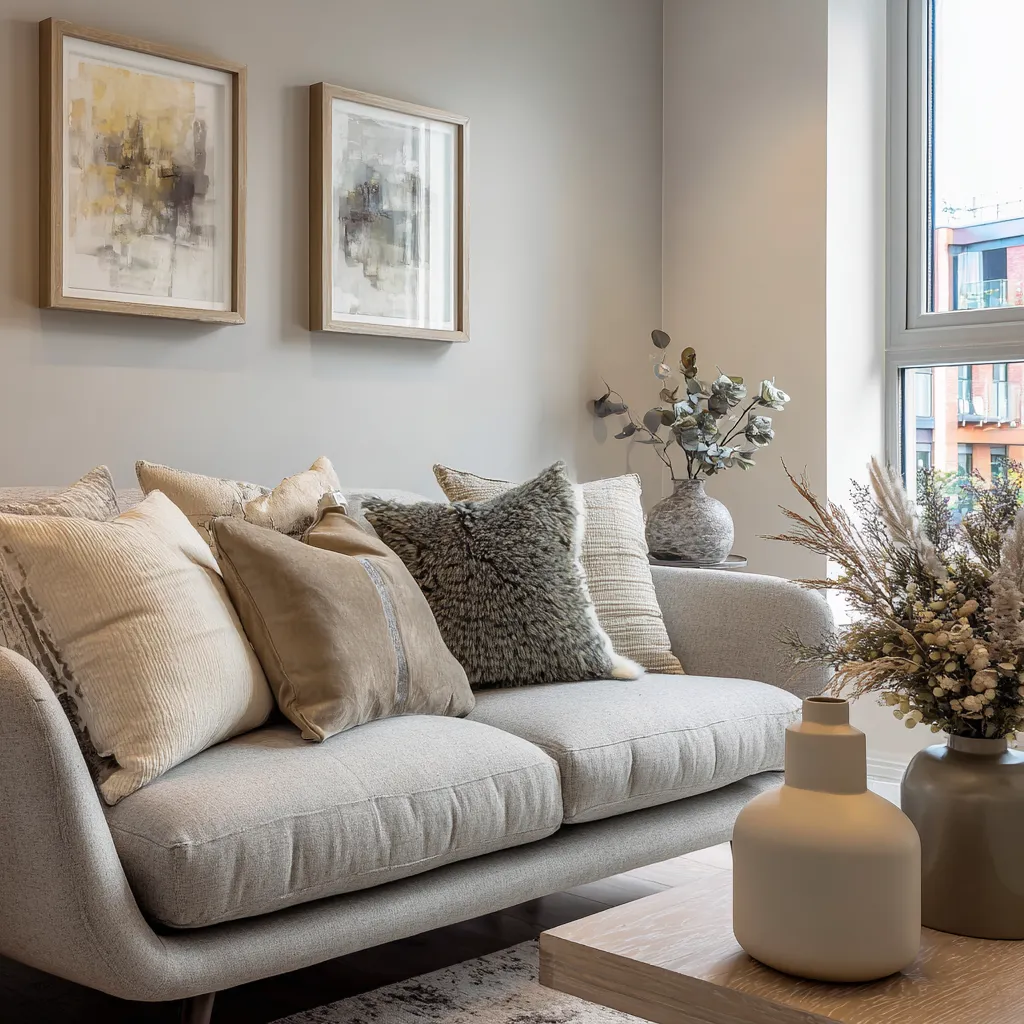
Before buying anything, decide on a colour palette. The colours set the mood of the room. Light shades like beige, cream, soft grey, or pastels make a space feel open and airy. Darker shades like navy, olive, or charcoal add depth and warmth.
Do not add many colours. Two main shades and one accent colour are enough. Use the main colour on walls or large furniture. Use the accent colour in cushions, artwork, or decor pieces. This keeps the room calm and balanced.
Plan The Furniture Layout Before Buying Anything
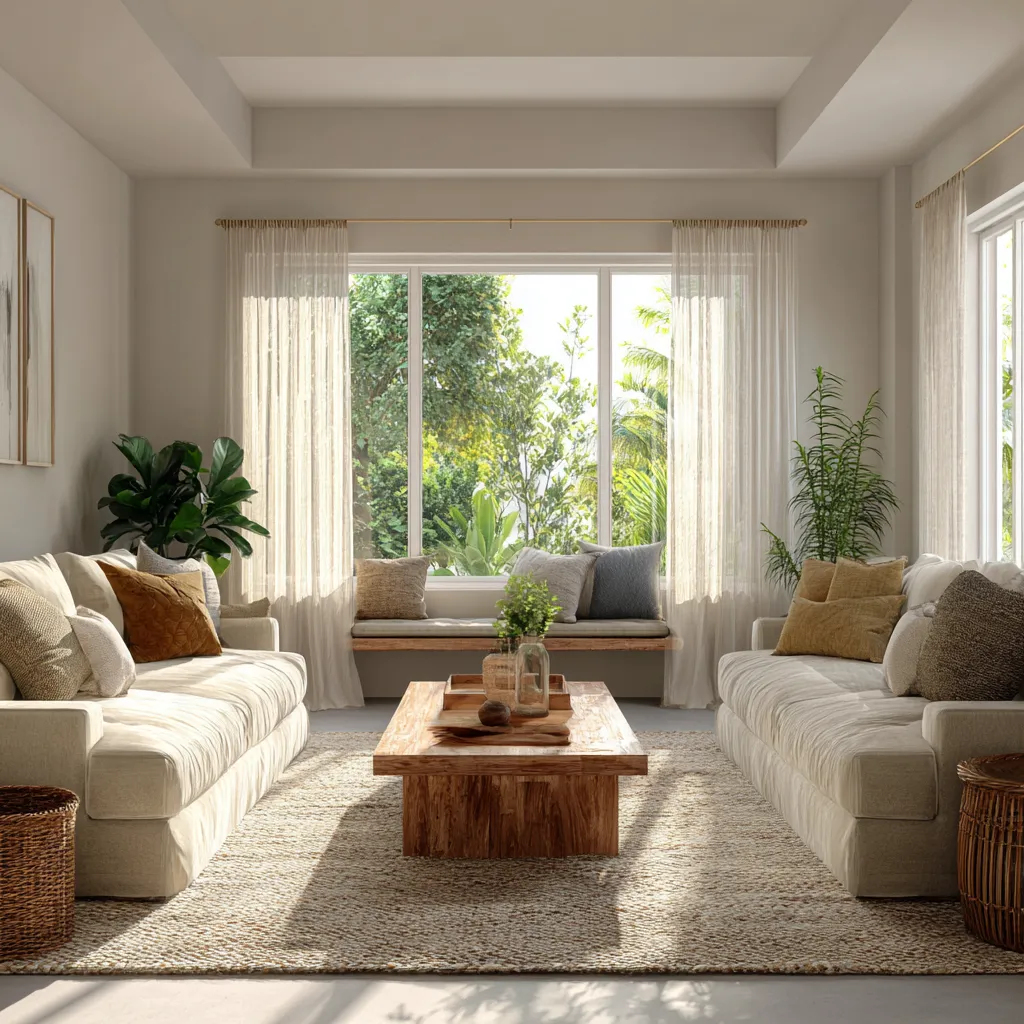
Furniture placement is more important than people usually think. Even beautiful furniture looks bad if it is placed in the wrong place. Arrange seating to encourage conversation. Chairs and sofas should always face each other.
Leave enough space for movement. In small living rooms, avoid pushing all furniture against the wall. Bringing some pieces slightly inward makes the room feel more connected.
Create One Clear Focal Point
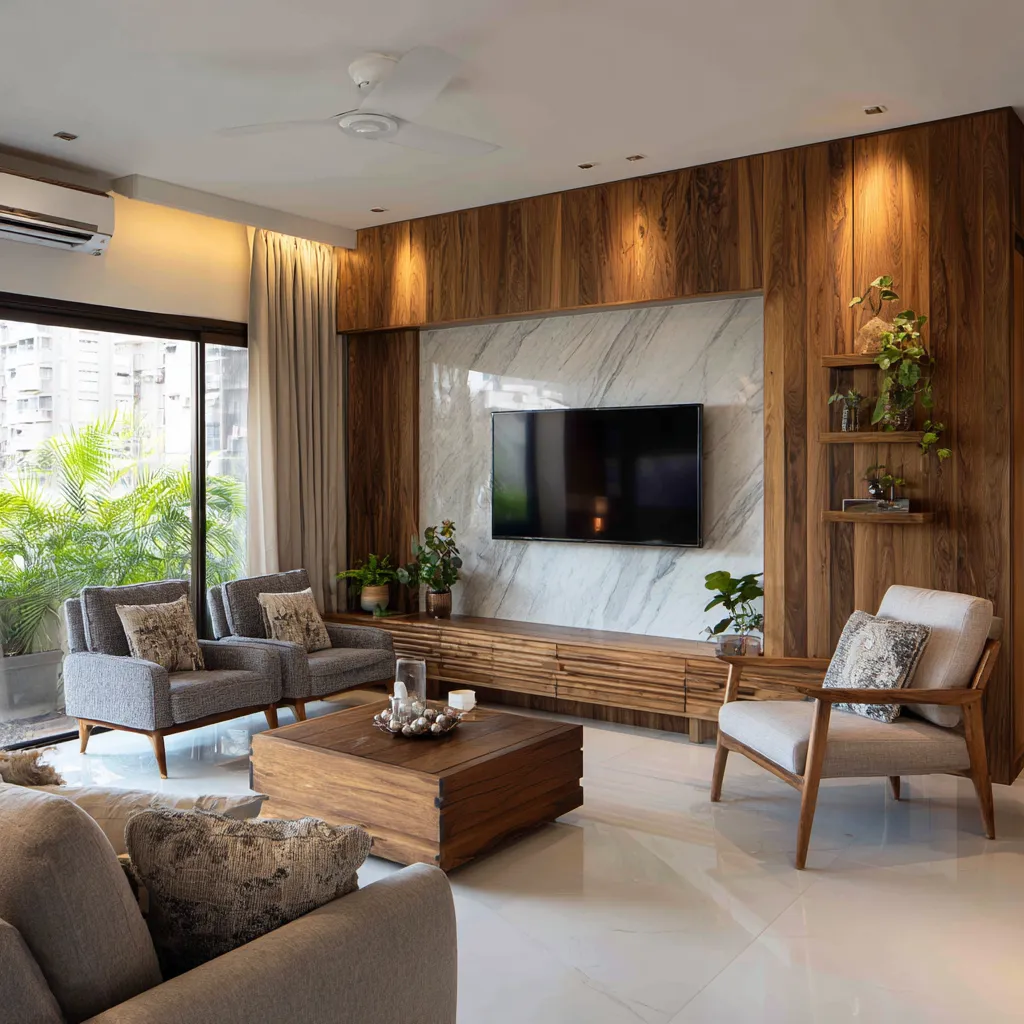
Every living room needs to have a focal point. This is the area that naturally draws attention when you enter. It could be a TV unit, a feature wall, a fireplace, or even a large window.
Once you choose the focal point, set your furniture around it. Avoid adding too many strong elements in the room. One focal point makes the room calm and organised.
Choose The Right Sofa For The Space
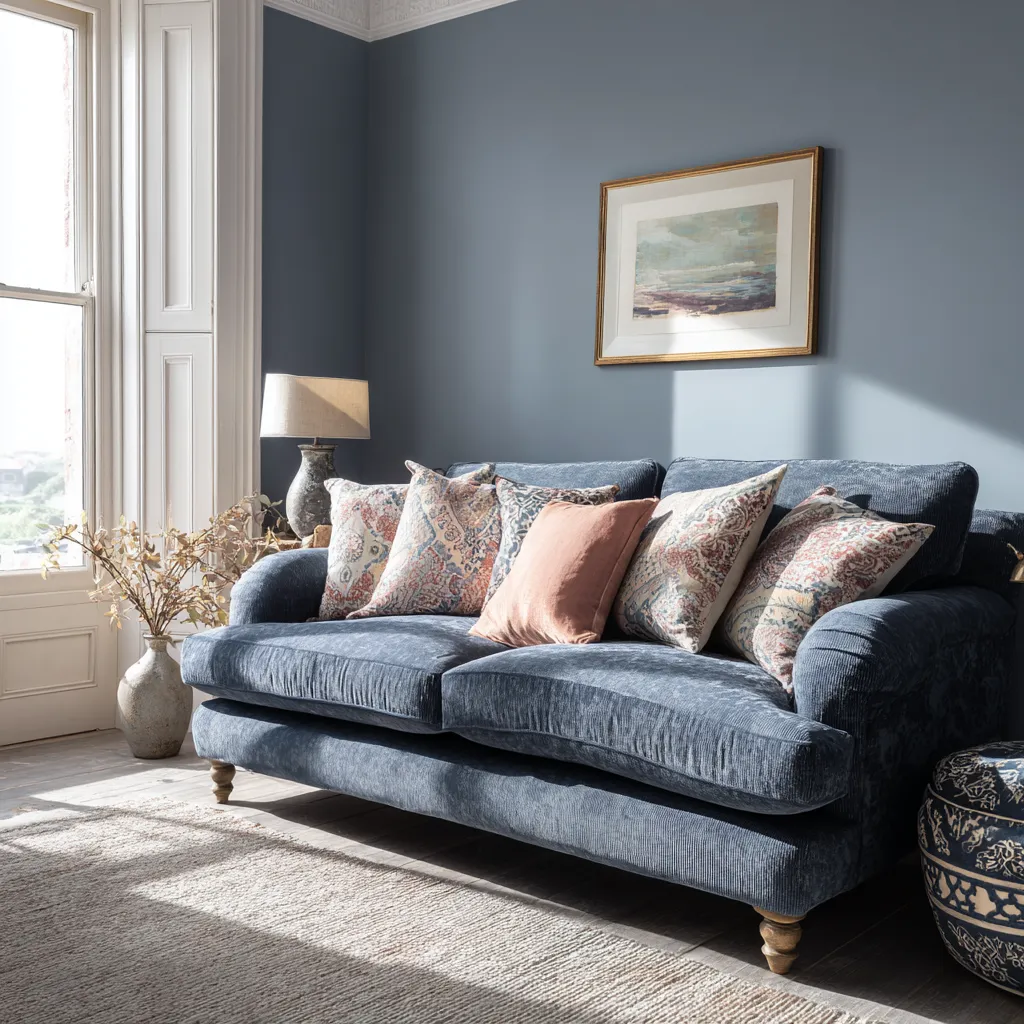
The sofa is usually the biggest item in the living room. The size of the sofa should match the room. A large sofa in a small room will feel heavy, while a tiny sofa in a large room will look abandoned and lost.
Check your space before buying. Also consider fabric. Light fabrics feel fresh, but dark fabrics are easier to maintain. Comfort should always come before style.
Use Rugs To Define The Space
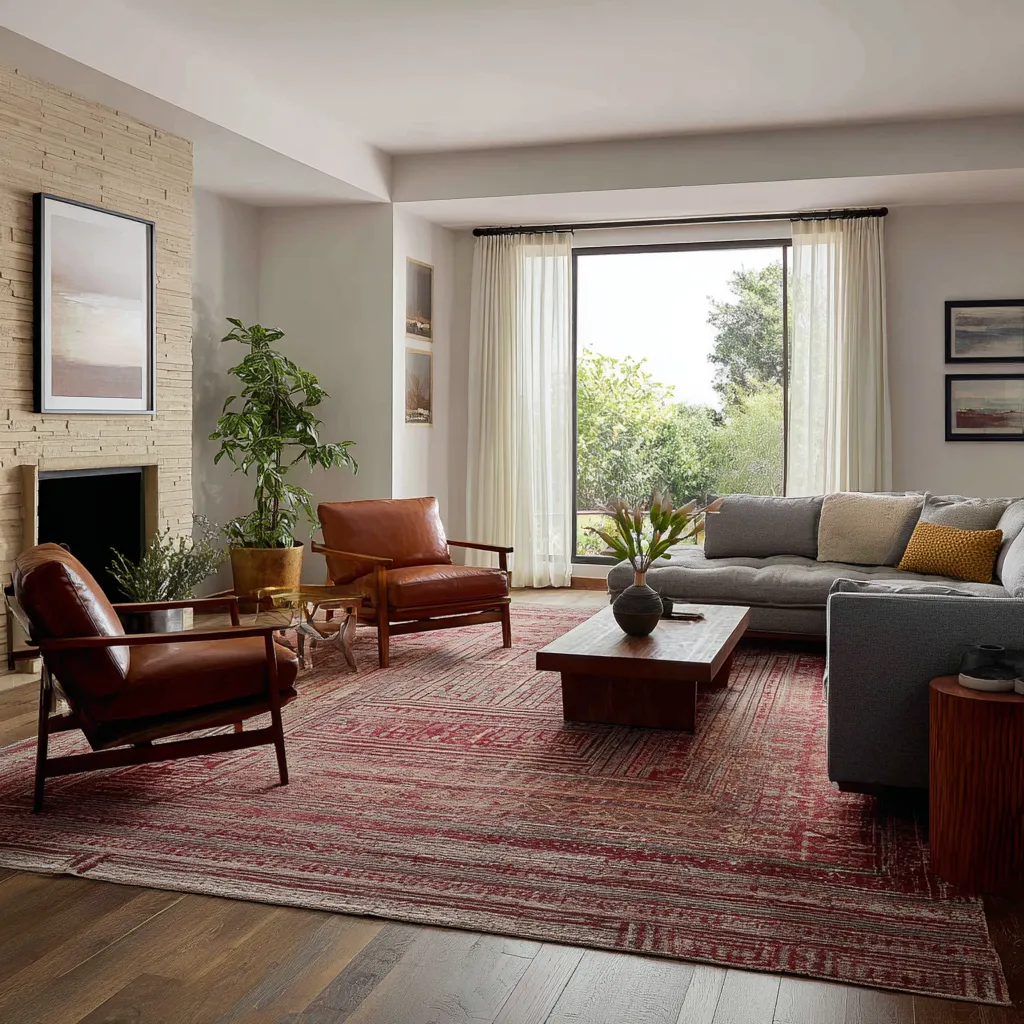
A rug can instantly bring the room together. It adds warmth to the living area. The rug should be large enough so that at least the front legs of the sofa and chairs rest on it.
Avoid very small rugs. They look awkward and break the visual flow. Choose patterns if the room is simple. If the room already has many details, choose solid colours.
Layer The Lighting
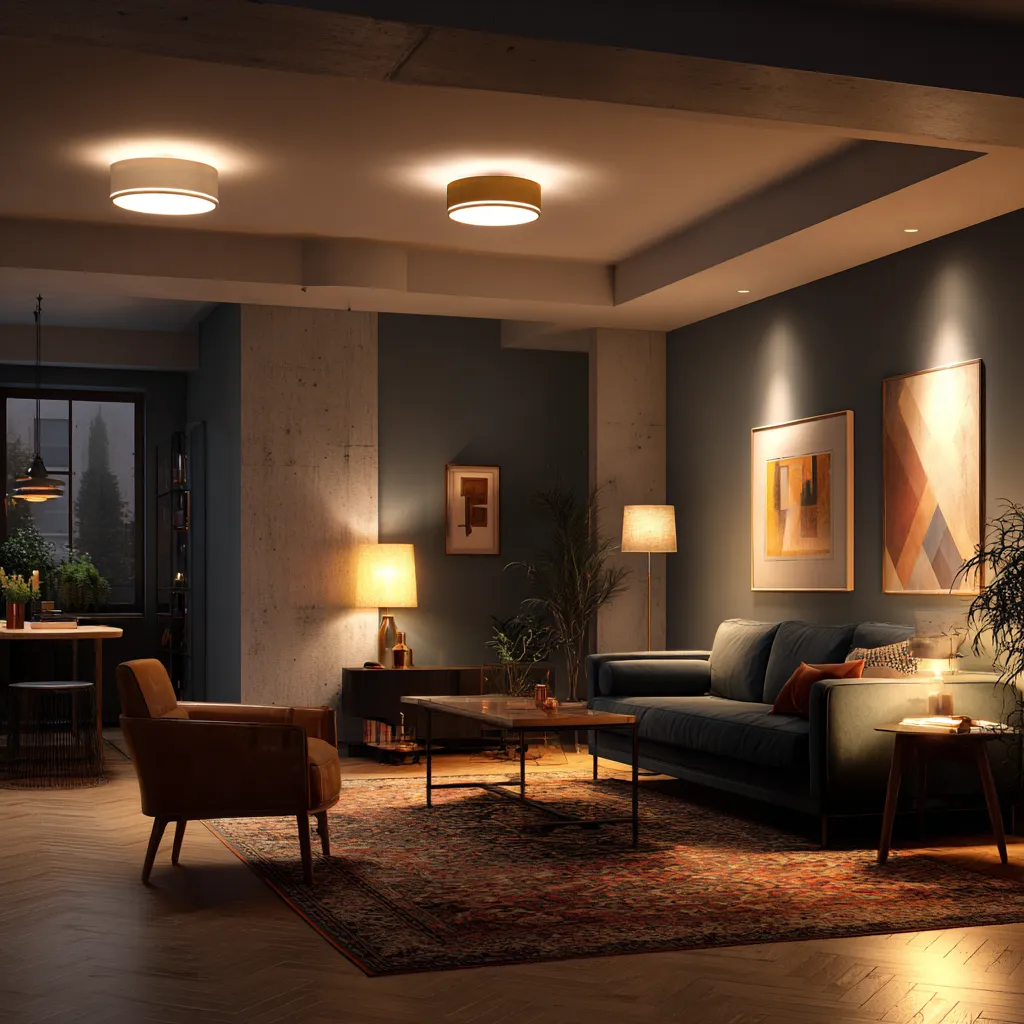
Lighting changes how a living room feels. Having only one ceiling light makes the room flat. Instead, try to use layers. Combine ceiling lights with floor lamps and table lamps.
Warm lighting makes the space feel cosy. Brighter lights can be used near shelves or corners. Lamps also serve as decorative pieces, not just light sources.
Mix Textures For Visual Interest
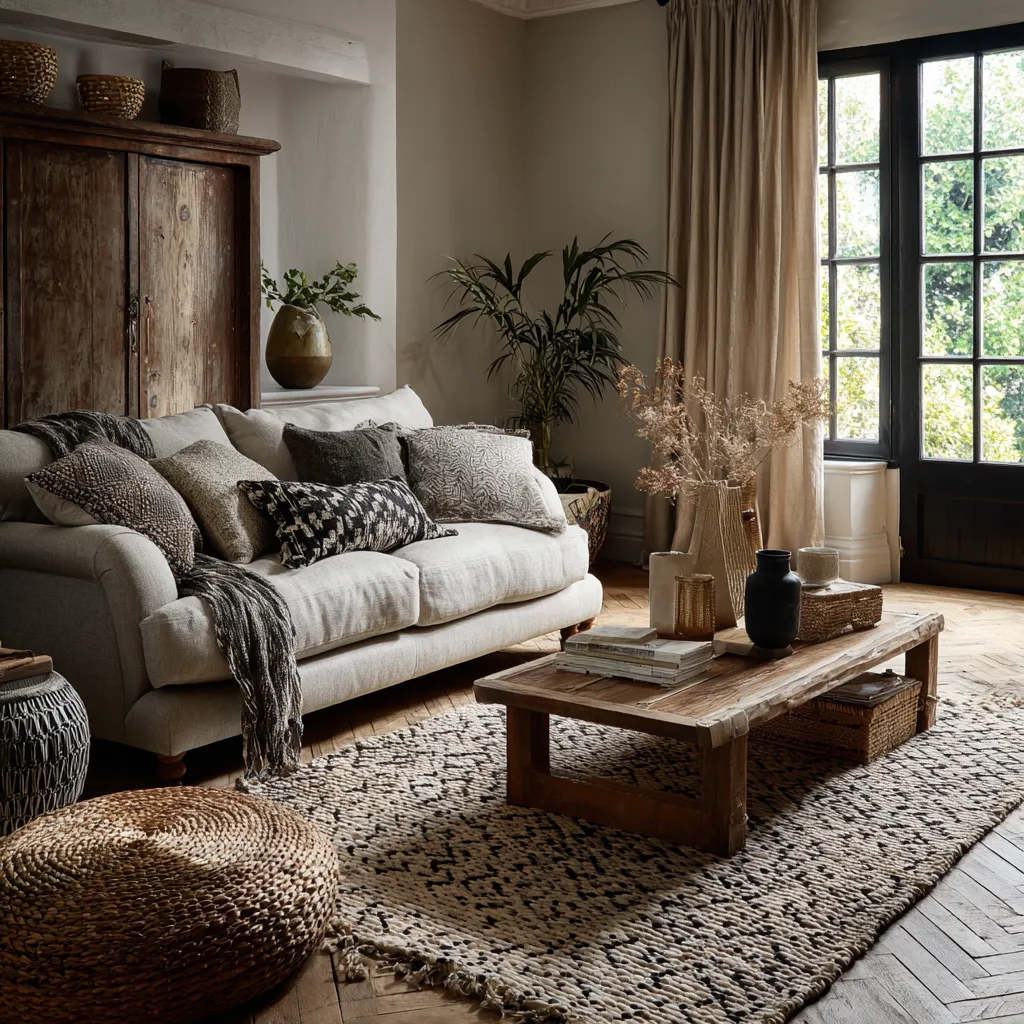
A room feels monotonous when everything looks the same. Mix soft and hard textures. Pair fabric sofas with wooden tables. Add cushions, throws, and rugs in different materials. Texture adds depth to a space without needing extra colour.
Decorate Walls With Purpose
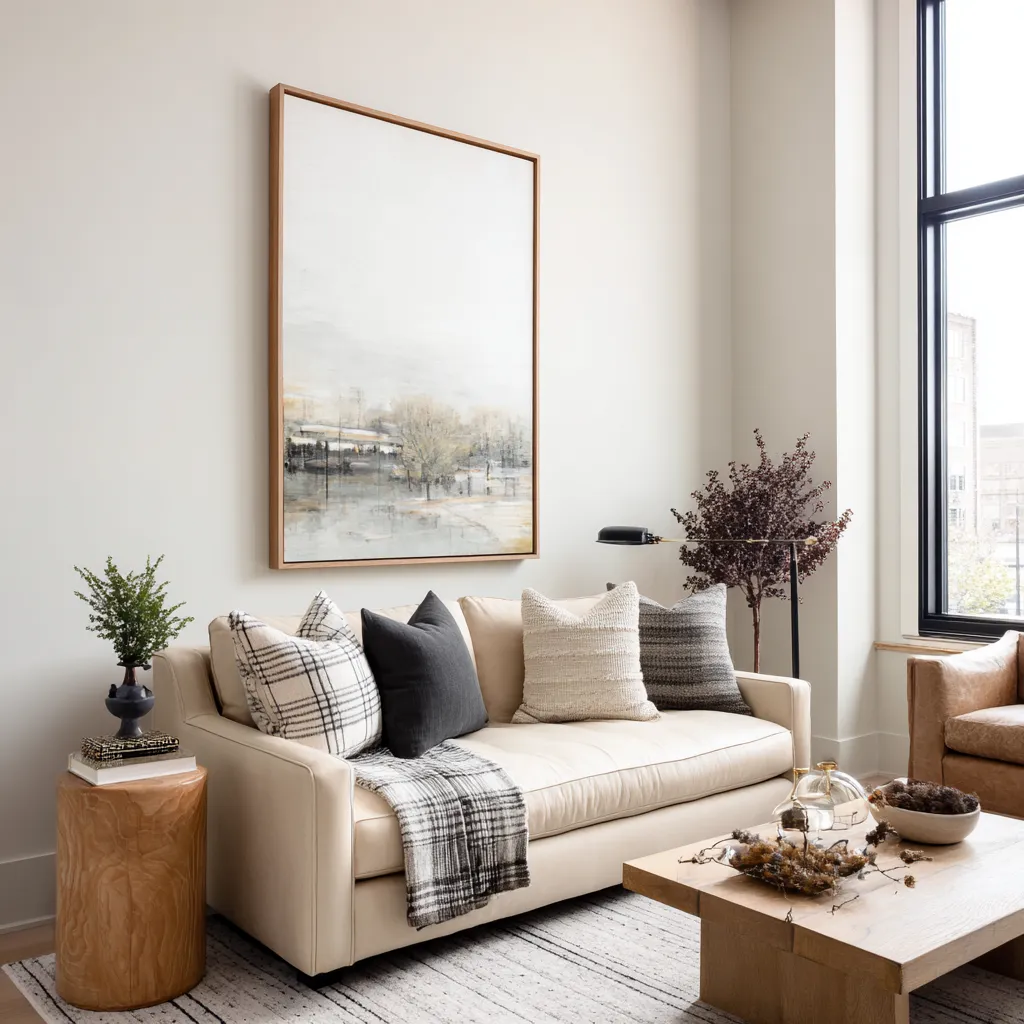
Empty walls can make a room feel unfinished. Similarly, overly done walls can feel messy. Find a balance. One large art piece or painting can look better than many small pieces scattered around.
You can also create a gallery wall with photos or prints. Keep the frames similar for a cleaner look. Mirrors are also a great option. They make the room feel bigger.
Bring In Natural Elements
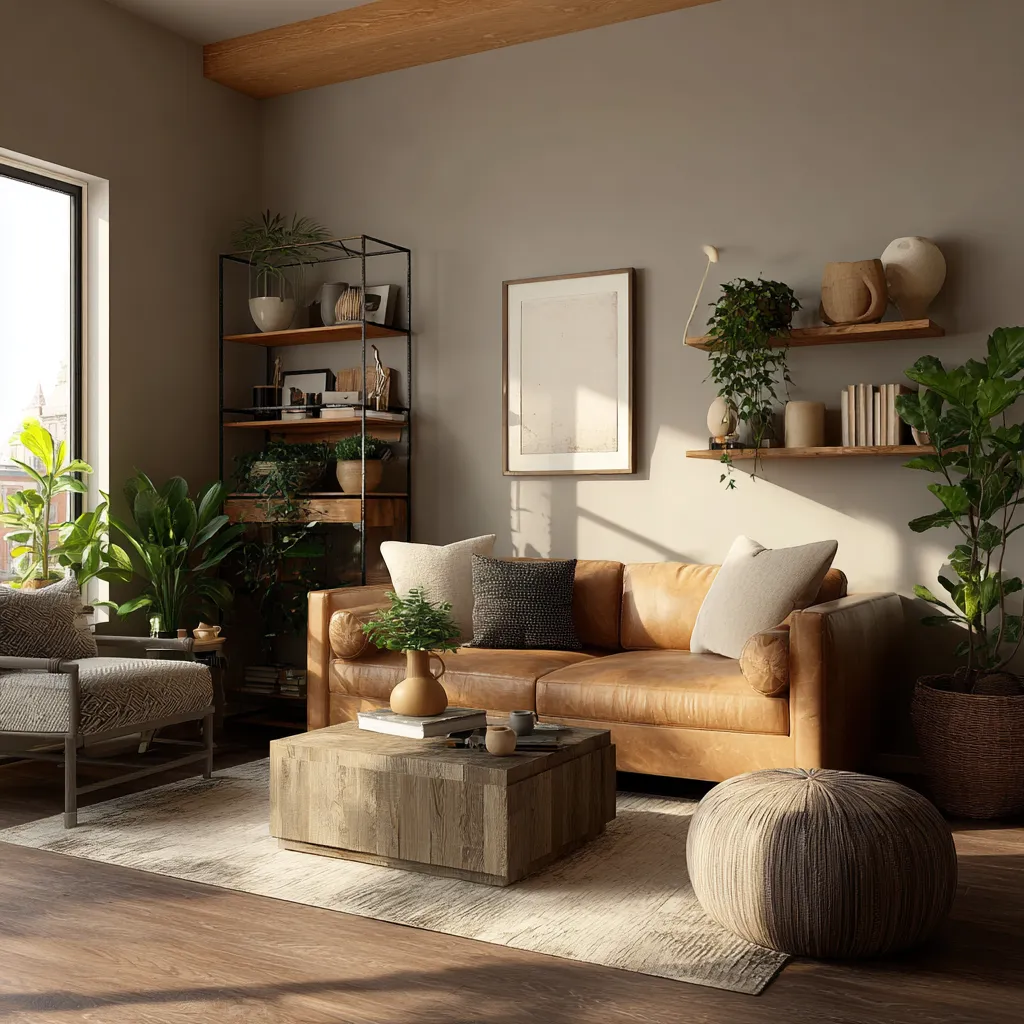
Plants instantly freshen up a living room. They add colour and life. Even one large plant in a corner can change the mood of the room.
If you can't take care of real plants, good-quality artificial ones work too. You can also use natural materials like wood, cane, or stone in furniture and decor.
Choose Curtains That Frame The Room
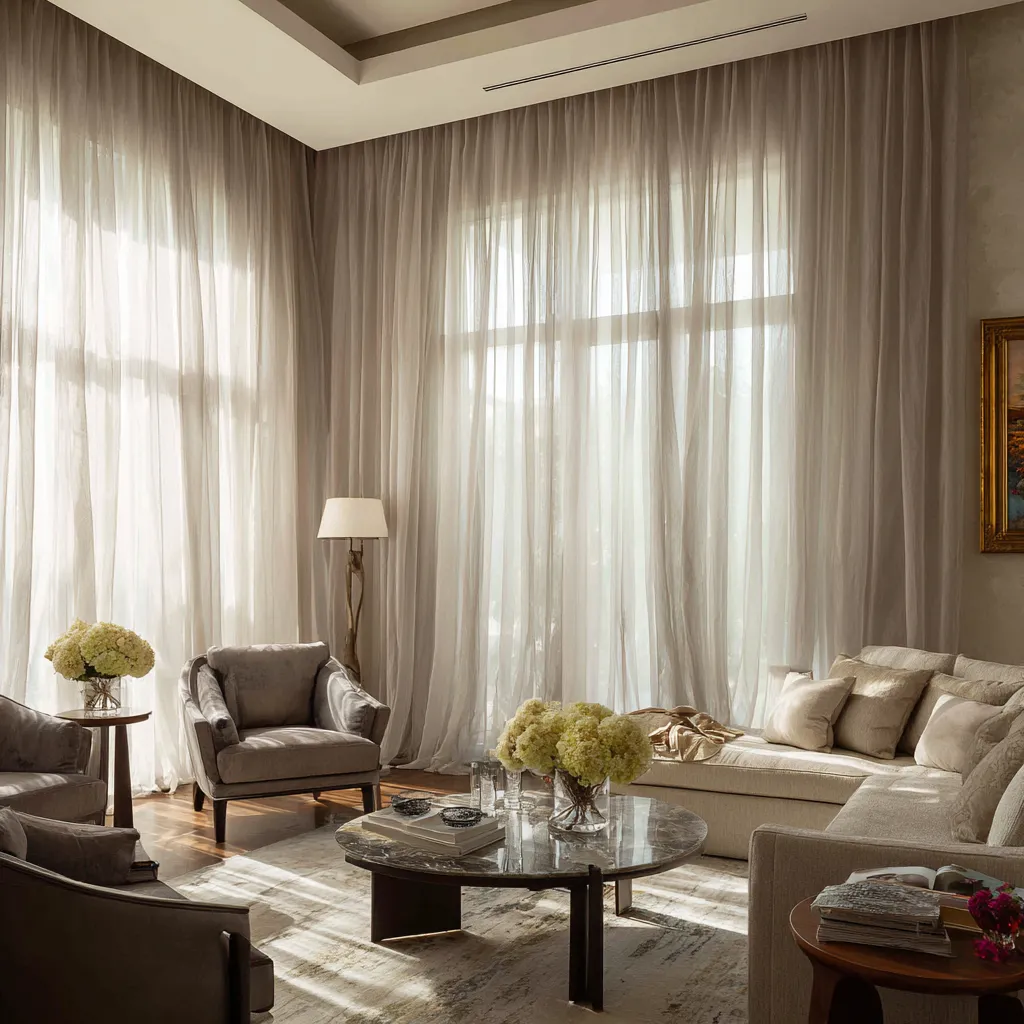
Curtains frame the room. Light curtains allow sunlight and make the space feel open. Heavy curtains add drama and privacy to the room.
Hang curtains slightly higher than the window frame. This makes the ceiling look taller. Let the curtains touch the floor for a more finished look.
Add Depth With Soft Furnishings
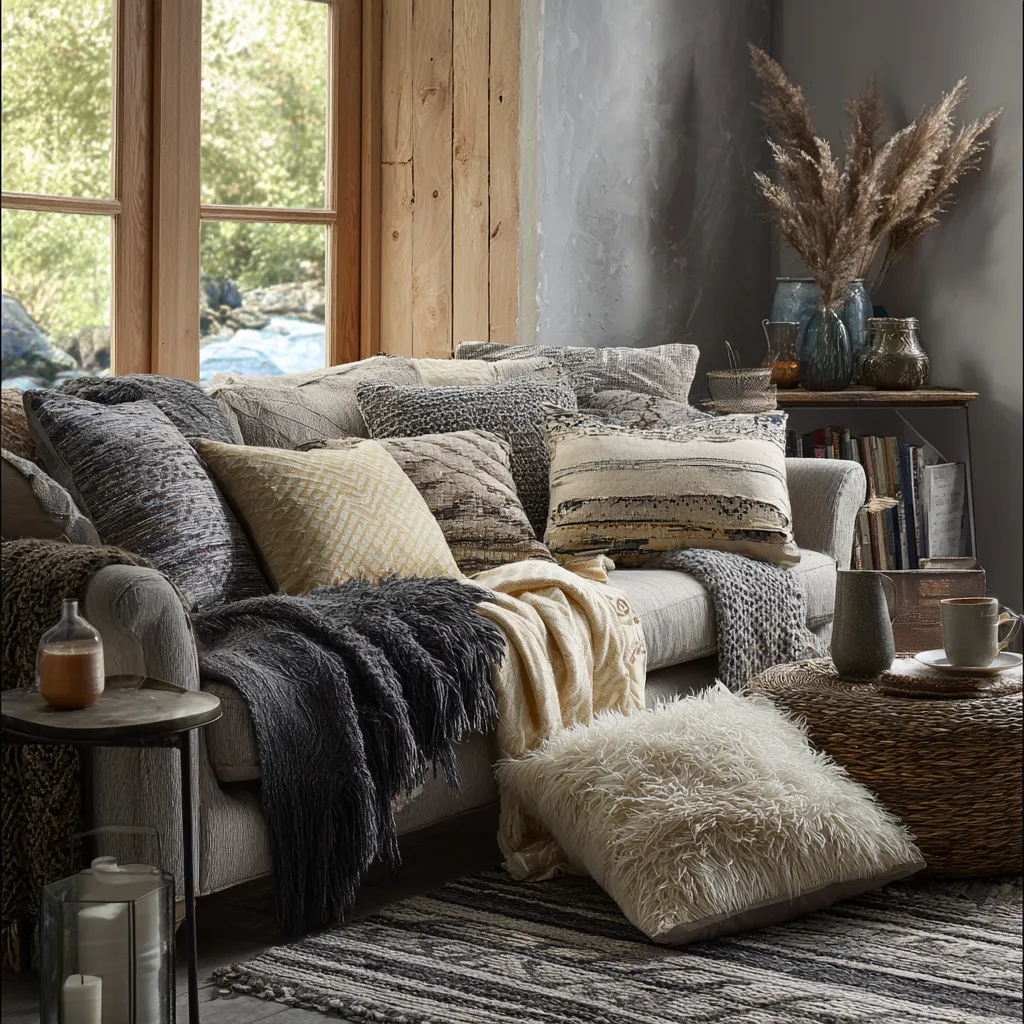
Cushions, throws, and blankets make a living room more cosy. They add comfort and texture. Mix fabrics such as cotton, linen, wool, and velvet.
Avoid using cushions that all look the same. Play with different sizes and patterns, but stick to your colour palette. A simple sofa can look completely different with the right cushions.
A Comfortable Reading Or Relaxing Corner
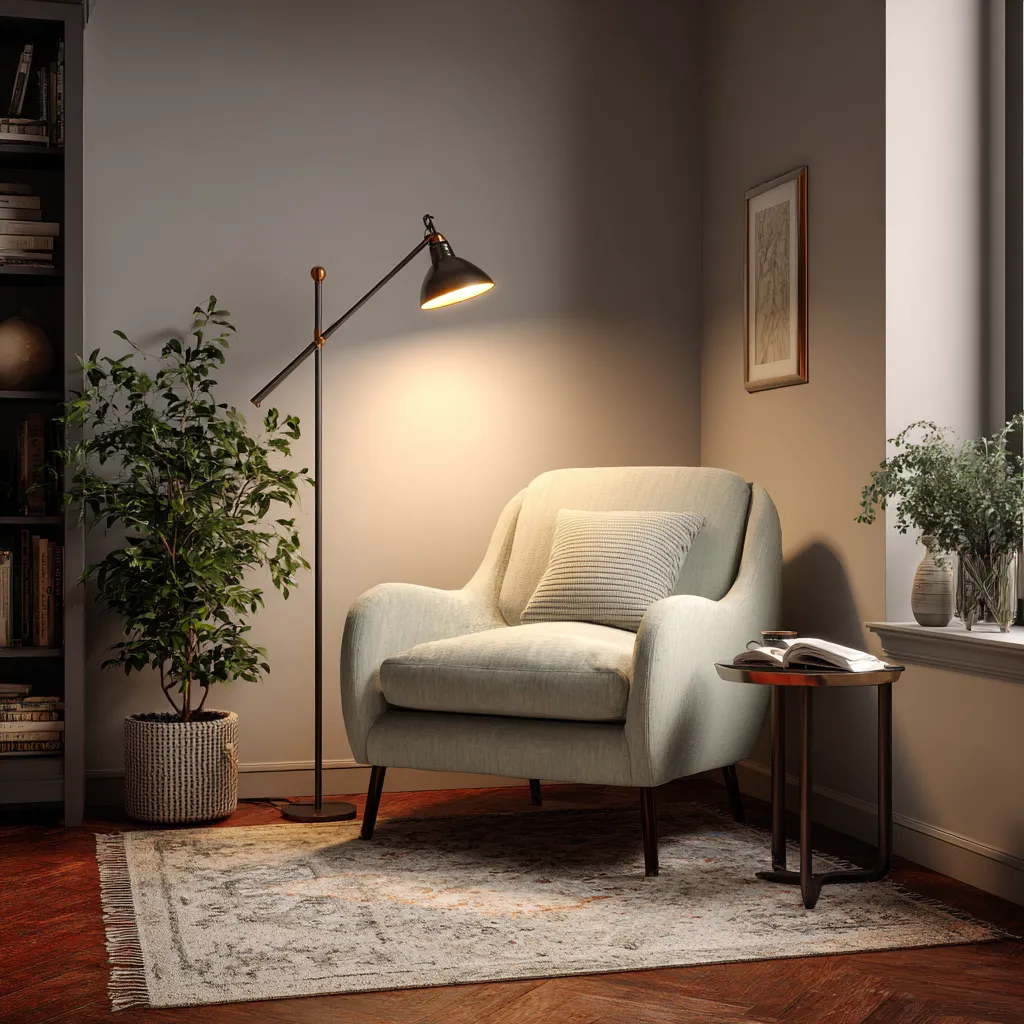
Use the unused corners wisely. Add a comfortable chair, a floor lamp, and a small side table. This will create a quiet spot for reading or relaxing. It adds charm to the room.
Keep The TV Area Clean
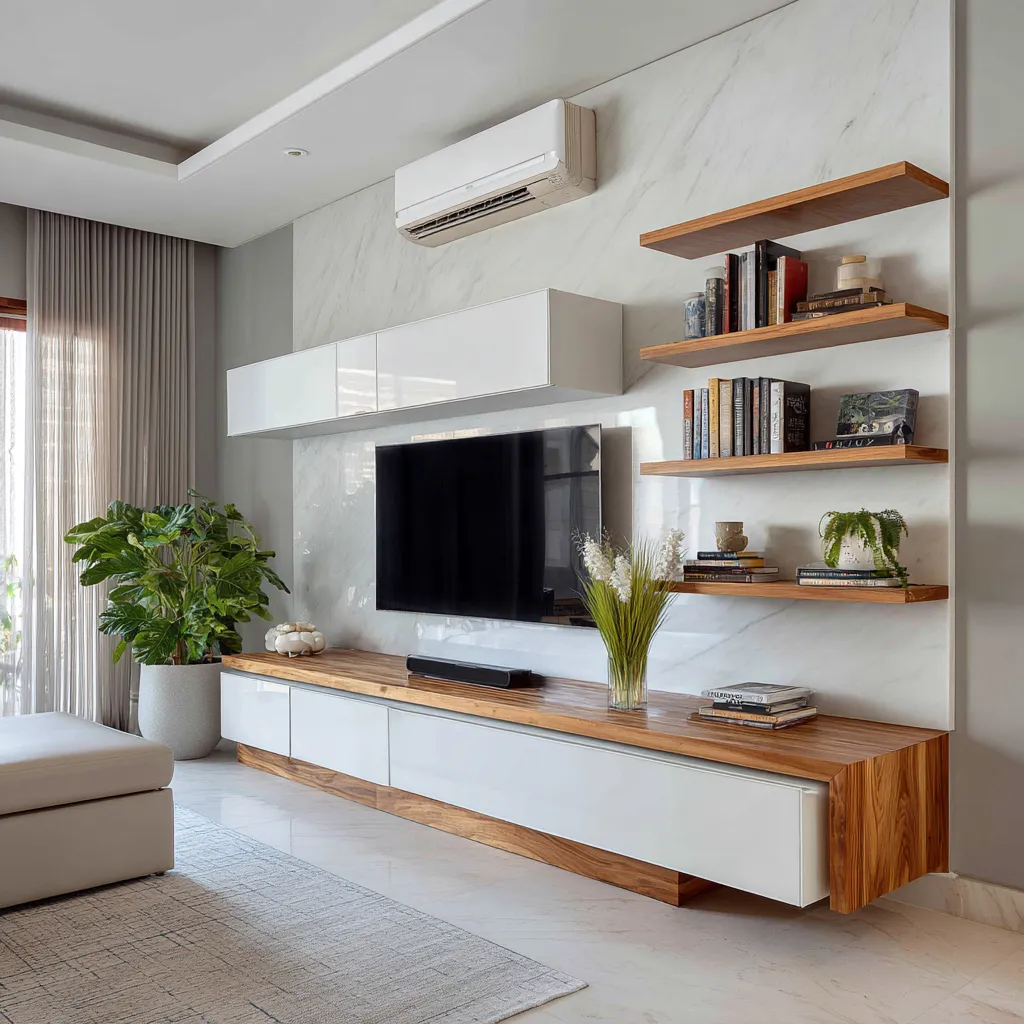
In most of the homes, the TV is a major part of the living room. Place it at a comfortable height. Avoid placing it too high. Use a TV unit to hide wires. A clean TV wall looks neat and modern. You can add shelves or panels if you want a more finished look.
Use Tables And Side Tables Smartly
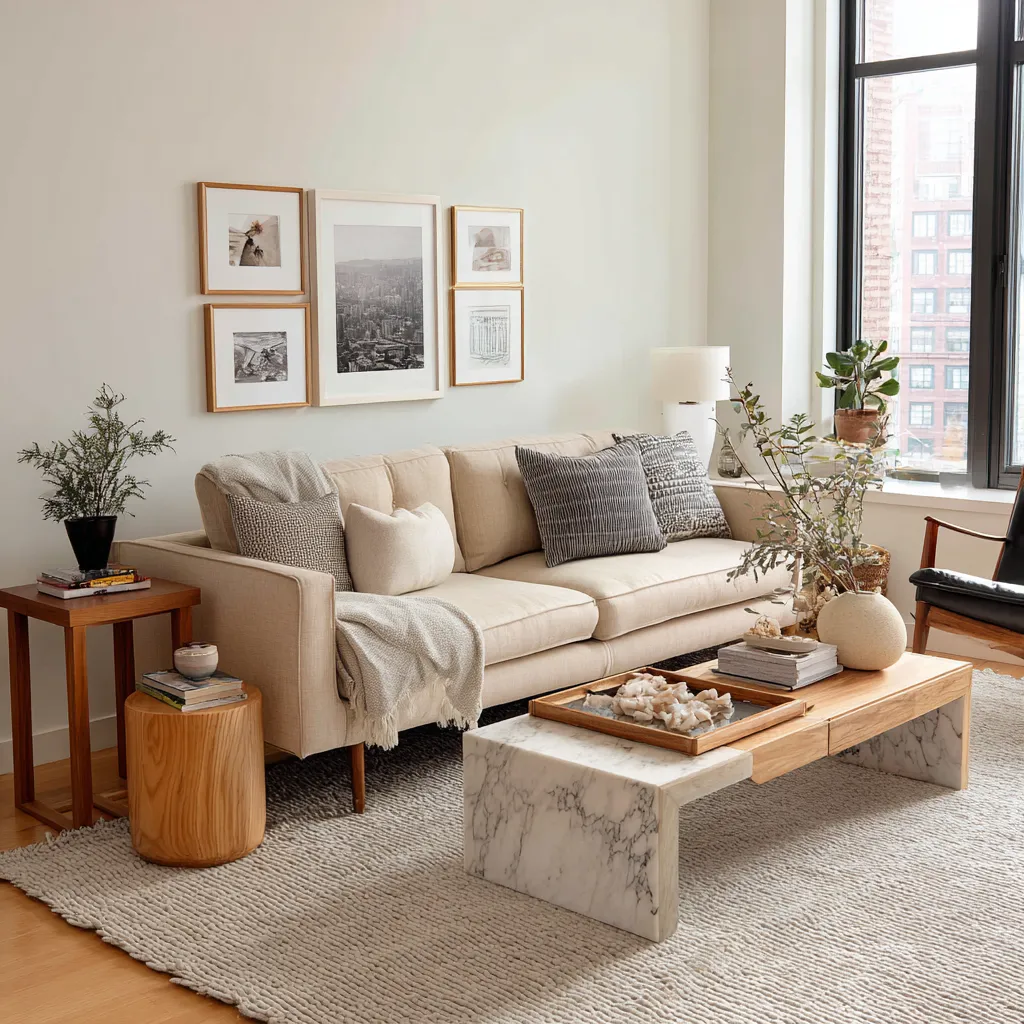
A central table adds function and style to the room. Choose one that fits the space. Round tables work well in small rooms. Rectangular ones are better for large rooms.
Style the table simply. A tray, a book, or a small plant is enough. Side tables next to sofas are useful and complete the look.
Create Zones In Large Living Rooms
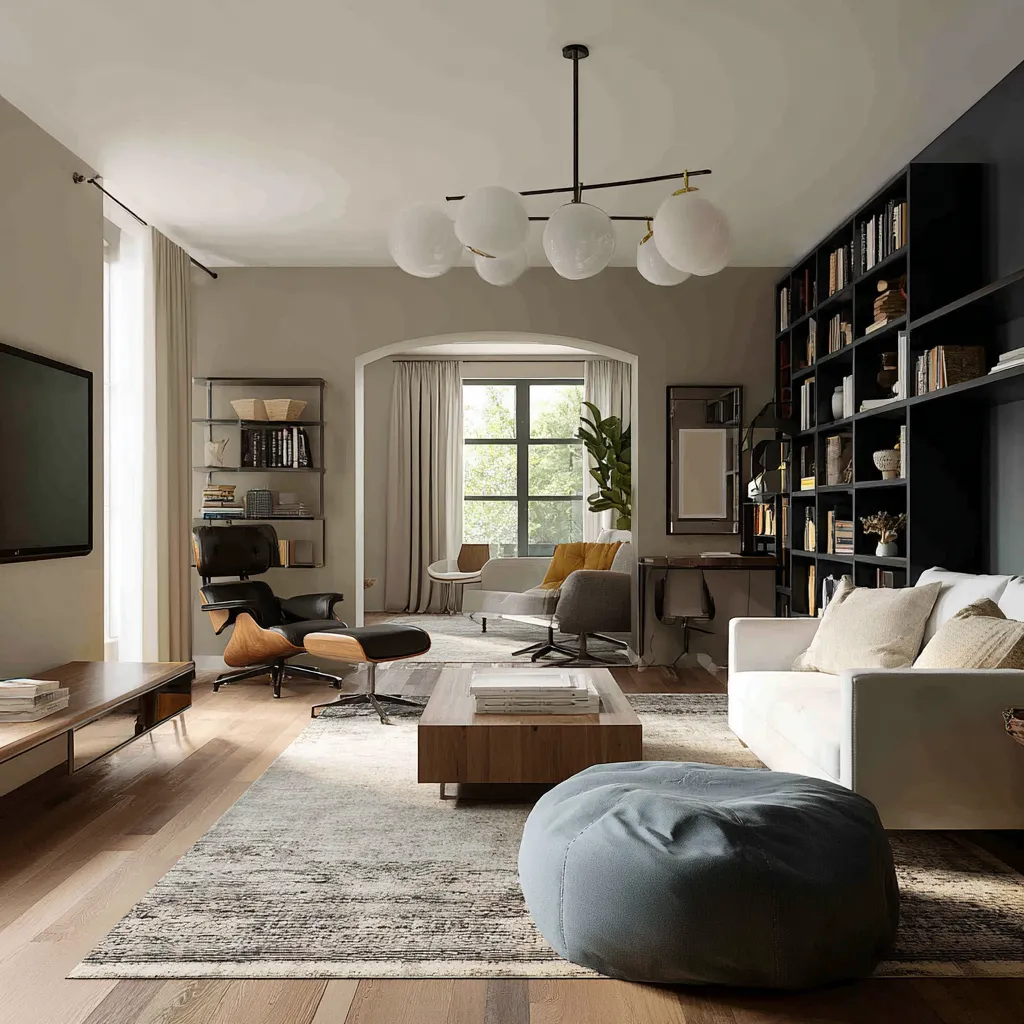
If your living room is large, divide it into zones. One area for watching TV. Another zone can be for reading or conversation. You can use rugs, furniture placement, or lighting to define these zones. This makes the room feel more organised.
Mix Old And New Pieces
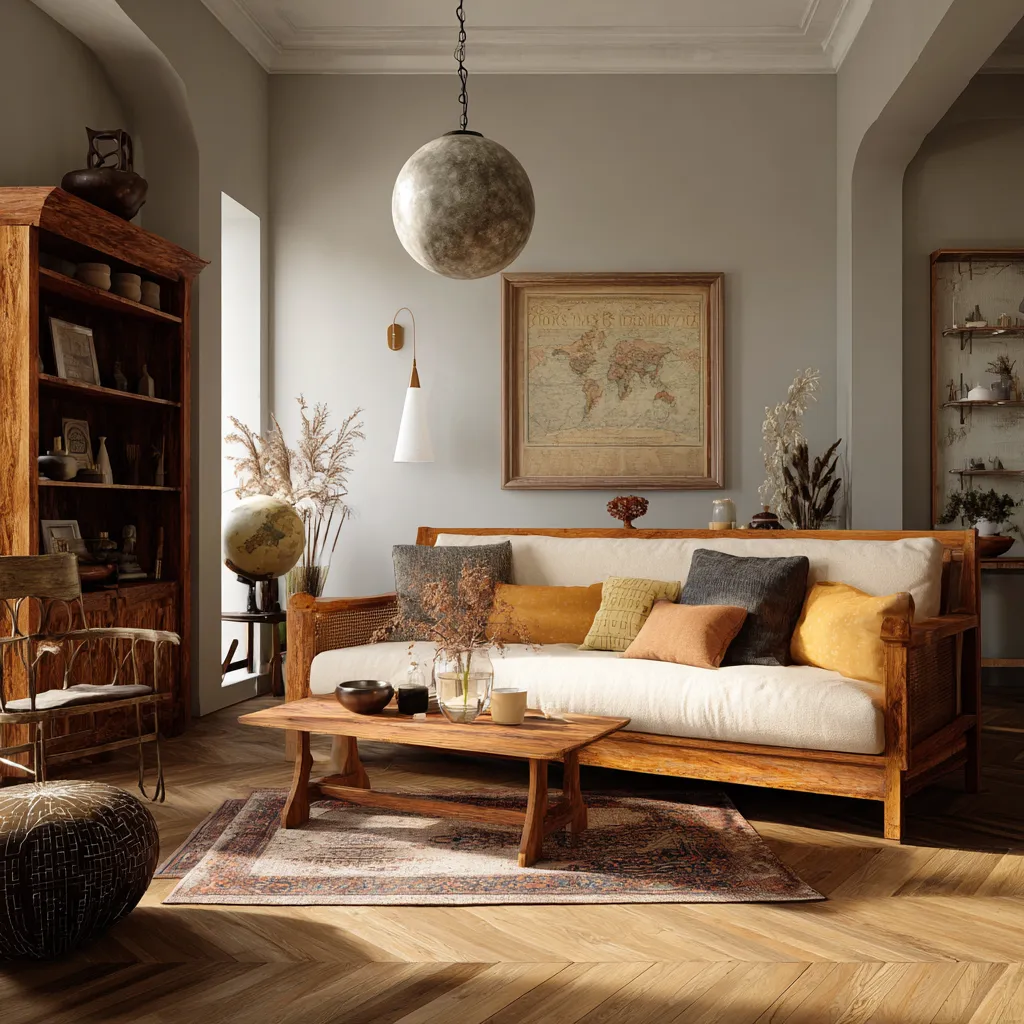
A room feels more natural when everything is not brand new. Mix modern furniture with vintage or old pieces. An old wooden table with a modern sofa adds character. This mix makes the space feel personal and warm.
Turn Storage Into Decor
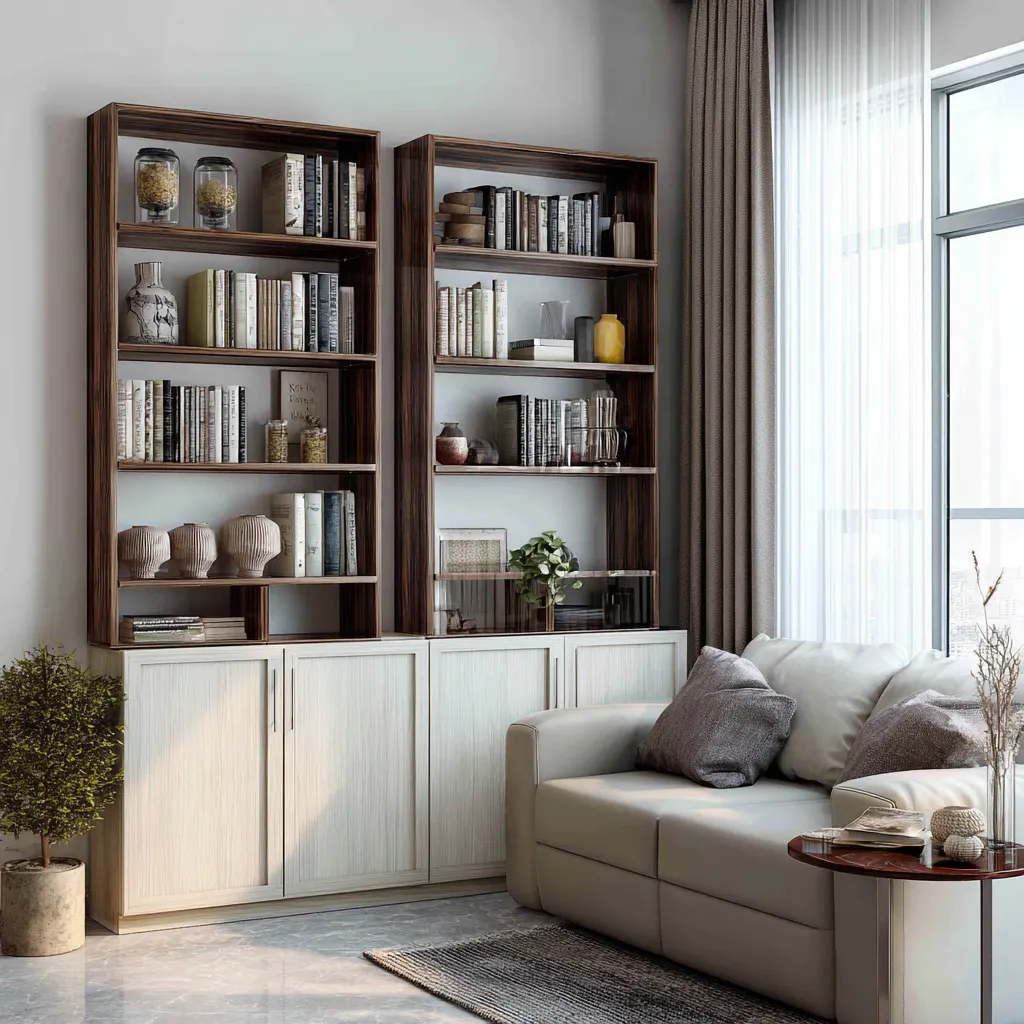
Storage is important in living rooms. Use cabinets, shelves, or baskets to keep things organised. Closed storage hides clutter in the room. Use open shelves to display books, plants, or decor. Keep shelves neat and avoid overstocking.
Add Personal Touches That Tell A Story
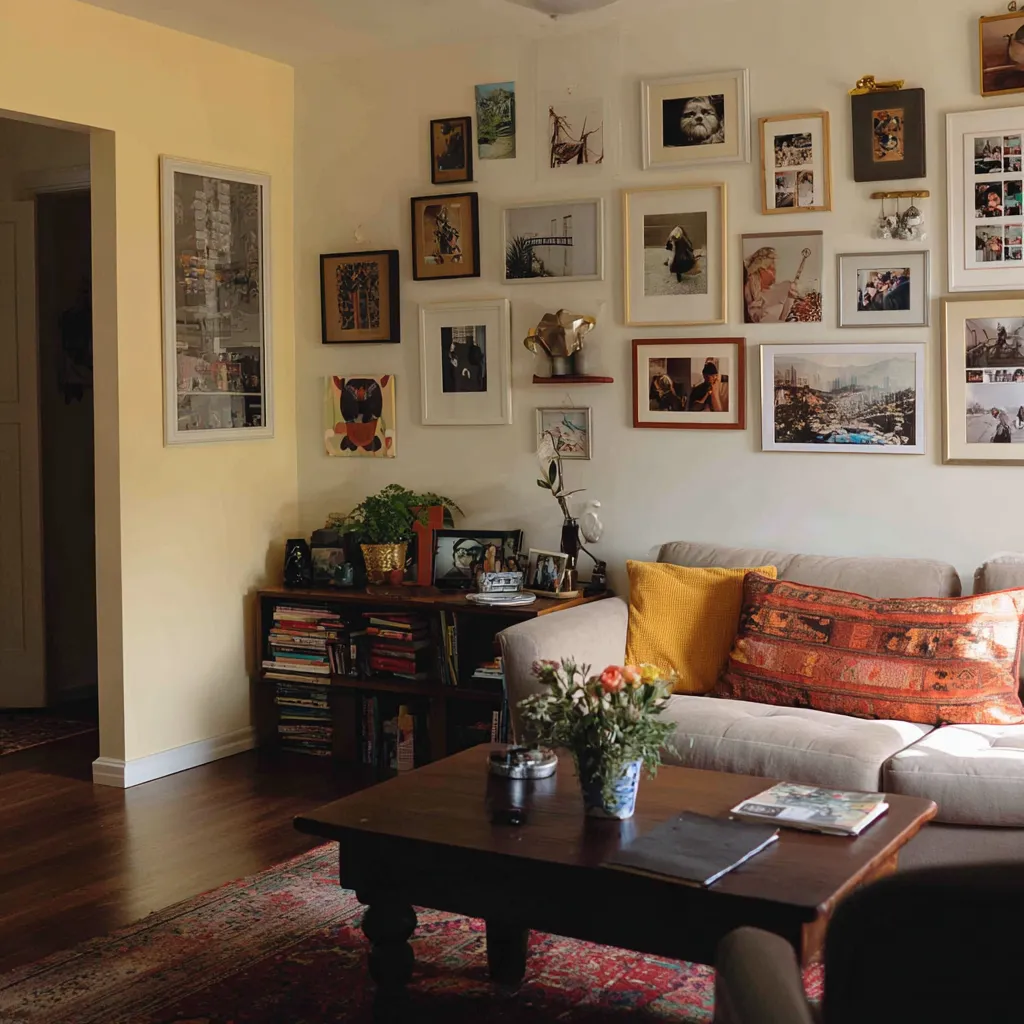
Your living room should reflect your personality. Add family photos, travel souvenirs, or artwork you love. These small details make the room feel real. They also make guests feel more connected to your space.
Use Statement Pieces Carefully
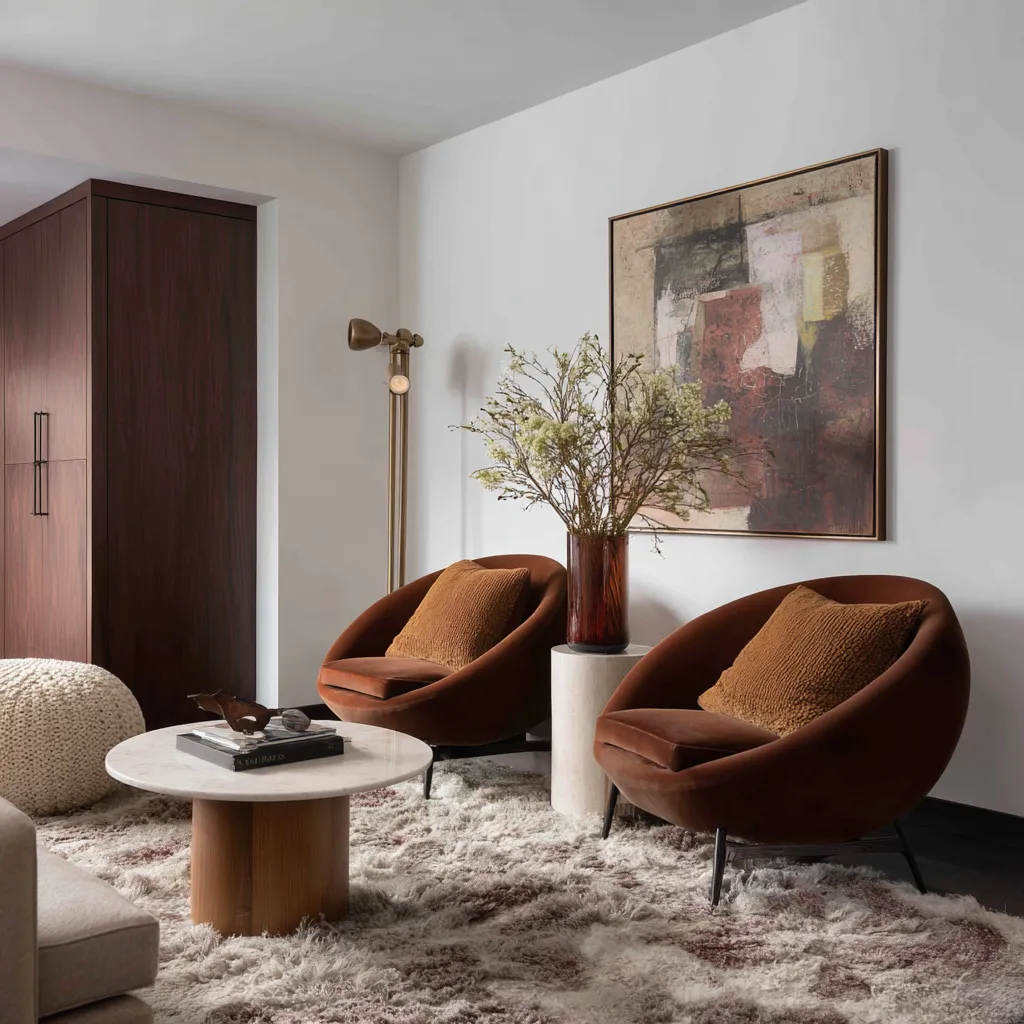
One bold item can elevate the entire room. It can be anything, be it a chair, artwork, lamp, or rug. Keep everything else simple, so the statement piece stands out.
Keep Decor Minimal
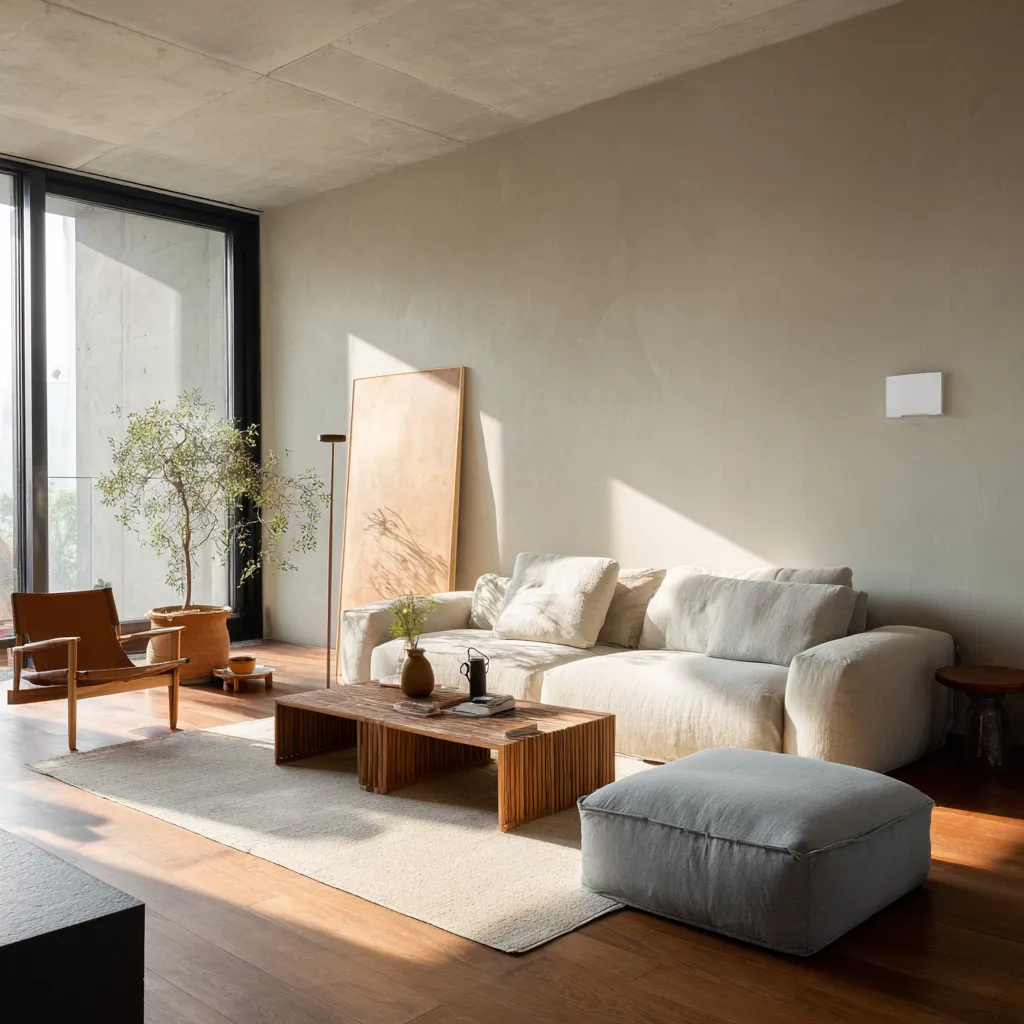
Too many decor items can overwhelm the room. Choose a few good pieces instead of many small ones. Let each item breathe.
Play With Height And Scale
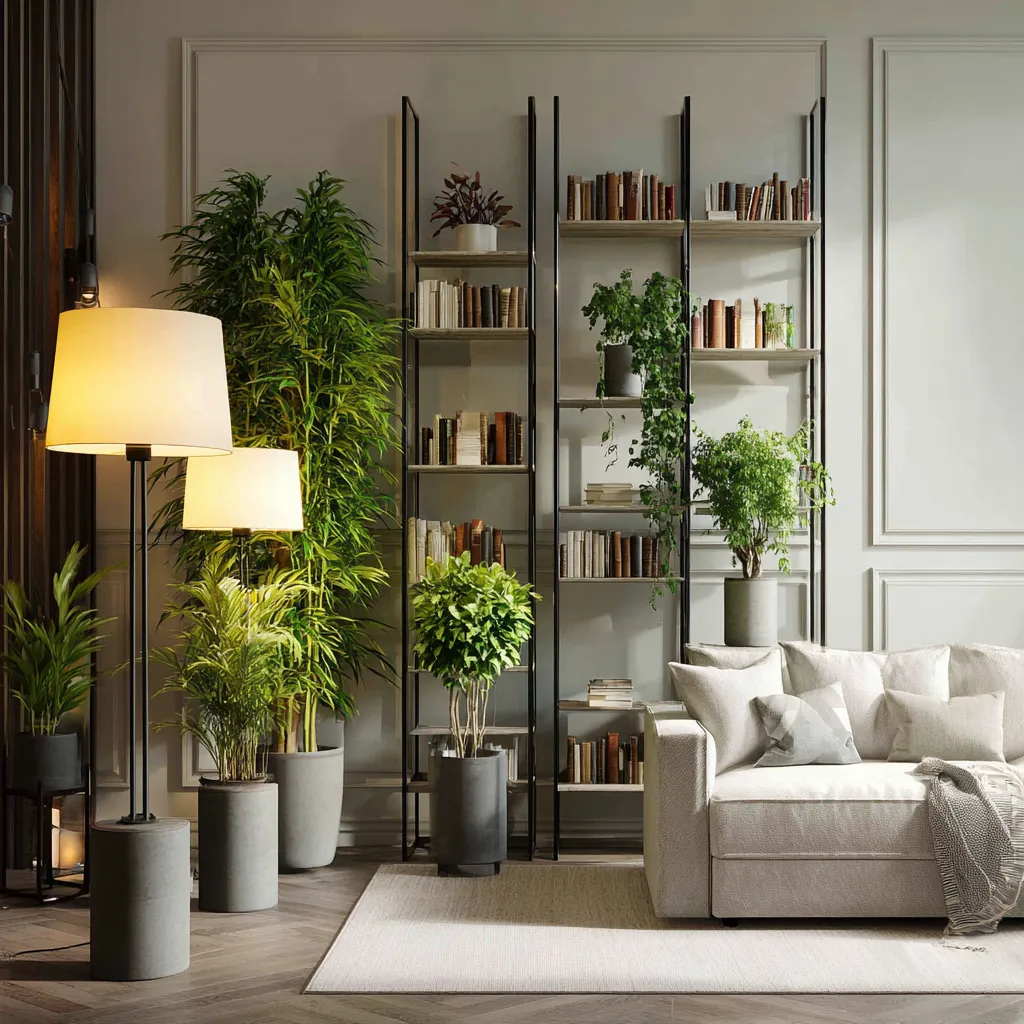
Use tall elements like floor lamps, tall plants, or vertical shelves. This makes the room feel taller. Mixing low and tall elements keeps the room visually balanced.
Leave Some Space Empty
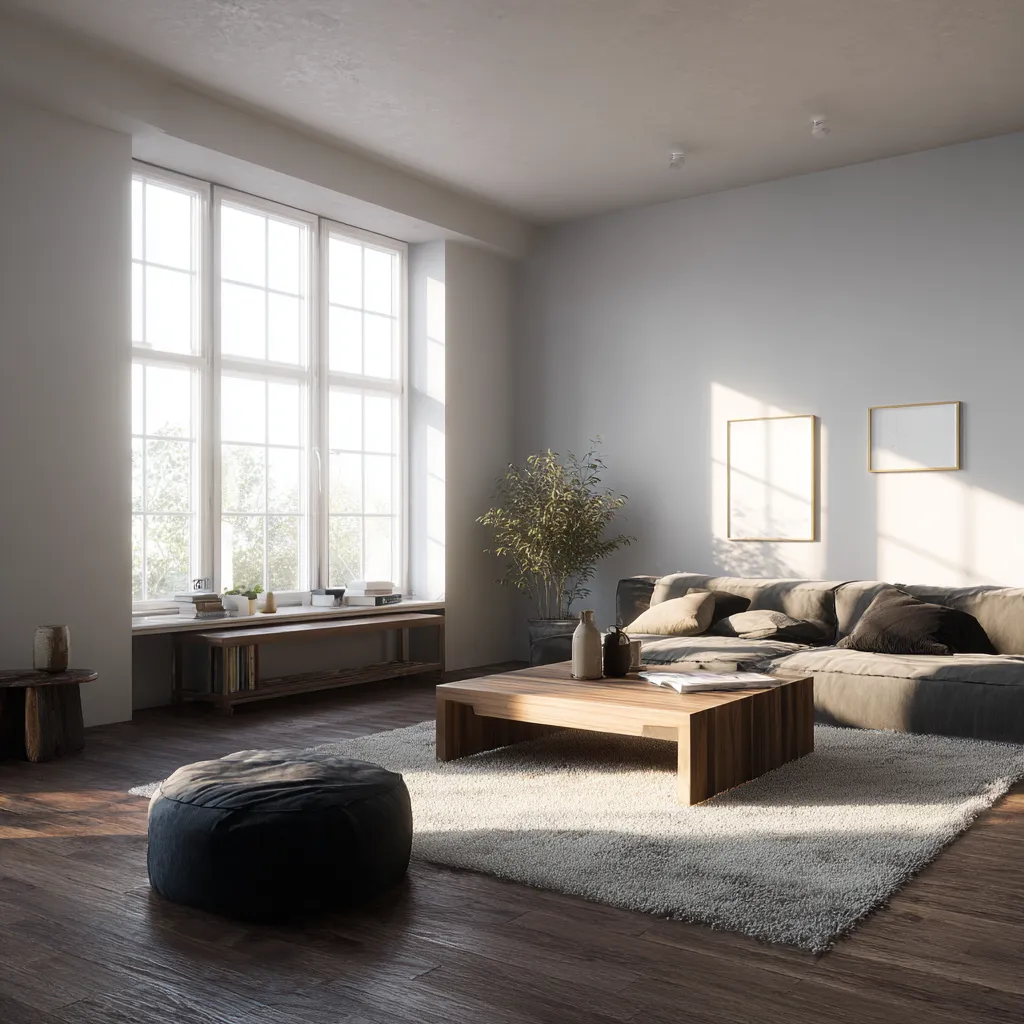
Not every corner needs decoration. Empty space gives the eyes a break. A slightly open room always feels more elegant and comfortable.
Decorate A Living Room: Do And Dont
Decorating a living room becomes easier when you know what to do and what to avoid. The do's and don'ts below will help you make better decisions and create a living room that feels comfortable and put together.
Living Room Decoration: Do
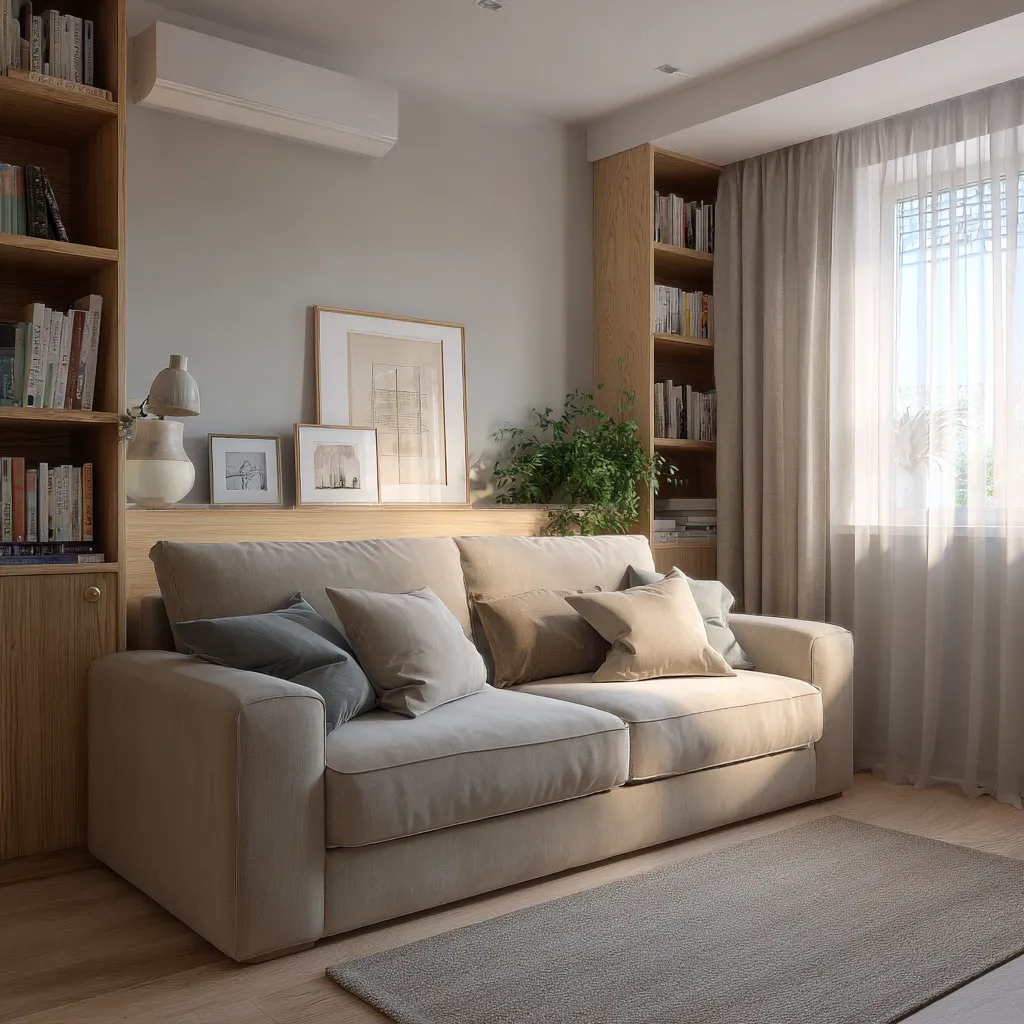
- Choose Comfort over Looks: A living room is meant to be used every day. Always check comfort before buying anything, be it a chair or sofa.
- Stick to a Consistent Colour Palette: Using too many colours can make the room feel messy. Pick a main colour, a secondary shade, and one accent colour. Repeat these shades in walls, furniture, cushions, and other decor.
- Add Storage Wherever Possible: Use cabinets and shelves to keep the room tidy. Hidden storage is best for daily clutter like remotes, chargers, and magazines.
- Include Natural Elements: Plants, wooden furniture, or natural fabrics add warmth to the place. Even one or two plants can make a big difference.
- Personalise the Space: Your living room should not look like a showroom. Add items that tell your story, like family photos, travel souvenirs, or artwork you love.
Living Room Decoration: Dont
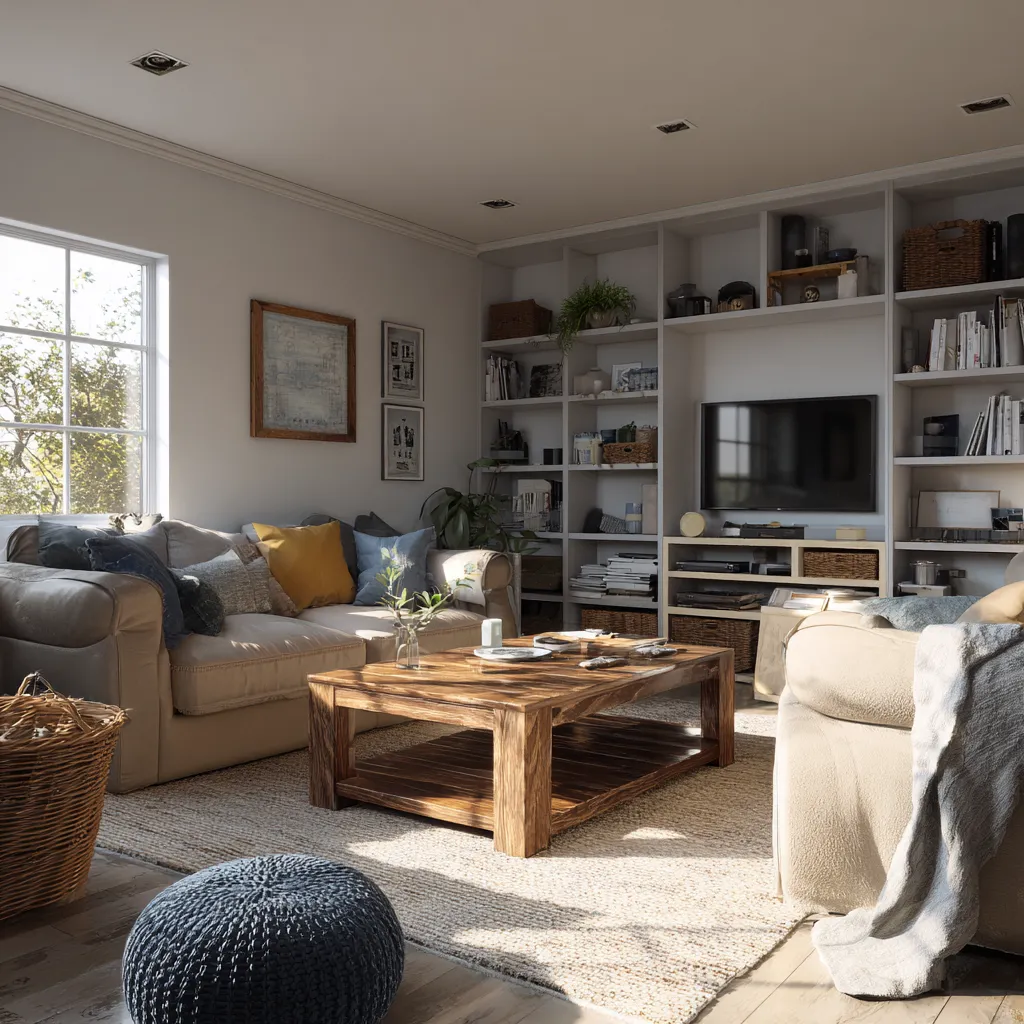
- Don't Overcrowd the Space: Empty space is important. Leave breathing space between pieces. It allows the room to feel open and easy to move around in.
- Don't Push All Furniture Against the Walls: It is a common mistake. Pull sofas and chairs slightly inward to create a cosy seating area.
- Don't Use Very Small Rugs: Small rugs make furniture look scattered. If a large rug is not possible, choose one that at least fits the front legs of the furniture.
- Don't Overdecorate Shelves and Tables: Too many items create visual noise. Keep shelves simple. Leave some empty space to help each item stand out.
- Don't forget about Cable Management: Visible wires can ruin the look of a good living room. Hide cables behind units or use wire covers. A neat setup always looks more polished.
Bringing Balance To The Living Room
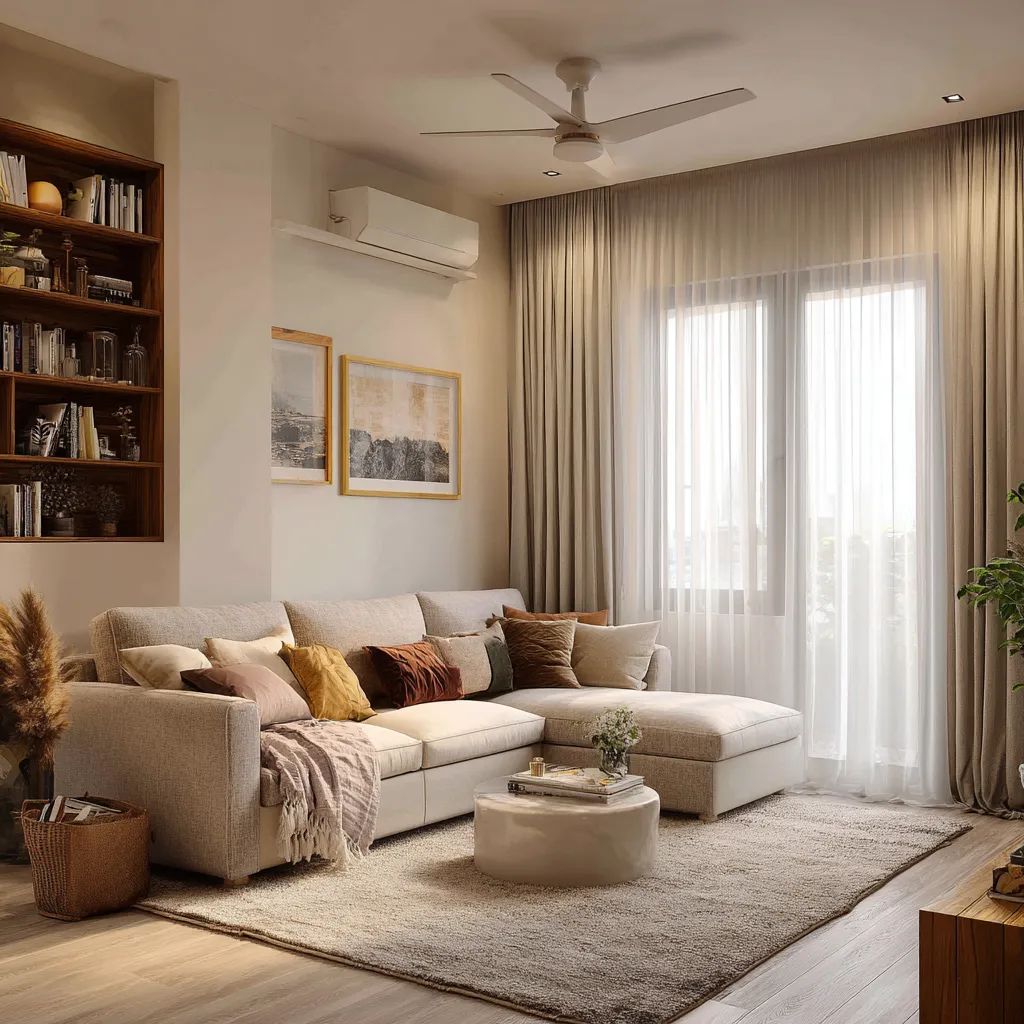
Decorating a living room is a slow process. It is not something that needs to be finished all at once. Everything else falls into place when the space feels easy to move and pleasant to spend time in. Comfort should always come first. Small, thoughtful choices matter more than big design changes. A living room that feels balanced and personal will always feel welcoming, irrespective of its size or style.
If you're looking for expert help to bring these ideas to life, Interior Company helps design living rooms that are practical, comfortable, and suitable for everyday living. With the right guidance, decorating a living room can be simple and stress-free.
'Images used are for representational purposes only. Unless explicitly mentioned, the Interior Company does not hold any copyright to the images.'
Living Room Design Ideas for You
- Color
- Theme
- Size
- Type
- Floor Material
- Wall Color
- Peach Color Living Room
- Ivory Color Living Room
- Light Beige Color Living Room
- Mint Green Color Living Room
- Multi-Colour Color Living Room
- Multicolour Color Living Room
- Mustard Color Living Room
- Natural Brown Color Living Room
- Navy Blue Color Living Room
- Neutral Color Living Room
- Off White Color Living Room
- Olive Green Color Living Room
- Orange Color Living Room
- Beige Color Living Room
- Pink Color Living Room
- Pista Green Color Living Room
- Purple Color Living Room
- Red Color Living Room
- Royal Blue Color Living Room
- Skin Color Living Room
- Teal Color Living Room
- Terracotta Color Living Room
- White Color Living Room
- Wooden Brown Color Living Room
- Yellow Color Living Room
- Blue Color Living Room
- Grey Color Living Room
- Brown Color Living Room
- Black Color Living Room
- Dark Blue Color Living Room
- Gold Color Living Room
- Green Color Living Room
- Traditional Theme Living Room
- Bohemian Theme Living Room
- Scandinavian Theme Living Room
- Rustic Theme Living Room
- Retro Theme Living Room
- Contemporary Theme Living Room
- Eclectic Theme Living Room
- Modern Theme Living Room
- Luxurious Theme Living Room
- Art Deco Theme Living Room
- Industrial Theme Living Room
- Minimalist Theme Living Room
- Vinyl Floor Material Living Room
- Light Hardwood Floor Material Living Room
- Laminate Floor Material Living Room
- Marble Floor Material Living Room
- Ceramic Tile Floor Material Living Room
- Carpet Floor Material Living Room
- Porcelain Tile Floor Material Living Room
- Plywood Floor Material Living Room
- Concrete Floor Material Living Room
- Painted Wood Floor Material Living Room
- Medium Hardwood Floor Material Living Room
- Dark Hardwood Floor Material Living Room

Ready for a home transformation?
Let our designers assist you!
Recent Posts







Start by choosing furniture that fits the size of your living room. Keep the decor minimal and avoid adding too many pieces at once. Leave a clear walking space and let some areas stay empty. Use storage to hide the clutter. A room that has breathing space always feels more comfortable.
If you want a modern and neat look, begin with a neutral base like beige, grey, or off-white. These colours make the room feel open. Add one or two accent colours through cushions, rugs, or artwork. A limited colour palette make the room look calm and well put together.
In small living rooms, less is more. Choose compact furniture for such living rooms. Use light colours to make the space feel bigger. You can also add mirrors to reflect light. Avoid heavy curtains and bulky decor in small rooms.
You can experiment with mix of lighting in the living room. Avoid relying on a single light source. Use ceiling lights for general brightness. Add floor or table lamps for softer light in the evenings. Warm lighting makes the room more relaxed and inviting.
To add your personal touch to the living room, add elements that reflect your life and interests. It can be anything, such as family photos, artwork you love, travel souvenirs, or books. Personal touches bring warmth and help the living room feel like home rather than a showroom.
A rug is not mandatory, but it helps to define the seating area. It also makes the place comfortable and cosy. Choose a rug that is large enough for furniture legs to rest on it. Rugs also add colour, texture, and warmth to the room.
Always place the TV at a comfortable eye level. Avoid placing it too high. Use a TV unit or wall panel to hide wires and keep the area neat. You can balance the area with shelves, plants, or subtle decor so that it blends into the room.
You don’t need to redecorate your living room often. Small changes every few months work well. Changing cushion covers, throws, or decor items can work without much effort. Focus on basics so the room stays relevant for years.
Decorating a living room on a budget is all about making smart choices. First, focus on layout, lighting, and colour, as these have the biggest impact. Reuse existing furniture and you can refresh it with new cushion covers or a coat of paint. Adding plants or updating lighting can instantly change the vibe of the space on budget.
The first step should always be about the layout and seating. It is the most basic, yet the most important factor. Next, focus on lighting, as it shapes the mood of the space. Once these basics are right, you can move ahead with adding colours, texture, and decor gradually.
Related Category
- False Ceilings
- Furniture
- Home Decor
- Indoor Plants
- Paint and Color