- Design Ideas
- Cities
- Trends
- Guides
- Price Calculators
- Interior DesignersNEW
- Our Portfolio
- More


- Home
- Trends
- Construction
- Tips And Advice
- Interior Design Tips
Interior Design Tips for Your Home: From Early Planning to Comfortable Living

Interior design tips start mattering once people begin living in a space. Storage that felt sufficient starts falling short. Lighting feels uncomfortable at certain hours. Furniture placement interrupts daily movement in ways no one anticipated. These problems usually come from early planning choices, not decoration.
Table of Content
Good interior design advice focuses on preventing these issues rather than fixing them later. It prioritises layout, storage, lighting, and proportion before finishes or decor. When these basics are handled well, a home remains functional and comfortable over time. Many of the best interior design tips are simple, but they are often applied too late.
Interior Design Tips Before Planning Begins
Most interior design problems don't come from bad taste. They come from decisions made too late. Once walls are finished and furniture is ordered, options narrow quickly. At that point, even sensible changes feel expensive or inconvenient.
This stage is where interior design guidelines and techniques actually matter. Layout planning, storage allocation, and electrical positioning decide how a home will function daily. These are not things decor or accessories can correct later.
It also helps to be clear about limits. Interior design cannot change room sizes, fix poor natural light, or correct awkward structural proportions. However, it can work around these constraints when they are acknowledged early.
Because of this, interior planning needs to begin before finishes and styles are discussed. Once the fundamentals are settled, everything else becomes easier to manage and adjust.
Decisions That Affect Daily Use
Once planning begins, certain decisions start influencing the home almost immediately. These choices often go unnoticed day to day, but they shape how smoothly the space functions. When handled well, the home feels easy to live in. When they aren't, small inconveniences keep repeating.
Layout and Movement Plans
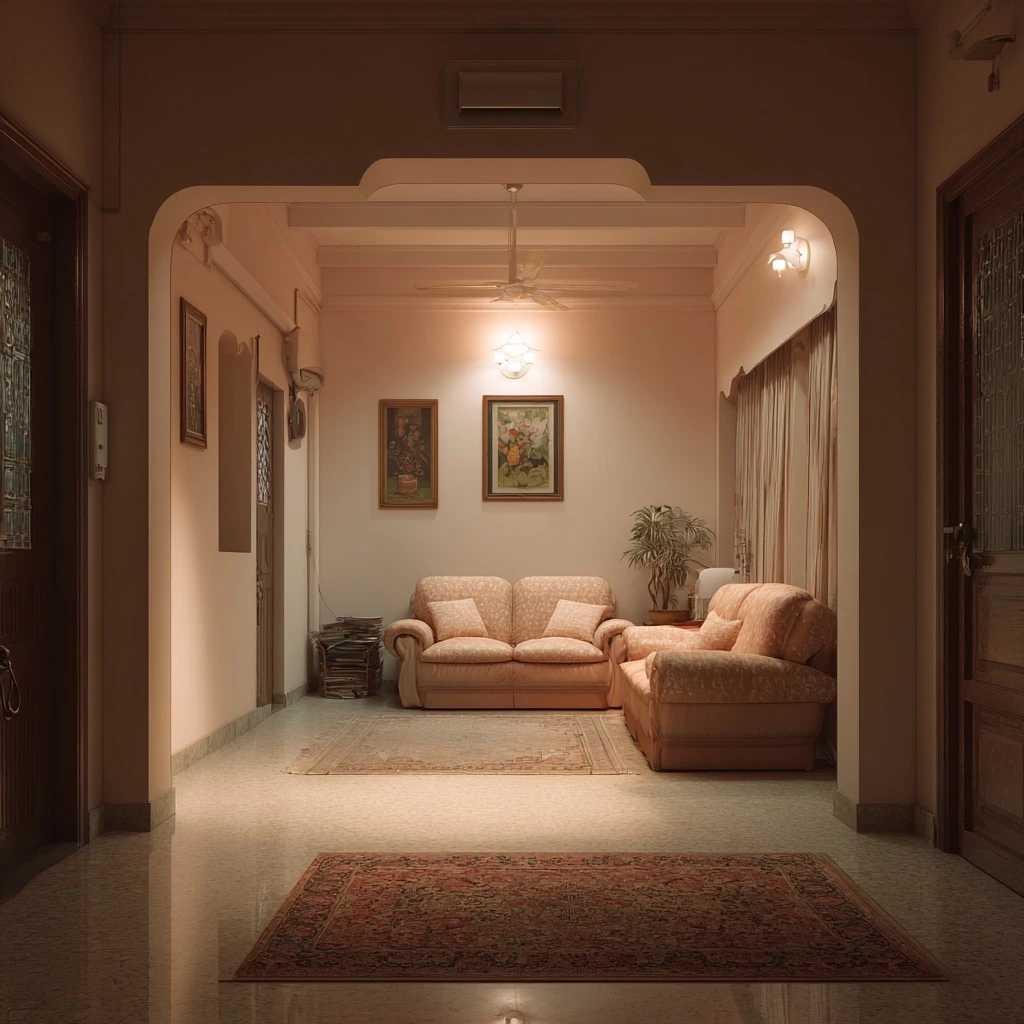
Movement inside a home should feel natural. Paths between rooms, furniture spacing, and door swings need to allow people to move without constantly adjusting their bodies or rerouting. When circulation is tight, even well-designed spaces feel restrictive. These are interior design techniques that affect comfort far more than visual appeal.
Layouts work better when furniture placement responds to use rather than symmetry. Over time, frequent rearranging usually points to planning that wasn't resolved early.
Also Read: Know What is Interior Design, its 7 Elements, Styles and More
Storage Planning
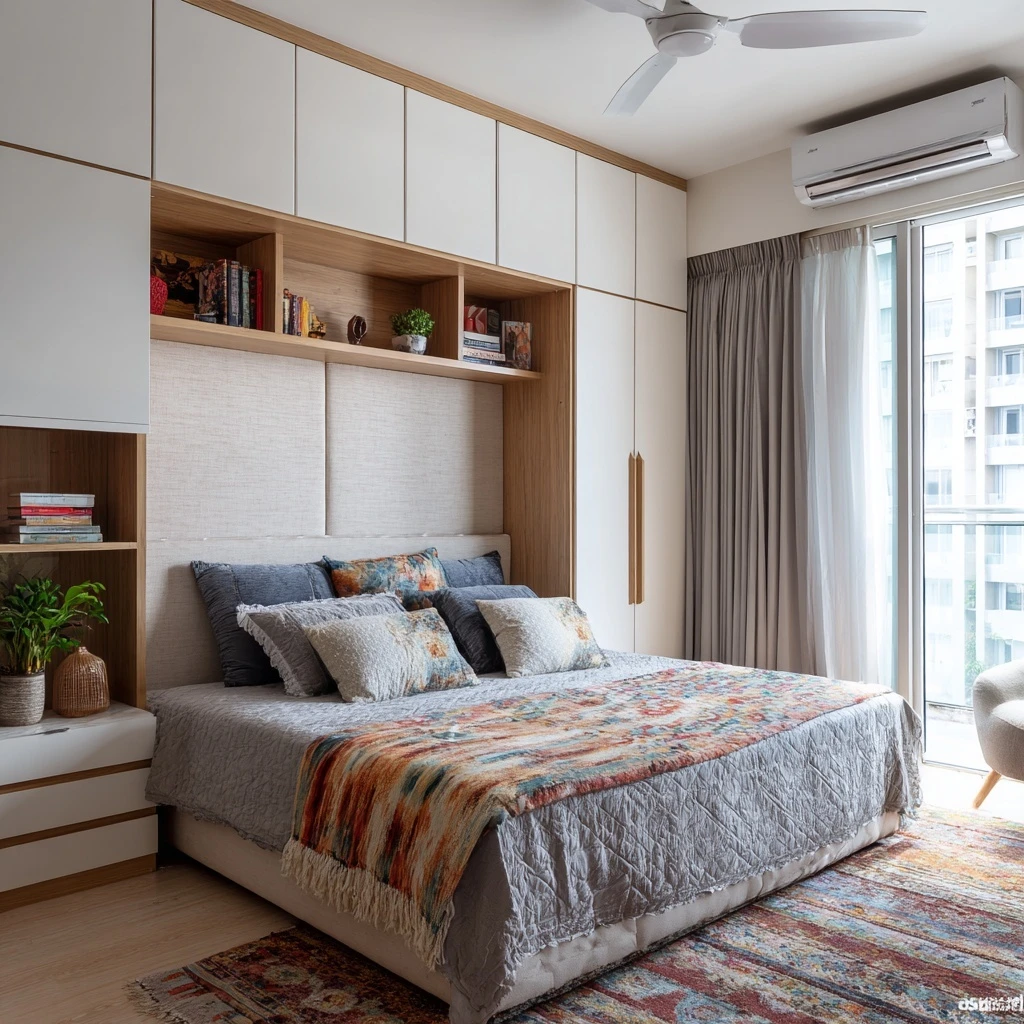
Storage decisions affect how organised a home feels after it is lived in. When storage is planned from the start, it blends into the layout. When added later, it often feels insufficient or intrusive. Many overlooked home interior tips relate directly to storage placement.
Built-in storage generally works better than add-on units because it uses space efficiently and supports long-term use.
Electrical and Lighting Planning
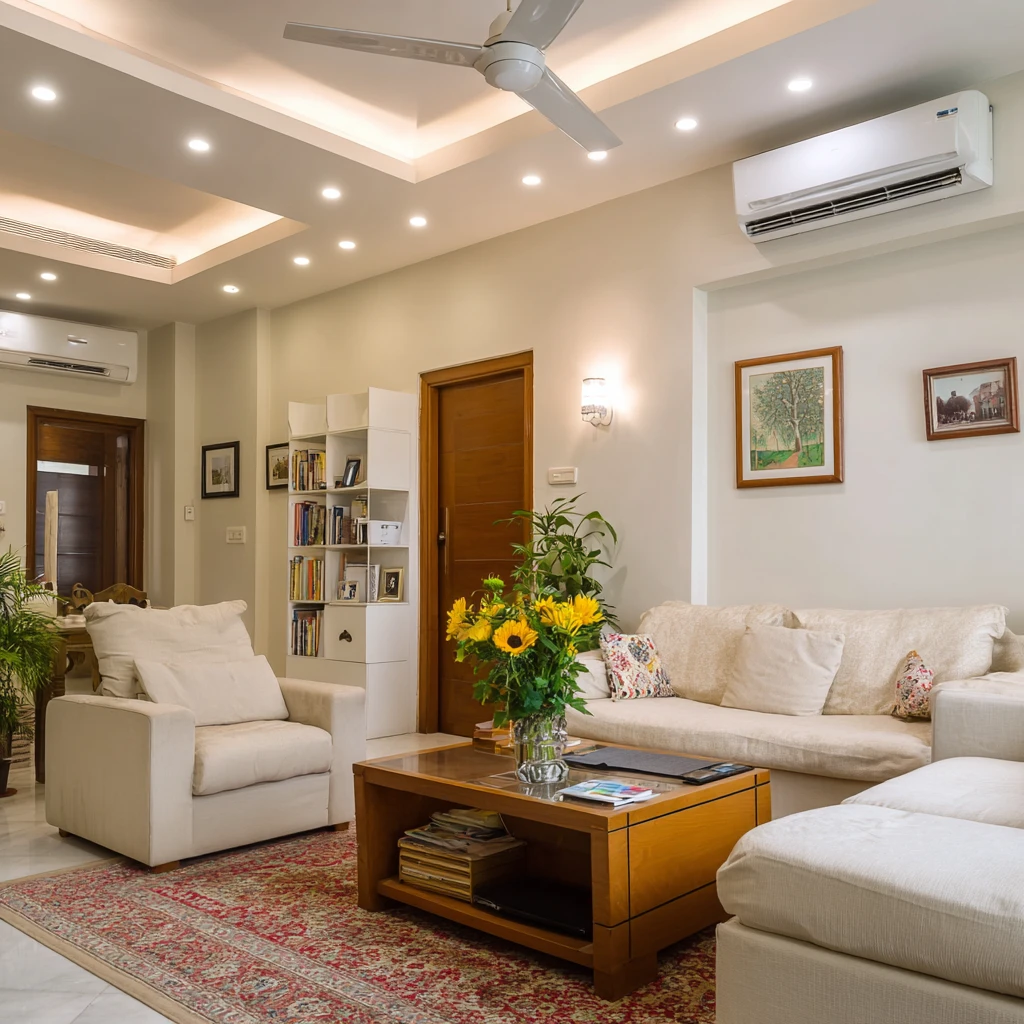
Electrical planning shapes both function and appearance. Switchboards, charging points, appliance connections, and lighting circuits need to align with how spaces are used. When they don't, temporary fixes become permanent. These are practical interior design tricks that are rarely visible but deeply felt.
Lighting affects comfort more than expected. A single ceiling light may seem adequate initially, but daily use reveals its limits.
Interior Styling and Interior Decorating
Interior styling and interior decorating serve different purposes inside a home. Treating them as the same often leads to misplaced effort and uneven results.
Interior Styling
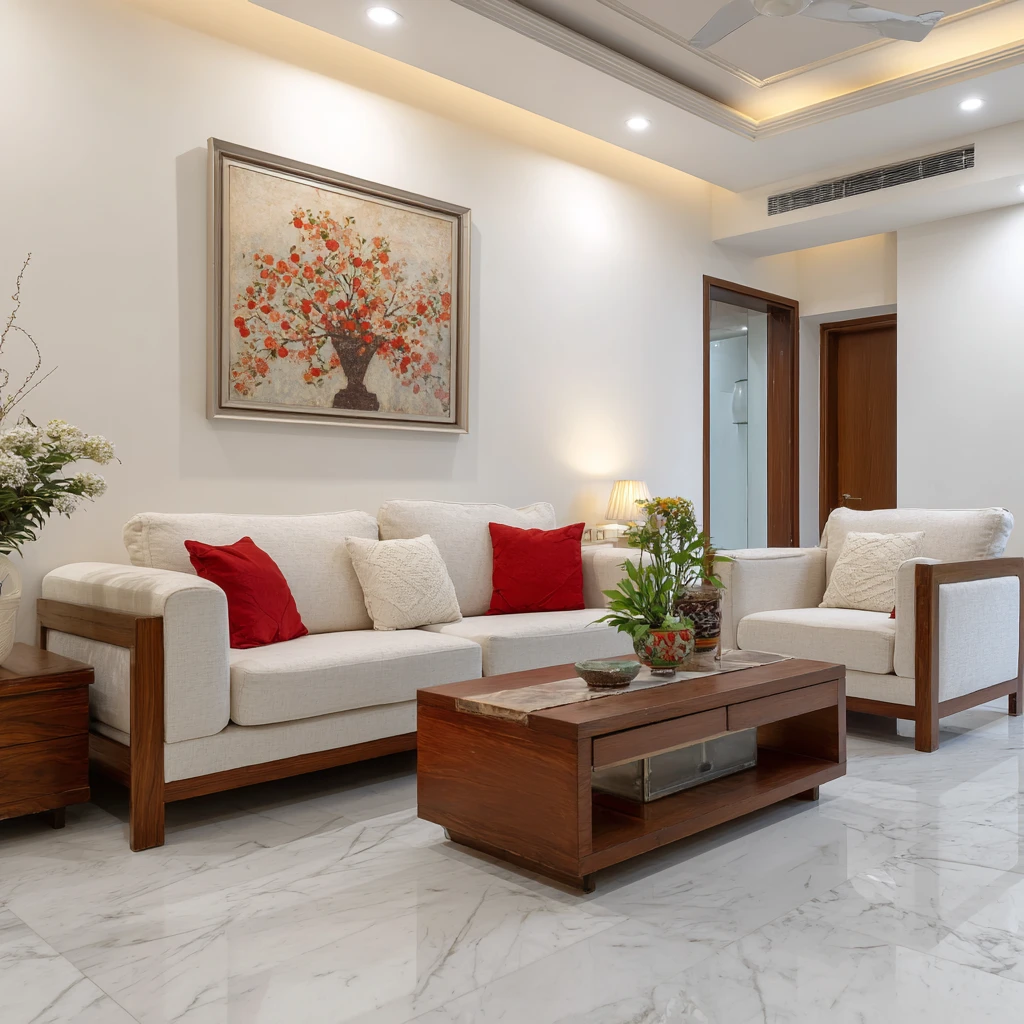
Styling deals with how fixed elements and furniture come together visually. It includes proportions, spacing, colour balance, and how light interacts with surfaces. Good interior styling tips and advice help a home feel composed even when finishes are simple.
Restraint matters here. Too many colours, textures, or statement pieces compete for attention and become tiring over time.
Interior Decorating
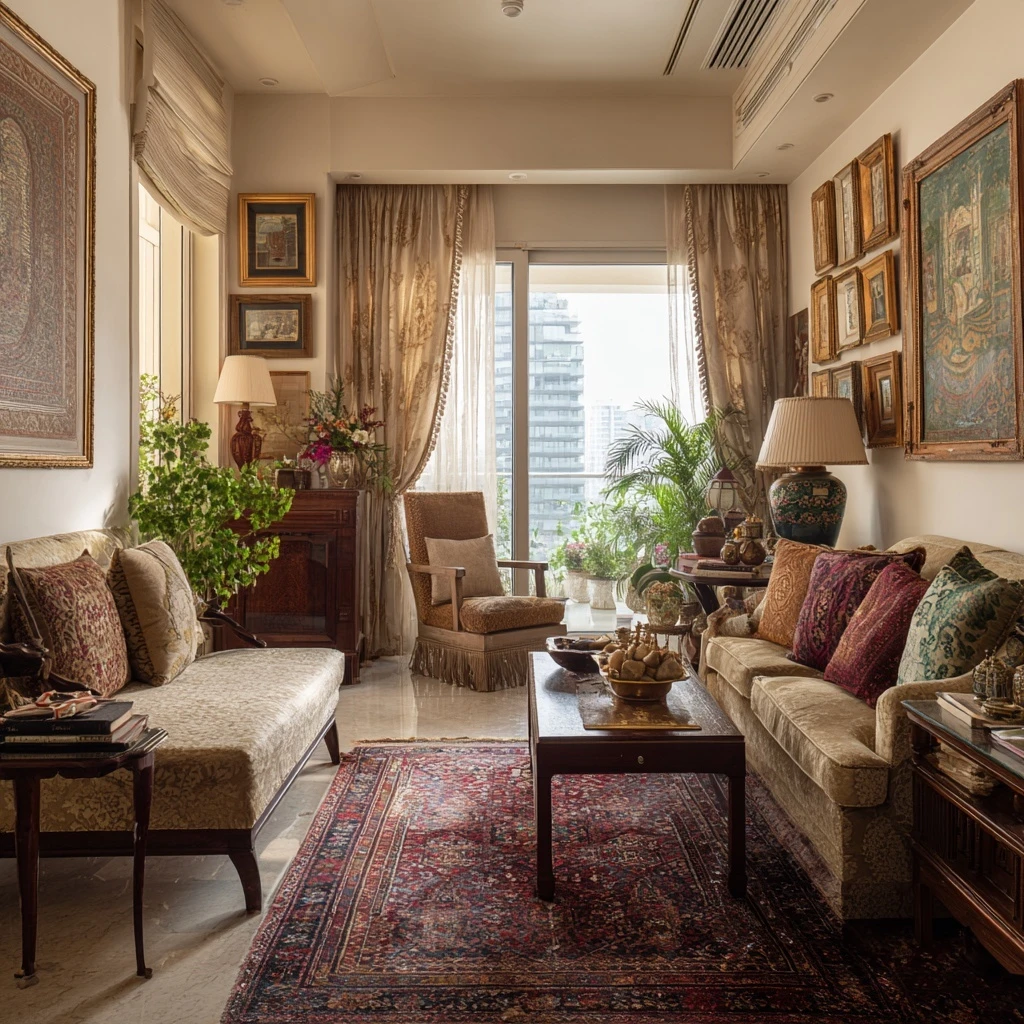
Interior decorating focuses on surface-level additions like curtains, rugs, artwork, and accessories. Interior decorating tips and interior decorating tips and tricks help personalise a space, but they work best when the base is already resolved.
Decorating cannot correct poor layout, awkward lighting, or insufficient storage. When these issues exist, accessories tend to feel temporary. This is where rigid interior decorating rules often fail.
Also Read: Designer-approved Home Decor Ideas That Beautify Your Space
Where the confusion usually happens?
Problems arise when decorating decisions are made before planning and styling are complete. Visual fixes are expected to solve functional issues, leading to frequent changes later.
Getting the Basics Right as a Beginner
For beginners, the challenge is deciding what to prioritise. When visible elements come before planning, problems tend to surface later.
Decisions to Make Early
Layout, storage locations, and electrical points are difficult to revise once finalised. These decisions affect how spaces function long before finishes or decor are introduced. This is where interior design tips for beginners and interior decorating tips for beginners matter most.
Getting these basics right keeps later decisions simpler and reduces reliance on fixes.
Decisions that can Wait
Soft furnishings, decorative lighting, and surface finishes can evolve after moving in. Allowing them to wait helps the home respond to actual use rather than assumptions. Many home decorating tips for beginners work best at this stage, not earlier.
Common Early Mistakes
Starting with style references instead of planning is a frequent misstep. Another is assuming storage and lighting issues can be corrected later. Both usually lead to avoidable adjustments. These are common tips and tricks for interior design that are learned the hard way.
Room-by-Room Considerations
Some planning choices become clearer when viewed room by room. Each space reveals different issues over time.
Living Room Interior Design Guidelines
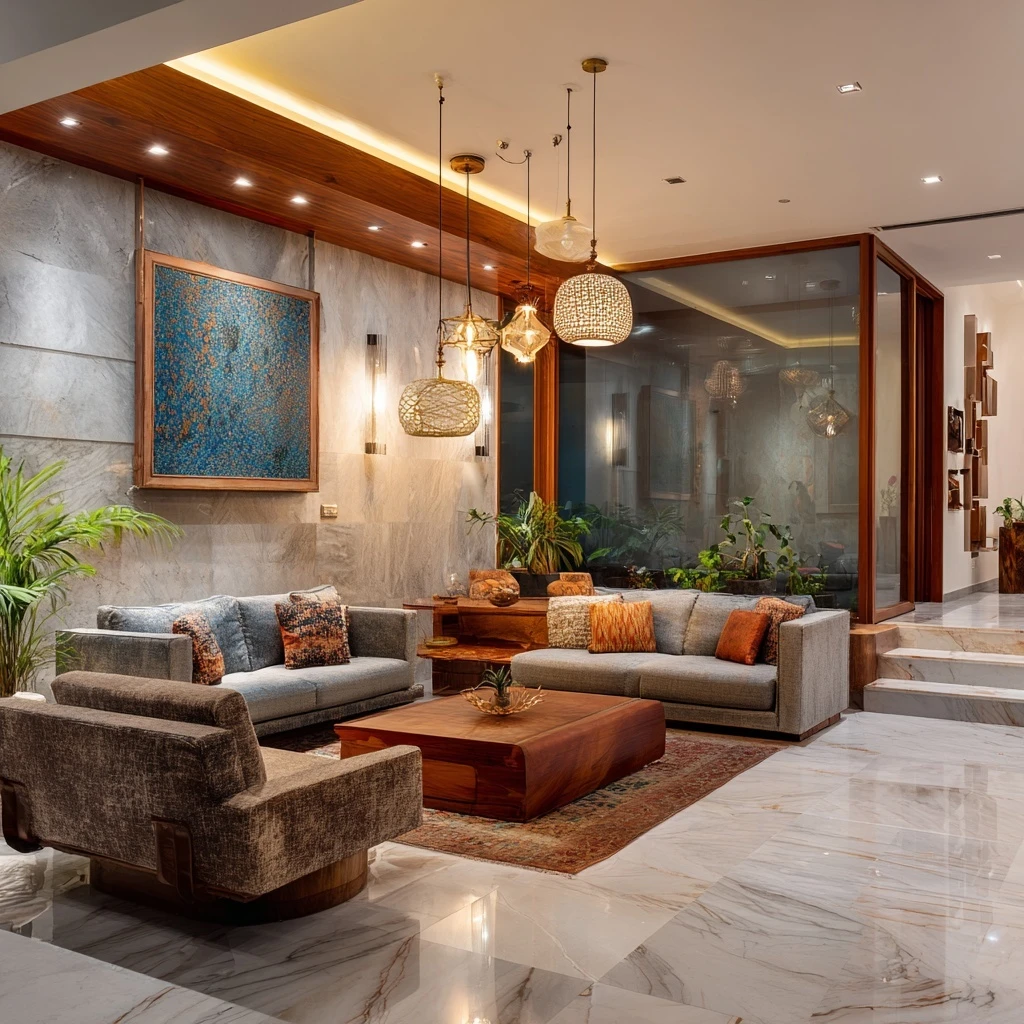
Living rooms fail when movement is compromised. Seating should allow clear paths without forcing people to walk around furniture in a living room interior design. Oversized furniture is a common cause of congestion. Practical home interior styling tips focus on proportion rather than impact. Lighting benefits from layers. A single bright source works for cleaning but feels harsh otherwise.
Kitchen Interior Design Guidelines
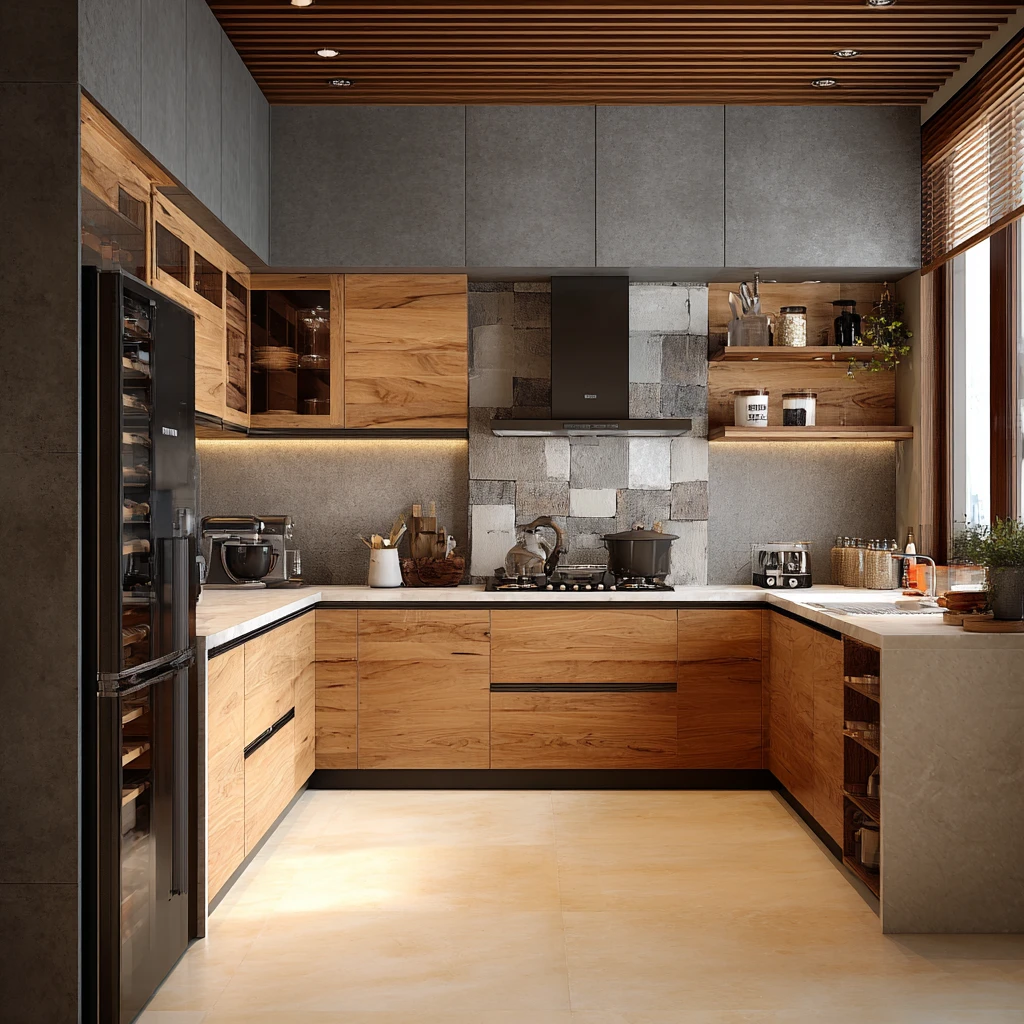
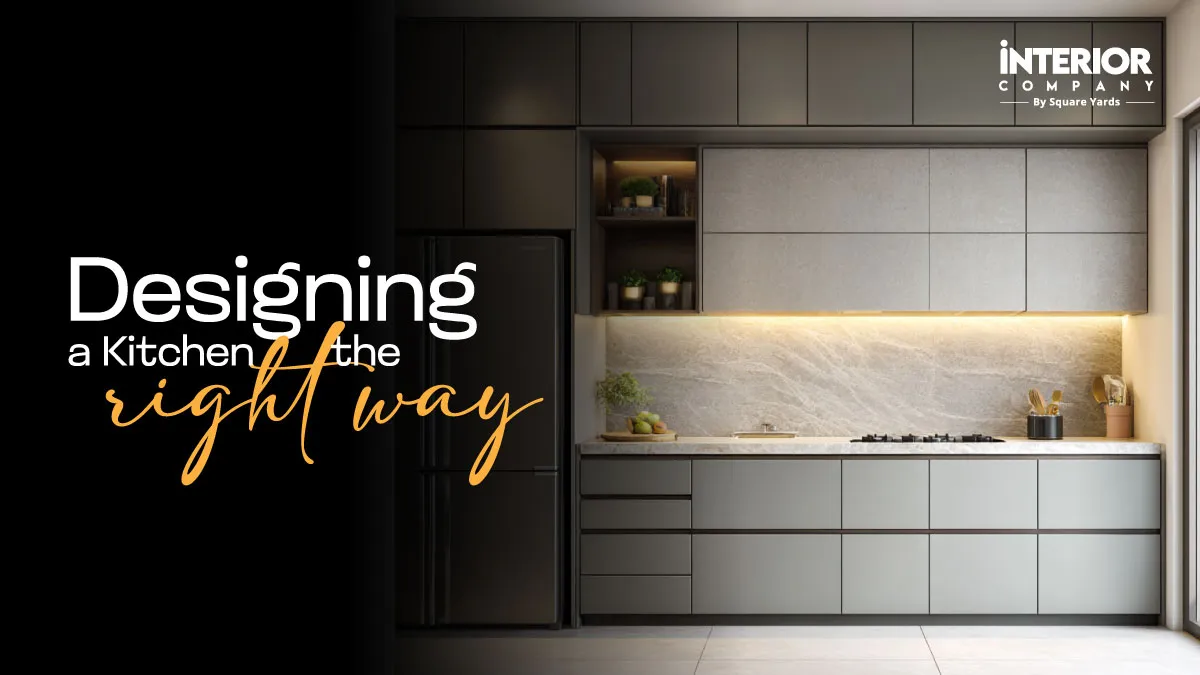
Kitchen problems appear with daily use. Workflow matters more than finishes in modular kitchen design. Poor counter spacing, shallow storage, and badly placed appliances slow everything down. These are often missed home design tips and tricks. Electrical planning is critical here. Appliances added later often lead to visible wires and extensions.
Bedroom Interior Design Guidelines
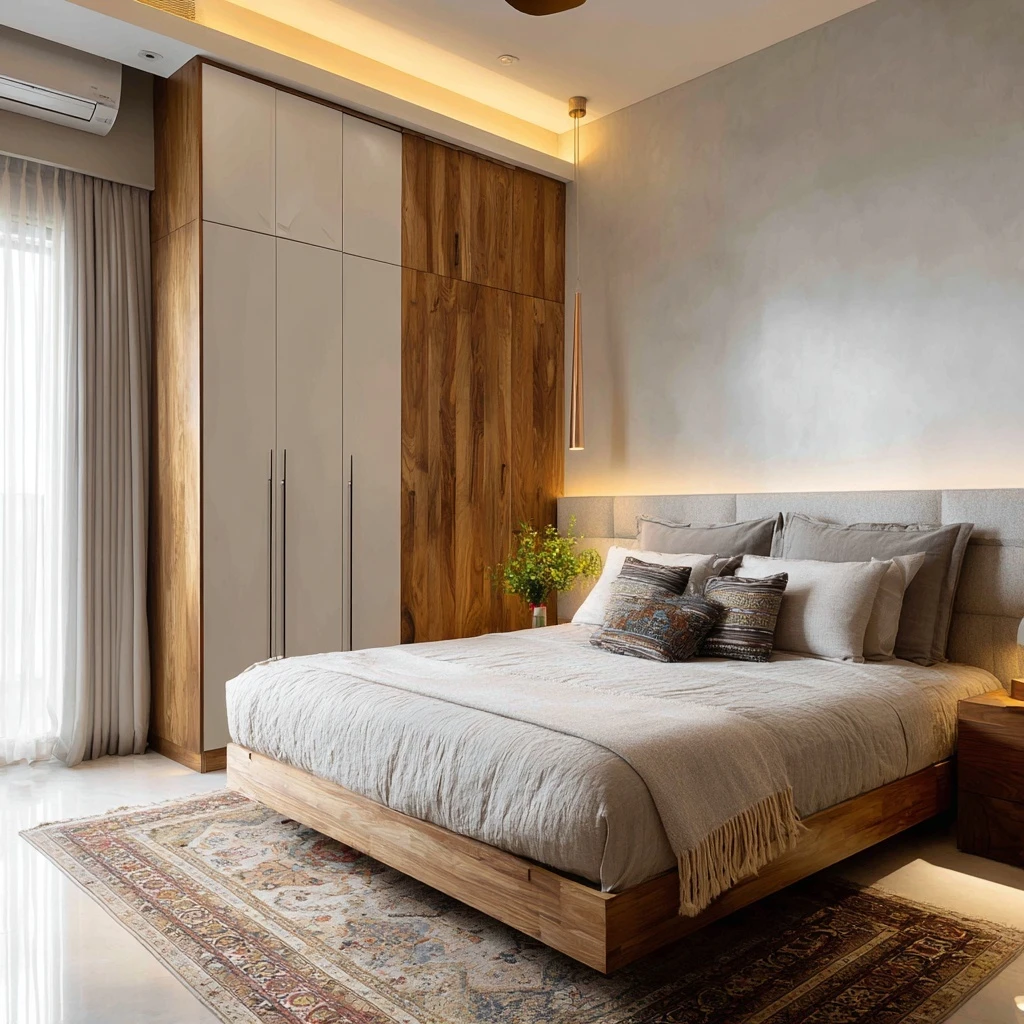
Bedrooms work best when ease is prioritised. Clearance around the bed and access to wardrobes affect comfort more than decor. Many simple bedroom interior design tips are most effective here. Lighting needs restraint. Bright overhead lights may feel fine initially but become uncomfortable at night.
Also Read: Top 25 Bedroom Design Styles You Must Know for Your Cosy Space
Bathroom Interior Design Guidelines
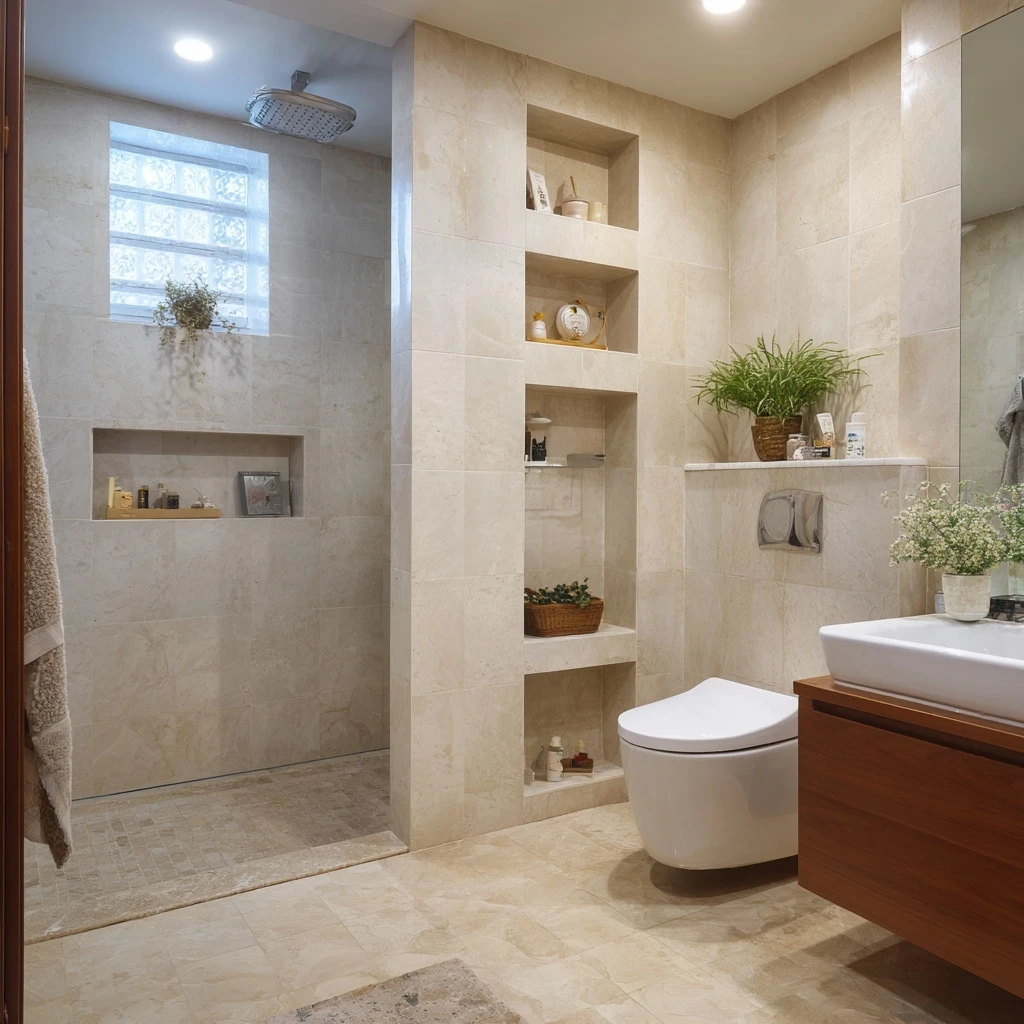
Bathrooms reveal planning gaps quickly. Insufficient storage, poor ventilation, and cramped layouts lead to constant inconvenience. Simple decisions like niche placement reduce clutter significantly in bathroom design.
Choices That Often Lead to Regret
Regret usually comes from underestimating wear, maintenance, and frequency of use.
Material Choices
Materials should suit daily conditions, not just appearance. Surfaces that show stains, scratches, or dust easily tend to feel tiring over time. Durability matters most in areas that are touched and cleaned frequently. These are home interior design tips that directly affect longevity.
Lighting Decisions
Lighting mistakes often appear later. Uniform brightness can feel acceptable at first but uncomfortable with daily use.
Furniture Scale
Furniture that is too large restricts movement, while undersized pieces make spaces feel unresolved. When scale is right, layouts settle quickly.
Design Rules That Don't Hold Up
Some design rules sound logical but don't hold up in lived-in spaces.
One-style Thinking
Forcing a single style across the entire home often feels restrictive. Consistency in planning works better than repetition in appearance.
Visual Fixes for Planning Problems
Rugs, mirrors, and decor are often used to compensate for planning issues. These fixes rarely last. Functional problems tend to resurface.
How lifestyle shapes design needs?
A home's design strengths and weaknesses show once routines settle in.
Homes with Children
Flexible layouts, accessible storage, and durable finishes reduce daily friction. Delicate materials demand constant correction.
Work-from-home Households
Lighting, seating comfort, and visual separation become important. Planning work zones early prevents clutter later.
Homes with Elderly Members
Clear circulation, reachable storage, and stable surfaces matter more than decorative choices.
Closing Note
Interior design decisions tend to reveal their impact over time. When planning is handled with care, homes usually settle into daily routines with fewer adjustments.
For homeowners who want clarity during the planning stage, our interior designers often work through these aspects early, especially where layout, storage, and long-term use need careful coordination.
*Images used are for representational purposes only. Unless explicitly mentioned, the Interior Company does not hold any copyright to the images.*

Ready for a home transformation?
Let our designers assist you!
Recent Posts







The most important interior design tips focus on layout, storage planning, and electrical points. These decisions affect daily use and are difficult to change later.
Yes, in smaller homes, interior design tips help avoid congestion, improve storage efficiency, and ensure better movement within limited space.
Interior styling tips deal with proportions, layout, and visual balance, while interior decorating tips focus on accessories and surface-level elements added later.
Interior design tips for beginners prioritise decision order and fundamentals, while advanced advice usually refines aesthetics and detailing.
Interior decorating can improve appearance, but it cannot fix poor layout, inadequate storage, or incorrect lighting placement.
Timeless interior design tips include clear layouts, adequate storage, durable materials, and flexible lighting that adapts to daily use.
Related Category
- Exterior Design
- Furniture
- Home Decor
- Materials
- Walls and Texture