- Design Ideas
- Cities
- Trends
- Guides
- Price Calculators
- Interior DesignersNEW
- Our Portfolio
- More



- Home
- Trends
- Construction
- Tips And Advice
- What Is Interior Design
What is Interior Design? Exploring the Art of Functional, Beautiful Spaces

Many believe that interior design begins with choosing furniture or picking the right wall colour. In reality, there’s a lot more to it; these designs are what actually shape the way we live, and the entire mood of the setting, whether it’s our homes, our offices, or any other space. To build a space that is practical, comfortable, and an experience in itself, Interior Designers first attempt to understand human behaviour, then blend creativity with technical expertise.
Today, as homes become workplaces, sanctuaries, and personal expressions of identity, the value of thoughtful design is much greater.
Table of Content
What is interior design?
The 7 Elements of Interior Design
Difference Between Architecture and Interior Design
Home Interiors
Interior Work Details
Modular Interior Design
Popular Styles in Interior Design
- 7.1 Modern Interior Design: Sleek, Clean Open Spaces
- 7.2 Traditional Interior Design: Elegant Timeless Classic Interiors
- 7.3 Scandinavian Interior Design: Bright Minimal Functional Design
- 7.4 Minimalist Interior Design: Calm, Clear & Clutter-Free
- 7.5 Bohemian Interior Design: Vibrant Eclectic Personal Touch
- 7.6 Farmhouse Interior Design: Cozy Rustic Modern Blend
- 7.7 Industrial Interior Design: Raw Urban Textured Charm
- 7.8 Coastal Interior Design: Light Airy & Relaxed Atmosphere
- 7.9 Art Deco Interior Design: Bold Geometric Luxe Feel
What Role Does Vastu Play in Interior Designing?
Wrapping It Up
What is interior design?
To design interiors is to turn plain walls and floors into a canvas of experiences. Interior design, at its core, is the practice of planning and shaping the inside of a building so it works well for the people using it. It blends creative thinking with technical know-how to organise layouts, choose materials, lighting, furniture, and finishes, all while meeting safety standards and functional needs.
Every minor choice is actually a major part of how a space eventually feels and functions. In Charles Eames's words, “the details are not the details. They make the design.”
The 7 Elements of Interior Design
Interior design starts with behaviour, with how someone enters a room, where they instinctively walk, where they pause, sit, or what they avoid altogether. Once this is figured out, electrical points, plumbing lines, storage planning, and structural alignment come next. The visual layer only comes after everything works the way it should. This visual layer is built around 7 core elements. Not rules, not trends, but tools that designers return to again and again.
- Space is the base of every decision. It's about how much is filled and how much is left alone. Crowded rooms feel restless. Overly empty ones feel unfinished. The balance is different for every home.
- Lines quietly control how a room is read. Long horizontal lines calm things down. Vertical lines give height and presence. Curves and angled lines break predictability and keep a space from feeling stiff.
- Form is simply shape. Clean, sharp forms lean modern and structured. Rounded, irregular forms feel softer and more relaxed. Relying too much on one form makes the room seem flat, which is why contrast matters.
- Light decides the mood before anything else does. Natural light changes how a room feels throughout the day. Artificial light fills the gaps, highlights details, and sometimes becomes the focal point itself.
- Colour is influential. Some shades slow you down, others lift the energy. Used well, colour supports the purpose of the room.
- Texture adds dimension. Smooth surfaces look better when something rough is nearby. Soft materials feel richer when balanced with something solid.
- Pattern introduces movement. It can be subtle or bold, repeated or broken up. Either way, it brings personality into the space and keeps it from feeling too controlled.
When these elements are handled thoughtfully, a space doesn't feel 'designed.' It just feels right, and that's usually the goal.
Difference Between Architecture and Interior Design
Architecture and interior design are closely connected fields that, together, shape how spaces feel and function. Architecture focuses on the structure, like the walls, ceiling heights, circulation, and spatial planning, and interior design is what brings out their personality through materials, finishes, and furnishings. Interior architecture blends both, shaping interiors from the structural level to the final aesthetic touches.
Interior architecture considers how space is used, how light travels through it, how people move within it, and how design can improve comfort and efficiency.
Home Interiors
The term 'home interior' refers to the complete design, layout, and functional planning of the inside of a home. It includes everything from furniture and lighting placement to the selection of materials, colours, decor, and built-in storage. Whether small or spacious, a home's interior is meant to make everyday living comfortable, organised, and visually appealing.
A well-designed home interior is what reflects the homeowner's lifestyle.
Interior Work Details
Interior work is the set of activities involved in developing the interior of a space, from the initial planning stages to the final finishes. This usually covers electrical layouts, false ceilings, flooring, painting, lighting, carpentry, modular setups and soft furnishings. A well-planned interior project also requires coordination between designers, contractors, and suppliers.
Interior work ensures that the space looks polished and performs well for everyday use. It is not just about decorating a space, but adding to how it is lived in.
Modular Interior Design
Modular interior design is what brings in the convenience, through ready-made kitchens, wardrobes, and storage units. Unlike traditional on-site carpentry, these pieces are created in controlled factory settings, meaning they come with a cleaner finish, better durability, and consistent quality. These can also be easily customised in terms of layouts, colours, materials, and combinations that fit the specific space and lifestyle.
Beyond aesthetics, modular systems are built for convenience. They are quicker to install, easier to maintain, and can be repaired or upgraded without disturbing the entire setup.
Popular Styles in Interior Design
Interior styles give people a vocabulary to express their preferences. Whether it is modern simplicity, contemporary fluidity, Scandinavian warmth, industrial character, or a bohemian mix of layers and colours, styles help shape a space’s overall direction.
From clean lines to earthy tones, bold patterns to muted palettes, every style offers its own mood and personality. Knowing these styles not only helps communicate the vision clearly but also makes it easier to create spaces that feel intentional, balanced and personal.
Modern Interior Design: Sleek, Clean Open Spaces

It is all about simplicity and functionality. Originating in the early 20th century, this design means clean lines, open spaces and neutral color palettes. Materials like glass, steel and concrete are common, creating a sleek, uncluttered look that is airy and practical. The focus is on form following function, making it ideal for contemporary urban living.
Traditional Interior Design: Elegant Timeless Classic Interiors
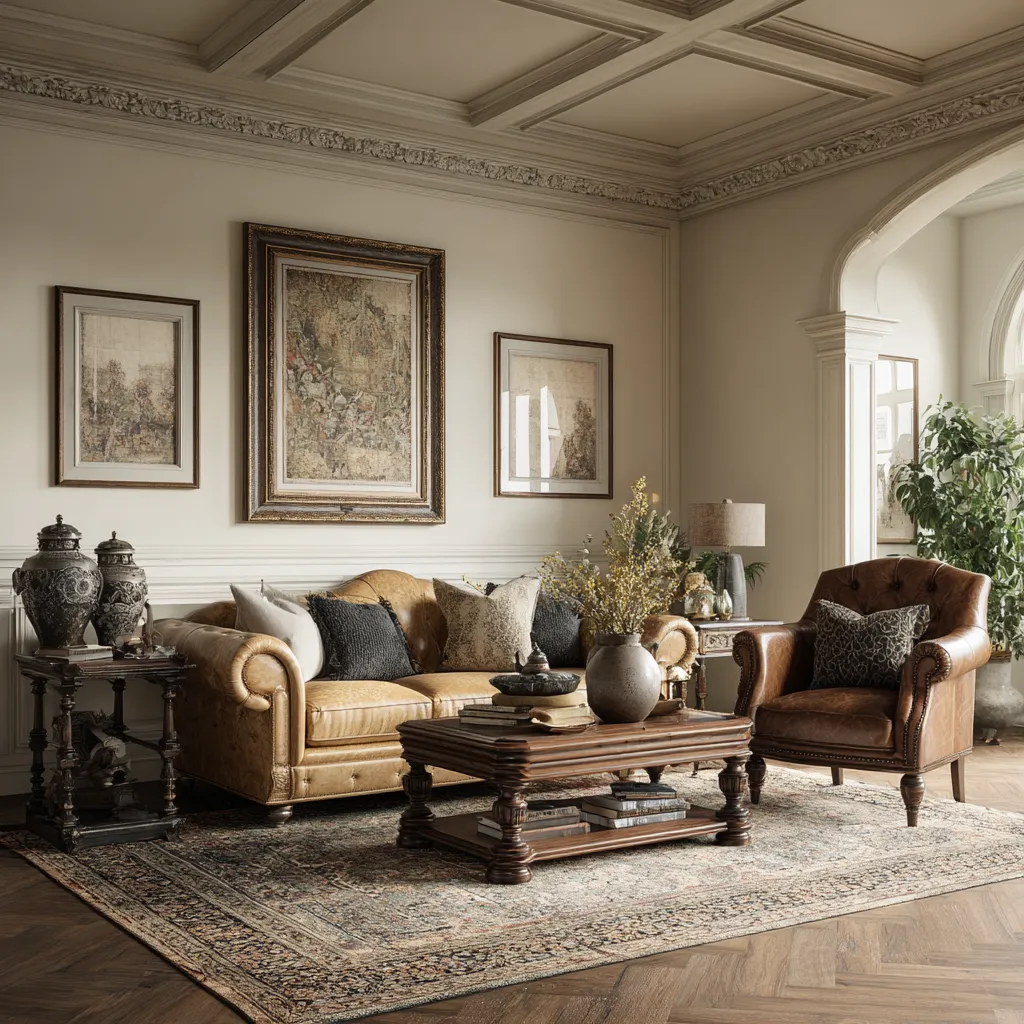
Rooted in 18th and 19th-century European design, traditional interiors exude timeless elegance. Symmetry, classic furniture, adorned woodwork, and a restrained color palette to create a sense of balance and sophistication. Traditional design is all about cozy living rooms with rich textures, with carefully curated decor and framed artwork. It’s a style that values heritage and formality.
Scandinavian Interior Design: Bright Minimal Functional Design
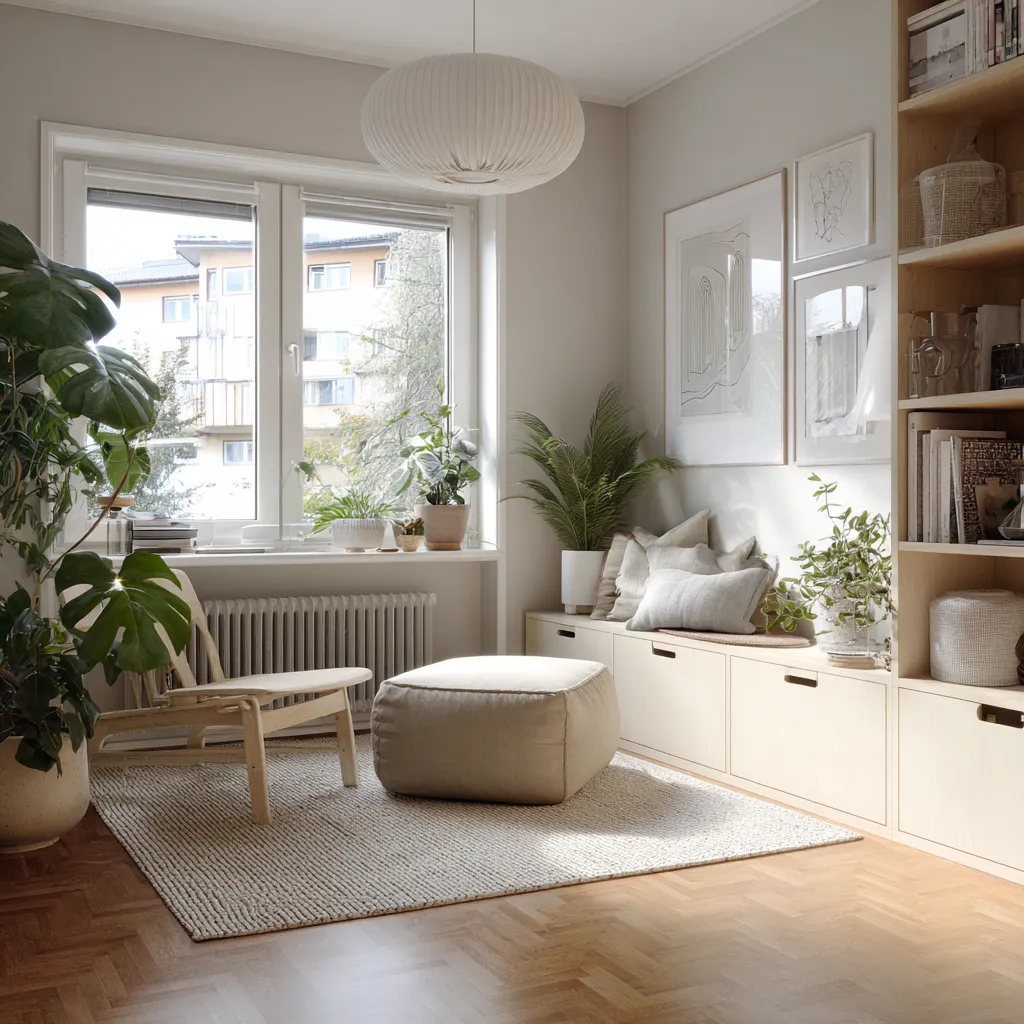
Scandinavian design is a prime mover of minimalism, functionality and comfort. Originating from the Nordic countries, this design uses light, neutral colors, natural wood and soft textiles to create bright, welcoming spaces. This style gained significant international recognition in the 1950s through designers like Alvar Aalto, Arne Jacobsen and Hans Wegner.
This style prioritises practicality without sacrificing beauty, it is human centered and often incorporates clever storage.
Minimalist Interior Design: Calm, Clear & Clutter-Free
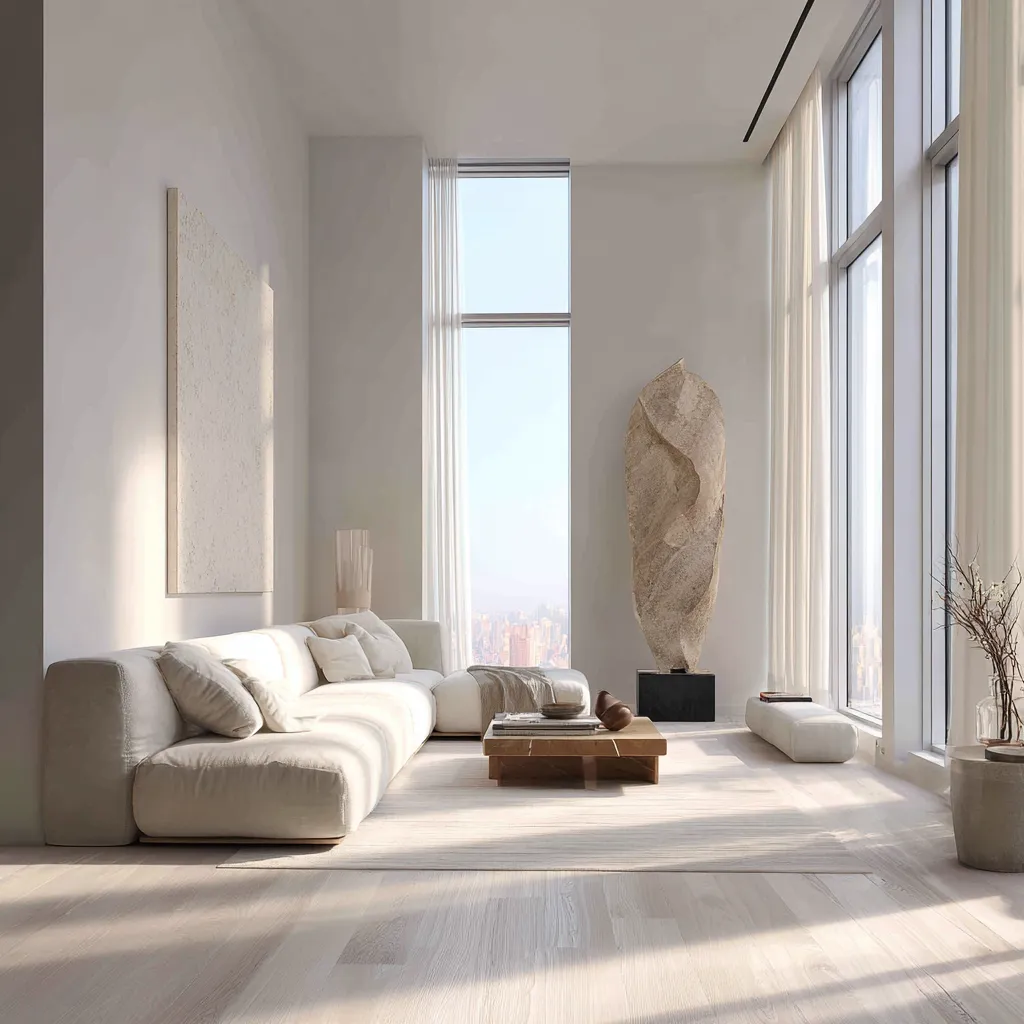
Minimalism adopts the well-known 'less is more' philosophy. This style is defined through clean lines, uncluttered spaces, neutral tones, and essential furniture. Rooted in a design movement that favoured simplicity and clarity, minimalism highlights the beauty of space, light and functionality. Minimalism creates an environment that feels calm, organised, and purposeful.
Bohemian Interior Design: Vibrant Eclectic Personal Touch
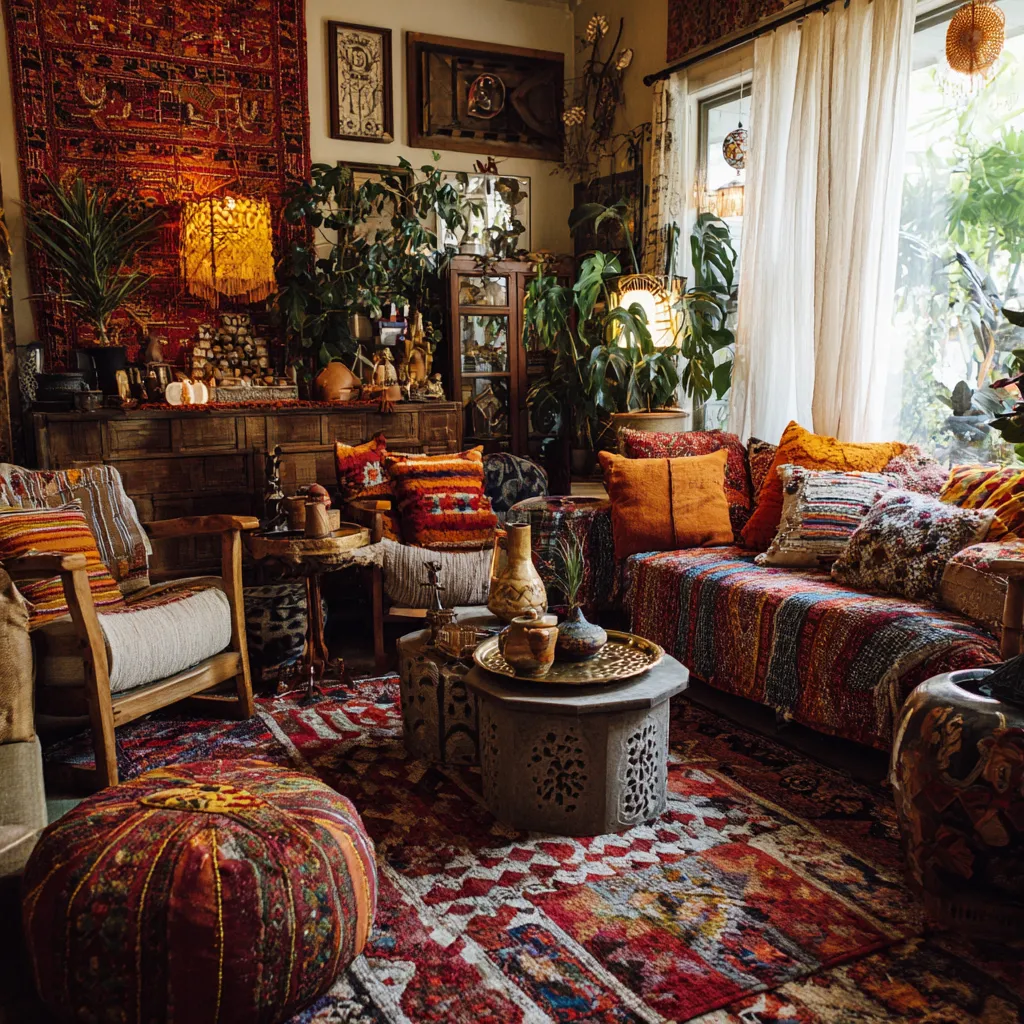
Bohemian is a playful, all-embracing style that is based on personal taste. It expresses individuality and freedom through a mix of colours, textures and patterns from around the world. Often incorporating vintage finds, handmade items and layered textiles, Boho interior design turns spaces into expressive, cozy environments that tell a story.
Farmhouse Interior Design: Cozy Rustic Modern Blend
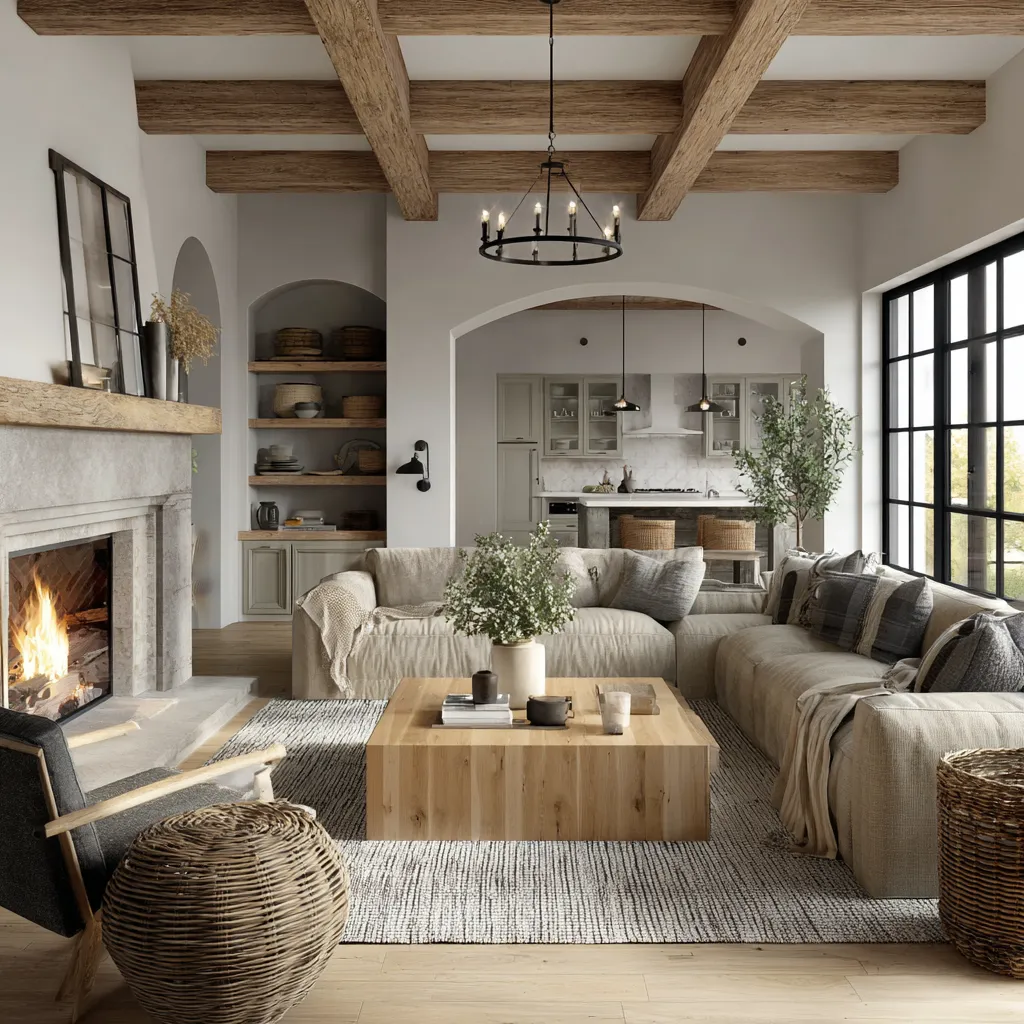
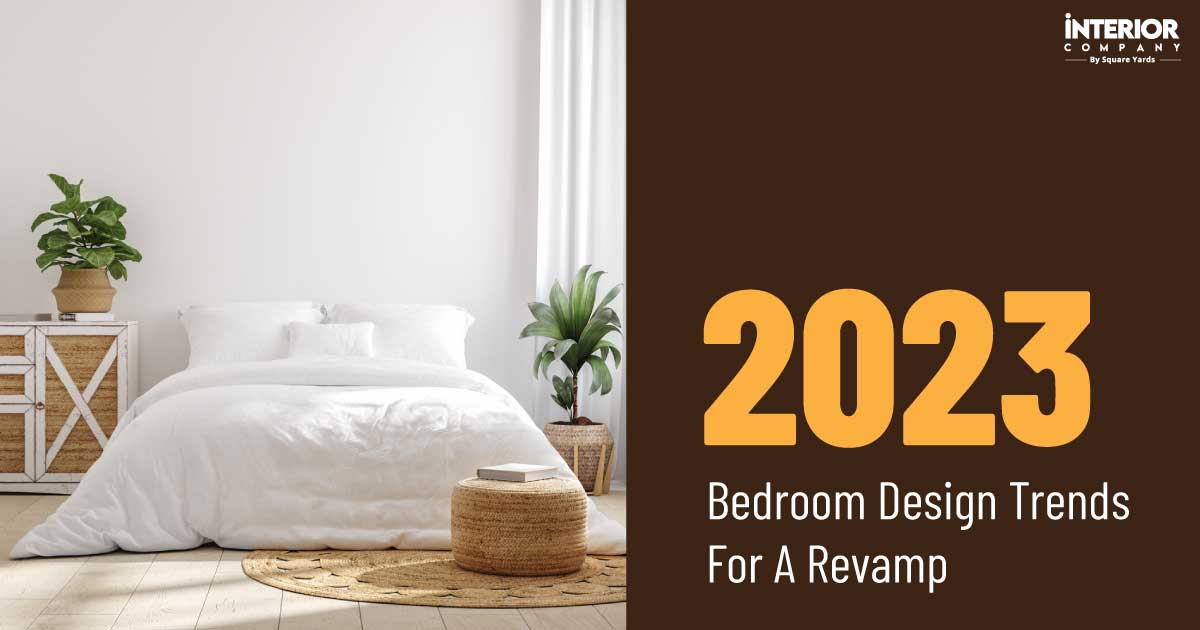
Farmhouse design blends rustic charm with modern comforts. Inspired by country living, it makes use of natural materials like wood and stone and cozy furniture. It adds a contemporary twist to the setting by combining neutral tones with traditional, homey textures for a relaxed yet stylish vibe.
Industrial Interior Design: Raw Urban Textured Charm
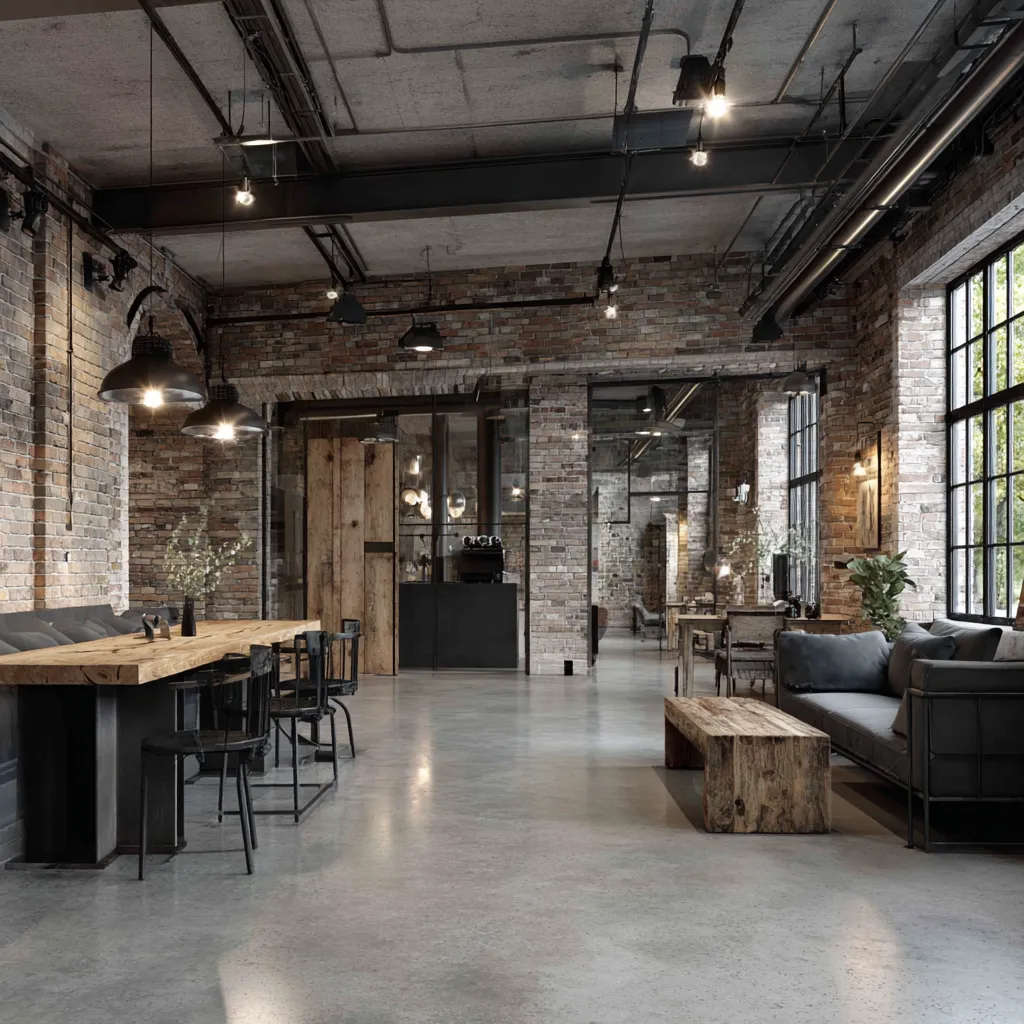
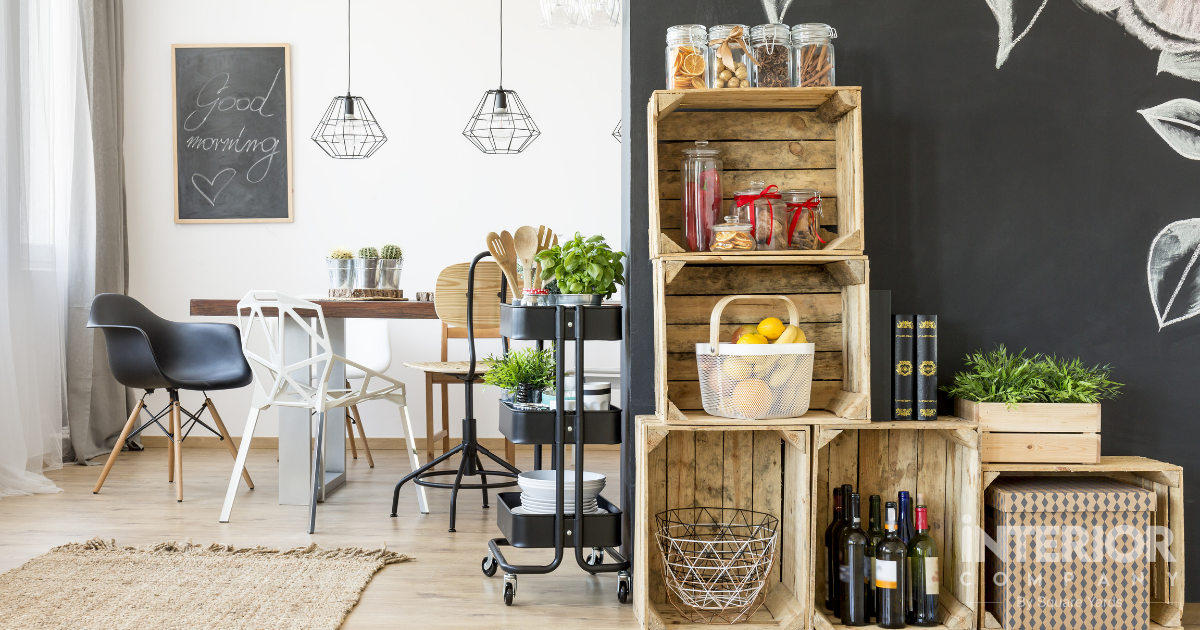
Industrial style is exactly what it sounds like, taking inspiration from old factories and warehouses, pointing up raw, unfinished materials, it creates a space that is both rustic and modern. Exposed brick, concrete, metal fixtures, and open ceilings create a rugged, urban feel. This style is simple and celebrates functionality while creating a bold, edgy aesthetic.
Coastal Interior Design: Light Airy & Relaxed Atmosphere
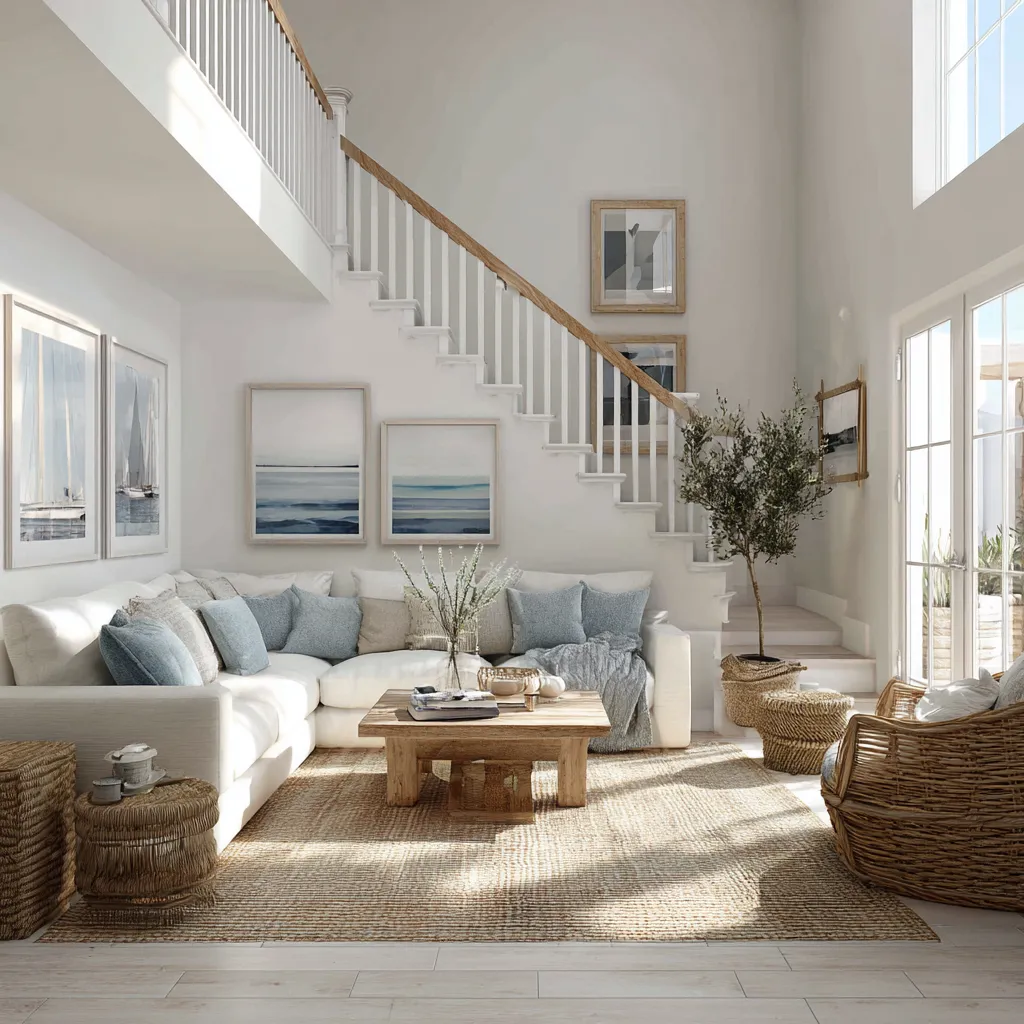
Coastal design feels like a breath from the shoreline. Taking inspiration from the sea, this style is all about creating light, airy and relaxing interiors. Soft blues, whites, and sandy neutrals dominate, with natural materials like wicker, linen, and driftwood adding texture. Marine motifs, large windows, and breezy layouts make spaces feel calm and connected to nature.
Art Deco Interior Design: Bold Geometric Luxe Feel
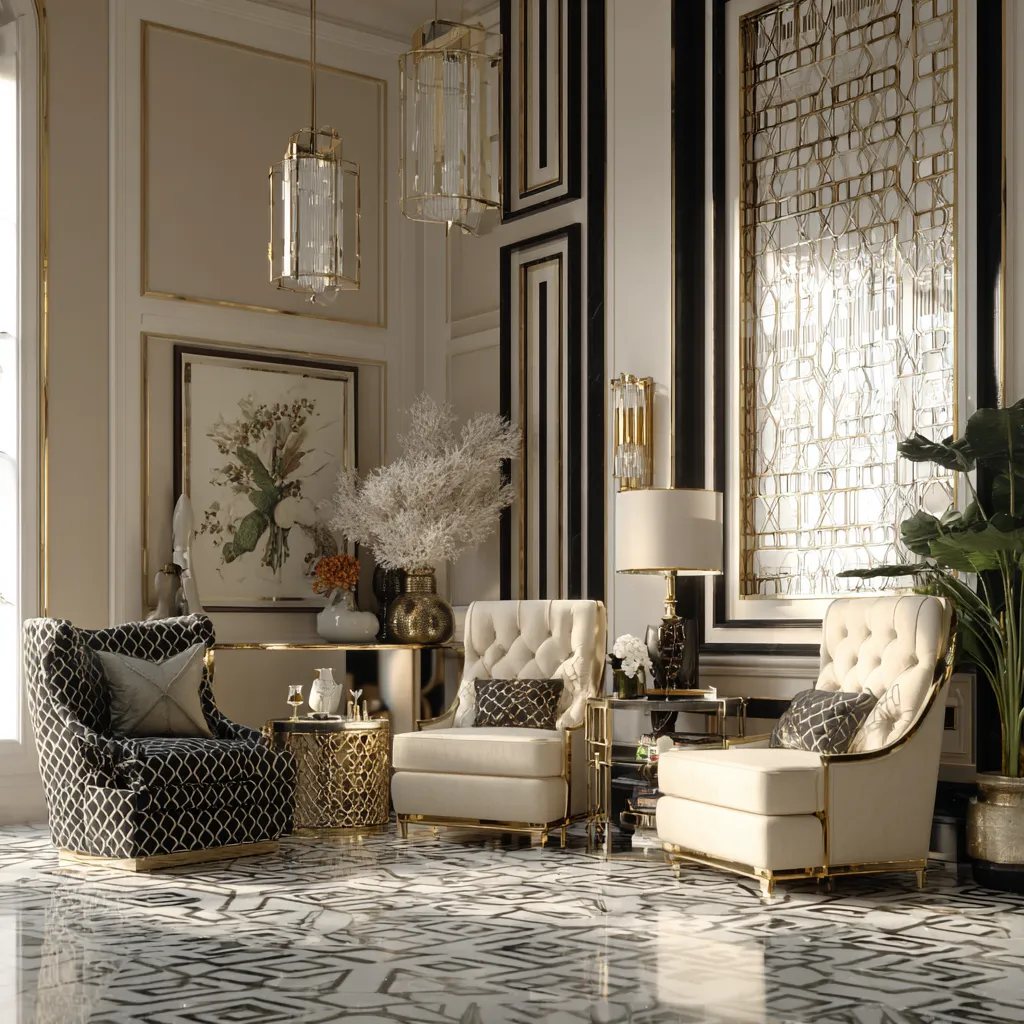
Art Deco is glamorous, bold, and luxurious. Popularised in the 1920s and 1930s, these designs are full of geometric patterns, metallic finishes, rich colors, and mirrored surfaces. It is known to combine elegance with drama, creating interiors that feel sophisticated, sumptuous and unmistakably stylish like the famous lobby of the Chrysler Building in New York.
What Role Does Vastu Play in Interior Designing?
In India, most people don't think of a home as just a building. You live in it long enough and you start noticing things, some rooms feel easy to be in, others don't, even if you can't explain why. That's usually where Vastu comes up, not as a rulebook, but as a way to make sense of that feeling.
Vastu Shastra is about direction and balance. About how sunlight enters the house. Where the wind moves, which areas feel active and which ones naturally feel quieter. When designers keep this in mind, rooms tend to fall into places that just make daily life smoother.
- The entrance feels more open when it's placed toward the north or east.
- Kitchens work better in the southeast, where heat and movement already belong.
- Bedrooms feel more settled in the southwest, a grounded zone to support rest, stability, and calm.
Also Read: Simple Vastu Tips for Your New Home
Wrapping It Up
Imagine walking into a space that feels perfectly balanced, welcoming, and designed for the way you live. Every choice from colours and textures to furniture and layout, all of it combines to shape how we work, relax and enjoy our home.
Thoughtful design not just transforms interiors but also the way life flows within them. It boosts well-being by turning ordinary rooms into experiences that are loved every day.
So your dream space isn't just a vision, it's within reach. If you’re ready to begin your journey, Interior Company offers transparent processes, expert interior designers and technology-driven solutions to guide you every step of the way. From visualising your space to its final transformation, they help turn inspiration into reality, one detail at a time.

Ready for a home transformation?
Let our designers assist you!
Recent Posts







The goal of interior design is to create spaces that are functional, comfortable, and visually appealing. It focuses on understanding human behaviour, designing layouts that are practical, choosing the right materials, lighting, and furniture.
Interior design includes planning how a space should function, selecting the colours, materials, lighting, and furniture. It also involves handling technical work like electrical layouts, false ceilings, carpentry, modular fittings, flooring, and soft furnishings. All this comes together to create a space that looks good and works well.
The 7 basics of interior design are balance, harmony, rhythm, proportion & scale, emphasis, contrast, and details. These are the core principles designers use to create well-planned, visually appealing spaces. These fundamentals guide the choices for layout, materials, colours, lighting, and furnishings.
The main purpose of an interior designer is to transform empty or plain interiors into functional, comfortable, and meaningful spaces. They analyse how people use a space, plan layouts, select materials and lighting. Interior designers also coordinate interior work like carpentry, electrical setups, and modular installations. Their design decisions directly impact the well-being, comfort, and daily experience of the occupants.
Modular interior design uses factory-made units like modular kitchens, wardrobes, and storage systems. These pieces offer cleaner finishes, better durability, easy customisation, and quicker installation. They are convenient, easy to maintain, and can be repaired or upgraded without disturbing the entire setup.
Popular interior design styles include Modern, with clean and functional lines, Traditional, with classic elegance, Scandinavian, which is bright and minimal, and Minimalist, which focuses on simplicity and clutter-free spaces. Other well-loved styles include Bohemian for colourful, eclectic looks, Farmhouse for rustic warmth, Industrial for raw urban textures, Coastal for light and airy vibes, and Art Deco for bold, glamorous interiors.
Related Category
- Exterior Design
- Furniture
- Home Decor
- Materials
- Walls and Texture