- Design Ideas
- Cities
- Trends
- Guides
- Price Calculators
- Interior DesignersNEW
- Our Portfolio
- More


- Home
- Trends
- Construction
- Tips And Advice
- Interior Design Hacks
10+ Amazing Interior Design Hacks Designers Use To Make Homes Look Expensive

Have you ever spent a big amount of money on your interiors and still they feel far from completion? Maybe your interiors didn’t even need this expense. A polished home rarely comes from a bigger budget. Most of the time, there are small choices that improve a room’s aesthetics. These adjustments are the ready-to-use tools of designers. Shift scale, redirect light, balance weight and more. The space itself stays the same, yet it feels completely different.
Table of Content
That's where interior design hacks make a real difference. They aren't dramatic upgrades or costly renovations. They're smart visual decisions people usually overlook. Many homeowners search for design hacks for a home on a budget, hoping for something practical, and the truth is, most effective interior design tricks cost very little. What matters is knowing where to intervene.
The ideas ahead focus on interior design hacks for the home that create a noticeable impact fast, without changing the structure or stretching the budget.
Space And Light Hacks That Instantly Change How A Room Feels
Small rooms don't suffer from a lack of space. They suffer from how space is used visually. It depends on the light direction, vertical lines, and surface reflection that decide the fate of the room. Open or boxed in are the two choices here. These are the first elements that a designer would look for because they change perception faster than furniture ever can. Many of the most effective interior design tips focus on this exact principle. Shift what the eye notices, and the room changes without moving walls.
The Mirror Placement Trick
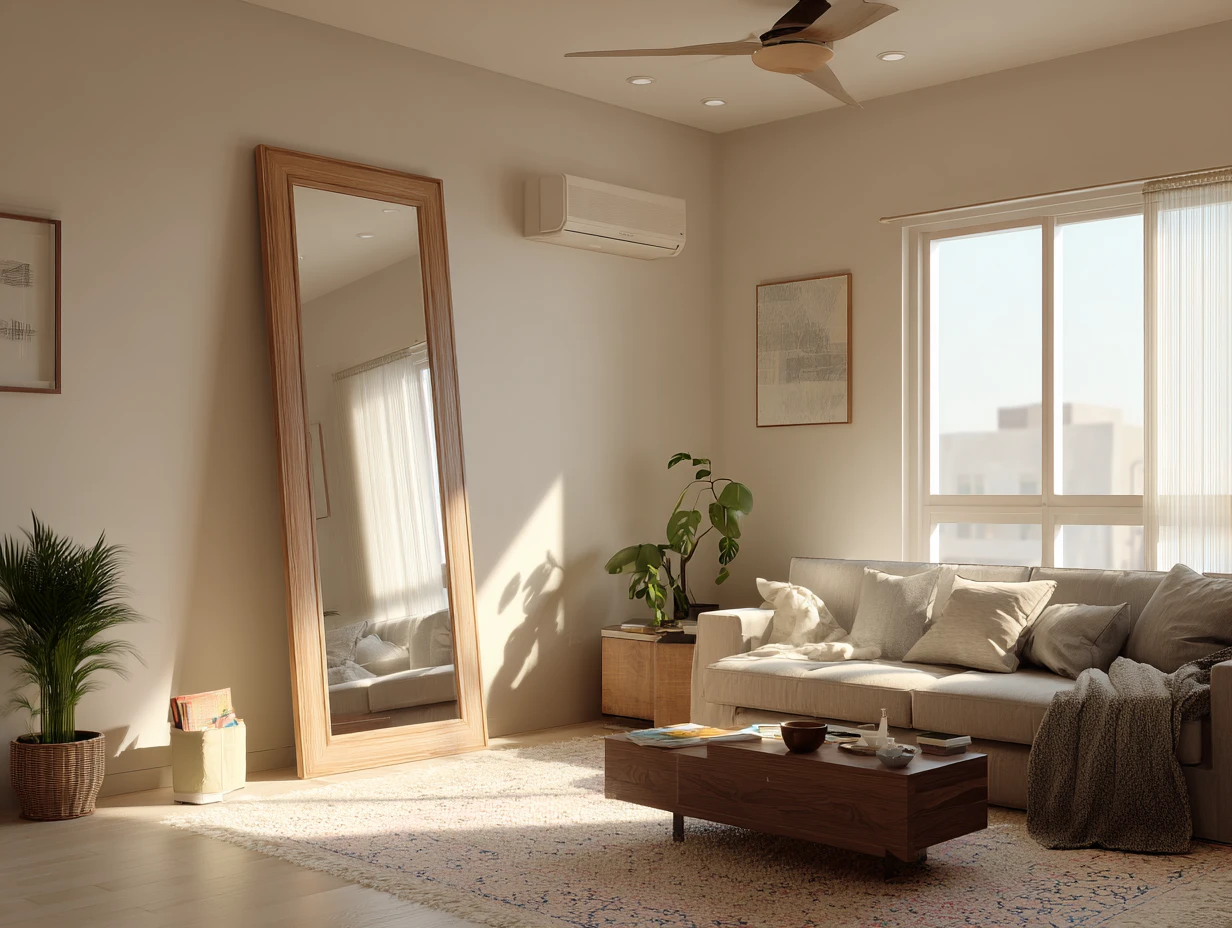
Large mirrors don't just reflect a room. They stretch it. Place one where it can catch natural light or bounce a window view, and the space starts reading as deeper than it actually is. Interior designers often lean towards oversized instead of decorative because scale creates impact faster than detail. Among sensible home Interior design hacks, this one gives the biggest visual result. That too for the least effort. Are you wondering why this works? The reason is reflection. It adds perceived square footage to the eye, especially in small flats.
Also Read: Know what does an interior designer really do?
Hang Curtains Higher Than the Window
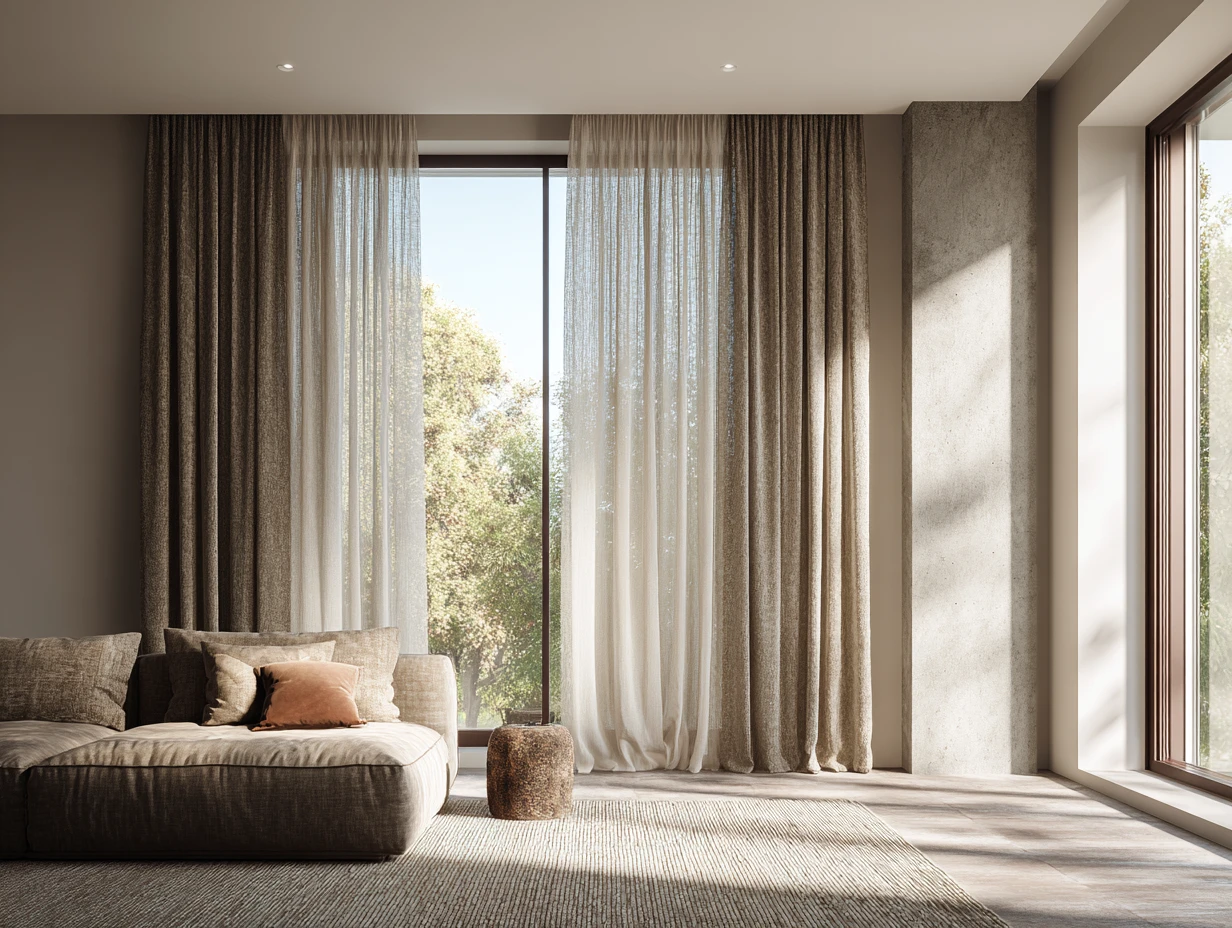
Curtain rods fixed right above frames shorten the walls visually. Mount them closer to the ceiling and extend the fabric past the window width. Suddenly, you'll notice a spectacular change. Ceilings will feel taller, and windows will reveal their grand look. This is one of those interior decorating tips that people notice without knowing why a room feels more open.
Measurement rule designers follow:
- Rod height = 4 to 8 inches below the ceiling
- Width extension = 6 to 12 inches past the frame
Also Read: What is interior design? Definition, Importance and More
Rug Proportion Rule Most Homes Get Wrong
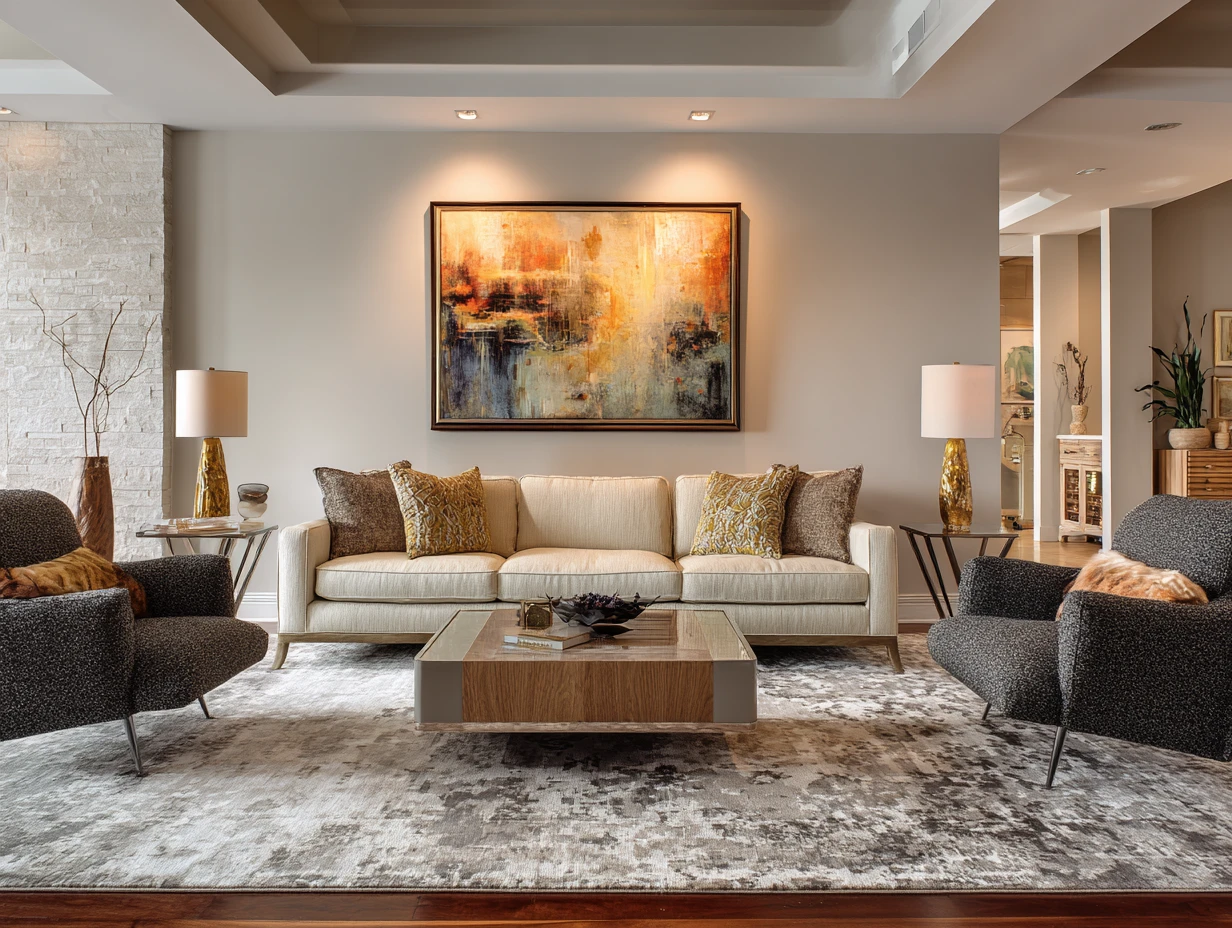
A small rug floating in the middle shrinks everything around it. The fix is simple. At least the front legs of every major furniture piece should rest on it. In larger layouts, all legs can sit on the rug. This anchors the arrangement and makes the layout feel intentional, especially in a living room interior design setup where furniture defines zones. This is one of the most overlooked home interior design tips. Almost every time, people choose rugs based on price and ignore the overall proportion.
Styling Secrets To Make Rooms Look Finished
Let's say your furniture is placed, and you have also fixed the lighting. What's next? Turning your decent room into a memorable one comes down to styling. This stage doesn't require adding more stuff. Here, you'll need to arrange what's already there so the eye moves comfortably. Many people assume styling belongs in magazines, but in reality, most professional interior design tips revolve around balance, spacing, and contrast rather than decor budgets.
The Rule of Three
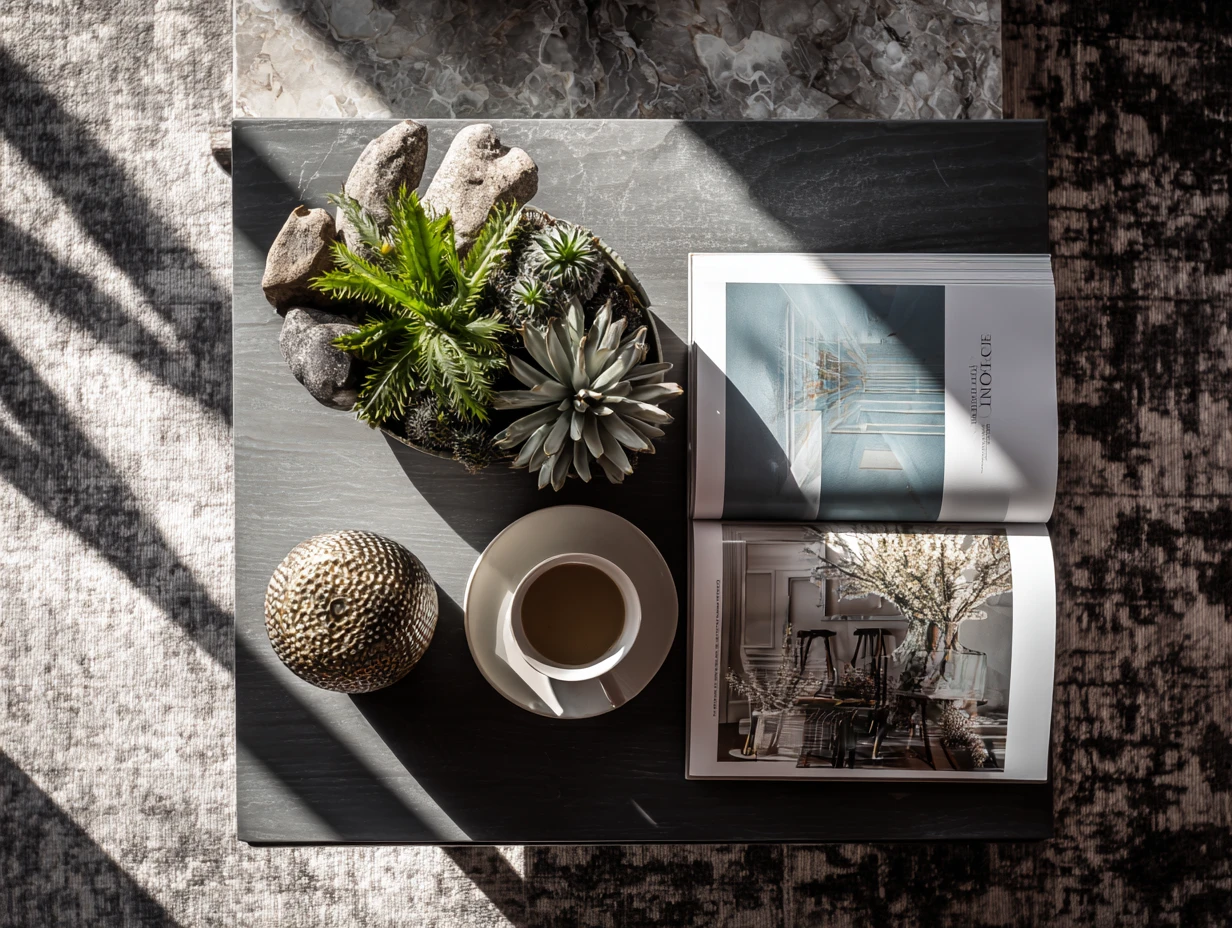
Objects grouped in odd numbers tend to look natural. A vase alone feels accidental. Two feel staged. Three feels intentional. Designers use this constantly on consoles, coffee tables, and even bedside units in a modern bedroom design. Among reliable interior design tricks, this one quietly adds rhythm without clutter.
Mix Textures, Not Just Colours
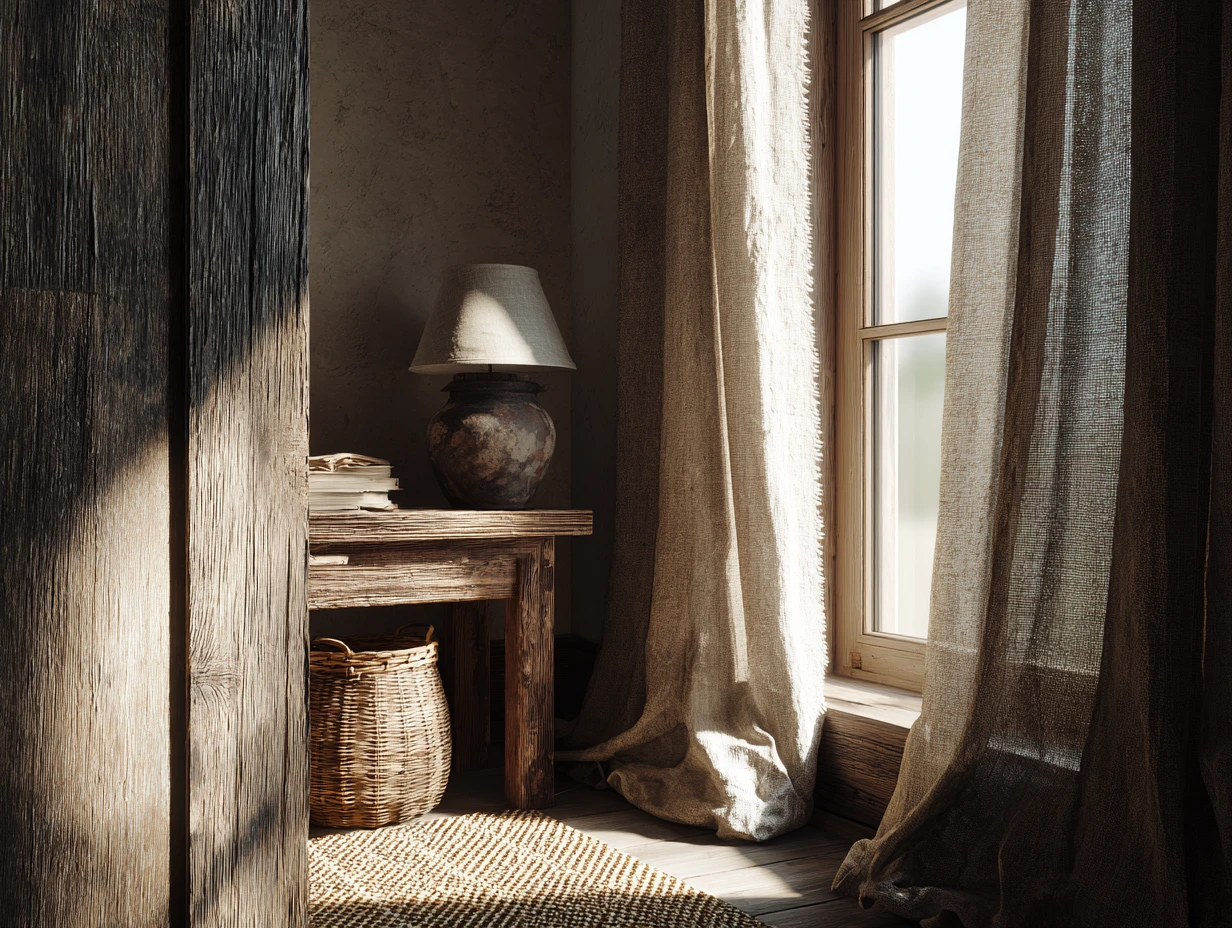
Rooms where every surface feels similar often look flat in photos and even flatter in person. Combine smooth with rough, matte with glossy, soft with structured. Linen curtains beside a wooden table. Metal lamp beside a fabric headboard. These layered contrasts are classic interior decorating tips professionals rely on when a space already has a good colour palette but still lacks depth.
Add Greenery Where Corners Feel Empty
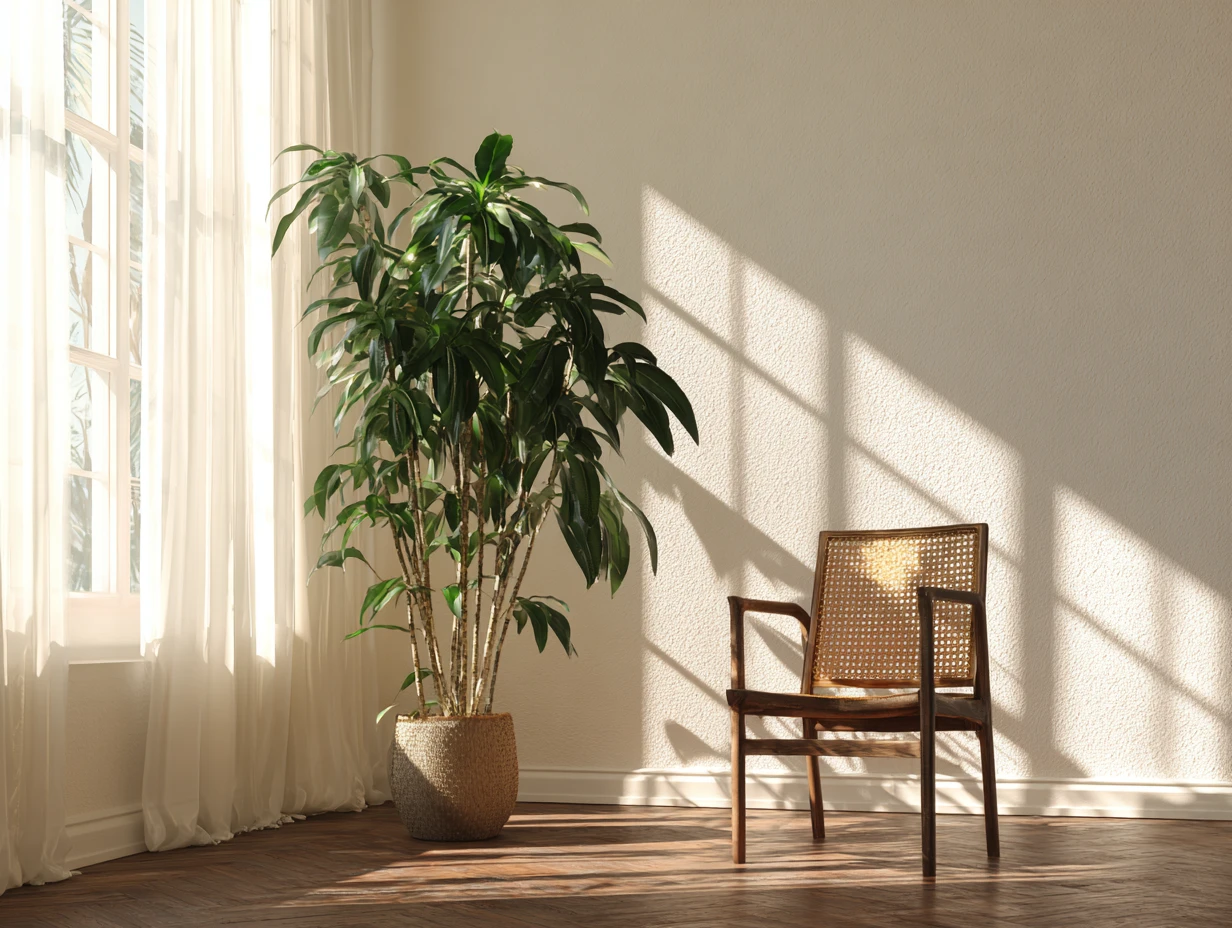
Plants soften rigid edges and bring movement into still spaces. Tall plants work well in unused corners. Small ones sit naturally on shelves or side tables. This is one of those home Interior design tips that works across layouts, from compact flats to larger homes. Even a kid’s room benefits because greenery breaks visual monotony without adding bulk.
Use One Statement Piece Instead of Many Small Ones
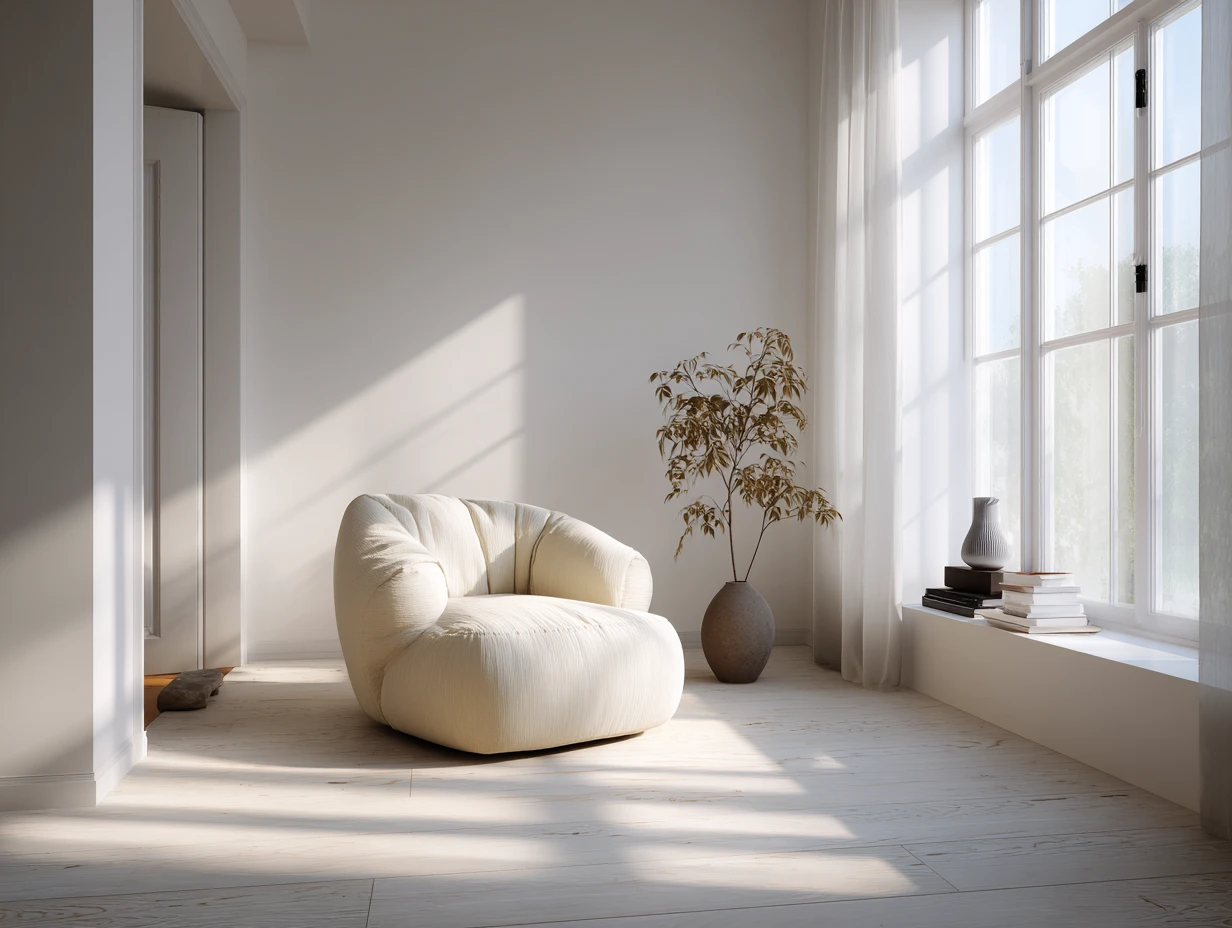
Multiple small accents scatter attention. One bold piece anchors it. That could be an oversized artwork, sculptural lamp, or textured chair. Designers often prioritise a focal object before anything else because it guides how the rest of the room gets styled. Many curated home decor ideas follow this exact approach without calling it out.
Budget DIY Upgrades That Change The Look, Not The Layout
Not every upgrade needs a contractor, and honestly, many shouldn't. Some of the most effective changes happen with basic tools, a free afternoon, and a bit of planning. Designers often test ideas this way before committing to permanent materials. These kinds of design hacks for the home on a budget work because they target surfaces the eye notices first, rather than structures that cost more to alter.
Paint Something You Already Own
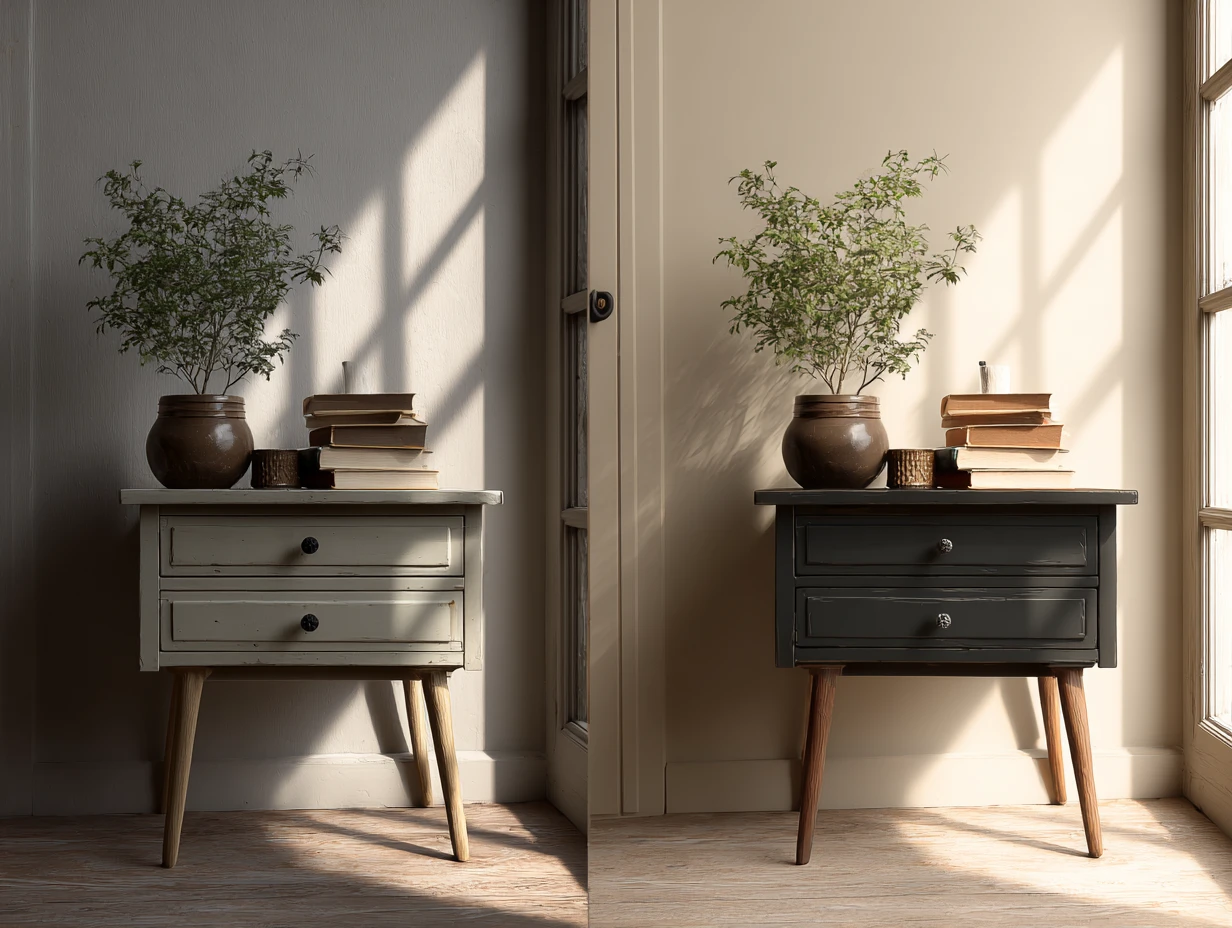
An old side table, faded cabinet, or plain shelf can shift the tone of a room once its finish changes. Dark walnut adds weight. Soft sage feels calm. Matte black sharpens contrast. This is one of the most practical interior design tips because it refreshes without replacing. It also helps unify mismatched furniture, which is common in real homes, not staged ones.
Surfaces to avoid painting: Laminate with peeling edges, high-moisture zones, or frequently heated tops.
Contact Paper for Instant Surface Upgrades
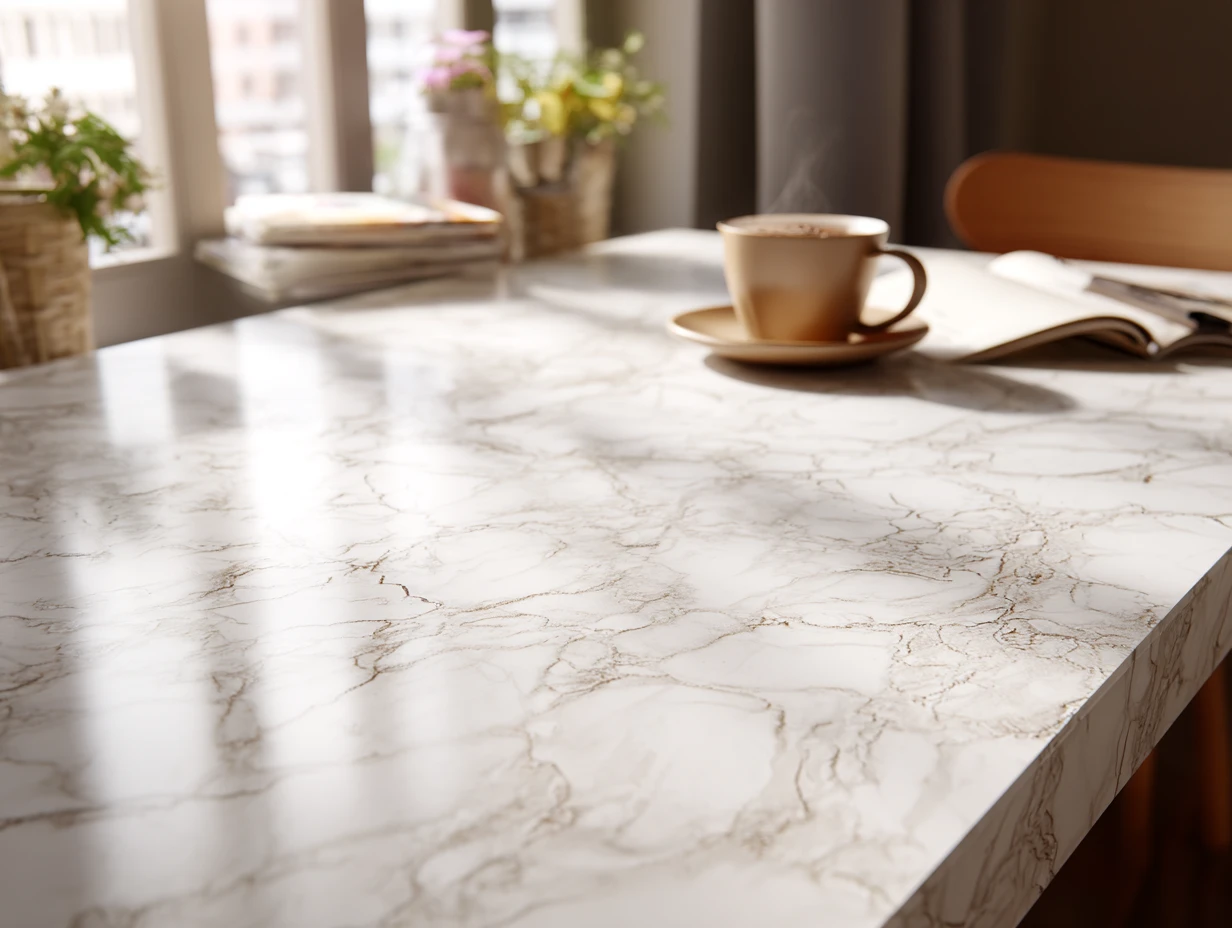
Marble, wood grain, or stone textures in adhesive sheets can upgrade tabletops, study desks, or cabinet fronts. When applied carefully, the effect reads surprisingly convincing from normal viewing distance. Among fast interior design hacks for the home, this one delivers a dramatic visual change for very little cost.
Humidity note: In coastal climates, seal edges with clear adhesive to prevent lifting.
Check Out: Latest Modular Kitchen Design Ideas for Indian Homes
Frame Textiles Instead of Buying Art
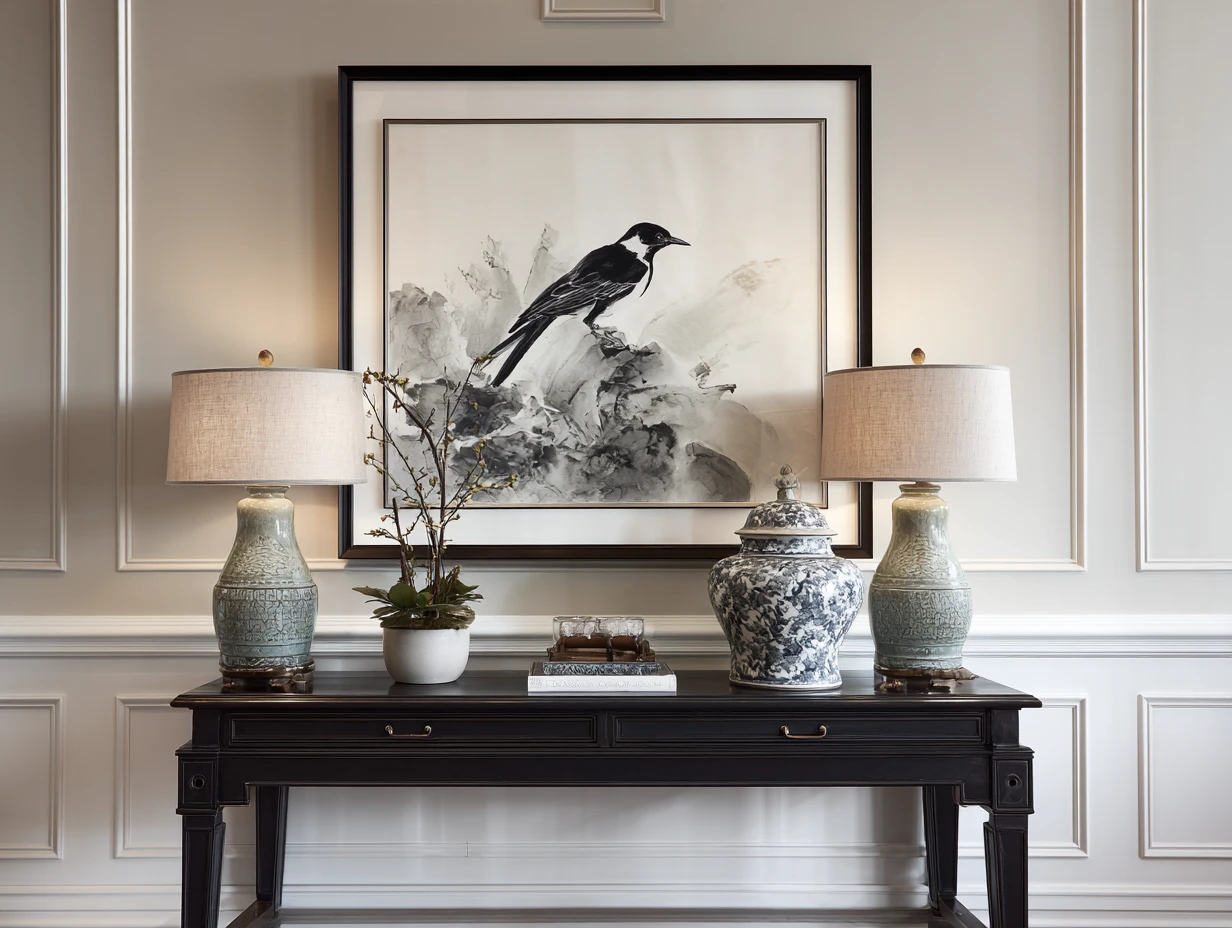
Large artwork often costs the most in styling budgets. A workaround designers use is framing fabric, wallpaper remnants, or printed patterns. The scale looks expensive even when the material isn't. This trick shows up often in home interior design hacks because it fills wall space confidently without requiring gallery-level spending. It works especially well in transitional areas or even a bathroom interior design where traditional art might warp.
Upgrade One Built-In Detail
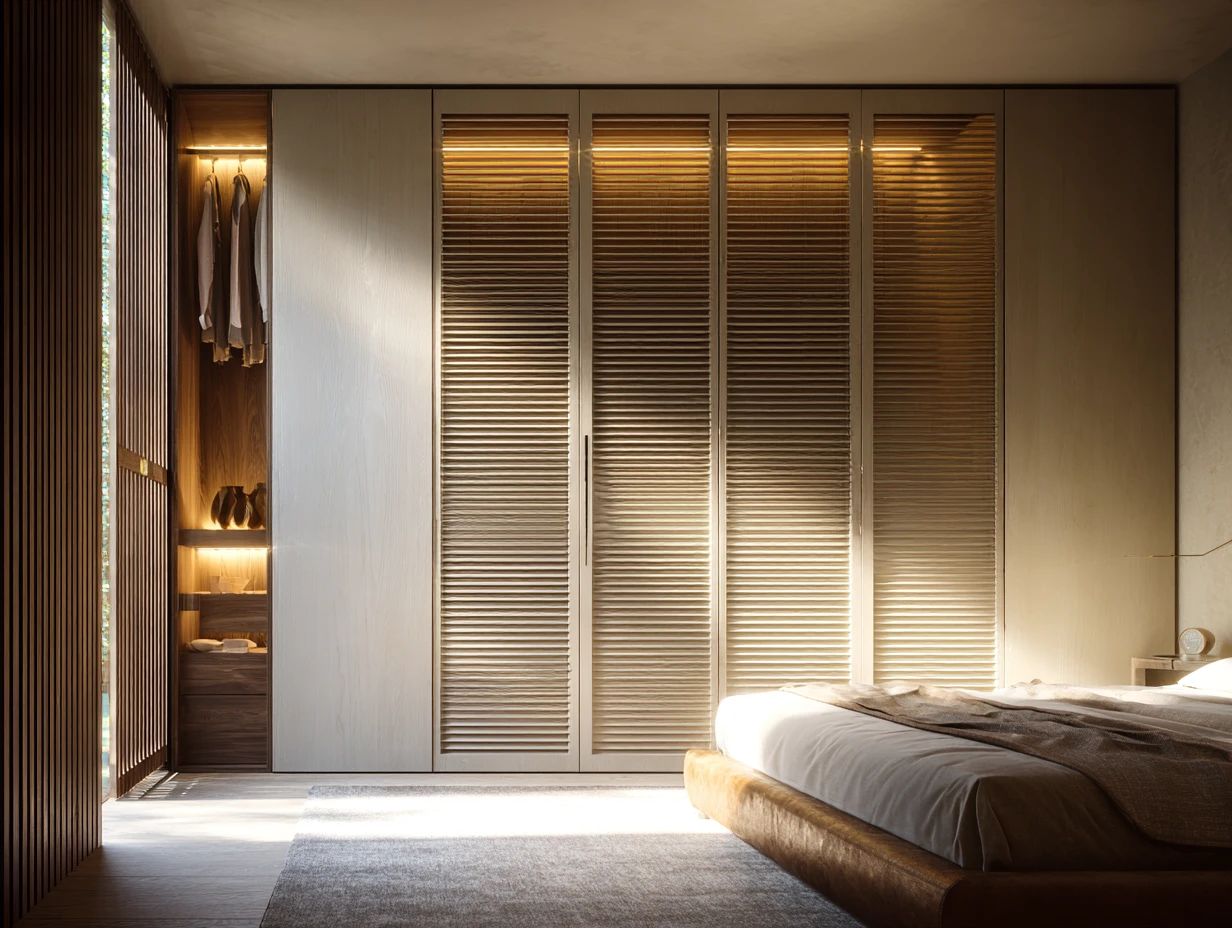
Instead of redoing full storage units, change one visible element. Replace shutters, add trim moulding, or refinish panels. Small upgrades like these can refresh a dated modern wardrobe design without replacing the structure. Subtle adjustments inside built-ins often influence the overall inside design more than people expect.
Add One Professional Principle
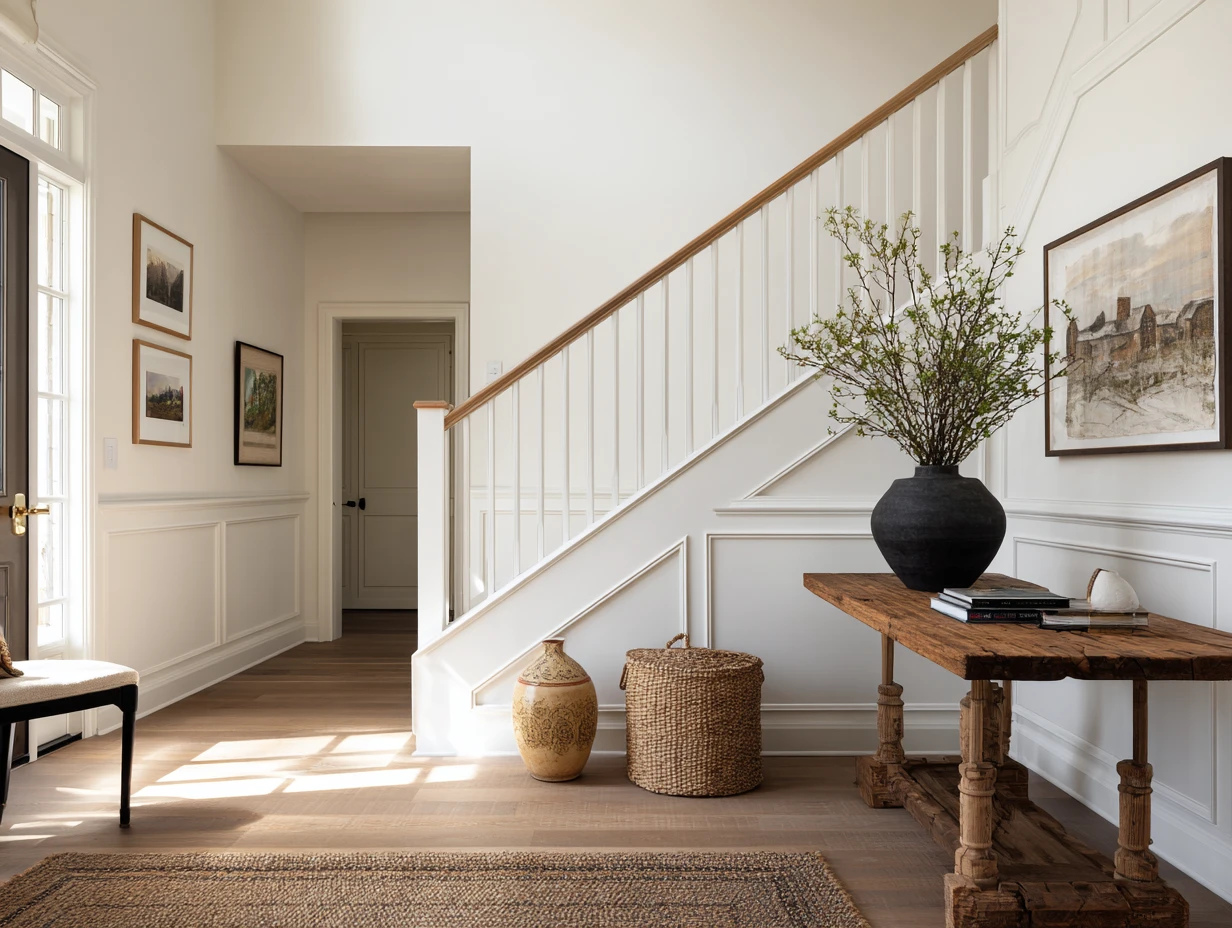
Here's something rarely mentioned in quick tip lists. Designers judge a room by the distribution of visual weight. If everything interesting sits at eye level, the space feels top-heavy. If the detail stays only near the floor, it feels unfinished. Understanding what interior design is at its core means recognising this balance. It's also part of what interior designers do when they walk into a room and instantly start rearranging objects instead of suggesting purchases.
Mistakes That Instantly Make A Room Look Cheaper
Sometimes a space feels off even when everything in it is new. That usually isn't a decor problem. It's a decision problem. Designers are trained to spot visual slips that most people don't notice until they're pointed out. Fixing these often matters more than adding anything new. Several overlooked interior design hacks actually begin with removing mistakes rather than introducing features.
Rugs That Are Too Small
Undersized rugs break visual flow. They make furniture look like it's drifting instead of grounded. The room shrinks visually even if the floor area hasn't changed. The correct scale almost always looks calmer than decorative patterns or bold colours.
One Single Overhead Light
Relying only on a ceiling fixture flattens depth. Rooms need layered light sources at different heights. Floor lamps, table lamps, wall lights. This is one of the oldest interior decorating tips professionals repeat because lighting direction shapes mood more than colour palettes do.
Too Many Tiny Decor Pieces
Clusters of small objects scatter attention. The eye keeps jumping instead of settling. Fewer, larger items usually create a stronger impact. Designers often edit surfaces before styling them. Removing three items can improve a table faster than adding five.
Curtains That Stop at Window Height
Short curtains cut the wall height visually. Even expensive fabric can look ordinary if it ends too soon. Length that nearly touches the floor tends to feel intentional and tailored. This simple adjustment is one of those interior design tricks that quietly upgrades a room without costing more.
Matching Everything Too Closely
When finishes, colours, and textures all match perfectly, the space can feel flat. Contrast adds life. A room where wood tones vary slightly, or metals differ subtly, often feels more natural and layered. Many refined design hacks for the home rely on controlled contrast rather than coordination.
When Interior Design Hacks Are Done Right
An expensive decor won't guarantee you the refined space that you need. Balance, proportion, and thoughtful placement are the true catalysts for a change in your room. The most effective interior design hacks work because they don't require a big chunk of your money. What they do is improve the perception. When lighting, scale, and texture are used together smartly, homes start to feel like they are complete.
Now, if you are impressed and ready to give your home a similar makeover, Interior Company is your destination.
*Images used are for representational purposes only. Unless explicitly mentioned, the Interior Company does not hold any copyright to the images.*

Ready for a home transformation?
Let our designers assist you!
Recent Posts







Start with what affects perception first. Lighting tone, curtain height, and rug size change how a room reads within minutes. Most beginners try colour or furniture swaps, but experienced decorators usually test these interior design hacks before anything else because they’re quick to adjust and easy to reverse.
They usually show results faster there. In a compact space, even a small shift like moving a lamp or raising curtains is noticeable right away. You don’t need extra square footage. Simple design hacks for a home on a budget often make a room feel more open just by adjusting what the eye sees first.
Trying too hard to match everything. When finishes, colours, and materials all look identical, a room starts feeling stiff. A mix feels more natural. That’s why many classic interior design tips focus on contrast instead of coordination.
Not really. A thoughtfully placed affordable piece can improve a space more than a pricey item stuck in the wrong spot. Good arrangement carries more visual weight than cost. Most effective interior decorating tips for the home revolve around placement, not price tags.
Start with the room you use the most during the day. For most homes, that’s the living area. Changes there affect how the entire house feels. People trying home interior design hacks often begin with that space because the impact is immediate.
Check where attention lands. If everything interesting sits at the same height, the space can feel oddly flat. Spread visual interest higher and lower. Many dependable interior design hacks rely on this simple balance.
Test things before committing. Move items around. Try sample paint patches. Swap bulbs before buying new fixtures. Small trials are underrated design hacks for the home because they let you see what works before spending on it.
Related Category
- Exterior Design
- Furniture
- Home Decor
- Materials
- Walls and Texture