- Design Ideas
- Cities
- Trends
- Guides
- Price Calculators
- Interior DesignersNEW
- Our Portfolio
- More


- Home
- Trends
- Construction
- Materials
- Pop Punning
Smooth Walls Made Simple: A Detailed Guide to POP Punning

Have you ever walked into a room and noticed how smooth and flawless the walls look? That perfect finish is usually the result of a special technique called POP punning. It is a finishing technique where a thin layer of Plaster of Paris is applied over walls and ceilings to create a perfectly smooth surface.
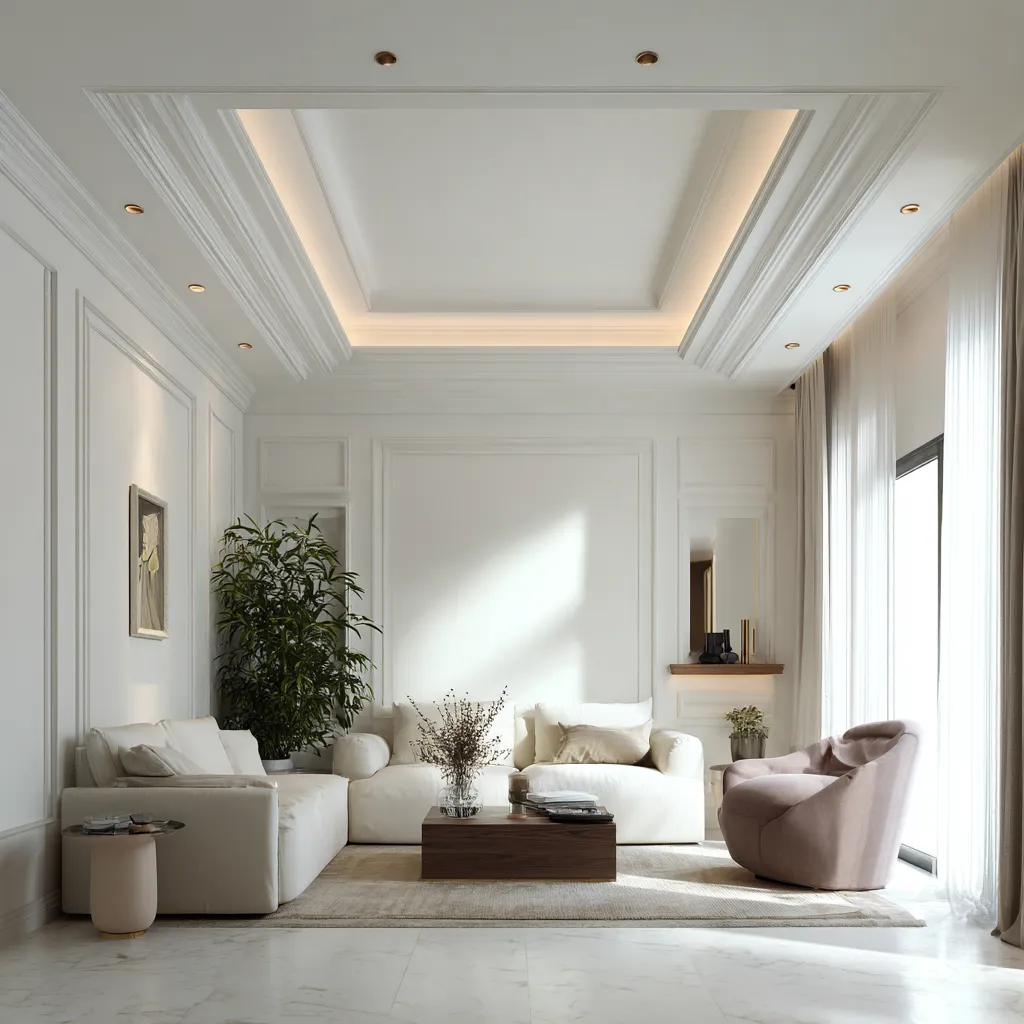
Today, POP punning is widely used in interior designs. It improves the overall appearance of the walls by giving a professional, high-quality finish. It helps to create elegant walls, decorative ceilings, and stylish design features. POP punning provides the perfect base for both minimal looks and detailed mouldings.
Table of Content
In this detailed guide, you will understand what POP punning is, how it is done, its benefits, limitations, and design possibilities.
What Is POP Punning?
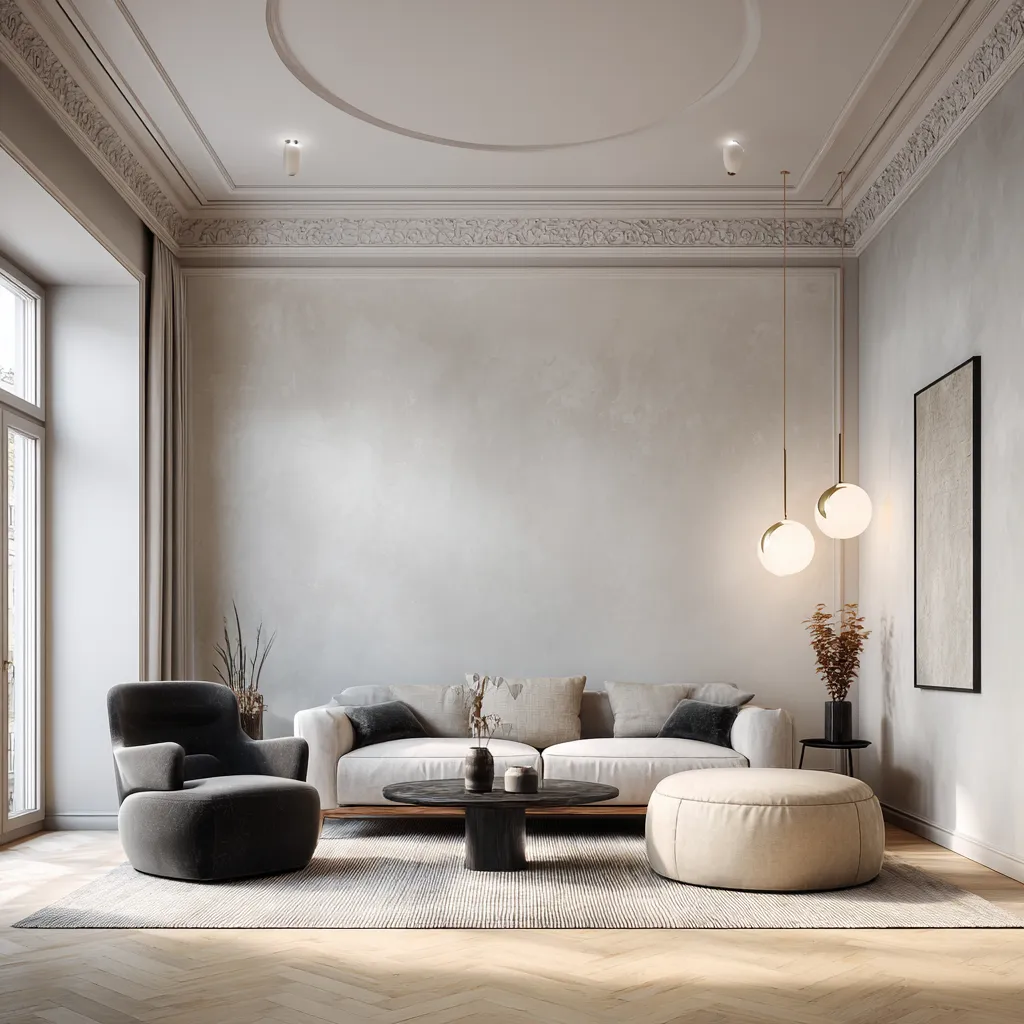
POP punning is a finishing technique used to create a smooth surface on walls and ceiling designs. POP stands for Plaster of Paris. It is a fine white powder that forms a smooth paste when mixed with water. This paste is applied as a thin top layer over plastered walls or ceilings. This layer creates a smooth, even surface that looks clean and polished, and is ready for painting or decoration.
POP punning is not the same as regular plastering. Basic plastering makes up the basic coat on rough walls. It usually leaves behind small bumps, cracks, or uneven patches. Thus, POP punning is used for the final touch, giving walls a smooth finish.
How Is POP Punning Done? Step-by-Step Guide
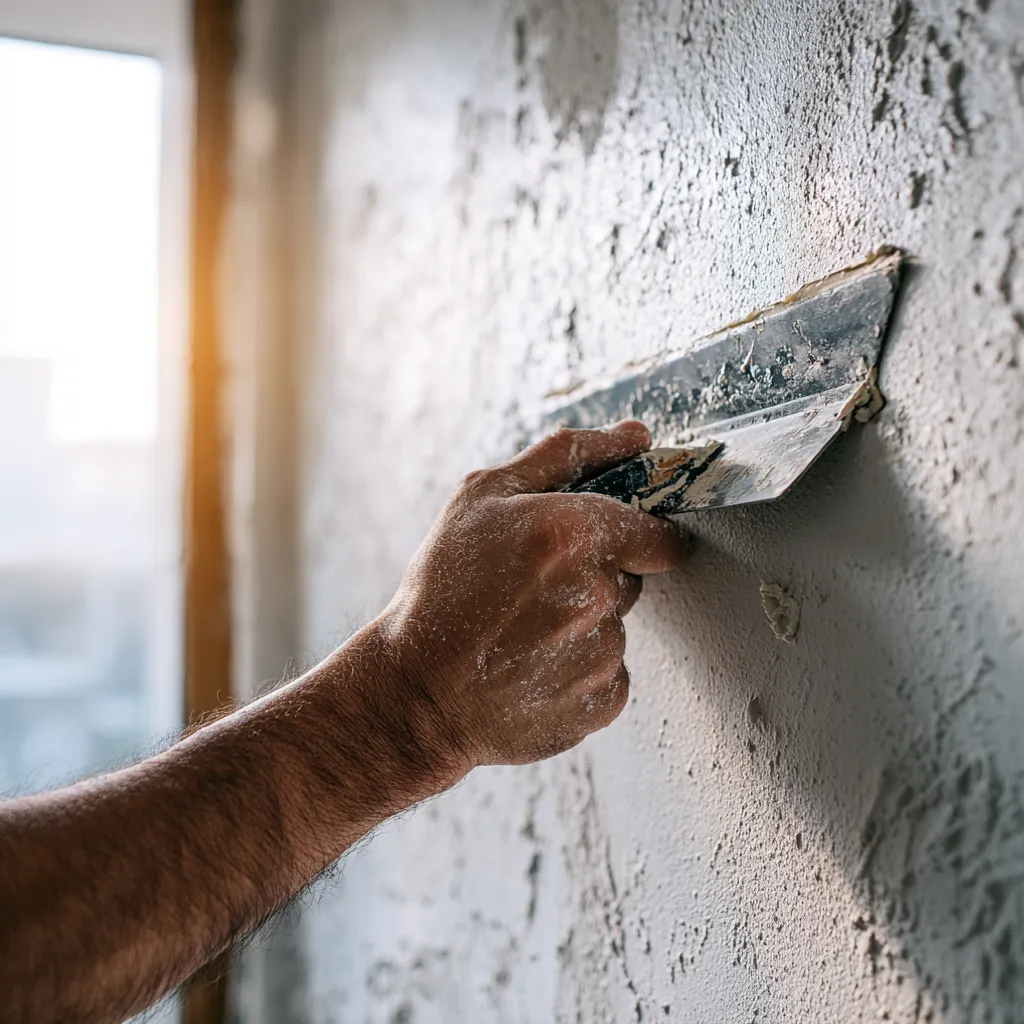
Here's a simple breakdown of how POP punning works:
- Preparation of Walls: The existing plastered surface should be dry and dust-free before POP punning.
- Mixing POP: Plaster of Paris powder is mixed with clean water to make a creamy paste.
- Application on Walls: The POP paste is spread over the wall using tools like trowels. It must be applied evenly.
- Smoothing the Surface: Skilled workers smooth the surface to remove uneven areas and cracks.
- Drying: POP sets and dries quickly, usually in less than an hour. After drying fully, the walls are ready for painting.
It results in almost factory-finished, smooth walls which are ready for any colour or texture you choose.
Why Homeowners Prefer POP Punning?
POP punning has become popular for many good reasons. Here are a few benefits of POP punning in modern interior design:
Ultra-Smooth Wall Finish
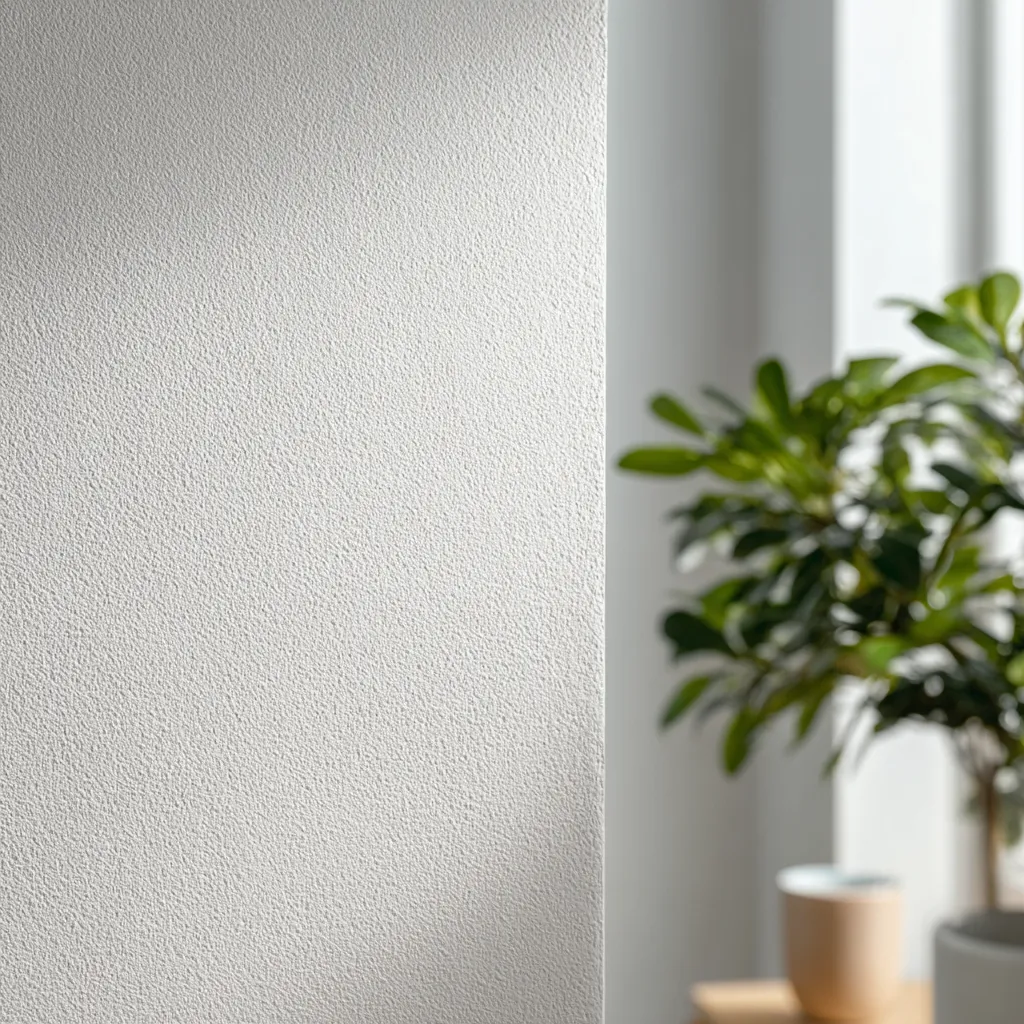
POP punning gives a very fine and smooth surface with minimal bumps or marks. This makes paint look richer and more even.
Hides Wall Imperfections
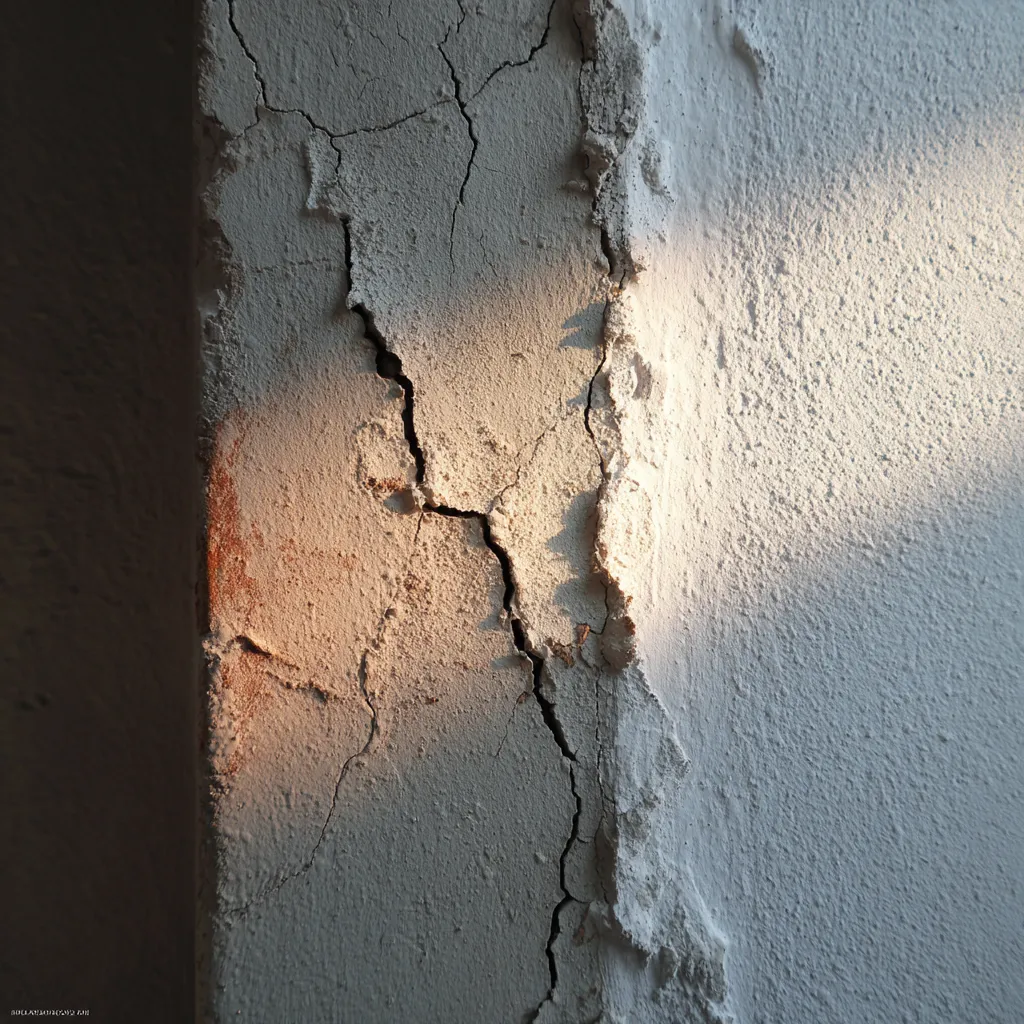
A good layer of POP hides any cracks, tiny holes, or uneven patches on walls.
Easy To Paint
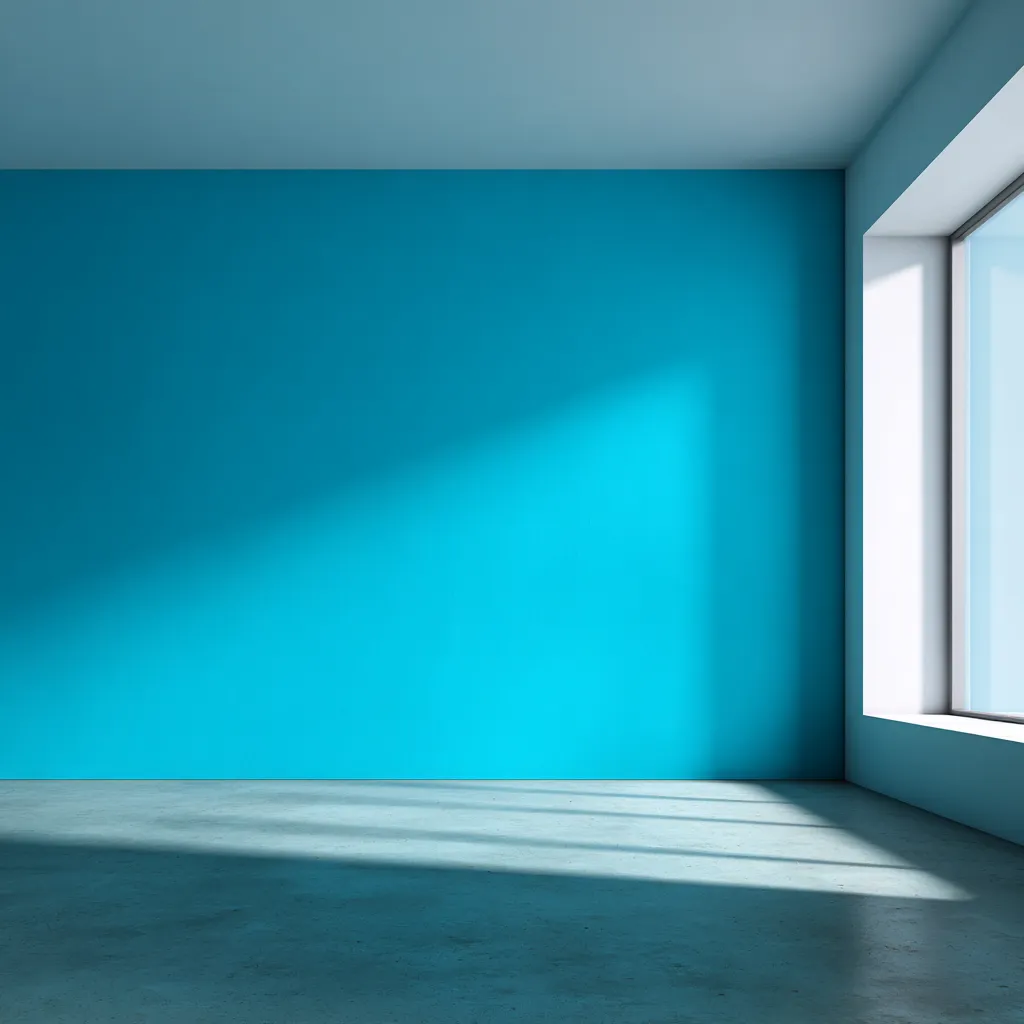
After punning, paint sticks better to walls. Colours appear brighter and last longer.
Enhances Interior Look
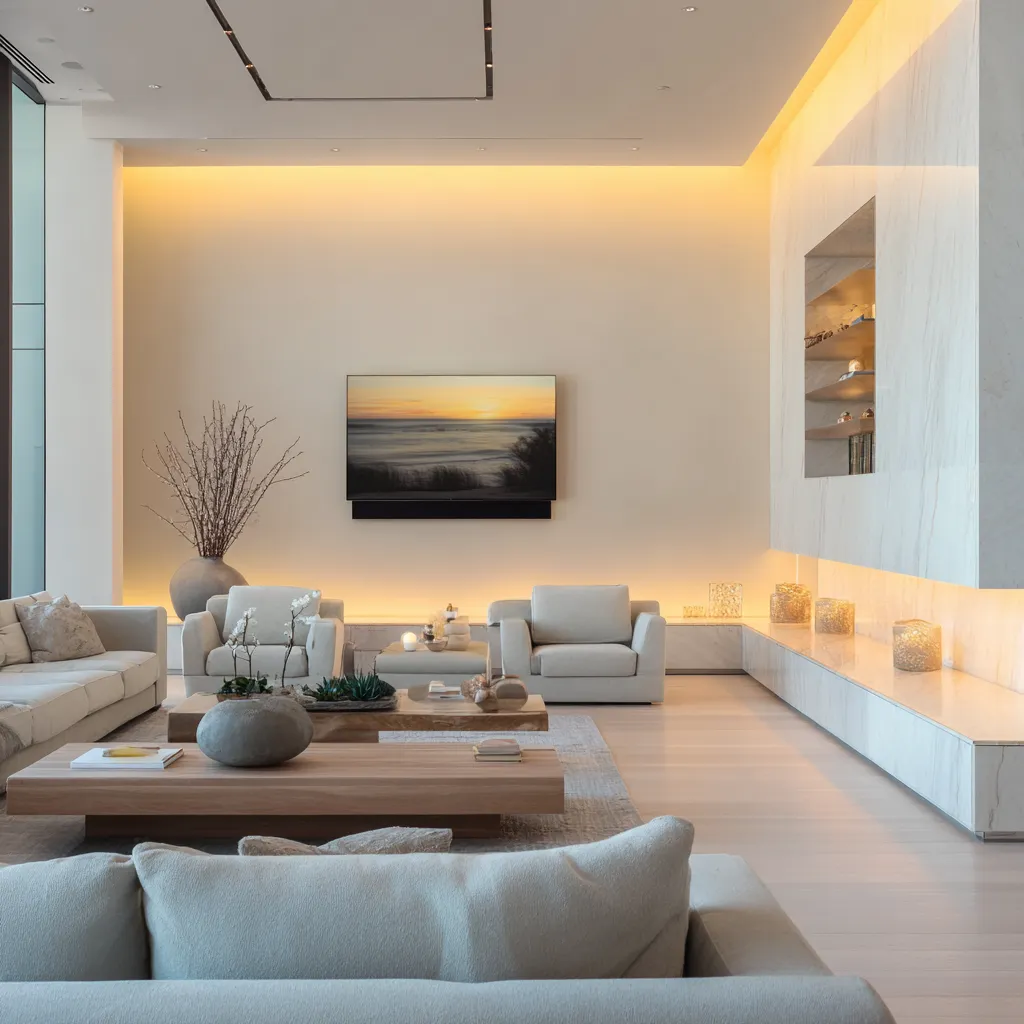
Smooth walls instantly make a room feel modern, neat, and stylish. POP punning gives a designer finish.
Ideal For Decorative Work
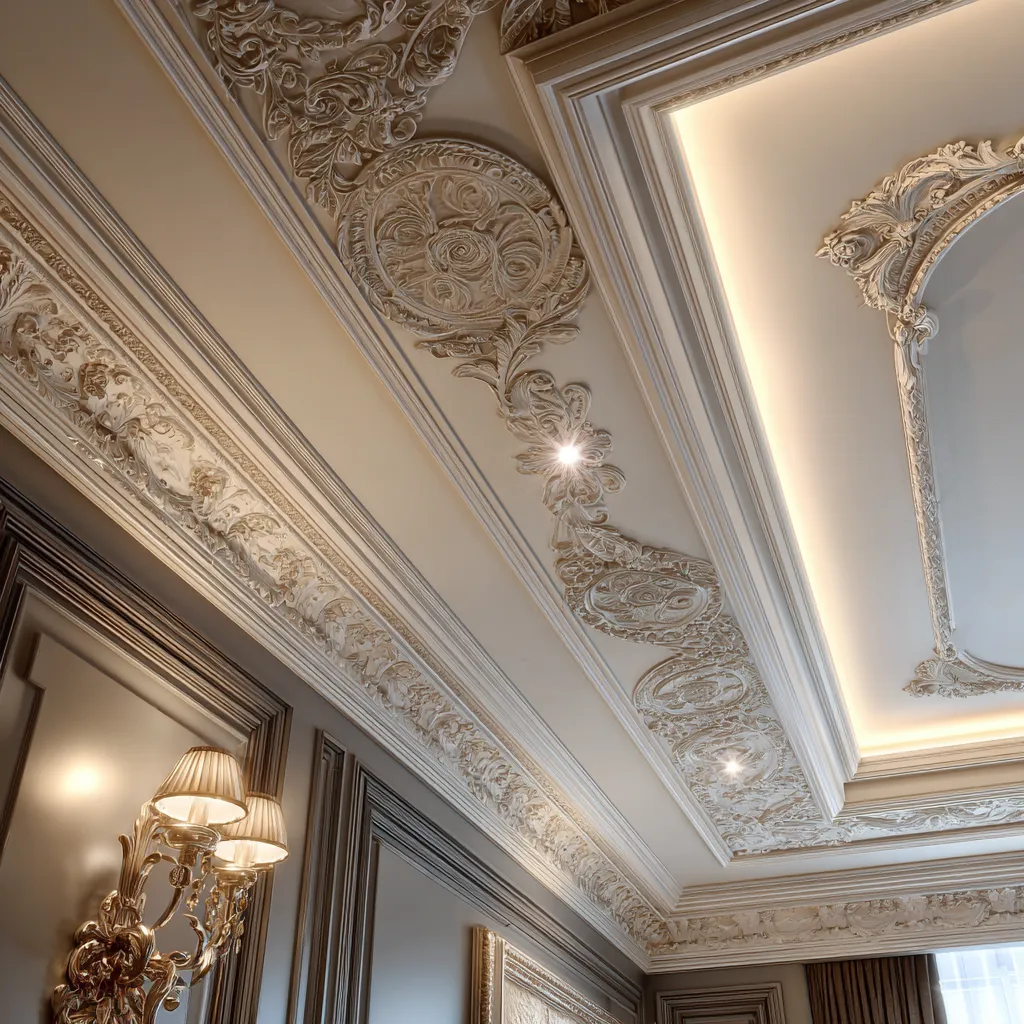
POP is also used for false ceilings, cornices, and design features because it's easy to shape. The technique is used in various designs in modern interiors.
POP Punning Design Ideas To Elevate Your Walls
POP punning is not just about smooth walls. It can also create beautiful designs. It can transform plain surfaces into eye-catching designs and features. Given below are some popular and practical POP punning design ideas you can consider for your home.
Simple Smooth Finish
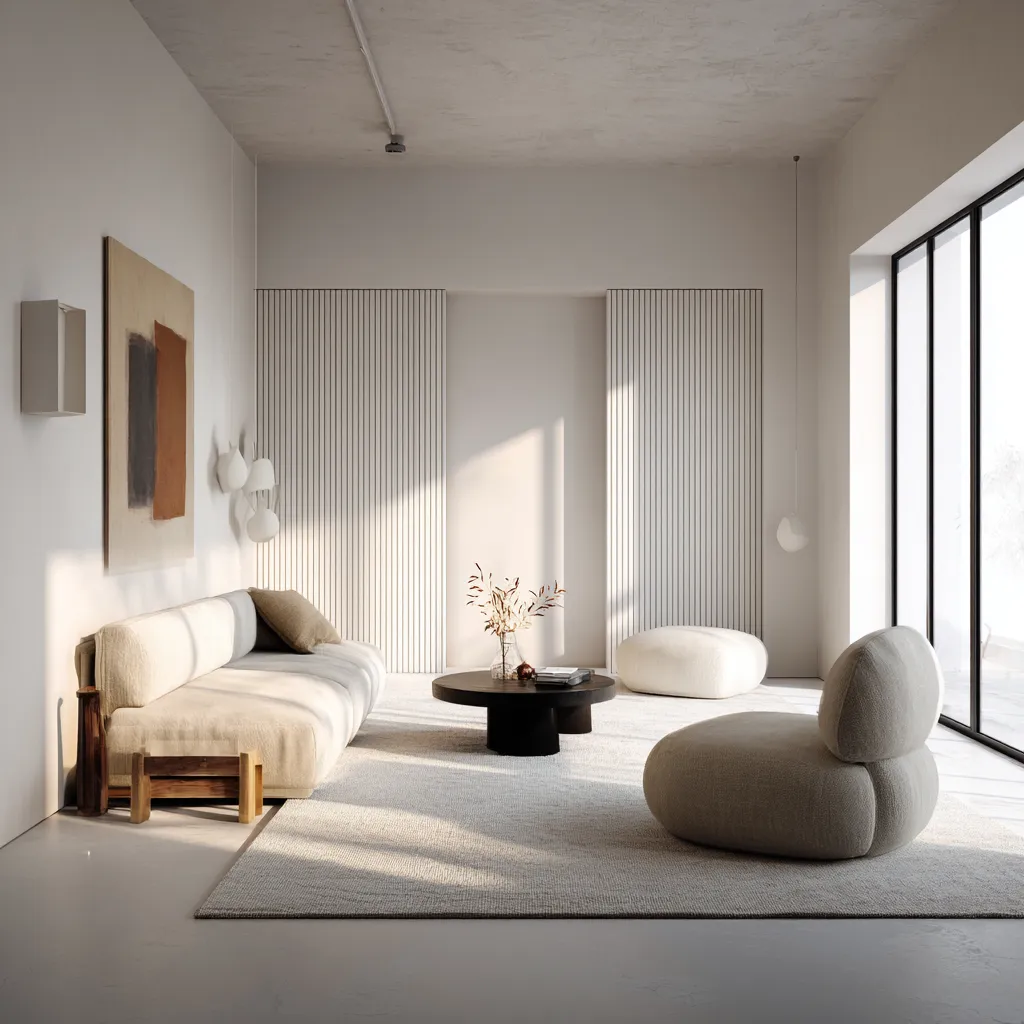
This is the most common style. The wall is made perfectly smooth and even. It looks clean and modern. It works well with bright paints and textured finishes.
This design is best for:
- Living rooms
- Bedrooms
- Minimal homes
- Contemporary interiors
This design focuses on neatness. It allows furniture and decor to stand out.
Panel Or Frame Designs
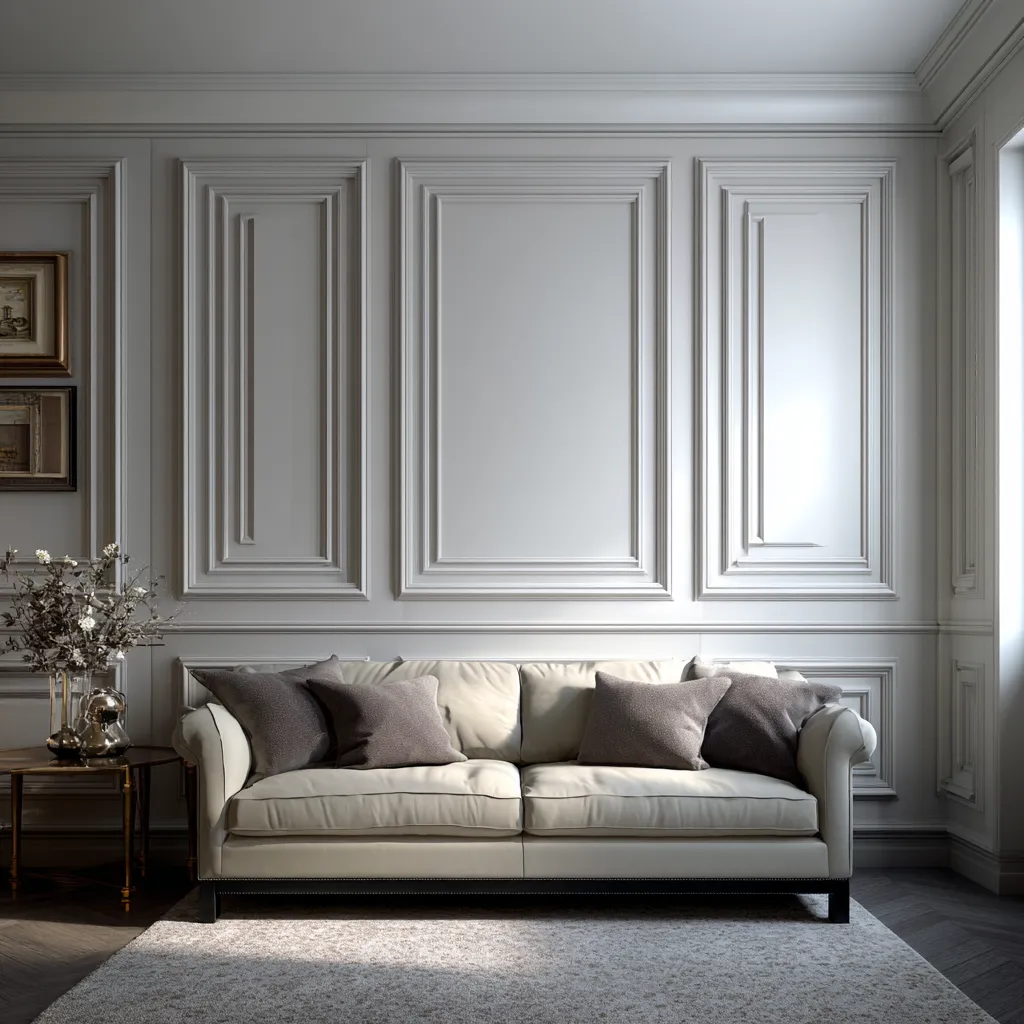
POP can be shaped into rectangular or square frames. These frames add depth and structure to plain walls. You can paint the panels in one colour. You can also use two shades to highlight the borders.
These designs are best for:
- Accent walls
- TV unit background
- Hallways
- Dining areas
Panel designs give a classy and elegant look to the space.
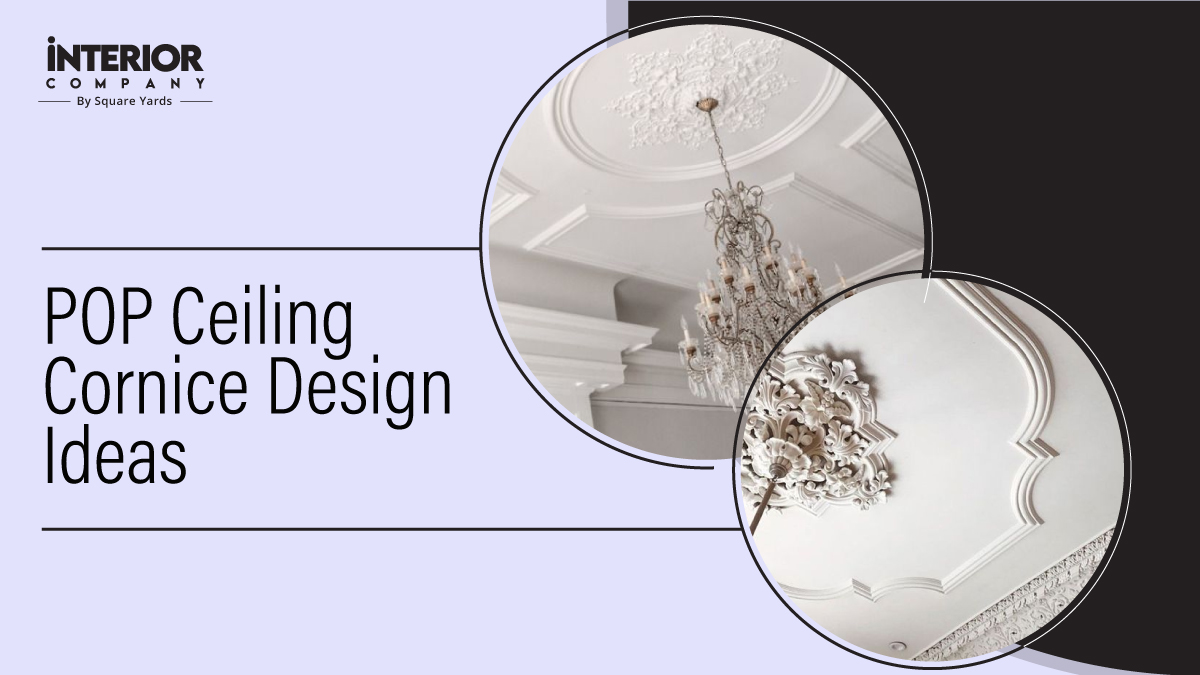
Decorative Mouldings And Cornices
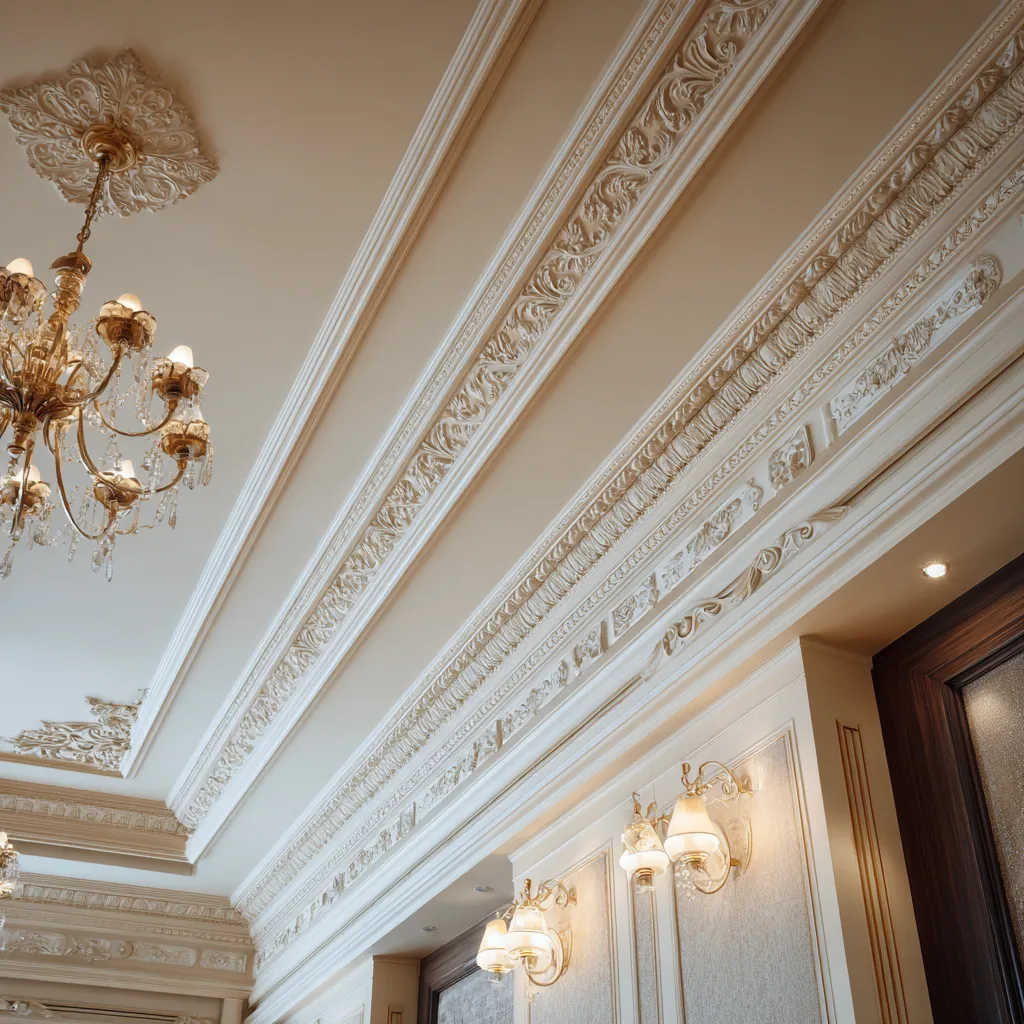
POP is easy to shape into detailed patterns. Mouldings are added where walls meet ceilings. They create a soft transition between surfaces and can also hide small gaps or cracks. It adds charm and richness to the space.
This design is perfect for:
- Traditional homes
- Luxury interiors
- High ceilings
Geometric POP Designs
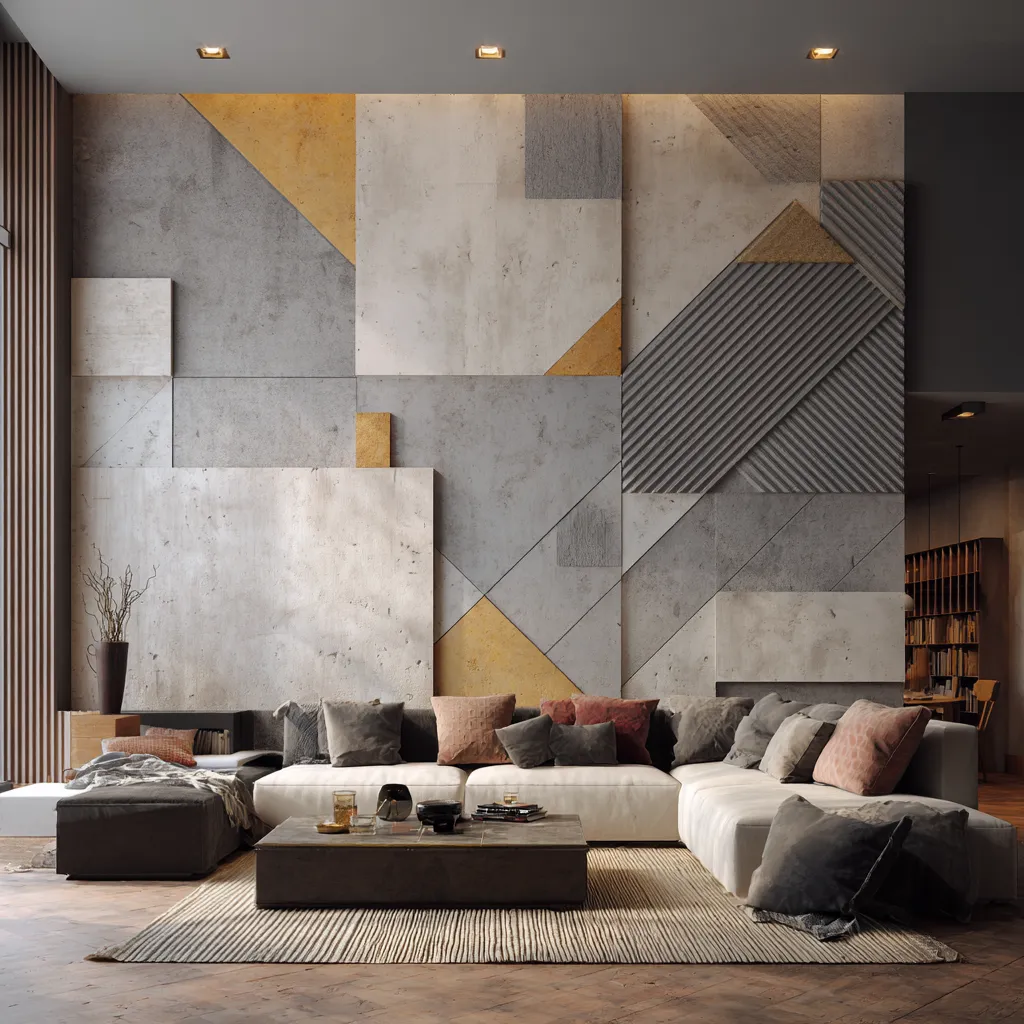
Modern homes often use geometric patterns. Lines, squares, and abstract shapes are created using POP. These patterns add texture without using heavy materials. They make walls look bold and creative, and give a trendy and stylish feel.
These designs are best for:
- TV walls
- Master bedroom headboard walls
- Office spaces
Textured Wall Finish
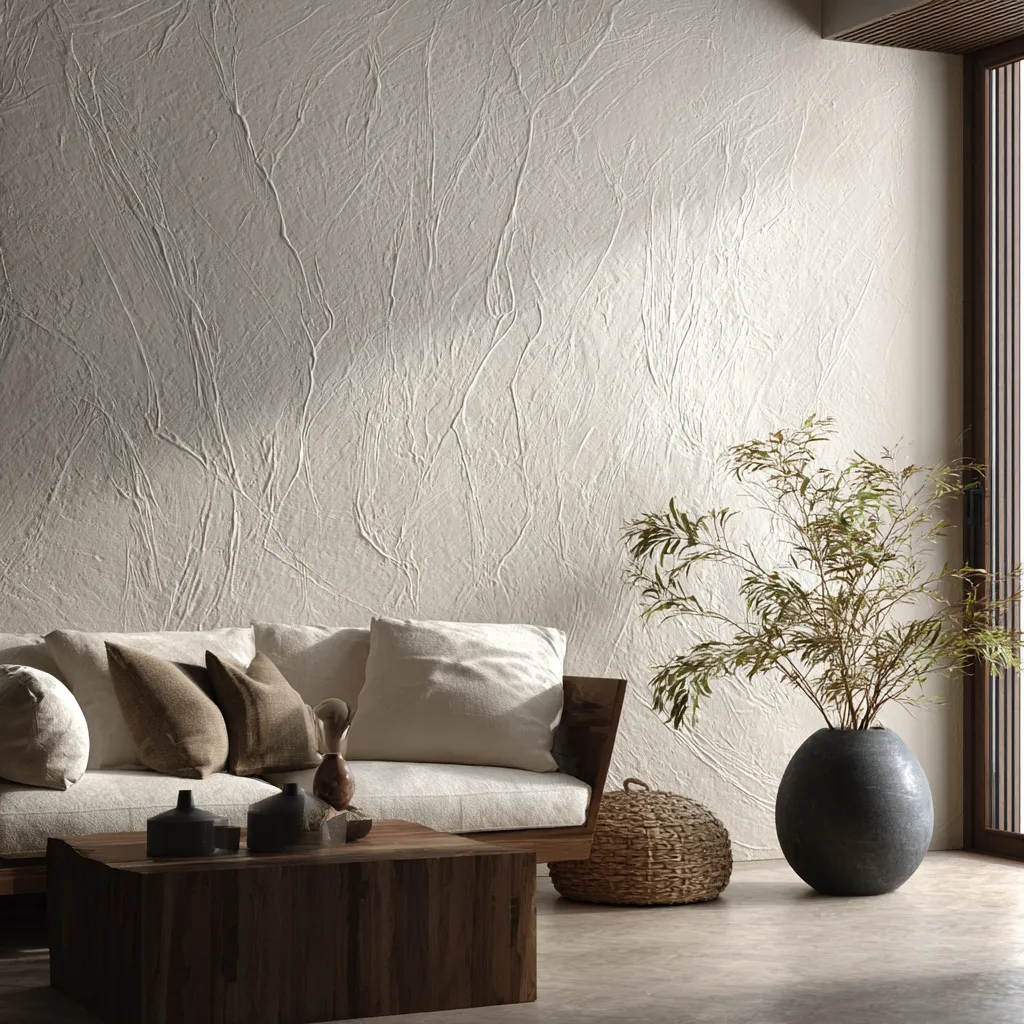
Instead of a flat surface, POP can be used to give a light texture. The texture can be soft waves, brush strokes, or rough patterns. It adds character to simple walls. Textured designs create depth and interest.
They are suitable for:
- Accent walls
- Entry areas
- Staircase walls
Things You Should Watch Out For
POP punning looks great in modern designs. However, there are some practical points to keep in mind before moving ahead with the technique:
- Not for Damp or Outdoor Walls: POP absorbs moisture easily. It can peel or crack if it is used in bathrooms, balconies, or exterior walls. Instead, moisture-resistant materials should be used in those areas.
- Requires Skilled Labour: Smooth, flawless application requires experience. Poor application can lead to cracks later.
- Less Durable Than Some Alternatives: POP punning is more delicate and requires more maintenance than a wall putty or cement finish.
POP Punning vs Wall Putty: Which One Is Right for You?
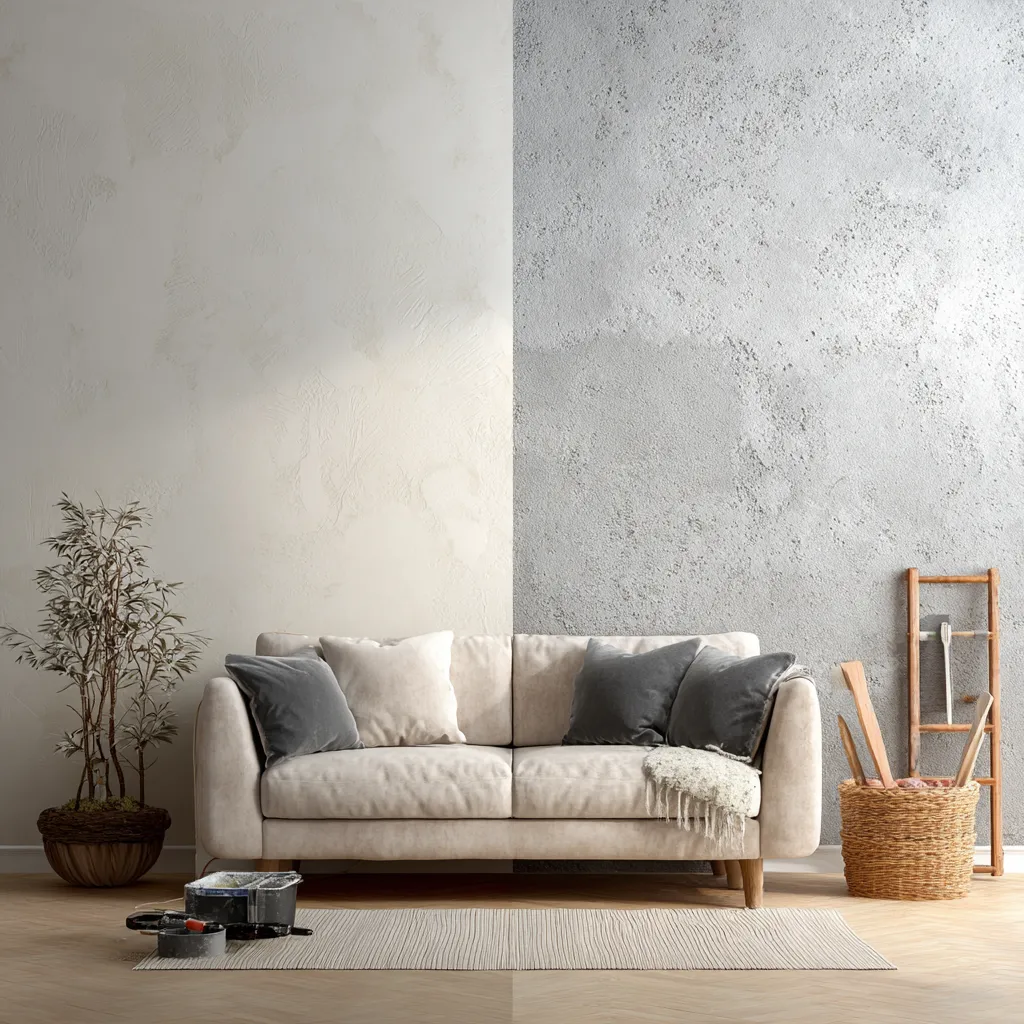
POP punning and wall putty are both used before painting. They help to create a smooth surface. However, they are different in various ways, such as material, strength, and usage. POP punning gives a finer and more polished finish. On the other hand, wall putty offers better durability and moisture resistance.
|
Feature |
POP Punning |
Wall Putty |
|
Material |
Plaster of Paris |
White cement-based |
|
Finish |
Ultra smooth |
Smooth and coarser |
|
Durability |
Moderate |
High |
|
Moisture Resistance |
Low |
High |
|
Best Used In |
Interior walls & ceilings |
Interior and exterior walls |
|
Cost |
Slightly higher |
Lower |
If you want a premium look, choose POP punning. If you want long-lasting strength and protection, wall putty is a better option.
Smooth Walls Start With The Right Choice
POP punning is a beautiful and affordable way to turn ordinary walls and ceilings into smooth, designer-looking surfaces. It brings a clean, polished look that's hard to beat. Clean walls make your home look brighter and more put-together.
If you're looking for smooth, long-lasting walls, it's best to trust experts. Interior Company handles everything, from surface preparation to the final finish. With skilled professionals and proper techniques, your walls will look neat and polished.
'Images used are for representational purposes only. Unless explicitly mentioned, the Interior Company does not hold any copyright to the images.'

Ready for a home transformation?
Let our designers assist you!
Recent Posts








POP punning is a wall finishing method. In this technique, a thin layer of Plaster of Paris (POP) is applied over plastered walls and ceilings. This layer makes the surface smooth and even. It prepares the wall for painting and improves the final look of interiors.
POP punning removes small cracks, bumps, and uneven patches on walls. It creates a flat and smooth surface. When paint is applied on this smooth wall, it spreads evenly and looks better. The colour also looks brighter and finished.
POP punning gives a finer and smoother finish compared to wall putty. However, wall putty is stronger and more moisture-resistant. POP is mainly used for dry interior areas. On the other hand, wall putty can be used on both interior and exterior walls.
The POP layer is usually very thin. It is generally around 1-3 mm thick. The purpose is to smooth the surface, and not build the wall.
POP sets quickly. It starts hardening within 20-30 minutes after application. However, complete drying may take 24 hours, depending on weather conditions and thickness.
POP is not ideal for damp or moisture-prone areas. It absorbs moisture easily. In bathrooms or areas with water exposure, it may crack or peel over time. For such spaces, wall putty and other moisture-resistant materials are a better option.
POP punning lasts well if applied properly. However, cracks can appear if the surface was not prepared correctly or if the mixture ratio was wrong. Skilled application from good professionals can reduce this risk.
POP punning is slightly more expensive than wall putty. The cost depends on the area size, labour charges, and quality of material used. However, it offers a premium smooth finish that many homeowners prefer despite a slightly higher cost.
Yes, small damaged areas can be repaired. The cracked or chipped part is removed, and a fresh layer of POP is applied. After drying, the surface can be repainted.
POP punning can last for many years if used in dry indoor areas and maintained properly. Proper ventilation and protection from moisture will help to increase its lifespan.
Related Category
- Exterior Design
- False Ceilings
- Furniture
- Tips and Advice
- Walls and Texture