
- Design Ideas
- Cities
- Trends
- Guides
- Price Calculators
- Interior DesignersNEW
- Our Portfolio
- More


- Home
- Interior Design Ideas
- Wall Colour Combination Design Ideas
- Wall Colour Combination For Hall And Living Room
Wall Colour Combination for Hall and Living Room
In most Indian homes, wall colour decisions begin with the living room or hall. It is the most used space and often the first area that needs to look settled. A wall colour combination for a hall is usually planned after furniture placement and flooring is decided, not before. Preferences vary widely. Some homes stick to a simple Indian hall colour combination using light and neutral shades. Others prefer two-colour walls, contrast sections, or darker tones depending on room size and daylight. A colour combination for a living room that works in a compact flat may not suit a larger hall, and vice versa. The right wall colour combination for living rooms depends on how the space is used, how much natural light it receives, and whether the hall is meant to feel relaxed or formal. In Indian homes, these choices are practical first, decorative later....Read More
Filter







Vastu Insights by Our Experts
Watch our designers decode the balance between design, energy, and harmony for your home.







Wall Colour Combination Design Ideas for You
- Room


Best Wall Colour Combinations for Hall and Living Room
Discover wall colour combinations for living rooms and halls grouped by style, contrast, and overall look. From two-colour walls to light palettes, modern trends, and richer tones, the sections below break down wall colour combinations for the living room and hall based on how Indian homes usually plan finishes and visual balance.
Popular Two Colour Combination for Living Room Walls
Two colours are often used on living room walls to avoid keeping the entire space flat. One shade usually stays lighter, the other slightly deeper. This two colour combination for living room walls is decided early, before furniture or curtains are finalised.
Modern Two Colour Combination for Living Room
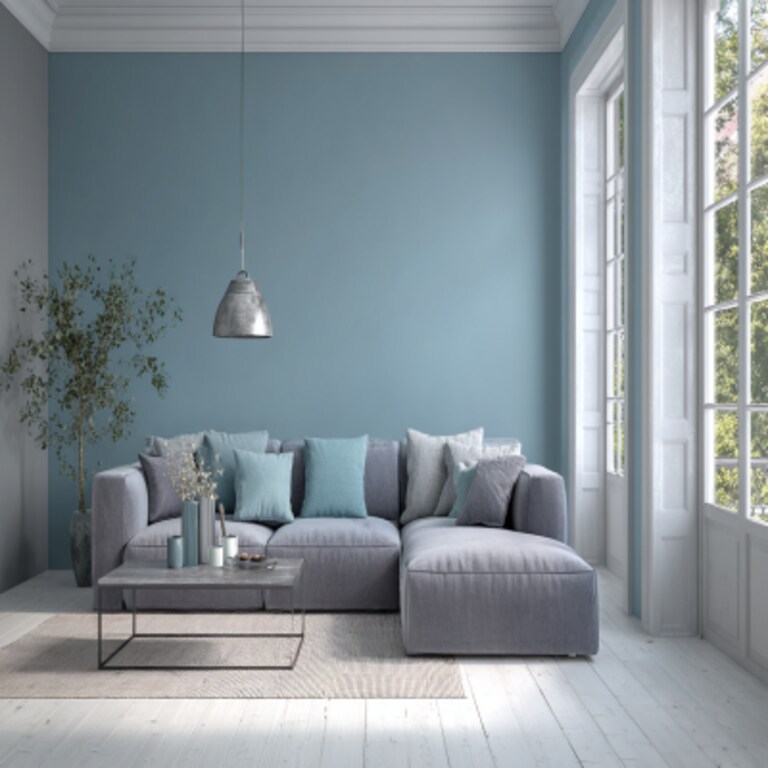
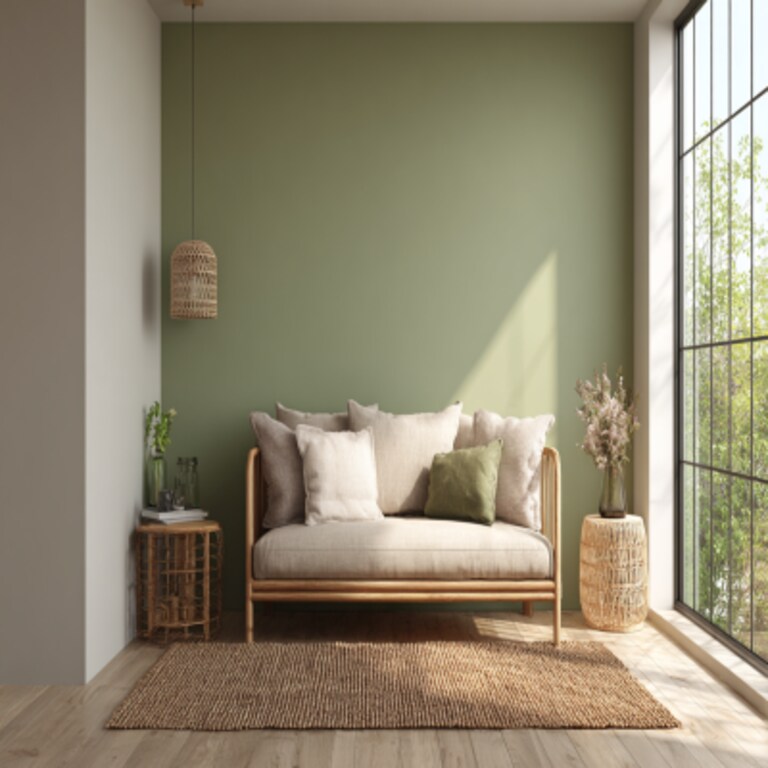
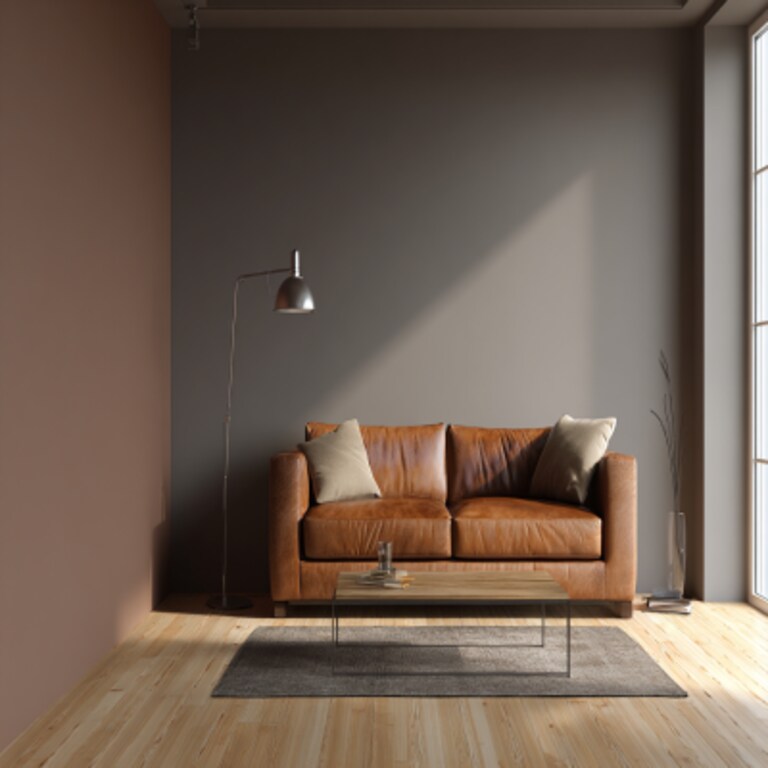
In many homes, the modern approach keeps one wall different and the rest plain. Neutral shades are paired with soft colours rather than bold ones. Grey with off-white, beige with muted green, or cream with light blue are common choices in a modern two colour combination for a living room. The second colour is kept limited and does not run across all walls.
Two Colour Combination for Hall Walls
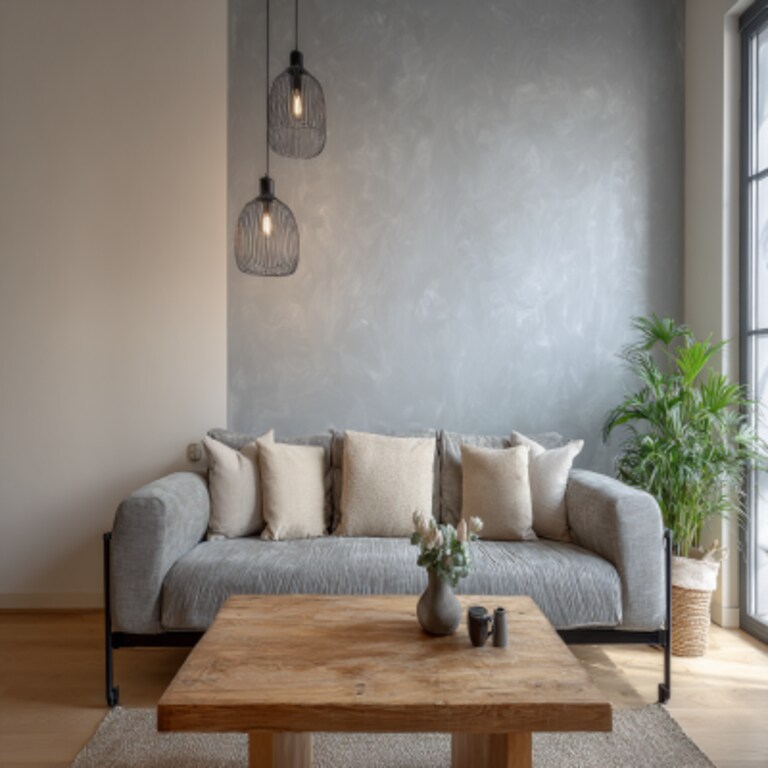
For halls, the split depends on wall height and proportions. Some homes use a horizontal break, others prefer a vertical section on one side. Paint is sometimes paired with texture, panelling, or wallpaper on a single wall. This approach is usually followed when planning a two colour combination for hall walls, especially when deciding the best colour combination for hall walls in medium or large spaces.
Dark and Light Colour Combination for Living Room
Using a mix of dark and light shades helps bring contrast without closing in the room. A darker colour is usually kept to one wall, while lighter tones remain on the rest. This dark and light colour combination for the living room is commonly used in medium and large halls where there is enough natural light. When balanced well, it is often considered among the best colour combinations for hall walls, especially in homes that want depth without heaviness.
Also Read: Best Vastu Colours for Living Room to Attract Positive Energy
Simple & Light Colour Combinations for Indian Living Rooms
Light shades are widely used in Indian living room designs where the hall size is limited or the layout is tight. These colours keep the room from feeling closed in. A simple hall colour combination usually stays within one colour family, with small shifts in tone rather than sharp contrast.
Simple Indian Hall Colour Combination
White, off-white, cream, and soft beige are common in a simple Indian hall colour combination. These shades work across different flooring types and furniture styles. Many homes follow this as a long-term home paint colour combination for hall because it does not need frequent changes.
Light Colour Combination for Living Room
In a small living room design, lighter shades are preferred to avoid dark corners. A light colour combination for living room walls is often chosen where daylight is limited. These are commonly treated as good living room colours in apartments and compact homes.
Modern & Trending Living Room Colour Ideas
Living room colour trends have shifted subtly. The use of strong contrasts has decreased, with most homes favouring neutral shades. The goal is to make walls more adaptable and easier to maintain over time.
Latest Colour Combination for Hall
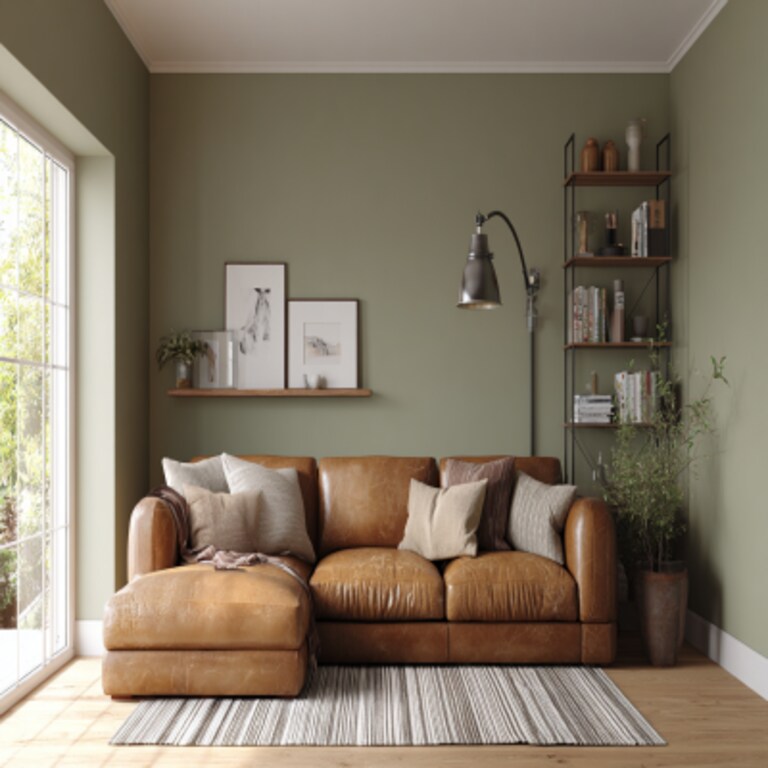
The latest colour combination for the hall usually stays muted. Soft grey, beige, dusty blue, and earthy tones appear more often than bright colours. In many homes, one wall is kept slightly darker. The rest remain light. This approach is common in a modern hall colour combination seen in apartments and newer houses.
Trending Living Room Colours
Current trending living room colours include sage green, light grey, muted blue, and warm neutrals. These shades are used across walls without heavy contrast. Many everyday living room colour ideas now rely on furniture and lighting for variation instead of paint alone.
Royal & Premium Colour Combinations for Living Room
Royal colour palettes are usually kept for larger living rooms. These spaces often already have heavier furniture or statement lighting. Wall colours are chosen to complement these bold elements rather than soften their impact.
Royal Colour Combination for Living Room
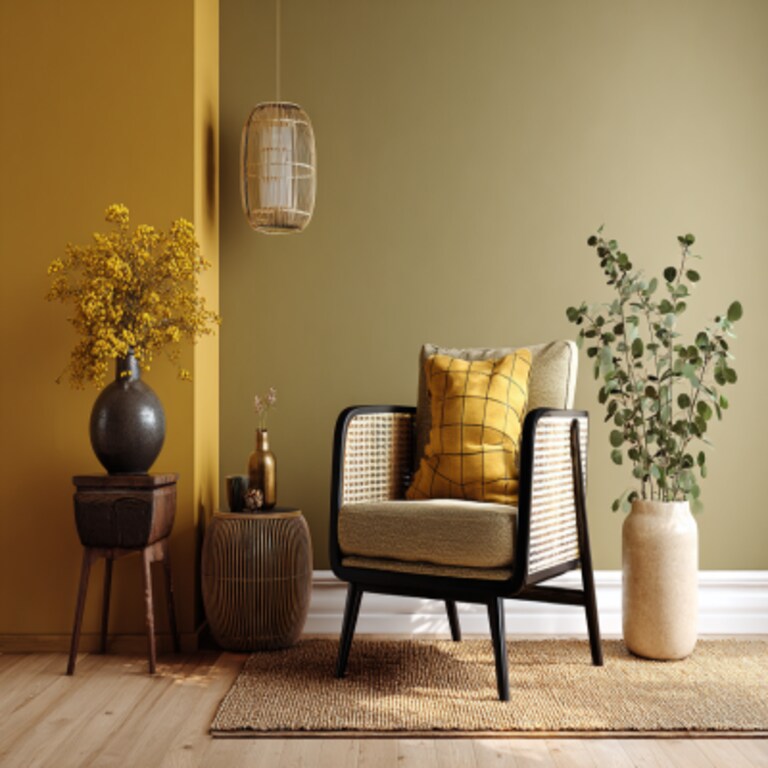
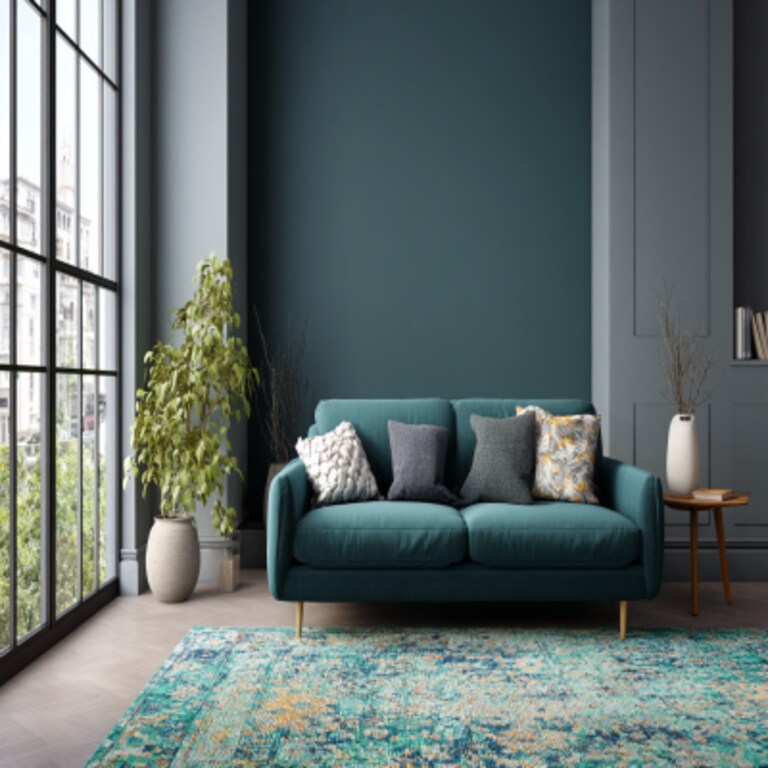
A royal colour combination for the living room includes deep blue, emerald green, wine, or charcoal shades. These colours are usually applied to one or two accent walls rather than all walls. The remaining walls are painted in lighter neutral or muted metallic tones, creating a balanced and elegant look.
Best Colour Combination for Drawing Room
The best colour combination for the drawing room stays controlled. Neutral walls with one darker surface are common. Cream, beige, or off-white is often used to balance richer colours. These combinations are usually kept symmetrical and finished cleanly.
Wall Paint Colour Combinations by Hall Size & Lighting
Wall colour choices usually change once the hall size and natural light are fixed. The same shades behave differently depending on space and light direction.
Colour Shades for Small Living Rooms
In smaller halls, wall colours are usually kept light. White, off-white, pale beige, and soft grey are commonly used colour shades for living room walls where space feels tight. These shades do not draw attention to wall edges and help the room feel less boxed in. Most small homes stick to one dominant shade rather than mixing too many tones.
Best Colour Shades for Large Living Rooms
Larger living rooms can take stronger colours without feeling closed. Deeper neutrals, muted blues, or layered tones are often used as the best colour shades for living room walls in spacious halls. One wall is sometimes kept darker, while the rest remain lighter. This keeps the room balanced without making it feel heavy.
Hall Design Colour Combination Based on Lighting
Light direction changes how wall colours appear. North-facing halls usually stay with lighter shades to avoid dullness. South-facing or well-lit halls can carry warmer or slightly darker colours. A hall design colour combination is often finalised only after seeing how the room looks in the morning and evening.
Wall Paint Colour Combination Ideas (Paint-Focused)
Once wall colours are decided, paint finish and placement come into focus. At this stage, the shade usually stays the same, but the surface treatment changes how the colour finally appears in the living room or hall.
Paint Finishes Used in Living Rooms
Matte finishes are commonly used for halls and living rooms because they keep walls looking even and calm. Satin finishes are chosen when easy cleaning matters, especially in homes with children. Gloss finishes are rarely used across full walls and are limited to small sections or design highlights. These choices affect the final wall paint colour combination for hall more than the colour itself.
Accent Wall Placement
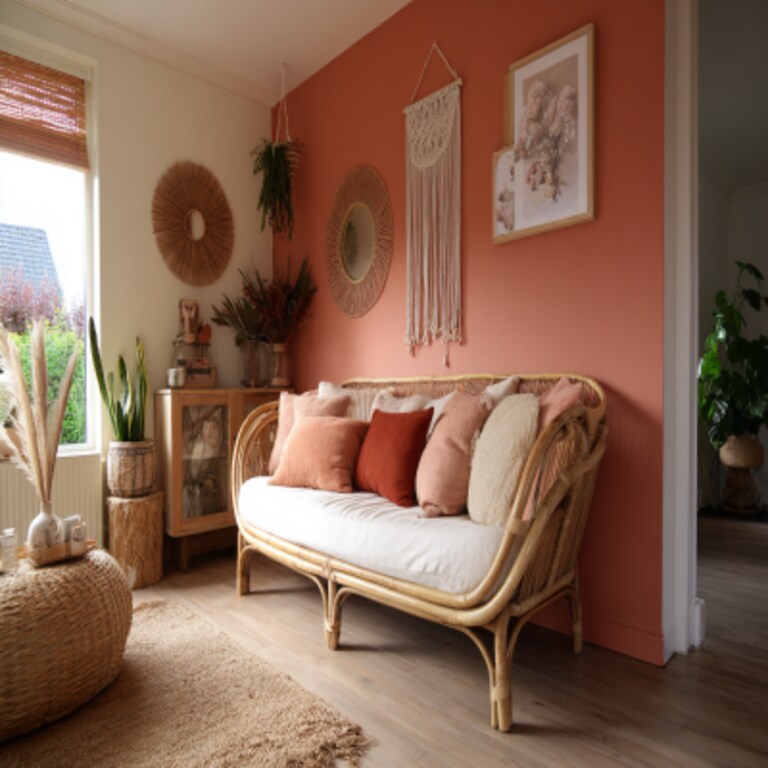
Accent walls are usually planned after the main colour is applied. In many homes, one wall behind the sofa, TV unit, or entry side is selected. The accent shade is kept darker or textured, while the remaining walls stay neutral. This approach is often followed in hall painting colour combinations where contrast is needed without repainting the entire space.
Matching Paint with Furniture and Lighting
A living room wall paint combination is usually finalised once furniture colour and lighting type are known. Dark furniture often works better with lighter walls, while lighter furniture allows slightly deeper wall shades. Lighting temperature also affects how the paint looks during the day and at night, so final decisions are usually made after sample testing.
Best Colour Combination for Hall – Quick Expert Tips
Choosing the right hall colour usually becomes easier once size, light, and furniture are clear. These quick tips are often followed while finalising the best colour combination for halls without overthinking the process.
- For small halls: Light shades work better than contrast. Whites, creams, and pale greys are commonly used as a simple hall colour combination to keep the space open.
- For Indian homes: Warm neutrals are preferred. Beige, off-white, and soft earthy tones suit most indian hall colour combination needs and blend easily with wooden furniture.
- For modern interiors: One neutral base with a slightly deeper accent wall is common. This keeps the best colour combination for hall walls balanced without making the room feel heavy.
Finalise Wall Colour Combinations for Your Hall With Interior Company
If you are unsure about colours after seeing samples on the wall, you are not alone. Factors like hall size, lighting, furniture, and finishes influence how paint appears in the end. At Interior Company by Square Yards, we select colours based on understanding your space, not just current trends. Our goal is to help you choose a wall colour scheme that will work well in your living room for the long term.
FAQs on Hall Wall Colour Combination
What is the best wall colour combination for a hall?
The best wall colour combination for a hall depends on room size and lighting. Light neutrals with one soft accent work well for most living rooms, while larger halls can handle deeper shades.
Which colour combination is best for Indian living rooms?
Indian living rooms usually suit warm and balanced combinations such as cream and brown, beige and olive, white with pastel blue, or earthy tones that work well with Indian lighting.
Are two colour combinations good for hall walls?
Yes, a two colour combination for hall walls adds depth and breaks monotony without making the space feel busy, especially when one shade is kept dominant.
What are the most popular two colour combinations for living room walls?
Popular options include white and grey, beige and brown, blue and white, green and cream, and grey paired with pastel shades.
What are the best light colour combinations for small halls?
For small halls, white and cream, off-white and pastel peach, light grey and white, or beige and ivory help the space look bigger and brighter.
Which wall colours are trending for living rooms?
Trending living room colours include soft greys, sage green, muted blues, warm beige tones, and subtle two-tone combinations.
How do I choose a hall colour combination based on lighting?
Halls with limited natural light work better with light and warm colours. Well-lit halls can handle slightly darker or richer shades without feeling dull.
What is the best colour combination for a modern hall?
Modern halls usually follow neutral bases with mild contrast, such as grey and white, beige and charcoal, or muted tones with one accent wall.
Can dark and light colour combinations work in living rooms?
Yes, dark and light colour combinations work well when balanced properly. A darker shade on one wall with lighter colours elsewhere adds character without shrinking the space.
How do I select a wall paint colour combination for my living room?
Start by considering room size, furniture colour, natural light, and how the space is used. Neutral colours offer flexibility, while accent shades add personality.