
- Design Ideas
- Cities
- Trends
- Guides
- Price Calculators
- Interior DesignersNEW
- Our Portfolio
- More


- Home
- Interior Design Ideas
- Tv Units Design Ideas
- Grey TV Unit Design Ideas
Grey TV Unit Design Ideas
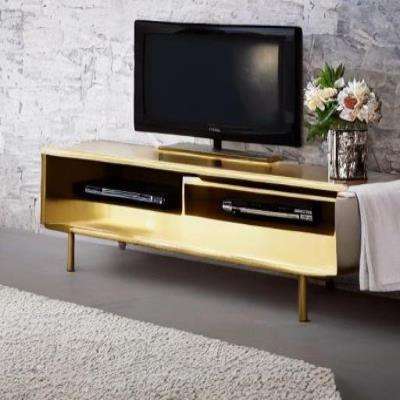
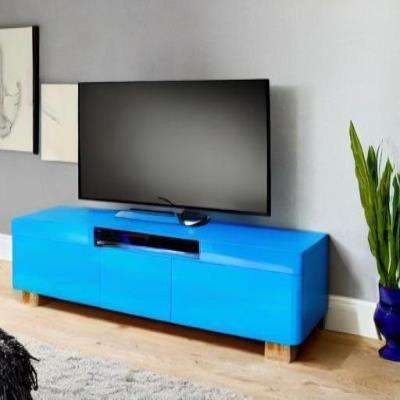
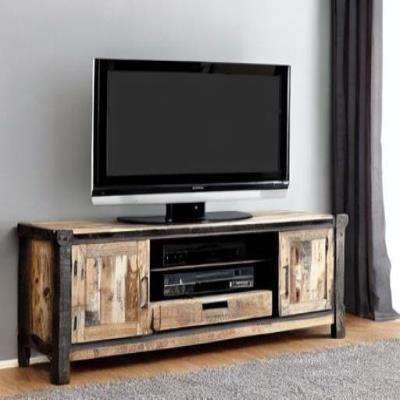
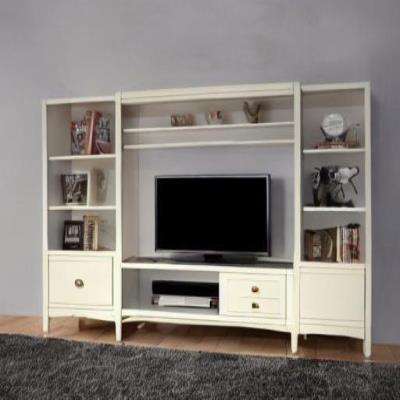
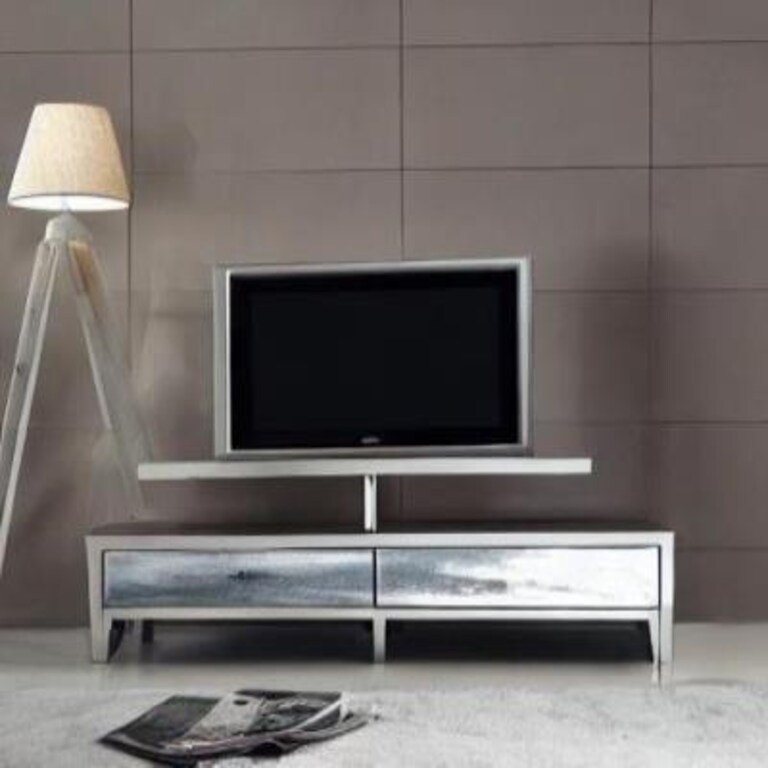
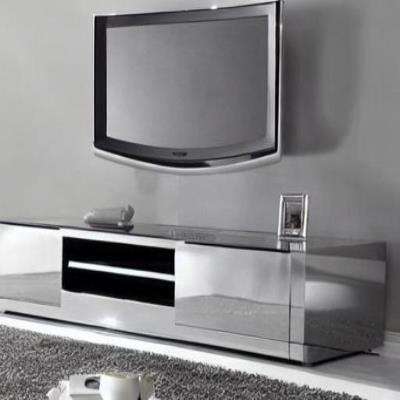
A tv unit design in grey colour sits between the two more discussed options: it hides fingerprints and daily wear better than white, reflects more ambient light than black, and asks less from the room around it than either. Grey does not demand a specific lighting condition to read well, and it does not carry the maintenance anxiety white creates or the visual weight black adds. What the live page makes clearer than the brief: a modern grey tv unit design is rarely grey alone. The 256 designs on this page pair grey with walnut, with bronze, with stone, with marble, with concrete texture. Grey's real function is as a bridge material, one that sits comfortably next to warm timbers and cool stone alike. A tv unit design white and grey is the most common pairing, but grey-and-walnut runs it close. A grey tv wall design extending to the surrounding surface gives a room a cohesive, architectural quality without the commitment of all-black or the maintenance of all-white. Explore Interior Company's grey TV unit designs and find a shade and pairing that fits the room....Read More
Filter






Vastu Insights by Our Experts
Watch our designers decode the balance between design, energy, and harmony for your home.







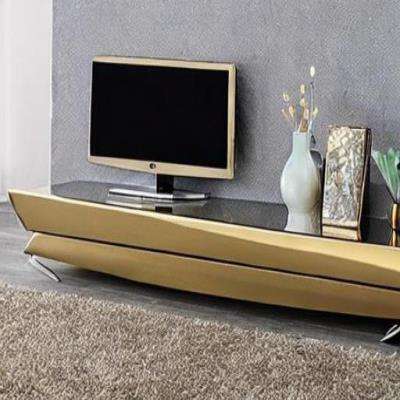
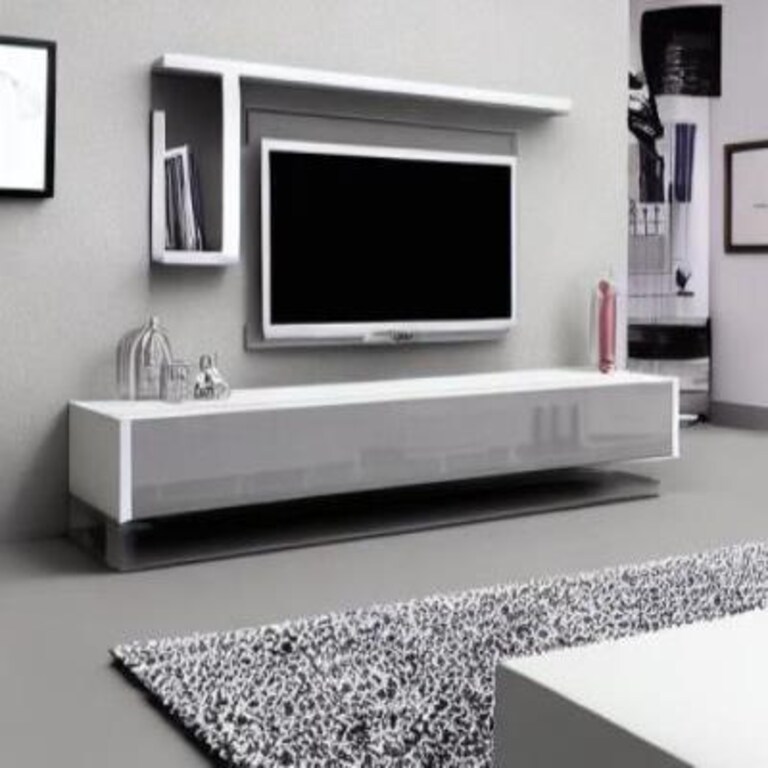
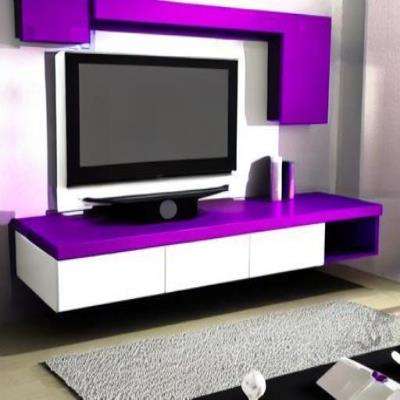
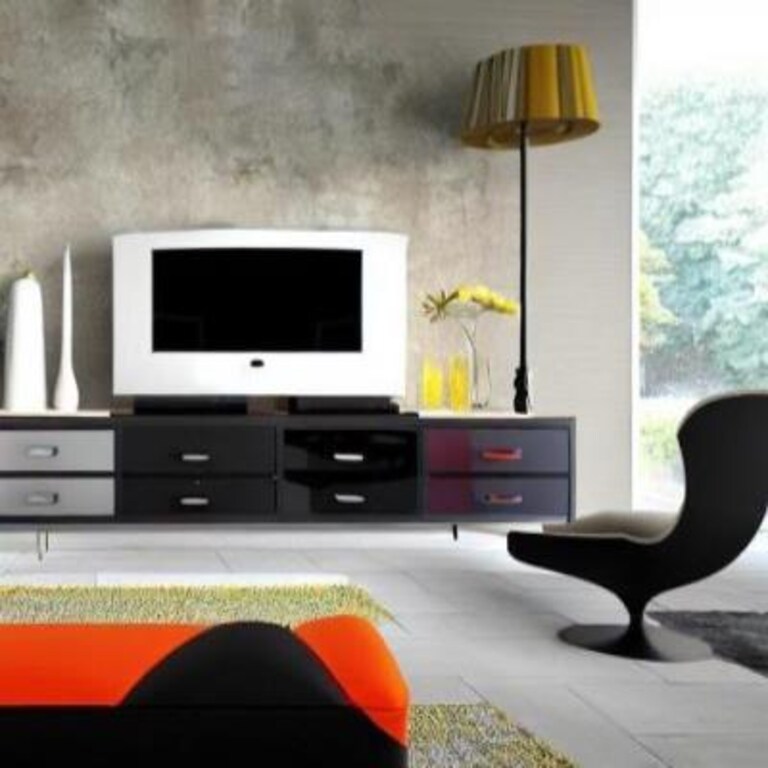
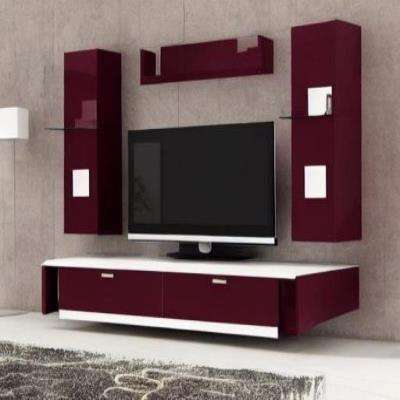
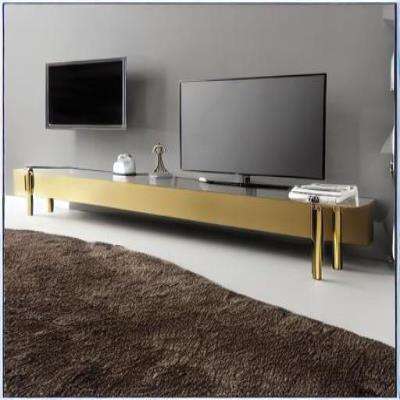
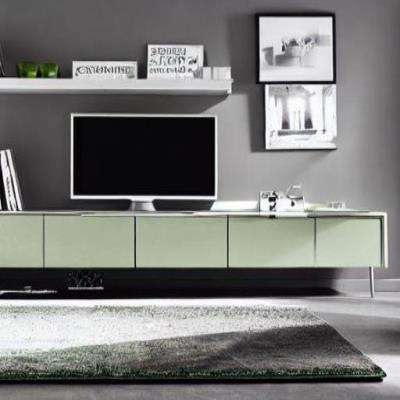
TV Units Design Ideas for You
- Color
- Theme
- Red Color Tv Units Design
- Beige Color Tv Units Design
- Off White Color Tv Units Design
- Olive Green Color Tv Units Design
- Orange Color Tv Units Design
- Peach Color Tv Units Design
- Pink Color Tv Units Design
- Pista Green Color Tv Units Design
- Purple Color Tv Units Design
- Neutral Color Tv Units Design
- Royal Blue Color Tv Units Design
- Skin Color Tv Units Design
- Teal Color Tv Units Design
- Terracotta Color Tv Units Design
- White Color Tv Units Design
- Wooden Brown Color Tv Units Design
- Yellow Color Tv Units Design
- Grey Color Tv Units Design
- Black Color Tv Units Design
- Blue Color Tv Units Design
- Brown Color Tv Units Design
- Dark Blue Color Tv Units Design
- Gold Color Tv Units Design
- Green Color Tv Units Design
- Navy Blue Color Tv Units Design
- Ivory Color Tv Units Design
- Light Beige Color Tv Units Design
- Mint Green Color Tv Units Design
- Multi-Colour Color Tv Units Design
- Multicolour Color Tv Units Design
- Natural Brown Color Tv Units Design
Rejuvenate Your Space with a Variety of Options
- Color + Theme
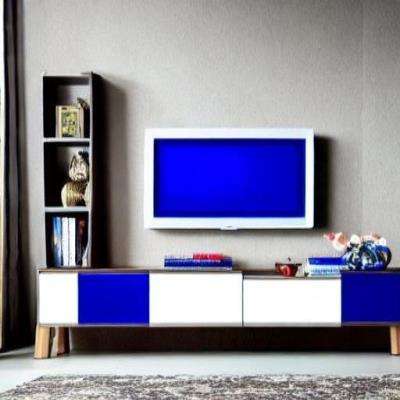
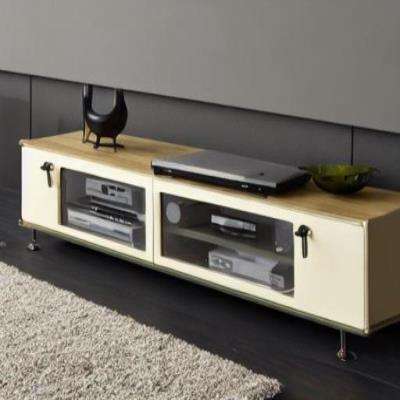
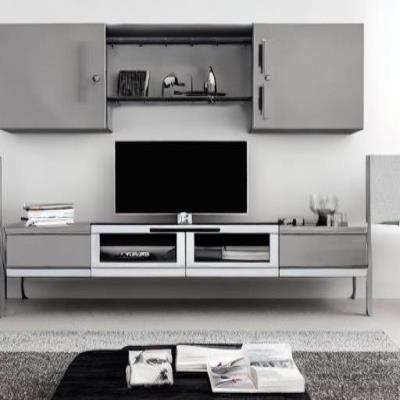
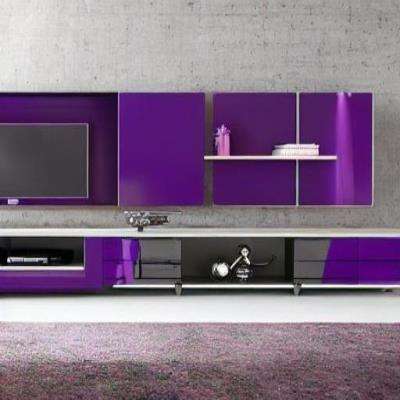
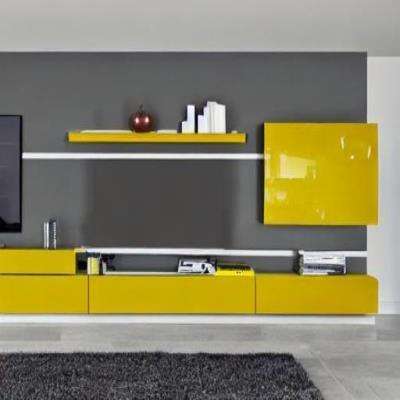
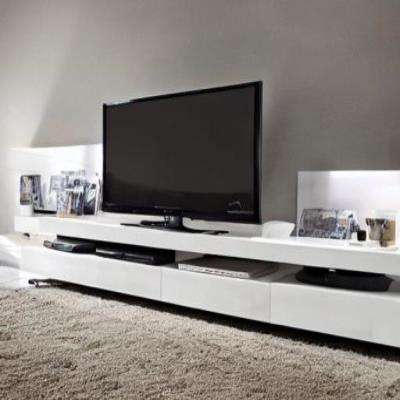
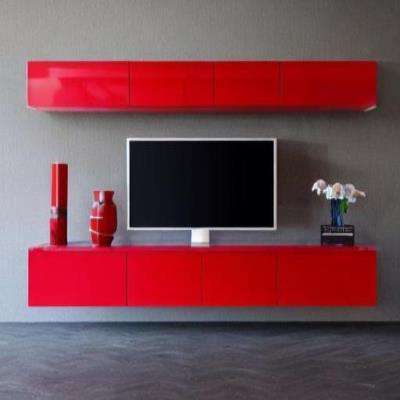

A TV is usually the most used thing in a living room. But many homes still treat it like an afterthought. A plain wall with visible wires and random shelves. A good TV panel des
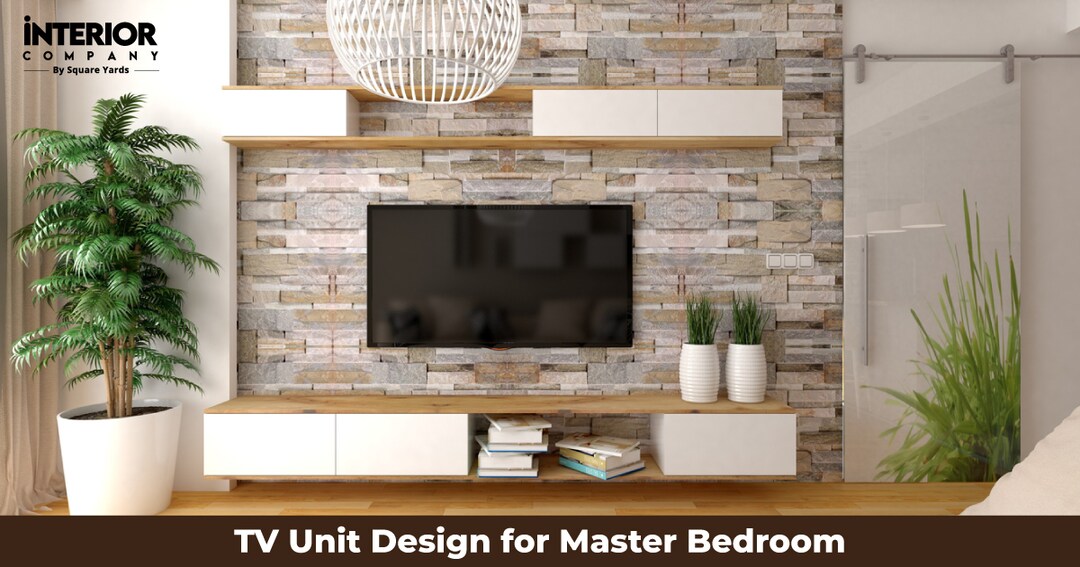
Create an amazing bedroom TV unit design that helps you visualise and add up to your streaming experience.
The bedroom is where you head after an exhausting, busy day. An
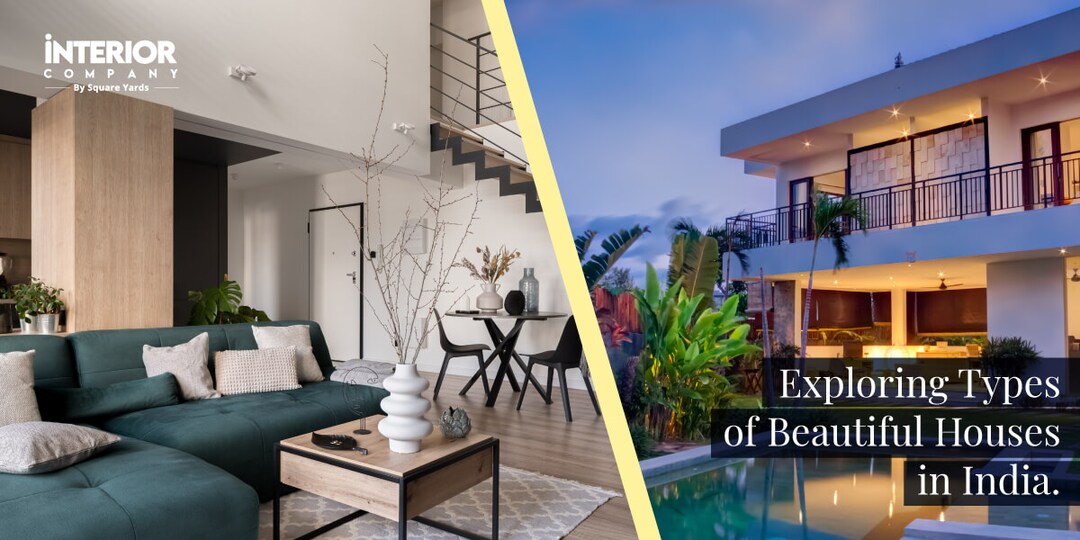
The living room is often considered the heart of a home, where people can relax, entertain and connect with one another. Families spend time catching up, watching movies, and un
Grey TV Unit Design Ideas for Indian Homes
A grey tv unit design is the colour choice that needs the least explaining to the room around it. White demands good light and regular cleaning. Black asks for a carefully lit room and confident neighbors. Grey does neither. A tv unit design in grey colour sits comfortably in most Indian living rooms without requiring the wall colour, the floor, or the lighting conditions to be rearranged around it.
That neutrality comes with a hidden advantage that the brief's white-vs-black framing understates. Grey is not just the middle tone between two extremes. It is also the most compatible colour in this catalog with warm materials. Walnut, stone, bronze, marble, teak: every warm accent the 256 designs on this page reach for sits more comfortably next to grey than next to either white or black.
What Is a Grey TV Unit Design?
A grey colour tv unit design uses a mid-tone grey finish across the cabinet body, drawers, and shelving, typically in laminate or lacquer. A grey colour tv unit design is the same thing, the two spellings appearing in search in roughly equal measure.
- Grey's practical position is specific and worth naming plainly. It shows less fingerprint and surface scuff than white, while reflecting more ambient light than black. Those two properties together make it a reasonable default for any household unsure between white tv unit designs and black tv unit designs; the page whose black-and-white comparison is worth reading alongside this one.
- A grey tv cabinet design carries the same functional structure as any other colour: closed storage for set-top boxes, routers, and cables; some open shelving for a soundbar or display. The colour is not changing the layout, it is changing how the unit reads in the room.
- neutral tv unit designs cover the broader palette grey sits within. ivory tv unit designs and beige tv unit designs offer the warm-neutral alternatives for households who want a similarly low-maintenance tone with more warmth.
- The tv unit design hub covers the full range across all colours and styles.
Modern Grey TV Unit Design
A modern grey tv unit design pairs a matte or low-sheen finish with slim edges and handleless doors, letting the colour carry the contemporary reading without needing ornamentation to signal it.
- modern grey tv unit designs show the current direction clearly. The two most recent additions on this page are a floating console with integrated storage and a vertical slat accent wall, both wall-mounted, both keeping the colour as the main element rather than the structure.
- Grey suits a wider range of design languages than either white or black alone. contemporary grey tv unit designs take the same restrained approach with slightly warmer palette options, and traditional grey tv unit designs show grey in more detailed cabinet structures with visible framing and panel work.
- LED integrated along the unit's underside or behind a back panel works particularly well against grey. The tone provides enough contrast to make the backlight genuinely visible after dark, without the starkness a pure white surface creates or the disappearance a black one produces.
- Floating or wall-mounted units have become the contemporary default in grey, since visible floor space beneath offsets the colour's naturally calm, settled weight. modern tv unit designs and contemporary tv unit designs cover the style across all colours for broader comparison.
Grey and White TV Unit Design: A Softer Pairing
A tv unit design white and grey combines the two neutrals, using grey for the main cabinet body and white for open shelving, an accent panel, or a backdrop section behind the screen.
This is the most common pairing in the grey catalog for a reason. The two colours do not compete tonally: grey grounds and recedes, white reflects and opens. Together they create definition without either one dominating the other, and the result reads as considered in almost any room.
- The contrast is gentler than black-and-white, which is its advantage for most rooms. A grey-and-white unit reads as architectural rather than graphic, which means it sits well in a room that already has some pattern or colour in the soft furnishings without competing with them.
- White shelving above a grey console is the most common layout. It gives the unit a lighter visual top and a settled base, and it keeps the upper section easy to restyle without touching the main cabinet.
- Grey also pairs with warm materials in ways white and black both resist. Grey-and-walnut, grey-and-stone, grey-and-bronze all appear repeatedly in the live inventory and each one works because grey has no temperature of its own to conflict with the warmth of the accent. tv panel designs for living room cover how this extends to a full wall treatment.
Grey TV Wall Design and Panel Design
A grey tv wall design extends the grey treatment across the full wall behind the television, while a grey tv panel design uses a defined grey section that frames the screen without covering the entire surface.
- A grey wall design is more forgiving than a black one in rooms with variable lighting, since grey holds its reading more consistently between daylight and evening artificial light. The same wall paint does not shift as dramatically under warm LED as white can, nor does it press in the way an all-black surface does in lower-lit spaces.
- The panel version keeps grey to the immediate zone around the screen, which suits smaller rooms or walls where other elements (shelving, a display, artwork) need to remain visible. tv panel designs for living room cover the full range of approaches.
- A tv console feature wall treats the whole wall as one element: grey paneling, integrated lighting, shelving at either side, and the console itself as a continuous horizontal line. This is the version that earns the most from grey's versatility, since the colour works as connective tissue between different surface textures on the same wall.
- The wall finish behind the unit is worth deciding alongside the unit colour rather than after it. A matte grey unit against a slightly different-sheen grey wall will look like a mistake rather than a decision. Matching finish type matters as much as matching colour.
Grey TV Cabinet Designs for Living Room
Grey tv cabinet designs for living room spaces work across a genuinely wide range of conditions because grey does not have the lighting dependencies of white or the weight implications of black.
- In a well-lit room, grey reads as clean and architectural. In a dimmer room, the same colour stays neutral without pressing in the way a dark finish would or washing out the way a light one can. This lighting-stable quality is the main practical reason grey outsells both white and black in unit design once households have lived with all three.
- Grey tv cabinet designs for living room layouts should still follow the screen-height rule that applies across every colour: the center of the screen at roughly eye level from the main seating position, which in most Indian living rooms means the bottom edge of the screen at 60 to 80 cm from the floor. The cabinet height answers to that number.
- Ventilation behind the cabinet is a practical note that applies regardless of colour: set-top boxes, routers, and AV receivers generate heat, and a closed-back unit without clearance will shorten the life of everything inside it. A perforated back panel or a few inches of wall clearance is not an aesthetic decision.
- traditional tv unit designs cover the more structured cabinet approach for households wanting grey in a more formal, detailed cabinetry style.
Grey TV Stand, Rack, and Console Designs
The same format distinctions that apply across other TV unit colours apply here.
- A grey tv stand design is a freestanding low unit, simpler and more movable than a wall-integrated approach. In grey, this format tends to read as quiet rather than recessive, since the colour does not disappear against a lighter wall the way white occasionally does.
- A grey tv rack design emphasizes open shelving over enclosed storage. Cable visibility is the main consideration on an open rack regardless of colour, but grey gives stray cables slightly more cover than white would.
- A grey tv panel design and the console format sit between stand and full wall design in terms of commitment. The console anchors a long horizontal line across the wall; the panel defines the screen zone. Both work well in grey because the colour does not fight the surrounding wall for attention.
Grey TV Unit with Mandir and Bedroom Applications
Grey is one of the more accommodating colours for an integrated mandir section, since it does not carry the visual weight black brings to a devotional niche or the brightness-management problem white creates against warm lamp light. A grey unit with a cream or off-white interior to the mandir niche is a natural pairing. tv unit with mandir designs cover the full range of integrated approaches.
In a bedroom, grey's lighting-stable quality is genuinely useful. Bedroom lighting cycles from bright morning natural light to warm dim lamp light in the evening, and a grey unit handles that range without reading as either harsh or flat. Keep the unit wall-mounted in a compact bedroom for the same reason it matters in black: a floor-standing unit in a smaller room can feel heavy regardless of colour, and visible floor space beneath corrects that. modern tv unit designs for bedroom cover bedroom-specific layouts, and new bedroom design covers designing the room around a new unit.
Grey TV Unit Ideas Worth Considering
For anyone working through grey tv unit ideas more broadly, the same practical principles come up.
- Grey is the safest choice when the room already has a mix of warm and cool tones, since it bridges the two rather than aligning with either.
- Matte grey resists fingerprints and surface scuffs better than gloss. Gloss deepens the colour and catches light attractively, but it shows every smudge under room lighting exactly as glossy black does.
- Match the finish type of the unit to the wall treatment behind it. A matte unit against a satin-finish wall reads as mismatched even when the colours are close.
- Grey-and-walnut is worth considering alongside grey-and-white. It reads warmer, suits rooms with more natural wood in the flooring or furniture, and does not require the room to lean toward a neutral or minimalist palette to work.
At Interior Company, a grey TV unit project starts with what the room is already doing, because grey works with almost any material or palette the room brings, and the decision is usually about which warm or cool accent it pairs with rather than whether grey belongs at all. Explore Interior Company's grey TV unit designs and find a shade and pairing that fits.
Frequently Asked Question (FAQs)
Is grey a good middle-ground choice between white and black TV units?
Yes, and the practical case is specific. Grey shows less visible fingerprint and surface scuff than white, while reflecting more ambient light than black. It also holds its reading more consistently across lighting conditions than either of the two, which means the same unit looks reasonable at ten in the morning and ten at night without requiring the room to be rearranged around it.
Does grey pair well with white or black?
Both, and warmly with materials neither white nor black handles as well. Grey-and-white creates a soft, neutral contrast that reads as architectural without being graphic. Grey can work alongside black accents for a bolder layered neutral palette. More usefully, grey sits next to walnut, stone, bronze, and teak in ways that both white and black resist, since grey carries no inherent temperature to conflict with warm materials.
Does grey work in different lighting conditions better than white or black?
Generally yes. White can shift toward yellow or blue under different light sources, and black can press in noticeably in dim rooms. Grey holds its reading more consistently across the lighting cycle a living room goes through in a day. This is the practical reason grey tends to be the finish households stay happy with longest once they’ve owned all three colours.
What's the difference between a grey TV stand, rack, wall design, and console feature wall?
A stand is a freestanding low unit. A rack emphasizes open shelving over enclosed storage. A wall design extends grey across the full wall behind the screen, creating a continuous backdrop. A console feature wall treats the whole wall as one element, integrating paneling, lighting, shelving, and the horizontal console line into a unified design rather than a unit placed in front of a plain surface.
What finish works best for a modern grey TV unit?
Matte or low-sheen, paired with slim edges and handleless doors. Matte grey resists fingerprints better than gloss and reads as confidently contemporary without needing ornamentation to signal it. Gloss is available and deepens the colour attractively, but shows every smudge under room lighting in the same way glossy black does, making it a higher-maintenance choice for daily use.
Does a grey TV unit suit both modern and traditional living rooms?
More reliably than either white or black. White in a traditional room can read as too clinical, and black in the same room can feel out of register. Grey bridges the gap because it does not carry a strong stylistic signal of its own. A grey unit with traditional paneling and molded details reads as classic. The same grey in a handleless floating format reads as modern. The colour adapts to the structure rather than dictating it.
Should I choose grey if I can't decide between white and black?
It is a reasonable practical default, but the better reason to choose grey is the warm-material pairing advantage. If the room already has walnut flooring, a teak dining table, stone tiles, or bronze hardware, grey will work with all of those where white would compete and black would contrast too sharply. Grey chosen for that reason is a deliberate decision, not a compromise.