- Design Ideas
- Cities
- Trends
- Guides
- Price Calculators
- Interior DesignersNEW
- Our Portfolio
- More


- Home
- Trends
- Modular Solution
- Modular Kitchen
- Membrane Finish Guide
What Is a Membrane Finish, and Why Should You Choose It?

People come across the term membrane finish only when they start looking at kitchen shutters or wardrobe designs, and it usually sounds more complicated than it is. The idea is quite straightforward once you see it up close. It is a type of surface that wraps around the board in one smooth layer, so the corners don’t show any joins and the whole piece looks as if it were shaped in one go. There isn’t much drama to it. It is simply a finish that sits well on furniture when you want something neat without sharp edges drawing attention.
In Indian homes, this finish is widely used because it handles daily tasks without fuss. Shutters with curves or small carved details look better with membrane since the foil follows every bend without breaking the flow. People choose it when they want cabinets that clean easily, look settled in the room, and don’t feel too heavy or glossy. Once you understand how it behaves, it becomes easier to see where it fits in your own home and which areas benefit the most from it.
Table of Content
What is a Membrane Finish?
How a Membrane Finish is Made?
Types of Membrane Finish Designs
Membrane Finish vs Laminate Finish
Membrane Finish vs PU Finish
Advantages of Using Membrane Finish
Where You Can Use Membrane Finish in Your Home
Membrane Finish Cost in India
Why Membrane Works Well for Indian Homes
Conclusion
What is a Membrane Finish?
A membrane is a thin sheet of PVC that hugs a MDF or HDHMR board from all sides. It is pressed on with heat and vacuum to produce a membrane finish panel and it grips the surface tightly and follows every curve and groove.
The edges are shaped first, the design is carved if needed, and only then is the membrane foil pressed on. Because the foil wraps right around the front and sides in one go, you do not see a separate edge band sitting on the corners. The shutter looks like one complete piece, not a face stuck on top.
You will find this finish on kitchen cabinets, wardrobes, and shutters that have a bit of shape in them. Raised panels, arched profiles, soft rounded corners, all of these take the membrane well. Laminate can manage only flat faces, but membrane can bend and follow curves without cutting the foil into parts. That is why many membrane finish modular kitchen designs use grooves or simple routed patterns on the shutters.
The surface itself feels smooth and slightly soft to the touch. It is not as hard as laminate and does not have the cold feel of stone or steel. Cleaning stays simple. A damp cloth and a small amount of mild liquid soap are usually enough to remove oil marks, fingerprints, or everyday dust. As long as the shutter is not exposed to constant high heat or standing water, the finish sits steady for years inside the house.
Read also – Trending White Kitchen Design Ideas for Modern Living
How a Membrane Finish is Made?
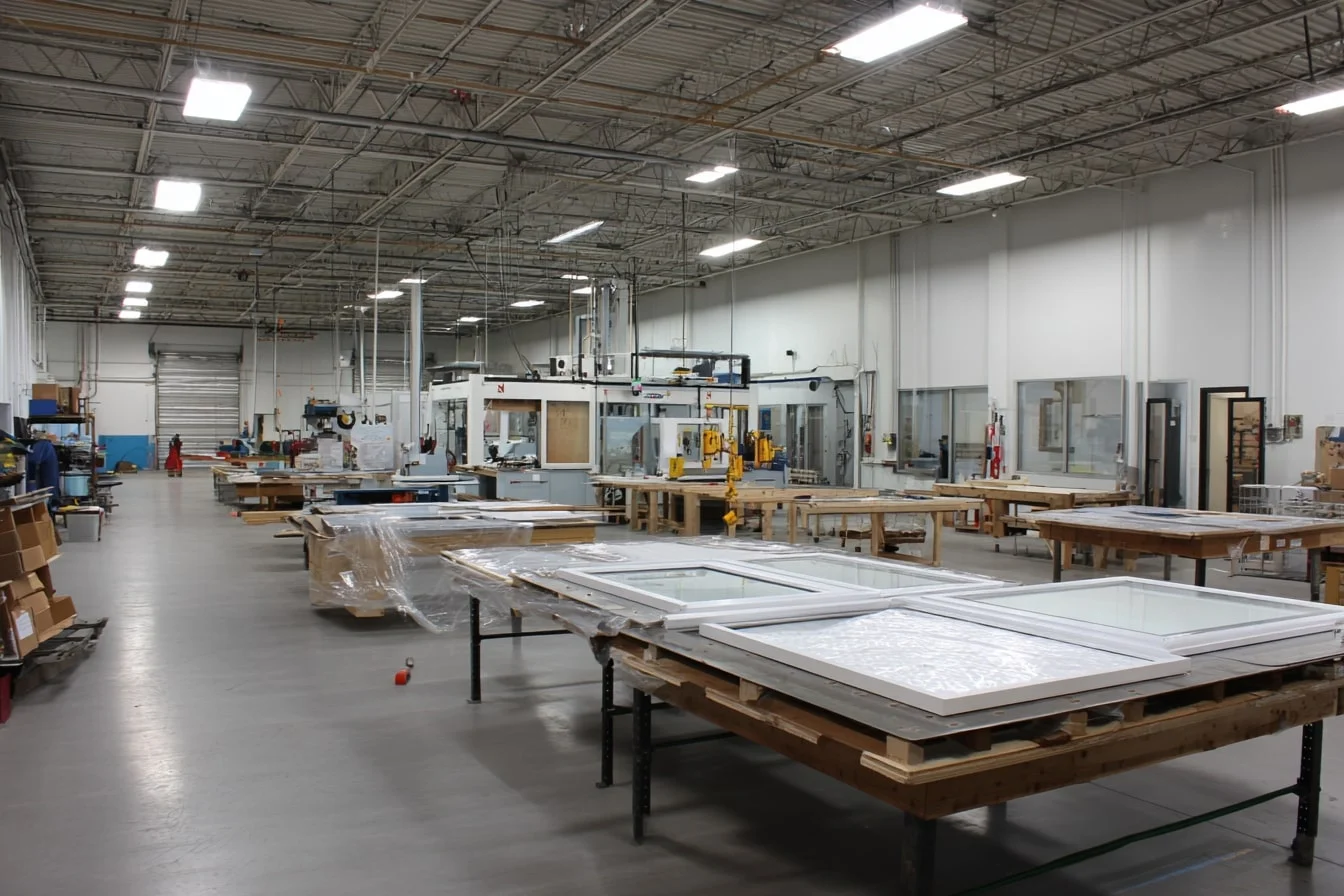
The way a membrane shutter is made sounds technical when you look at the machines, but the work itself is fairly straightforward. A plain board is shaped, the foil is softened, and everything comes together once the press pulls the air out. Most of the effort goes into making sure the foil lies flat and doesn't trap bubbles.
Preparation
The board is cut first. If the shutter needs a curve, a groove, or a small arch, that shaping is done right at the beginning. Workers usually give the sheet a quick check for uneven edges, since the membrane follows every small mark once it warms up.
Adhesive Application
A thin coat of glue is rolled over the front and the sides. It isn't poured on heavily. It just needs to be enough for the foil to grip when the heat rises. Too much glue creates soft patches later, so the coat stays light.
Vacuum Pressing
The foil is warmed until it loosens. The board goes into the press, and once the pressure builds, the foil sinks into the curves and corners. Anyone watching from close can see how it slowly tightens around the shape, almost like fabric settling on a frame.
Cooling and Trimming
After pressing, the shutter cools on its own. The extra foil around the edges is carefully trimmed, and the corners are checked to ensure nothing lifts. By this point, the whole surface looks like one piece, not a face stuck on top of a board.
Read also - Stylish Glossy Kitchen Design Ideas for Every Home
Types of Membrane Finish Designs
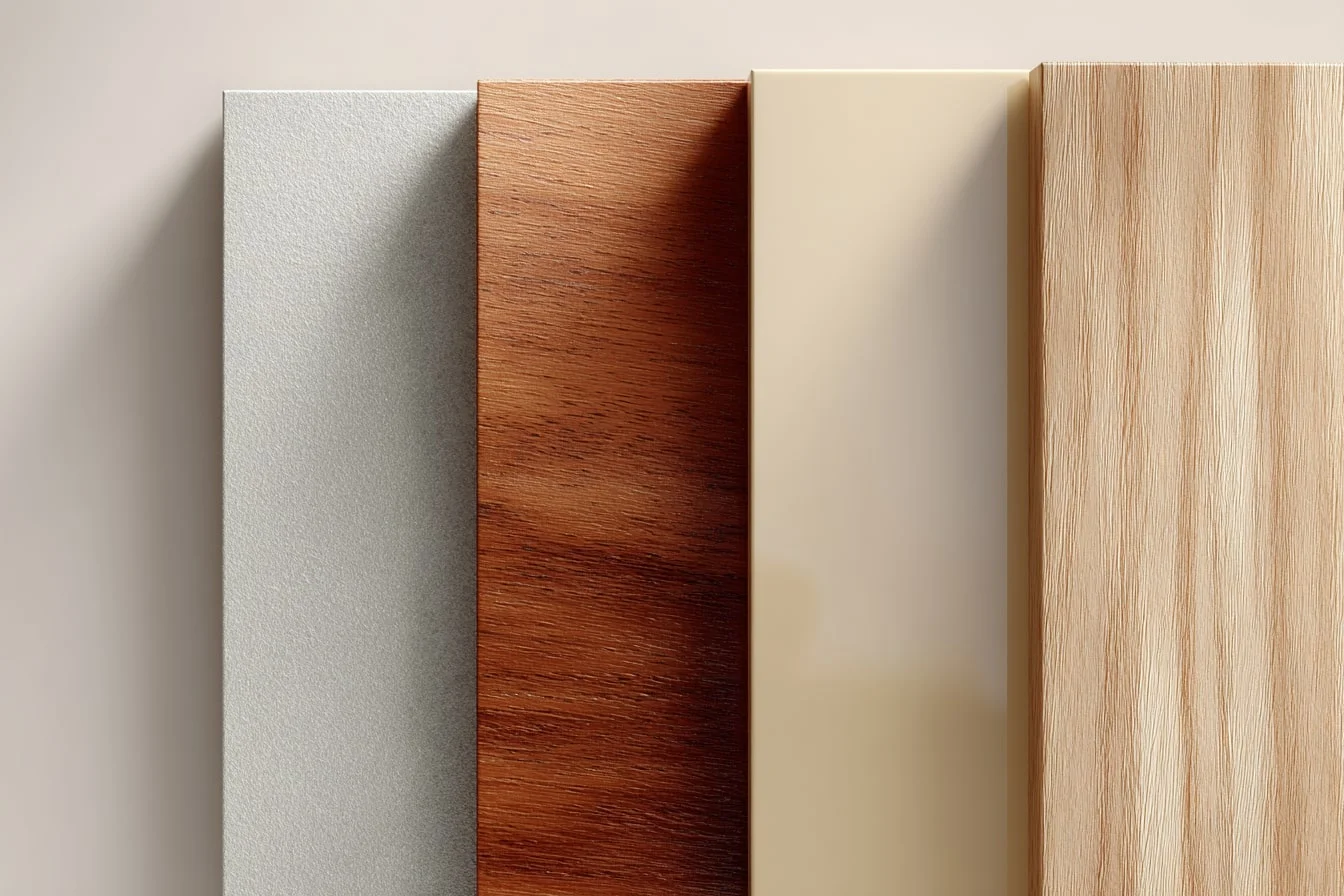
When people talk about membrane finishes, they usually picture the same look. But the foil comes in more than one style. If you put a few samples next to each other, the difference is quite clear. Some look quieter, some brighter, and a few try to copy wood without fully pretending to be it.
Read also – 15+ Attractive Kitchen Glass Door Designs for Your Modern Home
Matte Membrane
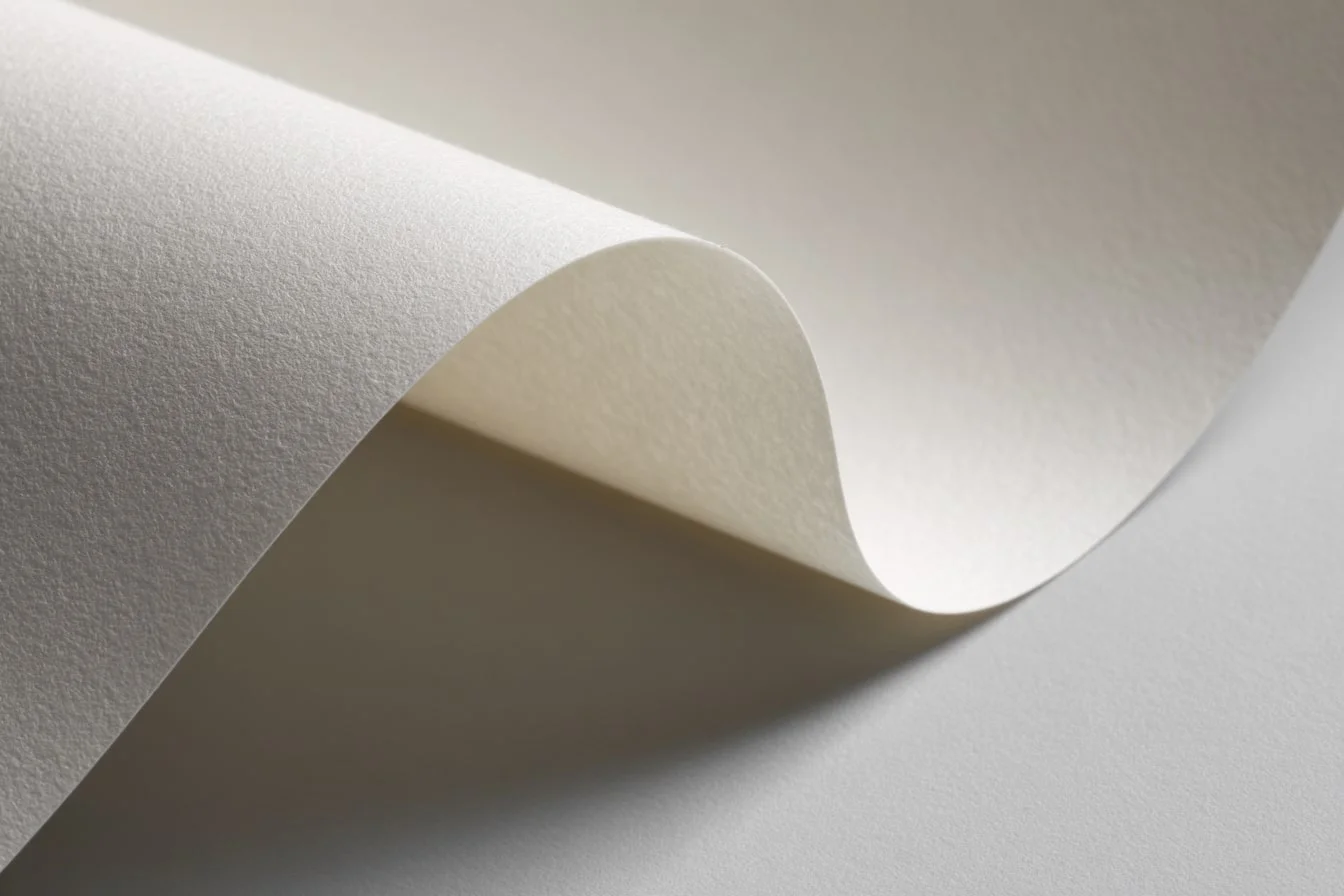
The matte option feels the most settled. Nothing shiny. Nothing distracting. It works well when you want the shutter to stay in the background and not steal attention from the rest of the room. A lot of wardrobes use it because it hides small smudges and doesn't look tired even on large doors.
Read also – 5+ Latest Semi-Modular Kitchen Design Ideas in 2026
High Gloss Membrane
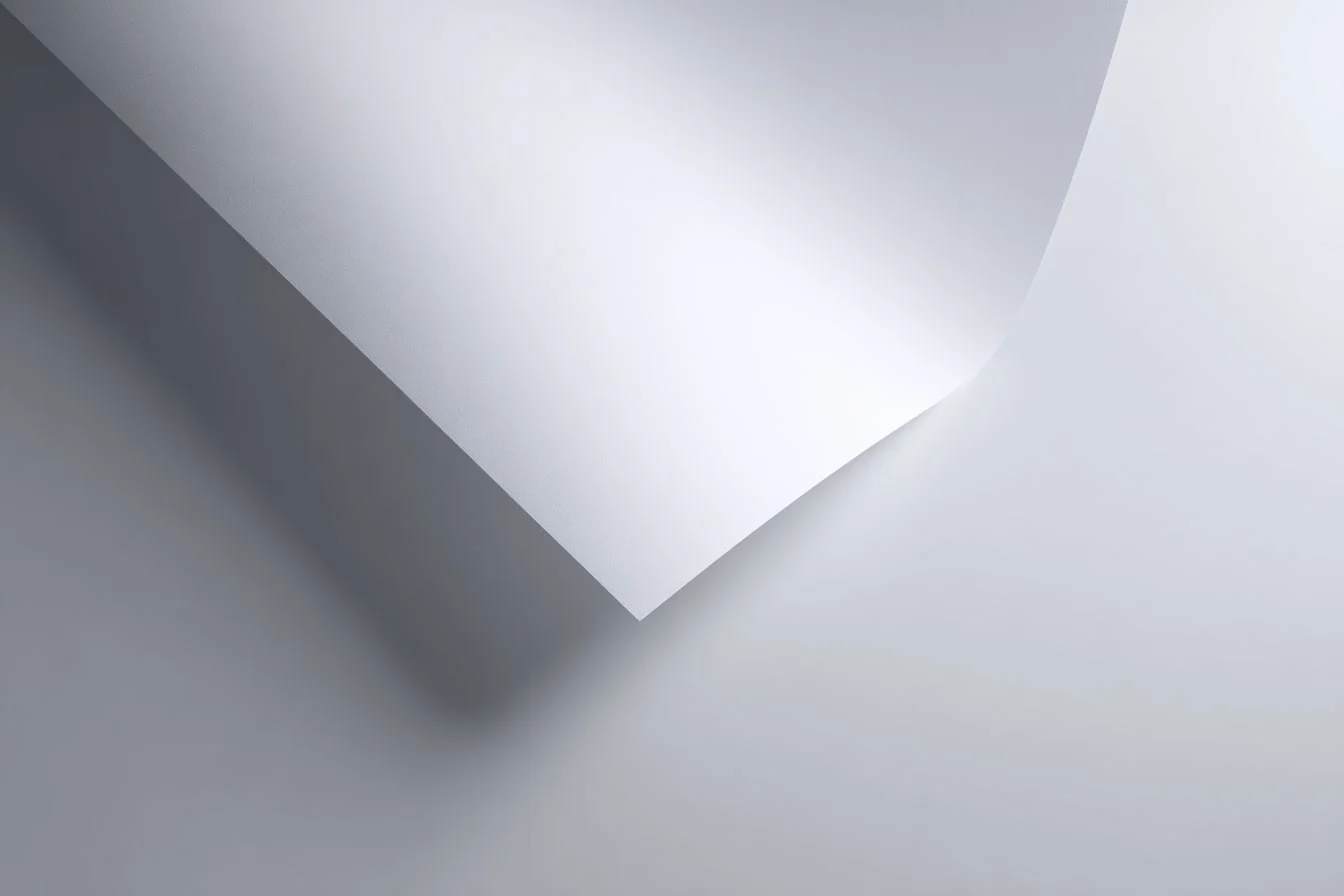
This one behaves differently. It catches light easily and makes the surface look a bit sharper. Kitchens that feel slightly dull lift up with it. People who want a simple modern look often choose this because it brightens the room without costing as much as acrylic. It needs a quick wipe sometimes, but nothing complicated.
Textured or Wood Grain Membrane
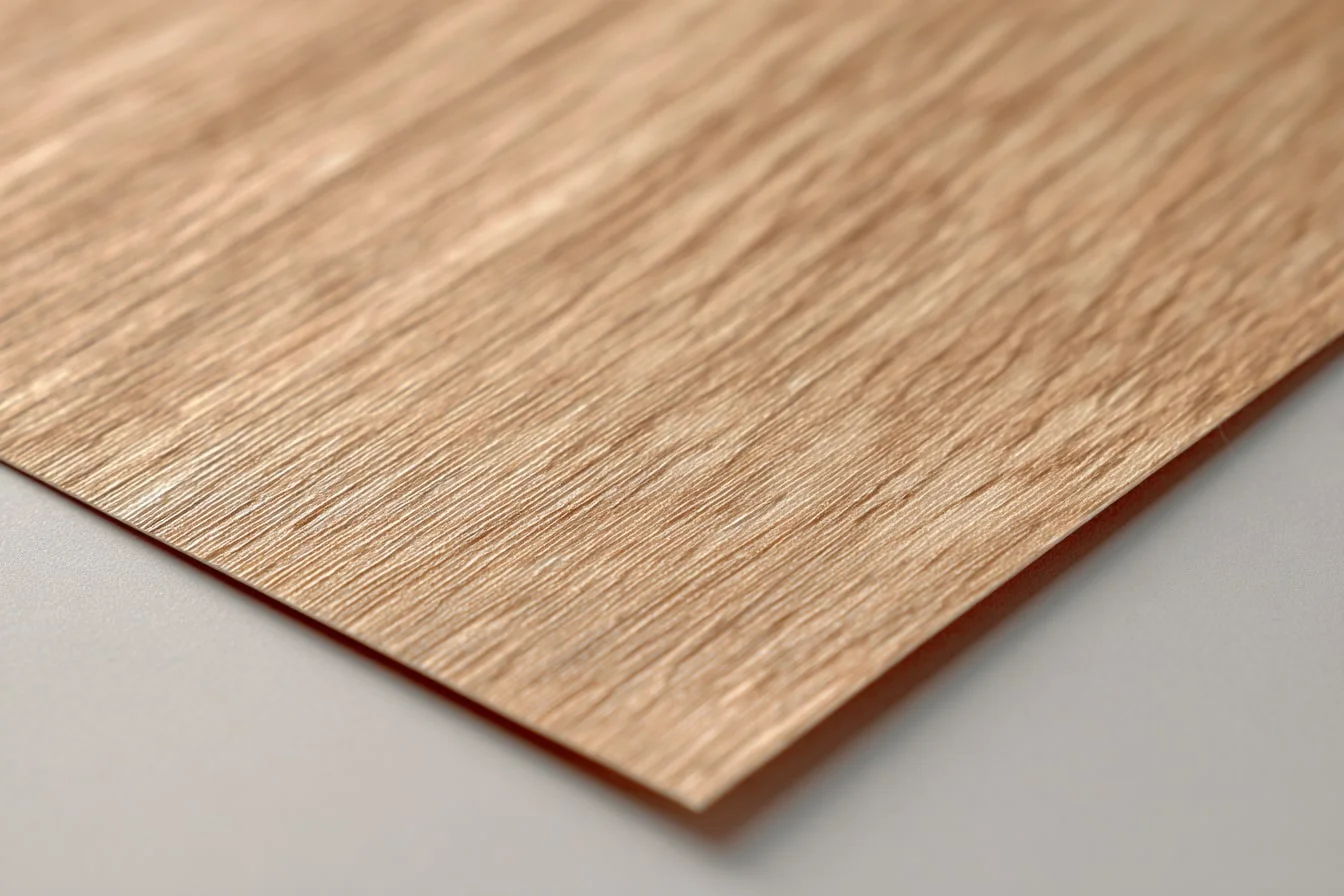
Some membrane foils come with a slight texture on the surface. They do not look completely flat and plain, and they give a soft wood-like look without using real timber. This kind of finish works well for wardrobes, bedroom units and side cabinets where you want a simple, neat look and straightforward cleaning, without the extra care that solid wood needs.
Read also – Latest Wooden Kitchen Design Ideas for Indian Homes
Membrane Finish vs Laminate Finish
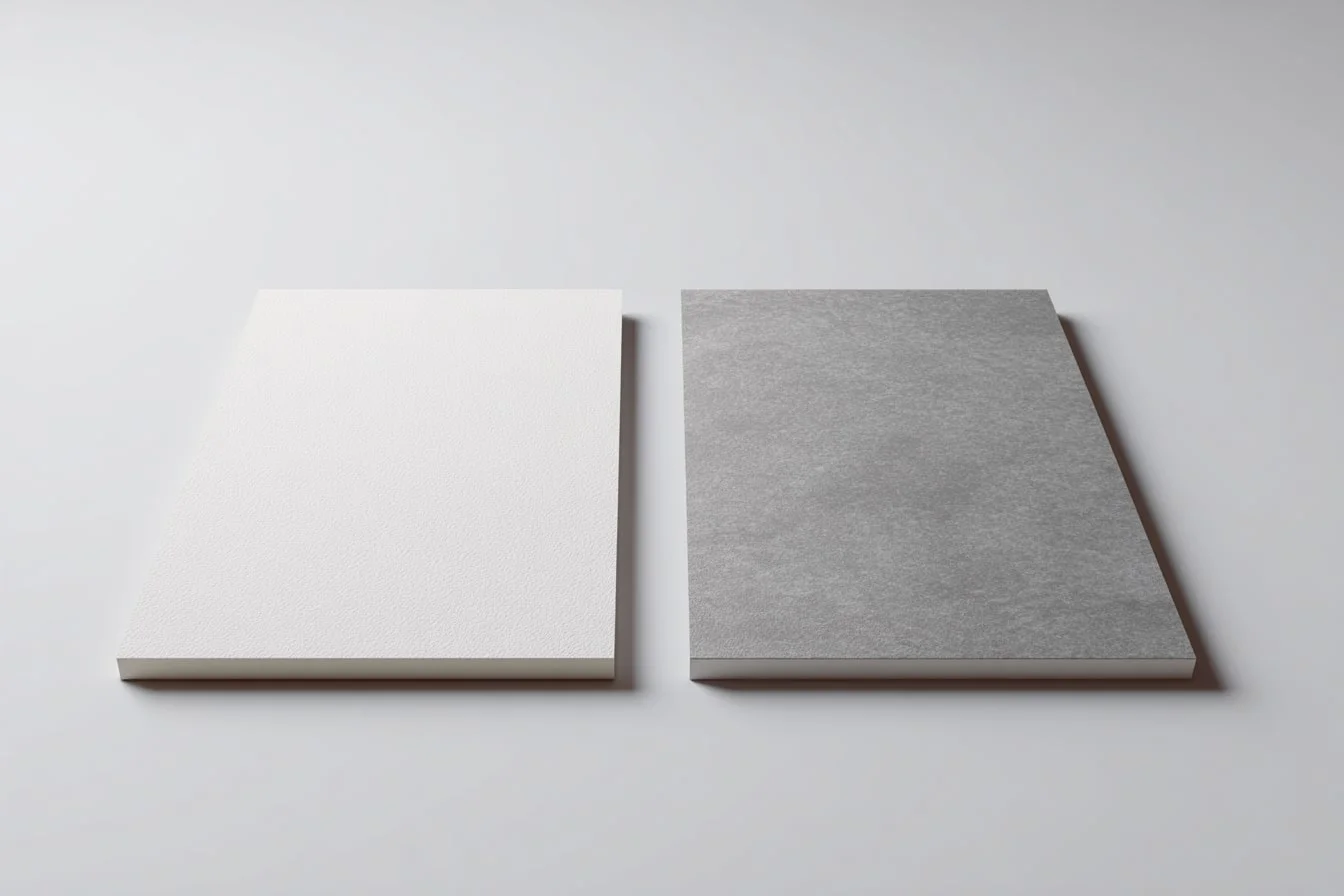
Both finishes sit in the same category for most homeowners, so the comparison comes up quite often. When you place the samples side by side, the difference becomes clearer. One wraps around the corners, the other stops at the edge. That small detail changes how the shutter looks and behaves over time.
Most people already know laminates because they are used in many homes. They are sheets glued on a flat board. They stay firm, feel harder to touch, and handle heat better. Membrane works differently. Since the foil bends and settles into the curves, it gives a softer, continuous surface. The look is cleaner, especially on shutters that aren't completely flat.
Here is a simple way to see the difference:
|
Feature |
Membrane Finish |
Laminate Finish |
|
Corners |
Wrapped in one piece |
Needs edge band |
|
Surface Feel |
Smooth and softer |
Harder and more rigid |
|
Works on Curves |
Yes |
No |
|
Maintenance |
Easy wipe-down |
Easy wipe-down |
|
Heat Handling |
Needs distance from strong heat |
Manages heat better |
|
Look |
Seamless |
Defined edges |
For kitchens that have grooved shutters or rounded corners, the membrane usually takes the lead because the foil sits neatly on those shapes. For straight-line cabinets, laminate still works well, especially when you want something firm and long-lasting around the hob area.
Also read – Acrylic Kitchen Cabinets: Know It’s Types, Finishes, Colours, Cost and More
Membrane Finish vs PU Finish
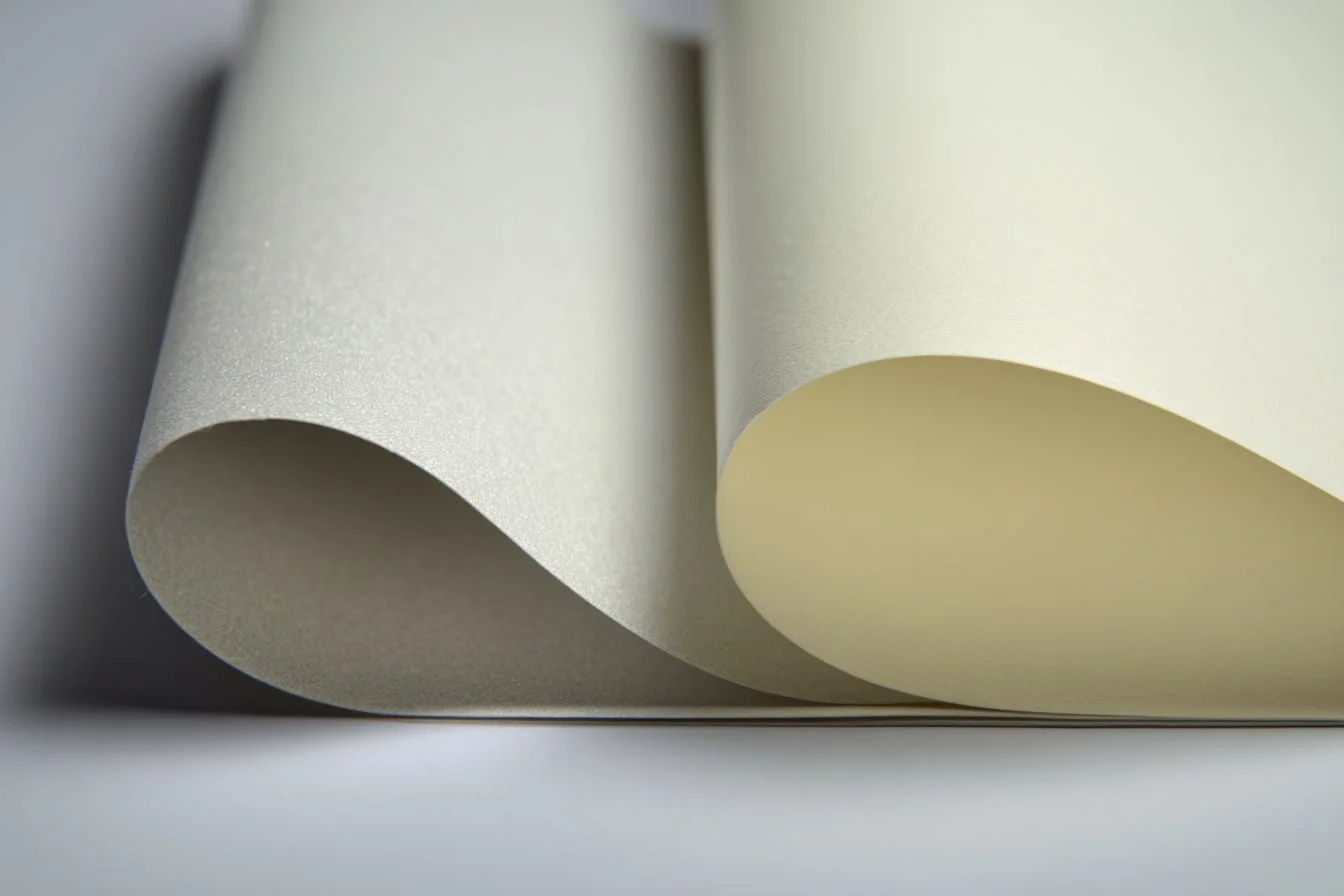
People compare these two finishes when they want something that looks smooth and fits well in a modern home. Both look clean from a distance, but they behave differently once you start using them every day. PU is paint, while membrane is foil, and that alone changes how each one settles on a shutter.
PU sits on the surface like any other paint, only thicker and much stronger. It gives a rich look, especially when the colour is deep. The finish feels firm and slightly heavier. Membrane, on the other hand, wraps itself around the board. It follows the grooves and curves without breaking the flow. Kitchens with routed designs or soft edges often look better with membrane because the foil fully hugs the shape.
Here is a simple way to see the contrast:
|
Feature |
Membrane Finish |
PU Finish |
|
Material |
PVC foil |
Acrylic-based paint |
|
Corners |
Wrapped smoothly |
Painted, may show slight lines |
|
Look |
Soft and uniform |
Rich and more premium |
|
Heat Sensitivity |
Needs some distance |
Handles heat better |
|
Cost |
More affordable |
Usually higher |
|
Repairs |
Difficult to match |
Repainting possible |
PU looks great but needs a bigger budget. It also needs careful application, which adds to the cost. Membrane gives a neat finish without pushing the overall budget too far, which is why many homeowners choose it for kitchens and wardrobes that see regular use.
Also read – 10+ Best Open Shelves Kitchen Design Ideas in 2026
Advantages of Using Membrane Finish
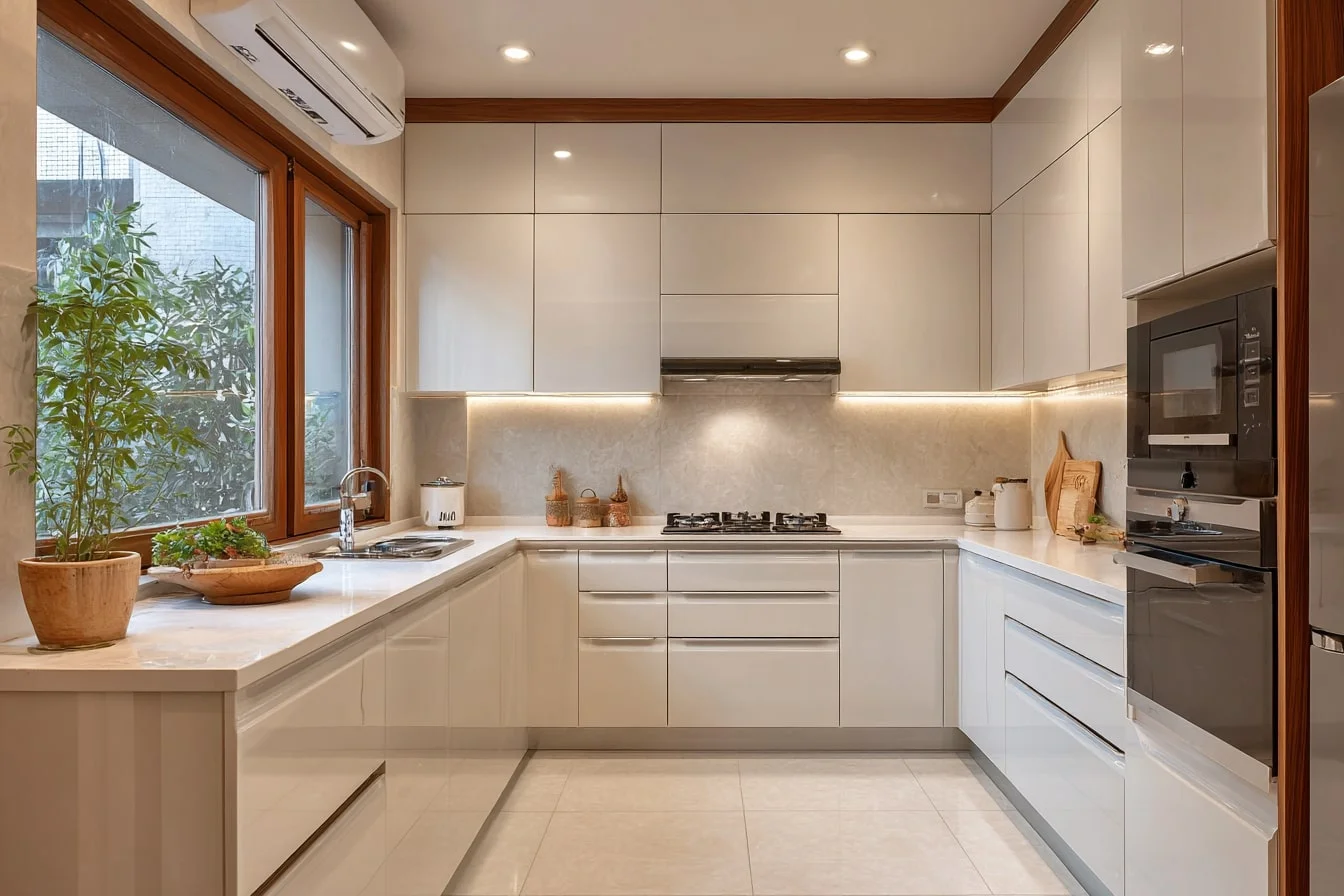
Membrane finish became popular because it solves a few everyday problems in Indian homes. It looks neat, cleans easily, and handles curved shutters without creating sharp lines. People who want something steady but not overly glossy often end up choosing this finish after comparing a few samples.
Seamless Edges
Since the foil wraps around the shutter in one piece, the corners look smooth. There are no separate strips glued on the sides, so the edges don't stand out when you open the cabinet. This helps the whole unit look more settled in the room.
Moisture Resistance
Kitchens deal with steam, spills, and everyday wiping. Membrane shutters handle this well as long as the edges are trimmed properly and not left near strong heat. The surface itself doesn't absorb moisture easily, so the shutters stay steady for years in busy kitchens.
Best Matte Kitchen Design Ideas for Modern Homes
Long Life
The finish holds up well under regular use. It doesn't chip easily and doesn't show wear on the corners the way some painted finishes do. Homes that want something reliable without frequent maintenance often pick membrane for this reason.
Easy Maintenance
A quick wipe with a damp cloth usually removes most fingerprints and surface marks. The finish doesn't need polishing or special cleaning solutions. This makes daily upkeep simple, especially in kitchens where cleaning happens often.
Design Flexibility
Curved shutters, grooved patterns, and soft detailing are easier to achieve with membrane foil. The material bends with the board, so the final look feels smooth without showing joints or edges. This makes it useful for both modern and traditional cabinet styles.
Read also - Modular Kitchen Cost In India for 2026: How Kitchen Pricing Really Works
Where You Can Use Membrane Finish in Your Home
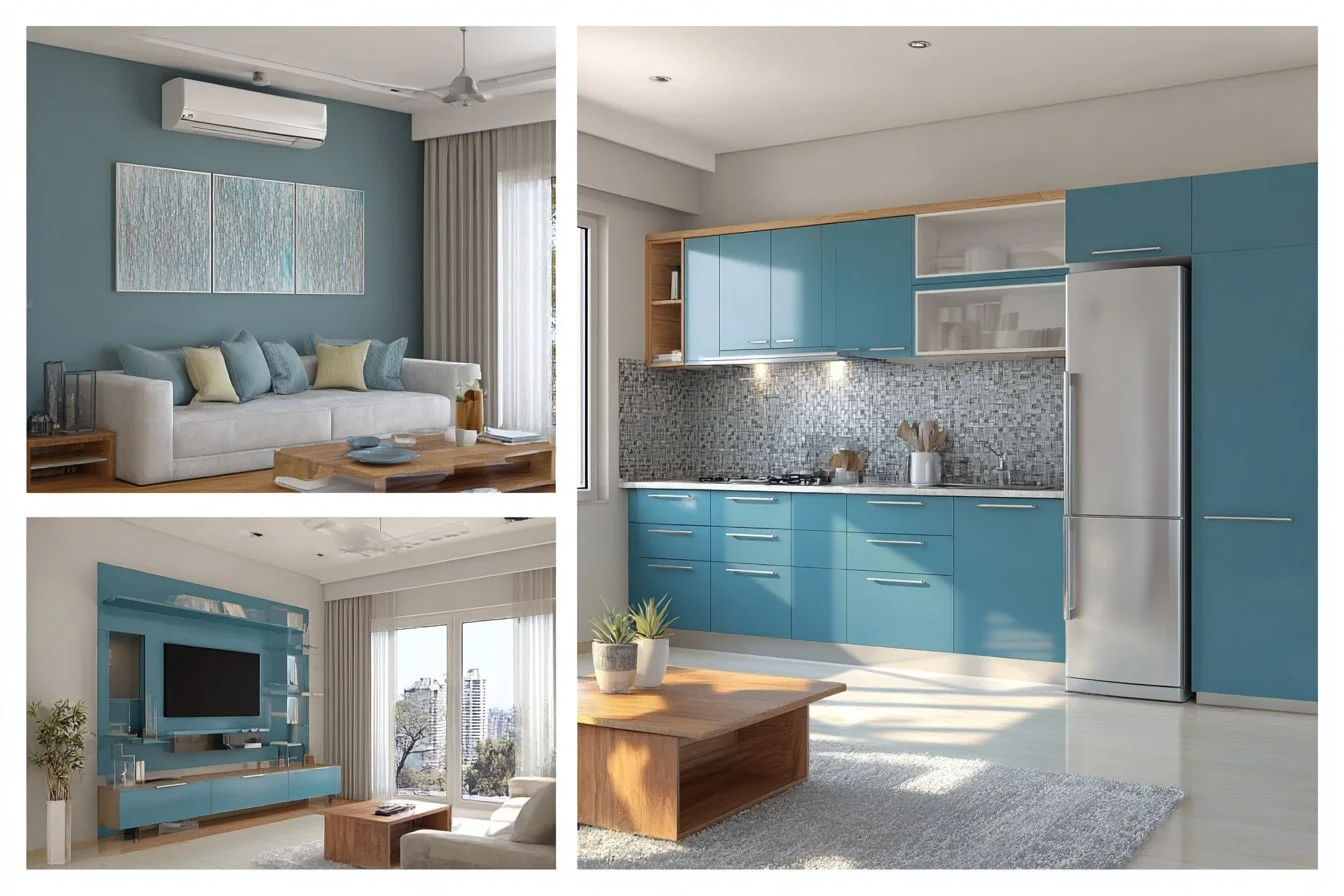
Membrane finish works in more places than most people expect. Once you see how the foil bends and settles on the board, it becomes clear why it shows up in many parts of the house. Some people use it only in the kitchen, while others prefer keeping the look consistent across rooms. Each area behaves a little differently, so the finish ends up playing a different role.
Membrane Finish Kitchen Cabinets
Kitchens are where membrane is used the most. The surface handles daily wiping well, and the shutters don't look tired quickly. Grooved cabinets, soft arches, and simple routed lines come out cleaner with this finish because the foil follows the shape without breaking. It suits both light and dark colours, especially when the space needs something neat without looking too glossy.
Also read – 20+ Best Kitchen Design Tips: Everything You Need To Plan The Perfect Kitchen
Membrane Finish Wardrobes
Wardrobes often benefit from a membrane because the doors are large and stay in direct view. The smooth surface gives the room a calmer look. Many bedrooms use matte or textured membrane since it sits quietly against the wall and doesn't reflect light. It also works on sliding doors, as long as the edges are trimmed properly to avoid friction.
Membrane Shutters and Curved Designs
Any unit that has a curve or a profile tends to look better with membrane shutters. Straight laminates can only cover flat panels, but membrane bends into the details. TV unit shutters, crockery unit panels, and even small pooja room doors use this finish when people want a soft outline instead of sharp corners.
Other Furniture Applications
Side cabinets, study units, bedside tables, and small storage shutters also take membrane well. Homes that prefer one steady finish across multiple units use a membrane to keep everything looking linked without switching materials from room to room. It also works in places where you want a clean look but don't want to spend on expensive paint-based finishes.
Also read – 5+ Best PVC Kitchen Cabinets Design: Tough On Mess And Easy On Maintenance
Membrane Finish Cost in India
The cost of membrane finish changes from one city to another, and it also shifts with the thickness of the board, the type of foil, and the shape of the shutter. Most homeowners look at the price only after comparing it with laminate, acrylic, or PU, because the gap between these finishes helps them understand where the membrane sits in the market. The numbers are not fixed, but the range stays fairly steady across most modular projects.
Here is a simple way to see how membrane usually compares:
|
Finish Type |
Typical Cost Range ('¹/sq ft) |
Notes |
|
Laminate |
'¹1,000 ' 1,800 |
Budget-friendly flat surfaces |
|
Membrane |
'¹1,500 ' 2,800 |
Seamless look, curved shapes, mid-range |
|
Acrylic |
'¹1,800 ' 3,500 |
Glossy premium finish |
|
PU / Veneer |
'¹2,500 + |
High-end, luxury specification |
The membrane sits in the middle because it gives a smooth, wrapped look without entering the premium bracket. The price increases slightly if the shutter has deeper grooves or if the foil has a textured grain. Kitchens with many corner units or profile doors usually see a higher overall cost, but the finish itself stays steady in comparison to paint-based options.
The installation cost also stays predictable because most factories press the shutters before sending them to site. You pay mainly for the foil, the board, and the routing work. That keeps the membrane within reach for most homeowners who want something clean without stepping into a luxury budget.
Read also – Modular Kitchen Design Trends 2026: Latest Kitchen Trends That Work in Real Homes
Why Membrane Works Well for Indian Homes
Most Indian homes deal with a mix of steam from cooking, dust from open windows, and constant wiping throughout the day. A finish that survives all this without fuss usually becomes the safer choice. Membrane happens to fall into that category. It sits quietly on the shutter and doesn't call for special cleaners or frequent polishing. A damp cloth is enough for most days, which is why many people end up picking it without thinking too much about the technical bits.
The other reason it works here is the way it settles on curved edges. Many kitchens and wardrobes in India still use routed designs or a small bend on the corners to soften the look. Membrane follows these shapes without breaking the line, so the shutter looks like one piece. Laminate struggles with this, and PU becomes expensive when used on every door, so membrane becomes the middle path that people can maintain easily.
Master Bedrooms also benefit because the surface doesn't look too bright or too dull. It blends into the room without drawing attention from the rest of the furniture. Families with children find it practical, as the shutters don't show marks quickly and the colour stays steady as long as it isn't kept next to a direct heat source. Over time, the finish behaves predictably, and that reliability is what most households look for when choosing a material.
Conclusion
Choosing a finish becomes easier when you understand how it behaves in real use, not just how it looks in a sample book. Membrane sits in that comfortable space where it stays neat, handles daily cleaning, and works on shutters that aren't perfectly flat. Many Indian kitchens and wardrobes already use it for this reason. Once the foil wraps around the board, the surface feels settled and the edges stay smooth, which helps the whole unit look consistent over time.
If you want someone to check your room measurements, look at the layout, and suggest a practical plan before you start, you can speak with a designer from Interior Company. They can show you how the membrane will look in your space and help you decide where it makes sense to use it, especially if you want clarity before the fabrication work begins.
*Images used are for representational purposes only. Unless explicitly mentioned, Interior Company does not hold any copyright to the images. *
kitchen Design Ideas for You
- Shape
- Color
- Finish
- Theme
- Backsplash Color
- Backsplash Material
- Cabinet Style
- Counter Colour
- Floor Material
- Size
- Almond Brown Color Kitchen Design
- Beige Color Kitchen Design
- Black Color Kitchen Design
- Blue Color Kitchen Design
- Brown Color Kitchen Design
- Charcoal Black Color Kitchen Design
- Charcoal Grey Color Kitchen Design
- Coral Color Kitchen Design
- Cream Color Kitchen Design
- Dark Grey Color Kitchen Design
- Gold Color Kitchen Design
- Green Color Kitchen Design
- Grey Color Kitchen Design
- Ivory Color Kitchen Design
- Light Brown Color Kitchen Design
- Multicolour Color Kitchen Design
- Natural Brown Color Kitchen Design
- Nude Color Kitchen Design
- Off White Color Kitchen Design
- Olive Color Kitchen Design
- Olive Green Color Kitchen Design
- Olive Rust Color Kitchen Design
- Orange Color Kitchen Design
- Pink Color Kitchen Design
- Purple Color Kitchen Design
- Red Color Kitchen Design
- Silver Color Kitchen Design
- Smokey Blue Color Kitchen Design
- Smokey Grey Color Kitchen Design
- Stone Color Kitchen Design
- Teal Color Kitchen Design
- White Color Kitchen Design
- Wooden Brown Color Kitchen Design
- Yellow Color Kitchen Design
- Contemporary Theme Kitchen Design
- Cottage-Style Theme Kitchen Design
- Countryside Theme Kitchen Design
- Industrial Theme Kitchen Design
- Luxurious Theme Kitchen Design
- Mid-Century Modern Theme Kitchen Design
- Minimalist Theme Kitchen Design
- Modern Theme Kitchen Design
- Modern -Industrial Theme Kitchen Design
- Rustic Theme Kitchen Design
- Scandinavian Theme Kitchen Design
- Traditional Theme Kitchen Design
- Beige Backsplash Color Kitchen Design
- Black Backsplash Color Kitchen Design
- Blue Backsplash Color Kitchen Design
- Brown Backsplash Color Kitchen Design
- Gray Backsplash Color Kitchen Design
- Green Backsplash Color Kitchen Design
- Metallic Backsplash Color Kitchen Design
- Multi Backsplash Color Kitchen Design
- Orange Backsplash Color Kitchen Design
- Red Backsplash Color Kitchen Design
- White Backsplash Color Kitchen Design
- Yellow Backsplash Color Kitchen Design
- Brick Backsplash Material Kitchen Design
- Cement Tile Backsplash Material Kitchen Design
- Ceramic Tile Backsplash Material Kitchen Design
- Engineered Quartz Backsplash Material Kitchen Design
- Glass Tile Backsplash Material Kitchen Design
- Granite Backsplash Material Kitchen Design
- Marble Backsplash Material Kitchen Design
- Matchstick Tile Backsplash Material Kitchen Design
- Mosaic Tile Backsplash Material Kitchen Design
- Porcelain Tile Backsplash Material Kitchen Design
- Stone Slab Backsplash Material Kitchen Design
- Stone Tile Backsplash Material Kitchen Design
- Subway Tile Backsplash Material Kitchen Design
- Terra-Cotta Tile Backsplash Material Kitchen Design
- Travertine Backsplash Material Kitchen Design
- Window Backsplash Material Kitchen Design
- Wood Backsplash Material Kitchen Design
- Beige Counter Colour Kitchen Design
- Black Counter Colour Kitchen Design
- Blue Counter Colour Kitchen Design
- Brown Counter Colour Kitchen Design
- Gray Counter Colour Kitchen Design
- Green Counter Colour Kitchen Design
- Multi Counter Colour Kitchen Design
- Pink Counter Colour Kitchen Design
- Red Counter Colour Kitchen Design
- White Counter Colour Kitchen Design
- Yellow Counter Colour Kitchen Design
- Carpet Floor Material Kitchen Design
- Cement Tile Floor Material Kitchen Design
- Ceramic Tile Floor Material Kitchen Design
- Dark Hardwood Floor Material Kitchen Design
- Light Hardwood Floor Material Kitchen Design
- Marble Floor Material Kitchen Design
- Medium Hardwood Floor Material Kitchen Design
- Painted Wood Floor Material Kitchen Design
- Porcelain Tile Floor Material Kitchen Design
- Terrazzo Floor Material Kitchen Design
- Travertine Floor Material Kitchen Design

Ready for a home transformation?
Let our designers assist you!
Recent Posts







A membrane finish is a thin PVC sheet that gets pressed onto a board until it wraps the front and the sides in one layer. The surface ends up looking smooth because the foil follows the shape of the shutter instead of stopping at the edges. You mostly see it on kitchen and wardrobe doors where people want something neat without visible lines.
It shows up most in kitchens and wardrobes. The finish handles wiping and daily use fairly well, so many homeowners use it on cabinets, tall units, and small storage shutters. It also works on curved or routed doors, which is why you’ll find it in TV units and bedroom furniture too.
Yes, it holds up well in a regular cooking space as long as the shutters are kept away from direct heat. Steam and cleaning don’t trouble it much. Most families use a membrane finish in busy kitchens because it stays steady and doesn’t need special maintenance.
Not really. A damp cloth is enough on most days. Oil marks and fingerprints wipe off easily if you don’t leave them sitting for too long. It doesn’t need polishing or any chemical cleaners, which keeps the routine simple.
Peeling usually occurs only if the shutter is kept in direct sunlight or if the edges were not sealed properly during installation. In normal use, the foil stays in place for years. Factories that press shutters correctly rarely have this issue.
Both have their own space. Laminate handles heat better and works for flat shutters. Membrane looks cleaner on grooves and curved doors because it wraps around the edges. If your design has profiles or routed lines, the membrane often looks more finished.
Yes, it works well on wardrobes because the doors are large and you want them to look smooth without sharp edge bands. Matte and textured membranes look especially good in bedrooms since they don’t reflect too much light.
With normal use, it lasts several years without much change in colour or texture. The shutters stay stable as long as you keep them away from constant heat. Many homes keep their membrane cabinets untouched for a decade or more.
It does fine in most cities. Humid areas don’t trouble it much because the foil doesn’t absorb moisture. The only thing to avoid is placing it too close to a heat source like a tandoor, old-style gas burner, or open flame.
Small marks clean easily, but deeper damage is harder to fix. Since the foil is wrapped in one piece, repairing one corner without changing the whole shutter is difficult. Most people replace the shutter if the damage is extensive.
Yes, there are plenty of shades. Plain, textured, wood-grain, glossy, matte, all sorts. Many people choose lighter shades for kitchens and warmer tones for wardrobes because the finish sits well in both places.
If you want something that looks neat, handles daily cleaning, and works on curved doors without jumping into a high budget, membrane is a safe option. Seeing a few samples in the light of your own room usually helps you decide quickly.
Related Category
- Dining Room
- False Ceilings
- Lighting
- Paint and Color
- Walls and Texture