
- Design Ideas
- Cities
- Trends
- Guides
- Price Calculators
- Interior DesignersNEW
- Our Portfolio
- More


- Home
- Interior Design Ideas
- Tv Units Design Ideas
- Traditional TV Unit Design Ideas
Traditional TV Unit Design Ideas
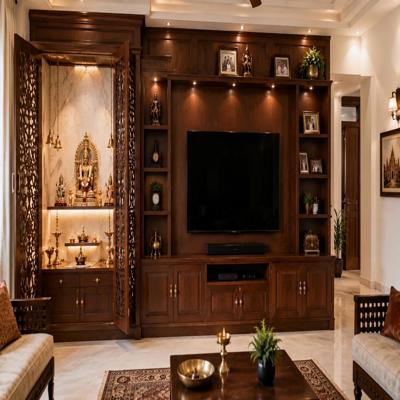
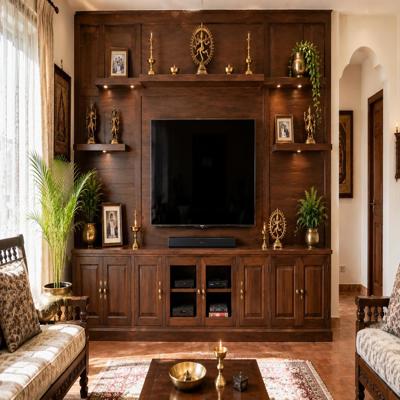
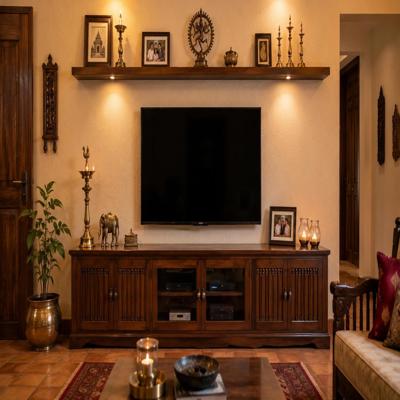
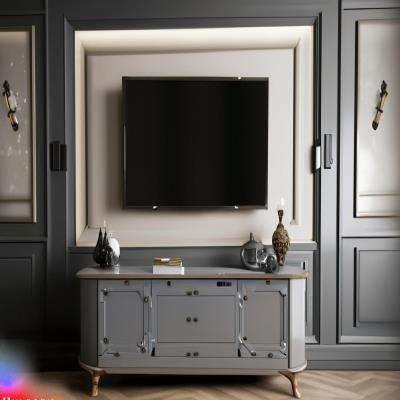
Most living rooms in India already have one: a carved wooden sideboard, a sheesham bookcase, a brass-legged coffee table that belonged to someone's parents. A traditional TV unit design is built to sit alongside those things, not fight them. Solid wood, closed doors, joinery you can actually see. A traditional TV stand in teak or sheesham will still look right in fifteen years. The finish deepens, the hardware mellows, the grain gets more visible with each polish. That's the point. A classical TV unit design takes this further with molded edges, symmetrical paneling, and ornate carving that treats the TV wall as part of the room's architecture. Traditional TV cabinet designs for living room at Interior Company are sized for Indian main halls, not imported from a Western catalog. Compact traditional TV console or full entertainment wall. Teak, sheesham, or mahogany. Browse the range....Read More
Filter





Vastu Insights by Our Experts
Watch our designers decode the balance between design, energy, and harmony for your home.






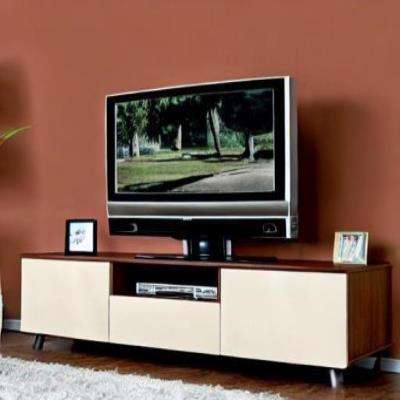
TV Units Design Ideas for You
- Color
- Theme
- Red Color Tv Units Design
- Beige Color Tv Units Design
- Off White Color Tv Units Design
- Olive Green Color Tv Units Design
- Orange Color Tv Units Design
- Peach Color Tv Units Design
- Pink Color Tv Units Design
- Pista Green Color Tv Units Design
- Purple Color Tv Units Design
- Neutral Color Tv Units Design
- Royal Blue Color Tv Units Design
- Skin Color Tv Units Design
- Teal Color Tv Units Design
- Terracotta Color Tv Units Design
- White Color Tv Units Design
- Wooden Brown Color Tv Units Design
- Yellow Color Tv Units Design
- Grey Color Tv Units Design
- Black Color Tv Units Design
- Blue Color Tv Units Design
- Brown Color Tv Units Design
- Dark Blue Color Tv Units Design
- Gold Color Tv Units Design
- Green Color Tv Units Design
- Navy Blue Color Tv Units Design
- Ivory Color Tv Units Design
- Light Beige Color Tv Units Design
- Mint Green Color Tv Units Design
- Multi-Colour Color Tv Units Design
- Multicolour Color Tv Units Design
- Natural Brown Color Tv Units Design
Rejuvenate Your Space with a Variety of Options
- Theme + Color
- Traditional Black Tv Units Design
- Traditional White Tv Units Design
- Traditional Wooden Brown Tv Units Design
- Traditional Purple Tv Units Design
- Traditional Terracotta Tv Units Design
- Traditional Grey Tv Units Design
- Traditional Beige Tv Units Design
- Traditional Gold Tv Units Design
- Traditional Multi-Colour Tv Units Design
- Traditional Brown Tv Units Design
- Traditional Red Tv Units Design
- Traditional Green Tv Units Design
- Traditional Pink Tv Units Design
- Traditional Mint Green Tv Units Design
- Traditional Yellow Tv Units Design
- Traditional Natural Brown Tv Units Design
- Traditional Off white Tv Units Design
- Traditional Blue Tv Units Design
- Traditional Orange Tv Units Design
- Traditional Light Beige Tv Units Design
- Traditional Teal Tv Units Design
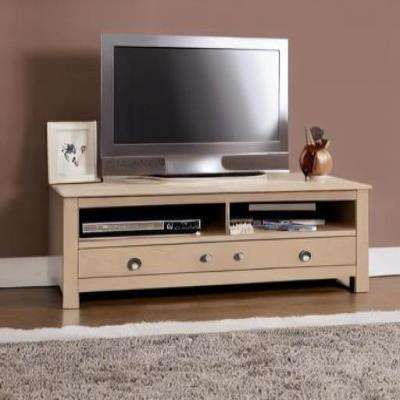
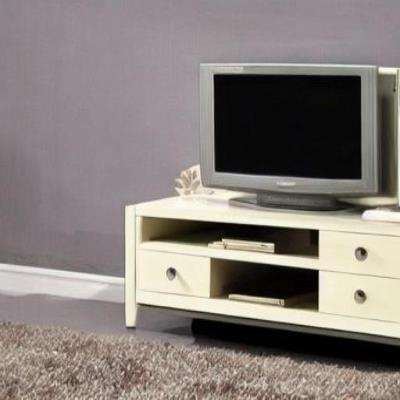
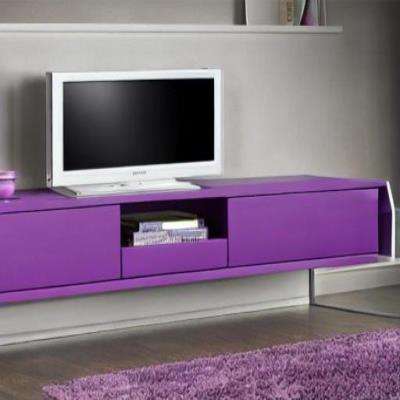
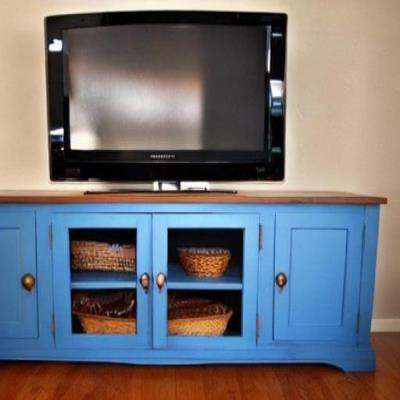
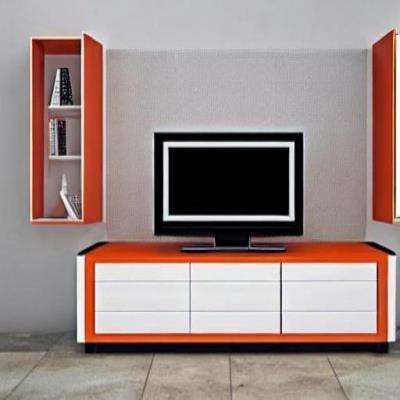
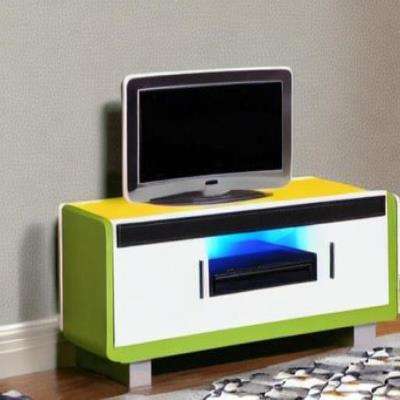
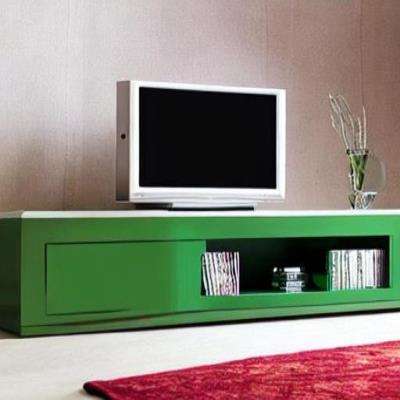

A TV is usually the most used thing in a living room. But many homes still treat it like an afterthought. A plain wall with visible wires and random shelves. A good TV panel des
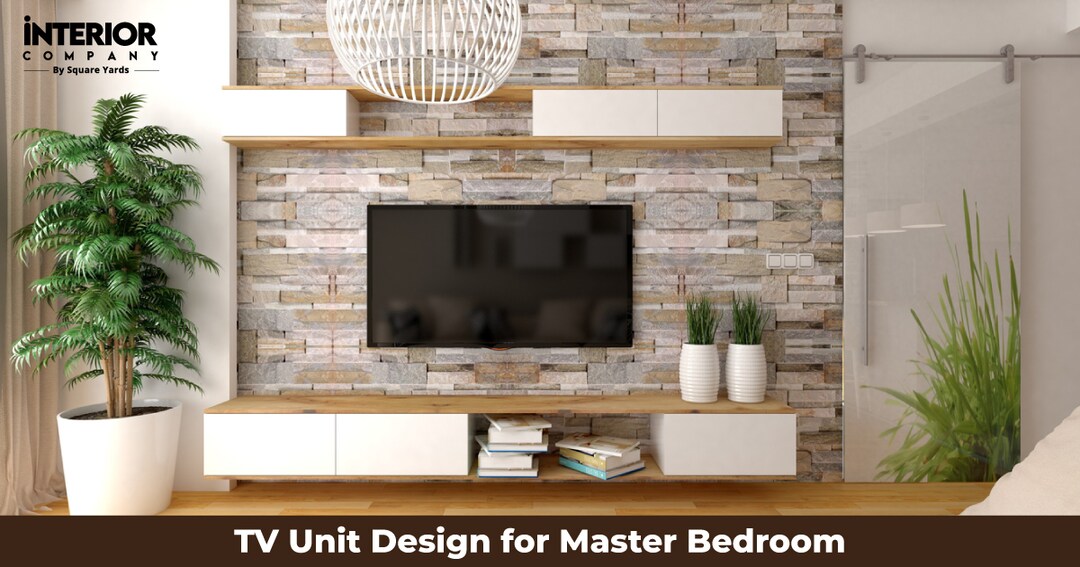
Create an amazing bedroom TV unit design that helps you visualise and add up to your streaming experience.
The bedroom is where you head after an exhausting, busy day. An
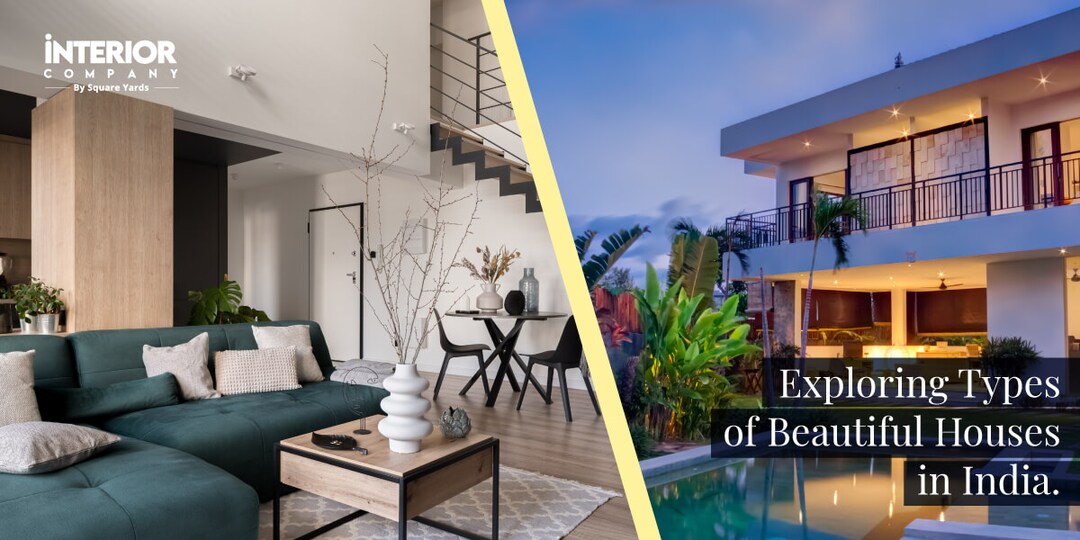
The living room is often considered the heart of a home, where people can relax, entertain and connect with one another. Families spend time catching up, watching movies, and un
- 1
- 2
A traditional TV unit design occupies a different position in the living room than any other style in this cluster. It isn't neutral and it isn't a background element. It's a deliberate statement about craft, material, and a design language that predates the trend cycle rather than participating in it. In Indian homes, that positioning is particularly natural. Traditional furniture, carved wooden doors, jali panels, and family heirlooms already set a tone that a classical TV unit design extends rather than interrupts. For broader starting points across interior styles, home interior design ideas cover the full range.
What Defines a Traditional TV Unit?
A traditional TV unit design is built around three things: the material, the joinery, and the surface treatment. Get those right and the style reads immediately, even in a room with some contemporary elements alongside it.
- A traditional TV cabinet prioritizes closed storage first. The assumption is that electronics, cables, and media clutter should disappear behind wooden doors rather than be displayed or managed in plain sight. This is the sharpest practical difference between a traditional unit and a modern one, where open shelving and visible cable routing are often part of the design intent.
- A classical TV unit design goes further into the ornate end: molded edges, symmetrical paneling, brass or antique brass hardware, and carved surface detailing that signals the unit was made rather than manufactured. The distinction between classical and traditional is one of degree, not category.
- Traditional TV cabinet designs for living room at Interior Company are sized for Indian main halls, which typically run between 10 and 16 feet wide. The proportions are calibrated for Indian screens and Indian seating distances, not lifted from a Western catalog and scaled awkwardly.
- Wood species matters more in a traditional unit than in any other category. Teak holds up in humid conditions, develops a patina over time, and takes a polish that deepens with age. Sheesham is denser, darker, and more resistant to surface scratching. Mahogany sits between the two in tone and brings the richest grain of the three.
Stand or Cabinet: Which Format Fits?
The format question matters more for a traditional unit than for a modern one because traditional construction is heavier, less modular, and harder to modify once in place. The right choice at the start saves a decision that's difficult to reverse.
- A traditional TV stand offers a freestanding alternative to a full wall unit, easier to reposition as the room evolves. A traditional style TV stand carries classic silhouettes, turned legs, panelled fronts, and carved aprons, without the bulk of a full cabinet. It's the right choice when the room already has presence and the TV unit needs to sit within that rather than dominate it.
- Traditional TV stand wood construction, especially in teak or sheesham, ages well and suits Indian humidity and usage patterns better than MDF or engineered alternatives. A traditional mahogany TV stand configuration brings a deeper, richer tone that pairs naturally with brass or antique brass fittings and works best in rooms with darker walls or warm stone flooring.
- A modern traditional TV stand blends classic detailing with a simplified silhouette, for homes wanting some restraint alongside the craftsmanship. The carved elements are present but less dense. The legs are tapered rather than heavily turned. This is the version that bridges a traditional living room with a slightly more contemporary adjacent space.
- A traditional corner TV stand turns an awkward layout into a workable placement without disrupting the room's character. The angled format actually suits traditional construction well, since the joinery required for a corner configuration showcases the same craft as the surface detailing.
Which Layout Suits Your Living Room?
Layout choice in a traditional unit is a scale and seating question first, and a storage question second.
- A traditional TV unit for living room placement typically anchors the main seating wall, sized to balance with existing sofas and furniture rather than stand apart from them. In a room with heavy upholstered seating and carved side tables, the TV unit needs to carry enough visual weight to hold its position on the wall rather than looking like an afterthought. See living hall design for how traditional TV wall layouts integrate with different main hall configurations.
- A traditional TV console works well for smaller spaces or secondary rooms, offering a lighter footprint than a full cabinet while keeping the classic aesthetic intact. It's also the right format for a bedroom TV wall where scale and weight need to stay lower than in a main hall. A new bedroom design incorporating a traditional console works best when the bed frame and wardrobes share the same wood tone and hardware language.
- A traditional media console keeps the classic aesthetic while accommodating modern electronics and cable routing discreetly. The difference from a standard console is internal: cable channels, ventilated compartments for AV equipment, and drawer layouts designed around how modern media systems actually need to be stored.
Do You Need a Full Entertainment Wall?
A full traditional entertainment wall is the largest commitment in this category. It's the right choice for main halls where the TV section is meant to be the room's primary architectural feature, not just a functional wall.
- Traditional entertainment wall units extend the design across the full wall, combining display shelving, storage, and the TV recess into one carved wooden system. The effect in a large main hall is closer to a piece of architectural joinery than a piece of furniture. Home interior design ideas gives context for how this kind of installation sits within a broader traditional interior.
- A traditional TV entertainment center consolidates media storage, books, and decor into a single carved wooden system. The display shelving is proportioned to hold items that suit the wood's weight: heavy ceramic vases, framed photographs, brass lamps, and books with spines rather than covers facing outward.
- A traditional TV wall unit offers a middle ground: framed shelving and paneling without committing to a full wall build. The panelled back section behind the TV provides the visual depth of an entertainment wall without requiring the same footprint or construction time.
Traditional TV Unit Designs by Colour and Finish
Wood finish and colour are the two levers that most change how a traditional TV unit design reads in the room. Natural tones are the default, but painted finishes in traditional designs are increasingly common in Indian homes that want the craft without the heaviness of dark wood.
- Traditional brown TV unit design and traditional wooden brown TV unit design are the most common configurations, using teak or sheesham in their natural or lightly stained state. These read as the most authentically traditional in the cluster.
- Traditional white TV unit design and traditional off-white TV unit design use painted MDF or wood with a chalk or enamel finish, keeping the carved and molded detailing while lightening the visual weight considerably. These suit South Indian homes with white or cream walls and lighter stone flooring.
- Traditional beige TV unit design sits between white and natural wood, often using a lightly pigmented wash over the grain rather than a full opaque paint, letting the wood texture remain visible beneath the colour.
- Traditional grey TV unit design is the most transitional option in this category. A grey-painted traditional unit reads as traditional from the joinery and detailing while sitting more comfortably in a room with contemporary surroundings.
- Traditional gold TV unit design uses brass or gold-leaf detailing as an accent across carved surfaces, which is the most ceremonial configuration in the traditional cluster and suits homes that already use brass in their decor.
- Traditional black TV unit design, traditional blue TV unit design, and traditional green TV unit design are less common but work in rooms with a strong existing palette. A TV cabinet design overview across all colours gives the full picture if you're weighing options across the spectrum.
Conclusion
Choosing the right traditional TV unit comes down to matching wood finish, detailing, and scale to your existing interiors. Interior Company's traditional collection spans compact consoles to full entertainment wall units, so whether you're furnishing a smaller room or a main hall built around classic craftsmanship, there's a traditional TV unit design suited to your space.
Explore Interior Company's traditional TV unit designs and find the wood, finish, and format that fits how your home is already furnished.
Frequently Asked Question (FAQs)
What wood is best for a traditional TV unit?
Teak, sheesham, and mahogany are the three most commonly used woods for traditional TV units in Indian homes, each suited to slightly different conditions and aesthetics. Teak is the most durable in humid climates, develops a honey-gold patina over time, and holds its finish through repeated polishing. Sheesham is denser and darker, more resistant to surface scratching, and works better in rooms with a heavier, richer palette. Mahogany brings the richest grain of the three and suits rooms with warm stone flooring, brass fixtures, and deep-coloured upholstery. For Indian conditions, teak and sheesham both outperform imported hardwoods in long-term resilience.
What's the difference between a traditional TV stand and a traditional TV cabinet?
A traditional TV stand is typically freestanding, lighter in profile, and either open or lightly enclosed at the front. It’s easier to reposition and better suited to rooms where the TV unit doesn’t need to anchor the full wall. A traditional TV cabinet offers full closed storage behind wooden doors, concealing electronics, cables, and media equipment completely. The cabinet is the right choice when clutter management is the priority. The stand suits rooms where the TV unit is one element among several rather than the wall’s primary feature.
Can a traditional TV unit fit into a modern home?
Yes, with the right configuration. A modern traditional TV stand blends classic detailing like paneled fronts or turned legs with a simpler, less ornate silhouette, making it easier to place in contemporary interiors. The key is proportion and finish: keep the carved detailing present but not dense, choose a lighter wood tone or a painted finish rather than a dark stain, and let the unit stand on its own rather than pairing it with heavily traditional surrounding furniture. A single traditional unit in a contemporary room reads as a considered choice rather than an inconsistency.
Is a traditional entertainment wall unit better than a standalone TV console?
It depends entirely on the room size and what the TV wall needs to do. Traditional entertainment wall units suit larger main halls where storage, display, and the TV recess need to be unified into one architectural element. A standalone traditional TV console or traditional TV cabinet suits smaller rooms or secondary spaces where scale and visual weight need to stay lighter. The entertainment wall is a bigger investment in both budget and construction time, and it’s harder to modify once built. The console gives more flexibility as the room evolves.
Do traditional TV units require more maintenance than modern ones?
Solid wood traditional units need occasional polishing to maintain their finish, typically once every few months with a suitable wood polish. Well-selected woods like teak and sheesham are naturally durable and resist wear, humidity, and surface damage better than most engineered materials used in modern units. The maintenance is straightforward and the finish improves with age rather than degrading. Carved surfaces collect dust more readily than flat modern laminates, so a soft cloth wipe-down of the detailing weekly keeps the unit looking clean without much effort.