- Design Ideas
- Cities
- Trends
- Guides
- Price Calculators
- Interior DesignersNEW
- Our Portfolio
- More


- Home
- Trends
- Construction
- Tips And Advice
- Kitchen Design Tips
15+ Stunning Kitchen Design Tips: Everything You Need To Plan The Perfect Kitchen

Planning a kitchen sounds easy in the beginning. Pick cabinets, choose colours, add the appliances, and done. But once work starts, there are confusing questions everywhere. Where should the fridge go? How much counter space is enough? Should you add a tall unit? Are drawers better than cabinets? What slab works long-term?
Table of Content
Start With Planning Before Choosing Anything Else
Choose The Layout That Matches Your Kitchen Size
Follow The Work Triangle Rule
Leave A Comfortable Walking Space Between Counters
Plan Storage Before Styling Decisions
Use Tall Units To Increase Storage
Prefer Drawers Instead Of Deep Cabinets
Keep Landing Space Near Appliances
Choose Durable Materials That Match Your Budget
Plan Drawer Layout Based On Daily Cooking Habits
Select The Right Countertop
Layer Your Kitchen Lighting
Dont Ignore Ventilation
Pick Colours That Feel Right
Follow Comfortable Counter Heights
Balance Open Shelves With Closed Storage
Plan Electrical Points Before Installation Starts
Think About Future Storage Needs
Choose Hardware That Lasts Years
Keep Countertops Clutter-Free
Select Furniture That Matches Kitchen Size
Pay Attention To Handle Design
Dont Ignore Kitchen Safety
Personalise The Kitchen Without Overdoing Trends
Visualise Daily Cooking Before Finalising The Plan
Consider Vastu Direction If It Matters To You
Balance Style With Function
Modular Kitchen Tips That Save Effort Every Day
Ideal Kitchen Dimensions To Keep In Mind
Common Kitchen Design Mistakes To Avoid
A Kitchen Planning Checklist Before Locking The Design
Getting The Details Right From The Start!
This is where good kitchen design advice helps. Not the fancy kind. The practical kind that saves effort every single day. It helps you avoid costly mistakes and create a practical and comfortable kitchen. These kitchen design tips are useful whether you’re planning a simple kitchen design, upgrading an old layout, or building a full modern style kitchen design from scratch.
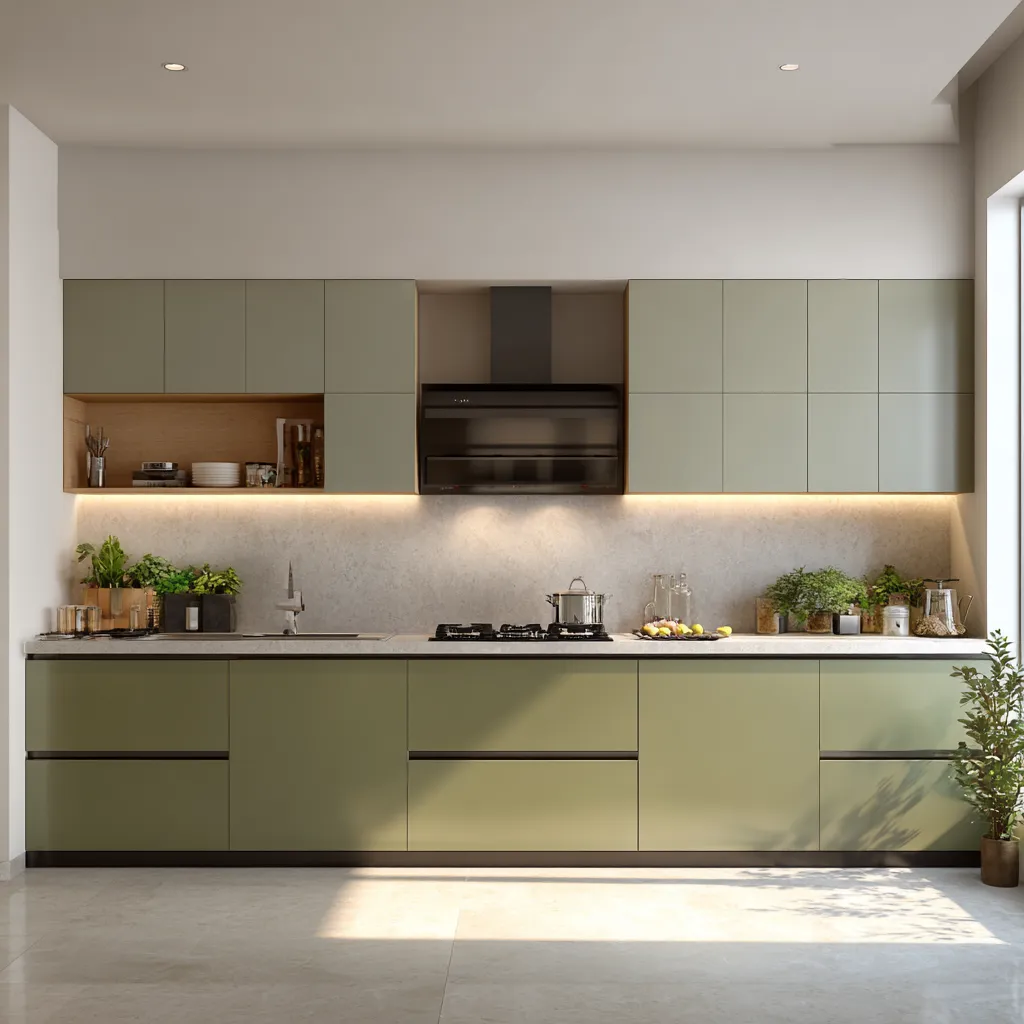
Start With Planning Before Choosing Anything Else
Before colours, before finishes, before handles. Just stand in your kitchen space and look around.
- Where is the window?
- Where does sunlight fall?
- Where is plumbing already fixed?
- Which wall can actually take tall storage?
These things decide your layout before styling ever does. They help you understand what changes and additions are possible. Most useful kitchen-planning tips start here.
Choose The Layout That Matches Your Kitchen Size
Choosing a layout sounds like a technical decision. But it actually changes how relaxed cooking feels later.
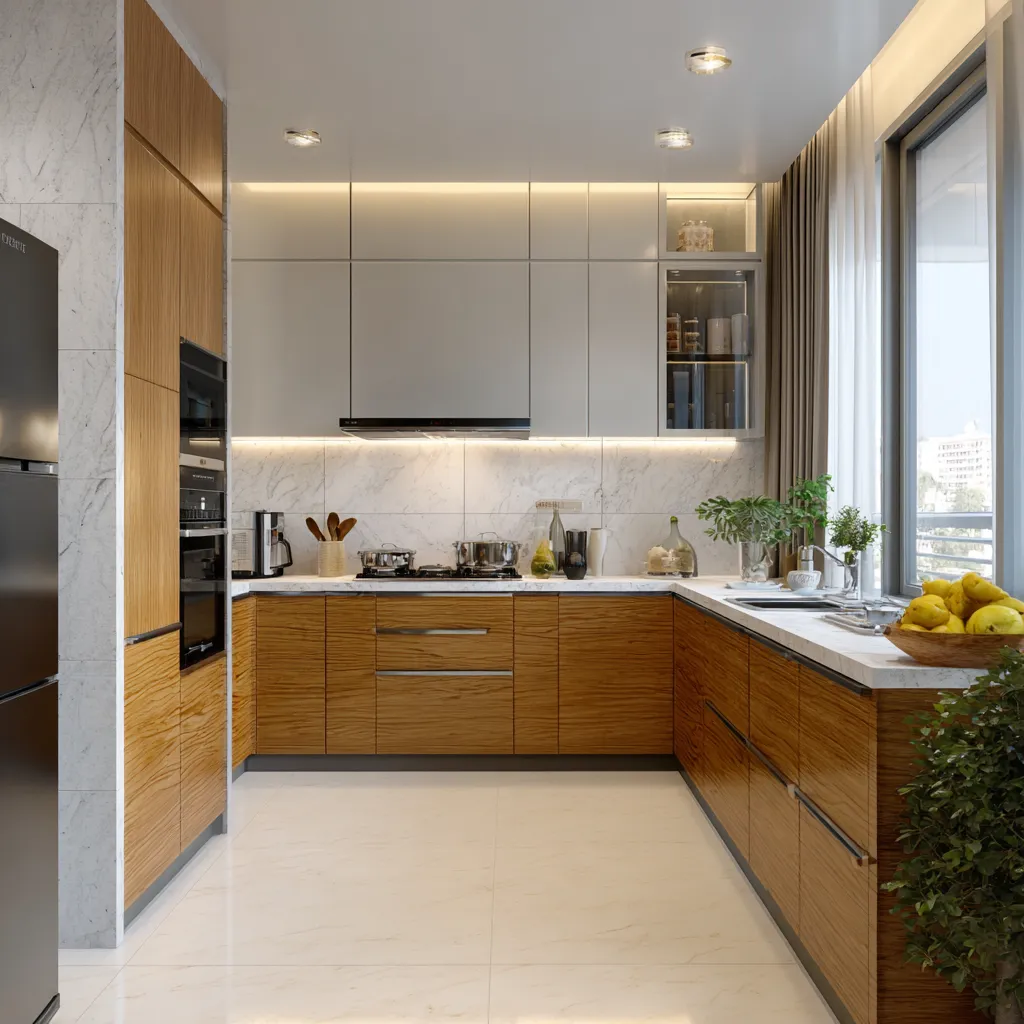
An L-shaped modular kitchen design usually works best for small to medium homes. One side becomes prep space. The other becomes a cooking space. It keeps movement open.
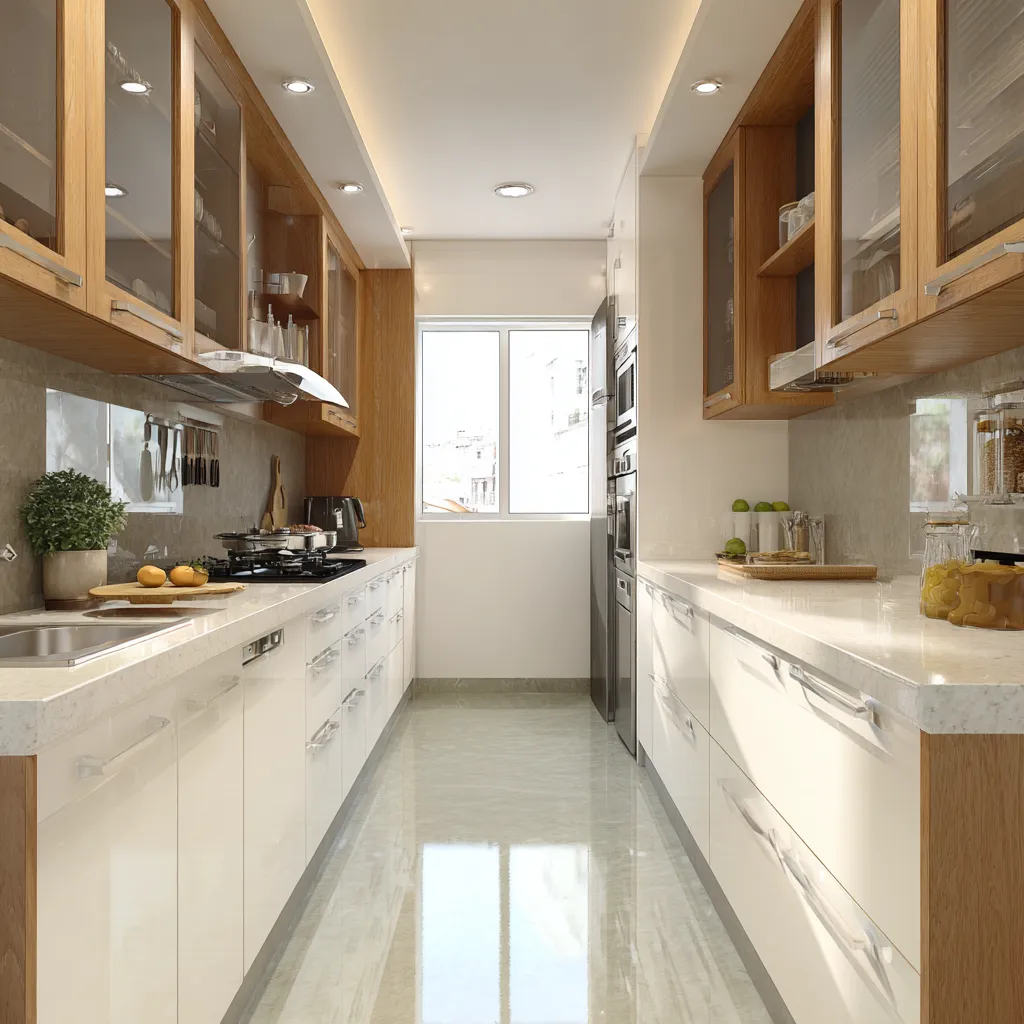
A parallel kitchen design works really well in narrow spaces because both sides stay active. Everything stays within reach without turning too much.
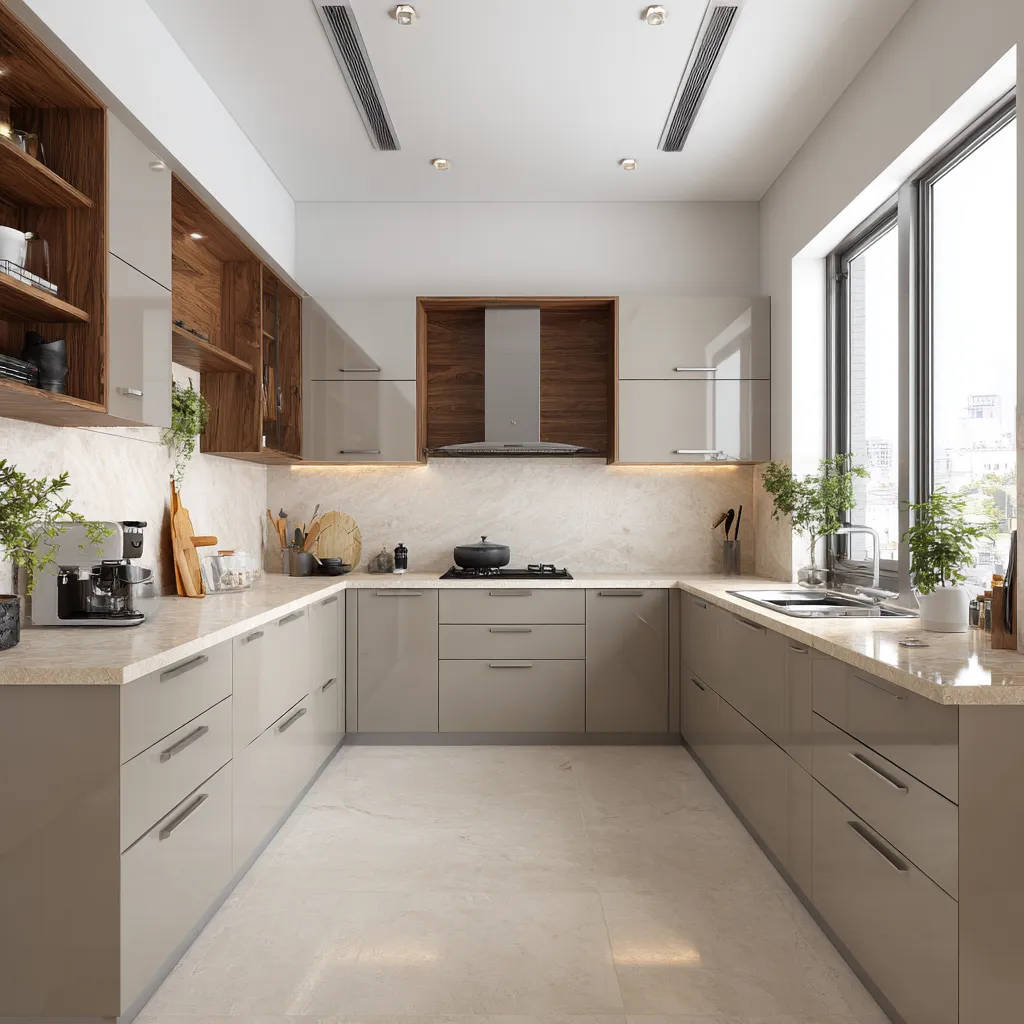
A U-shaped kitchen design provides the most counter area. It's great if you cook a lot. It gives maximum storage, but only when the walkway spacing is planned properly. Otherwise, it starts feeling tight quickly.
An open kitchen design makes the home feel larger and more connected. It changes how the whole house feels. Cooking becomes visible. Conversations continue while preparing meals. The space feels larger without changing the walls.
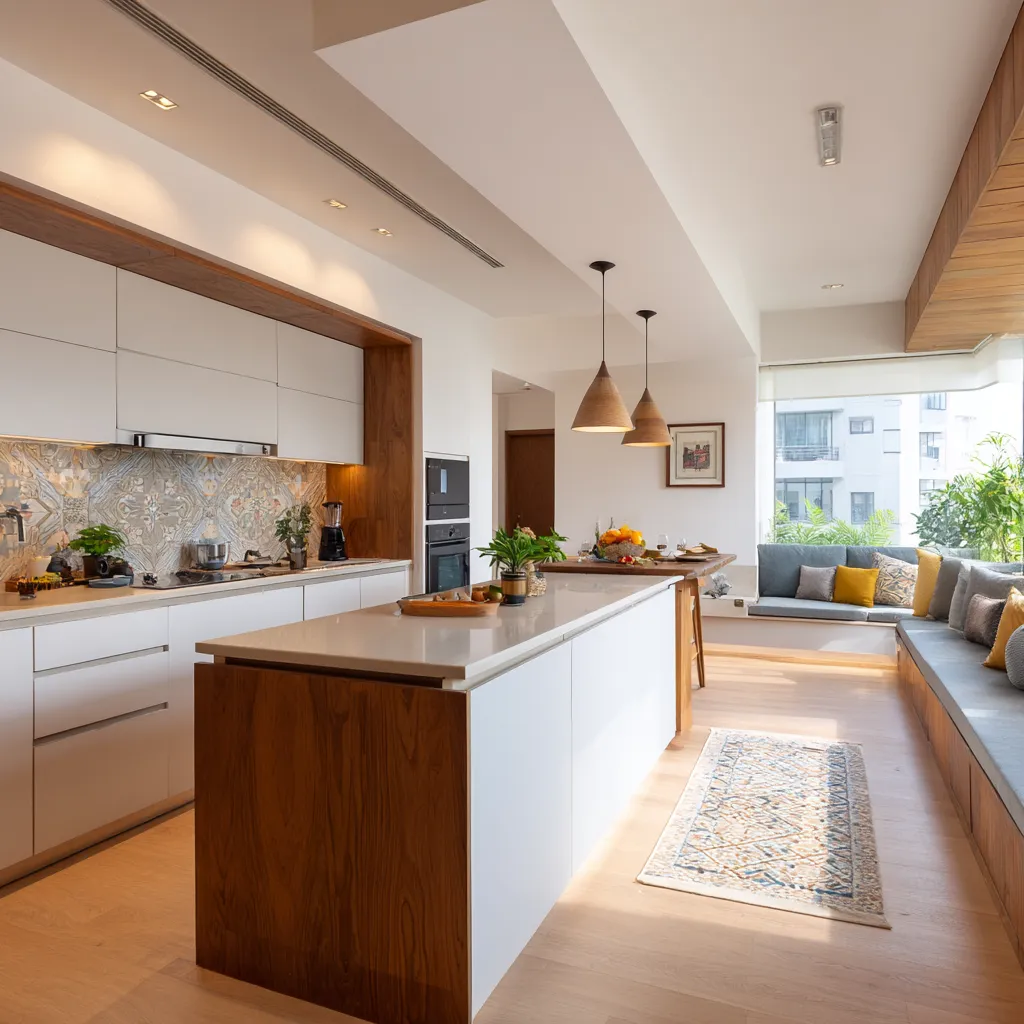
The island kitchen design looks beautiful. But only if there's enough walking space around it. Otherwise, the island becomes an obstacle instead of help.
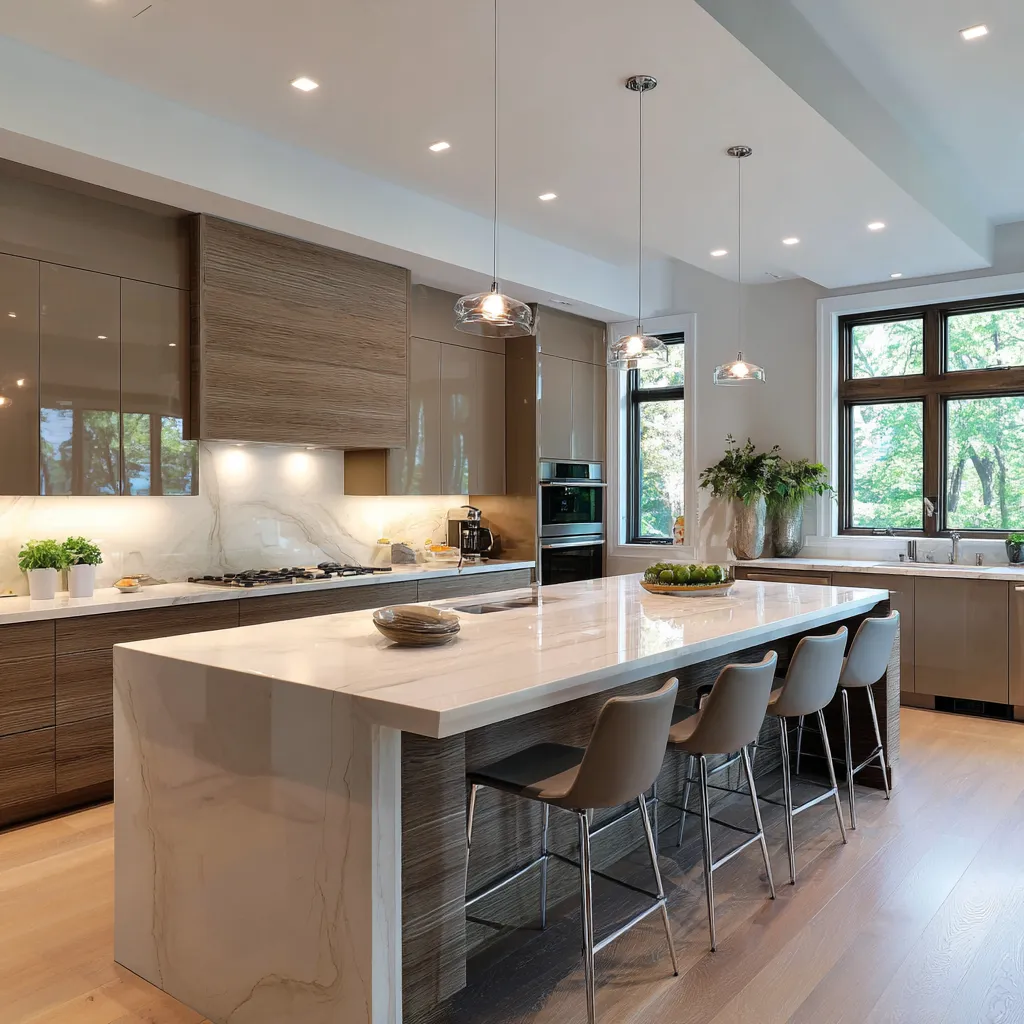
Choosing a layout early is one of the smartest rules for designing a kitchen.
Follow The Work Triangle Rule
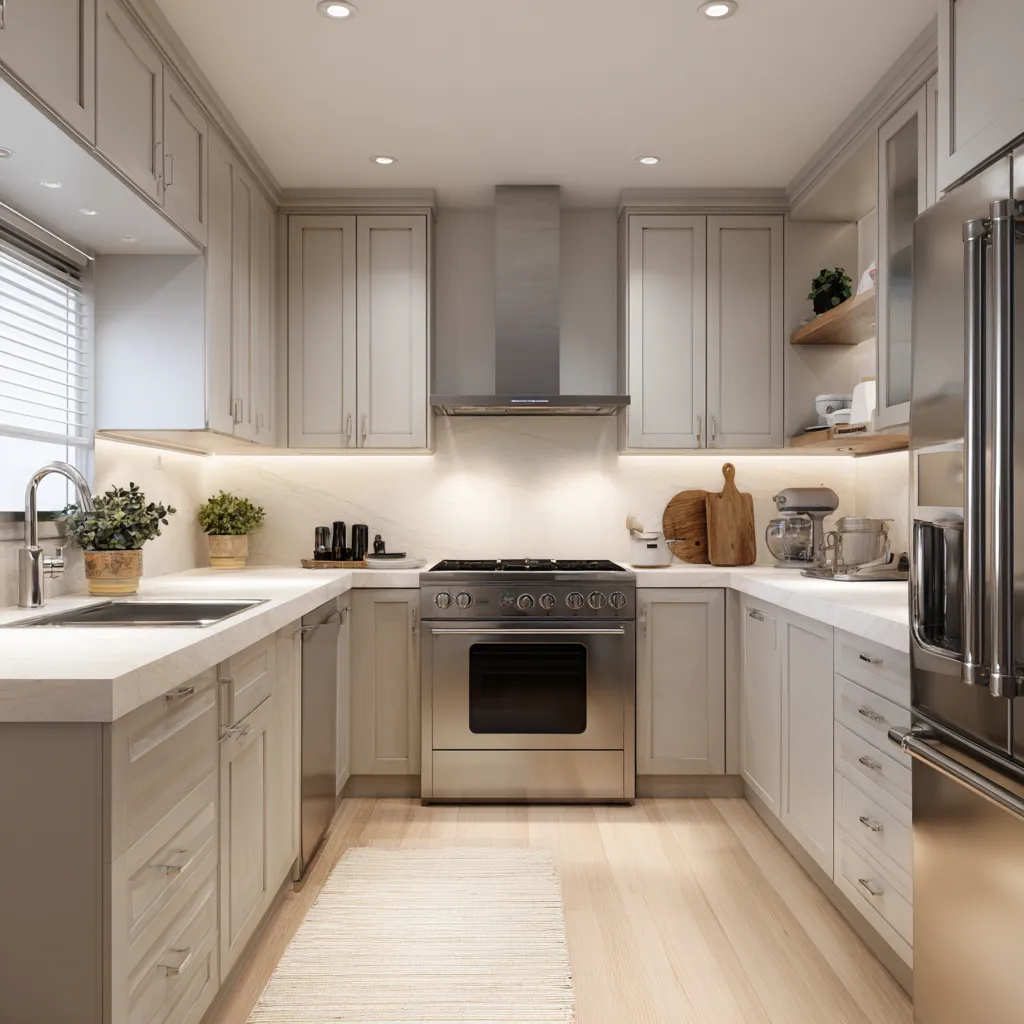
There's a reason designers keep repeating this. Sink, stove, and refrigerator. These three should form a triangle. If they sit too far apart, cooking feels tiring. Too close, it feels crowded. This is one of the oldest basic kitchen design rules and still one of the most useful.
Leave A Comfortable Walking Space Between Counters
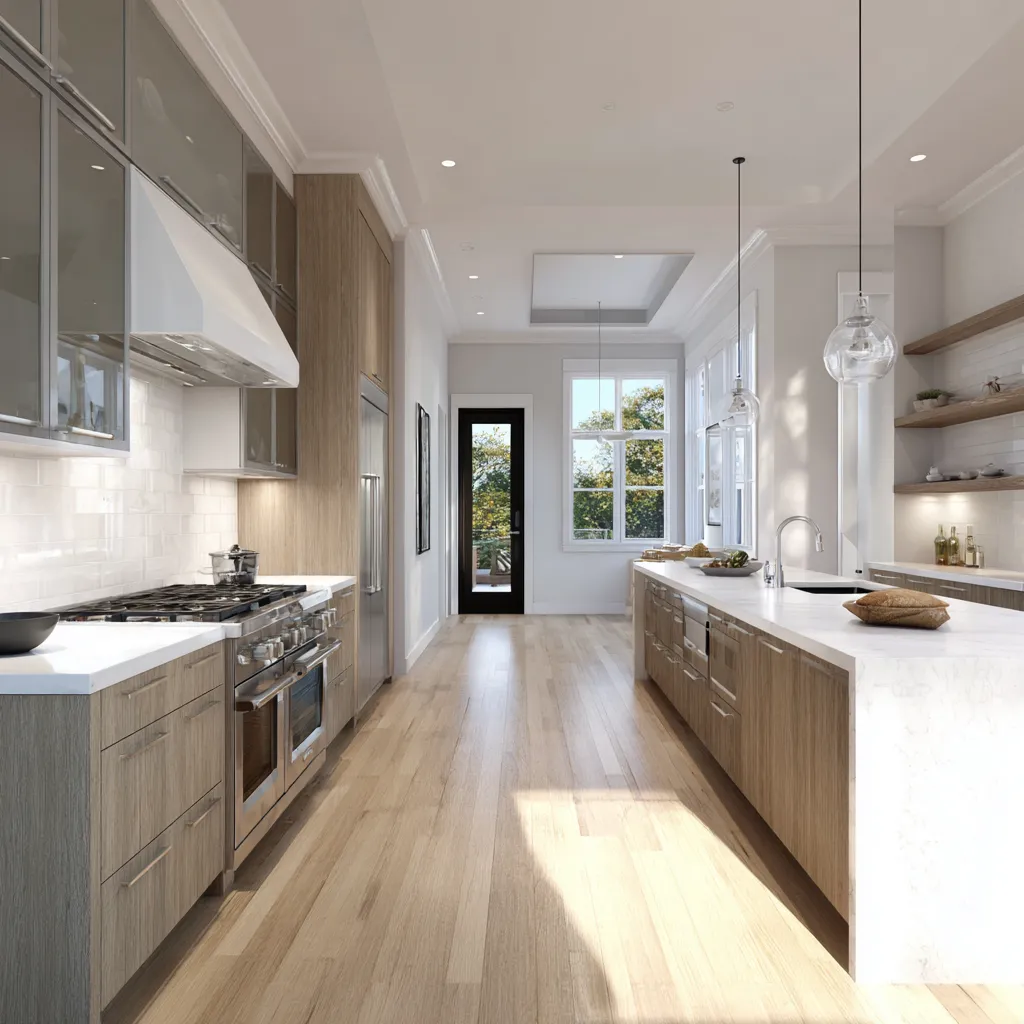
Crowded kitchens feel frustrating very quickly. About three feet of a walkway usually works well. More if two people cook together. Movement comfort matters more than people expect while planning.
Plan Storage Before Styling Decisions
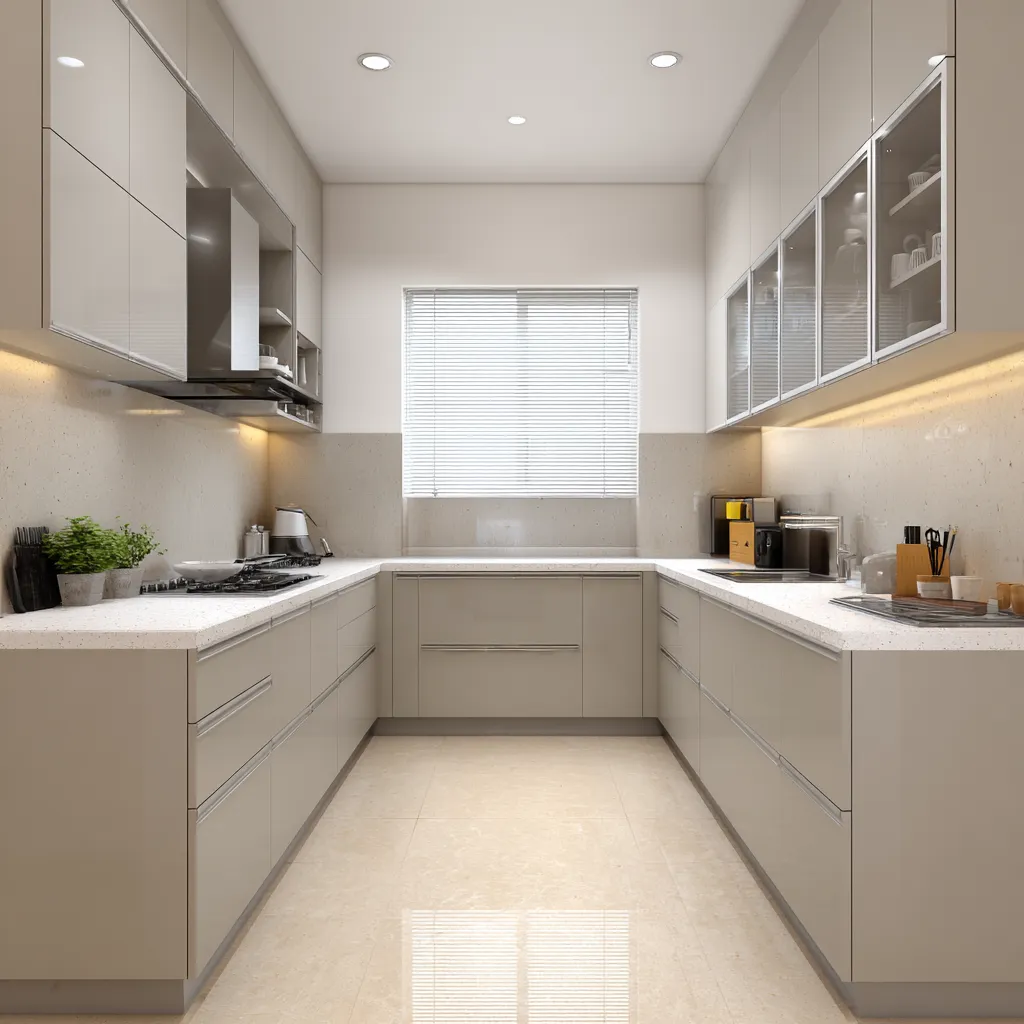
This step decides whether your kitchen stays organised after six months. Think about groceries, spices, the pressure cooker, mixer jars, and cleaning supplies. Where will they go? Proper storage keeps counters clear and the kitchen organised.
Use Tall Units To Increase Storage
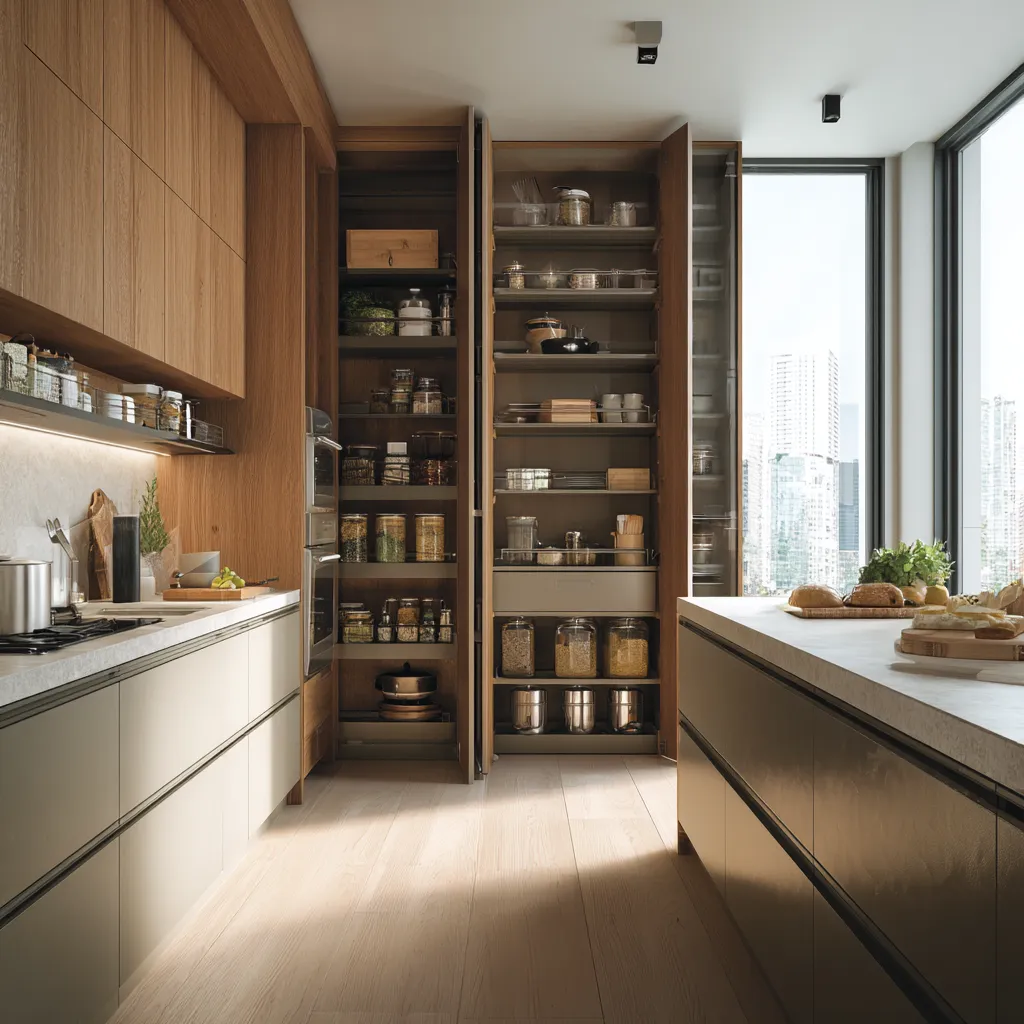
A good kitchen tall unit design can hide pantry items, appliances, and even cleaning storage in one vertical space. It's especially useful in smaller homes where every inch matters. Tall storage reduces clutter faster than adding more cabinets everywhere.
Prefer Drawers Instead Of Deep Cabinets
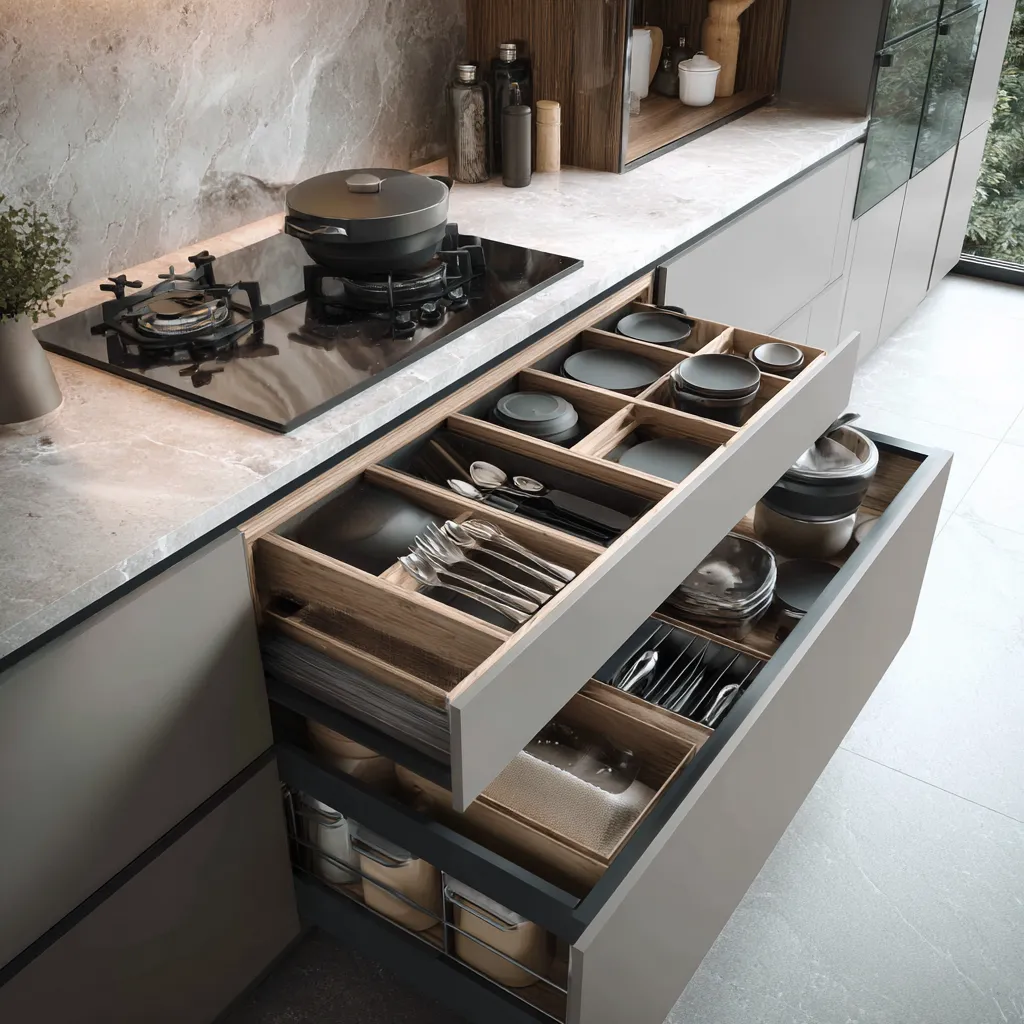
Deep cabinets look big. But things disappear inside them. Drawers keep everything visible. That's why most modern layouts now prefer them. It is one of the simplest kitchen design tricks that actually changes daily use.
Keep Landing Space Near Appliances
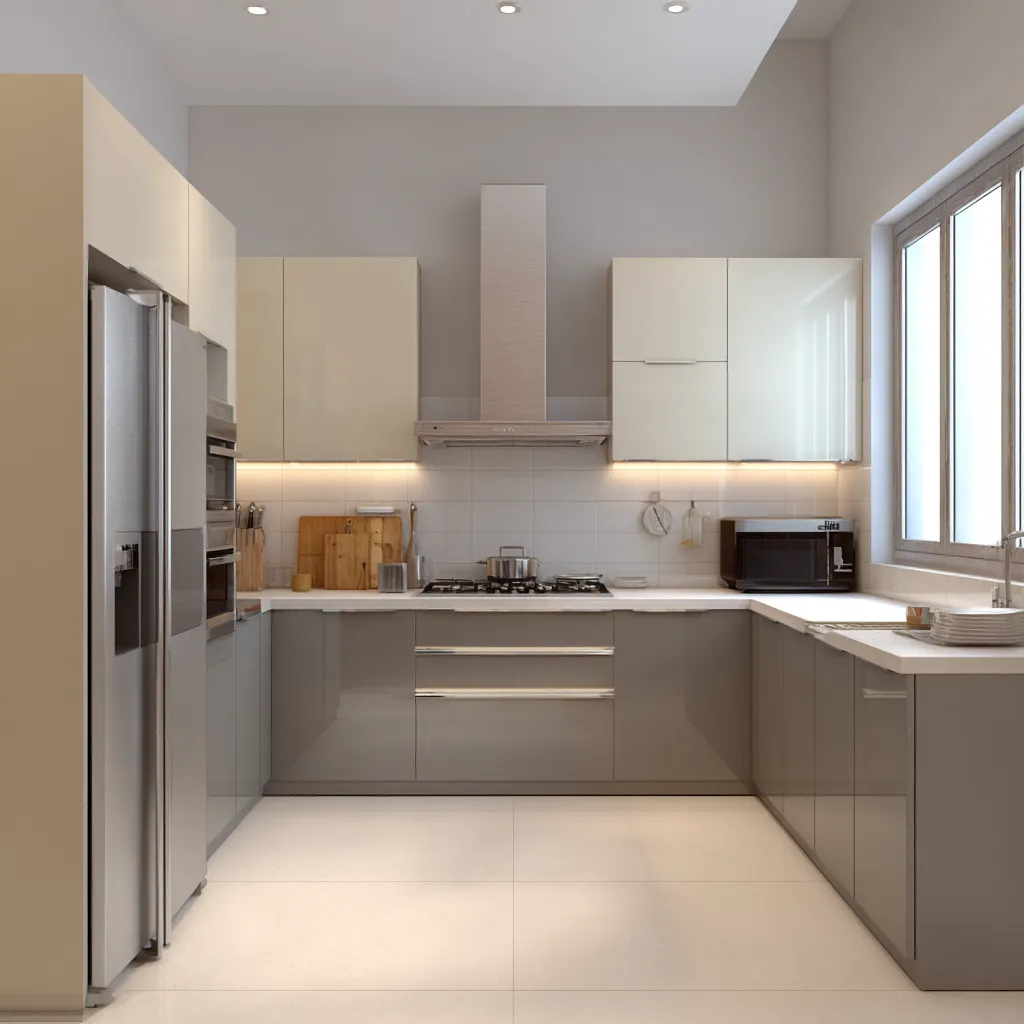
You need space beside the fridge. Beside the stove. Beside the sink. Not a huge space. just enough to place things comfortably. These small adjustments follow practical kitchen design guidelines that people often realise too late.
Choose Durable Materials That Match Your Budget
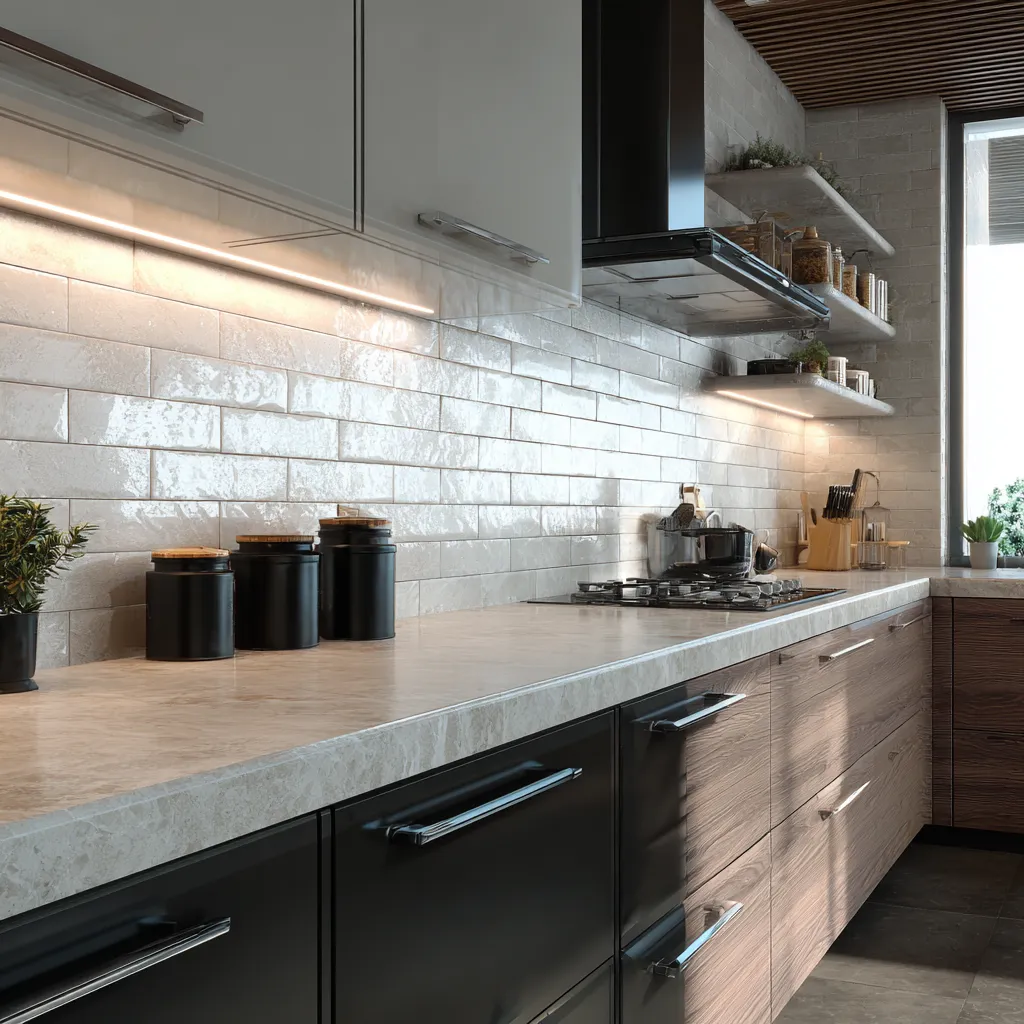
Cabinet finish decides maintenance effort more than appearance. Choose materials that are easy to clean and are long-lasting. Laminate works well for most homes. Acrylic looks sharp but needs care. PU gives a premium feel but costs more. Choosing the right kitchen cabinet materials and finishes saves trouble later.
Plan Drawer Layout Based On Daily Cooking Habits
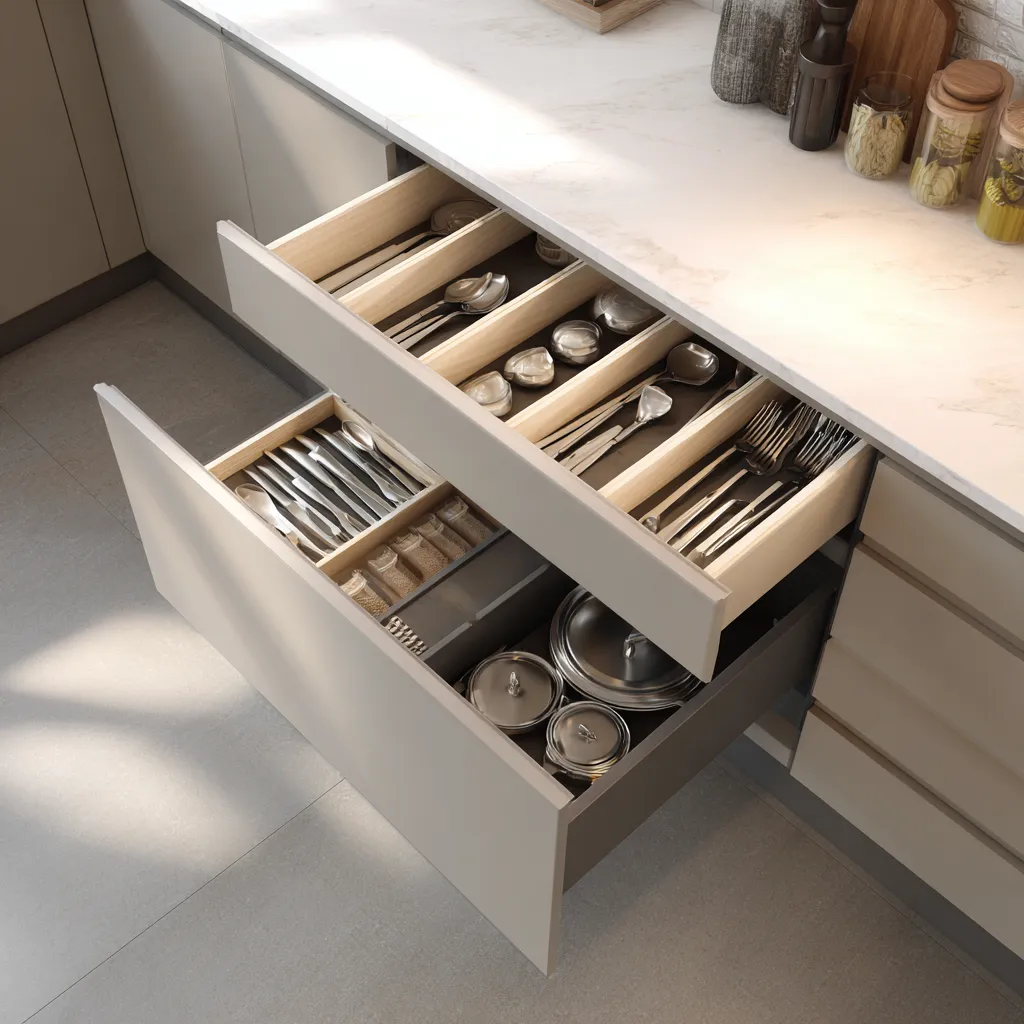
All drawers should not be the same depth. Cutlery needs shallow drawers. Utensils need medium ones. Cookware needs deeper ones. These small decisions are part of smart kitchen cabinet design tips that professionals usually follow.
Select The Right Countertop
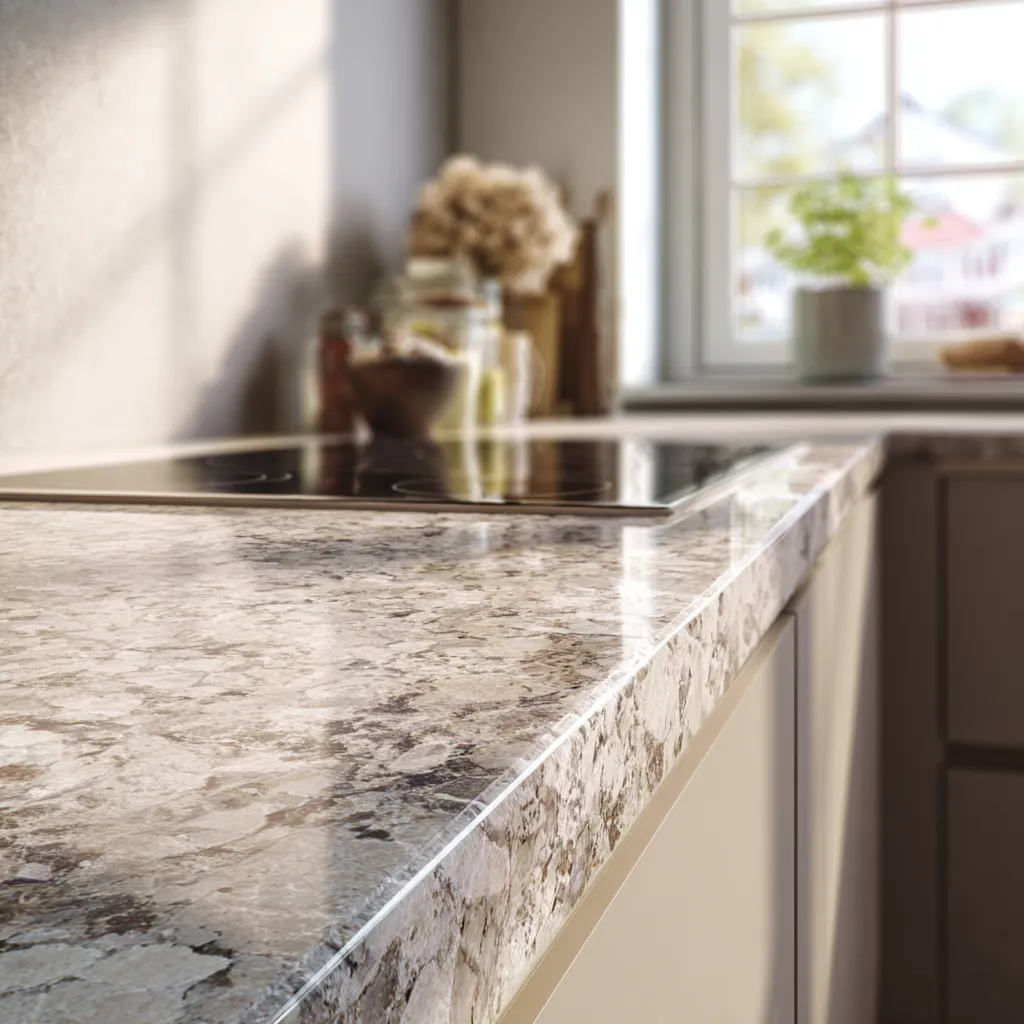
Your counter handles heat, water, chopping, and stains. Quartz works well for most houses. Granite stays durable for years. Choosing the right kitchen slab design makes everyday maintenance easier.
Layer Your Kitchen Lighting
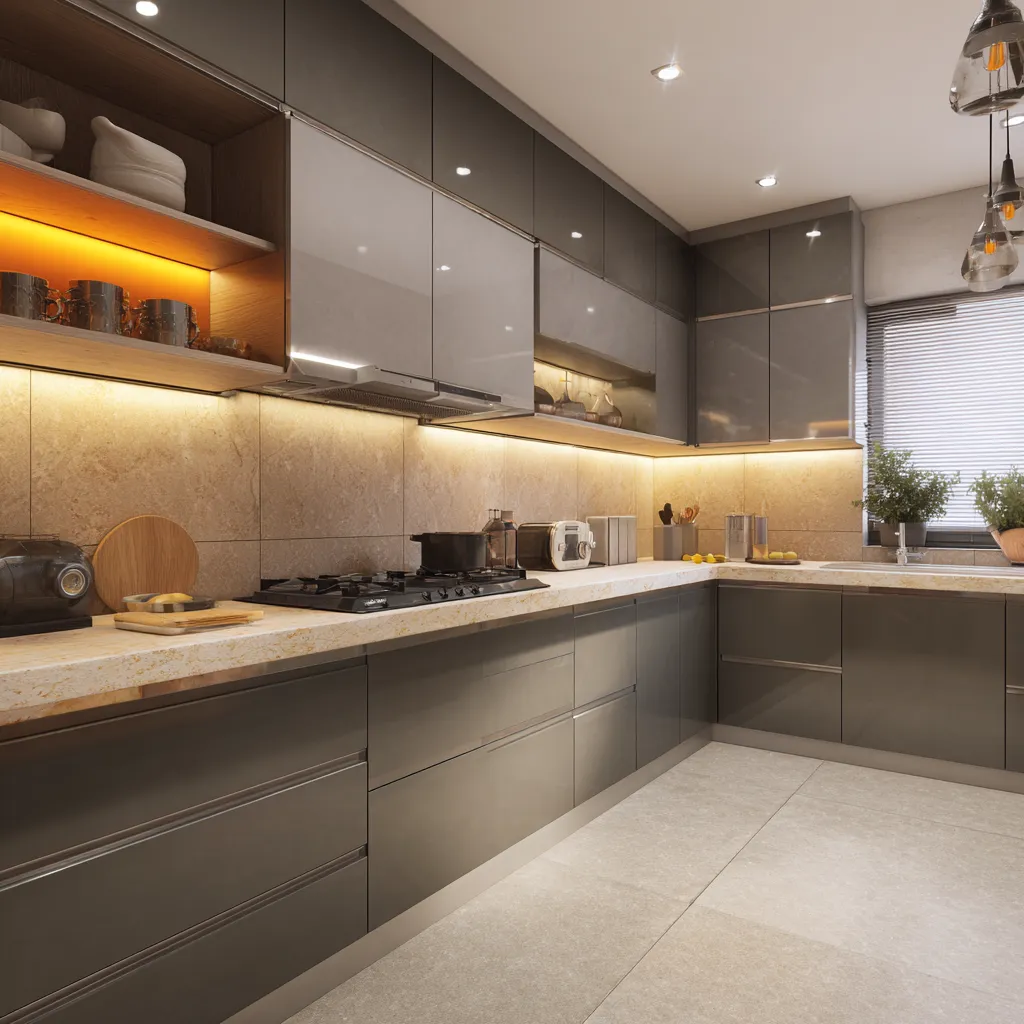
One ceiling light never feels enough once cooking starts. You need task lights near counters. Soft lighting for the room. Maybe under-cabinet lighting too. These layered setups are practical kitchen interior design tips that people appreciate later.
Don't Ignore Ventilation
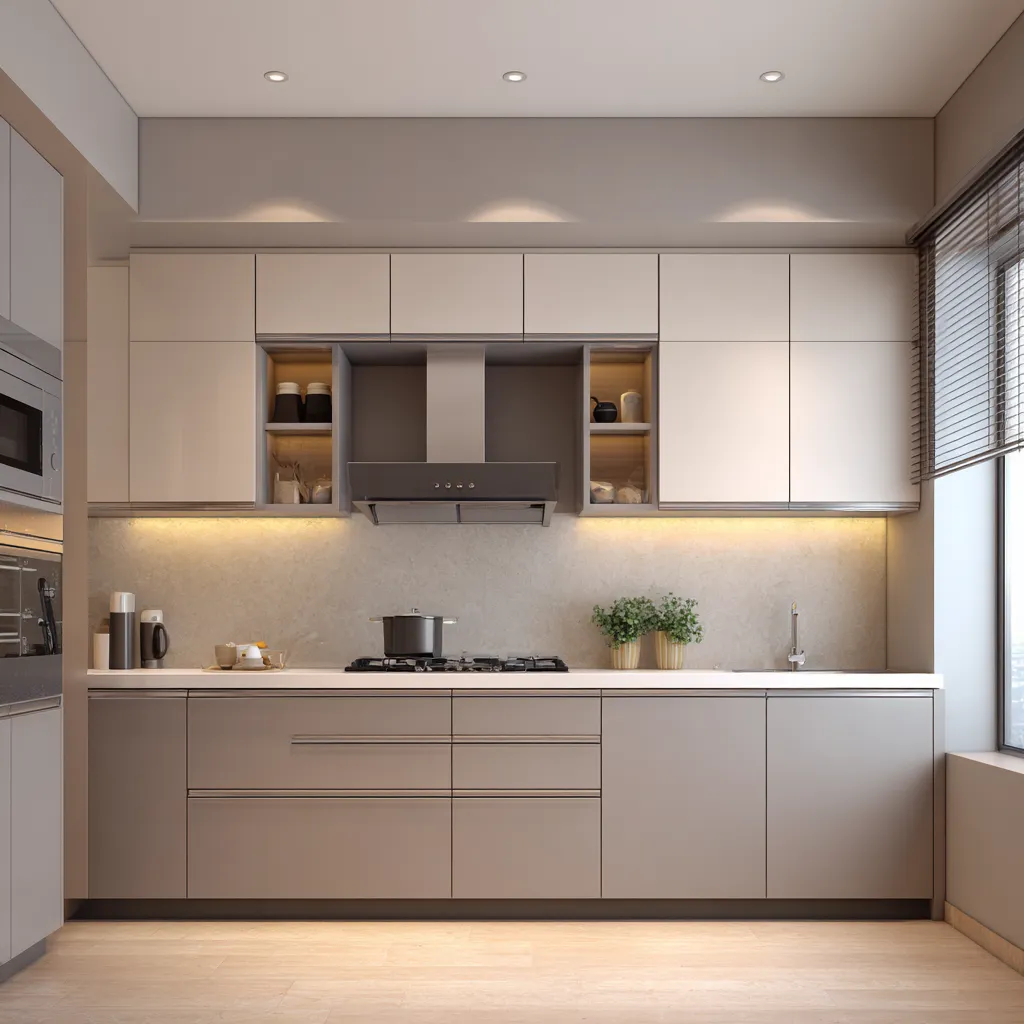
It's especially important in Indian kitchens. A chimney protects cabinets from grease build-up. It keeps the air fresh while cooking. Ventilation is also part of modern kitchen design regulations in many homes now.
Pick Colours That Feel Right
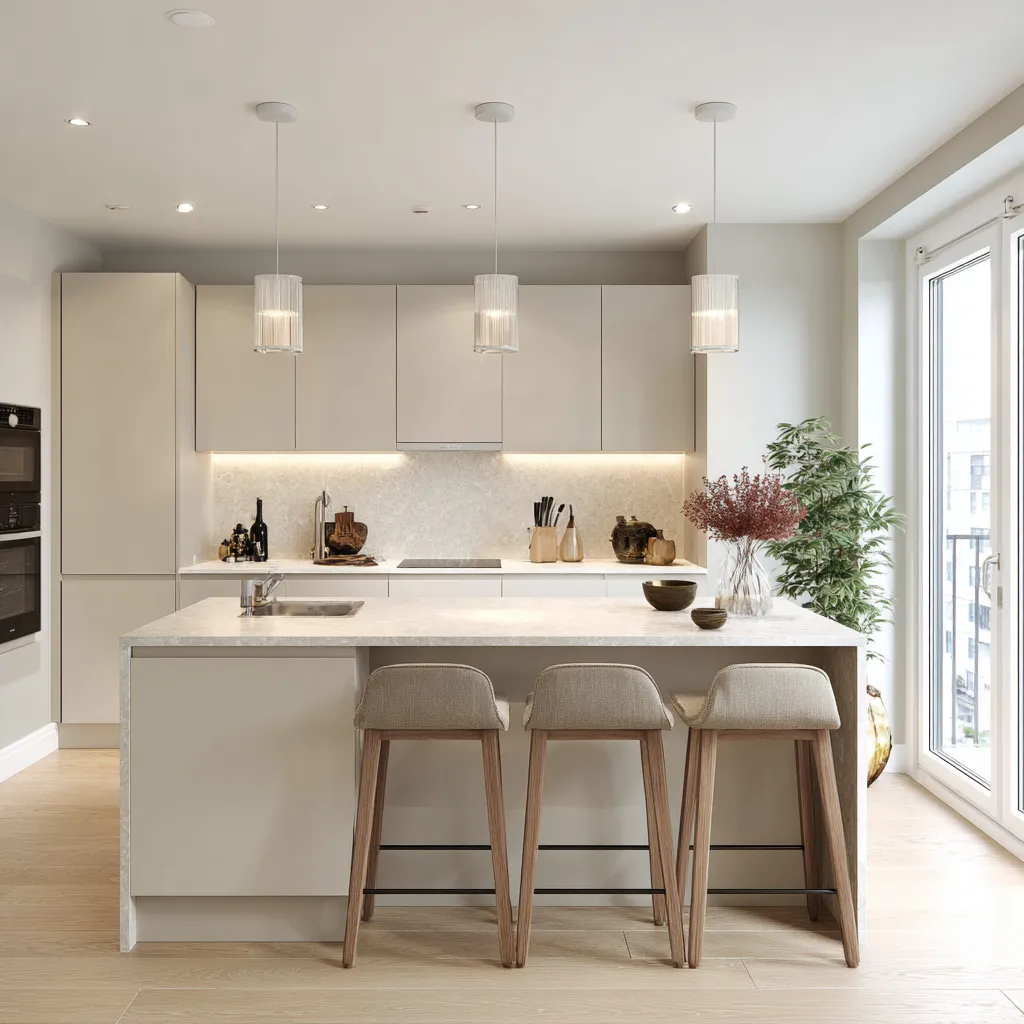
Colour can make your kitchen feel bigger or smaller. Light shades open small kitchens. Darker tones work well in larger layouts. A balanced kitchen colour combination usually stays timeless longer. Some homeowners also prefer choosing kitchen colours as per Vastu, depending on planning preferences.
Follow Comfortable Counter Heights
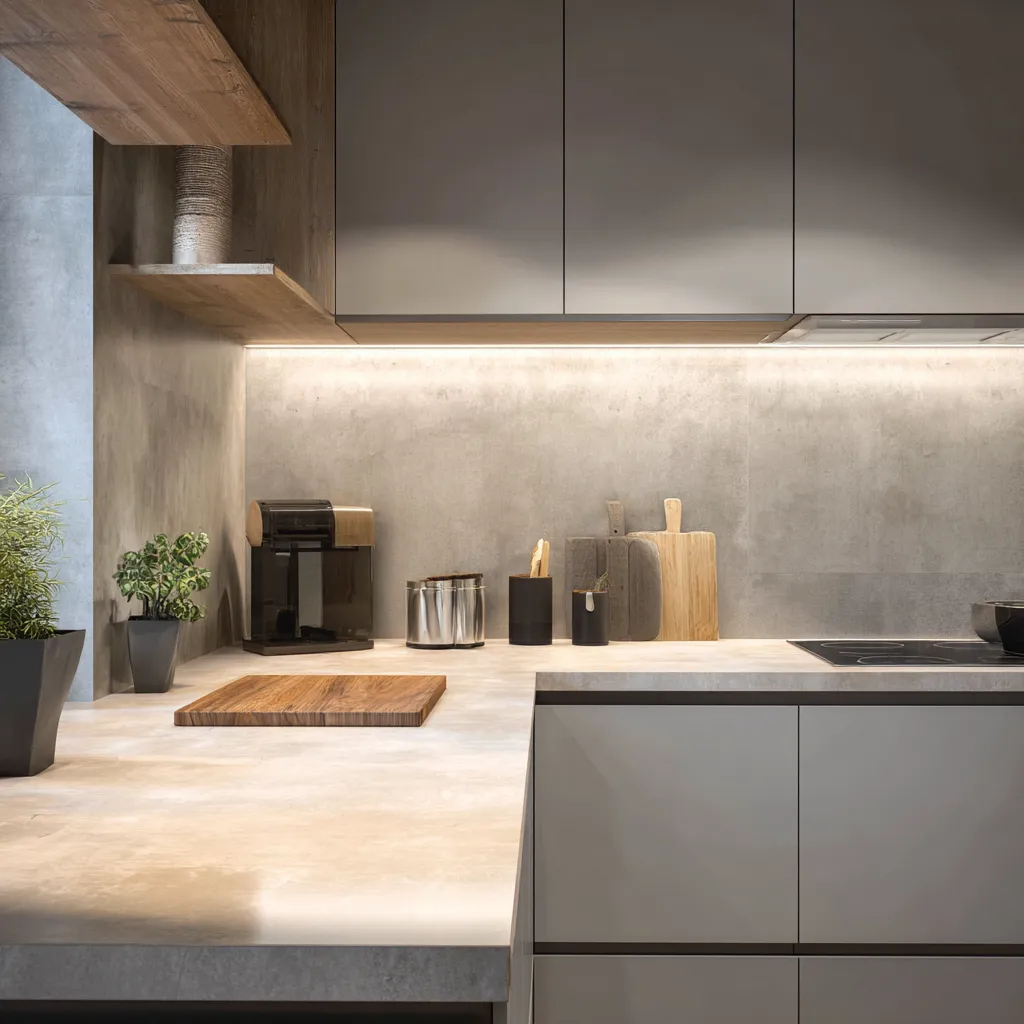
Counter height affects comfort more than style. Too low and your back hurts. Too high and the shoulders get tired. Checking ideal kitchen before installation helps avoid this completely.
Balance Open Shelves With Closed Storage
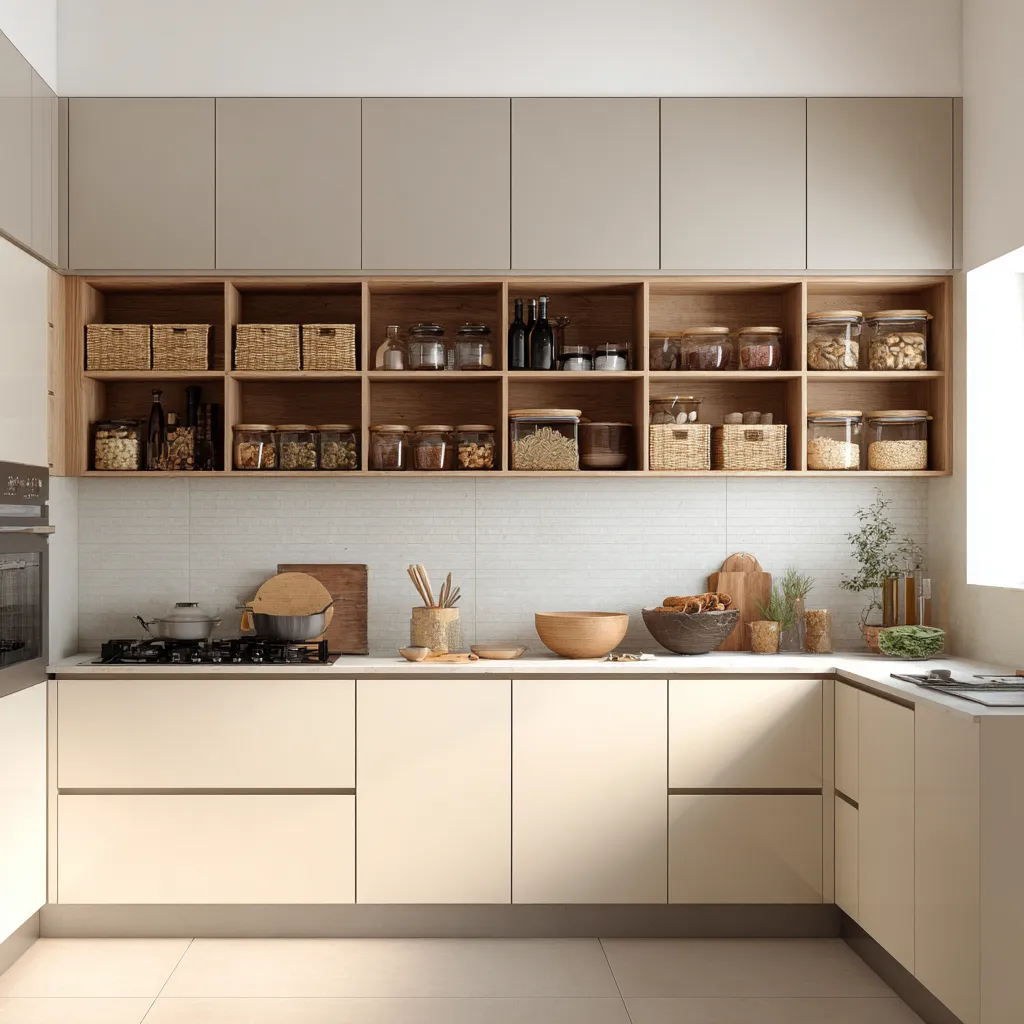
Open shelves look nice, but collect dust quickly. Closed cabinets hide clutter easily. Mixing both usually works best. It is one of the easiest kitchen decorating tips that improves the appearance instantly.
Plan Electrical Points Before Installation Starts
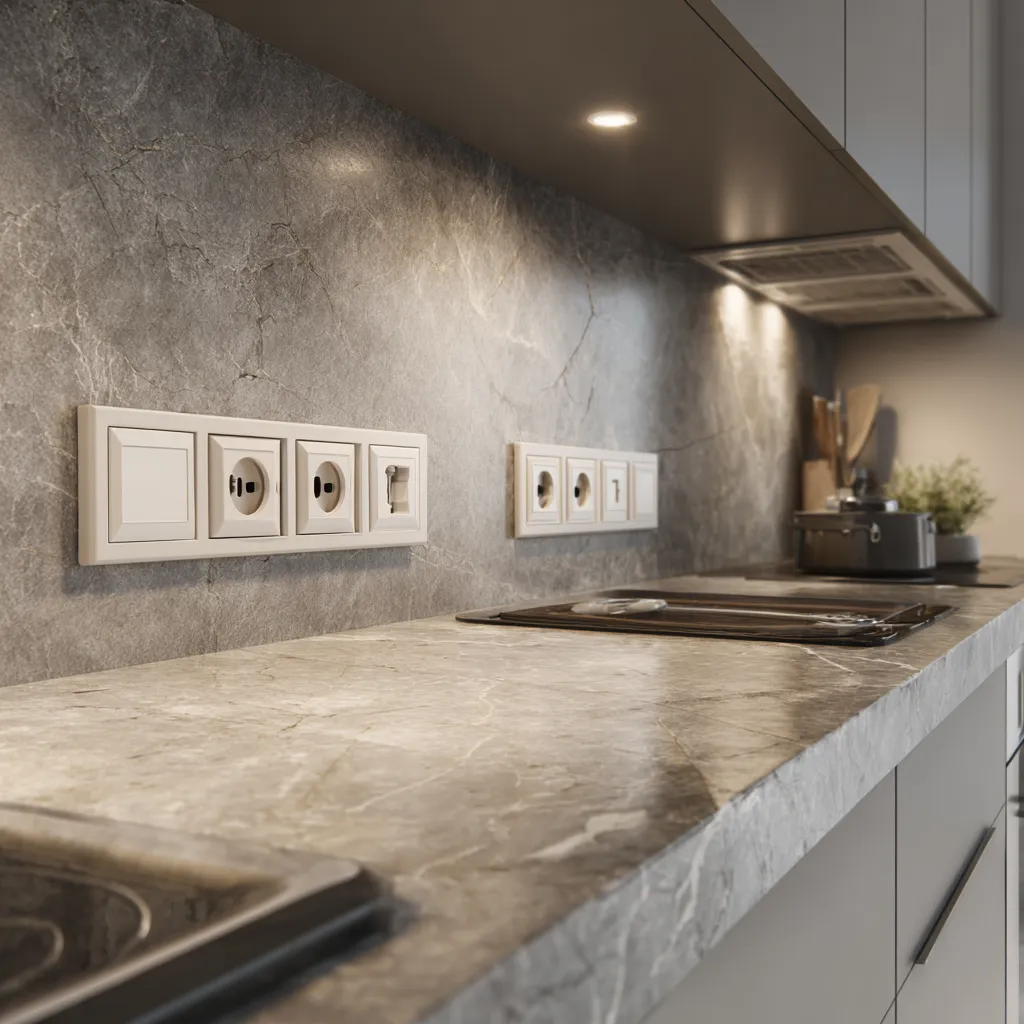
Appliances keep increasing over time. Mixe, toaster, microwave, and water purifier. Add enough electrical points accordingly. Early planning avoids visible wires later and keeps the kitchen from looking clumsy.
Think About Future Storage Needs
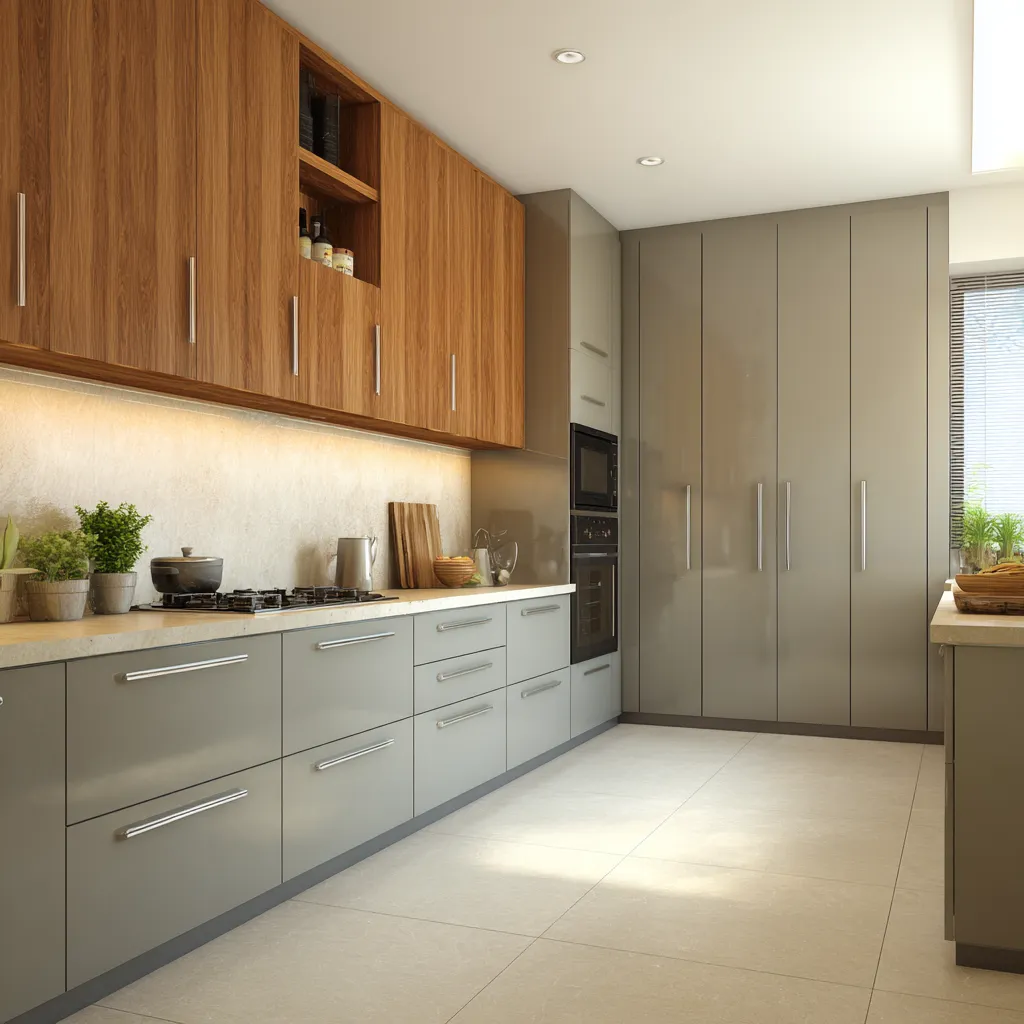
Your kitchen needs to change over time. More groceries, more appliances, and sometimes, more people cooking together. Extra storage and flexible layouts help to adapt later.
Choose Hardware That Lasts Years
Handles, hinges, and drawer channels are used every single day. Good hardware improves comfort quietly over time. That's why strong fittings matter in modular kitchen design tips.
Keep Countertops Clutter-Free
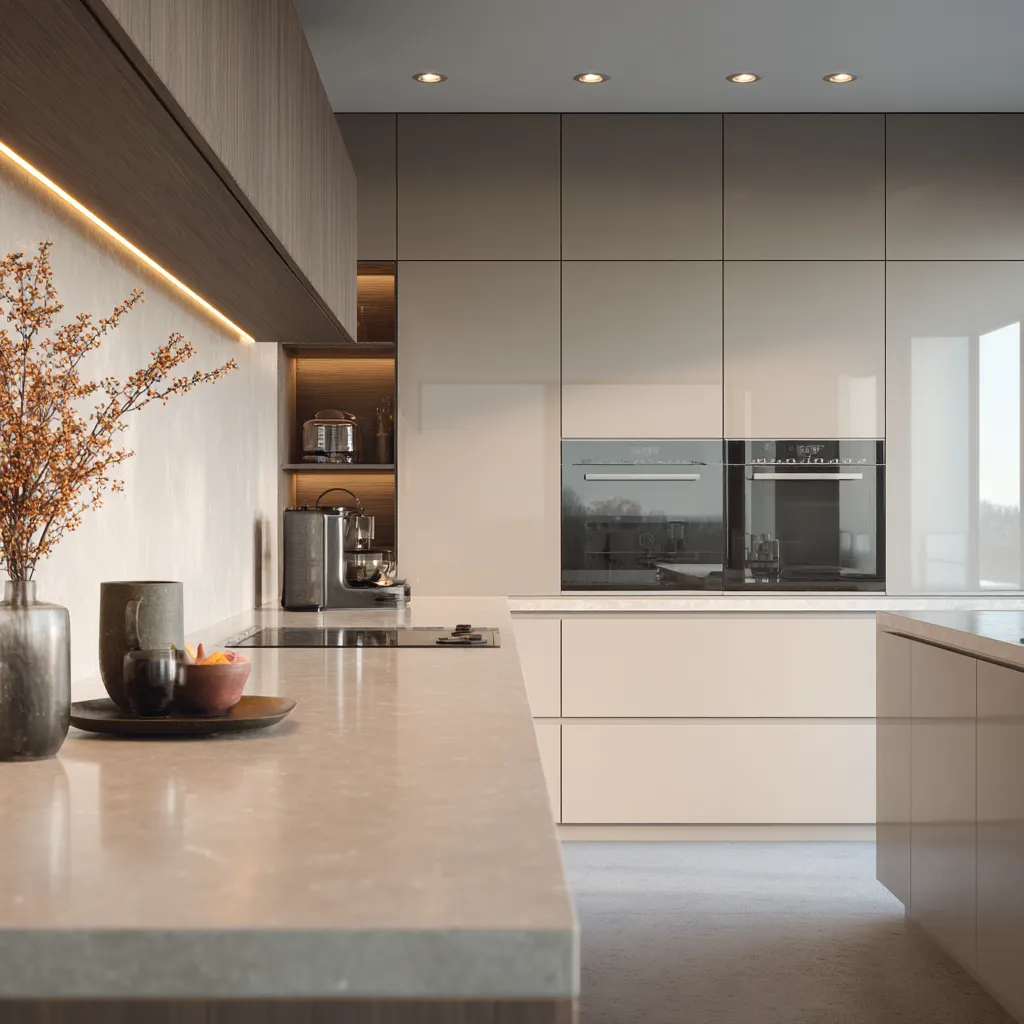
Too many appliances outside make kitchens feel crowded fast. Clear counters improve movement and cleaning. Simple kitchen room tips like this change how the kitchen feels daily.
Select Furniture That Matches Kitchen Size
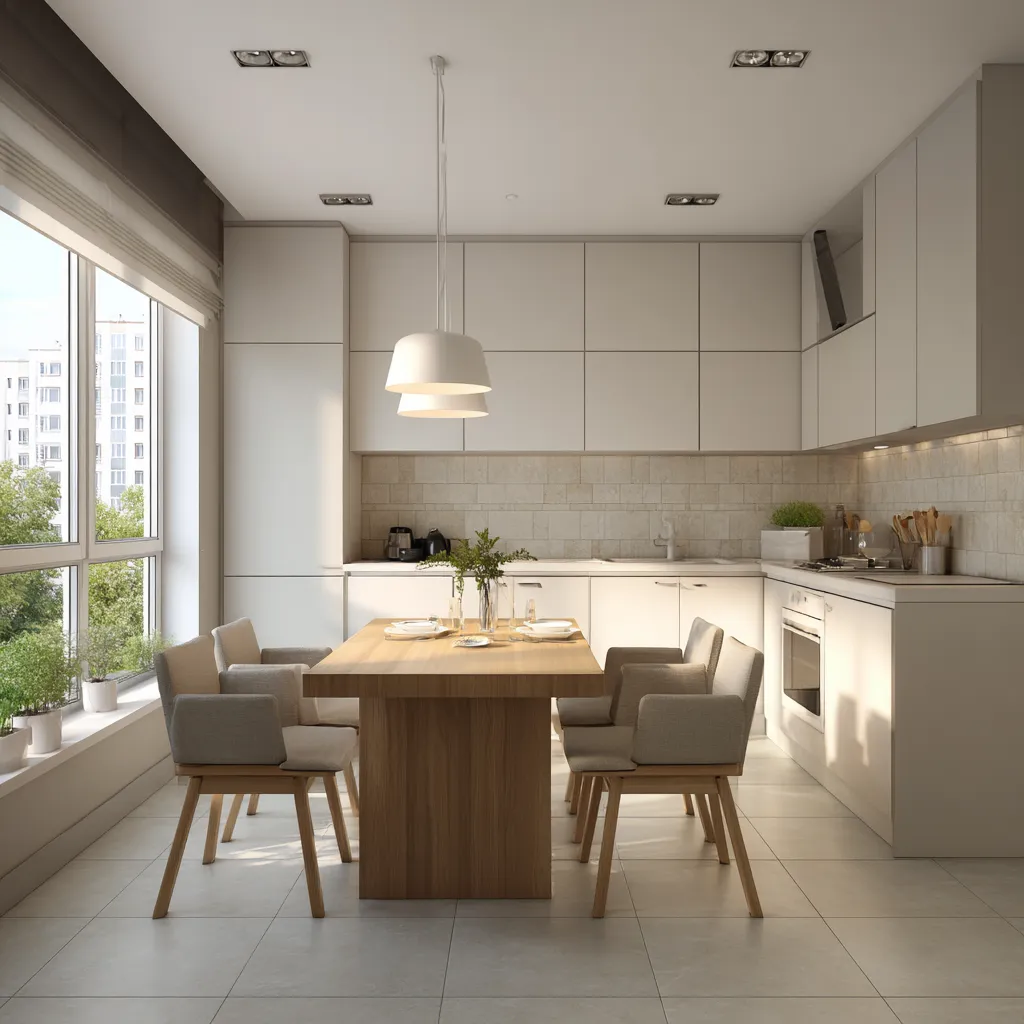
Large dining tables in compact kitchens reduce the available space for movement. Compact seating works better. They improve movement and comfort. It helps to keep the space open.
Pay Attention To Handle Design
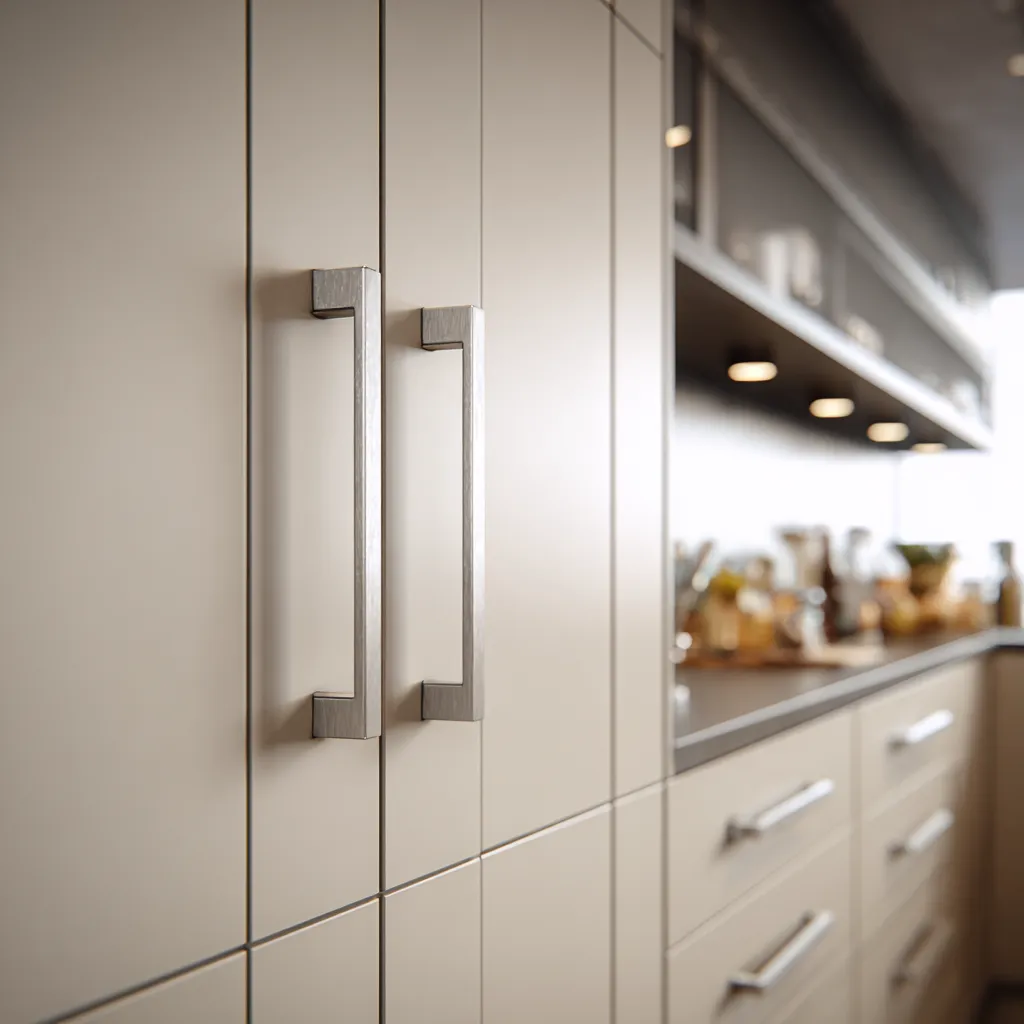
Handles affect comfort more than expected. Profile handles look clean. Long handles feel easier to grip. Choosing the right kitchen handle design improves usability every day.
Don't Ignore Kitchen Safety
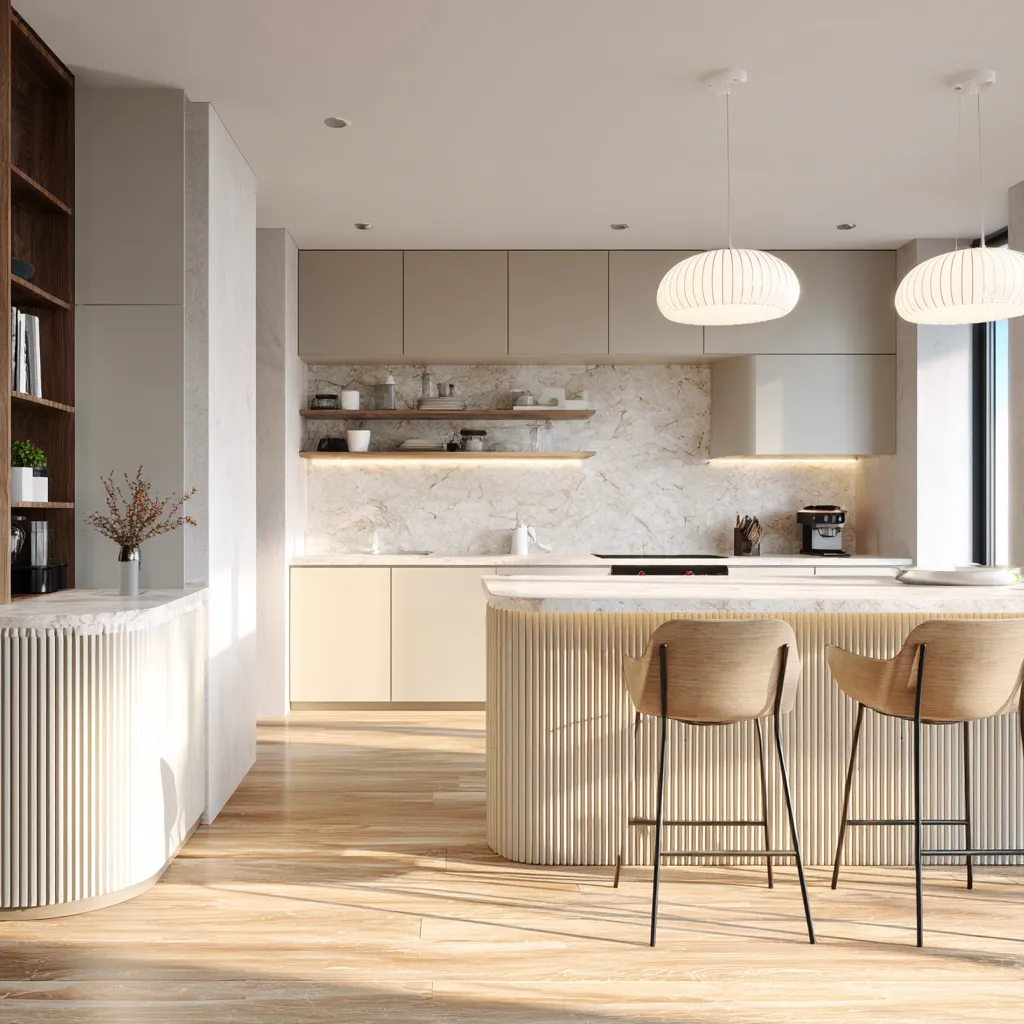
Rounded counter edges help. Slip-resistant flooring also helps. Accessible fire safety placement should also be considered. It's important but often ignored kitchen interior tips.
Personalise The Kitchen Without Overdoing Trends
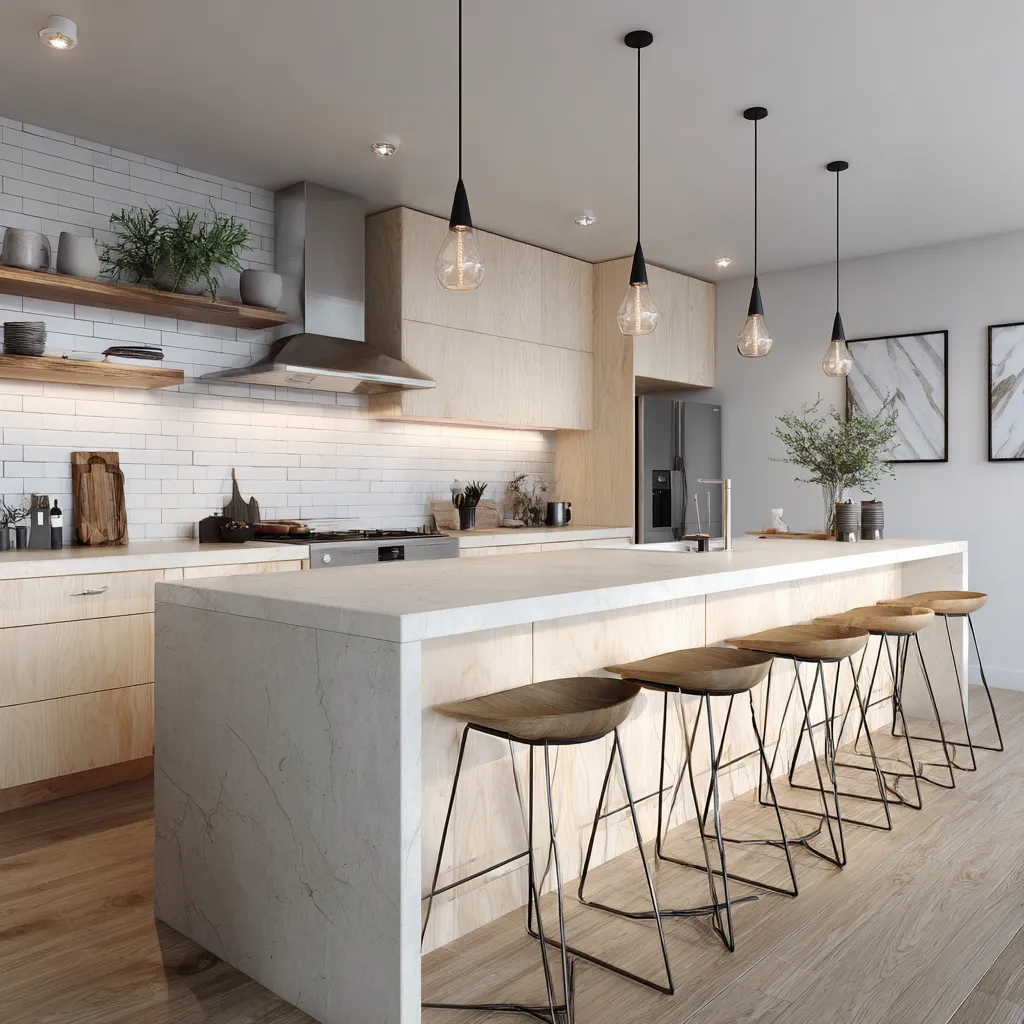
Trendy finishes look exciting today. But simple kitchens stay comfortable longer. That's why timeless choices remain part of the best kitchen design tips professionals usually suggest.
Visualise Daily Cooking Before Finalising The Plan
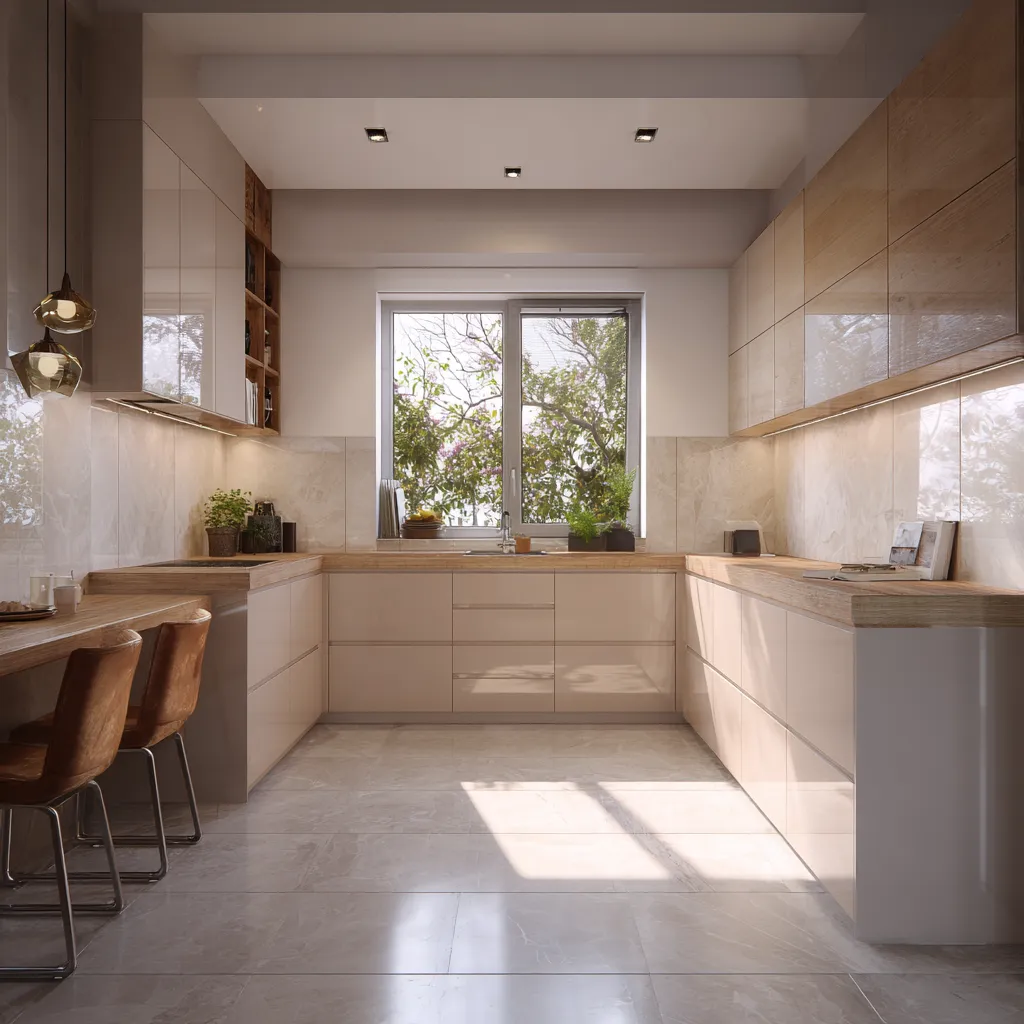
Imagine making a full meal inside your planned layout.
- Where will vegetables be chopped?
- Where will hot utensils go?
- Where will groceries land first?
This simple exercise catches mistakes early. It's one of the most practical kitchen design tips and tricks people rarely try.
Consider Vastu Direction If It Matters To You
Some homeowners prefer planning layouts based on the kitchen direction as per Vastu. South-east placement is commonly recommended. Planning this early makes adjustments easier later.
Balance Style With Function
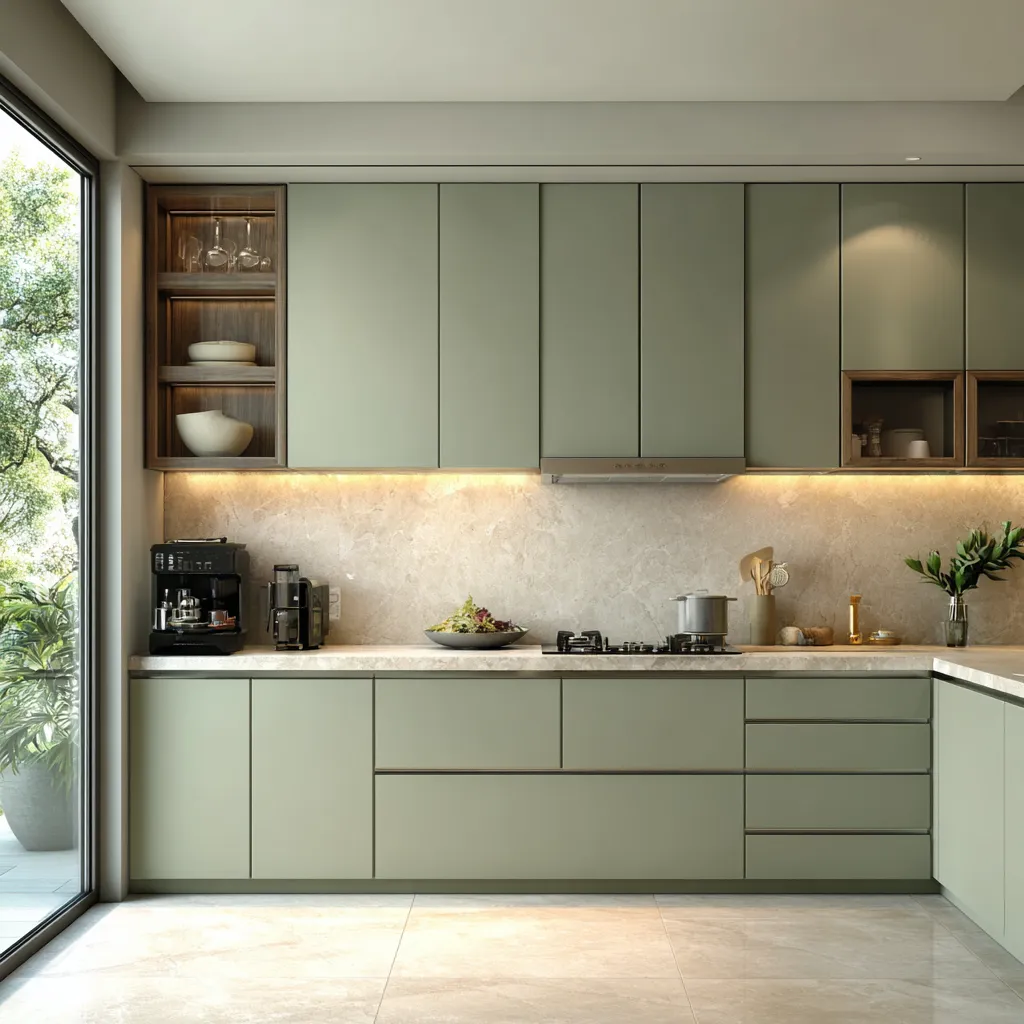
A kitchen should look good. Yes. But it should also feel easy to use every single day. Following the right kitchen design advice early keeps the kitchen comfortable, organised, and easy to maintain for years.
Modular Kitchen Tips That Save Effort Every Day
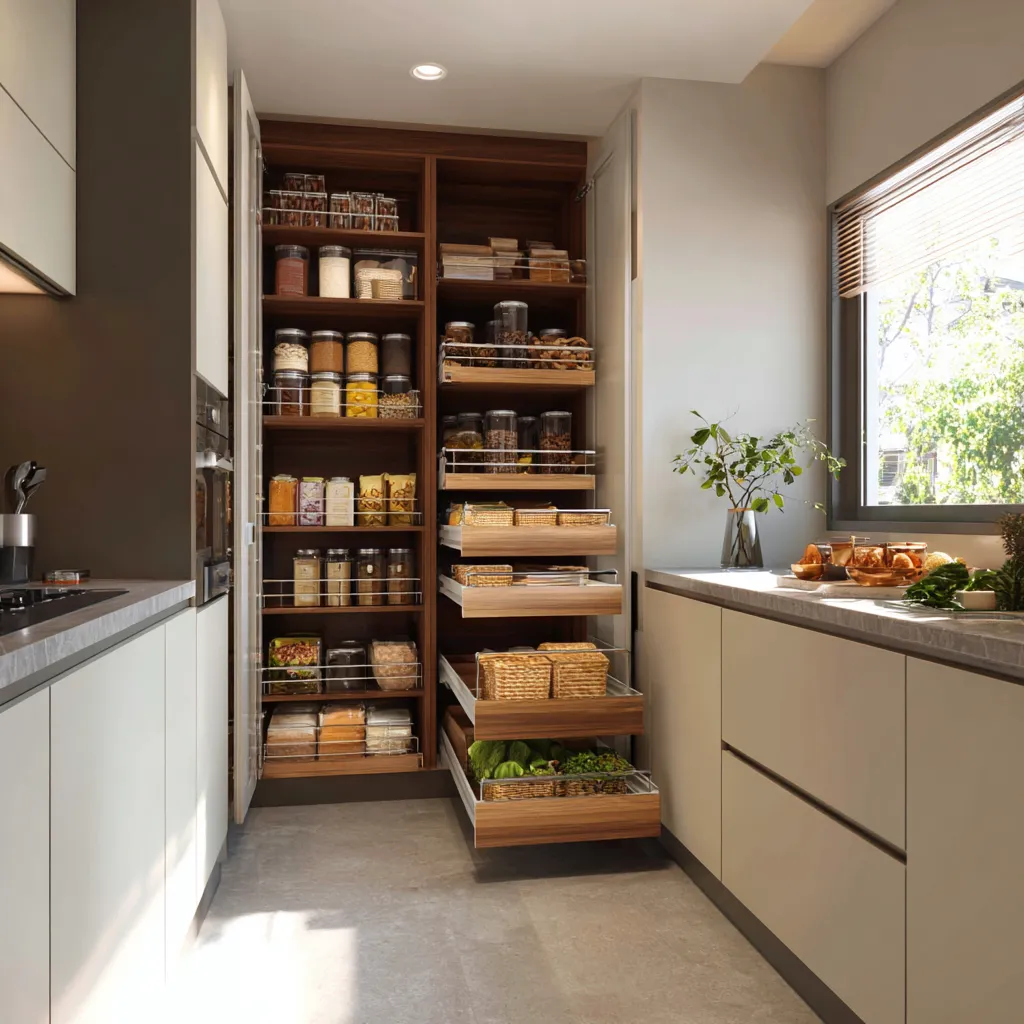
People choose modular kitchens mostly for storage. But the real benefit is flexibility.
- Adjustable shelves help later.
- Soft-close drawers reduce noise and wear.
- Pull-out baskets keep groceries visible.
- Corner units prevent dead storage space.
These small changes are the kind of modular kitchen tips that improve daily comfort without increasing the budget too much. Good modular kitchen design tips are rarely about appearance. They're about movement and access.
Ideal Kitchen Dimensions To Keep In Mind
Dimensions decide whether a kitchen feels comfortable or tiring. Following these ideal kitchen dimensions makes cooking smoother and easier.
- Counter height usually works best around 34 to 36 inches.
- The walkway space should be at least 3 feet.
- The distance between the stove and sink should allow easy movement without crowding.
Common Kitchen Design Mistakes To Avoid
Most kitchen problems don't happen because of the budget. They happen because planning happens too late. Avoid these major mistakes for a good kitchen design:
- Ignoring walkway space is one mistake.
- Adding too many open shelves is another.
- Keeping the fridge too far from the prep area makes cooking slower.
- Not planning enough electrical points creates clutter later.
These small errors are exactly what good kitchen design advice helps prevent early.
A Kitchen Planning Checklist Before Locking The Design
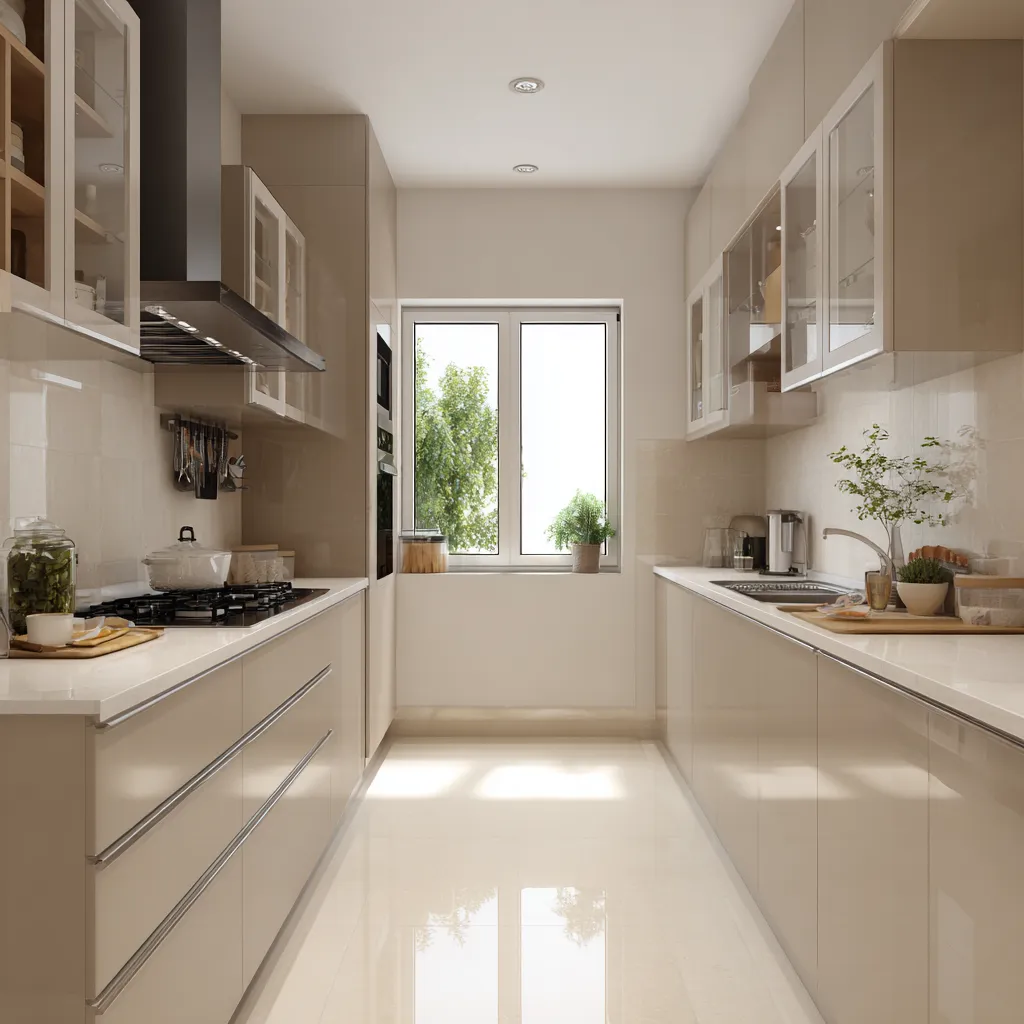
Before installation starts, it helps to quickly check a few things once more.
- Is there enough counter space near the stove?
- Are drawers placed near cooking zones?
- Is the tall storage blocking natural light?
- Are electrical points enough for future appliances?
- Is the chimney position aligned properly?
Following this checklist keeps your home interior design decisions practical and comfortable in the long term.
Getting The Details Right From The Start!
Planning a kitchen usually feels simple at first. You think, okay, just pick the layout, choose cabinets, decide colours and finishes, and it should come together. But once the process actually starts, there are suddenly too many small decisions to handle at once. These things don't look big in the beginning, but they matter later. Following the right kitchen design advice early makes everything smoother and saves you from fixing things after installation.
If you're planning a new kitchen or even renovating an old one, getting some expert help honestly makes the whole process less stressful. That's where Interior Company comes in. The team will help you figure out layouts, storage planning, materials, finishes, and all the small details people usually miss at first. The idea is simple. You end up with a kitchen that feels easy to use every day and still looks good for years.
'Images used are for representational purposes only. Unless explicitly mentioned, the Interior Company does not hold any copyright to the images.'

Ready for a home transformation?
Let our designers assist you!
Recent Posts







There isn’t one perfect layout for everyone. Compact homes usually benefit from an L-shaped modular kitchen design. Narrow kitchens work better with parallel kitchen design. Larger homes can comfortably support a U-shaped kitchen design or even an island setup if space allows.
Decide layout, slab material, cabinet finish, electrical points, appliance positions, and storage zones first. Changing these later becomes expensive. Following these early new kitchen tips keeps the process smoother and avoids delays during execution.
Movement comfort matters most. The sink, stove, and refrigerator should stay within easy reach. This is one of the oldest rules for designing a kitchen and still the most reliable.
Modular kitchens usually provide better storage planning and flexibility. With the right materials, they also last longer. That’s why many homeowners follow modular kitchen tips while designing new layouts.
It depends on the available space. Narrow rooms work well with parallel kitchen design. Medium homes suit an L-shaped modular kitchen design. Larger spaces can accommodate a U-shaped or island kitchen design.
Light tones make kitchens feel bigger. Neutral combinations stay timeless. Many homeowners also follow kitchen colours as per Vastu, depending on preference.
Start with layout first, then storage, then materials. Make sure the walkway space feels comfortable. Keep the sink, stove, and fridge within easy reach. Plan lighting and ventilation early. These simple kitchen design guidelines prevent the most common planning mistakes before installation even begins.
Keep the layout simple. Use vertical storage properly. Choose lighter colours. Avoid bulky furniture. These small kitchen room tips make compact kitchens feel more open.
Enough storage means your countertops stay mostly clear during daily use. Groceries, utensils, appliances, and cleaning items should all have fixed places. Planning drawers, overhead cabinets, and a kitchen tall unit design together usually solves storage problems in most homes.
Keep colours simple. Use handleless or minimal kitchen handle design styles. Add under-cabinet lighting if possible. Limit open shelves. Even small upgrades like these create a clean, modern style kitchen design without major cost changes.
Related Category
- Exterior Design
- Furniture
- Home Decor
- Materials
- Walls and Texture