- Design Ideas
- Cities
- Trends
- Guides
- Price Calculators
- Interior DesignersNEW
- Our Portfolio
- More



- Home
- Trends
- Construction
- Tips And Advice
- What Do Interior Designers Do
What do Interior Designers Exactly do?

Who is an Interior Designer?
An interior designer is a trained person who plans a space before work begins. They do not come in only at the end to choose cushions or lamps. Their primary role starts when the room is still empty or half done, and the key decisions are still open.
Table of Content
What Do Interior Designers Really Do?
Interior Designer vs Interior Decorator vs Interior Architect
Types of Interior Designers and What They Handle
Skills You Need to Be an Interior Designer
What Tools Do Interior Designers Use?
How to Become an Interior Designer?
What Do Interior Designers Charge?
Who Hires Interior Designers and When Should You Call One?
Conclusion
They first study the room as it stands. They check the room’s size. They see where the doors are. They note the position of the windows. They ask how many people will use that space and what must be kept inside it. This helps them see early where things can go wrong if nothing is planned.
They also watch out for minor issues that usually show up later. A door that might hit a cupboard. A bed that could block access to a drawer. A dining chair that may not pull out fully once a wall unit is built. Instead of fixing these problems after the furniture is ready, they try to remove them from the drawing itself.
An interior designer prepares clear layouts and basic instructions that workers can follow. Contractors, carpenters, electricians and plumbers all look at the same plan. This reduces confusion on site and saves you from having to repeat the same explanation to each person.
So when you hire an interior designer, you are not paying only for colour ideas. You are asking someone to turn a bare room into a clear, workable plan that can be built step by step.
What Do Interior Designers Really Do?
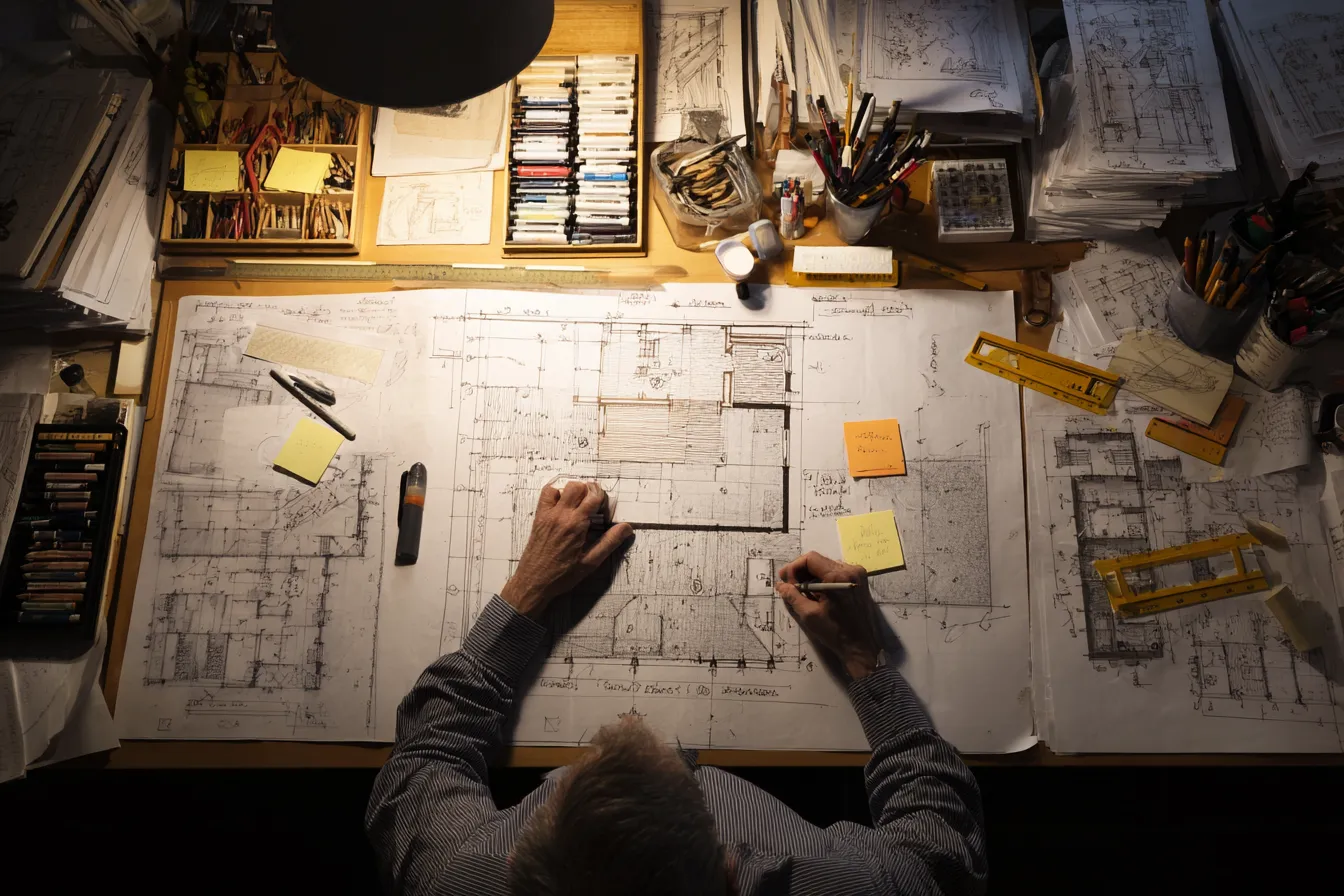
Interior designers handle a wide range of tasks that most people never notice until they try planning a room on their own. Their work begins long before decoration. It starts with understanding the space and how it will be used in daily life. They talk to you about your routine, the items you use often, and the corners that usually get crowded. This helps them see what the room needs and what it can avoid.
Designers also create a layout that shows where each major item should go. This is not a random guess. They measure the space, mark furniture sizes, and adjust the plan until the room feels workable on paper. Once the layout is ready, they look at materials, storage options, plug point placements, and simple practical choices that make life easier later.
Interior Designer vs Interior Decorator vs Interior Architect
People often get confused about these three roles, but each one works on a different layer of the space. They don't replace one another, and they don't enter the project at the same time.
What does an Interior Designer handle?
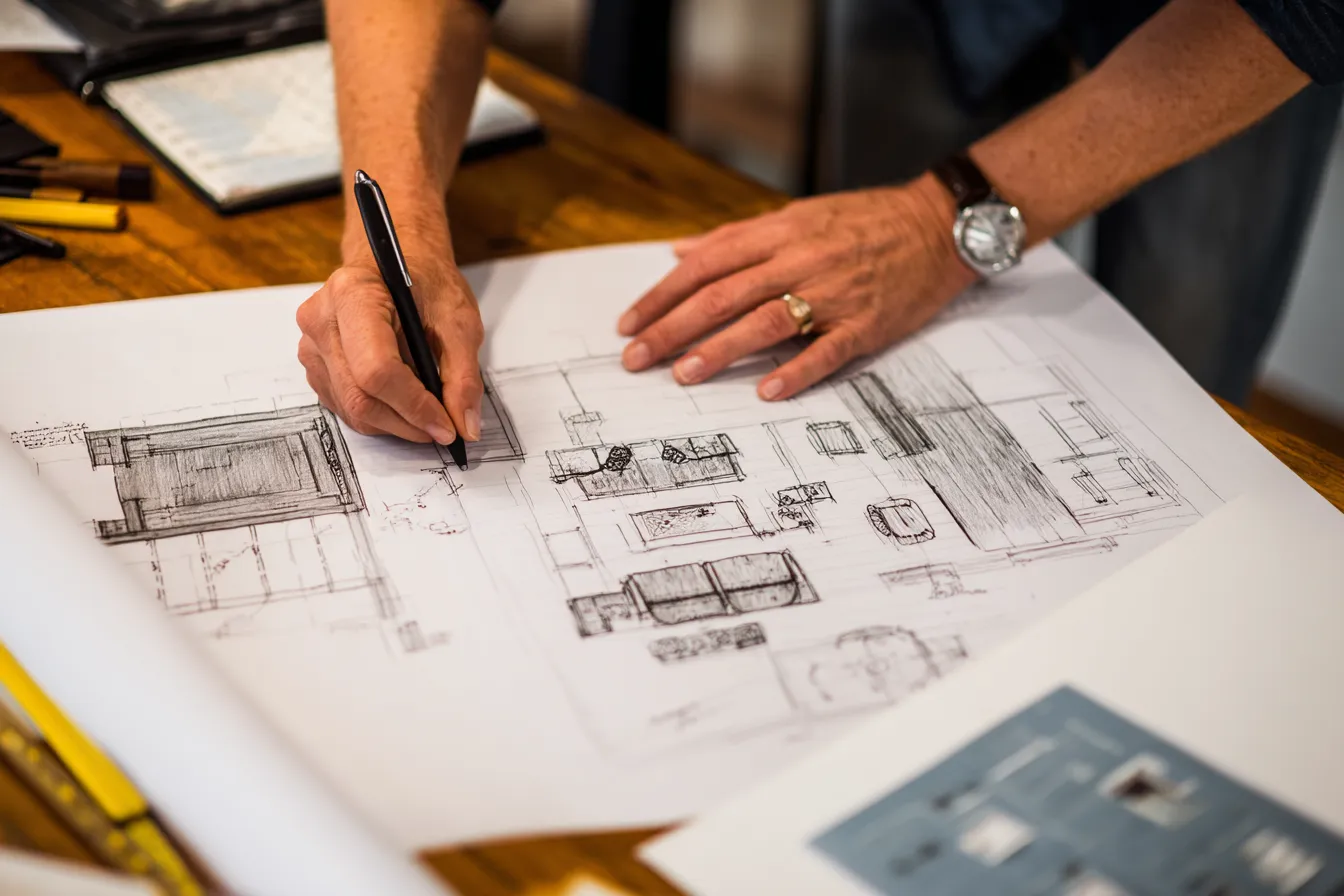
An interior designer deals with the planning of the interior of a room. They look at measurements, the size of the furniture you need, storage areas, and the points where switches and lights will be. Their work starts early. They create drawings, guide the contractor, and check the setup as it moves forward. Most practical decisions go through them before anything is built.
What Does an Interior Decorator Focus On?

A decorator steps in once the room has its primary structure and fixed furniture. Their work is on the surface level. They select loose furniture, curtains, rugs, lamps, artwork and other items that make the room look complete. They don't shift walls or change built units. Their job is to bring the room together after the foundations are already fixed.
What does an Interior Architect Work On?

An interior architect focuses on the structural aspects of the home. They study where walls can be moved, where openings can be altered, and how different rooms can connect more effectively. They review building drawings and ensure the changes can be built safely. Some projects need both an interior architect and an interior designer. One handles the structure, and the other arranges the practical setup within it.
Types of Interior Designers and What They Handle
Different designers work on various kinds of spaces. The work changes based on what the room needs and how it will be used.
Residential Interior Designers
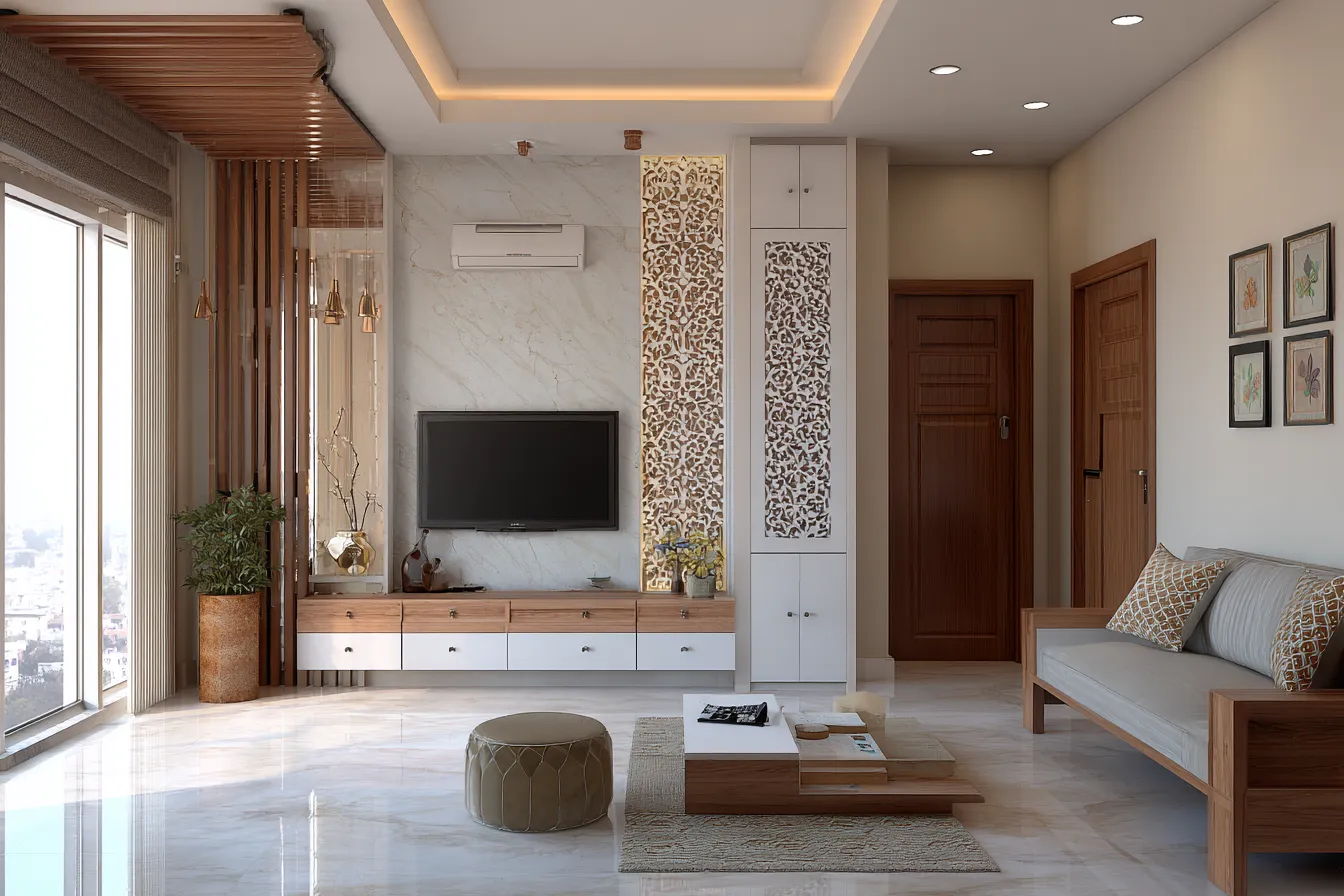
They handle master bedrooms, kitchens, living rooms and storage units for homes. Their work is to plan where the main pieces should go, check for clear space for movement, and make sure the setup can be used every day without trouble. They also guide the carpenter and contractor through the drawings.
Commercial and Office Designers

These designers work on shops, offices and other work areas. They plan desk layouts, seating zones, meeting corners and storage. They consider long hours of use, wiring needs and steady foot traffic. The aim is to keep the place organised throughout the day.
Home Designers and Decor Stylists

They join the project after the main layout and fixed units are ready. Their focus is on loose items such as chairs, sofas, lights, curtains, and rugs. They add pieces that complete the room without changing walls or building furniture.
Turnkey Interior Designers
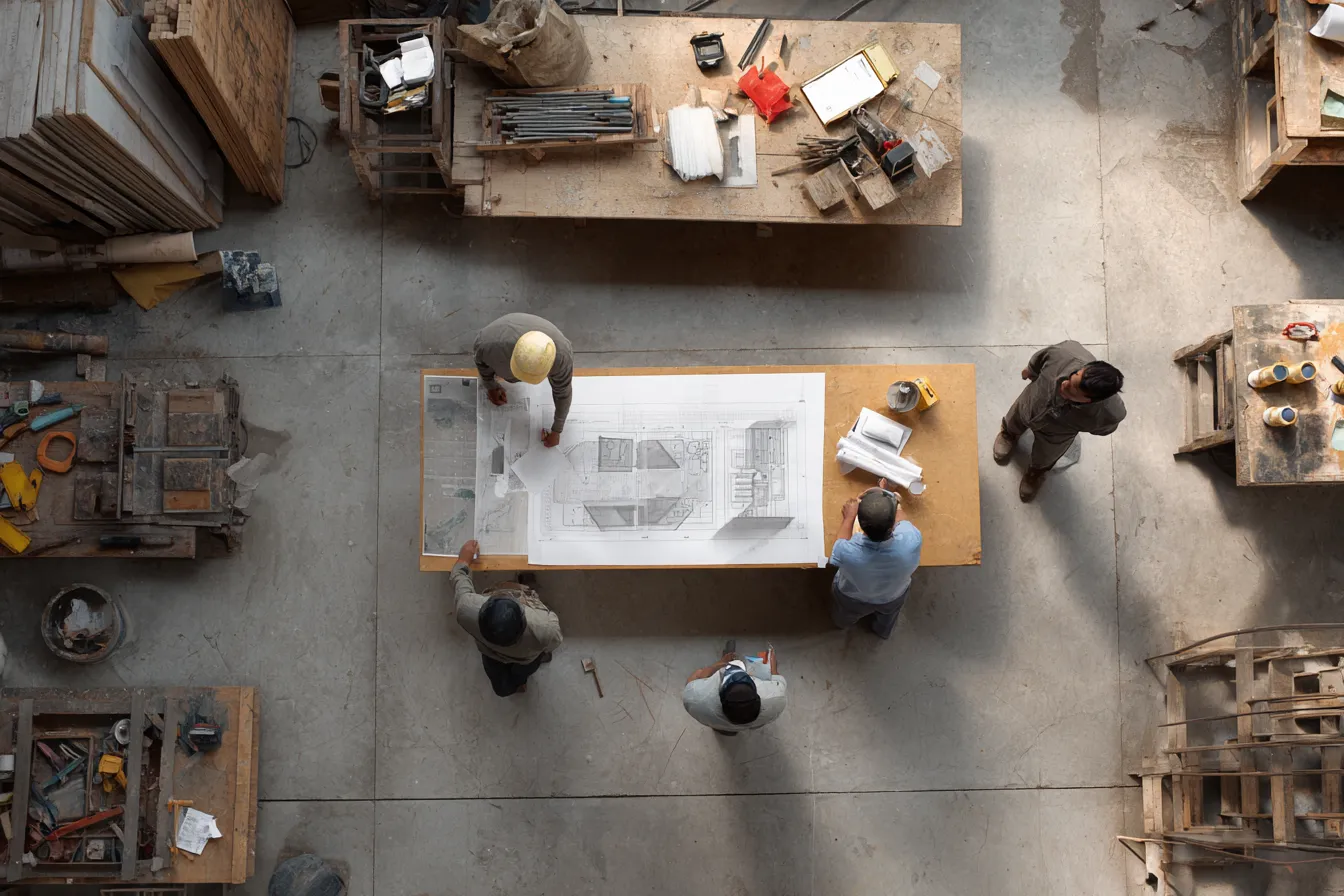
A turnkey designer handles the entire project from the initial plan to the final fitting. They take care of layouts, materials, workers and installation. You work with one team rather than managing several people on-site.
Skills You Need to Be an Interior Designer
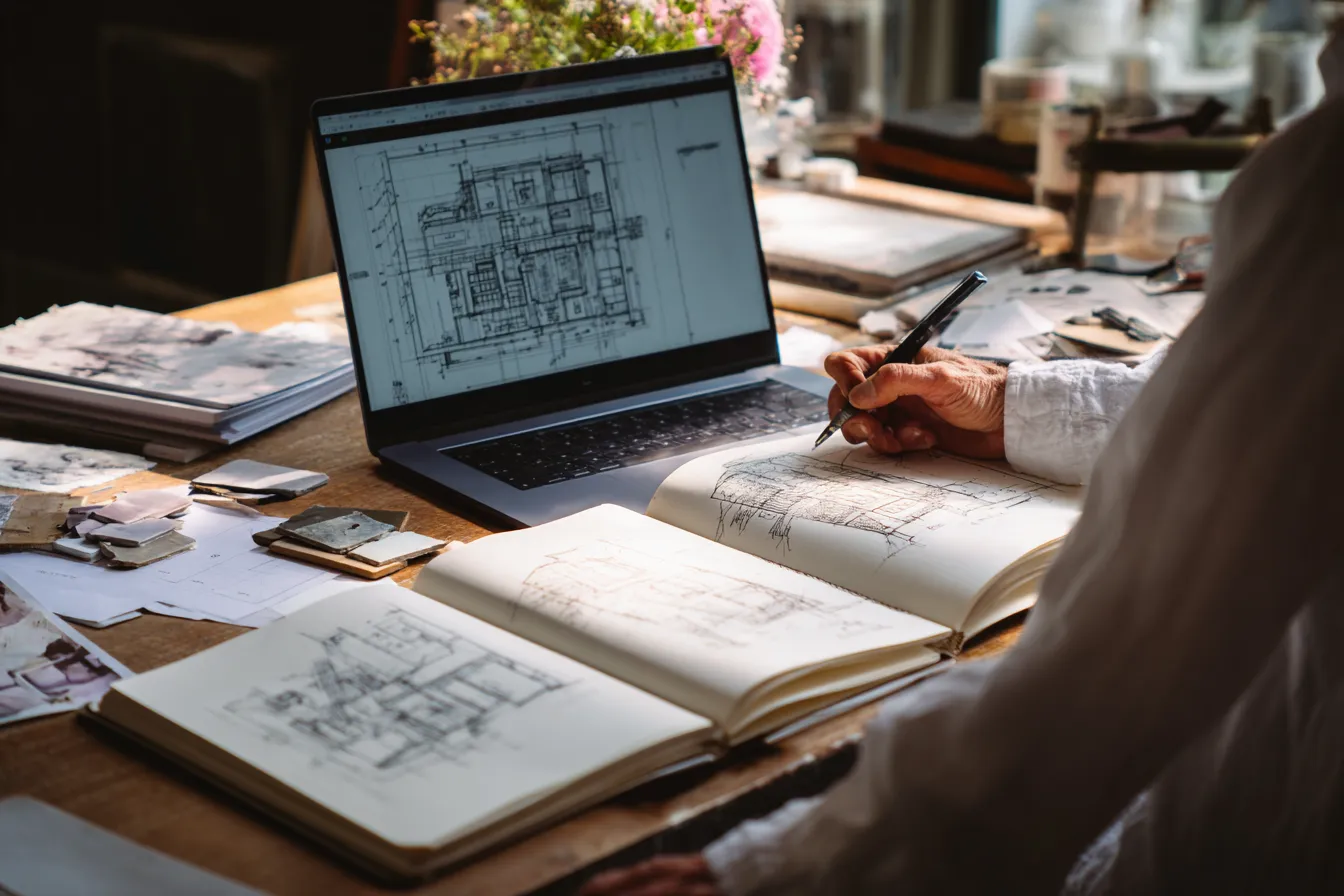
Interior designers work with people, drawings, and on-site teams, so the skills they need are a combination of practical, day-to-day abilities.
Understanding Space and Basic Planning
A designer must read a room correctly. They should know how to measure it, lay out a plan, and place furniture without creating tight corners. They need to judge whether a plan will work before the items are built.
Knowing Materials and Their Use
Designers should know which materials can handle heat, moisture, cleaning and daily use. They must guide clients on what lasts longer and what may cause trouble later. This helps avoid repairs and rework.
Reading Drawings and Sharing Clear Instructions
They must read floor plans and create basic drawings that workers can follow. Carpenters, electricians and contractors rely on these drawings, so the designer must keep them clear and easy to understand.
Talking to Clients and Workers
Designers need steady communication skills. They have to understand the client’s requirements, explain the plan in easy terms, and clear up any doubts for the people working on site. This keeps everyone aligned during the project.
Managing Time and Small Decisions
A designer must track small tasks across the project. They need to notice delays, remind workers of pending work, and make quick decisions when something unexpected arises on site.
What Tools Do Interior Designers Use?
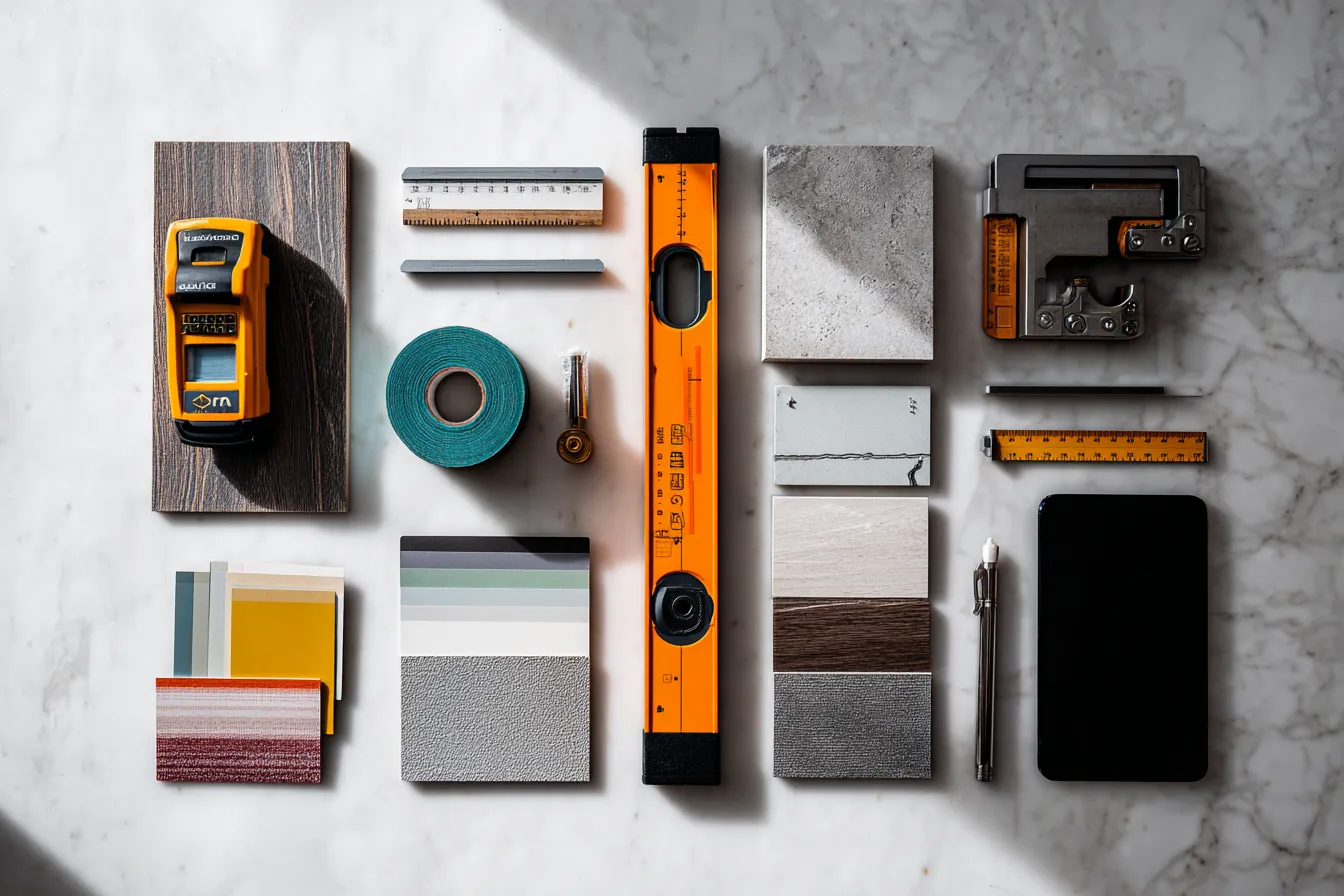
Interior designers do not work with only mood boards and ideas. They carry measuring tools and sample kits, and use design software to turn those ideas into precise drawings and site instructions.
Drawing and Planning Tools
Most designers start with a rough hand sketch on paper or a notebook. After that, they shift to basic design software. Common tools include AutoCAD for 2D floor plans, SketchUp for simple 3D views, and, sometimes, Revit or 3ds Max for detailed visuals. For quick mood boards and material layouts, many use Canva, PowerPoint or simple image editors. These drawings show wall lengths, clear furniture sizes, door swings, plug points, and light points, so the client and contractor see the same plan and do not have to guess on site.
Measuring Tools
A standard steel measuring tape still sits in almost every designer's bag. For longer rooms and tall walls, many now use a laser distance metre, which gives quick readings without needing two people. A basic spirit level helps them check if platforms, shelves and tiles are straight. Some also carry a small angle tool or set square to check corners, especially for modular kitchens and wardrobes.
Material and Sample Tools
Designers usually keep a small kit of sample books and panels. This may include laminate catalogues, veneer swatches, fabric cuttings, tile chips, stone pieces and paint shade cards. They place these against your existing floor, wall and window light to see how each finish behaves in real conditions. Some use portable light temperature cards to check how a colour looks under warm and cool lights. This is more reliable than relying solely on catalogue photos.
Site Check and Coordination Tools
On-site, most of the work runs through a mix of paper and phone. Designers carry printed drawings marked with measurements and notes. A plain notebook is used to jot down issues, sizes and changes agreed with the client. Their phone handles photos, site videos, WhatsApp groups with carpenters and electricians, and quick mark-ups over images. Some designers also use simple project-tracking sheets in Excel or basic apps to log which room is at what stage, but the key tools remain regular visits, precise drawings, and written records of decisions.
How to Become an Interior Designer?
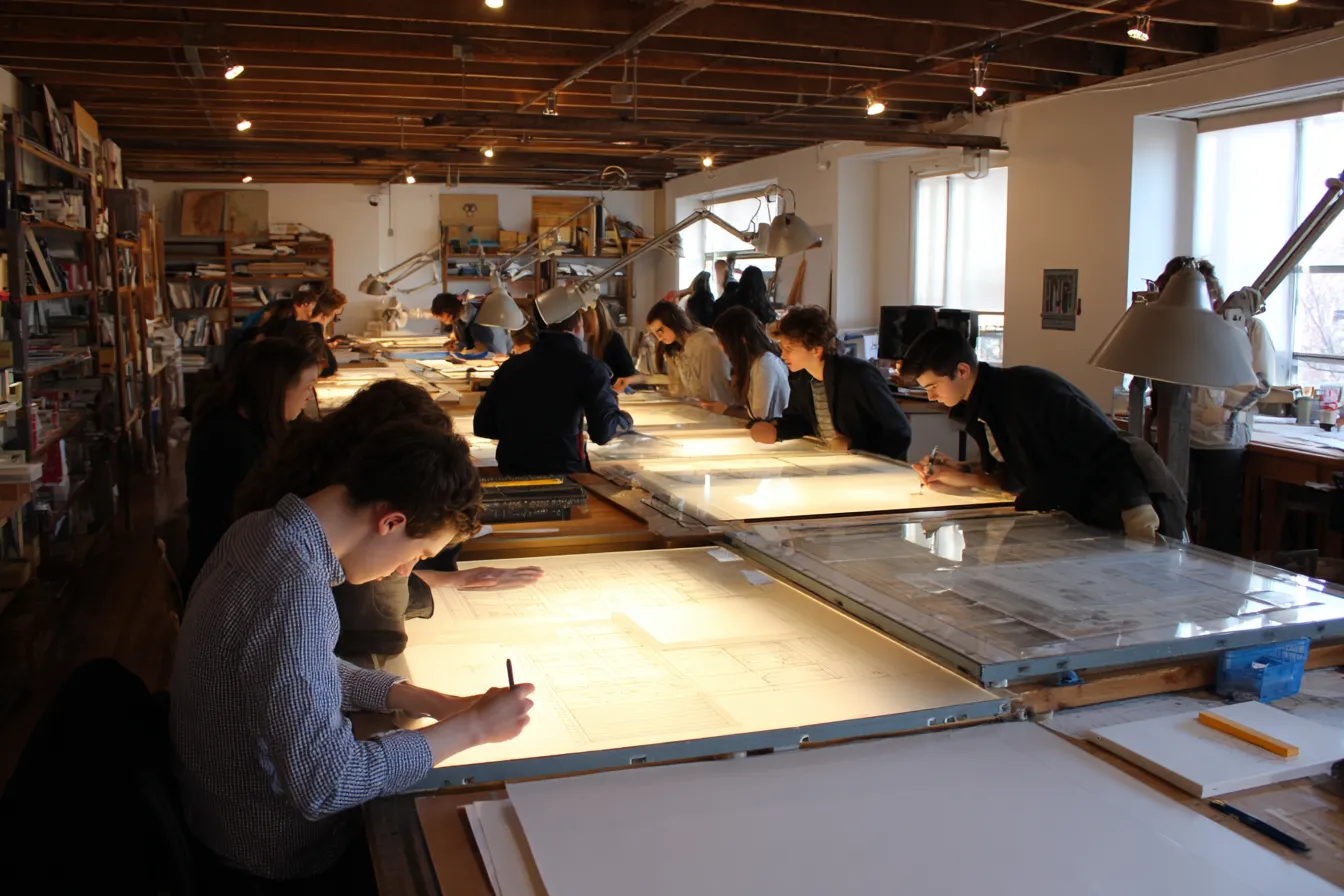
There is no single path, but most people follow a few common steps to enter the field of interior design as a career.
Studying the Basics
Many designers start with a diploma or degree in interior design or a related subject. These courses teach basic drawing, planning, materials, colour use, lighting and simple construction details. They also help you understand how a design project moves from idea to site work.
Learning Through Internships
After or during study, working as an intern under a practising designer or firm is useful. This is where you see real sites, listen to client meetings and understand how drawings are turned into actual work. You also learn how to manage workers and resolve minor on-site issues.
Building a Small Portfolio
New designers usually collect photos, sketches and drawings of the projects they have worked on. This becomes their portfolio. It does not have to be very large at the start, but it should show precise before-and-after results and the role they played in each project.
Starting With Small Projects
Most designers begin with small rooms, single kitchens, wardrobes or one flat at a time. This stage helps them practise planning, costing and coordination in a manageable way. Over time, they move to larger homes, offices, or full-site projects.
What Do Interior Designers Charge?
Interior designers in India do not follow one fixed fee. Charges vary by city, flat size, type of work, and the designer's experience. In general, design'only fees usually fall between '¹50 and '¹500 per sq ft, while full interiors with materials can range from '¹800 to '¹3,500+ per sq ft, depending on how basic or premium the work is.
Fixed Design Fee
Some designers quote one lump'sum amount for the full design package. This normally covers layout planning, drawings, basic 3D views, material suggestions and limited site visits. For a small to mid'size home, flat design fees can range from '¹2 lakh to '¹10 lakh. Large or luxury homes may sit in the '¹10'50 lakh bracket when the scope is wide and the work is detailed.
Percentage of Project Cost
In turnkey jobs, designers sometimes charge a share of the total project value. For regular homes, this is typically 5'15% of the interior cost. High'end or luxury work can move closer to 15'25%, as it usually needs more design time and closer supervision.
Per Square Foot Charges
Many firms and independent designers prefer a per'square'foot rate because it links the fee to the area being designed. For design'only work, common rates range from '¹50 to '¹500 per sq ft, depending on the project’s complexity. When the same team handles both design and execution of materials, the overall interior spend for homes often falls between '¹800 and '¹3,500+ per sq ft, depending on the finish level and city.
Who Hires Interior Designers and When Should You Call One?
Interior designers are called in at different stages, as required. The right time to involve them is earlier than most homeowners think.
New Homeowners
People who have bought a new flat or house often hire a designer before starting any work. This helps them plan all rooms properly, avoid unnecessary civil changes and keep carpentry, painting and electrical work aligned with one clear drawing set.
Families Renovating an Old Space
When a home feels cluttered, dated or hard to use, families bring in a designer to rework key areas like the kitchen, wardrobes, living room or bathrooms. The designer helps decide what to keep, what to change and how to bring everything into a cleaner plan.
Owners of Shops, Clinics and Offices
Business owners hire designers to make sure their work space functions well for staff and visitors. Layout, wiring, storage, lighting and basic seating are important here, and a designer helps set this up in a way that supports daily operations.
When Is the Right Time to Call a Designer?
The best time is before any major work starts. Calling a designer after tiles are fixed, wiring is done, and cabinets are half-built limits what can be changed. Involving them early gives more options and usually saves cost and rework later.
Conclusion
Interior design is not only about looks. Most of the work sits in planning the room so daily tasks feel simple. A designer checks the space, marks what each room needs and turns it into a set of clear drawings that workers can follow. Good planning reduces mistakes on site and keeps the home easier to live in once everything is built.
Every project moves through small steps. Measurements, layouts, materials, wiring and storage all add up. A designer helps you manage these parts without losing track of the room's purpose. Whether it is a new home or an older space being updated, steady planning makes the difference.
*Images used are for representational purposes only. Unless explicitly mentioned, the Interior Company does not hold any copyright to the images.*

Ready for a home transformation?
Let our designers assist you!
Recent Posts








Interior designers study a room in detail and decide how it should function before any work starts. They look at sizes, openings, movement paths and the items that must fit there. Once the basics are clear, they prepare a layout that shows where the major pieces will sit and how the room will be used day after day. They also guide the workers with measurements, drawings and simple instructions so the final result stays close to the plan.
An interior designer is a trained professional who works on the inside of a home or workspace. Their job is to shape the layout, decide the positions of storage, mark the wiring points and choose materials that suit the way the space will be used. They work with both clients and site teams and hold the project together as it moves from planning to execution.
In a home project, the designer begins with measurements and a layout. They check where the bed, sofa, wardrobes or kitchen counters can sit without blocking movement. They suggest materials that will last, note the height of shelves and decide where switches and lights should be placed. Once work starts, they review the site regularly to catch mistakes early and clarify anything the workers are unsure about.
No. A designer plans the layout and the fixed parts of the space. A decorator steps in after the structure and storage are ready. They handle curtains, loose furniture, rugs, lighting and the final visual touches that complete the room.
A residential designer focuses on homes. They handle rooms like kitchens, bedrooms, living rooms and wardrobes. Their work involves planning comfortable movement, adding storage where it is needed and choosing materials that suit daily use rather than only appearance. They also make sure the final setup is easy to maintain.
An interior architect deals with structural changes inside a building. They review whether a wall can be shifted, how a doorway can be widened or how two rooms can be connected. They study building drawings, check safety conditions and confirm that the change can be executed without harming the structure.
Most designers study a diploma or degree in interior design. These courses teach drawing, measurement, planning, material behaviour and simple construction basics. Real learning continues on site, but a course builds the foundation needed to work professionally.
Interior design, interior architecture or a related design programme are the common choices. These courses keep the focus on layouts, materials, lighting and the technical details needed to turn drawings into real spaces.
They need to measure accurately, prepare clean drawings and understand how people use space in a practical sense. They also need steady communication skills because they speak with clients, carpenters, electricians and fabricators throughout the project. Decision-making and time handling matter too, especially when the site is active.
Designers use measuring tapes, laser measures, spirit levels and angle tools for site sizes. For planning, they often work on AutoCAD, SketchUp or similar software. They also bring laminate samples, fabric swatches, paint shade cards and tile pieces to match materials on site. Phones, notebooks and printed drawings help record issues and coordinate with the workers.
Charges depend on the city, the type of work and the experience of the designer. Many offer a fixed design fee. Some charge a percentage of the full project value. Others work on a per–square–foot rate. For small tasks, they may charge per visit or per hour. Each method fits a different kind of project.
Yes, especially for short consultations. This works when someone needs guidance for a layout, colour choice or furniture placement but does not want full project handling.
It helps to bring a designer in before wiring, carpentry or tiling begin. Early planning avoids changes later and keeps the site from repeating work. Once the basic construction starts, options become limited.
People moving into a new home, families upgrading older flats and business owners setting up offices or shops often hire designers. Some call them only for one room that feels difficult to manage, like a small kitchen or a combined living–dining area.
A home designer plans how each room should function. They check movement, storage, lighting and the furniture size that fits the space. Their work is to make the home easy to use without overcrowding it.
Related Category
- Exterior Design
- Furniture
- Home Decor
- Materials
- Walls and Texture