
- Design Ideas
- Cities
- Trends
- Guides
- Price Calculators
- Interior DesignersNEW
- Our Portfolio
- More


- Home
- Interior Design Ideas
- Kids Room Design Ideas
Kids Room Design Ideas
Designing a kid’s room feels easy at first. Just pick a bed. Add some bright colours. And then, maybe a cupboard and a study table. Done, right? But once you actually start thinking about how the room will be used every day, things get a little more complicated. The same space is used for sleeping, studying, playing, and sometimes all within a few hours. That’s why a thoughtful kids' room design is important. It keeps things easier later. Even small things change the feel of the room. Like where the bed goes, or how the storage is planned. Even just one good wall can work instead of decorating everything. You really don’t need anything fancy. Just a setup that grows with your child instead of needing changes again and again. If you’re exploring practical kids' room ideas or planning a simple kids' bedroom design, the design should make the room comfortable, easy to use, and something that actually works in real life....Read More
Filter





₹ 42100

₹ 29250

₹ 35450

₹ 50950

₹ 47760

₹ 36970

₹ 85000

₹ 50000

₹ 40300

₹ 42300

₹ 43050




Vastu Insights by Our Experts
Watch our designers decode the balance between design, energy, and harmony for your home.







Kids Room Design Ideas for You
- Color
- Theme
- Size
- Gender
- Wall Color
- Floor Material
- Green Color Kids Room
- Off-White Color Kids Room
- Navy Blue Color Kids Room
- Multicoloured Color Kids Room
- Multi-Colour Color Kids Room
- Orange Color Kids Room
- Metallic Silver Color Kids Room
- Pink Color Kids Room
- Light Blue Color Kids Room
- Grey Color Kids Room
- Red Color Kids Room
- Teal Color Kids Room
- Beige Color Kids Room
- Brown Color Kids Room
- Black Color Kids Room
- White Color Kids Room
- Yellow Color Kids Room
- Blue Color Kids Room
- Wooden Brown Color Kids Room
- Orange Wall Color Kids Room
- Pink Wall Color Kids Room
- White Wall Color Kids Room
- Purple Wall Color Kids Room
- Yellow Wall Color Kids Room
- Beige Wall Color Kids Room
- Black Wall Color Kids Room
- Blue Wall Color Kids Room
- Brown Wall Color Kids Room
- Green Wall Color Kids Room
- Gray Wall Color Kids Room
- Multi Wall Color Kids Room
- Dark Hardwood Floor Material Kids Room
- Carpet Floor Material Kids Room
- Travertine Floor Material Kids Room
- Ceramic Tile Floor Material Kids Room
- Cork Floor Material Kids Room
- Slate Floor Material Kids Room
- Laminate Floor Material Kids Room
- Porcelain Tile Floor Material Kids Room
- Plywood Floor Material Kids Room
- Light Hardwood Floor Material Kids Room
- Limestone Floor Material Kids Room
- Painted Wood Floor Material Kids Room
- Medium Hardwood Floor Material Kids Room


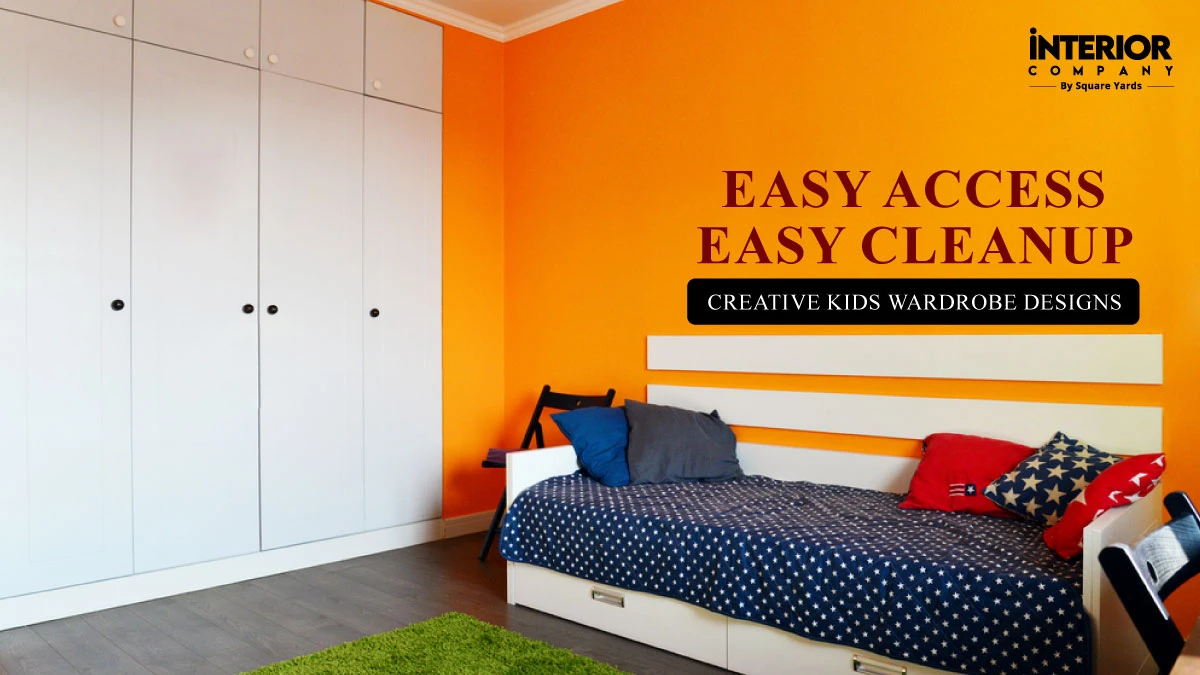
A kid’s wardrobe normally fails long before it looks old. Clothes stop fitting the shelves. School bags end up on the floor. Drawers become junk zones. The problem here is
We are celebrating kids this month! Get inspired by our Children’s Day celebration ideas for a fun-filled play date.
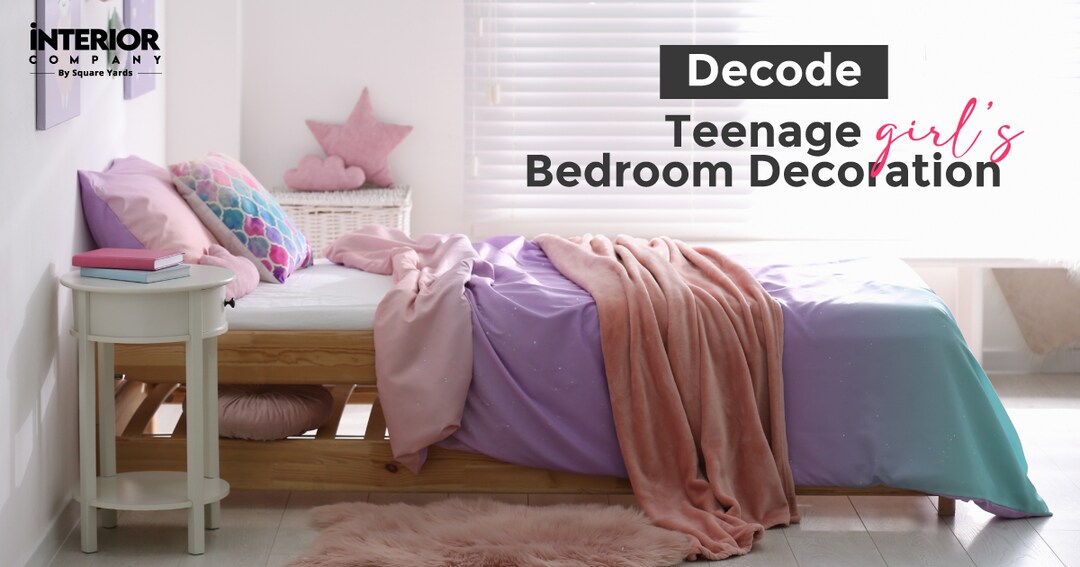
Creating a personalised space for a teenage girl’s bedroom is a delightful endeavour where imagination meets design to reflect her unique personality and interests. In this arti
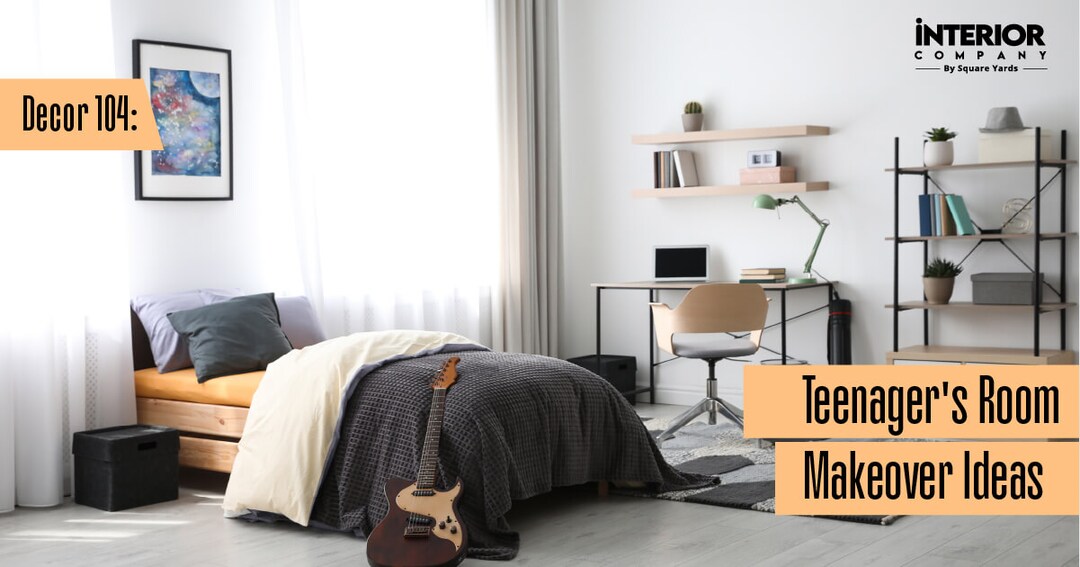
A teenager’s room is a big deal! Changing up the room is not just about making it pretty; it’s about making a place that feels right for them as they grow and discover. Th
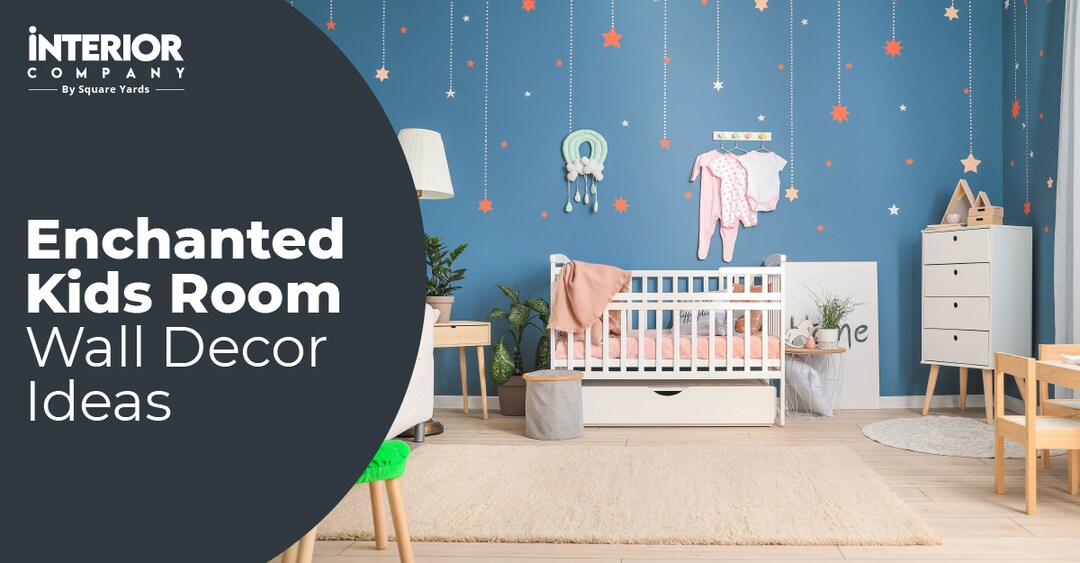
While designing the kid’s room, the right wall decor ideas can make a difference in their cognitive development. Find a style that suits your child’s interest and cu
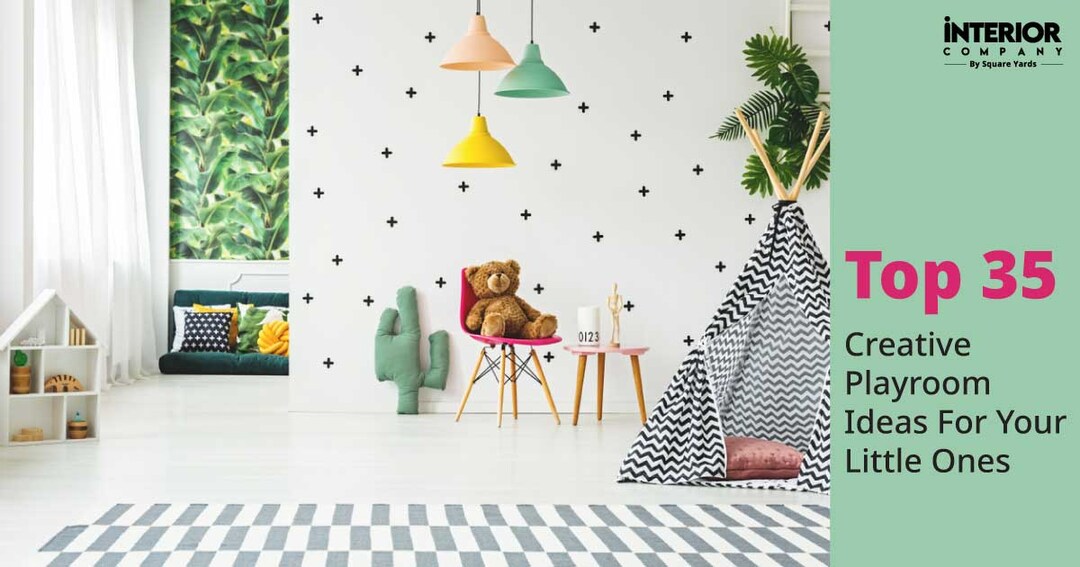
Creating a kids’ playroom offers them a magical space where they can explore, learn, and let their imaginations soar. It’
What Is Kids Room Interior Design?
A kid’s room is never just a bedroom. They need space to move. To imagine things. To sit on the floor sometimes instead of always using furniture.
The room keeps on changing without anyone really planning it that way. One year, there are toys all over the floor. Then, suddenly, there are books, school bags, drawings stuck on the wall, and random collections on shelves. That’s why a good kids' room interior design isn’t about making the room look perfect. It’s more about keeping it safe, flexible, and comfortable. Something that can keep up as things change.
Here’s what usually matters the most:
- Safety comes first: Kids bump into things. Climb furniture. Run around indoors. So round edges, stable shelves, and safe materials make a big difference. Small changes like softer finishes help improve everyday comfort in a kids’ room.
- Creativity grows when the room allows freedom to explore: Walls don’t always need to stay plain. Pinboards, art corners, or chalk-paint areas help children interact with their own space. That’s what makes a room feel more personal.
- Flexibility helps the room stay useful as kids grow older: What works at age five rarely works at ten. So adjustable storage, neutral base colours, and simple furniture make future updates easier without requiring a redesign.
- Comfort affects sleep and studies more than expected: Bed position, lighting, and colour choices shape your daily routine. A balanced interior design supports both rest and learning without making the room feel crowded.
How To Design A Fun and Functional Kids' Room Design?
Designing a child’s room usually works better when you don’t try to do everything at once. Start simple. Add things slowly. The goal isn’t to make the room look fancy. It’s to make it usable every day.
Here are some ideas that usually help.
Playful, Creative and Colourful Kids’ Room Ideas
Kids naturally respond to colour. But too many colours together can make the room feel messy instead of lively. So, keep one wall playful and the rest calm.
- Bright accent walls make the room feel energetic without taking over the whole space.
- Wall decals or stickers are easier to change later than paint.
- Soft rugs create a comfortable play area on the floor.
Small changes like these can improve a kids room wall design without adding heavy furniture.
Kids' Bedroom Theme Designs
Themes work really well for younger children. They make the room feel special. But it’s better not to design everything around one theme permanently.
- Space themes are more interesting than cartoon characters.
- Jungle themes work nicely with green tones and wooden furniture.
- Animal or travel themes naturally encourage curiosity.
Many parents mix themes with neutral furniture to keep the design from feeling outdated too quickly.
Create Specific Zones
Kids use their rooms for many things. So dividing the space helps more than you think.
- Sleep zones help to create calm corners inside busy rooms.
- Study zones improve focus during homework time.
- Play zones allow movement without disturbing the rest area.
Even small layouts can work better if different zones are planned early.
Smart Storage Options
Storage is honestly the most important part of any kid’s room design. Without it, the room stops working within a few months.
- Under-bed drawers easily hide toys and extra bedding.
- Toy baskets make cleaning faster for younger children.
- Open shelves help kids reach books themselves.
You can explore different kids wardrobe designs to keep the room organised.
Key Elements Of A Well-Designed Kids' Room
Most children’s rooms work best when four basic areas are planned properly. Sleeping, studying, playing, and storage. Once these are balanced, the room feels natural rather than crowded.
Here’s how each area can be kept organised:
Sleep Area
The sleeping corner should feel quieter than the rest of the room. It should not be too bright or too busy.
- Comfortable mattresses support children's posture as they grow.
- Soft wall colours improve bedtime routines.
- Bedside lighting helps with reading without disturbing sleep.
Choosing the right kids' bed design makes this area easier to manage day to day.
Study Area
Study corners gradually become the most-used space in the room as children grow older.
- Proper desk height improves posture during homework.
- Adjustable chairs help with long study sessions.
- Focus lighting reduces eye strain.
You can experiment with different study room design ideas inside the bedroom itself.
Play Zone
Play space is just as important as study space.
- Open floor areas allow movement.
- Soft rugs reduce impact while playing.
- Storage baskets make toy cleanup easier.
This helps to create a beautiful kids' room that feels practical.
Storage Solutions
Storage decides whether the room stays organised after daily use.
- Wall shelves increase vertical storage space.
- Toy boxes reduce clutter quickly.
- Wardrobes organise clothing properly.
Smart solutions like drawers and shelves improve the room’s interior without taking up extra floor space.
Popular Kids Room Design Ideas
There isn’t one fixed way to plan a kids' room design. Every child uses the space differently. Some need more play area. Some need a bigger study setup. Some share rooms with siblings. So, the layout usually changes more with the daily routine than with the decoration style.
Still, a few ideas work in most homes. Some of them are as follows:
Modern Kids Room Design
Modern rooms are becoming more common now because they stay useful longer. They don’t depend too much on cartoon themes or age-specific decor.
- Neutral base colours make the room easier to update later.
- Simple furniture keeps movement comfortable.
- Floating shelves help to add storage without taking up floor space.
This kind of modern kids' room design works well if you don’t want to redesign it again in a few years.
Themed Kids Room Design
Themes are fun. Kids love them. But keep them flexible instead of permanent.
- Go for themes like space or jungle, as they stay interesting longer.
- Travel or map walls make the room feel more imaginative.
- Don’t go for too cartoonish themes as they quickly outgrow.
Bunk Bed Kids Room
Bunk beds solve space problems quickly, especially in shared rooms.
- Vertical layout frees floor space for play.
- Built-in ladders make climbing easier.
- Storage under the lower bed adds extra usability.
These days, there are multiple creative options for bunk bed design for smaller homes.
Minimal Kids Room Design
Sometimes simpler works better. Especially in compact apartments.
- Light wall colours make the room feel open.
- Limited decor reduces visual clutter.
- Simple shelves keep things accessible.
A simple children's bedroom stays organised longer than overly decorated rooms.
Study-Focused Kids Room
As school routines grow stronger, study areas become a priority.
- Dedicated desks improve concentration.
- Pinboards help organise homework.
- Proper lighting supports longer reading hours.
Kids' Room Design Ideas Based On Age
One mistake people make is designing the room only for the present age. Kids change fast. Their routines change faster. So, planning by age groups usually helps the room stay useful longer.
Here’s how different room layouts normally shift over time.
Toddler Room Design
Toddlers mostly need a safe space for movement more than furniture.
- Soft colours create calm surroundings.
- Low beds improve accessibility.
- Rounded furniture edges reduce the risk of injury.
These choices make baby bedroom designs easier for both children and parents.
Kids' Room for 5–10 Years
This stage needs a balance between study and play.
- Creative shelves help store toys and books together.
- Wall boards support homework routines.
- Theme accents make the room feel lively.
These room design ideas work well for growing children.
Teen Kids Room Design
Teenagers usually want calmer and more structured rooms.
- Neutral tones feel more mature.
- Sleek furniture improves usability.
- Defined study areas become essential.
This stage shifts the room toward a modern layout instead of a theme-based one.
Designs should always stay flexible because children’s interests change faster than furniture does. The design should be selected based on what might stay relevant after a few years.
Best Colour Schemes For Kids' Rooms
Colours play an important role in deciding the vibe of the room. Too many bright shades can make the space tiring. Too many neutral tones can make it feel dull for kids. So balance usually works best.
Here are some combinations that people often use in kids’ room designs.
Pastel Colours
Pastels are soft and calming without looking plain.
- Light blue supports relaxation.
- Mint green keeps the room fresh.
- Peach tones add warmth quietly.
These shades work nicely in kids’ bedroom designs where parents want a soft look.
Bright Colours
Bright colours are better as accents instead of full walls.
- Yellow makes the room feel energetic.
- Orange adds warmth.
- Red works best in small highlight areas.
These combinations support lively kid activities without overwhelming the space.
Neutral Base + Colour Accents
This is probably the most practical approach for the long term.
- White walls improve brightness.
- Grey tones match most furniture.
- Wooden textures add warmth naturally.
Accent colours through cushions or rugs keep the room design interesting even after furniture changes. Neutral bases make future design updates much easier.
Smart Storage Ideas For Kids' Rooms
Storage is honestly what decides whether a room keeps working after daily activities begin. Toys increase. With growing age, books increase. School supplies increase. Without planning storage early, the room starts feeling messy very quickly.
Here are some ideas that usually help to manage storage in a kid’s room:
- Under-bed storage keeps extra items hidden: Seasonal clothes, toys, or bedding can stay organised without taking extra cabinet space.
- Wall shelves improve vertical storage: Shelves help to display books and decor without filling the floor. You can plan storage options with different kids' room wall design
- Toy baskets make cleaning easier for younger kids: Open baskets allow children to organise things themselves.
- Wardrobe organisers improve clothing storage: Clothes keep increasing as kids grow. Somehow, there’s always more than before. So adjustable shelves really help here. You can move things around when needed instead of changing the whole wardrobe later. Trying different cupboard design ideas also makes storage easier to manage without adding extra furniture.
- Multifunctional furniture saves space in smaller rooms: Small rooms don’t leave much choice, honestly. So, furniture has to do more than one job. Storage beds are useful. Foldable desks help too, especially when the same corner gets used for study and play.
Kids' Room Design Trends In 2026
Kids’ rooms are slowly changing now. Earlier, everything used to be in bright colours and the walls were covered in cartoons. It looked fun, sure, but didn’t last long. After a few years, the whole room needed to be changed again. These days, parents usually want something that stays useful longer. Still playful, just not overdone.
Here are some ideas that are showing up more often in newer kids’ room designs.
Nature-Inspired Rooms
Nature-based themes are becoming popular because they feel calm without looking boring.
Nature themes feel calm but not boring. That’s why many people like them.
- Green shades make the room feel softer and more relaxed.
- Wooden furniture adds warmth without making the space heavy.
- Even small indoor plants can surprisingly change how the room feels.
This kind of setup works well when someone wants a modern kids’ room that still feels natural and easy to live with.
Montessori-Inspired Rooms
Montessori-style rooms are more about how children move inside the space than how the room looks.
- Low shelves make books easy to reach without asking for help every time.
- Floor beds also make things simpler for younger kids.
- They can get in and out on their own.
- It’s a small change, but it makes the room feel more comfortable for them.
Space-Saving Furniture
Homes are getting more compact, so furniture is becoming smarter too.
- Storage beds reduce the need for extra cabinets.
- Foldable desks save study space.
- Stackable shelves adjust as storage needs increase.
These solutions work well for kids’ bedroom designs for small spaces.
Creative Wall Art
Walls are no longer just background surfaces. They’re becoming an active part of the room.
- Murals create storytelling corners.
- Decals allow quick updates without repainting.
- Pinboards help to display artwork or reminders.
These details improve the wall design without making the room feel crowded.
Multifunctional Furniture
Furniture now does more than one job. This makes planning easier.
- Beds with drawers add hidden storage.
- Study desks with shelves reduce clutter.
- Convertible seating helps to create a flexible room layout.
This trend works for the latest kids’ room designs for both small and shared rooms.
Safety Tips For Kids’ Room Design
Safety doesn’t need to make the room look boring. It just means choosing smarter materials and layouts so children can move freely without risk. These small decisions make daily use much easier.
Here are some simple things that help a lot.
- Rounded furniture edges reduce accidental bumps: Kids move quickly inside their rooms. Softer corners on beds and desks make everyday movement safer.
- Non-toxic paint keeps the air inside the room healthier: Children spend many hours in their bedroom. Using safer paint improves long-term comfort.
- Durable materials handle rough use better: Scratch-resistant laminates and washable wallpapers help to maintain the room longer without repairs. Children’s rooms go through heavy daily use. So, strong materials always make maintenance easier later.
- Anti-slip flooring improves movement safety: Rugs with grip backing prevent slipping during playtime. This becomes important in rooms with toddlers and very young children.
- Proper lighting: Study lamps, ceiling lights, and night lights work together to create a calm environment for studying and relaxation.
How To Choose Kids' Room Furniture?
Here’s what usually helps while planning a child's bedroom furniture design. Nothing complicated. Just a few smart choices that make the room easier to use every day.
- Choose a bed that handles both comfort and storage: Beds take up the most space anyway, so it makes sense to have one that does a little extra work. Storage beds are useful for hiding toys, spare bedding, sometimes even school stuff that keeps moving around the room. It saves you from having to add another cabinet later.
- Select wardrobes that can adjust over time: Kids’ storage needs keep changing. One year it’s clothes, next year it’s books and random collections. Adjustable shelves make things easier because you don’t have to redo the wardrobe again and again.
- Add a study desk near natural light: This one helps more than people expect. Sitting near a window just feels better while studying. Less strain, fewer distractions, too sometimes. Even a small desk works if placed correctly.
- Use multifunctional furniture in smaller rooms: Smaller rooms really need furniture that can do more than one job. Storage benches, foldable desks, and even beds with drawers underneath. These small changes make the room feel less tight.
- Keep the shelf height easy for younger children to reach: If shelves are too high, kids won’t use them. Simple as that. But when books and toys are within reach, they start putting things back on their own. The room stays cleaner without constant reminders.
Small vs Large Kids Rooms
Room size changes how the layout should be planned. Smaller rooms need smarter storage. Larger rooms need better zoning. Both can work well if planned properly.
Here’s how they usually differ.
Small Kids Rooms
Compact spaces need careful planning more than extra furniture.
- Wall shelves save floor space for play.
- Storage beds reduce the need for cabinets.
- Light wall colours make the room feel bigger.
- Foldable study tables improve flexibility.
Large Kids Rooms
Bigger rooms allow more freedom while planning different activity zones.
- Separate play areas improve movement comfort.
- Reading corners create quiet learning spaces.
- Larger wardrobes support long-term storage needs.
- Accent walls add personality without clutter.
Design The Perfect Kids Room For Your Child With The Interior Company
Planning a child’s room honestly gets much easier when you think about colours, storage, furniture, and layout together instead of picking everything one by one later. A good kids' room design usually balances study, play, and sleep in the same space without making the room feel packed or heavy.
At Interior Company, the idea is simple. Build a room that keeps working as your child grows, so you’re not changing things again after a year or two.
Here’s how the process usually moves forward.
- Personalised room design based on age and routine: Every child uses their room differently. Some need a bigger study corner. Some just need more play space for now. So planning starts with understanding how the room will actually be used day to day, not just how it should look.
- 3D room visualisation before execution begins: Before anything starts on site, you get to see how the layout, colours, and furniture will come together. It makes decisions easier.
- Space-saving furniture for compact or shared rooms: Small rooms need smarter furniture, that’s it. Storage beds, wall shelves, and bunk setups create more usable space.
- Turnkey interior services from concept to completion: From selecting materials to installation and final styling, everything moves together rather than in parts. The whole process stays smoother that way.
The goal is just to create a room that feels comfortable right now and still makes sense a few years later as your child grows.
Frequently Asked Question (FAQs)
What is the best design for a kids' room?
There’s no single best kids’ room design that works for everyone. It depends on how the child actually uses the space. Some kids need more play area. Some need a study corner early. Usually, a simple setup works better than a heavy theme. A comfortable bed, some shelves, and space to move around freely already make a big difference. The room should be easy to change later. That part matters more than decoration.
Which colour is best for a kid's bedroom?
There’s no single colour that everyone likes. Some kids like brighter colours, some don’t. Soft blues, greens, and peach shades usually feel easy to live with. But honestly, even a neutral wall with small colour accents works really well. A balanced kids room colour combination just feels calmer. Too many strong colours together can get tiring after a while.
How do you design a small kids' room?
Small rooms just need smarter placement, that’s all. Keep the floor open first. Don’t fill every wall with furniture. A storage bed helps a lot. Wall shelves instead of big cabinets also make things easier. Even moving the study table near a window can change how the room feels. Most small kids’ room ideas are really about making space look lighter, not adding more things.
What furniture is essential in a kids' room?
You don’t actually need much to start with. A good kids’ bed design, one study table, a wardrobe, and maybe a few shelves. That’s already enough. Everything else can come later, depending on how the room gets used. Sometimes parents add too much too early, and the space starts feeling tight for no reason.
How can I make a kids' room more fun?
Fun doesn’t always come from buying new furniture. Sometimes, just one colourful wall can change everything. Or a small reading corner. You can even let the child pick a few things for their own space. That usually makes the room feel more personal. Simple changes like that can improve the design without making the room look overdone.